
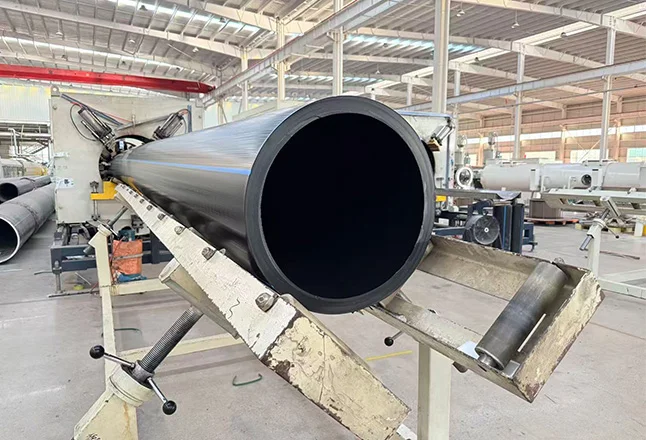

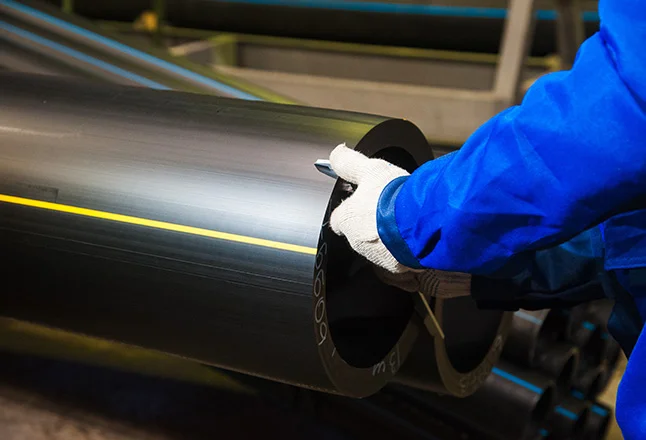
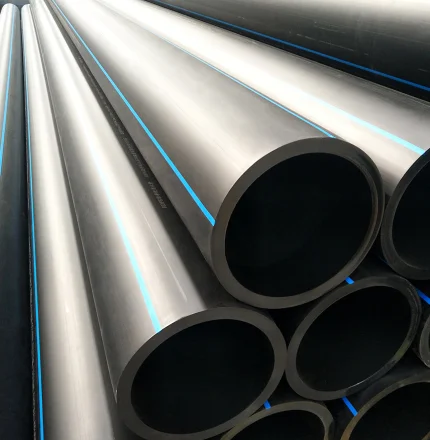
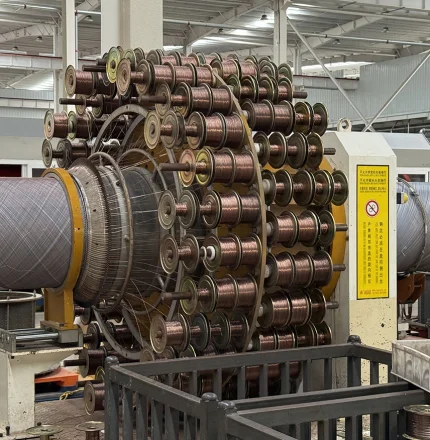
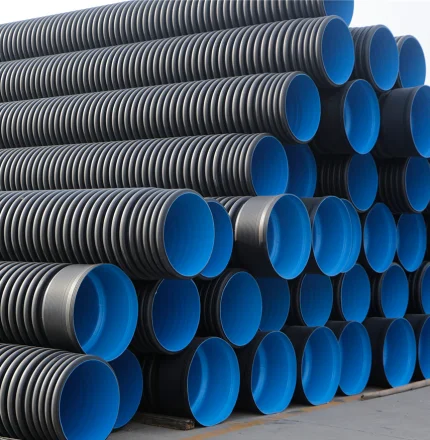
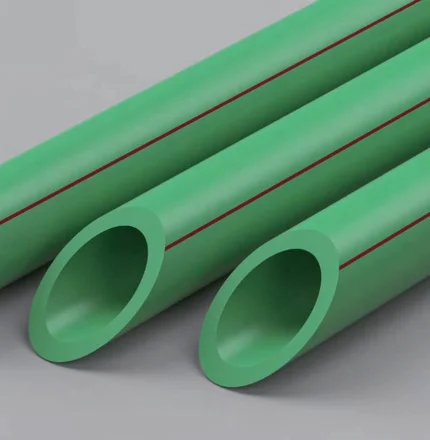
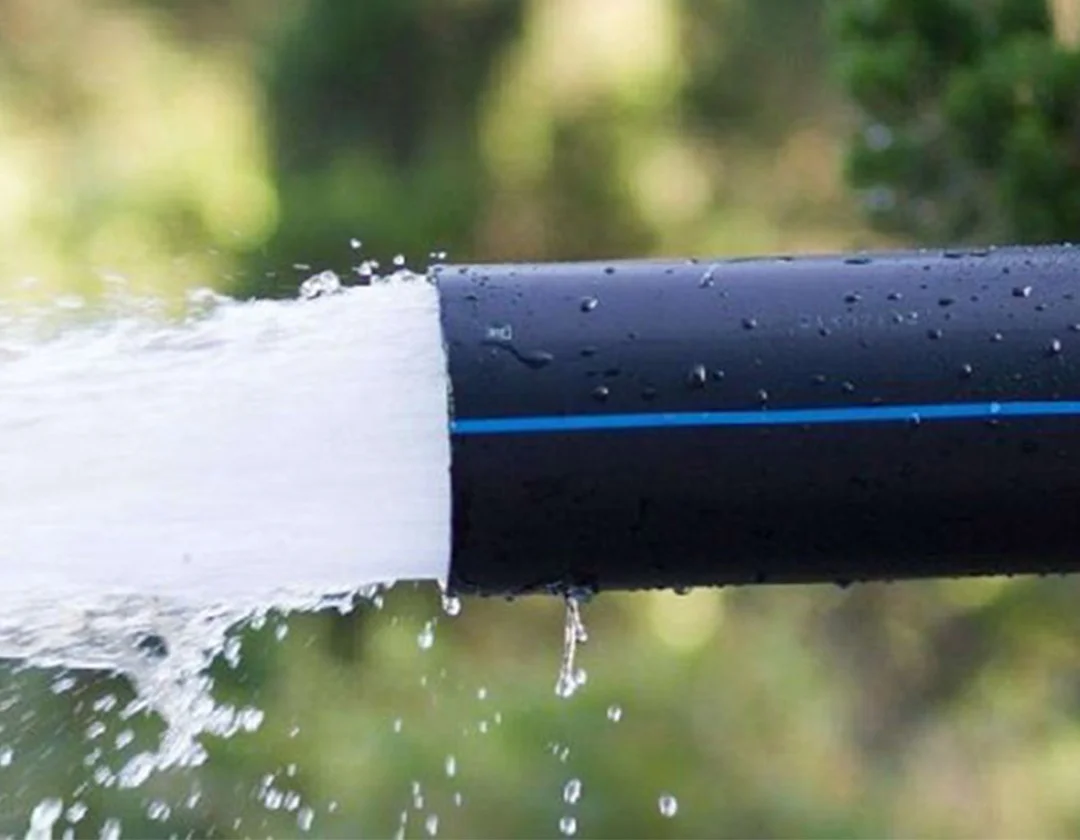
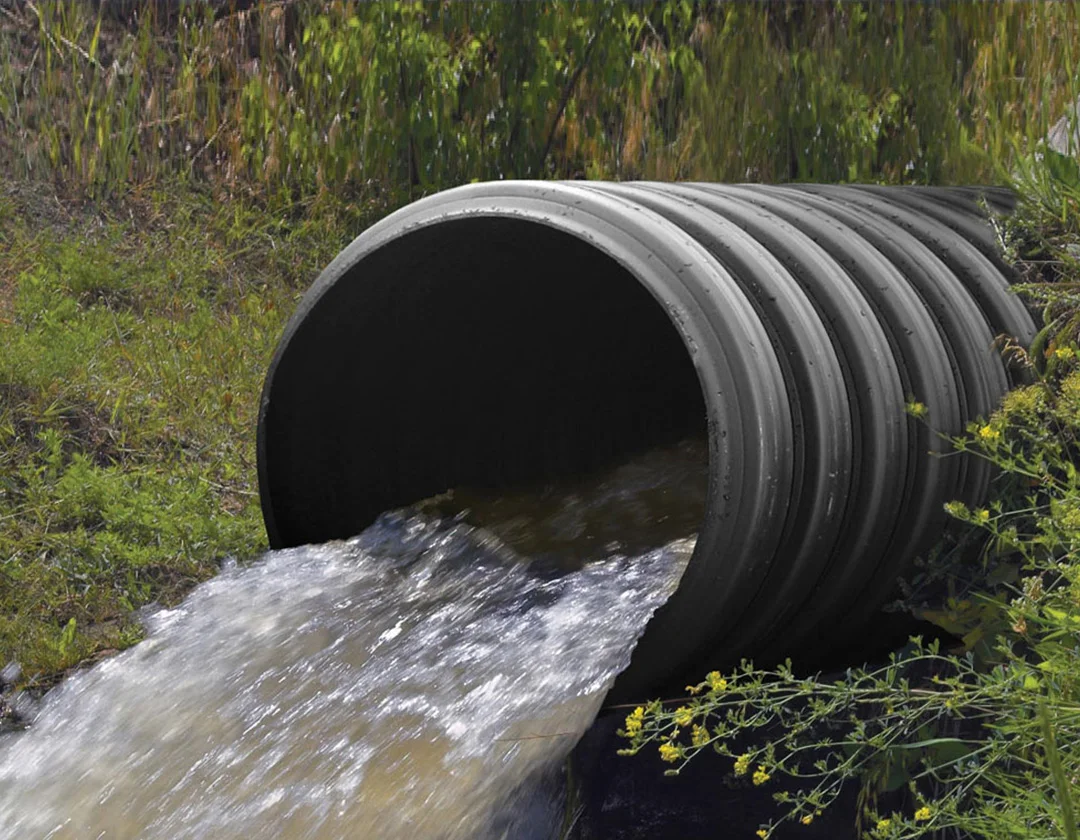
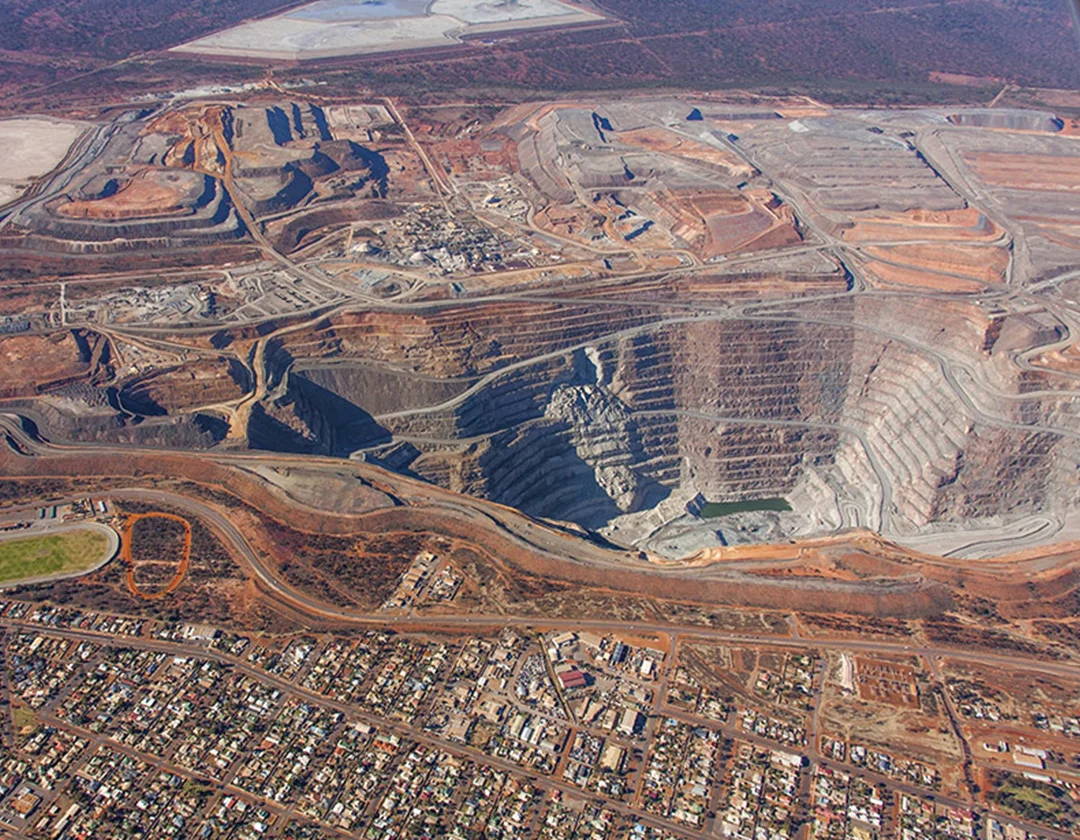
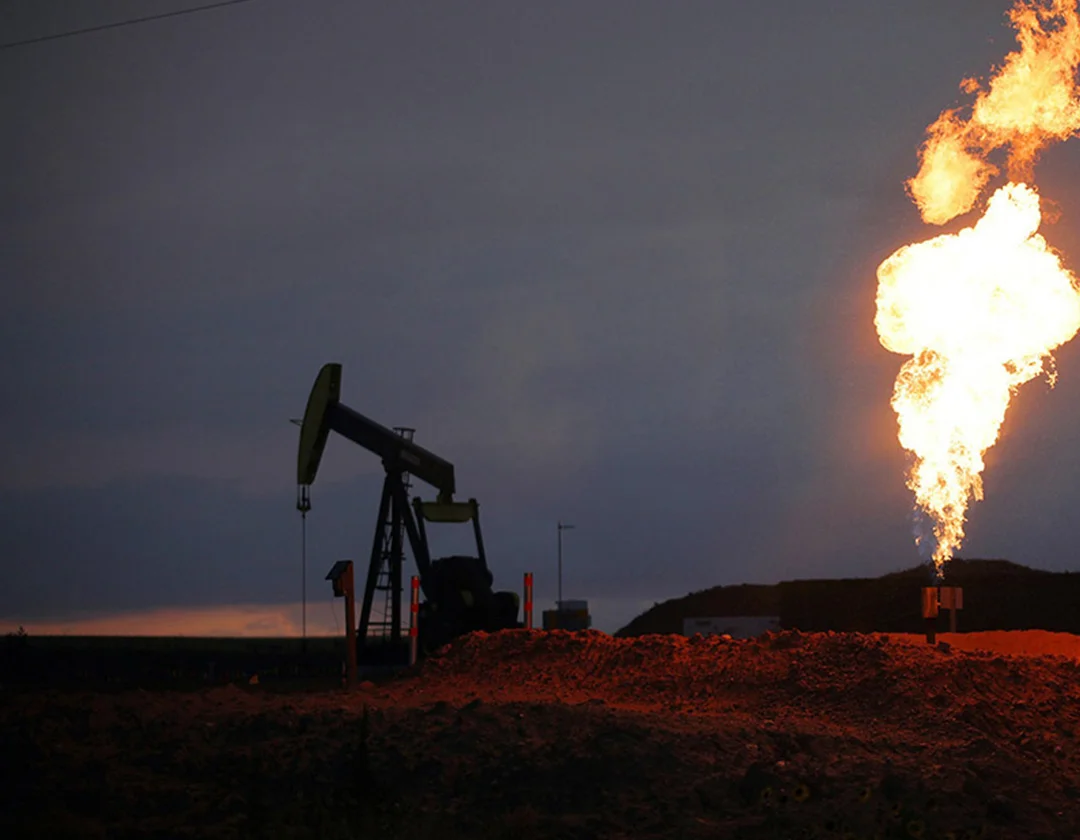
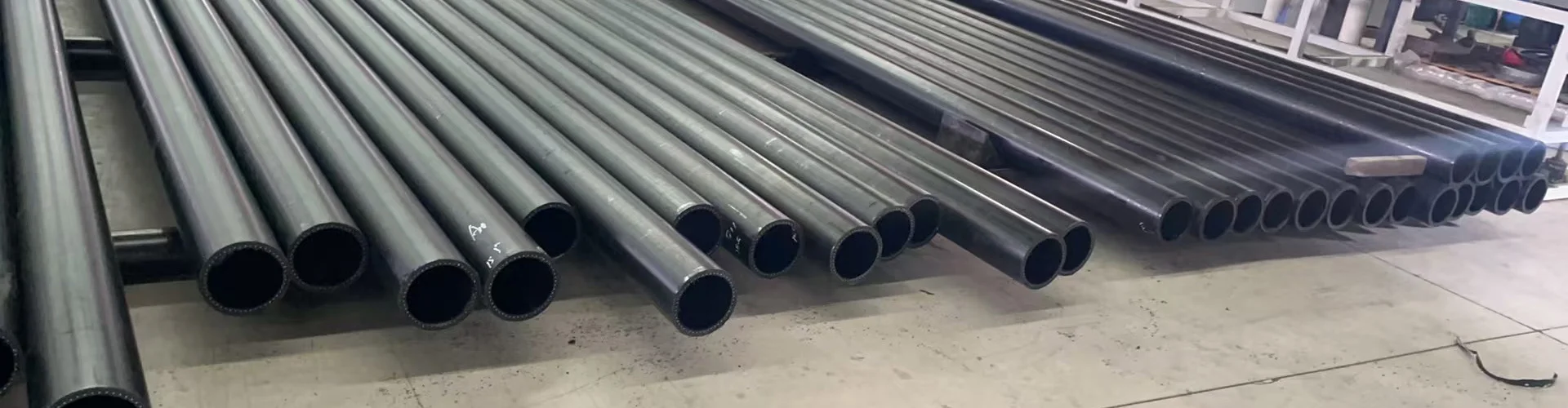
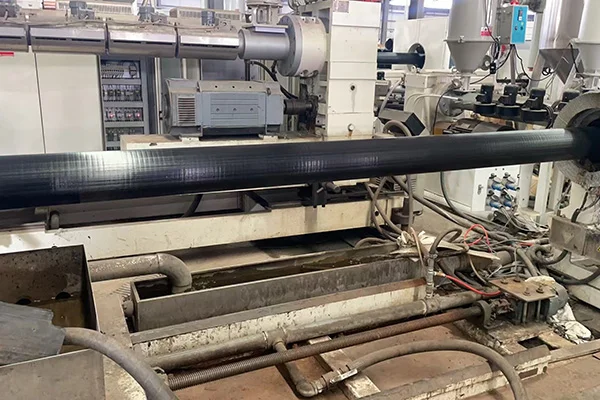

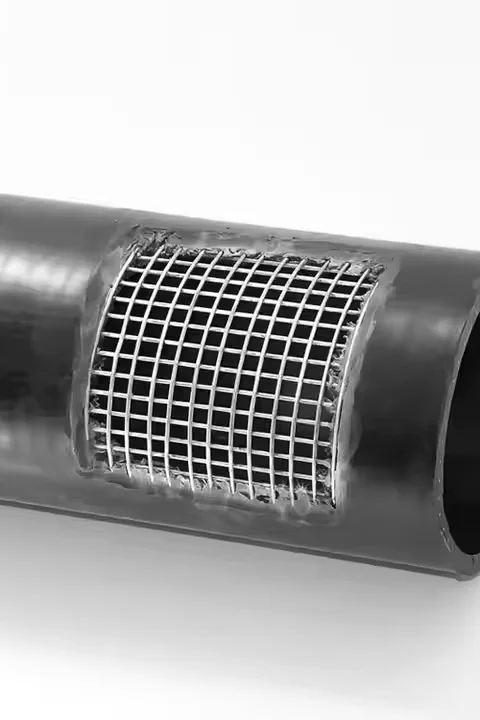
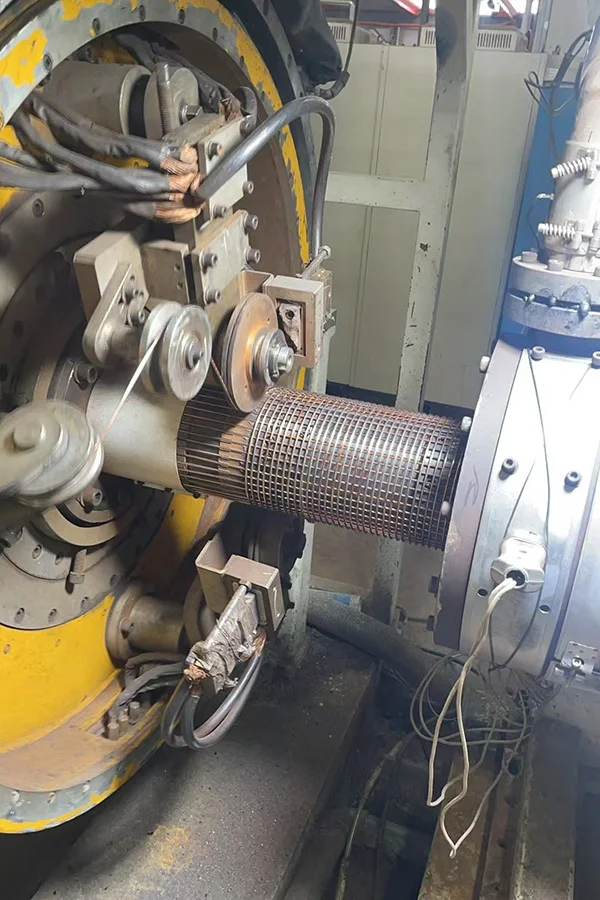
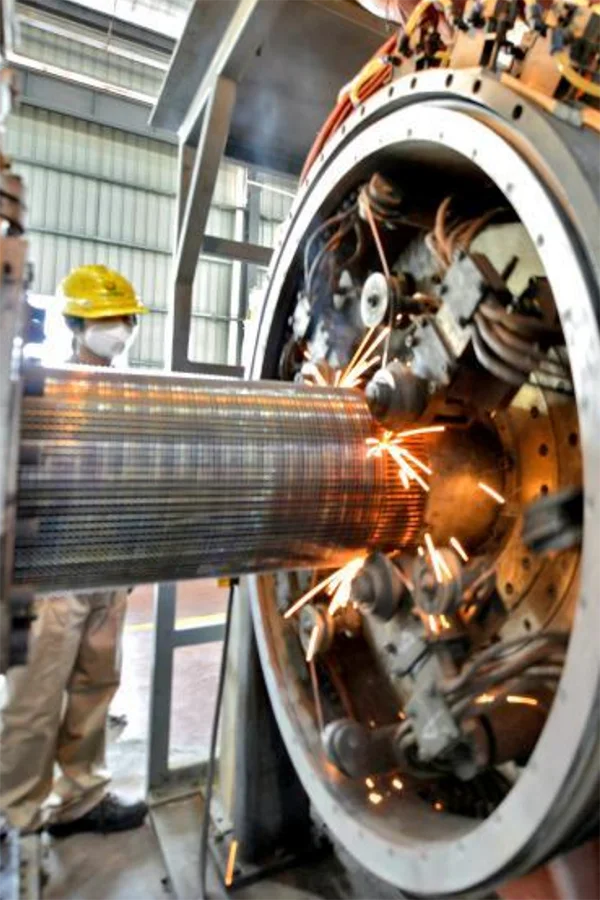
SIFFO high-density polyethylene (HDPE) steel skeleton reinforced composite pipe (SRPE pipe ) is a composite pipe with high-density polyethylene (HDPE) in both inner and outer layers, with a steel skeleton embedded in the middle. The steel skeleton is made of high steel-strength steel wires welded in a criss-cross pattern. This provides high tensile strength, enhances the strength of the pipe body, and has high pressure resistance. In addition, the inner and outer layers use HDPE or PE100 RC as raw materials, which can be made into lightweight pipes that are resistant to corrosive chemicals and withstand freeze-thaw cycles and continuous sub-zero temperatures without cracking. It is also highly wear-resistant and is not affected by acids and alkalis. In some high-temperature applications, the internal raw material can be adjusted to PERT, so that the SIFFO SRPE pipe has good temperature resistance, and the maximum operating temperature can reach 80 ℃. This product combines the corrosion resistance of plastic pipes with the high strength of metal pipes. It is widely used in the fields of petroleum, natural gas, chemical industry, municipal water supply and drainage, mining, electric power, marine engineering, etc., especially suitable for the transportation of high-pressure, high-temperature, and highly corrosive media.
Product Name | SIFFO HDPE Steel Skeleton Reinforced Composite Pipe (SRTP,SRPE) |
Specification | DN50 - DN600mm |
Pressure | PN10,PN16,PN20,PN25,PN30,PN35,PN40 |
Raw Material | 100% Virgin Material PE100 and steel wire |
Standards | ISO4437,CJ/T123-2016,GB/T 17219 EN1555, AS/NZS4130, GOST18599, ASTM F714,CJ/T123-2016 |
Application | water supply, oil transportation, natural gas, mining,methane,, fire fight. |
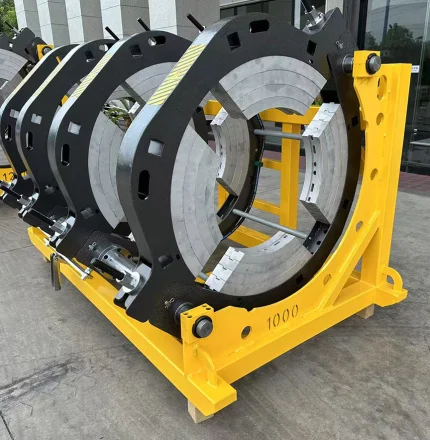
Connection | Electrofusion Connection,Flange Connection |
Color | Black or Customized |
▎Product Series
Standard Type: For general pressure applications.
Reinforced Type: Higher pressure tolerance (up to 4.0MPa).
High-Temperature Type: Resists fluids up to 80°C (short-term 100°C).
▎SRPE Pipe Features
Ultra-high strength and superior ring stiffness
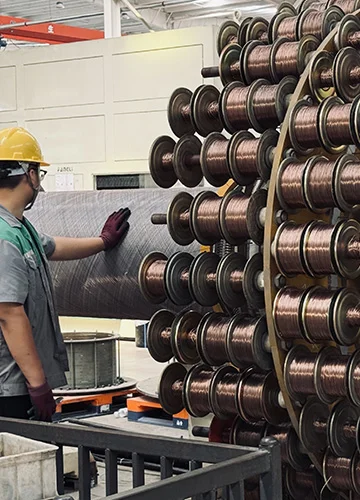
The steel wire mesh skeleton in the middle of the pipe is firmly bonded to the inner and outer layers of HDPE with high-performance adhesive resin, forming a composite structure similar to reinforced concrete. The steel skeleton bears the main mechanical load, especially tensile stress and circumferential stress. This allows the pipe to withstand extremely high internal working pressure and has excellent resistance to external loads and ground settlement. Its ring stiffness is much higher than that of pure plastic pipes, making it suitable for harsh conditions such as ultra-high pressure, large diameter, and deep overburden, without the need for additional concrete encapsulation protection.
Superior Corrosion Resistance and Long Service Life
The steel skeleton is completely encased in a high-density polyethylene (HDPE) layer, completely isolating it from the external environment (soil, groundwater, chemical media) and the internal transported media, fundamentally eliminating electrochemical and chemical corrosion of the steel. HDPE material itself possesses excellent resistance to acids, alkalis, salts, and various chemicals. This dual protection allows the pipeline to be designed for a service life exceeding 50 years, far surpassing traditional steel pipes, and requires virtually no maintenance throughout its entire lifespan, significantly reducing operation and maintenance costs.
Excellent temperature resistance
The high-temperature resistant model can operate stably at temperatures of 80℃ or even higher for extended periods, broadening its applications in hot and warm water, chemical media transportation, and thermal fields.
Excellent pressure resistance, impact resistance, and toughness
The steel skeleton provides strong pressure resistance, while HDPE gives the pipe good toughness. Even in low-temperature environments (such as -40℃), the pipe maintains excellent impact resistance and will not burst like brittle materials, making it particularly suitable for geologically unstable areas such as earthquake zones, permafrost areas, and mining subsidence areas.
Hygiene and Safety
Food-grade HDPE raw materials meet domestic and international drinking water hygiene standards (such as NSF and KTW), do not scale, and do not breed microorganisms, fully ensuring the purity of the transported medium, making it an ideal pipe material for drinking water.
Economy and Construction Ease
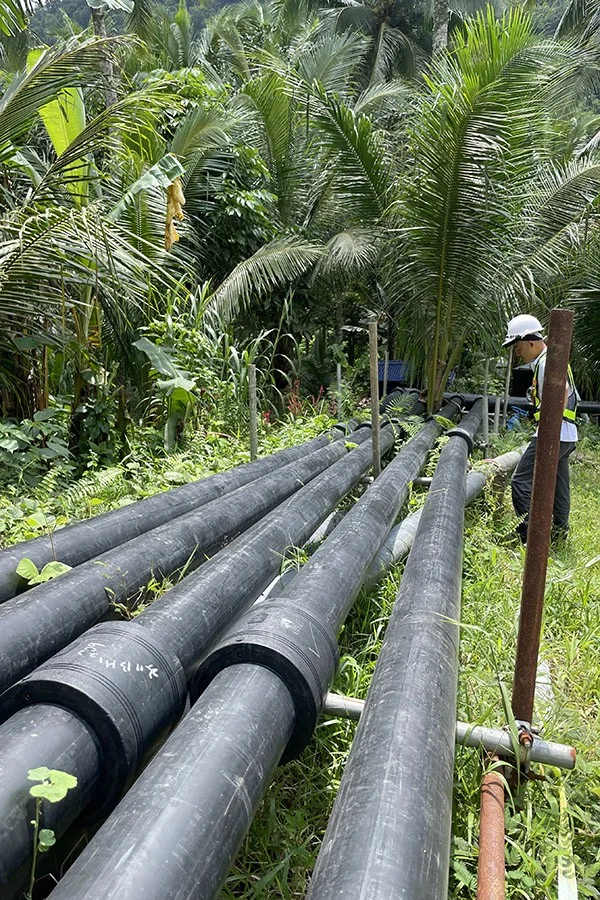
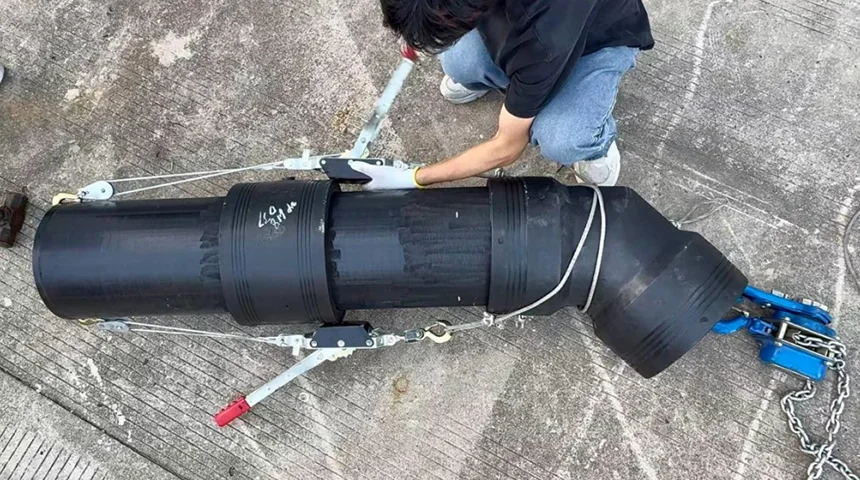
Weighing only 1/4 to 1/8 of steel pipes of the same pressure rating, it greatly reduces the difficulty and cost of transportation, hoisting, and installation. Electrofusion connection is used, utilizing pre-embedded conductive elements to fuse the fittings and pipe material into a single integrated weld. This results in high joint strength, excellent sealing, zero leakage, and fast construction speed, with minimal impact from human and environmental factors.
▎SRPE Pipe Applications
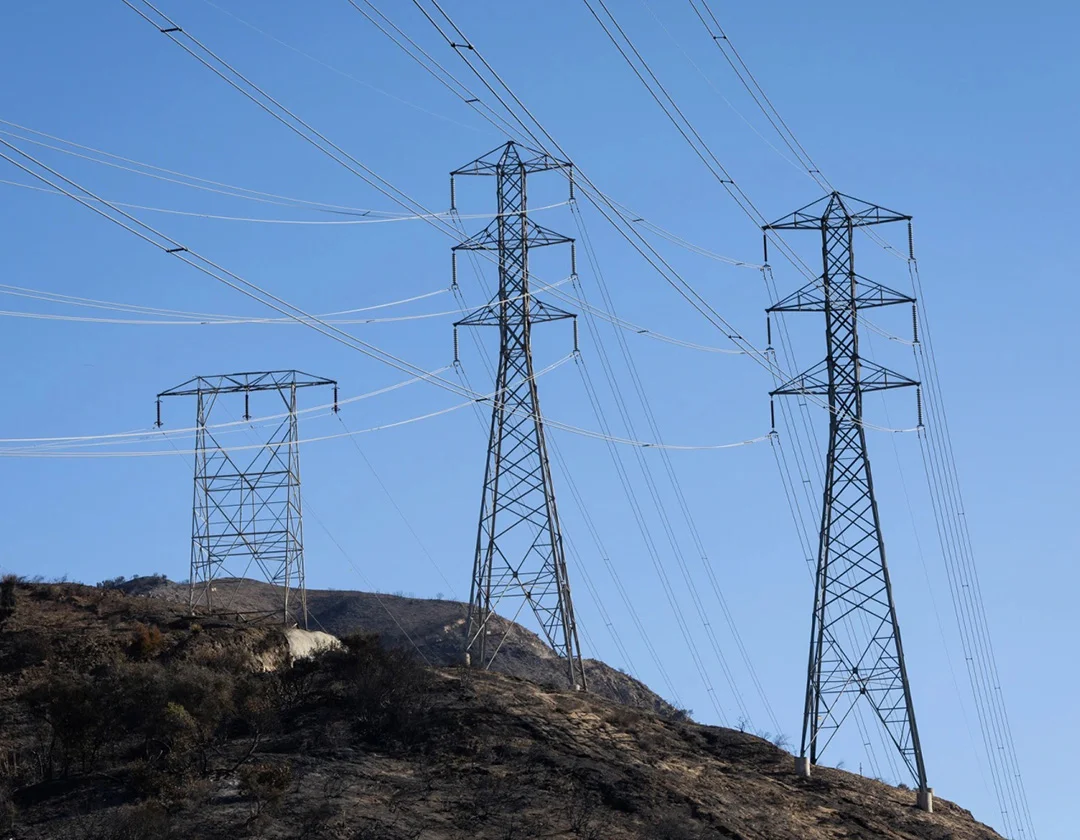
Energy Transmission Sector
Urban Gas and Municipal Pipelines: As the preferred solution for medium- and high-pressure trunk networks and household access pipes, its corrosion resistance and zero-leakage characteristics greatly enhance the safety and reliability of gas systems.
Long-Distance Oil and Gas Pipelines: Particularly suitable for branch lines, gathering and transmission pipelines, and crossing sections for long-distance high-pressure natural gas transmission. Its comprehensive performance is balanced, and its life-cycle cost advantage is significant.
Industrial Gases: For the transmission of various process gases in chemical plants and power plants, resistant to corrosion from various chemical media.
Water Supply and Water Conservancy Sector
Municipal Water Supply and Drainage Trunk Pipes: High pressure resistance and high sanitary standards, ideal pipe material for urban water supply and greywater reuse.
Large-Scale Water Transmission and Diversion Projects: Used for long-distance pressure water transmission between reservoirs and rivers, with smooth inner walls and high energy efficiency.
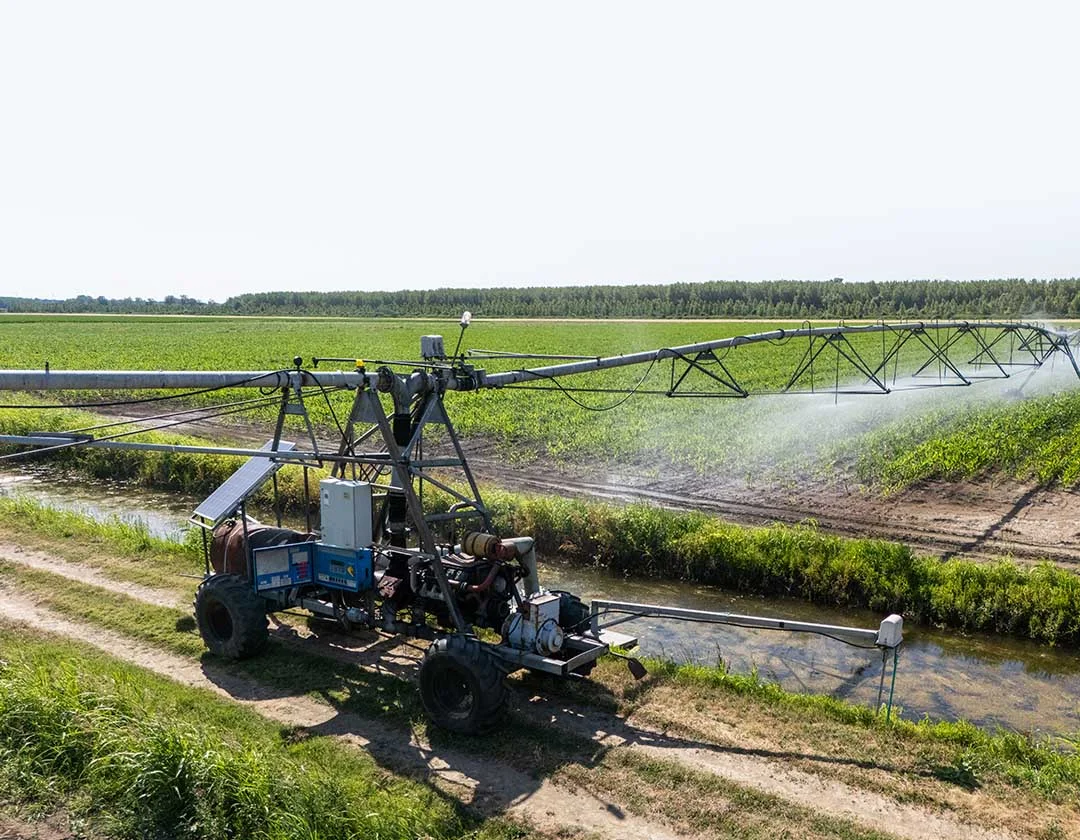
High-Efficiency Water-Saving Irrigation in Agriculture: Used as pressure main pipelines in large-scale sprinkler and drip irrigation systems, with good weather resistance and long service life.
Industry and Mining Sector
Petrochemical Industry: For transporting corrosive chemical media, oilfield water injection, polymer injection, etc. Customizable inner layer materials resistant to high temperatures and special chemicals.
Mining Transportation: Used for long-distance, high-pressure transportation of slurry, tailings, and concentrate. Its high abrasion resistance (HDPE layer) and high impact resistance can withstand the abrasion of slurry particles and system pressure fluctuations.
Power Plants: Used in systems for circulating water, demineralized water, and ash/slag transportation, replacing traditional steel pipes and solving corrosion and scaling problems.
Special Environments and Harsh Working Conditions
Highly Corrosive Environments: Its corrosion resistance is irreplaceable in coastal saline-alkali lands, chemically polluted areas, and areas with stray current interference.
High-Risk Areas: Seismically active zones, landslide areas, and permafrost regions; its good toughness and flexibility allow it to adapt to geological deformation within a certain range.
HDPE steel-reinforced composite pipes, through innovative material and structural integration, successfully combine the high strength and high modulus of steel with the corrosion resistance, toughness, and ease of connection of plastics, achieving a balance of rigidity and flexibility. It is not only an upgraded replacement for traditional steel pipes and pure plastic pipes in many high-performance applications, but also a comprehensive solution for conveying systems requiring complex working conditions, long service life, and high safety, playing an increasingly important role in modern infrastructure and industrial construction.
▎Steel Skeleton Reinforced HDPE vs Standard HDPE vs Steel Pipe
Steel Skeleton Reinforced HDPE Pipe, Standard HDPE Pipe and Steel Pipe each have different strengths. Standard HDPE is widely used for flexible and corrosion-resistant pipeline systems, while steel pipe is well established for high-strength applications. Steel Skeleton Reinforced HDPE combines an HDPE matrix with a steel reinforcement structure, providing a balance between polymer corrosion resistance and enhanced mechanical strength.
Feature | Steel Skeleton Reinforced HDPE Pipe | Standard HDPE Pipe | Steel Pipe |
Basic Structure | HDPE with embedded steel reinforcement | Solid-wall HDPE | Metallic steel wall |
Pressure Capability | High, depending on design and rating | Low to high, depending on SDR/PN | High |
Corrosion Resistance | Excellent for the HDPE protective layers | Excellent | Requires appropriate corrosion protection |
Weight | Lighter than comparable steel systems in many applications | Very lightweight | Relatively heavy |
Flexibility | Moderate to good | Excellent | Low |
Structural Rigidity | Higher than standard HDPE | Lower | Very high |
Chemical Resistance | Excellent, depending on HDPE grade and medium | Excellent, depending on HDPE grade and medium | Depends on steel grade, lining and coating |
Internal Hydraulic Surface | Smooth HDPE surface | Smooth HDPE surface | Depends on internal condition and lining |
Impact Resistance | High, depending on design | High | High |
Installation Handling | Easier than conventional steel in many applications | Very easy | Requires heavier handling equipment |
Corrosion Maintenance | Generally low | Very low | Potentially significant depending on environment |
Terrain Adaptability | Good | Excellent | Limited flexibility |
High-Pressure Water | Suitable when correctly rated | Suitable within rated pressure | Excellent |
Mining Applications | Suitable for demanding applications when correctly specified | Suitable for many applications | Suitable |
Industrial Applications | Suitable for demanding fluid systems | Widely used | Widely used |
Long-Distance Water Transmission | Suitable | Widely used | Widely used |
Lifecycle Considerations | Balance of reinforcement and corrosion resistance | Low maintenance and lightweight | Higher corrosion-protection requirements may apply |
Typical Best Use | Higher-pressure or structurally demanding applications | Flexible, corrosion-resistant pipeline systems | Applications prioritizing high metallic strength |
Steel Skeleton Reinforced HDPE vs Standard HDPE
Standard HDPE pipe relies on the mechanical properties of the polyethylene material and its selected wall thickness or SDR/pressure class. It is lightweight, corrosion resistant, flexible and widely used for water supply, drainage, irrigation and many industrial applications.
Steel Skeleton Reinforced HDPE Pipe adds a high-strength steel-wire reinforcement layer within the HDPE-based structure. The reinforcement can provide higher structural strength and pressure capability for applications where conventional solid-wall HDPE may not be the preferred solution. The exact pressure performance depends on the pipe design, reinforcement configuration, diameter, temperature and applicable standard, so projects should always be specified according to the manufacturer's certified rating.
For projects requiring maximum flexibility and straightforward HDPE installation within conventional pressure ratings, standard HDPE can be the more economical choice. For higher-pressure or structurally demanding applications, steel skeleton reinforced HDPE can provide an alternative composite solution.
Steel Skeleton Reinforced HDPE vs Steel Pipe
Steel pipe provides high mechanical strength and is widely used in high-pressure water, industrial and infrastructure applications. However, exposed or internally wetted steel can be susceptible to corrosion, making coatings, linings or cathodic protection important considerations depending on the service environment.
Steel Skeleton Reinforced HDPE uses HDPE as the fluid-contact and protective polymer structure while incorporating steel reinforcement within the composite pipe. This allows the pipeline to retain many of the corrosion-resistance and low-friction characteristics associated with polyethylene while gaining additional structural reinforcement.
The composite design can therefore be attractive for projects where engineers want to reduce the weight and corrosion-related maintenance associated with conventional metallic pipelines without giving up the additional reinforcement required for demanding pressure applications.
▎Why Choose Steel Skeleton Reinforced HDPE Pipe?
Steel Skeleton reinforced HDPE pipe is designed for applications where standard HDPE pipe may not provide sufficient pressure capacity or structural rigidity. The composite construction combines the corrosion resistance, chemical resistance and flexibility of HDPE with the additional mechanical strength provided by a steel Skeleton reinforcement layer.
Compared with conventional HDPE pipe, the reinforced structure can provide higher pressure-bearing capability and improved dimensional stability for demanding pipeline applications. At the same time, the HDPE layers protect the pipeline system from many of the corrosion problems commonly associated with conventional metallic pipelines.
This makes steel Skeleton reinforced HDPE composite pipe suitable for high-pressure water transmission, mining slurry and process water, industrial fluid transportation, municipal infrastructure and other demanding pipeline projects.
▎FAQ About SRPE Pipe
1. What is a steel Skeleton reinforced HDPE pipe?
A steel Skeleton reinforced HDPE pipe is a composite pressure pipe that combines HDPE layers with a high-strength steel Skeleton reinforcement structure. The reinforced construction is designed to provide greater pressure-bearing capability and structural stability than conventional HDPE pipe in demanding applications.
2. What is the difference between steel Skeleton reinforced HDPE pipe and standard HDPE pipe?
Standard HDPE pipe relies primarily on the HDPE material and its wall thickness/SDR rating to withstand operating pressure. Steel Skeleton reinforced HDPE pipe incorporates a steel Skeleton reinforcement layer to provide additional mechanical strength and pressure capacity.
3. Is steel skeleton reinforced HDPE pipe suitable for high-pressure applications?
Yes. Its reinforced composite structure makes it suitable for high-pressure water transmission and other demanding pipeline applications, provided the pipe is selected according to the required operating pressure, temperature, fluid and applicable design standards.
4. Is steel skeleton reinforced HDPE pipe corrosion resistant?
Yes. The HDPE layers provide strong resistance to corrosion and many chemicals. This is one of the key advantages of the composite structure compared with conventional metallic pipelines.
5. Can steel skeleton reinforced HDPE pipe be used in mining projects?
Yes. It can be considered for mining water, process water, slurry-related and other demanding pipeline applications. The final pipe structure should be selected according to the transported medium, pressure, temperature, abrasion requirements and project conditions.
6. Is steel skeleton reinforced HDPE pipe suitable for municipal water supply?
Yes, where the product configuration, raw materials, fittings and applicable certifications meet the requirements of the potable-water project and local regulations.
7. How is steel skeleton reinforced HDPE pipe connected?
Connection methods depend on the specific pipe structure and manufacturer design. SIFFO can provide project-specific connection solutions, fittings and technical recommendations according to pipe specifications and installation conditions.
8. What is the service life of steel skeleton reinforced HDPE pipe?
The expected service life depends on operating pressure, temperature, fluid characteristics, installation quality and design conditions. Properly designed and installed HDPE-based pipeline systems can provide long-term service.
9. Can steel skeleton reinforced HDPE pipe replace steel pipe?
In many water, industrial and infrastructure applications, reinforced HDPE can be considered as an alternative to conventional steel pipe. The selection should be based on pressure requirements, fluid characteristics, installation conditions, applicable standards and total lifecycle cost.
10. What information is required for a steel skeleton reinforced HDPE pipe quotation?
A project quotation normally requires pipe diameter, operating pressure, fluid medium, temperature, pipeline length, installation method, applicable standard, connection requirements and project location.
11. Does SIFFO provide customized reinforced HDPE pipe solutions?
Yes. SIFFO can provide project-based recommendations for reinforced HDPE pipe, fittings, dimensions, pressure requirements and connection solutions according to the pipeline application and technical specifications.
12. Where can steel skeleton reinforced HDPE pipe be used?
Typical applications include high-pressure water transmission, mining, industrial pipelines, municipal infrastructure, process water and other applications requiring a combination of HDPE corrosion resistance and enhanced structural strength.
▎Need a High-Pressure Reinforced HDPE Pipe Solution?
Tell us your pipe diameter, operating pressure, pipeline length, transported medium and project requirements. SIFFO can recommend a suitable steel skeleton reinforced HDPE composite pipe configuration and provide technical and commercial support for your project.
Nominal Diameter | Allowable Deviation of Mean Inner Diameter | Nominal Pressure (PN,Bar) | |||||
PN10 | PN16 | PN20 | PN25 | PN30 | PN40 | ||
Pipe Main Body Thickness and Allowable Deviation (mm) | |||||||
50 | ±1 | - | - | - | 9.0 +1.4 | 10.0 +1.4 | 10.6 +1.6 |
63 | ±1 | - | - | - | 9.0 +1.4 | 10.0 +1.4 | 10.6 +1.6 |
80 | ±1 | - | - | - | 9.0 +1.4 | 10.0 +1.4 | 11.7 +1.8 |
100 | ±1 | - | 9.0 +1.4 | 9.0 +1.4 | 11.7 +1.8 | 11.7 +1.8 | 11.7 +1.8 |
125 | ±1 | - | 10.0 +1.5 | 10.0 +1.5 | 11.8 +1.8 | 12.5 +1.8 | 12.3 +1.8 |
150 | ±1 | 12.0 +1.8 | 12.0 +1.8 | 12.0 +1.8 | 12.0 +2.4 | 13.5 +2.4 | 15.5 +2.6 |
200 | ±1 | 12.0 +1.8 | 12.0 +1.8 | 12.5 +1.9 | 12.5 +1.9 | 14.0 +1.9 | - |
250 | ±0.8 | 12.0 +1.8 | 12.5 +1.9 | 12.5 +1.9 | 13.0 +2.0 | 15.0 +2.0 | - |
300 | ±0.8 | 12.5 +1.9 | 12.5 +1.9 | 12.5 +2.2 | - | - | - |
350 | ±0.8 | 15.0 +2.4 | 15.0 +2.4 | 15.5 +2.5 | - | - | - |
400 | ±0.5 | 15.0 +2.4 | 15.0 +2.4 | 15.5 +2.6 | - | - | - |
450 | ±0.5 | 15.5 +2.6 | 16.0 +2.6 | 16.5 +2.6 | - | - | - |
500 | ±0.5 | 15.5 +2.6 | 16.0 +2.6 | 16.5 +2.6 | - | - | - |
600 | ±0.5 | 19.0 +3.0 | 20.0 +3.0 | - | - | - | |
I commend the HDPE steel skeleton reinforced composite pipe. Its superior high-pressure resistance ensured system integrity under peak loads—exceeding all performance requirements.