
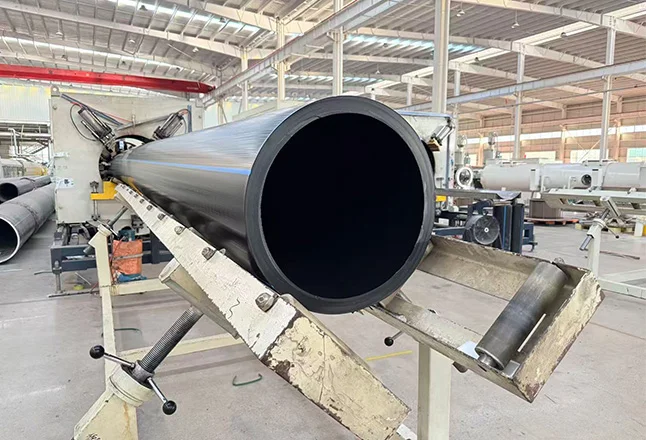

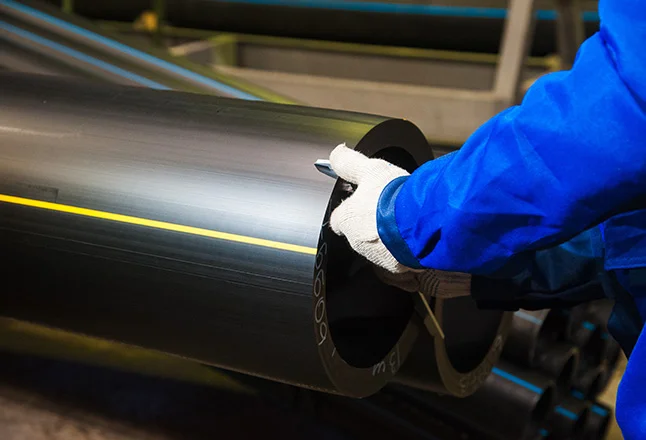
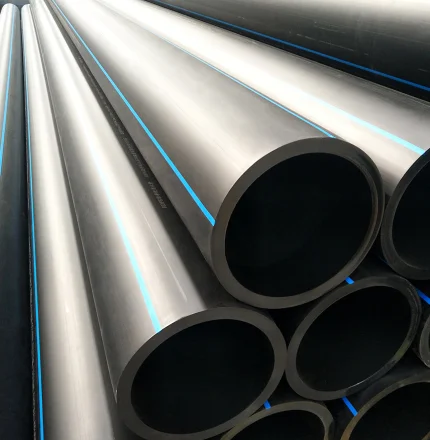

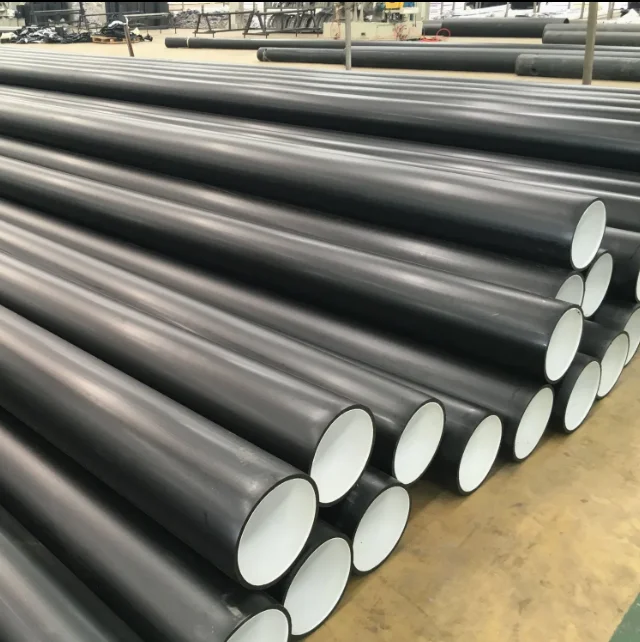
American standard HDPE pipes are made from PE4710/PE100 grade HDPE resin, manufactured according to product standards such as ASTM F714/AWWA C906, using the SDR system to determine wall thickness and pressure rating, and passing rigorous long-term performance tests (such as PENT). They are mainly used in flexible plastic piping systems for pressurized water and gas transmission.
Product Name | SIFFO ASTM IPS HDPE Pipe |
Specification | 1"-36" |
Pressure | DR7-333psi,DR7.3-318psi, DR9-250psi, DR11-200psi, DR13.5-160psi, DR17-125psi, DR21-100psi, DR26-80psi |
Raw Material | PE4710 |
Standards | ASTM F714 , ASTM D3035 |
Application | Urban drink water supply |
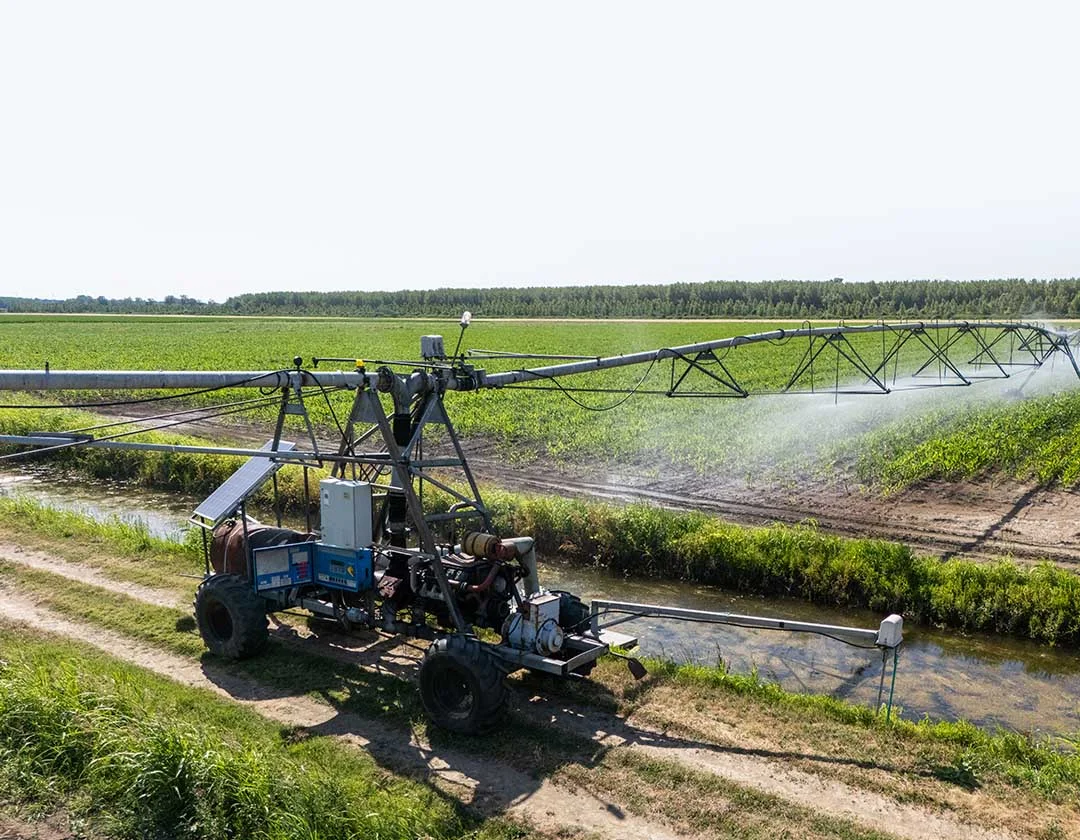
Agricultural irrigation. | |
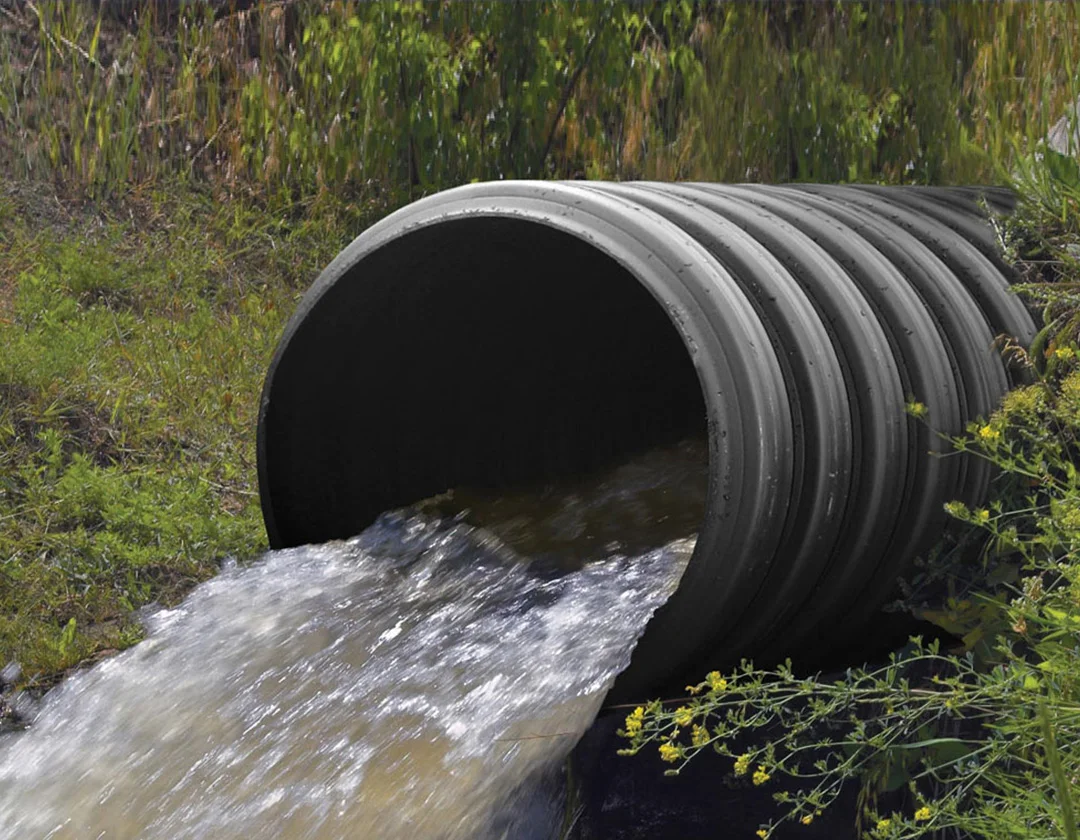
Sewage discharge. | |
Landscape garden water supply | |
Electrical Cable threading. | |
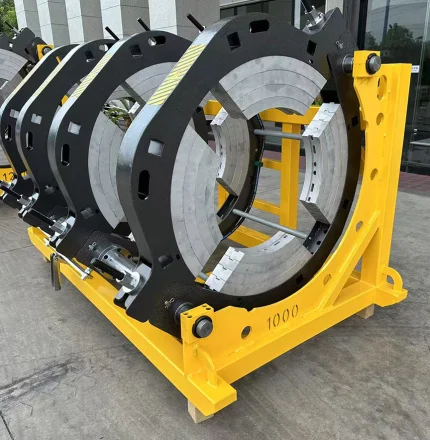
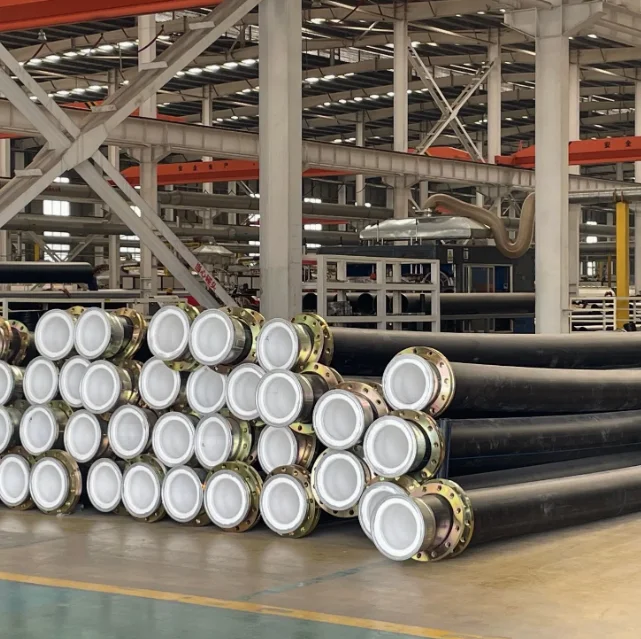
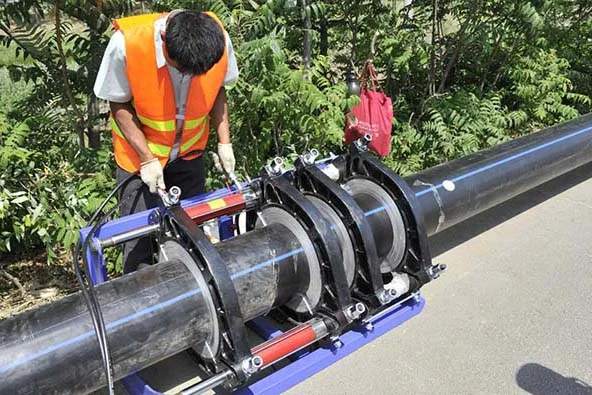
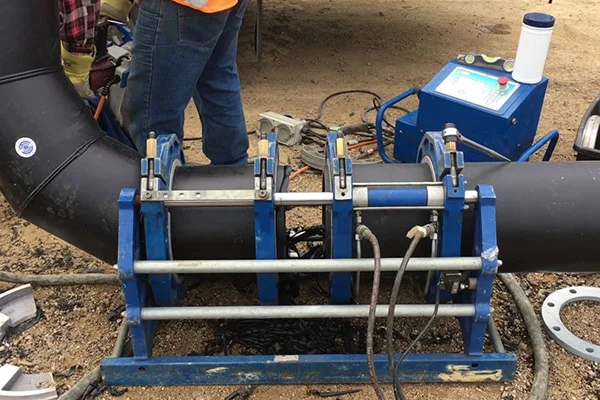
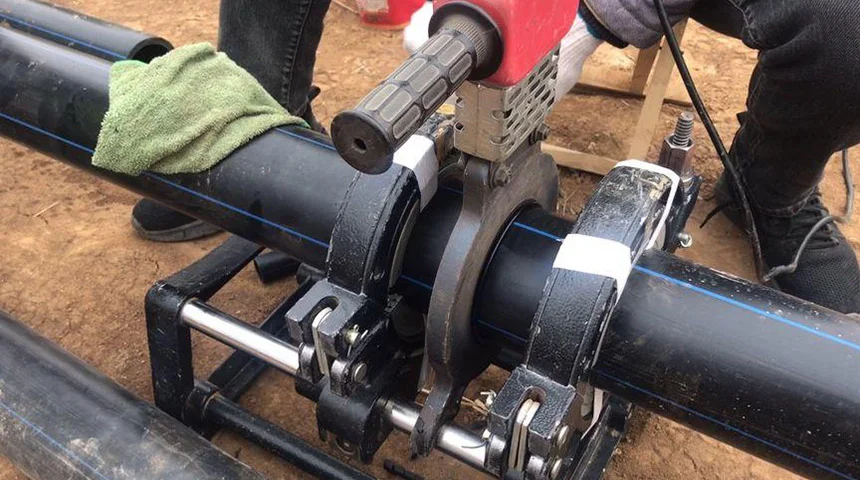
Connection | Butt fusion Welding, Electrofusion Welding |
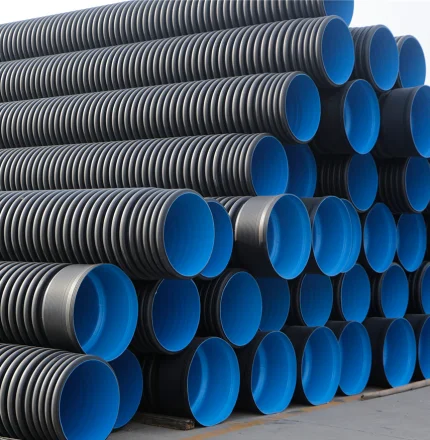
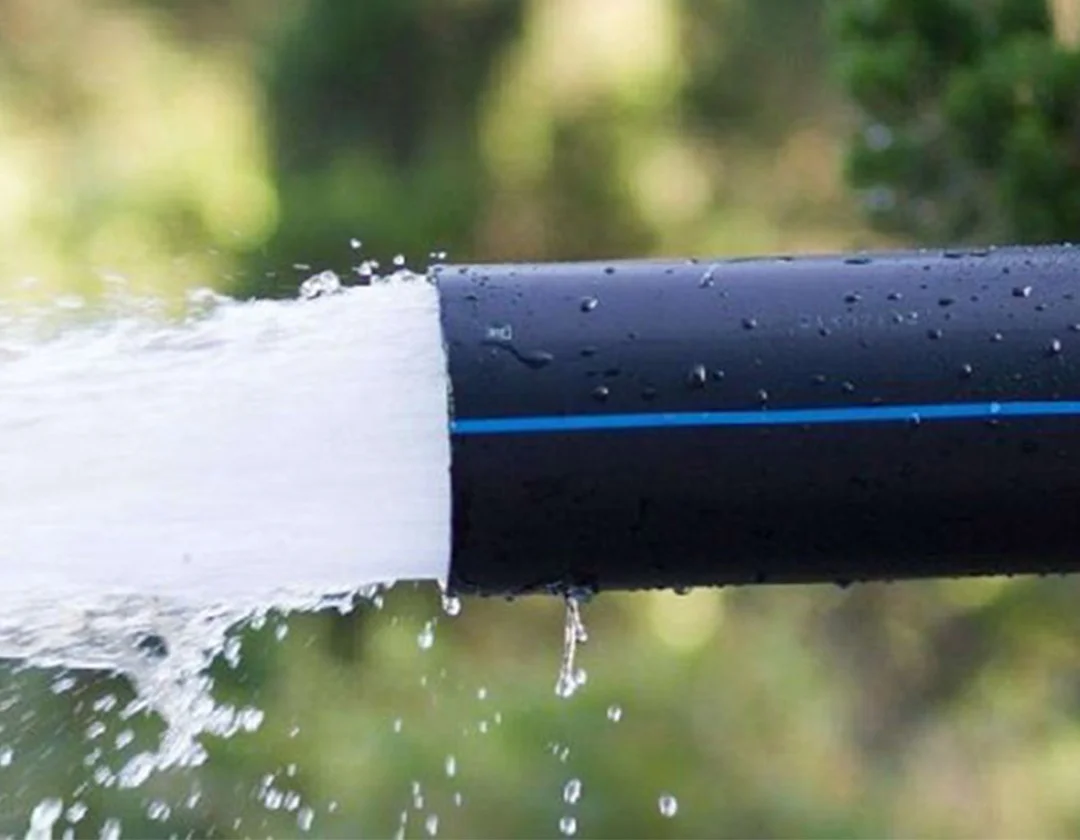
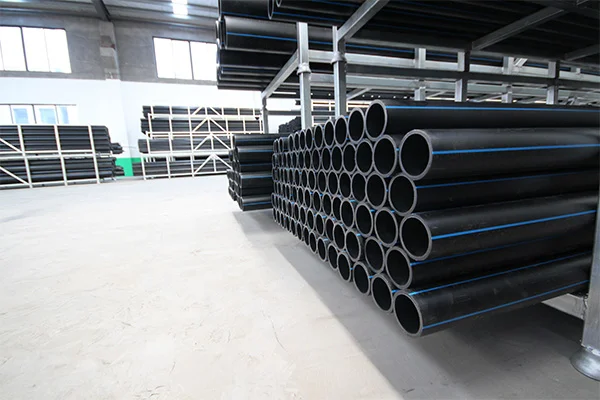
Color | Black with blue stripes |
▎ASTM F714 HDPE Pipes for Water Supply Systems
ASTM F714 is a pivotal standard developed by the American Society for Testing and Materials (ASTM), formally titled "Standard Specification for Polyethylene (PE) Plastic Pipe (SDR-PR) Based on Outside Diameter." This specification precisely outlines the dimensions, material properties, and testing protocols for high-density polyethylene (HDPE) pipes. These pipes are primarily designed for pressure applications, including water supply, irrigation systems, and other fluid transportation needs.
Pipes produced in accordance with this standard are renowned for their outstanding durability, leak-resistant construction, and extended operational lifespan. As a result, they are widely regarded as a top-tier option for contemporary water infrastructure projects.
▎ASTM F714 HDPE Pipe Feature
The unique properties of HDPE pipes conforming to ASTM F714 distinguish them from conventional piping materials such as ductile iron, PVC, or steel.
Material Composition and Manufacturing Process
Base Resin: These pipes are crafted from high-density polyethylene (PE4710 or PE100+), a superior-grade material renowned for its high tensile strength, resistance to slow crack growth, and exceptional stress crack resilience.
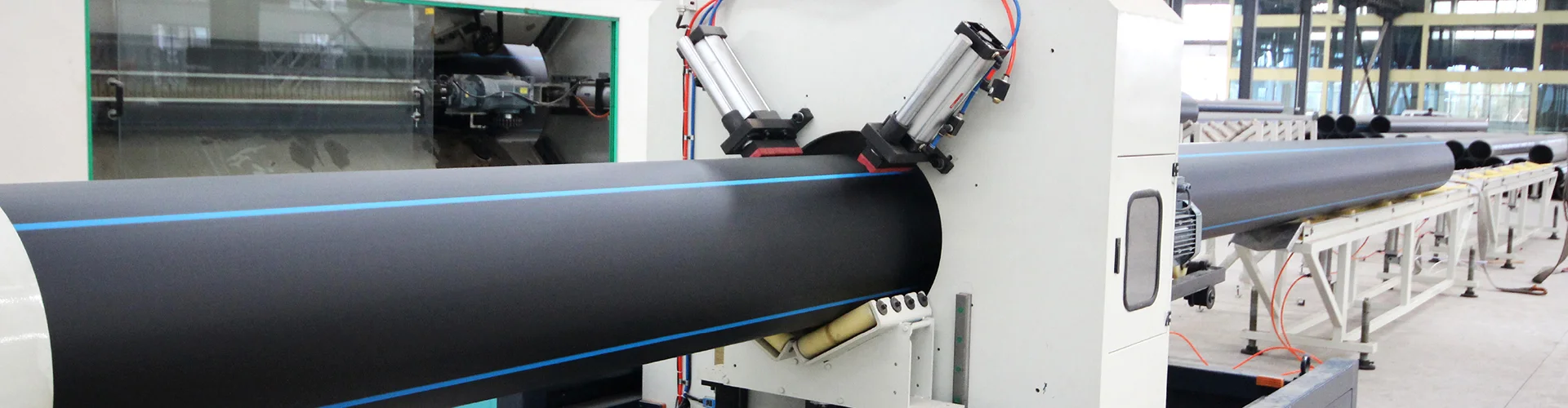
Manufacturing Technique: Typically manufactured via an extrusion process, this method ensures a seamless, uniform pipe wall devoid of any weak spots.
Standard Dimension Ratio (SDR)
ASTM F714 pipes are classified based on the Standard Dimension Ratio (SDR), which represents the ratio of the pipe's outside diameter to its minimum wall thickness (SDR = OD / t).
Common SDR values include SDR 11, SDR 17, and SDR 26. A lower SDR value signifies a thicker wall and a higher pressure rating (for instance, SDR 11 is designed to withstand higher pressures than SDR 17).
This classification system enables engineers to precisely choose the pipe strength necessary for a particular pressure class.
Connection Method
Heat fusion is the primary method for joining these pipes. This technique involves heating the ends of the pipe and fittings to a molten state and then pressing them together, forming a permanent, monolithic, and leak-proof joint that is as robust as the pipe itself. This method eradicates the main failure points commonly found in other systems (such as gaskets, thrust blocks, and mechanical joints).
Flexibility
HDPE pipes exhibit high flexibility. They can be bent to a radius approximately 20-25 times their outer diameter, facilitating installation around obstacles and over uneven terrain with minimal use of fittings. This flexibility also renders them highly resistant to soil movement and seismic activity.
Resistance to Corrosion and Chemicals
Inert Nature: HDPE is completely impervious to electrochemical corrosion, rust, and tuberculation (scale buildup), issues that frequently afflict metallic pipes. This ensures a consistent flow capacity and maintains water quality throughout the pipe's lifespan.
Chemical Resistance: HDPE pipes demonstrate high resistance to a broad spectrum of chemicals, making them suitable for diverse ground conditions and preventing degradation caused by aggressive soils.
▎ASTM IPS HDPE Pipe Applications
High-Pressure Potable Water Transmission Mains
The backbone networks for municipal drinking water distribution, which require high pressure rating, zero leaks, no contamination, and long life. HDPE pipes are an ideal choice.
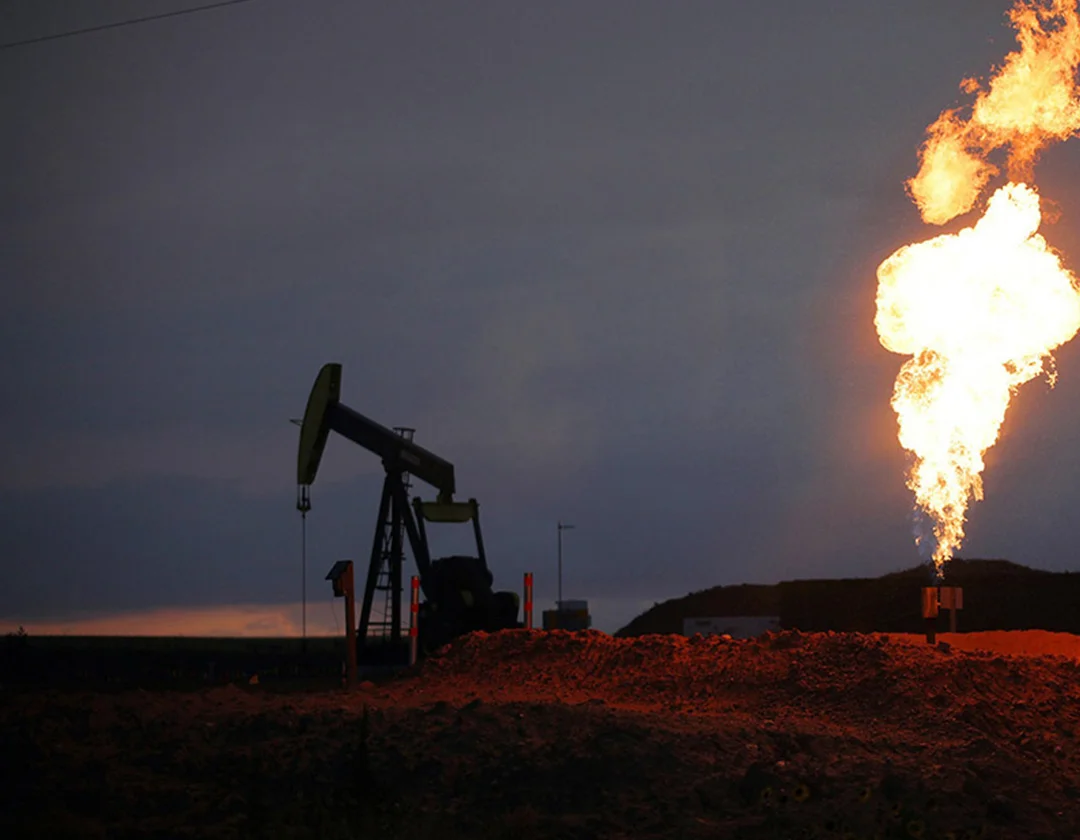
Natural Gas Distribution & Transmission Systems
Especially for medium and high-pressure gas networks. Their superior RCP performance is often a mandatory safety requirement, and HDPE pipe is key to meeting these high standards.
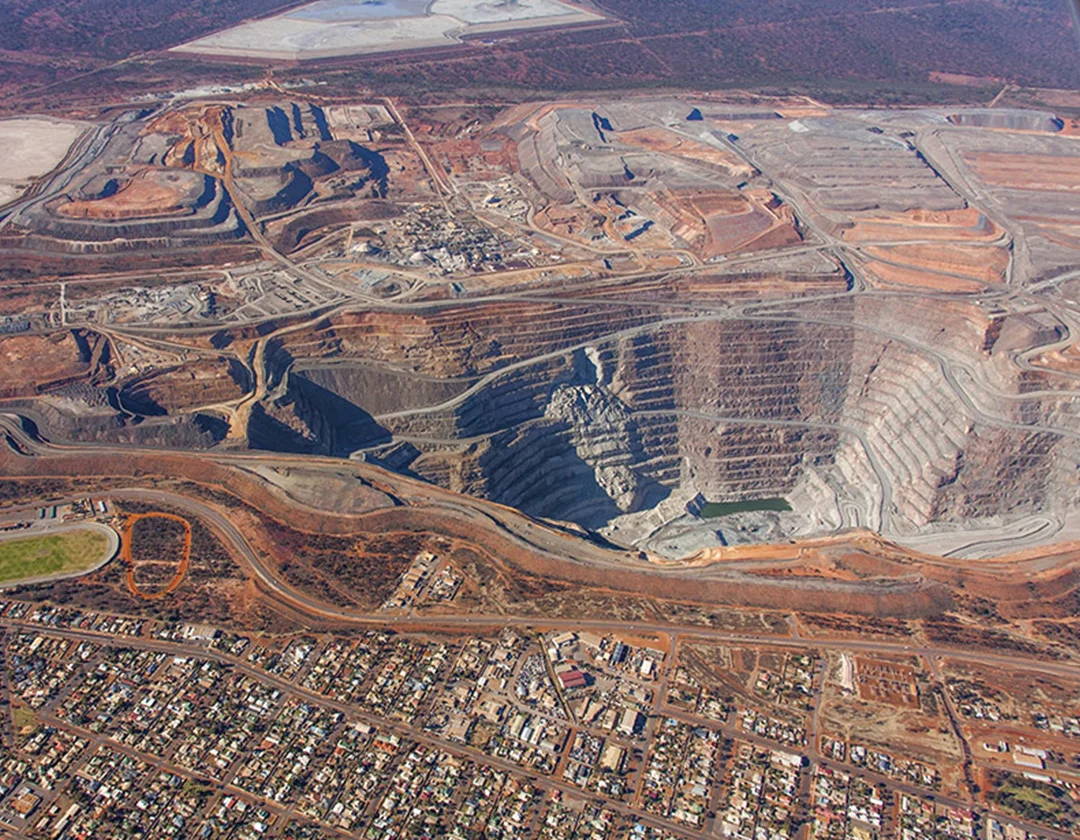
Industrial & Mining Applications
Slurry Lines: Their abrasion and corrosion resistance make them the preferred choice for transporting tailings, concentrates, coal slurry, etc.
Process Piping: For corrosive fluid handling in chemical plants, power plants, etc.
Seawater Conveyance: Used for cooling water or in desalination plants.
Force Mains (Sewage)
Used for pressurized conveyance of sanitary sewage and industrial wastewater. Their chemical resistance withstands corrosion from sulfuric acid formed by hydrogen sulfide in wastewater.
Irrigation Systems
Particularly the central mainlines for large-scale agricultural and golf course irrigation, which need to withstand high pressures and water hammer.
Ocean Outfall Pipelines
Used to discharge treated effluent deep into the ocean. Their flexibility allows for offshore tow-and-install methods, and their durability resists the marine environment.
▎FAQ – ASTM HDPE Pipe
1. What ASTM standards apply to HDPE pipes?
ASTM HDPE pipes are mainly governed by ASTM D3350 (material classification), ASTM F714 (large diameter pipes), ASTM D3035 (small diameter pipes), and ASTM D2513 (gas applications). These standards define material properties, dimensions, pressure ratings, and performance requirements.
2. What is the difference between ASTM F714 and ASTM D3035?
ASTM F714 applies to larger diameter HDPE pipes (typically above 90mm) and uses an SDR-based system, while ASTM D3035 is designed for smaller diameter pipes (≤3 inches) with OD-controlled dimensions. F714 is commonly used in municipal and industrial projects, whereas D3035 is used in water supply and irrigation.
3. What material grades are used in ASTM HDPE pipes?
Common material grades include PE100 and PE4710. PE4710 offers higher strength, better slow crack growth resistance, and improved long-term performance, making it widely preferred in North American projects.
4. Can ASTM HDPE pipes be used for natural gas applications?
Yes. ASTM D2513 specifically covers HDPE pipes for natural gas distribution. These pipes are designed with enhanced safety factors, excellent crack resistance, and long-term pressure stability.
5. What does DR (Dimension Ratio) mean in HDPE pipes?
DR (Dimension Ratio) is the ratio of the pipe’s outside diameter to its wall thickness. A lower DR value indicates a thicker wall and higher pressure rating. For example, DR11 pipes can withstand higher pressure than DR17 pipes.
6. What is the typical lifespan of ASTM HDPE pipes?
ASTM HDPE pipes are designed for a service life of over 50 years under normal operating conditions. Their resistance to corrosion, chemicals, and environmental stress cracking ensures long-term reliability.
7. How are ASTM HDPE pipes connected?
ASTM HDPE pipes are typically joined using butt fusion or electrofusion. These methods create leak-free, fully integrated joints that are as strong as the pipe itself.
8. Are ASTM HDPE pipes better than PVC or steel pipes?
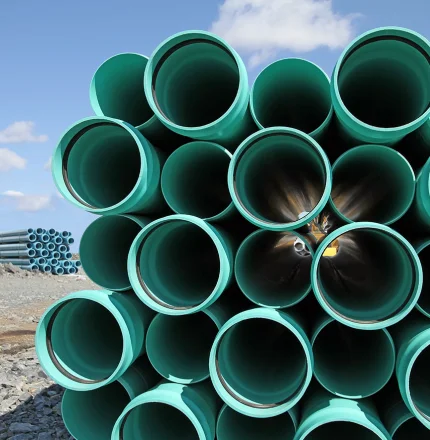
In many applications, yes. ASTM HDPE pipes offer superior corrosion resistance, flexibility, and leak-free performance compared to steel and PVC pipes, especially in harsh environments or trenchless installations.
9. What industries use ASTM HDPE pipes?
ASTM HDPE pipes are widely used in:
Municipal water supply systems
Natural gas distribution
Industrial fluid transport
Mining and dredging
Agricultural irrigation
10. Can ASTM HDPE pipes be customized?
Yes. ASTM HDPE pipes can be customized in terms of diameter, pressure rating (DR), length, color, and connection type to meet specific project requirements.
11. What testing is required for ASTM HDPE pipes?
Typical tests include hydrostatic pressure testing, dimensional inspection, impact resistance testing, and environmental stress crack resistance (ESCR) testing to ensure compliance with ASTM standards.
12. How to choose the right ASTM HDPE pipe for a project?
Key factors include application type (water, gas, industrial), required pressure rating (DR), pipe diameter, installation method, and compliance with relevant ASTM standards such as F714 or D2513.
13. Are ASTM HDPE pipes suitable for trenchless installation?
Yes. Due to their flexibility and high impact resistance, ASTM HDPE pipes are ideal for trenchless methods such as horizontal directional drilling (HDD) and pipe bursting.
14. Do ASTM HDPE pipes require corrosion protection?
No. Unlike steel pipes, HDPE pipes are naturally resistant to corrosion and chemical attack, eliminating the need for additional protective coatings.
15. Do you provide technical support for ASTM HDPE pipe projects?
Yes. Professional suppliers typically offer technical support including product selection, installation guidance, and project-specific recommendations to ensure optimal performance.
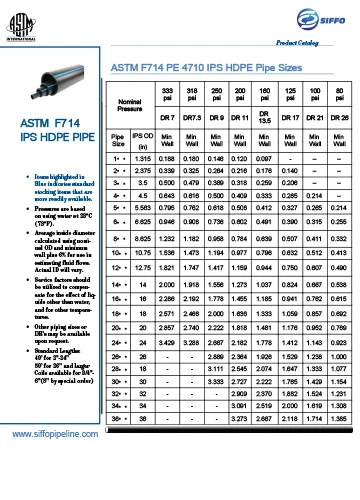
Nominal Pressure PE 4710 | 333psi | 318psi | 250psi | 200psi | 160psi | 125psi | 100psi | 80psi | |
DR 7 | DR7.3 | DR 9 | DR 11 | DR 13.5 | DR 17 | DR 21 | DR 26 | ||
Nominal Pipe Size | IPS OD (in) | Min Wall | Min Wall | Min Wall | Min Wall | Min Wall | Min Wall | Min Wall | Min Wall |
1″ | 1.315 | 0.188 | 0.180 | 0.146 | 0.120 | 0.097 | - | – | – |
2″ | 2.375 | 0.339 | 0.325 | 0.264 | 0.216 | 0.176 | 0.140 | – | – |
3″ | 3.500 | 0.500 | 0.479 | 0.389 | 0.318 | 0.259 | 0.206 | – | – |
4″ | 4.500 | 0.643 | 0.616 | 0.500 | 0.409 | 0.333 | 0.265 | 0.214 | – |
5″ | 5.563 | 0.795 | 0.762 | 0.618 | 0.506 | 0.412 | 0.327 | 0.265 | 0.214 |
6″ | 6.625 | 0.946 | 0.908 | 0.736 | 0.602 | 0.491 | 0.390 | 0.315 | 0.255 |
8″ | 8.625 | 1.232 | 1.182 | 0.958 | 0.784 | 0.639 | 0.507 | 0.411 | 0.332 |
10″ | 10.750 | 1.536 | 1.473 | 1.194 | 0.977 | 0.796 | 0.632 | 0.512 | 0.413 |
12″ | 12.750 | 1.821 | 1.747 | 1.417 | 1.159 | 0.944 | 0.750 | 0.607 | 0.490 |
14″ | 14.000 | 2.000 | 1.918 | 1.556 | 1.273 | 1.037 | 0.824 | 0.667 | 0.538 |
16″ | 16.000 | 2.286 | 2.192 | 1.778 | 1.455 | 1.185 | 0.941 | 0.762 | 0.615 |
18″ | 18.000 | 2.571 | 2.466 | 2.000 | 1.636 | 1.333 | 1.059 | 0.857 | 0.692 |
20″ | 20.000 | 2.857 | 2.740 | 2.222 | 1.818 | 1.481 | 1.176 | 0.952 | 0.769 |
24″ | 24.000 | 3.429 | 3.288 | 2.667 | 2.182 | 1.778 | 1.412 | 1.143 | 0.923 |
26″ | 26.000 | - | - | 2.889 | 2.364 | 1.926 | 1.529 | 1.238 | 1.000 |
28″ | 18.000 | - | - | 3.111 | 2.545 | 2.074 | 1.647 | 1.333 | 1.077 |
30″ | 30.000 | - | - | 3.333 | 2.727 | 2.222 | 1.765 | 1.429 | 1.154 |
32″ | 32.000 | - | - | - | 2.909 | 2.370 | 1.882 | 1.524 | 1.231 |
34″ | 34.000 | - | - | - | 3.091 | 2.519 | 2.000 | 1.619 | 1.308 |
36″ | 36.000 | - | - | - | 3.273 | 2.667 | 2.118 | 1.714 | 1.385 |
Great value. The flexibility of this IPS pipe made trenching a breeze. It’s robust enough to handle ground movement without cracking. A reliable choice for the job.