
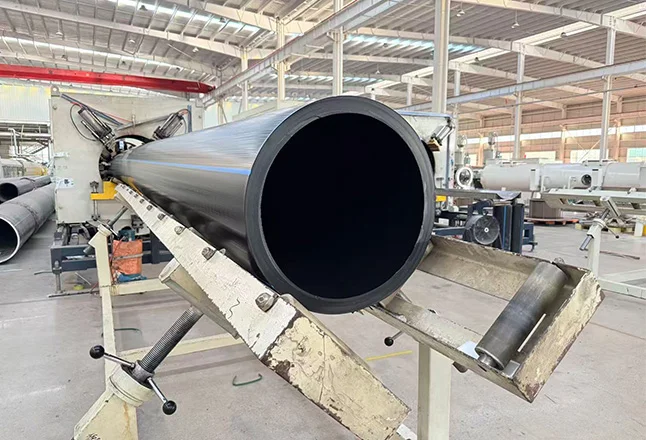

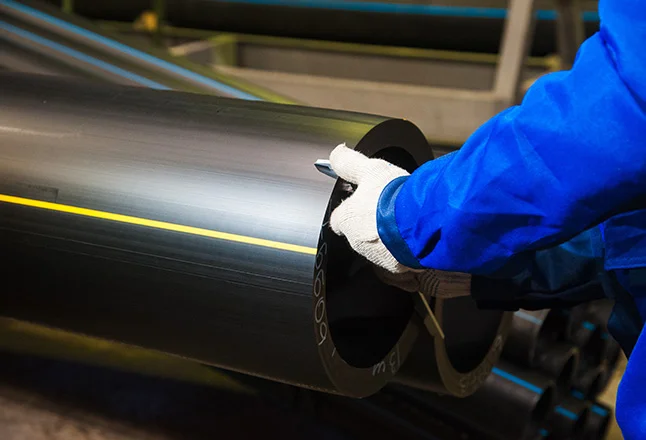
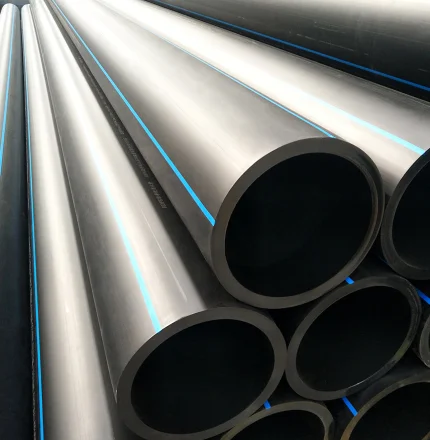
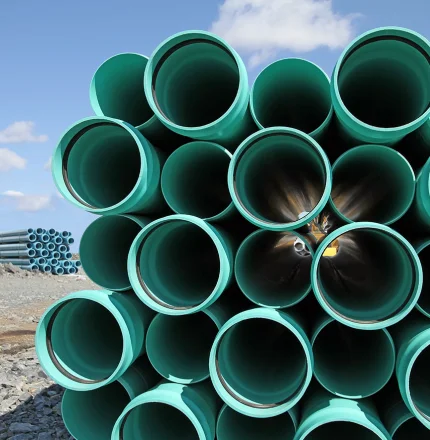
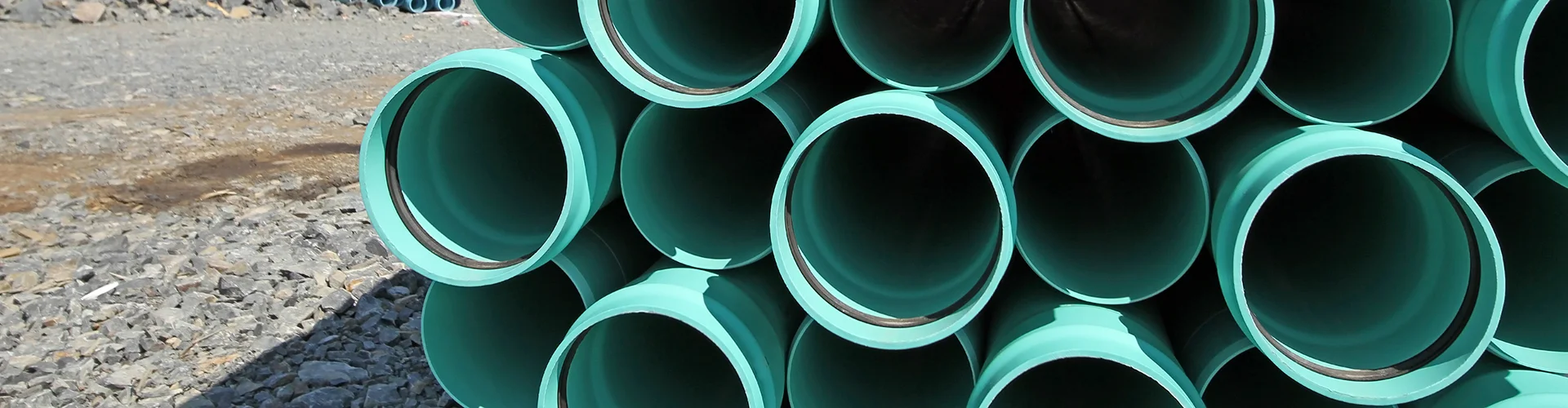
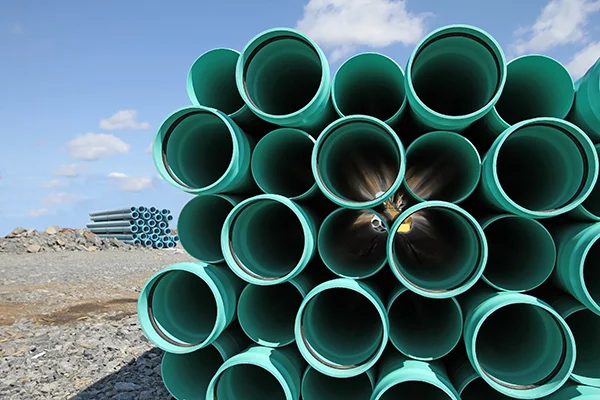
PVC-M (modified polyvinyl chloride) pipes are piping systems made of modified polyvinyl chloride material, widely used in water supply, drainage, agricultural irrigation, chemical transportation, and construction engineering. Compared to traditional PVC pipes, PVC-M pipes have stronger impact resistance, higher temperature resistance, and superior mechanical properties, making them particularly suitable for use in high-pressure environments.
▎What is PVC-M Pipe
PVC-M pipes (modified polyvinyl chloride pipes) are high-performance plastic pipes made from modified polyvinyl chloride materials. They are typically made by adding a certain proportion of additives, such as plasticizers and antioxidants, to PVC resin to improve its molecular chain stability, thermoplasticity, and impact resistance. The main characteristic of this material is that its physical properties are closer to other plastic pipes (such as PE and PP). PVC-M pipes not only inherit the excellent characteristics of PVC, such as corrosion resistance and UV resistance, but also improve its mechanical properties, especially in impact resistance, high pressure resistance, and high temperature resistance. Common types of PVC-M pipes include pressure pipes and non-pressure pipes, and they are widely used in various industries, including water treatment, water supply and drainage systems, agricultural irrigation, building piping, and the chemical industry.
▎Key Technical Features of PVC-M Pipes:
1. Optimized Mechanical Properties
Improved Impact Resistance: The notched impact strength of PVC-M pipes is significantly higher than that of ordinary PVC-U pipes, typically more than three times higher in actual measurements. This effectively reduces the risk of pipe breakage due to external impacts, improper handling, or uneven foundation settlement during construction.
Enhanced Water Hammer Resistance: The improved material toughness allows the pipe to better absorb pressure fluctuations during operation, reducing pipe bursts caused by water hammer effects.
2. Structural Efficiency and Water Delivery Capacity
Reduced Wall Thickness, Lighter Weight: Based on GB/T 20221 or relevant product standards, PVC-M pipes are designed with a lower safety factor (typically 1.6). Under the same nominal pressure rating, their wall thickness is less than that of PVC-U pipes, resulting in a lighter weight per unit length, facilitating transportation and installation.
Increased Inner Diameter, Enhanced Water Delivery Capacity: Under the same outer diameter conditions, the reduced wall thickness increases the inner diameter, resulting in a higher flow capacity than ordinary PVC-U pipes under the same hydraulic conditions, and reduced long-term energy consumption.
3. Material Safety and Durability
Lead-Free Formula: Utilizing an environmentally friendly thermal stabilization system with calcium-zinc stabilizers, it meets the relevant requirements of the "Safety Evaluation Standard for Drinking Water Transmission and Distribution Equipment and Protective Materials" (GB/T 17219), making it suitable for drinking water transmission and distribution systems.
Excellent Corrosion Resistance: It exhibits good resistance to most acid, alkali, and salt media, making it suitable for industrial fluid transportation in chemical and metallurgical industries, as well as buried projects in complex soil environments.
Design Service Life: Under the premise of meeting usage conditions and standard construction specifications, the design service life is no less than 50 years.
4. Connection and Construction Adaptability
Multiple Connection Methods: Adhesive bonding (suitable for small diameters) and rubber ring socket bonding (suitable for large diameters) can be used. No special welding equipment is required, resulting in high construction efficiency. The reliability of the connections has been verified in engineering projects.
Adaptability to Complex Working Conditions: Due to the improved toughness of the material, PVC-M pipes are more adaptable to foundation deformation, local settlement, and temperature changes than ordinary PVC-U pipes, making them suitable for buried pipelines in areas with poor geological conditions.
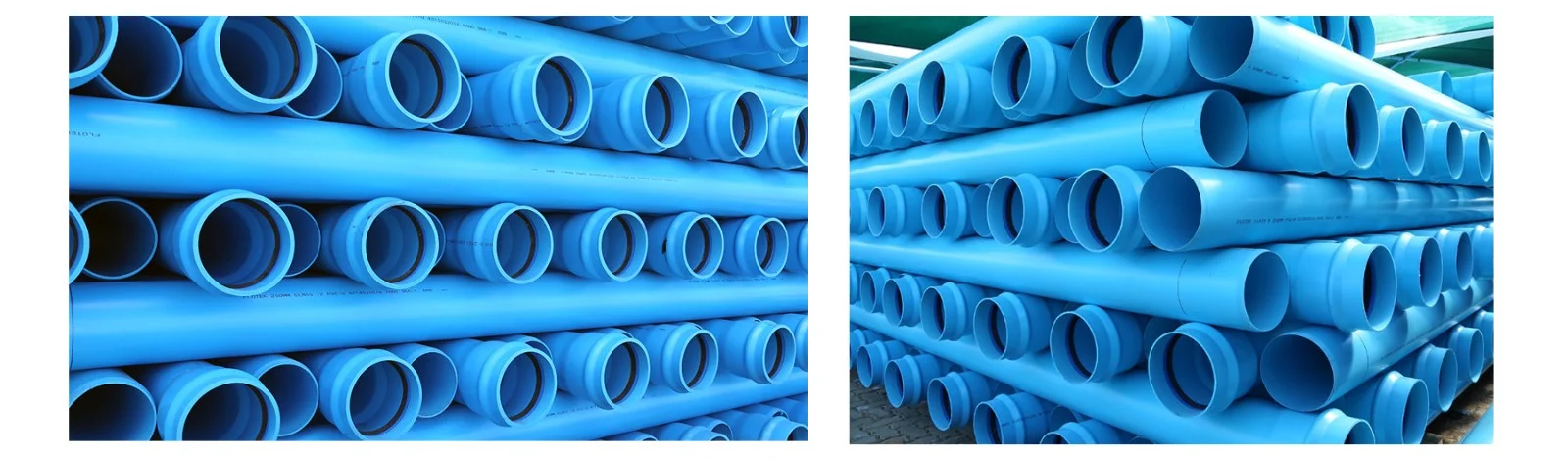
▎Applications of PVC-M Pipes:
Water Supply Systems:
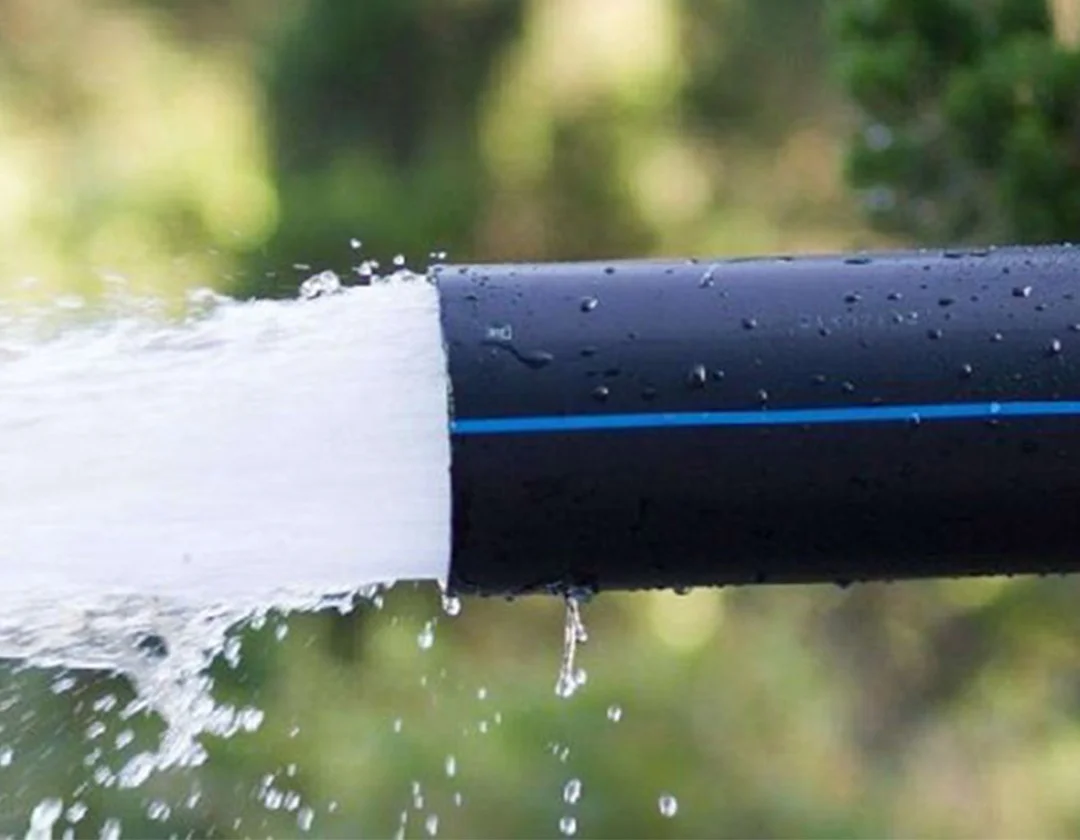
PVC-M pipes are widely used in urban water supply, industrial water supply, and water supply systems in high-rise buildings. They are suitable for conveying liquids such as clean water, drinking water, and warm water. Compared to traditional metal pipes, PVC-M pipes are less prone to rust and corrosion and have a longer service life (up to 50 years or more). Their high-pressure resistance and good mechanical properties make them a reliable water supply solution, especially in high-pressure environments.
Application Scenarios: Urban water supply networks, high-rise building water supply, factory and commercial building water supply, etc.
Drainage Systems
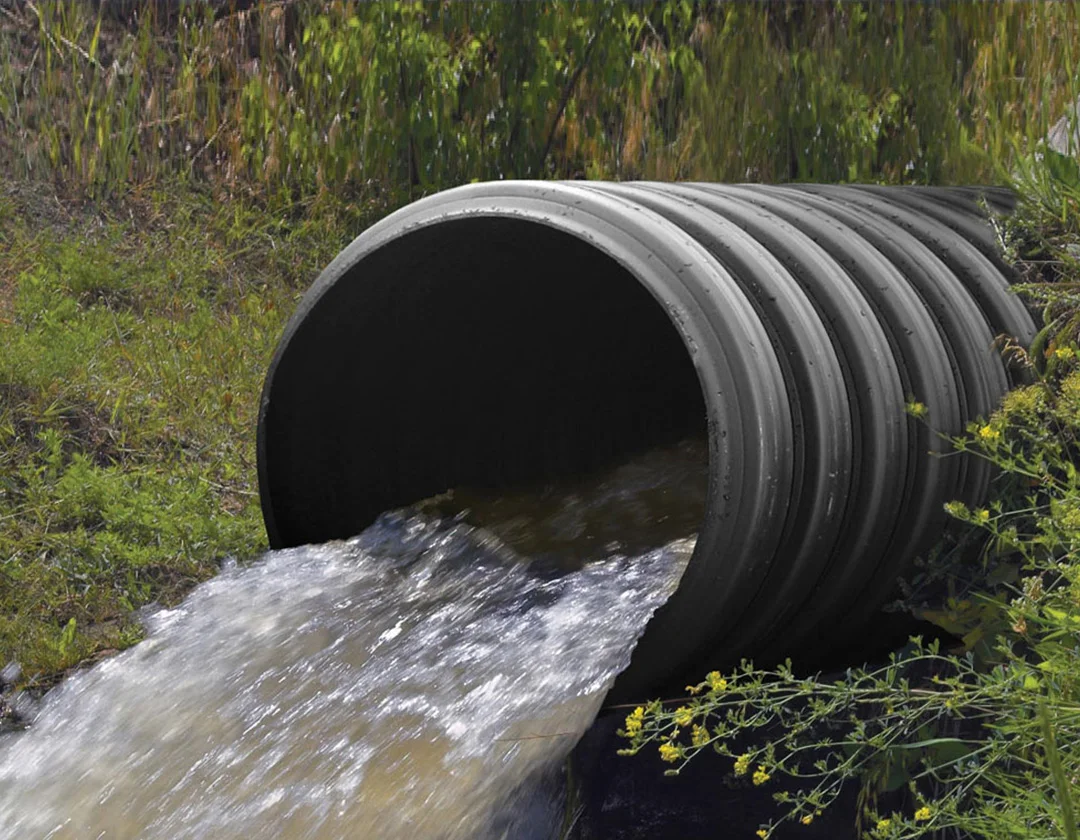
PVC-M pipes are widely used in drainage systems, particularly suitable for the discharge of domestic, industrial, and municipal sewage and rainwater. Due to their corrosion resistance and UV resistance, PVC-M pipes are ideal for sewage discharge, wastewater treatment, and rainwater harvesting systems.
Applications: Urban sewage discharge, industrial wastewater treatment, agricultural irrigation drainage, rainwater drainage systems, etc.
Agricultural Irrigation
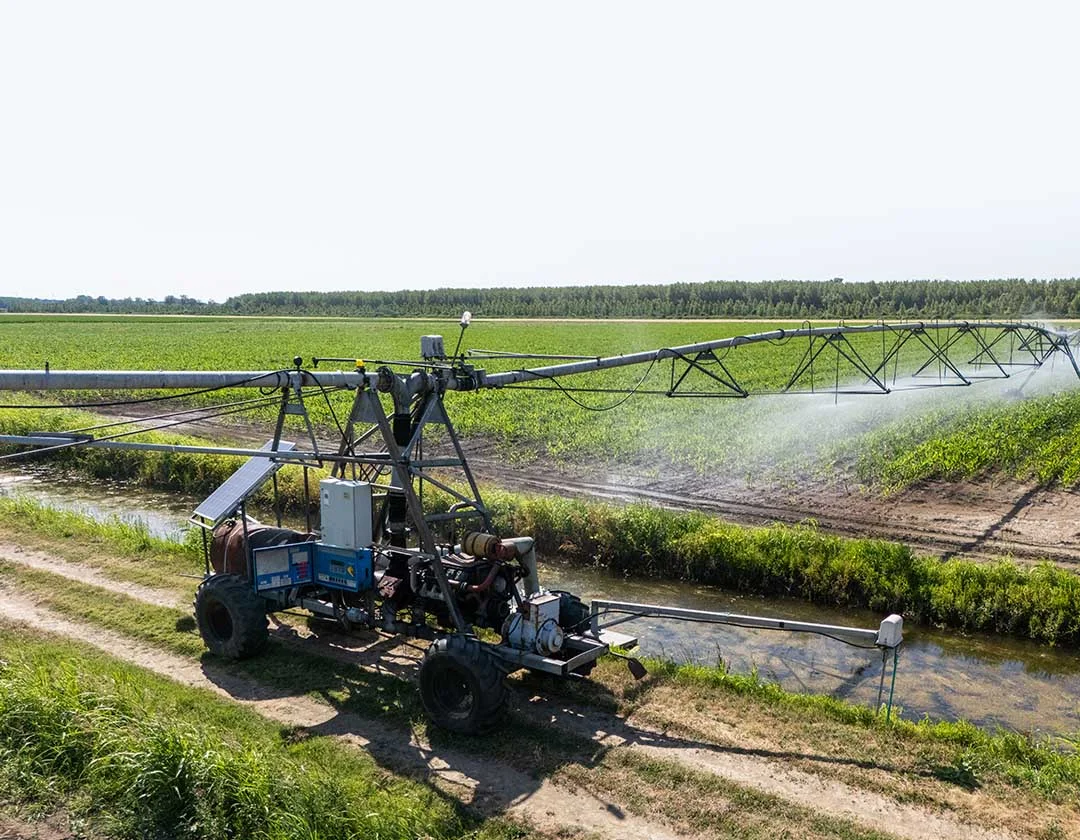
PVC-M pipes offer significant advantages in agricultural irrigation systems, particularly in precision irrigation methods such as drip irrigation and sprinkler irrigation. They are not only corrosion-resistant and UV-resistant, but also easy to connect and install, effectively improving water resource utilization efficiency. They are especially suitable for environments exposed to sunlight for extended periods.
Applications: Farmland irrigation, greenhouse irrigation, orchard irrigation, etc.
Chemical and Industrial Transportation
PVC-M pipes possess strong corrosion resistance and chemical stability, making them ideal for transportation in the chemical industry. They can safely transport various chemicals, acid and alkali solutions, and other corrosive liquids, making them particularly suitable for chemical production lines, wastewater treatment systems, and the transportation of acid and alkali solutions.
Applications: Chemical transportation and wastewater treatment systems in fertilizer, petrochemical, fine chemical, and pharmaceutical plants.
Food and Beverage Industry
PVC-M pipes are commonly used in food processing and beverage production to transport clean water, raw material liquids, and wastewater. Because they are non-toxic, odorless, and meet food safety standards, PVC-M pipes are safe for use in piping systems within the food and beverage industry.
Applications: Food production lines, beverage plant piping systems, drinking water transportation, etc.
▎FAQ About PVC-M Pipe
1. What is PVC-M pipe used for?
PVC-M pipes are primarily used for pressurized water supply and distribution systems. They are suitable for municipal water networks, irrigation systems, rural water supply, mining applications, and other infrastructure projects where a lightweight, corrosion-resistant and durable pressure pipe is required.
2. What are the advantages of PVC-M pipe?
The main advantages of PVC-M pipe include high toughness, good impact resistance, corrosion resistance, low weight, smooth internal surfaces and efficient hydraulic performance. Compared with conventional PVC-U, the modified material provides better resistance to mechanical stress and impact, making PVC-M suitable for demanding water infrastructure projects.
3. Is PVC-M pipe stronger than PVC-U pipe?
PVC-M is designed to provide greater toughness and impact resistance than conventional PVC-U. Its modified formulation helps the pipe withstand mechanical impacts, pressure fluctuations and installation stresses more effectively. However, the actual pressure capacity depends on the pipe diameter, wall thickness, SDR/class and applicable product standard.
4. What is the difference between PVC-M and PVC-U pipe?
PVC-U is conventional unplasticized PVC, while PVC-M is modified PVC developed to improve toughness and impact resistance. PVC-M can therefore provide a better balance between stiffness and toughness for pressure water applications where higher resistance to mechanical stress is required.
5. PVC-M vs HDPE pipe: which is better?
PVC-M and HDPE are both suitable for pressure water systems, but they have different performance characteristics. PVC-M generally offers high stiffness, good hydraulic efficiency and lower weight than traditional metal pipes, while HDPE provides excellent flexibility, impact resistance and fused leak-tight joints. The better choice depends on project conditions, installation method, pressure requirements, ground conditions and total lifecycle cost.
6. Can PVC-M pipes be used for drinking water?
Yes, PVC-M pipes can be used for potable water applications when the specific pipe, raw materials and production process comply with the drinking-water requirements and regulations applicable to the project. For potable-water projects, buyers should confirm the manufacturer's relevant certifications and compliance documentation before specifying the product.
7. What pressure ratings are available for PVC-M pipe?
PVC-M pipes can be manufactured in different pressure classes or SDR configurations depending on the applicable standard, diameter and wall thickness. SIFFO can provide suitable pressure-rated PVC-M pipe solutions according to project requirements. Buyers should specify the required working pressure, design pressure, diameter and operating conditions when requesting a quotation.
8. How long does PVC-M pipe last?
PVC-M pipe is designed for long-term service in properly designed and installed pressure water systems. Actual service life depends on operating pressure, temperature, water quality, installation conditions, soil environment and maintenance. Proper hydraulic design and installation are important for achieving the expected service life.
9. Is PVC-M pipe resistant to corrosion?
Yes. PVC-M is inherently resistant to many forms of corrosion that can affect metallic pipes. It does not rust like steel or ductile iron, making it particularly attractive for water systems exposed to corrosive soils or aggressive environments.
10. Is PVC-M pipe suitable for irrigation?
Yes. PVC-M pressure pipe can be used for agricultural irrigation, water distribution and other pressurized irrigation systems when the selected pipe meets the required pressure and application standards. Its combination of toughness, hydraulic efficiency and corrosion resistance makes it suitable for long-distance irrigation networks.
11. Can PVC-M pipe be used in mining projects?
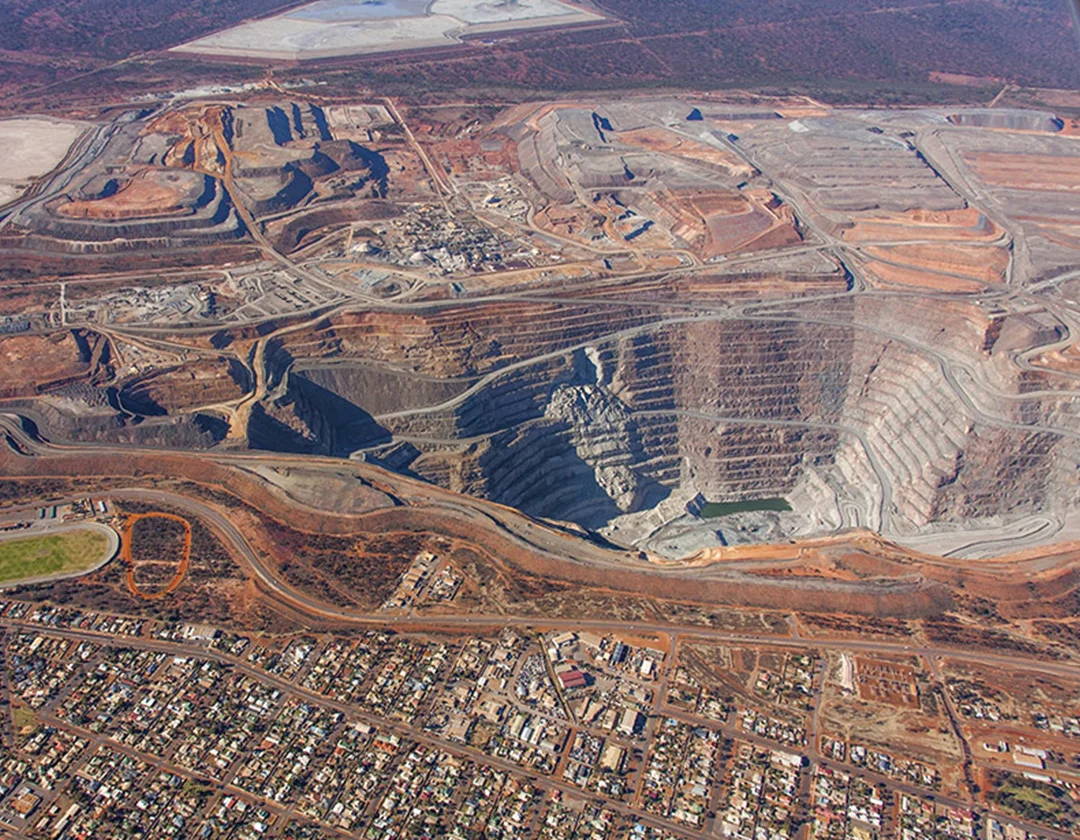
Yes. PVC-M can be considered for selected mining water supply, slurry-related infrastructure and other pressurized water applications where its pressure rating, chemical compatibility, temperature limits and mechanical requirements are suitable. Project-specific engineering evaluation is recommended for abrasive or highly aggressive fluids.
12. How do I choose the right PVC-M pipe?
When selecting PVC-M pipe, consider the required outside diameter, nominal pressure, SDR or pressure class, water temperature, installation method, operating pressure, surge conditions and applicable standards. For potable-water projects, drinking-water certification should also be verified. SIFFO can recommend a suitable PVC-M pipe specification based on your project parameters.
Nominal outside diameter, dn,mm | Nominal thickness, en,mm | |||||
SDR51 | SDR41 | SDR33 | SDR26 | SDR21 | SDR17 | |
Nominal pressure, MPa | ||||||
PN0.63 | PN0.8 | PN1.0 | PN1.25 | PN1.6 | PN2.0 | |
20 | 2.0 | 2.0 | ||||
25 | 2.0 | 2.3 | ||||
32 | 2.0 | 2.9 | ||||
40 | 2.0 | 3.7 | ||||
50 | 2.0 | 2.4 | 4.6 | |||
63 | 2.0 | 2.5 | 3.0 | 5.8 | ||
75 | 2.0 | 2.3 | 2.9 | 3.6 | 6.9 | |
90 | 2.0 | 2.2 | 2.8 | 3.5 | 4.3 | 8.2 |
110 | 2.2 | 2.7 | 3.4 | 4.2 | 5.3 | 8.1 |
125 | 2.5 | 3.1 | 3.9 | 4.8 | 6.0 | 9.2 |
140 | 2.8 | 3.5 | 4.3 | 5.4 | 6.7 | 10.3 |
160 | 3.2 | 4.0 | 4.9 | 6.2 | 7.7 | 11.8 |
180 | 3.6 | 4.4 | 5.5 | 6.9 | 8.6 | 13.3 |
200 | 3.9 | 4.9 | 6.2 | 7.7 | 9.6 | 14.7 |
225 | 4.4 | 5.5 | 6.9 | 8.6 | 10.8 | 16.6 |
250 | 4.9 | 6.2 | 7.7 | 9.6 | 11.9 | 18.4 |
280 | 5.5 | 6.9 | 8.6 | 10.7 | 13.4 | 20.6 |
315 | 6.2 | 7.7 | 9.7 | 12.1 | 15.0 | 23.2 |
355 | 7.0 | 8.7 | 10.9 | 13.6 | 16.9 | 26.1 |
400 | 7.9 | 9.8 | 12.3 | 15.3 | 19.1 | 29.4 |
450 | 8.8 | 11.0 | 13.8 | 17.2 | 21.5 | 33.1 |
500 | 9.8 | 12.3 | 15.3 | 19.1 | 23.9 | 36.8 |
560 | 11.0 | 13.7 | 17.2 | 21.4 | 26.7 | - |
630 | 12.3 | 15.4 | 19.3 | 24.1 | 30.0 | - |
710 | 13.9 | 17.4 | 21.8 | 27.2 | - | - |
800 | 15.7 | 19.6 | 24.5 | 30.6 | - | - |
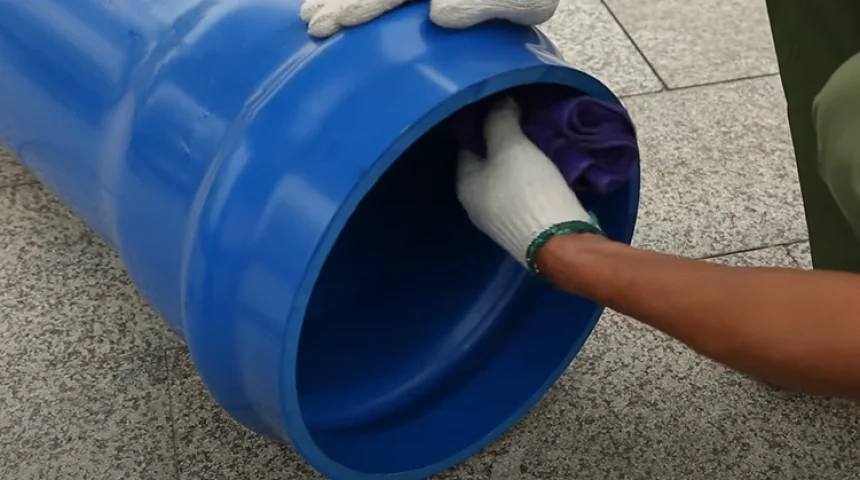
this PVC-M pipe offers great impact resistance and lighter weight. Cost-effective for water supply. Reliable quality. Smooth inner wall. Highly recommended.