


Steel Wire Reinforced Composite Pressure HDPE Pipe System
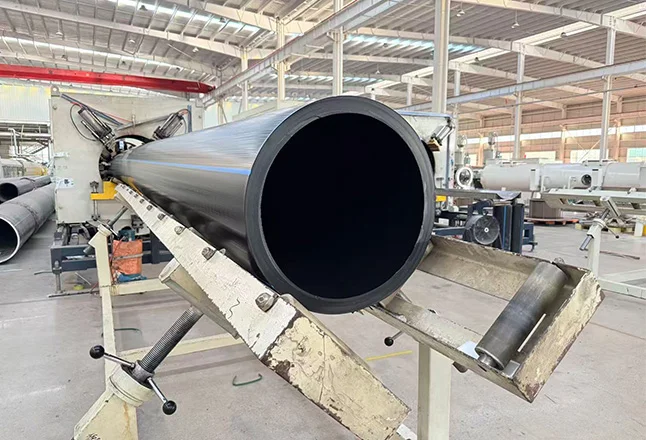
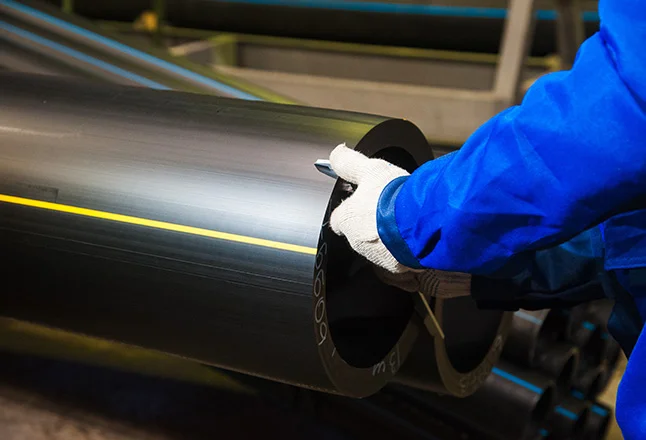
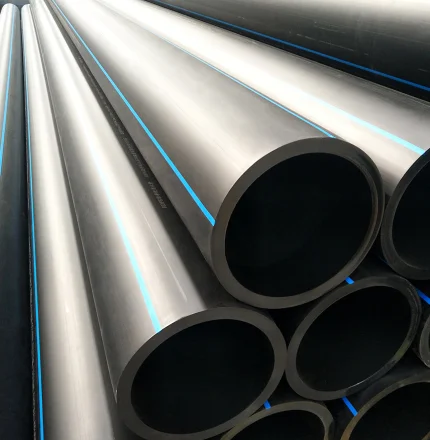
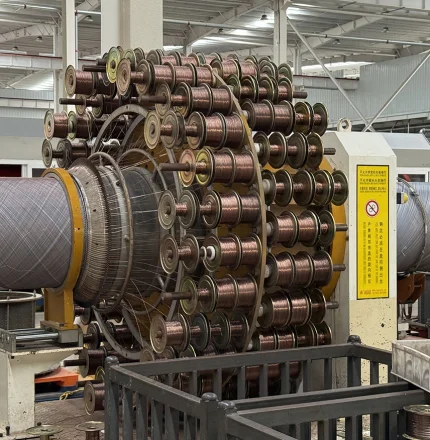
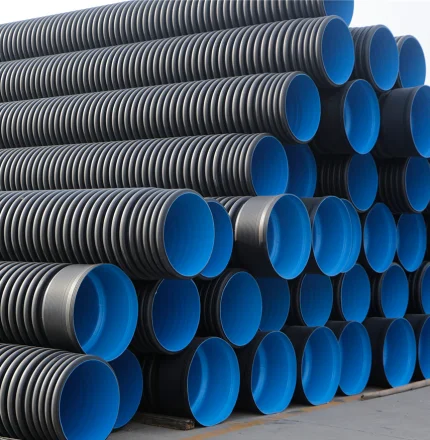
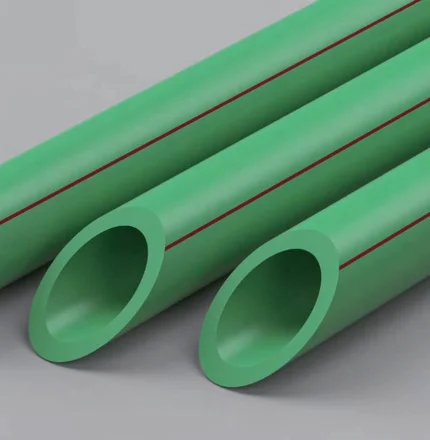
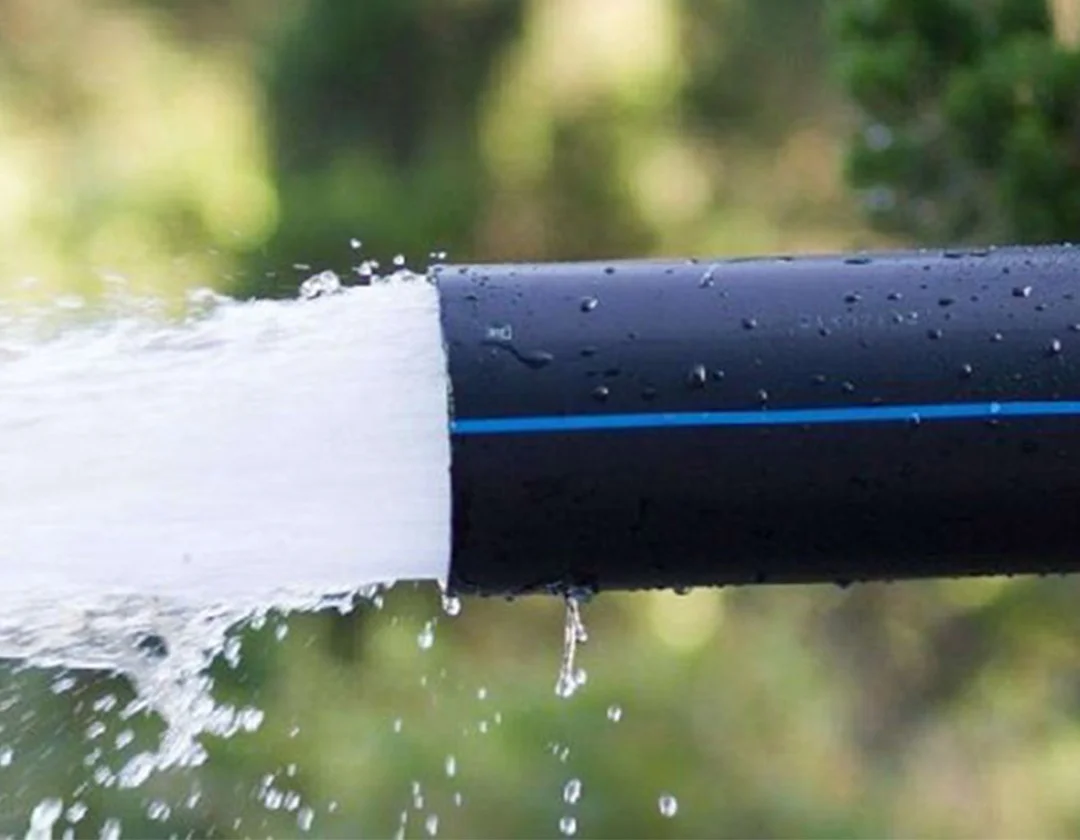
SIFFO steel wire reinforced HDPE composite pipe systems combine the corrosion resistance and hydraulic performance of polyethylene with the mechanical strength of an embedded steel-wire reinforcement structure. Unlike standard solid-wall HDPE pipe, which relies mainly on the PE material grade and wall thickness to withstand pressure, reinforced composite pipe distributes mechanical loads between the polyethylene layers and the steel reinforcement. This construction provides enhanced pressure-bearing capability, dimensional stability and resistance to demanding mechanical loads while retaining many of the advantages associated with HDPE, including a smooth internal surface, chemical resistance and lower weight than conventional metallic pipelines. The SIFFO product range includes HDPE Steel Wire Mesh Reinforced Composite Pipe and HDPE Steel Skeleton Reinforced Composite Pipe. These systems can be engineered for high-pressure water transmission, municipal infrastructure, mining, industrial fluid transportation, chemical plants, energy projects and other applications where standard HDPE pipe may not provide the required pressure or structural performance.
What Is a Steel Wire Reinforced HDPE Composite Pipe?
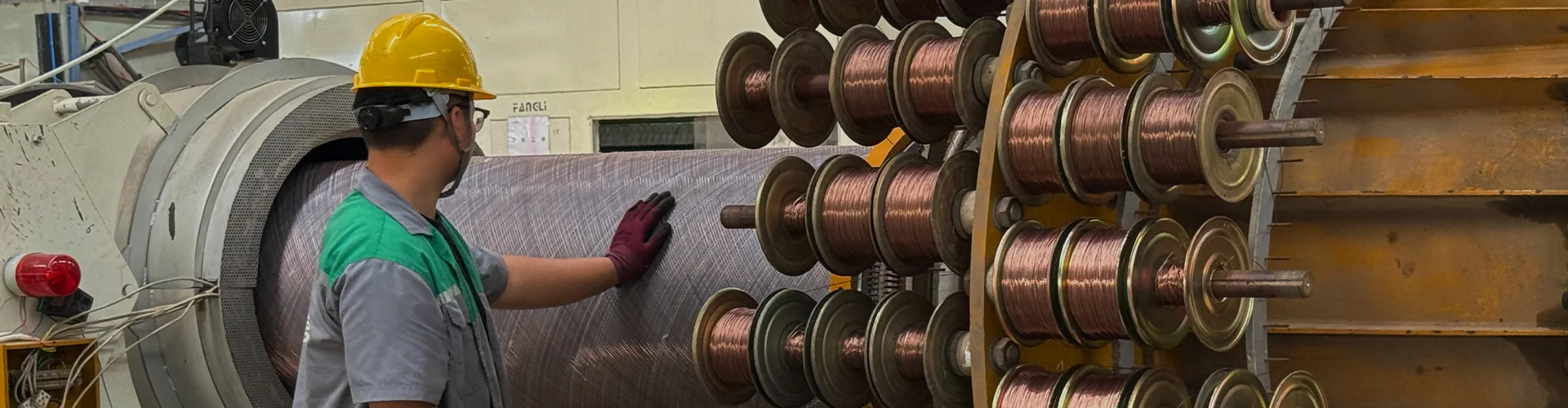
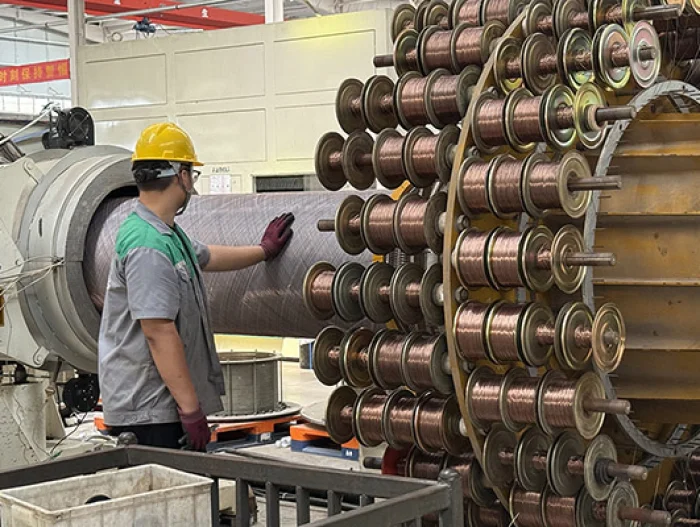
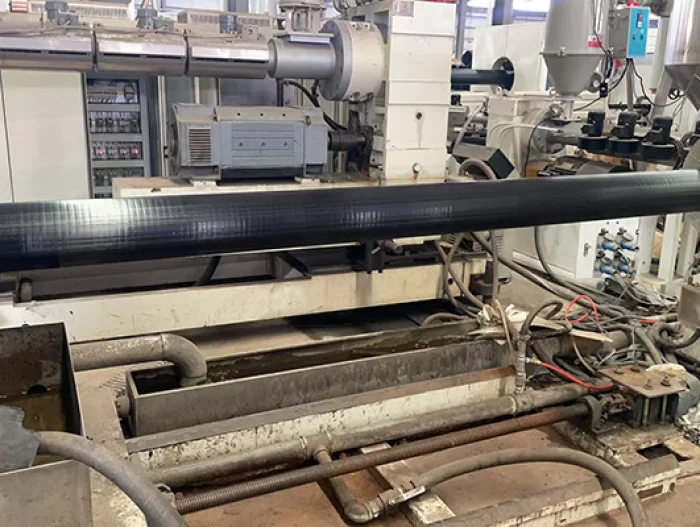
A steel wire reinforced HDPE composite pipe is a multilayer pressure pipe consisting of an inner polyethylene layer, an embedded high-strength steel-wire reinforcement structure and an outer polyethylene protective layer. A compatible bonding material integrates these layers into a composite pipe wall.
This combination helps bridge the performance gap between standard thermoplastic pipes and traditional metal pressure pipes. However, the final pressure rating and service suitability must always be verified against the specific product design, diameter, operating temperature, fluid and applicable project standard.
SRPE & SPTP Pipe Applications
High-Pressure Water Transmission
Suitable for municipal trunk mains, industrial water networks, reservoir transfer lines and long-distance pressure pipelines.
Mining and Mineral Processing
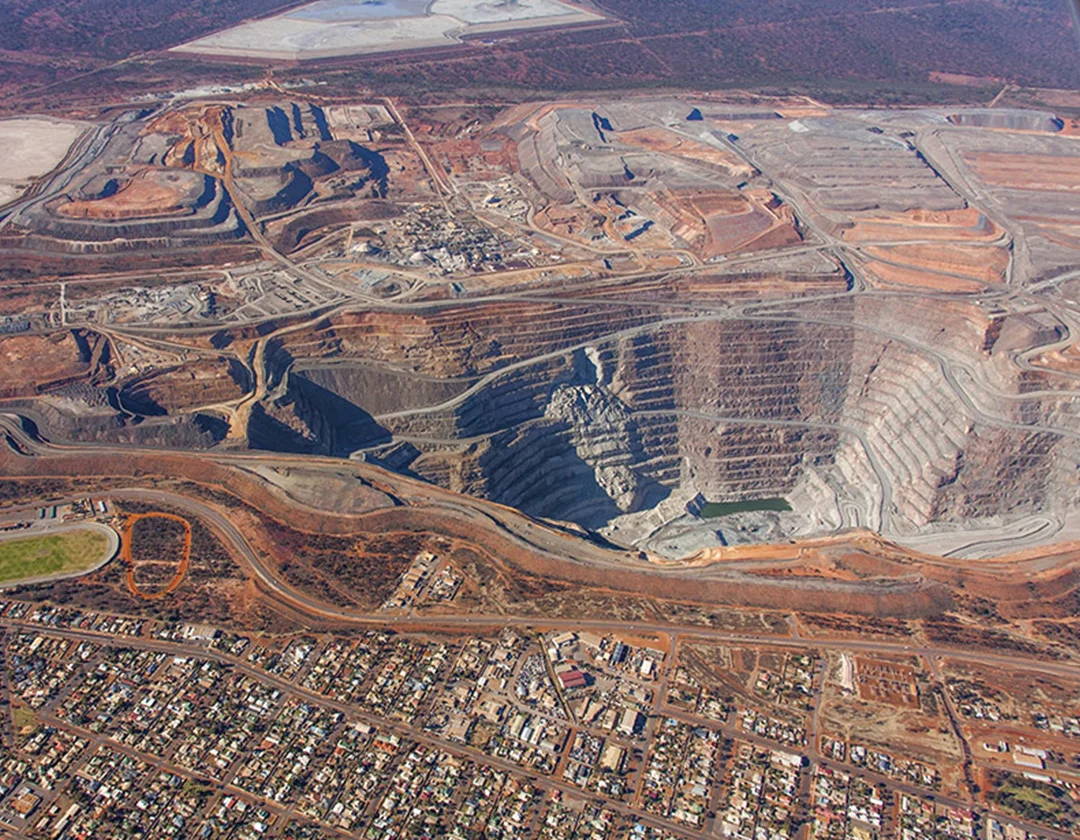
Can be engineered for mine water, tailings, concentrate, slurry and process-water pipelines. Fluid abrasiveness and solids concentration should be evaluated before selecting the inner-layer material.
Chemical and Industrial Pipelines
The polyethylene surface resists many acids, alkalis and salts. Chemical compatibility must still be verified according to the exact chemical, concentration, pressure and operating temperature.
Energy and Geothermal Projects
Reinforced composite systems can be developed for power plants, process water and geothermal water transportation. Temperature-resistant configurations must be selected according to verified long-term temperature and pressure ratings.
Oil and Gas Applications
Potential uses include oilfield water injection, gathering lines and certain gas applications. Gas service should only be specified when the complete pipe and fitting system meets the applicable gas standard and local regulatory requirements.
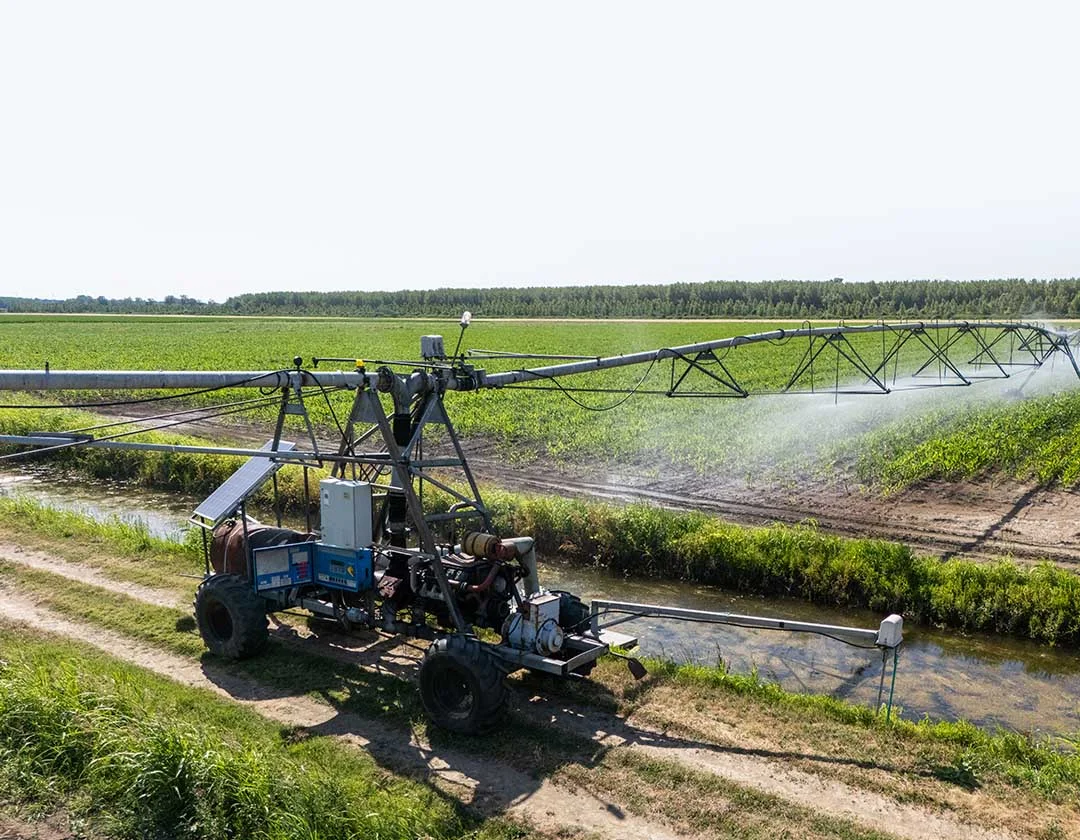
Agricultural Pressure Mains
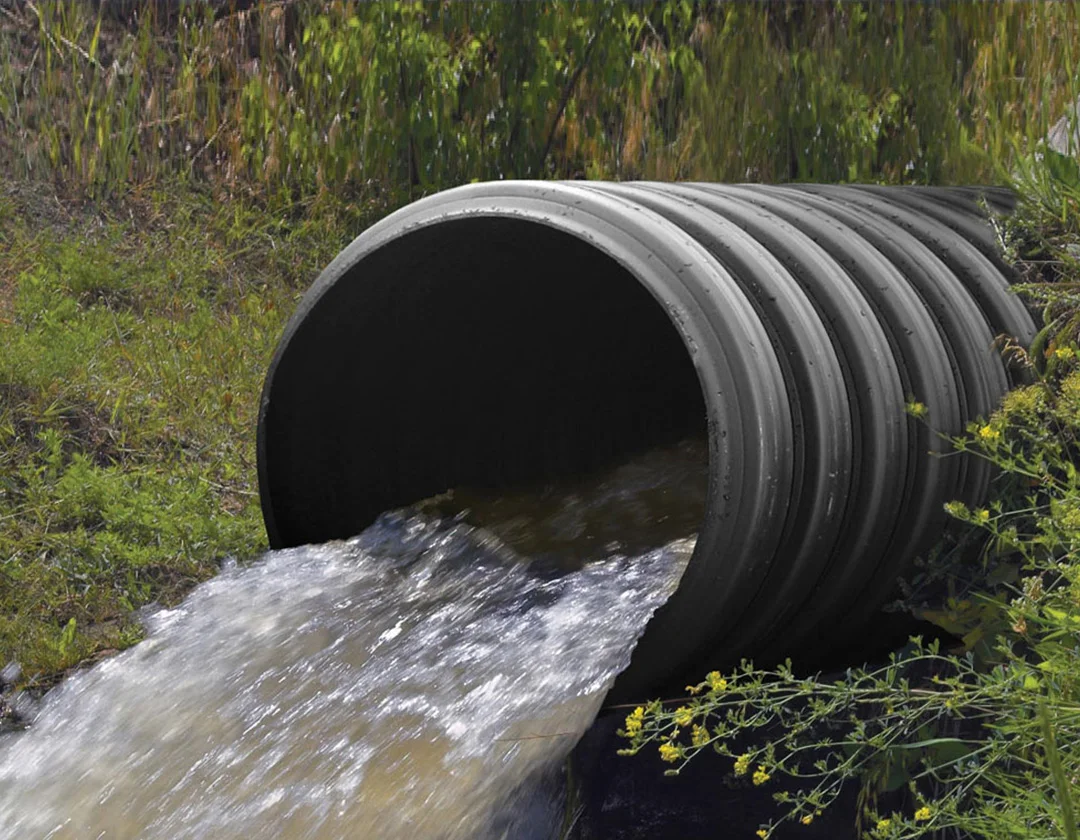
Suitable for large irrigation networks, reservoir conveyance and high-pressure sprinkler systems where conventional HDPE dimensions do not meet the project’s mechanical requirements.
How to Select the Right Reinforced HDPE Pipe
For an accurate technical proposal, provide SIFFO with:
1. Transported medium and composition
2. Pipe diameter and total pipeline length
3. Normal operating pressure
4. Maximum design and surge pressure
5. Minimum and maximum operating temperature
6. Installation method and burial depth
7. External loading and ground conditions
8. Required standard or certification
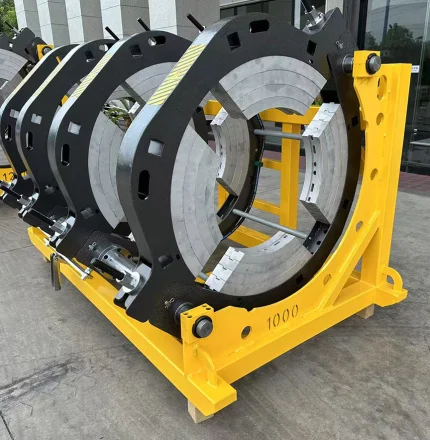
9. Required fittings and connection method
10. Project country and delivery schedule
These details allow the engineering team to recommend the appropriate pipe construction instead of selecting a product solely by nominal pressure or the SRTP/SRPE name.