
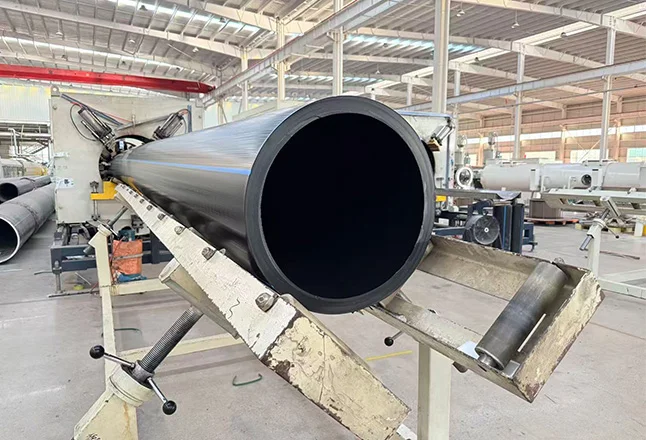

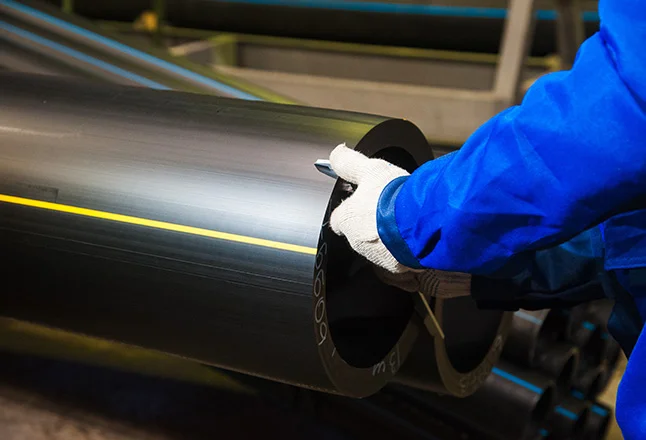
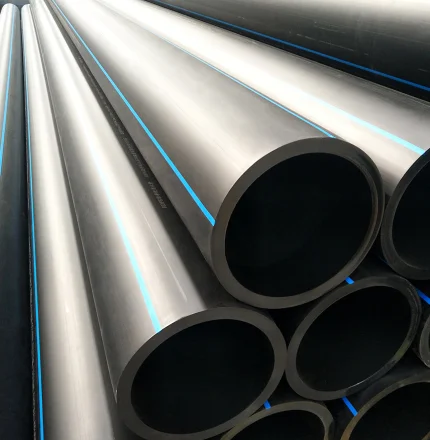
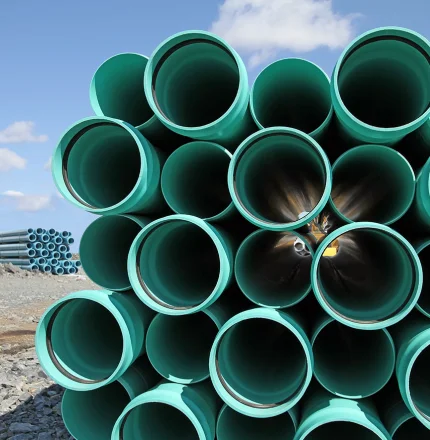
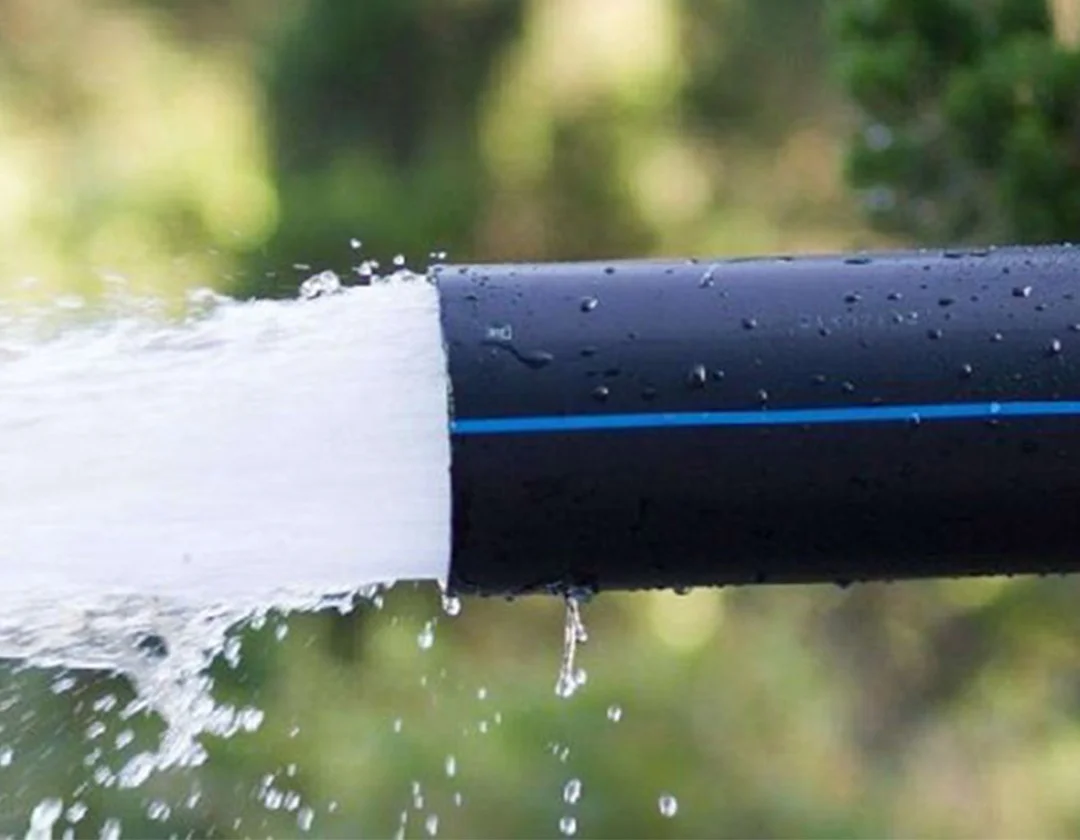
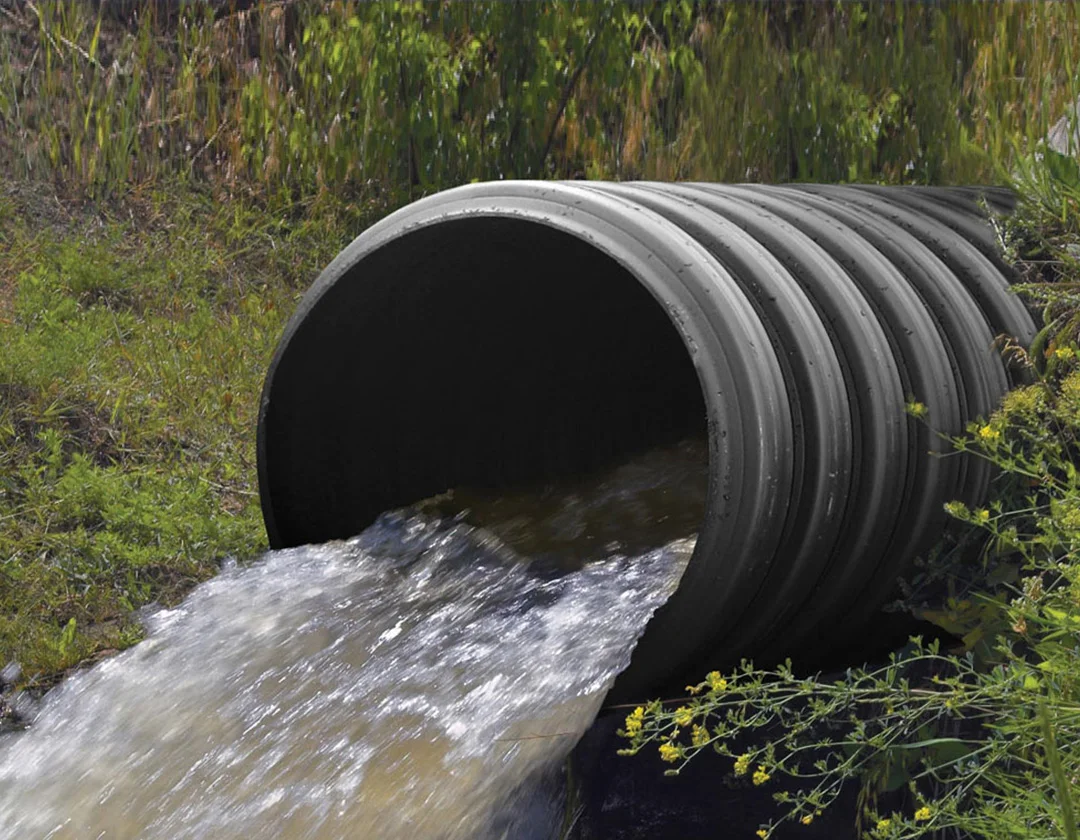
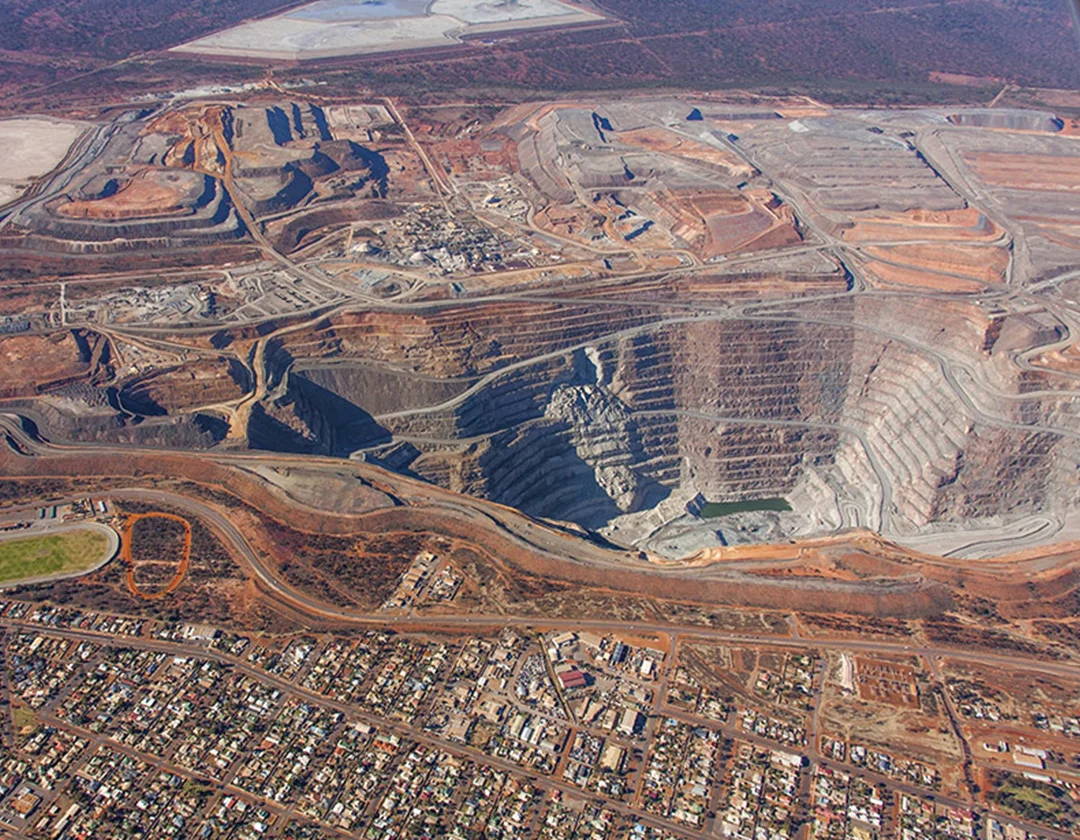
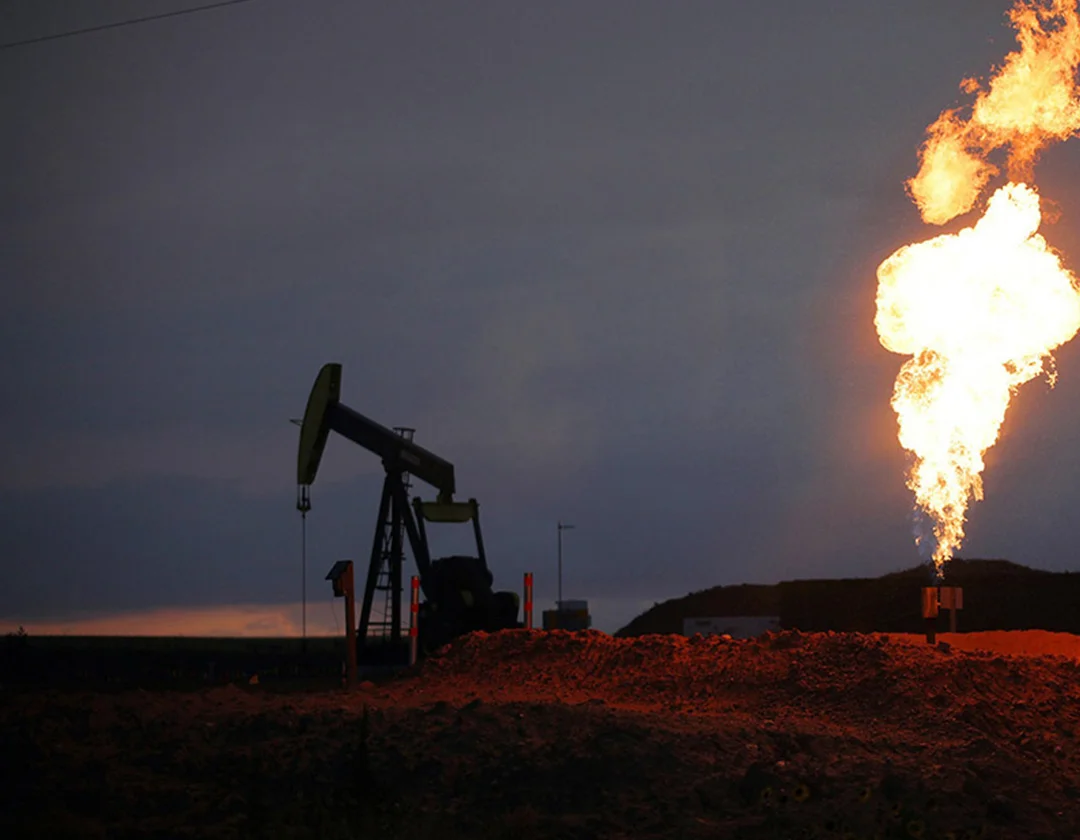
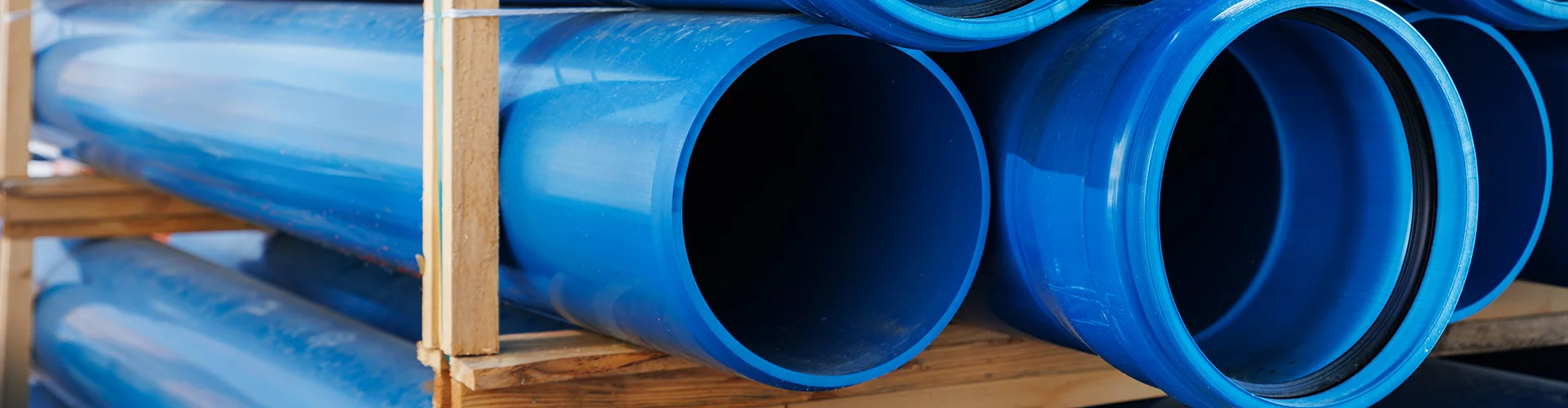
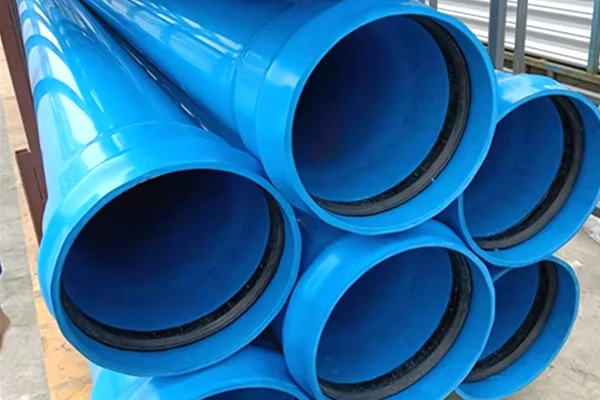

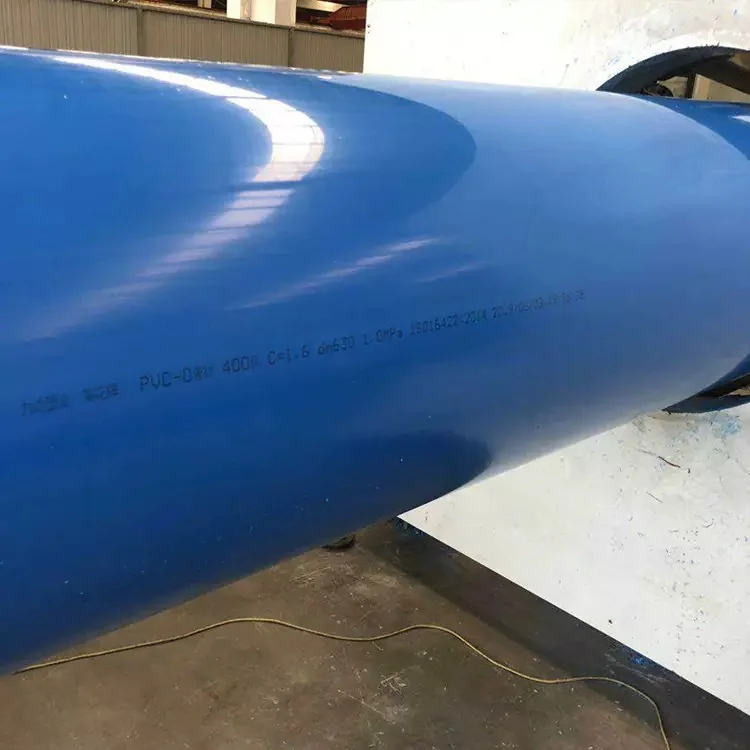
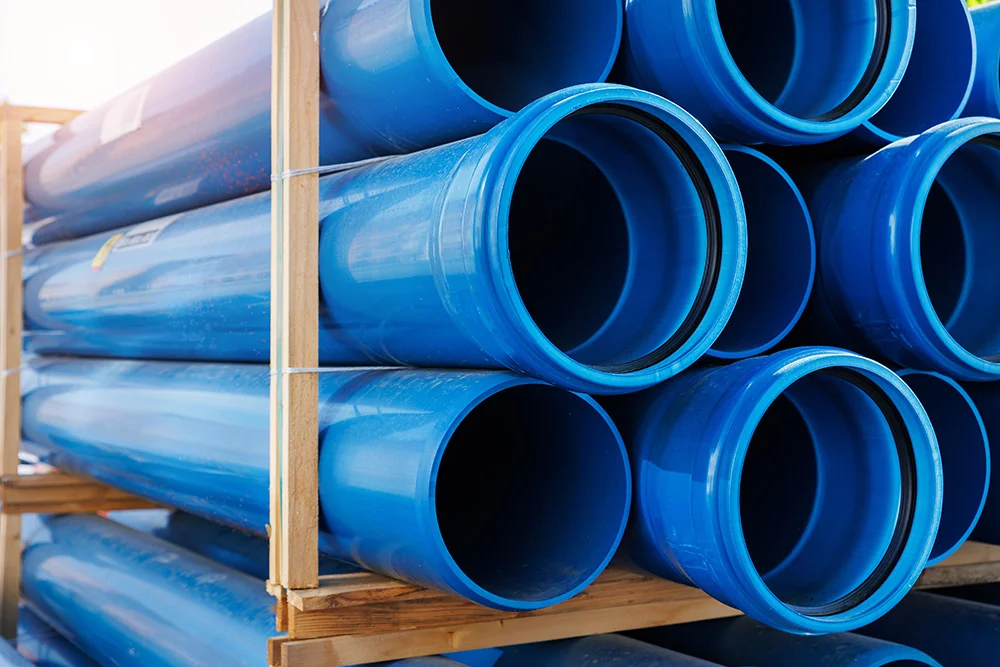
SIFFO PVC-O (Oriented Unplasticized Polyvinyl Chloride) pipe represents a revolutionary advancement in pressure piping systems, combining superior strength, durability and cost-effectiveness. PVC-O pipe is also known as dual axis oriented PVC pipe. The higher tensile strength is immediately apparent by stretching the material hoop and axially under specific conditions of pressure, temperature and velocity. The molecular orientation process greatly enhances the physical and mechanical properties of PVC. PVC-O pipe is twice as strong as PVC-U pipe and five times more impact and cold resistant than PVC-U pipe. SIFFO PVC-O pipe outperforms traditional pipe materials in critical applications such as drinking water distribution, irrigation and industrial fluid transfer.
Parameter | Specification |
Standards Compliance | ISO 16422, EN 17176, AS/NZS 4441,AS/NZS 4765 |
Size Range | 63mm - 1000mm (custom sizes available) |
Pressure Rate | PN10, PN12.5, PN16, PN20 and PN25 |
Class | Class400,Class450,Class500 |
Operating Temperature | 0°C to 45°C (short-term 60°C) |
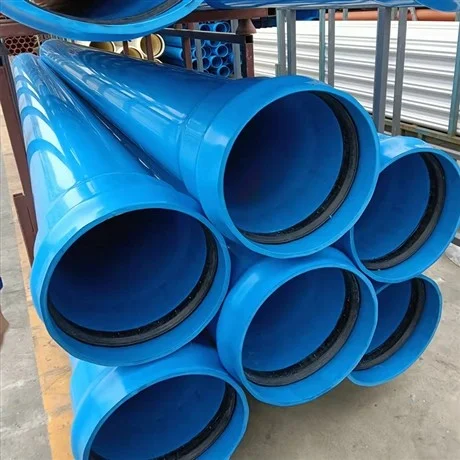
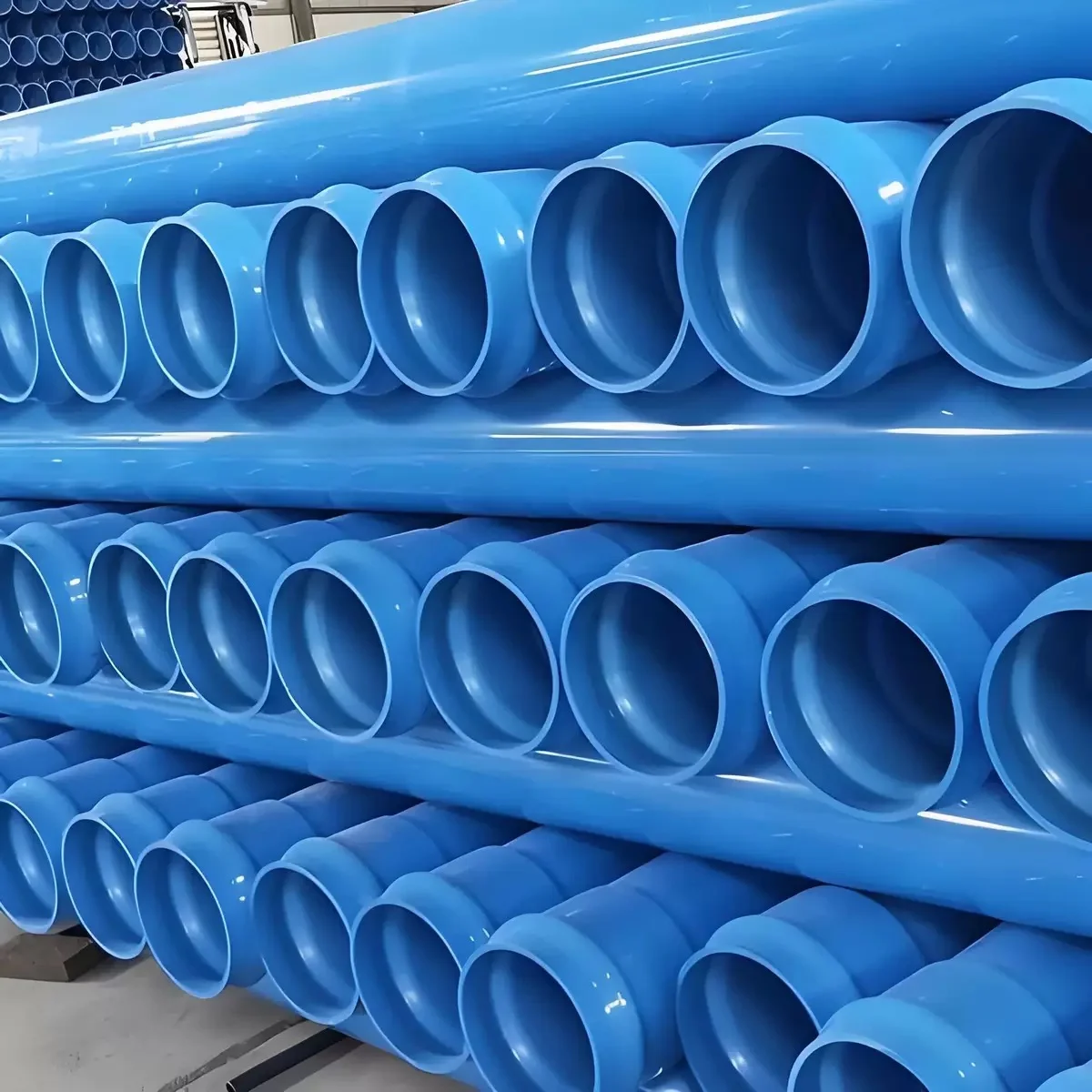
Jointing Methods | Rubber ring Socket (push-fit) |
Color Options | Blue (standard), other colors available |
▎PVC-O Pipe Key Features & Benefits
1. Unmatched Strength & Pressure Resistance
·2X stronger than conventional PVC-U pipes due to biaxial orientation
·Pressure ratings from PN16 to PN25 (16-25 bar)
·Higher safety factor with minimum burst pressure exceeding standards
2. Lightweight Yet Durable
·30% lighter than standard PVC-U pipes
·Maintains excellent impact resistance even at low temperatures
·Easier handling reduces installation time and labor costs by up to 40%
3. Superior Hydraulic Performance
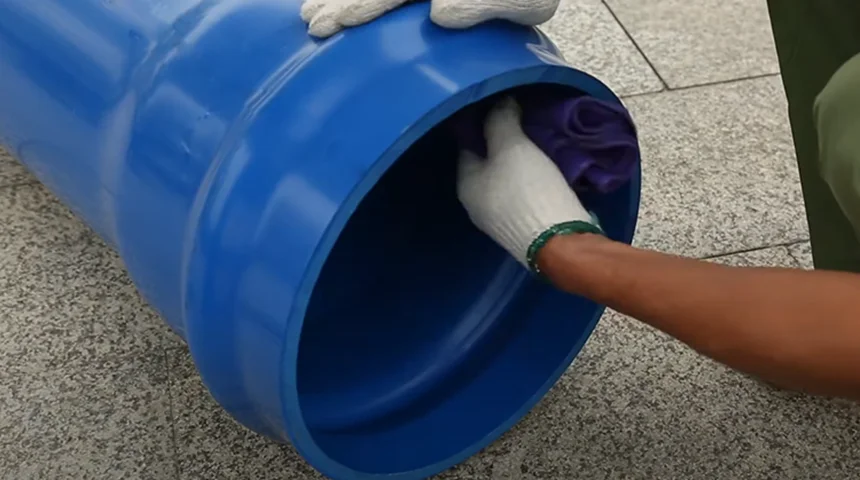
·Ultra-smooth interior surface (C-value 150)
·5-7% better flow capacity compared to traditional pipes
·Reduced pumping energy requirements
4. Exceptional Longevity
·50+ year service life
·Immune to corrosion, tuberculation, and electrochemical degradation
·Resists UV radiation and most soil conditions
5. Sustainable Solution
·100% recyclable material
·Lower carbon footprint than metal alternatives
·Potable-water compliance available subject to project certification requirements
▎PVC-O Pipe vs HDPE, PVC and Ductile Iron Pipe
When selecting pressurized water pipelines, PVC-O, HDPE, conventional PVC, and ductile iron each offer distinct advantages. PVC-O (molecularly oriented PVC) utilizes a molecular orientation process to enhance material strength, toughness, and impact resistance; this allows for thinner pipe walls while achieving high pressure ratings, maintaining a larger effective internal diameter, and reducing weight per unit length. For municipal water supply, irrigation, and other buried pressurized conveyance projects, PVC-O is particularly well-suited for applications requiring a balance of hydraulic efficiency, material efficiency, installation efficiency, and long-term durability.
Compared to HDPE, PVC-O typically offers higher hoop strength and thinner pipe walls, providing a larger flow cross-sectional area for the same external diameter. HDPE, however, excels in flexibility, impact resistance, and the ability to form continuous pipeline systems via heat-fusion welding, making it advantageous for projects involving horizontal directional drilling (HDD), pipe jacking, complex terrain, areas prone to ground settlement, or applications where minimizing mechanical joints is critical.
PVC-O should not be viewed merely as "standard PVC pipe"; its molecularly oriented structure grants it superior strength and impact resistance, enabling reduced wall thickness compared to conventional PVC-U/PVC pressure pipes. For projects demanding higher pressure ratings and superior hydraulic conveyance efficiency, PVC-O offers greater material utilization efficiency than traditional PVC.
Compared to ductile iron, PVC-O is lightweight, corrosion-resistant, and hydraulically stable, eliminating the need for the extensive internal or external corrosion protection required by metal pipes. Ductile iron, conversely, offers high rigidity and mechanical strength, maintaining a distinct advantage in large-scale infrastructure, complex loading scenarios, and specific high-pressure applications. Thus, PVC-O is not intended to replace ductile iron in every instance but rather serves as a lightweight, corrosion-resistant alternative for buried pressurized water supply, irrigation, and municipal water networks.
PVC-O vs HDPE vs PVC vs Ductile Iron
Property | PVC-O Pipe | HDPE Pipe | PVC-U / PVC Pipe | Ductile Iron Pipe |
Material | Molecularly Oriented PVC | High-Density Polyethylene | Unplasticized PVC | Ductile Cast Iron |
Strength | Very High | High | Moderate–High | Very High |
Flexibility | Moderate | Excellent | Low–Moderate | Low |
Impact Resistance | High | Excellent | Moderate | High |
Corrosion Resistance | Excellent | Excellent | Excellent | Requires corrosion protection depending on soil/environment |
Hydraulic Performance | Excellent | Excellent | Excellent | Good |
Pipe Wall | Relatively thin | Relatively thick at equivalent pressure | Thicker than PVC-O | Relatively thick |
Weight | Very Light | Light | Light | Heavy |
Jointing | Rubber ring connection | Butt fusion / Electrofusion | Solvent cement or Rubber ring connection | Mechanical / gasketed joints |
Leak Risk at Joints | Low when correctly installed | Very low | Low when correctly installed | Low when correctly installed |
Trenchless Installation | Limited | Excellent | Limited | Limited |
Chemical Resistance | Excellent | Excellent | Excellent | Moderate; depends on environment and lining/coating |
Corrosion Protection | Generally not required | Not required | Not required | May be required |
Installation Equipment | Relatively simple | Fusion equipment required | Simple | More lifting equipment required |
Handling | Easy | Easy | Easy | Heavy equipment usually required |
Typical Applications | Water supply, irrigation, municipal networks | Water, gas, drainage, industrial, trenchless | Water, irrigation, drainage | Municipal water, transmission mains, industrial infrastructure |
Key Advantage | High strength-to-weight ratio and hydraulic efficiency | Flexibility and fused joints | Mature and economical technology | Rigidity and mechanical strength |
Main Limitation | Less flexible than HDPE | Requires fusion equipment | Lower performance than PVC-O | Heavy and potentially vulnerable to corrosion |
Which Pipe Is Best for Your Project?
For municipal drinking water and buried pressure water transmission projects, PVC-O is a highly compelling option. Characterized by high strength, thinner walls, and a smooth inner surface, it delivers excellent flow capacity at a lower weight. PVC-O offers distinct advantages for projects aiming to reduce costs associated with transportation, manual handling, and installation.
HDPE is generally the more suitable choice for projects involving HDD (Horizontal Directional Drilling), complex terrain, ground settlement, or the need for a continuous, flexible piping system. Because HDPE can be joined via butt fusion or electrofusion to create a continuous, flexible pipeline, it excels in trenchless applications and areas prone to significant ground movement.
PVC-U remains a common choice for projects that prioritize the established supply chain and cost-effectiveness associated with traditional PVC systems. However, for high-performance pressure water transmission systems, it is worth evaluating whether PVC-O—with its superior strength and thinner walls—can deliver better overall performance.
Ductile iron remains competitive for large-scale municipal transmission mains, heavy-load environments, and projects requiring high pipe stiffness. It may be a more suitable choice than plastic piping, particularly when projects demand high mechanical strength, rigidity, or involve challenging installation conditions.
▎PVC-O Pipe Application Fields
Water Infrastructure
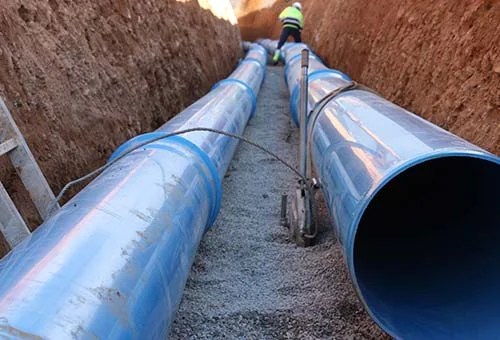
·Municipal water distribution networks
·High-pressure transmission mains
·Water treatment plant piping
Agricultural Systems
·High-efficiency pressurized irrigation
·Sprinkler and drip systems
·Drainage and water reuse projects
Industrial Uses
·Cooling water circulation
·Process water lines
·Slurry transport in mining operations
▎Why Choose SIFFO PVC-O Pipe ?
As a leading provider of plastic piping system solutions in China, Shandong SIFFO Plastic Technology Co., Ltd. possesses the following core strengths in the field of PVC-O and related products:
1. Large-Scale Manufacturing Capabilities
Dual-base layout: Linyi, Shandong (Headquarters) and Nanjing, Jiangsu (Production Base), with a total area exceeding 150,000 square meters.
Annual production capacity: Over 200,000 tons across various piping products, with the capacity to handle large-scale orders.
Product portfolio: A comprehensive range of piping systems including HDPE, PVC, PPR, SRTP (steel wire mesh reinforced composite pipe), and corrugated pipes.
2. Technical Qualifications and Certifications
ISO Quality Management System certification.
WRAS (Water Regulations Advisory Scheme) certification; products meet UK drinking water safety standards.
SGS international third-party testing and certification.
Manufactured using 100% virgin raw materials to ensure drinking water safety.
3. Export Experience and Global Network
Operations cover over 100 countries and regions, with extensive experience in international project services.
Export ports: Shanghai Port and Qingdao Port, offering convenient logistics.
Over 5 years of export experience; well-versed in international project delivery processes.
4. Cost and Delivery Advantages
Located in Linyi, China's "Logistics Capital," offering significant advantages in raw material procurement and logistics costs.
Flexible Minimum Order Quantities (MOQ), adjustable to meet customer needs.
Rapid delivery cycles and ample stock of standard products.
With superior engineering and sustainable design, SIFFO PVC-O pipes deliver reliable, long-term performance for the world's most demanding piping applications. Contact our technical team today to discuss your project requirements.
▎PVC-O Pipe FAQ
1. What is PVC-O pipe?
PVC-O pipe is a molecularly oriented unplasticized polyvinyl chloride pipe manufactured by orienting the PVC molecular structure during the production process. This orientation improves strength, toughness and resistance to impact and pressure fluctuations compared with conventional PVC-U pipe. PVC-O pipes are mainly used for pressurized water supply, irrigation and other pressure pipeline applications. ISO 16422:2024 specifically covers PVC-O piping systems for water supply, pressurized drainage, sewerage, treated wastewater and irrigation.
2. What is PVC-O pipe used for?
PVC-O pipe is commonly used for municipal water supply, potable water distribution, irrigation systems, water transmission pipelines and other pressurized water applications. ISO 16422:2024 covers applications including water mains and service lines, water conveyance, pressurized drainage and sewerage, treated wastewater and pressure irrigation.
3. What are the main advantages of PVC-O pipe?
The main advantages of PVC-O pipe include high strength-to-weight ratio, excellent hydraulic efficiency, corrosion resistance, relatively low weight and good resistance to impact and pressure fluctuations. Its molecular orientation allows PVC-O to achieve higher mechanical performance than conventional PVC-U while maintaining the advantages associated with plastic piping systems.
4. Is PVC-O pipe suitable for drinking water?
Yes. PVC-O piping systems can be designed for potable water applications. ISO 16422:2024 covers PVC-O systems intended for the conveyance of cold water for human consumption, subject to the applicable product, system and local drinking-water requirements.
For a potable water project, buyers should verify that the pipe, fittings, jointing components and manufacturing process meet the drinking-water requirements applicable in the destination country.
5. What standard is used for PVC-O pipe?
The main international standard for PVC-O pressure pipe systems is the ISO 16422 series. ISO 16422-1:2024 covers general requirements, ISO 16422-2:2024 covers PVC-O pipes, ISO/TS 16422-3:2023 covers fittings, and ISO 16422-5:2024 covers fitness-for-purpose requirements of the system.
Manufacturers and project specifications may also require additional national or regional standards depending on the destination market.
6. What pressure rating can PVC-O pipe handle?
PVC-O pressure ratings depend on the pipe's material classification, wall thickness, diameter, design coefficient and applicable standard. ISO 16422:2024 covers systems for cold-water pressure applications up to 25 bar, including applications where impact loads and pressure fluctuations require special performance.
The correct pressure class should always be selected according to the project's operating pressure, surge pressure, temperature and design requirements rather than choosing a pipe based only on nominal pressure.
7. How long does PVC-O pipe last?
PVC-O pipe is designed for long-term underground pressure applications when correctly specified, installed and operated. Its resistance to corrosion and chemical attack can provide an important service-life advantage over metallic pipes in suitable environments.
Actual service life depends on operating pressure, temperature, installation conditions, soil environment, water quality, surge conditions and installation quality. Therefore, a manufacturer should provide a service-life assessment based on the specific project conditions rather than guaranteeing one universal lifespan.
8. Is PVC-O pipe better than HDPE pipe?
Neither material is universally better. PVC-O and HDPE have different performance advantages.
PVC-O is particularly attractive for municipal water supply and pressure pipelines where high strength-to-weight ratio, hydraulic efficiency, corrosion resistance and relatively lightweight installation are important.
HDPE is particularly advantageous where flexibility, impact resistance, butt fusion or electrofusion, trenchless installation and ground movement are important. For HDD, difficult terrain and applications requiring a flexible fused pipeline, HDPE may be the better choice.
The final selection should consider pressure requirements, installation method, soil conditions, hydraulic requirements and total project cost.
9. PVC-O vs PVC-U: What is the difference?
PVC-O and PVC-U are both based on unplasticized PVC, but PVC-O undergoes a molecular orientation process during manufacturing. This orientation improves the mechanical properties of the pipe, including strength and impact performance.
PVC-U is a mature and widely used pressure-pipe technology, while PVC-O is engineered to provide enhanced performance and material efficiency. For high-performance municipal water and pressure applications, PVC-O can provide advantages over conventional PVC-U when the applicable specifications are met.
10. PVC-O vs ductile iron: Which pipe should I choose?
PVC-O is significantly lighter and naturally corrosion-resistant, which can simplify transportation, handling and installation. Its smooth internal surface also provides favorable hydraulic performance.
Ductile iron provides high stiffness and mechanical strength and remains widely used for large water transmission mains and applications where high structural rigidity is required.
The choice should be based on pressure, external loads, burial depth, soil conditions, corrosion environment, installation method and life-cycle cost rather than material price alone.
11.Can PVC-O pipe handle pressure surges?
PVC-O is designed to provide good performance under pressure fluctuations and impact loads. ISO 16422:2024 specifically identifies applications involving impact loads and pressure fluctuations among the situations requiring special performance.
However, water hammer must still be evaluated during pipeline design. Pump start/stop conditions, valve closure time, elevation changes and pipeline length can significantly affect transient pressure.
12. Is PVC-O pipe suitable for municipal water supply projects?
Yes. Municipal water mains and service lines are among the applications covered by ISO 16422:2024. PVC-O can be considered for municipal water projects where its pressure rating, diameter range, jointing system and local regulatory requirements match the project specifications.
▎Get a PVC-O Pipe Quote
Planning a municipal water supply, irrigation or pressure pipeline project? SIFFO can provide PVC-O pipe specifications, pressure ratings, diameters, technical documentation and project-based recommendations. Contact our engineering team for a customized quotation.
Material | Nominal Pressure PN(C=1. 6), MPa | ||||||||
Class 400 | 1 | 1.25 | 1.6 | 2.0 | 2.5 | ||||
Class 450 | 1.25 | 1.6 | 2.0 | 2.5 | |||||
Class 500 | 1.25 | 1.6 | 2.0 | 2.5 | |||||
DN | Nominal wall thickness en,(mm) | ||||||||
63 | 1.60 | 1.80 | 2.00 | 2.20 | 2.50 | 2.70 | 3.00 | ||
75 | 1.50 | 1.70 | 1.90 | 2.10 | 2.30 | 2.60 | 2.90 | 3.20 | 3.60 |
90 | 1.80 | 2.00 | 2.20 | 2.50 | 2.80 | 3.10 | 3.50 | 3.90 | 4.30 |
110 | 2.20 | 2.40 | 2.70 | 3.10 | 3.40 | 3.80 | 4.20 | 4.70 | 5.30 |
125 | 2.50 | 2.80 | 3.10 | 3.50 | 3.90 | 4.30 | 4.80 | 5.10 | 6.00 |
140 | 2.80 | 3.10 | 3.50 | 3.90 | 4.30 | 4.80 | 5.40 | 6.00 | 6.70 |
160 | 3.20 | 3.50 | 4.00 | 4.40 | 4.90 | 5.50 | 6.20 | 6.90 | 7.70 |
180 | 3.60 | 4.00 | 4.40 | 5.00 | 5.50 | 6.20 | 6.90 | 7.70 | 8.60 |
200 | 3.90 | 4.40 | 4.90 | 5.50 | 6.20 | 6.90 | 7.70 | 8.60 | 9.60 |
225 | 4.40 | 5.00 | 5.50 | 6.20 | 6.90 | 7.70 | 8.60 | 9.60 | 10.80 |
250 | 4.90 | 5.50 | 6.20 | 6.90 | 7.70 | 8.60 | 9.60 | 10.70 | 11.90 |
280 | 5.50 | 6.20 | 6.90 | 7.70 | 8.60 | 9.70 | 10.70 | 12.00 | 13.40 |
315 | 6.20 | 6.90 | 7.70 | 8.70 | 9.70 | 10.80 | 12.10 | 13.50 | 15.00 |
355 | 7.00 | 7.80 | 8.70 | 9.80 | 10.90 | 12.20 | 13.60 | 15.20 | 16.90 |
400 | 7.90 | 8.80 | 9.80 | 11.00 | 12.30 | 13.70 | 15.30 | 17.10 | 19.10 |
450 | 8.80 | 9.90 | 11.00 | 12.30 | 13.80 | 15.40 | 17.20 | 19.20 | 21.50 |
500 | 9.80 | 11.10 | 12.30 | 13.70 | 15.30 | 17.10 | 19.10 | 21.40 | 23.90 |
560 | 11.00 | 12.30 | 13.70 | 15.40 | 17.20 | 19.20 | 21.40 | 23.90 | 26.70 |
630 | 12.30 | 13.80 | 15.40 | 17.30 | 19.30 | 21.60 | 24.10 | 26.90 | 30.00 |
710 | 14.10 | 15.40 | 17.50 | 19.20 | 21.80 | 24.40 | 27.60 | 30.20 | 34.20 |
800 | 15.90 | 17.40 | 19.80 | 21.60 | 24.50 | 27.40 | 31.10 | 34.00 | 38.50 |
900 | 17.90 | 19.60 | 22.20 | 24.30 | 27.60 | 30.90 | 35.00 | 38.20 | 43.30 |
1000 | 19.90 | 21.70 | 24.70 | 27.00 | 30.60 | 34.30 | 38.90 | 42.50 | 48.10 |
I'm impressed by this PVC-O pipe's high impact resistance and fatigue tolerance. It offers significant pressure ratings with thinner walls, reducing weight and transport costs. An innovative, reliable choice for pressurized water networks.