
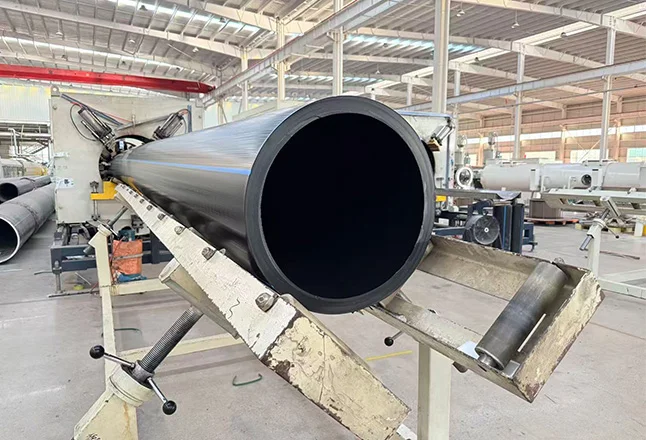

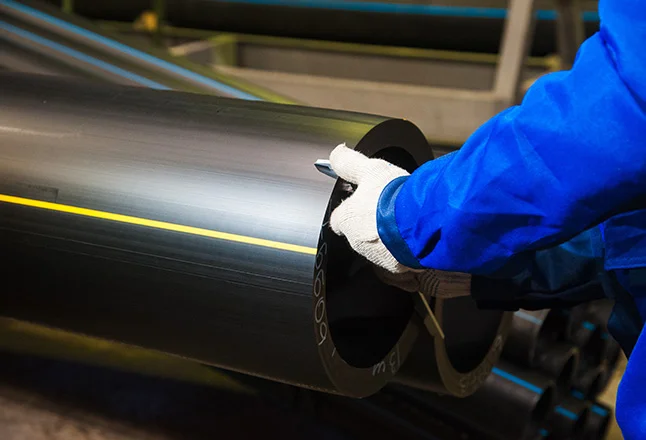
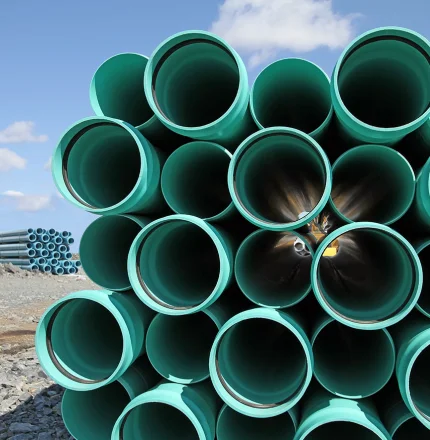
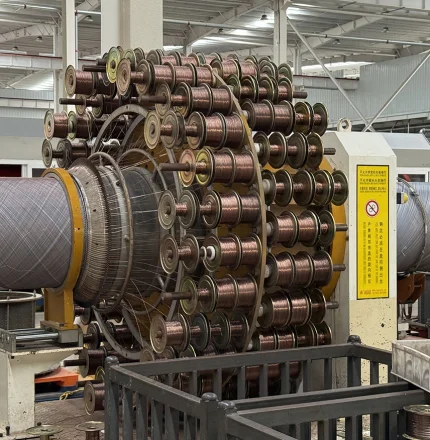
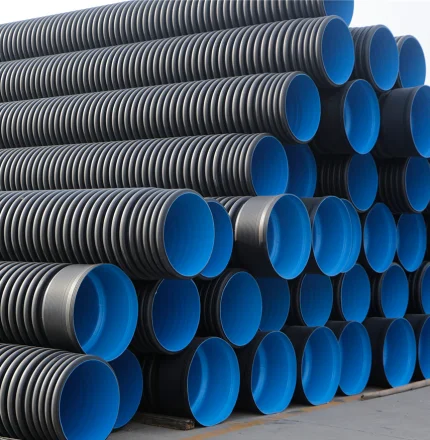
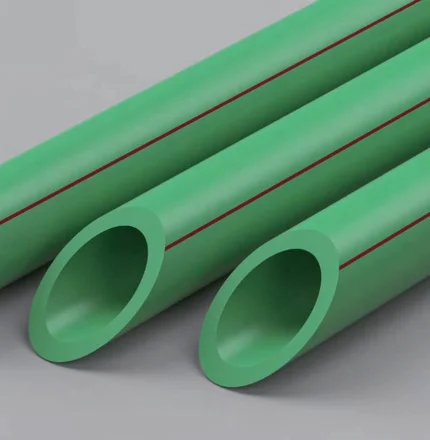
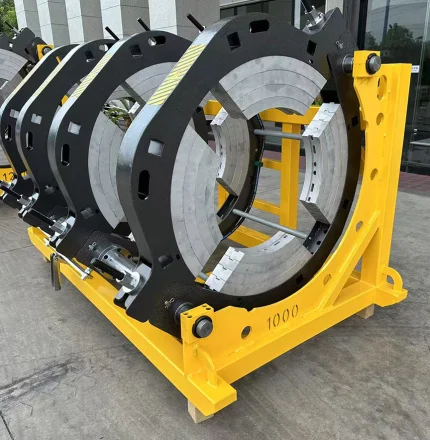


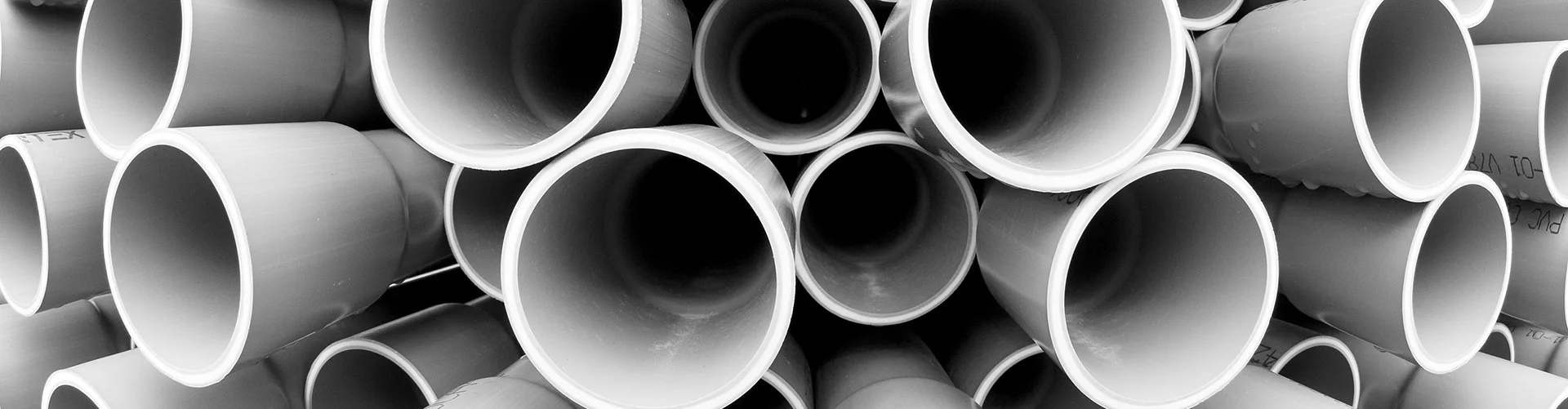
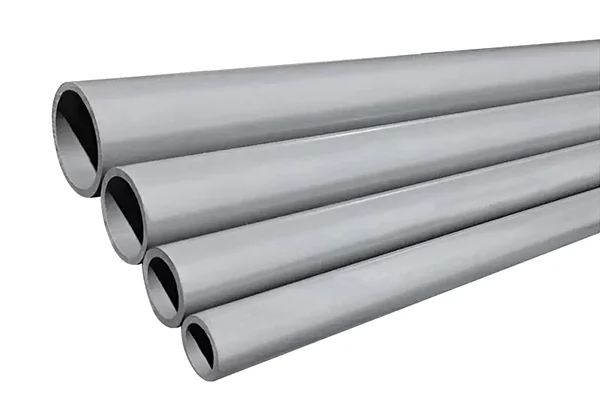

SIFFO Chlorinated Polyvinyl Chloride (CPVC) Chemical Pipes are engineered for aggressive industrial applications requiring superior thermal and chemical resistance. Manufactured under strict ASTM F441 guidelines, these pipes excel in high-temperature fluid transport (up to 93°C) while maintaining structural integrity. Ideal for corrosive environments in chemical plants, semiconductor facilities, and hot water systems.
Parameter | Details |
Material Grade | CPVC |
Standard | ASTM F441 |
Pressure Rating | SCH 40/80 (150-300 PSI) |
Operation Temperature | 0-93°C |
Size Range | 1/2", 3/4", 1", 1 1/4", 1 1/2", 2", 2 1/2", 3", 3 1/2", 4", 5", 6", 8", 10", 12", 14", 16", 18", 20", 24" (DN15-DN600) |
Thermal Conductivity | 0.14 W/m·K (insulating) |
▎ASTM F441 CPVC Pipe Features
Superior Heat Resistance:
This is CPVC's core advantage. Its heat distortion temperature can reach over 90°C, and its long-term operating temperature can reach 82-93°C (depending on the specific formulation and pressure rating), far exceeding that of ordinary PVC (approximately 60°C). This makes it ideal for conveying hot water.
Excellent Corrosion and Chemical Resistance:
It has excellent resistance to most inorganic corrosive media such as acids, alkalis, and salts, and is not prone to scaling or bacterial growth.
It is unaffected by chloride ions in water, exhibits stable performance in electrochemical corrosive environments, and has a long service life.
Good Mechanical Properties and Pressure Bearing Capacity:
It can maintain sufficient mechanical strength for a long time under the standard-specified temperature and pressure. ASTM F441 specifies the minimum hydrostatic design basis (HDB) and pressure rating for pipes of different sizes and wall thicknesses (such as Schedule 40, 80).
Flame Retardant and Self-Extinguishing Properties:
With an oxygen index as high as 60, it is classified as a flame-retardant material. It self-extinguishes rapidly after the flame is removed, does not support combustion, and produces relatively low-toxicity smoke during combustion. This characteristic makes it suitable for use in fire protection systems.
Easy installation and low flow resistance:
Lightweight, only 1/6 the weight of steel pipes of the same size, making handling and installation easier.
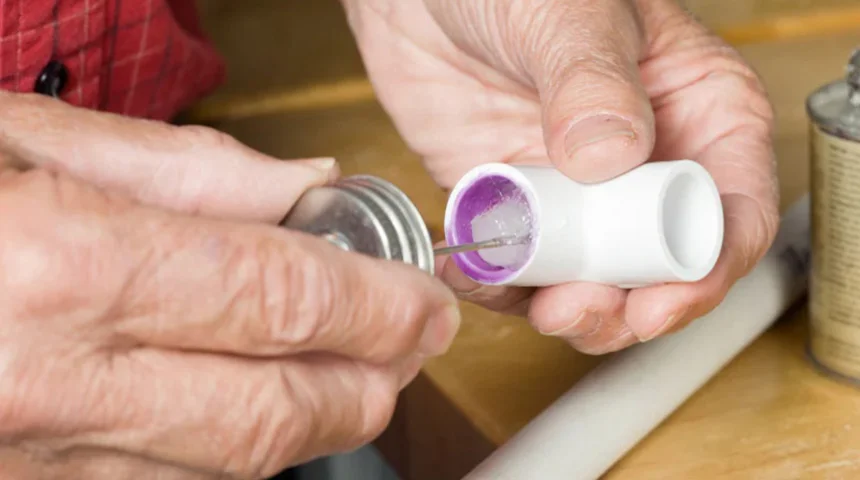
Using solvent bonding (socket connection), the process is simple, fast, and highly reliable.
Smooth inner wall, low coefficient of friction, good hydraulic performance, and low energy consumption over long-term use.
Safe and hygienic:
Complies with NSF/ANSI 61 and other drinking water standards, does not release harmful substances into the water, and can be used in hot and cold drinking water systems.
▎ASTM F441 CPVC Pipe Application Fields
Building Hot and Cold Water Supply Systems:
Hot water piping, especially in residential and commercial buildings, is its primary application market. It can be used in domestic hot water and heating systems (such as fan coil unit connection pipes) in hotels, hospitals, residences, schools, etc.
Industrial Piping Systems:
Chemical, electroplating, and electronics industries: Used for conveying various corrosive liquids, wastewater, and cooling water for process applications.
Food and Beverage Processing: Benefiting from its hygiene and corrosion resistance, it can be used for conveying process water and certain food media.
Fire Sprinkler Systems:
This is a very important and mature application for CPVC pipes. Specialized CPVC fire sprinkler pipes (such as BlazeMaster®) that comply with NFPA 13 and other fire protection standards are specifically designed for light and medium hazard wet fire sprinkler systems. Its advantages include quick installation, no welding required, and no rust clogging of sprinkler heads.
Swimming Pool and Spa Piping:
Resistant to hot water containing chlorine disinfectants, it is ideal for swimming pools, spas, and hot spring hot water circulation systems.
Other areas:
Solar water heating system piping, shipboard cold water and low-pressure seawater systems, etc.
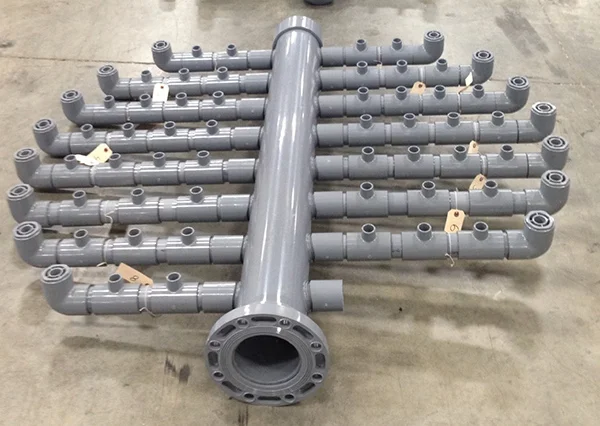
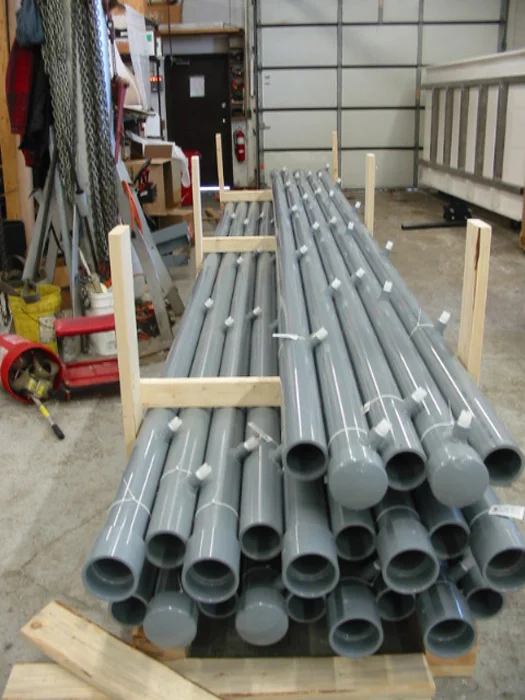
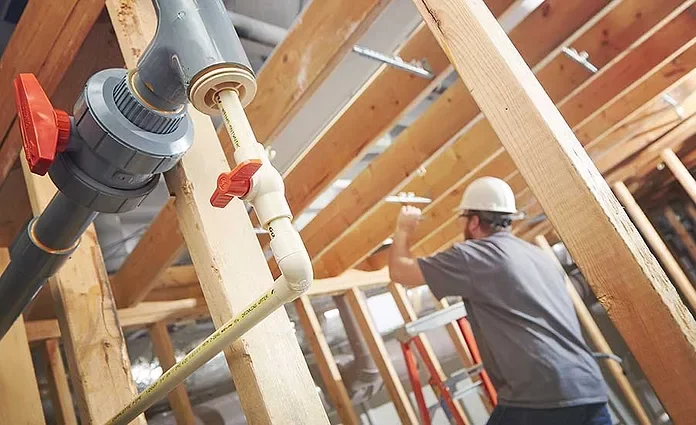

▎CPVC Pipe vs UPVC vs HDPE
CPVC Pipe vs UPVC vs HDPE Pipe: Which One Should You Choose?
CPVC, UPVC, and HDPE are widely used thermoplastic piping materials, but each material is designed for different operating conditions. Choosing the right pipe depends on factors such as working temperature, pressure requirements, chemical resistance, installation method, impact resistance, and project cost.
CPVC pipe is particularly suitable for hot and cold water, industrial fluids, and applications where higher temperature resistance is required. ASTM F441/F441M covers CPVC Schedule 40 and Schedule 80 pressure pipe for the distribution of chemically compatible pressurized liquids.
UPVC pipe is commonly selected for cold-water distribution, drainage, irrigation, and general pressure applications because of its rigidity, corrosion resistance, and cost efficiency.
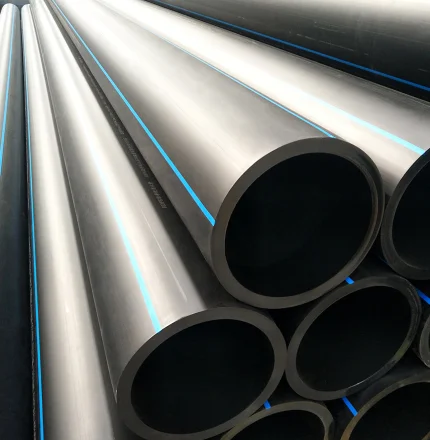
HDPE pipe is a flexible polyethylene piping system that is especially suitable for buried water supply, drainage, gas, mining, dredging, and other applications where flexibility, impact resistance, and fusion-welded joints are important.
CPVC vs UPVC vs HDPE Comparison
Property | CPVC Pipe | UPVC Pipe | HDPE Pipe |
Material | Chlorinated Polyvinyl Chloride | Unplasticized Polyvinyl Chloride | High-Density Polyethylene |
Typical Standards | ASTM F441/F441M | ASTM D1785 / ASTM D2241 and applicable standards | ISO 4427, EN 12201, ASTM standards depending on application |
Temperature Resistance | High – suitable for hot and cold water | Moderate – mainly used for cold-water applications | Moderate – generally selected for ambient-temperature applications |
Pressure Performance | Excellent when properly selected by Schedule and temperature | Good for pressure-rated systems | Excellent, with pressure rating dependent on PE grade and SDR |
Chemical Resistance | Excellent for many chemically compatible fluids | Good to excellent for many common fluids | Excellent for many chemicals, but compatibility must be checked |
Flexibility | Low | Low | High |
Impact Resistance | Good | Moderate | Excellent |
Corrosion Resistance | Excellent | Excellent | Excellent |
Jointing Method | Solvent cement / compatible fittings | Solvent cement, gasketed or mechanical joints depending on system | Butt fusion / electrofusion / mechanical connections |
Leakage Risk at Joints | Low when correctly solvent-welded | Low to moderate depending on joint type | Very low with properly fused joints |
Underground Installation | Suitable with proper design | Suitable | Excellent |
Trenchless Installation | Limited | Limited | Excellent suitability |
Hot Water Applications | Excellent | Limited compared with CPVC | Application-dependent |
Drinking Water | Suitable when certified for potable water | Suitable when certified for potable water | Suitable when certified for potable water |
Large-Diameter Applications | More commonly used in smaller/medium systems | Widely available for pressure and drainage applications | Highly suitable for large-diameter systems |
Installation Weight | Lightweight | Lightweight | Lightweight |
Resistance to Ground Movement | Lower | Lower | High |
Typical Applications | Hot/cold water, industrial piping, chemical service | Cold water, irrigation, drainage, sewer | Water supply, gas, drainage, mining, dredging, irrigation |
Best Strength | Temperature resistance | Cost-effective rigid piping | Flexibility and impact resistance |
When Should You Choose CPVC Pipe?
CPVC is a strong choice when the piping system needs to handle higher operating temperatures than conventional PVC systems. Its chlorinated molecular structure provides improved thermal performance compared with standard PVC materials.
CPVC is commonly used for hot and cold water distribution, industrial process piping, chemical fluid transportation, and other pressurized liquid applications where the transported medium is chemically compatible with CPVC. ASTM F441/F441M specifically covers pressure-rated CPVC Schedule 40 and Schedule 80 pipe for compatible pressurized liquids.
For projects where temperature is a major design parameter, CPVC can therefore provide an advantage over conventional UPVC.
When Is UPVC a Better Choice?
UPVC is generally a practical option when the system operates at relatively low or moderate temperatures and requires a rigid, economical, corrosion-resistant pipe.
Typical UPVC applications include:
Cold-water distribution
Irrigation systems
Drainage and sewer systems
Building water supply
Industrial water transportation
Pressure piping
UPVC pressure pipe is covered by standards such as ASTM D1785 and ASTM D2241, depending on the pipe design and application. ASTM D2241, for example, covers SDR-series PVC pressure-rated pipe for water.
For a standard cold-water or drainage project where high-temperature performance is not required, UPVC can often provide a more economical solution than CPVC.
When Is HDPE a Better Choice?
HDPE is often the preferred material for projects requiring high flexibility, impact resistance, long buried service, and reliable fusion joints.
Unlike rigid CPVC and UPVC pipe, HDPE can accommodate ground movement and installation conditions that involve bending or settlement. Butt fusion and electrofusion can create continuous piping systems with fewer mechanical joints.
HDPE is particularly suitable for:
Municipal water supply
Potable water pipelines
Irrigation
Gas distribution
Mining and slurry transportation
Dredging
Industrial pipelines
Buried drainage systems
Trenchless pipeline installation
CPVC vs UPVC vs HDPE: Application Guide
The best pipe material depends on the actual project conditions rather than simply choosing the material with the highest individual performance.
Choose CPVC when temperature resistance is a primary requirement. It is especially attractive for hot-water systems and certain industrial applications.
Choose UPVC when you need a rigid and cost-effective solution for cold water, drainage, or irrigation. It is a practical choice for conventional piping systems where flexibility and high-temperature capability are not the main requirements.
Choose HDPE when flexibility, impact resistance, buried installation, or fusion-welded joints are critical. HDPE is particularly advantageous for long-distance municipal, industrial, mining, and infrastructure pipelines.
▎CPVC Pipe FAQ
1.What is ASTM F441 CPVC pipe?
ASTM F441/F441M is the ASTM standard specification for Chlorinated Poly(Vinyl Chloride) (CPVC) Plastic Pipe, Schedules 40 and 80. The standard covers CPVC pipe that is pressure-rated for water and specifies requirements for dimensions, materials, workmanship, sustained pressure, burst pressure, flattening, and extrusion quality.
2. What is the difference between CPVC Schedule 40 and Schedule 80 pipe?
The main difference is wall thickness and pressure capability. Schedule 80 CPVC pipe has a thicker wall than Schedule 40 pipe of the same nominal size and is generally selected for higher-pressure service. The appropriate Schedule should be determined according to the required operating pressure, temperature, pipe size, and applicable design requirements.
3. What is CPVC pipe used for?
CPVC pipe is commonly used for:
Hot and cold water distribution
Building plumbing systems
Industrial process piping
Chemical fluid transportation
Water treatment systems
Industrial cooling systems
Corrosive fluid applications
Pressure piping systems
ASTM F441 specifies CPVC pipe for pressurized liquids that are chemically compatible with the piping material.
4. Can CPVC pipe be used for hot water?
Yes. CPVC is specifically valued for its higher temperature capability compared with conventional PVC and is widely used in hot and cold water systems.
However, the allowable working pressure decreases as operating temperature increases. The pipe should therefore be selected according to the manufacturer's pressure-temperature rating rather than using the maximum pressure rating at room temperature.
5. Is CPVC pipe suitable for drinking water?
CPVC can be used for potable water applications when the specific pipe, fittings, and complete piping system have the required approvals or certifications for drinking-water use in the target market.
For a potable-water project, buyers should verify the applicable local regulations and the certifications supplied with the CPVC pipe system.
6. Is CPVC pipe resistant to corrosion?
Yes. CPVC is inherently resistant to corrosion and does not rust like conventional steel or ductile iron pipe. It can also provide good resistance to many acids, alkalis, salts, and other chemicals.
Chemical compatibility should always be checked before selecting CPVC for a specific industrial fluid because resistance varies with chemical concentration, temperature, pressure, and exposure time.
7. What is the difference between CPVC and UPVC pipe?
The primary difference is temperature performance.
CPVC is chlorinated PVC and is designed to provide higher temperature resistance, making it suitable for hot-water applications. UPVC is generally selected for cold-water, drainage, irrigation, and other applications where high-temperature performance is not the primary requirement.
For conventional cold-water systems, UPVC can be a cost-effective option. For hot-water systems, CPVC is generally the more appropriate choice.
8. CPVC vs HDPE pipe: which is better?
Neither material is universally better; the choice depends on the project.
CPVC is particularly attractive for hot-water and building plumbing systems where higher temperature resistance and rigid pipe construction are required.
HDPE is generally better suited to long-distance buried pipelines, municipal water supply, irrigation, mining, dredging, and applications requiring flexibility, high impact resistance, and fusion-welded joints.
For large underground infrastructure projects, HDPE is often preferred because its flexibility allows it to accommodate ground movement and its fusion joints can create highly continuous pipeline systems.
9. Can CPVC pipe be installed underground?
Yes, CPVC pipe can be installed underground when the pipe system, burial depth, soil conditions, loading, temperature, and installation method are properly designed.
The installation should follow the manufacturer's requirements and applicable local standards, particularly regarding trench preparation, bedding, backfilling, pipe support, and thermal movement.
10. What sizes are available for ASTM F441 CPVC pipe?
ASTM F441 covers CPVC Schedule 40 and Schedule 80 pipe sizes. Available sizes depend on the manufacturer's production range.
SIFFO can provide CPVC pipe according to project requirements, including different nominal pipe sizes, Schedules, lengths, and related fittings. Buyers should confirm the required pipe size, pressure, temperature, and applicable standard before ordering.
11. What pressure rating does CPVC pipe have?
The pressure rating of CPVC pipe depends on the pipe size, Schedule, operating temperature, and applicable design standard. Schedule 40 and Schedule 80 pipes have different wall thicknesses and pressure capabilities.
For engineering applications, the allowable working pressure should be taken from the manufacturer's current technical data and applicable temperature derating requirements rather than estimated solely from the Schedule designation.
12. How long does CPVC pipe last?
CPVC can provide a long service life when correctly selected, installed, and operated within its specified temperature, pressure, and chemical compatibility limits.
Actual service life depends on operating conditions, water or chemical characteristics, temperature cycling, UV exposure, installation quality, and maintenance. For project design, buyers should use the manufacturer's rated service-life information rather than relying on a single generic lifespan figure.
13. Is CPVC pipe suitable for industrial applications?
Yes. CPVC is widely considered for industrial fluid handling because of its combination of temperature capability, corrosion resistance, low weight, and chemical resistance.
However, industrial buyers should verify chemical compatibility before use. The transported fluid, concentration, temperature, pressure, and exposure conditions should all be considered during material selection.
14. What standards does SIFFO CPVC pipe meet?
SIFFO CPVC pipe can be manufactured according to applicable international standards and project specifications. For ASTM F441 CPVC pipe, the relevant standard is ASTM F441/F441M, which covers Schedule 40 and Schedule 80 CPVC pressure pipe.
For specific projects, customers can request the applicable standard, technical specifications, inspection documents, and product certifications before production.
15. How do I choose the right CPVC pipe?
When selecting CPVC pipe, consider:
Required pipe diameter
Operating pressure
Maximum and minimum operating temperature
Schedule 40 or Schedule 80
Fluid type and chemical concentration
Potable-water requirements
Installation environment
Connection method
Applicable standards and certifications
For a complete project quotation, provide the pipe size, Schedule, application, operating temperature, working pressure, required quantity, destination country, and applicable standard.
16. Can SIFFO supply CPVC pipe and fittings?
Yes. SIFFO can provide CPVC piping solutions for project applications, including CPVC pipe and compatible fittings according to the required specifications.
For project-based orders, SIFFO can work with customers to confirm pipe dimensions, Schedule, pressure and temperature requirements, applicable standards, fittings, packaging, and delivery requirements.
▎Get a Quote for ASTM F441 CPVC Pipe
Looking for reliable ASTM F441 CPVC pipe for your project?
Contact SIFFO today for CPVC pipe specifications, Schedule 40/80 options, fittings, pricing, and technical support.
Send us your pipe size, quantity, application, and required standard — our team will provide a suitable solution and quotation.
Pipe Size (in.) | O.D. (in.) | Schedule 40 Dimensions (in) | Schedule 80 Dimensions (in) | ||
Average I.D. | Min. Wall | Average I.D. | Min. Wall | ||
1/4 | 0.540 | 0.344 | 0.088 | 0.282 | 0.119 |
3/8 | 0.675 | 0.473 | 0.091 | 0.403 | 0.126 |
1/2 | 0.840 | 0.602 | 0.109 | 0.526 | 0.147 |
3/4 | 1.050 | 0.804 | 0.113 | 0.722 | 0.154 |
1 | 1.315 | 1.029 | 0.133 | 0.936 | 0.179 |
1 1/4 | 1.660 | 1.360 | 0.140 | 1.255 | 0.191 |
1 1/2 | 1.900 | 1.590 | 0.145 | 1.476 | 0.200 |
2 | 2.375 | 2.047 | 0.154 | 1.913 | 0.218 |
2 1/2 | 2.875 | 2.445 | 0.203 | 2.290 | 0.276 |
3 | 3.500 | 3.042 | 0.216 | 2.864 | 0.300 |
3 1/2 | 4.000 | 3.521 | 0.226 | 3.326 | 0.318 |
4 | 4.500 | 3.998 | 0.237 | 3.786 | 0.337 |
5 | 5.563 | 5.016 | 0.258 | 4.768 | 0.375 |
6 | 6.625 | 6.031 | 0.280 | 5.709 | 0.432 |
8 | 8.625 | 7.942 | 0.322 | 7.565 | 0.500 |
10 | 10.750 | 9.976 | 0.365 | 9.493 | 0.593 |
12 | 12.750 | 11.889 | 0.406 | 11.294 | 0.687 |
14 | 14.000 | 13.073 | 0.437 | 12.410 | 0.750 |
16 | 16.000 | 14.940 | 0.500 | 14.213 | 0.843 |
18 | 18.000 | 16.809 | 0.562 | 16.014 | 0.937 |
20 | 20.000 | 18.743 | 0.593 | 17.814 | 1.031 |
24 | 24.000 | 22.544 | 0.687 | 21.418 | 1.218 |
this ASTM F441 CPVC pipe is perfect for high-temperature applications up to 93°C. Excellent chemical resistance, durable, and cost-effective for industrial hot water systems. Meets SCH80 standards. Highly recommended.