

▎ Client & Project Background
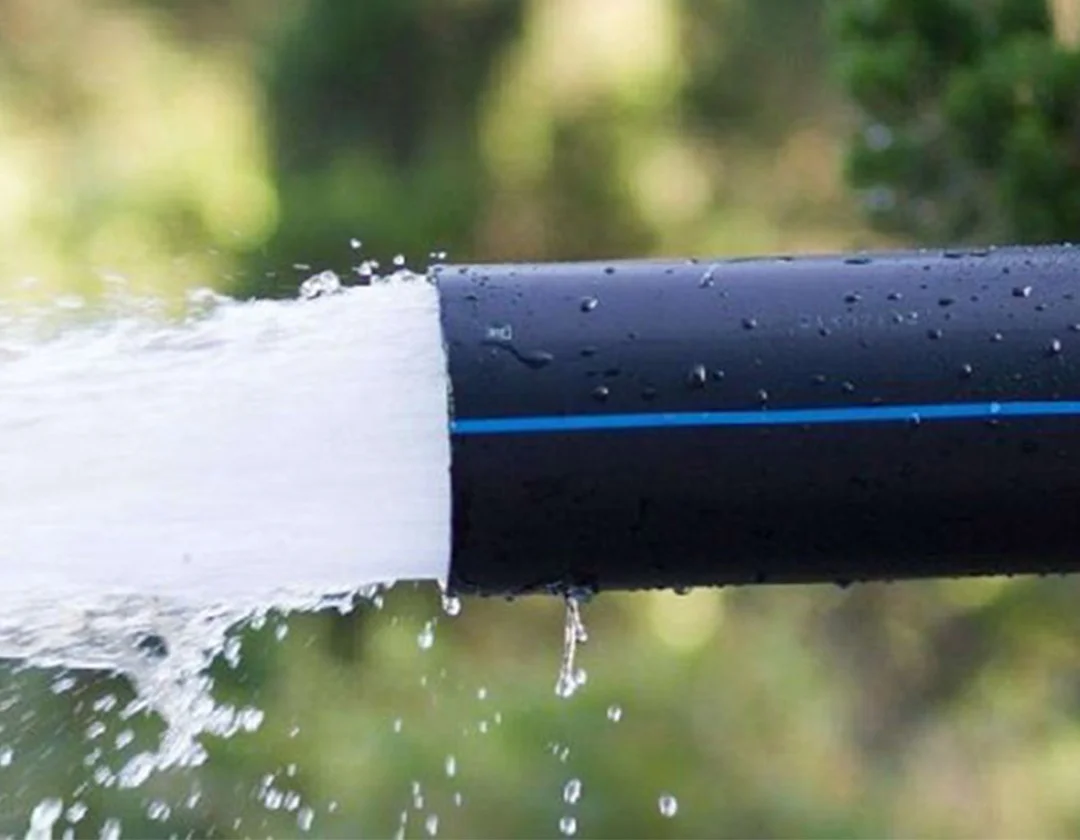
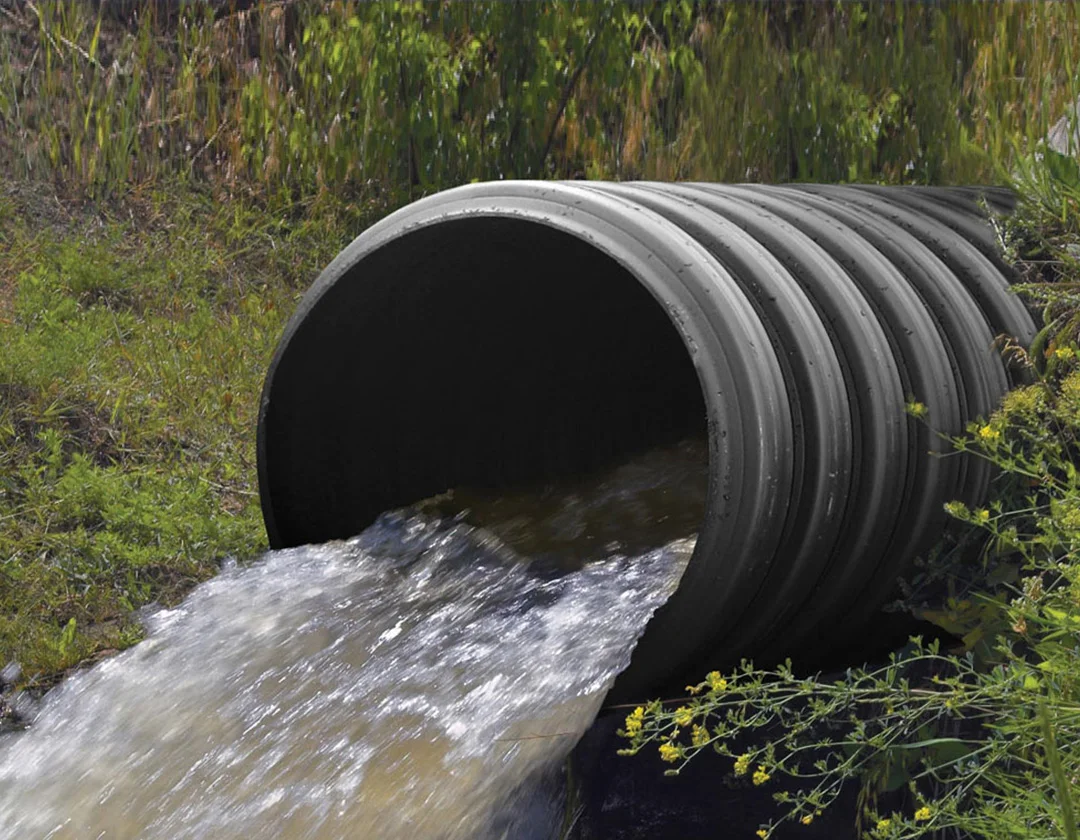
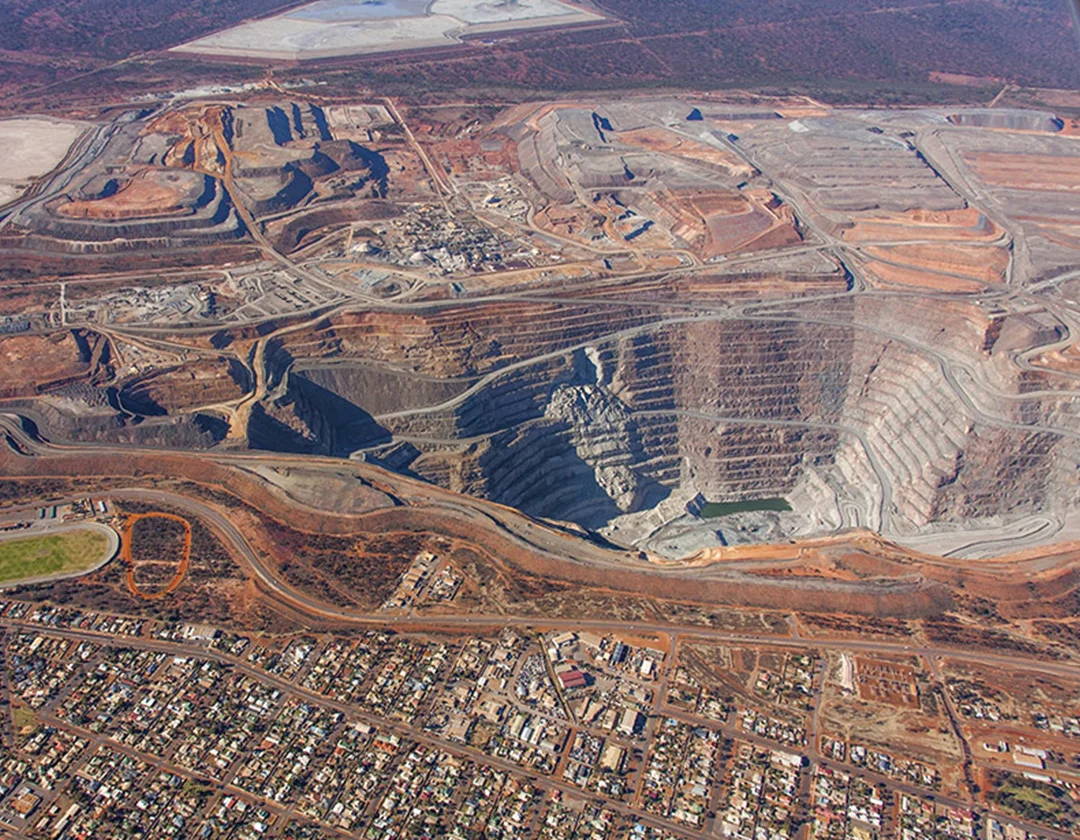
A prominent zinc mining company in Eritrea embarked on an expansion project to increase processing capacity. A critical bottleneck was identified in the tailings disposal system. The existing pipeline was failing prematurely due to the combined effects of high-pressure pumping (6 MPa), highly abrasive zinc tailings slurry, and a corrosive mine water chemistry. This led to frequent leaks, unplanned maintenance shutdowns, and rising operational costs, threatening the project's productivity and economic viability.
▎ Core Challenges & Technical Requirements
The client outlined a set of stringent requirements for the new pipeline system:
Ultra-High Pressure Resistance: Consistently withstand a sustained operating pressure of 6 MPa (870 psi) with safety margins for pressure surges.
Superior Abrasion & Corrosion Resistance: The internal lining must resist the scouring effect of dense, hard mineral particles. Externally and internally, the material must withstand corrosive elements in the soil and slurry.
Optimized Hydraulic Design: Precise pipe diameter selection was crucial to maintain an optimal flow velocity – high enough to prevent particle settling and pipeline clogging, yet low enough to minimize abrasive wear and energy consumption.
Ruggedness & Reliability: Adapt to a harsh, remote mining environment with temperature variations, rough terrain, and minimal on-site repair infrastructure. Installation needed to be straightforward and reliable.
Long Service Life & Low TCO: Reduce the total cost of ownership by minimizing maintenance interventions, replacement frequency, and production downtime.
▎SIFFO’s Customized Solution
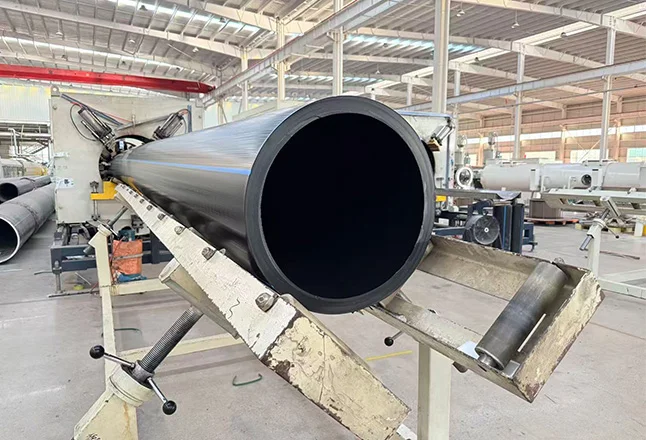
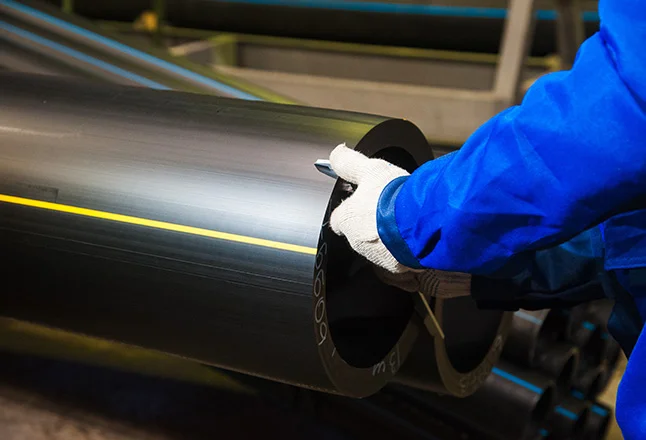
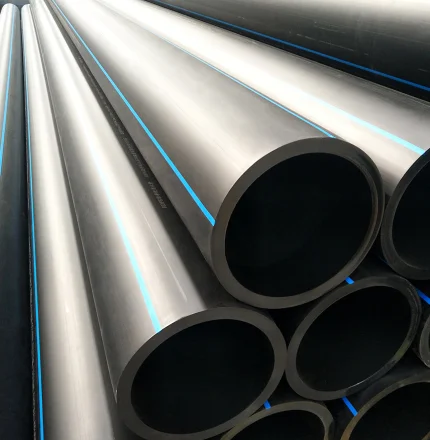
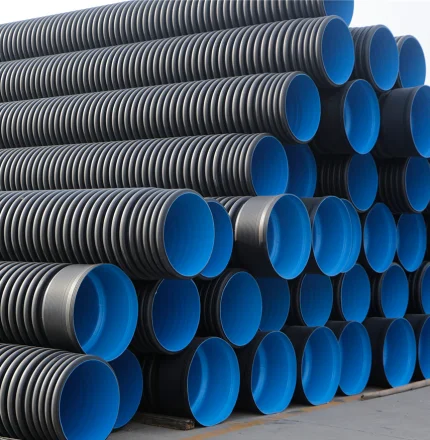
SIFFO, a global leader in industrial piping systems, proposed a tailored HDPE Steel Wire Skeleton Composite Pipe System ( SRTP System) with the following specifications:
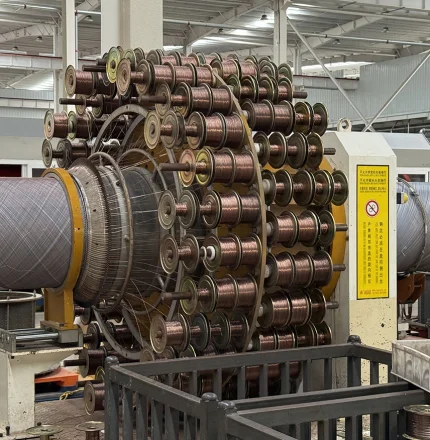
Material: High-density polyethylene (HDPE) reinforced with a steel wire mesh framework, combining flexibility with rigidity.
Dimensions: 125–160 mm outer diameters, engineered to balance flow velocity and pressure resistance.
Pressure Rating: Designed for 6 MPa (60 bar) continuous operation, exceeding project requirements.
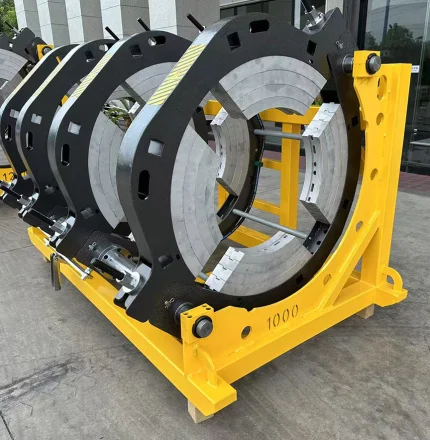
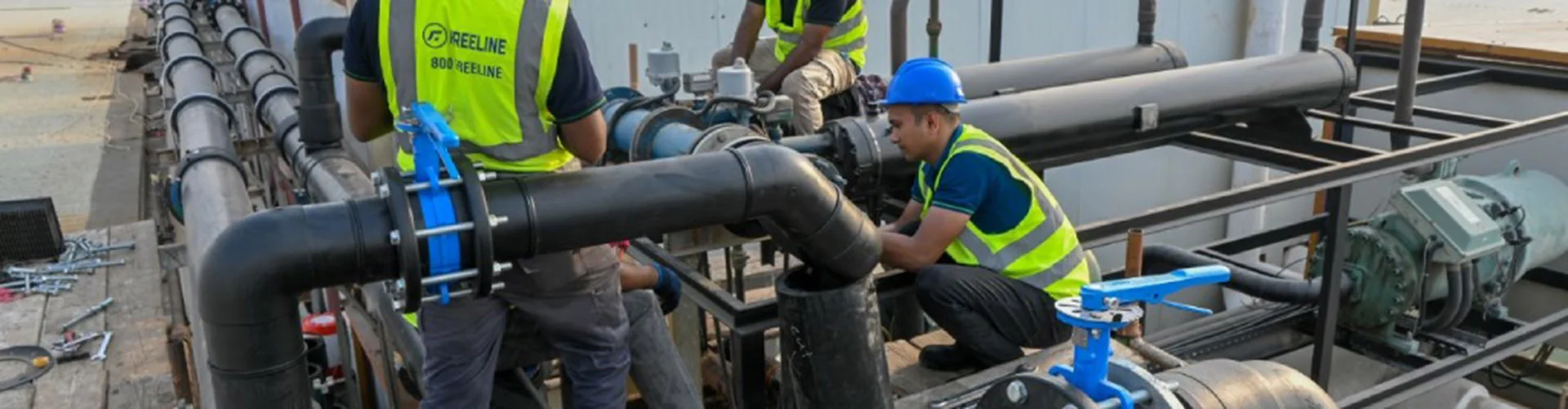
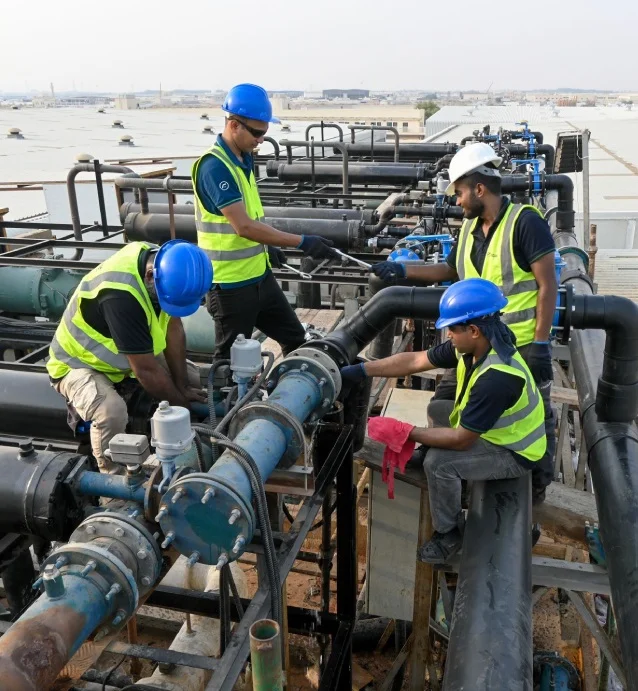
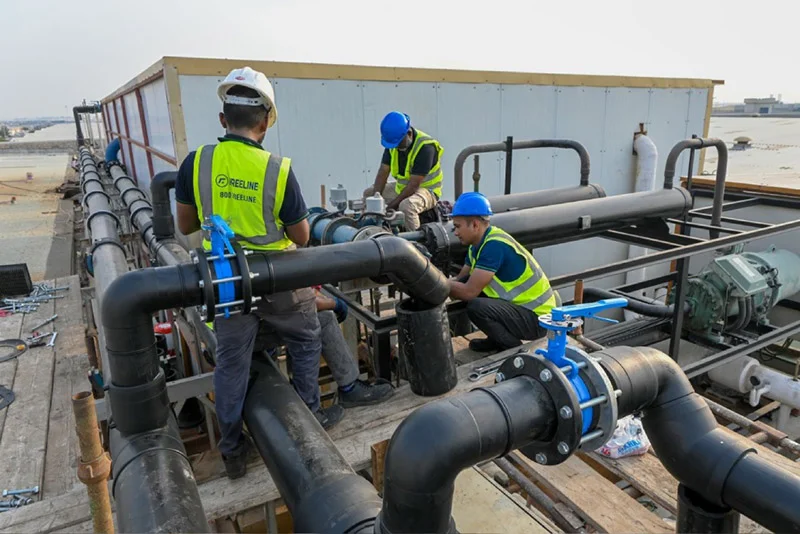
Connection Method: Flange joints for secure, leak-proof assembly and easy disassembly during maintenance.
▎Why This Solution Worked
Dual Resistance:
The HDPE layer resisted chemical corrosion, while the steel wire skeleton absorbed pressure stresses, preventing deformation.
Tested to withstand abrasion rates 3x lower than conventional steel pipes in simulated tailings flow conditions.
Flow Efficiency:
Custom sizing (125–160 mm) maintained optimal flow velocity (≥2.5 m/s), minimizing sedimentation risks.
Smooth inner wall reduced friction loss by 40% compared to rubber-lined pipes.
Installation & Maintenance:
Lightweight design (30% lighter than steel) simplified transportation and installation in rugged terrain.
Flange connections enabled rapid replacement of damaged sections without system shutdown.
▎Project Outcomes
Zero Pressure Failures: The pipeline operated at 6 MPa for 18 months without leaks or bursts.
Reduced Downtime: Flow efficiency improvements cut cleaning cycles by 60%, saving $120,000 annually in maintenance costs.
Longevity: Projections indicate a 15-year service life, outperforming the initial 10-year target.
▎Client Testimonial
"SIFFO’s composite pipes addressed all our challenges—pressure, corrosion, and blockages. The flange system’s ease of use was a game-changer for our remote site. We’ve since adopted this solution across three other mine projects."
— Mr. Tewolde Gebremariam, Project Manager, Eritrean Zinc Mining Co.
▎Conclusion
SIFFO’s HDPE steel wire composite pipes provided a cost-effective, durable solution for high-pressure tailings transportation in abrasive environments. By combining material innovation with custom engineering, the project achieved uninterrupted operations and significant lifecycle cost savings, setting a benchmark for mining infrastructure globally.
▎High-Pressure Water Supply Pipe FAQ
1. What is a steel wire reinforced HDPE composite pipe?
A steel wire reinforced HDPE composite pipe is a multilayer pressure pipe in which a high-strength steel wire mesh skeleton is embedded between HDPE layers. The steel wire reinforcement improves the pipe's pressure-bearing capacity and structural stability, while HDPE provides corrosion resistance, chemical resistance, a smooth internal surface, and flexibility.
2. Why was steel wire reinforced HDPE pipe selected for the mining project?
The combination of high pressure, demanding operating conditions, and the need for reliable fluid transportation makes steel wire reinforced HDPE composite pipe a suitable solution for mining applications. Compared with conventional HDPE pipe, the steel wire reinforcement provides additional structural strength and pressure resistance while retaining many of the installation and corrosion-resistance advantages of HDPE.
3. How does the steel wire reinforcement improve HDPE pipe performance?
The steel wire mesh acts as a reinforcement skeleton within the pipe wall. It helps carry circumferential stresses generated by internal pressure and improves dimensional stability and rigidity. This allows the composite pipe to handle higher-pressure applications than conventional unreinforced HDPE pipe of comparable construction.
4. Does steel wire reinforced HDPE pipe remain flexible?
Yes. Although the steel wire mesh increases structural strength and rigidity, the pipe retains a degree of flexibility because the main pipe body is made from HDPE. This combination of rigidity and flexibility allows the pipeline to better adapt to uneven terrain and moderate ground movement than conventional rigid metallic pipelines.
5. Can the pipe withstand pressure fluctuations in mining systems?
Steel wire reinforced HDPE composite pipe can be designed for demanding pressure applications, but pressure fluctuations and water hammer must be considered during pipeline engineering. Pump characteristics, valve operation, elevation changes, flow velocity, and surge pressure should be included when determining the appropriate pipe specification and pressure rating.
6. What factors should be considered when designing a high-pressure HDPE mining pipeline?
Important design factors include pipe diameter, operating and maximum pressure, SDR, pressure surges, flow rate, fluid characteristics, temperature, elevation changes, installation method, trench conditions, anchoring requirements, and the required service life of the pipeline.
7. Can steel wire reinforced HDPE pipe be used for high-pressure water transmission?
Yes. Steel wire reinforced HDPE composite pipe is designed for pressure applications where additional reinforcement is required. The appropriate pressure rating must be selected according to the project's operating pressure, surge pressure, temperature, diameter, and installation conditions.
8. Can steel wire reinforced HDPE pipe be used for tailings transportation?
Yes, it can be used for selected mining slurry and tailings applications. The HDPE layer provides corrosion resistance and a smooth flow surface, while the steel wire reinforcement improves structural and pressure performance. For tailings pipelines, however, slurry concentration, particle size, velocity, pressure, abrasion, and pipeline layout should be evaluated before selecting the pipe specification.
9. Can SIFFO provide a complete HDPE pipeline system rather than pipes only?
Yes. SIFFO can provide HDPE pipes together with compatible fittings and technical support for complete pipeline systems. For mining projects, the system can be configured according to project requirements including pressure, diameter, connection method, routing, and installation conditions.
10. How does it compare with conventional steel pipe for mining applications?
Steel wire reinforced HDPE composite pipe combines characteristics of both materials. The steel wire skeleton provides reinforcement and pressure-bearing capability, while the HDPE layers provide corrosion resistance and flexibility. Compared with conventional steel pipe, the composite structure can offer advantages in corrosion resistance, weight, handling, and adaptability to uneven terrain.
11. What is the difference between steel wire reinforced HDPE pipe and conventional HDPE pipe?
Conventional HDPE pipe relies primarily on the HDPE material itself to withstand internal pressure. Steel wire reinforced HDPE composite pipe incorporates a steel wire mesh reinforcement layer into the pipe wall. The reinforcement increases structural strength and allows the composite pipe to be considered for applications requiring higher pressure or greater rigidity.
12. Does the steel reinforcement make the pipe susceptible to corrosion?
The steel wire reinforcement is embedded within the HDPE composite structure rather than directly exposed to the transported fluid or surrounding soil. The HDPE layers provide a protective barrier around the reinforcement. Proper manufacturing and structural integrity are therefore critical to maintaining the composite's corrosion protection.
13. What connection methods are used for steel wire reinforced HDPE composite pipe?
Depending on the pipe design and project requirements, steel wire reinforced HDPE composite pipe systems can use specialized electrofusion connections, flange connections, or other engineered jointing systems. The connection method should be compatible with the composite pipe structure and pressure rating.
14. Can SIFFO supply fittings together with steel wire reinforced HDPE composite pipe?
Yes. SIFFO can provide a complete composite pipeline solution including steel wire reinforced HDPE pipes and compatible fittings and connection components. This allows the pipe, fittings, and joining system to be considered as one integrated pipeline solution.
15. What information is required to select a steel wire reinforced HDPE composite pipe?
For project-specific pipe selection, SIFFO recommends providing:
Pipe diameter
Operating pressure
Maximum or surge pressure
Flow rate
Pipeline length
Fluid or slurry characteristics
Solid concentration and particle size, if applicable
Operating temperature
Installation method
Pipeline route and elevation profile
Required connection method
Applicable standards and project specifications
SIFFO can then recommend a suitable pipe structure, pressure rating, diameter, reinforcement configuration, and fitting solution.
▎Need Help Selecting the Right Composite Pipe?
Choosing the right pipe for a high-pressure mining application requires more than selecting a diameter. Operating pressure, surge pressure, slurry characteristics, terrain, installation method, and connection requirements all affect pipe selection.
Contact SIFFO for technical guidance on steel wire reinforced HDPE composite pipe systems.