

▎Client Background
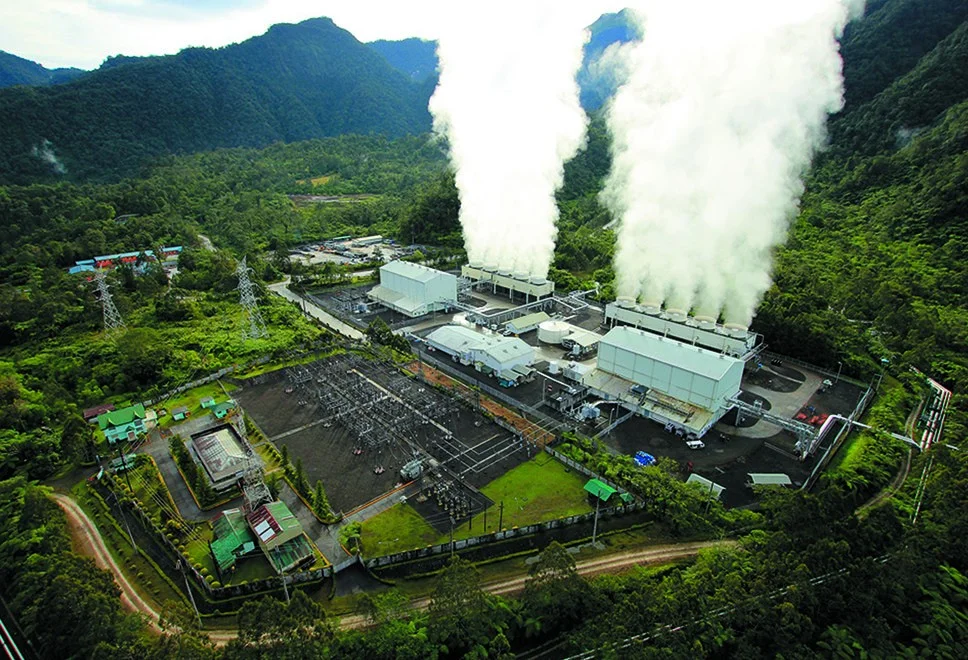
A leading energy developer in the Philippines engaged in a geothermal power plant project required a reliable pipeline system to extract and transport underground hot water (approx. 60°C) for electricity generation. The fluid is corrosive, and the pipeline must withstand high pressure (4 MPa) under continuous operation. Key challenges included corrosion resistance, long-term durability under high temperature and pressure, and ease of installation in rugged geothermal fields.
▎Requirements
Corrosion-resistant materials suitable for geothermal brine.
Ability to withstand continuous high pressure (4 MPa) and high temperature (60°C+).
High tensile strength and ring stiffness for deep extraction and surface transportation.
Simple, fast installation to reduce project downtime.
Pipe diameters between 140 mm to 250 mm, with compatible fittings.
▎Enhanced Solution Provided by SIFFO
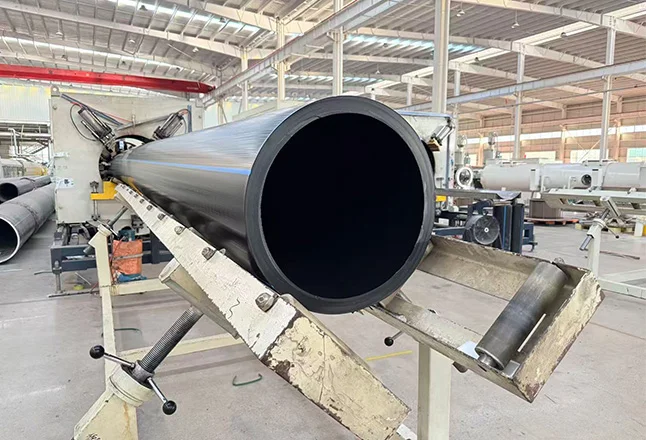
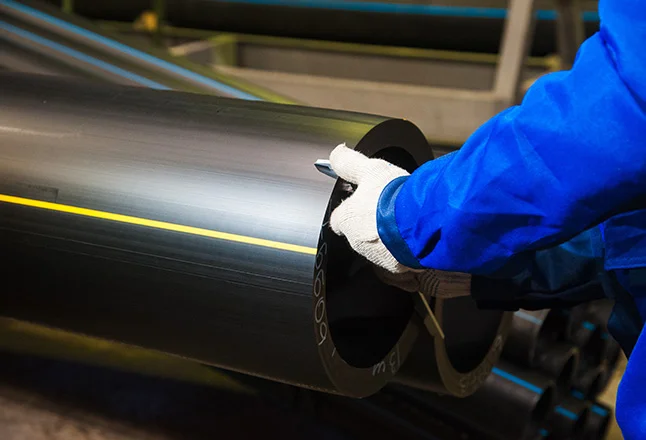
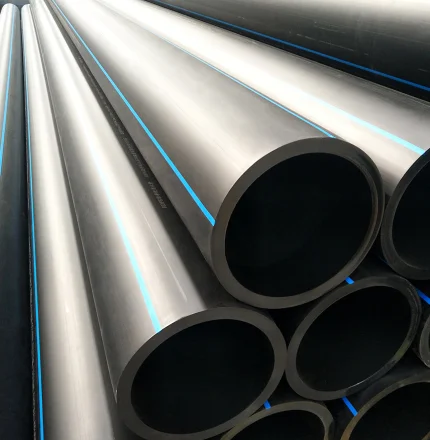
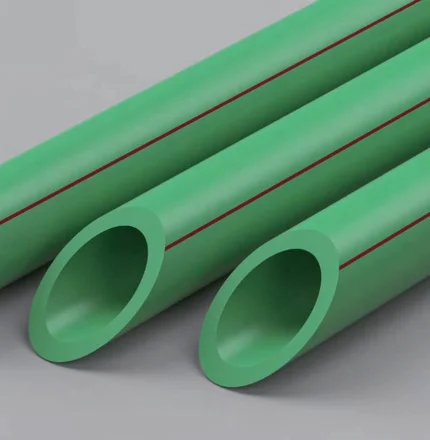
SIFFO recommended its HDPE Steel-Reinforced Composite Pipes (140–250 mm diameters), along with custom-designed high-pressure electrofusion fittings, to form a complete, leak-proof system for the harsh geothermal environment.
Product & System Features
Advanced Lining Material – Inner layer made of modified high-temperature PERT, capable of continuous operation at up to 70°C, ensuring resistance to thermal degradation and fluid corrosion.
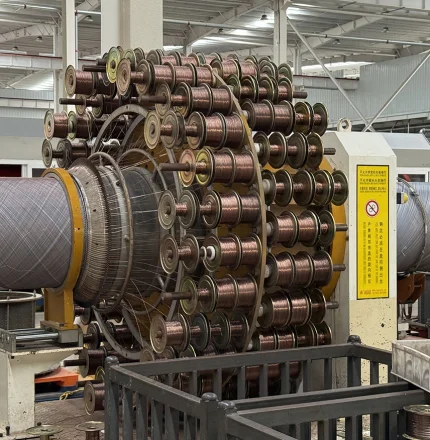
Steel Reinforcement – Spirally wound high-strength steel wire skeleton provides exceptional tensile strength and ring stiffness, enabling the pipe to withstand high extraction pressure (4 MPa+) and external loads.
Corrosion Resistance – The HDPE outer layer and inert PERT inner layer prevent chemical and electrochemical corrosion, ideal for saline and mineral-rich geothermal fluids.
Complete, Leak-Free Connection System – Custom-manufactured high-pressure electrofusion fittings (including elbows, tees, reducers, and flanges) are provided for all connection points. These fittings feature embedded heating wires and are designed to match the pipe's pressure rating and material structure.
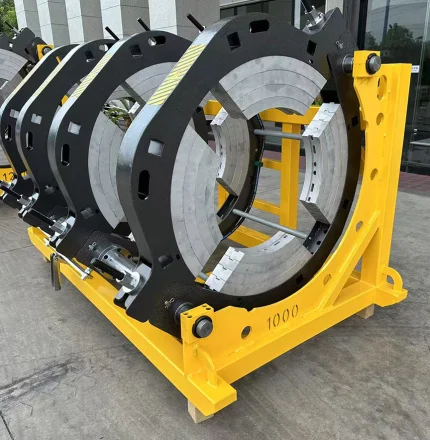
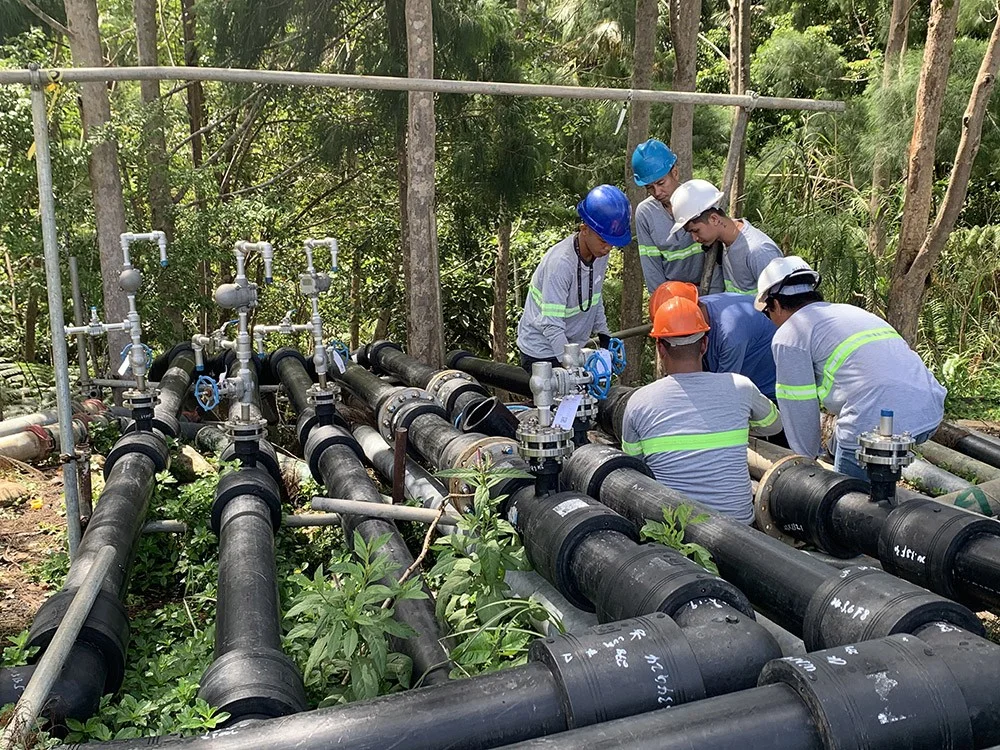
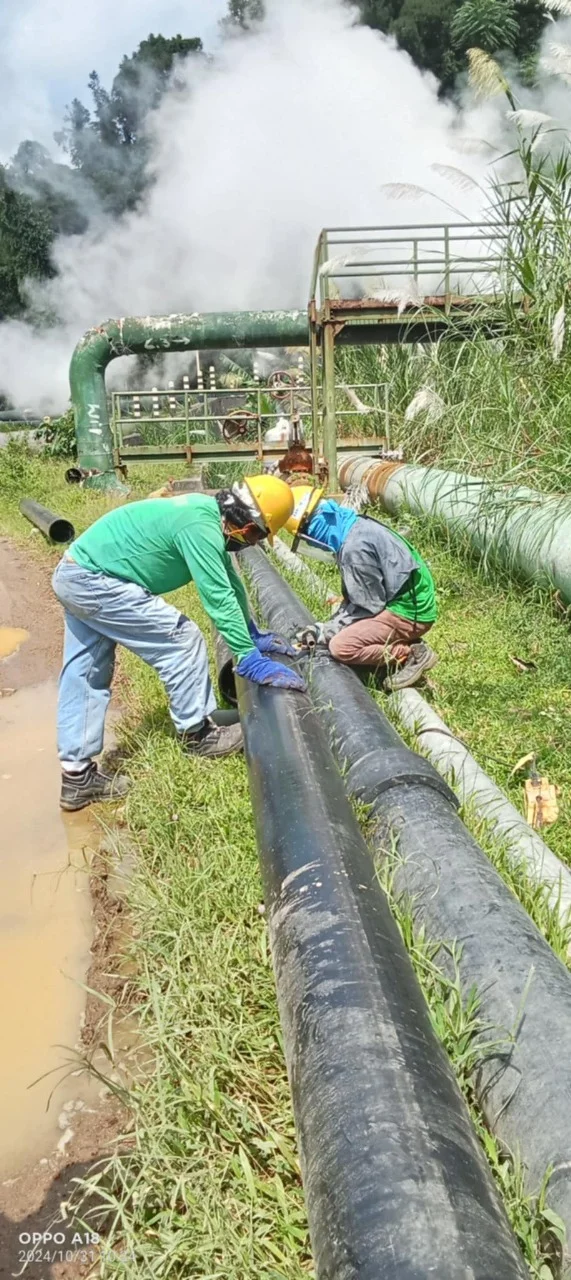
Simple Installation – Connections are made using portable electrofusion welding equipment. The process is largely independent of operator skill, ensuring consistent, high-integrity joints.
Homogeneous Joint – The fusion process creates a monolithic, leak-proof connection as strong as the pipe itself, critical for maintaining system integrity under 4 MPa pressure.
Corrosion-Resistant at Joints – The fusion joint eliminates potential leakage points and maintains uniform corrosion resistance throughout the system.
Lightweight & Installation Efficiency – The composite pipe system is lighter than steel alternatives. Combined with the streamlined electrofusion process, it significantly reduces installation time, labor costs, and reliance on heavy equipment.
▎Project Implementation
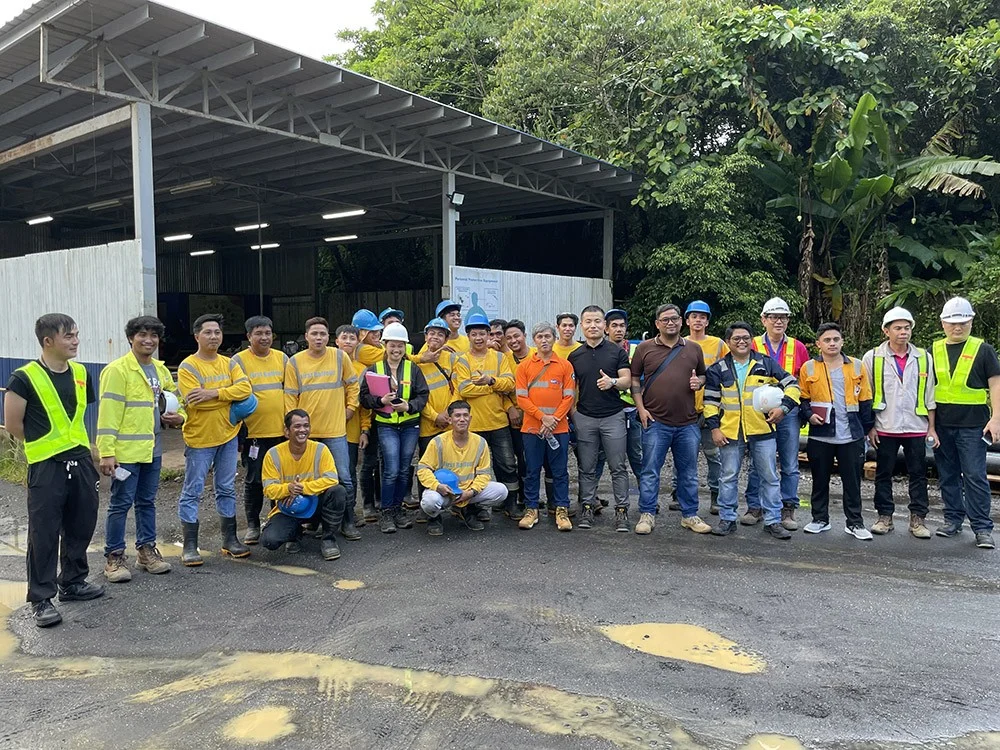
Pipes and custom electrofusion fittings were delivered to the geothermal site.
On-site teams achieved rapid, reliable installations using standardized electrofusion welding procedures. The process required minimal preparation and no complex welding expertise.
The entire system, including all fused joints, was successfully hydrostatically tested at 6 MPa and has operated stably at 60–65°C with zero leakage.
▎Results & Benefits
Reliable, Monolithic System: The electrofusion connections eliminated the weak points typically associated with mechanical joints, ensuring uniform performance under 4 MPa pressure.
Enhanced Integrity & Safety: The leak-proof fused joints are ideal for handling hazardous geothermal fluids, protecting the environment and personnel.
Cost & Time Efficiency: Simplified installation reduced project downtime. Lower maintenance needs further decreased the total cost of ownership.
Long Service Life: The fully integrated, corrosion-resistant system is designed for over 25 years of service in harsh geothermal conditions.
▎Conclusion
By providing a complete piping solution comprising HDPE steel-reinforced composite pipes and custom high-pressure electrofusion fittings, SIFFO delivered a robust, reliable, and easy-to-install system that perfectly met the project's demanding technical requirements. This case highlights SIFFO's capability to supply not just components, but fully integrated, performance-guaranteed fluid transport systems for critical energy infrastructure.
▎Steel Skeleton Reinforced HDPE Composite Pipe vs. Conventional HDPE and Metal Pipe
Steel skeleton reinforced HDPE composite pipe is designed for applications where conventional HDPE pipe may not provide sufficient mechanical strength or ring stiffness, while conventional metal pipe may introduce corrosion, weight, and maintenance challenges.
Unlike standard HDPE pipe, the SIFFO reinforced composite pipe incorporates a high-strength steel wire skeleton spirally wound within the pipe wall. This reinforcement significantly improves tensile strength and ring stiffness while maintaining the corrosion resistance and flexibility of the polymer-based pipe structure.
For demanding applications such as geothermal energy, mining, industrial water, and high-pressure fluid transmission, the pipe can also incorporate a modified high-temperature PERT inner layer and customized high-pressure electrofusion fittings. This allows the complete piping system to be engineered around specific temperature, pressure, fluid, and installation requirements.
Performance Factor | Steel Skeleton Reinforced HDPE Composite Pipe | Conventional HDPE Pipe | Metal Pipe |
Basic Structure | Polymer layers + high-strength spiral-wound steel wire skeleton | Solid HDPE polymer structure | Metallic pipe wall |
Tensile Strength | High, enhanced by steel wire reinforcement | Moderate to high, depending on grade and SDR | High |
Ring Stiffness | High, supported by steel skeleton | Depends strongly on SDR, wall thickness, and diameter | High |
Pressure Capability | Suitable for engineered high-pressure applications | Suitable for many low- to high-pressure applications depending on grade and SDR | High |
High-Temperature Performance | Can be engineered with a modified high-temperature PERT inner layer | Limited by HDPE operating temperature | Excellent, depending on metal grade |
Corrosion Resistance | Excellent due to polymer outer protection | Excellent | Requires material selection and/or corrosion protection |
Chemical Resistance | High, depending on the conveyed medium and polymer selection | High, depending on HDPE grade and fluid | Varies significantly by metal and chemical environment |
Flexibility | Higher than conventional metal pipe | Excellent | Low to moderate |
Resistance to External Loads | High due to reinforced structure | Depends on pipe SDR, burial conditions, and design | High |
Pipe Weight | Lower than many equivalent metal systems | Low | Generally high |
Transportation & Handling | Relatively easy compared with metal pipe | Easy | More demanding |
Installation | Customized electrofusion and other engineered connections | Butt fusion / electrofusion | Welding, flanges, mechanical joints, etc. |
Connection Solution | Customized high-pressure electrofusion fittings available | Standard butt fusion/electrofusion fittings | Welding, flanges, mechanical joints |
Corrosion Protection | Generally no external metal coating required | Not normally required | May require coating, lining, or cathodic protection |
Maintenance Requirements | Low, subject to application and installation quality | Low | Generally higher in corrosive environments |
Ground Movement Adaptability | Good | Excellent | Relatively limited |
Large-Diameter Applications | Suitable with engineered reinforcement design | Widely used, but structural requirements increase with diameter | Widely used |
Geothermal Applications | Suitable for engineered applications | Application depends strongly on temperature and pressure | Widely used |
Initial Material Cost | Higher than standard HDPE due to reinforcement | Generally lower | Varies by material and specification |
Overall System Consideration | Balances strength, stiffness, corrosion resistance, and flexibility | Optimized for conventional polymer piping applications | Optimized for high mechanical strength and temperature resistance |
Reinforced HDPE Composite Pipe vs. Conventional HDPE Pipe
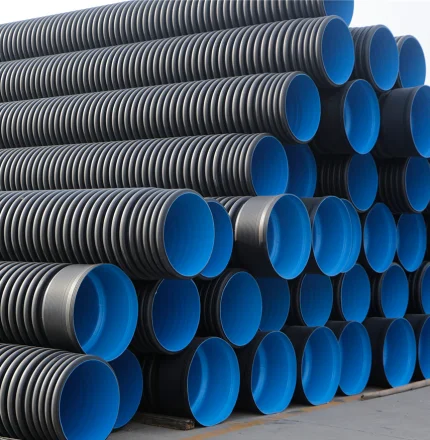
Conventional HDPE pipe is widely used because of its excellent corrosion resistance, flexibility, low weight, and relatively simple installation. However, as pipe diameter, operating pressure, external loading, or mechanical requirements increase, a conventional polymer pipe may require a larger wall thickness or additional structural design.
Steel skeleton reinforced HDPE composite pipe addresses this limitation by introducing a high-strength spiral-wound steel wire reinforcement layer. The steel skeleton carries a significant portion of the mechanical load, providing higher tensile strength and ring stiffness while the polymer layers maintain corrosion resistance and provide protection for the reinforcement.
For standard water supply, irrigation, drainage, and many municipal applications, conventional HDPE can be an economical and effective solution. For higher mechanical loads, demanding pressure conditions, large-diameter applications, or specialized industrial projects, reinforced HDPE composite pipe can provide an additional structural performance margin.
Reinforced HDPE Composite Pipe vs. Metal Pipe
Metal pipes, including carbon steel, stainless steel, and ductile iron, are traditionally selected for applications requiring high mechanical strength and pressure resistance. However, metal pipelines can be affected by corrosion, require protective coatings or cathodic protection in some environments, and are generally heavier than polymer-based composite pipes.
Steel skeleton reinforced HDPE composite pipe combines the structural contribution of steel reinforcement with the corrosion resistance of polymer materials. The HDPE outer layer protects the internal reinforcement from the surrounding environment, while the polymer-based construction can reduce the weight and handling requirements compared with many conventional metal pipelines.
For corrosive fluids, geothermal environments, mining applications, and projects where transportation and installation efficiency are important, the reinforced composite structure can offer an attractive alternative to conventional metallic piping.
Which Pipe Should You Choose?
Conventional HDPE pipe is generally a good choice for potable water, irrigation, drainage, sewer, and other applications where the operating temperature and mechanical loads are within the design range of standard HDPE.
Steel skeleton reinforced HDPE composite pipe is more appropriate when the project requires a combination of higher tensile strength, increased ring stiffness, pressure resistance, corrosion resistance, and flexibility. It is particularly relevant to demanding industrial, mining, geothermal, and large-diameter pipeline projects.
Metal pipe remains a strong option for applications involving very high temperatures, extreme mechanical loads, or where metallic materials are specifically required by the engineering design. However, corrosion protection, weight, transportation, welding, and long-term maintenance should be considered during system selection.
▎FAQ ABout HDPE Steel-Reinforced Composite Pipes
1. Why was steel skeleton reinforced HDPE pipe selected for the geothermal project?
Geothermal pipeline systems can be exposed to elevated temperatures, internal pressure, ground movement, and demanding installation conditions. The steel skeleton reinforced HDPE composite pipe provides higher mechanical strength and ring stiffness than conventional unreinforced plastic pipe while retaining the corrosion resistance and flexibility associated with polymer-based piping.
2. What is the structure of SIFFO steel skeleton reinforced HDPE composite pipe?
The pipe uses a multi-layer composite structure. The inner layer is manufactured from modified high-temperature PERT, which is designed for demanding temperature conditions. A high-strength steel wire skeleton is spirally wound around the pipe to provide excellent tensile strength and ring stiffness. The HDPE-based outer layer protects the reinforcement and provides resistance to external environmental conditions and corrosion.
3. What is the function of the modified high-temperature PERT inner layer?
The modified high-temperature PERT inner layer is designed to provide improved resistance to elevated-temperature service conditions. In geothermal applications, the inner layer is particularly important because it directly contacts the conveyed geothermal fluid or hot medium. The material selection can be customized according to the project's temperature, pressure, and fluid requirements.
4. Can steel skeleton reinforced HDPE composite pipe be used for high-pressure geothermal applications?
Yes. The reinforced composite structure is suitable for demanding pressure applications when the pipe is properly designed according to the project's operating temperature, pressure, diameter, installation conditions, and safety requirements. SIFFO can engineer the pipe structure and connection system based on specific geothermal project parameters.
5. What type of fittings were supplied for this geothermal pipeline project?
SIFFO supplied specially designed high-pressure electrofusion fittings for the project. The fittings were engineered to match the reinforced composite pipe and the project's high-pressure operating requirements, providing a dedicated connection solution rather than relying solely on standard low-pressure plastic fittings.
6. Why are customized high-pressure electrofusion fittings important for this application?
For reinforced composite pipes used in high-pressure and high-temperature applications, the connection system is as important as the pipe itself. Customized high-pressure electrofusion fittings can be designed to match the pipe's dimensions, reinforcement structure, pressure requirements, and installation conditions. This helps achieve a reliable and integrated pipe-and-fitting system.
7. How are steel skeleton reinforced HDPE pipes connected?
Depending on the pipe design and project requirements, reinforced HDPE composite pipes can be connected using specially engineered electrofusion fittings and other approved connection methods. For this geothermal project, SIFFO developed customized high-pressure electrofusion fittings specifically for the application.
8. Are the electrofusion fittings suitable for geothermal pipeline installation?
The fittings can be engineered for geothermal applications according to the required operating pressure, temperature, pipe dimensions, and installation conditions. SIFFO's customized high-pressure electrofusion fittings are designed as part of the complete reinforced composite pipeline system rather than as generic fittings.
9. Is the steel reinforcement protected from corrosion?
The steel reinforcement is embedded within the composite pipe structure and protected by the surrounding polymer layers. The HDPE outer layer provides an additional barrier against the external environment. This composite construction helps reduce the direct exposure of the steel reinforcement to moisture and corrosive surroundings.
10. How does this pipe compare with conventional steel pipe for geothermal applications?
Steel pipe offers high mechanical strength but can be susceptible to corrosion and may require additional corrosion-protection measures. Steel skeleton reinforced HDPE composite pipe combines steel-wire structural reinforcement with polymer corrosion resistance. It can therefore provide a useful alternative where reduced corrosion risk, lower pipe weight, flexibility, and specialized connection solutions are important.
11. Can SIFFO customize the pipe for different geothermal project conditions?
Yes. SIFFO can customize the reinforced composite pipe system according to project-specific requirements, including operating temperature, working pressure, pipe diameter, wall structure, reinforcement configuration, connection method, and fitting design. The final pipe specification should be determined from the project's engineering parameters.
12. What information is required to design a geothermal reinforced HDPE pipeline?
For a customized solution, project engineers should provide the required pipe diameter, operating pressure, operating temperature, fluid characteristics, pipeline length, installation method, buried or above-ground conditions, expected external loads, connection requirements, and applicable standards. These parameters allow the pipe structure and high-pressure electrofusion fittings to be properly designed.
13. Can SIFFO provide a complete pipe and fitting solution for geothermal projects?
Yes. SIFFO can provide a customized reinforced HDPE composite pipeline system, including pipes and specially designed high-pressure electrofusion fittings. The system can be engineered according to the project's operating conditions, pipeline dimensions, pressure requirements, temperature requirements, and installation method.
14. How can I request a customized steel skeleton reinforced HDPE pipe solution?
Contact SIFFO with your geothermal pipeline specifications, including pipe diameter, operating temperature, working pressure, fluid medium, pipeline length, installation method, and fitting requirements. SIFFO can evaluate the project parameters and recommend a suitable reinforced HDPE composite pipe structure and customized high-pressure electrofusion connection solution.
▎Get Your Project-Specific Solution
Send us your pipe diameter, operating pressure, operating temperature, pipeline length, application, and connection requirements. Our engineering team can recommend a suitable reinforced HDPE pipe structure and customized electrofusion fitting solution for your project.
Looking for a stronger alternative to conventional HDPE or metal pipe?
Contact SIFFO today for a customized steel skeleton reinforced HDPE composite pipe solution.