

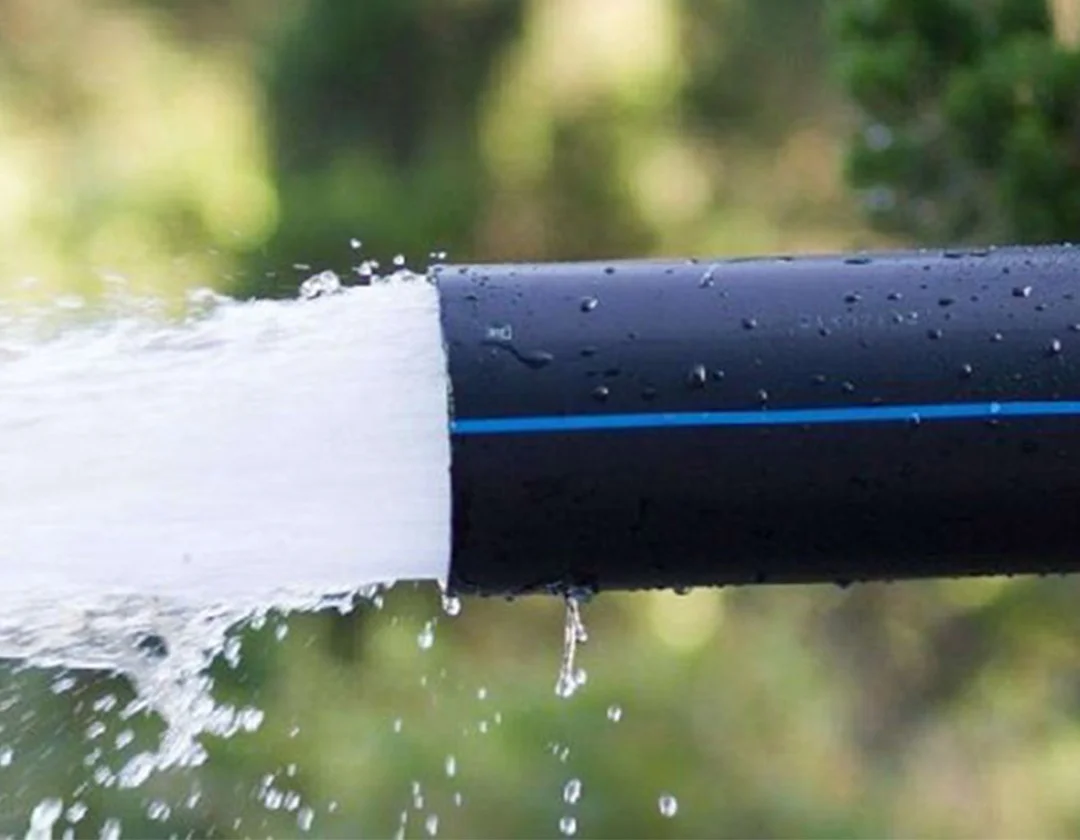
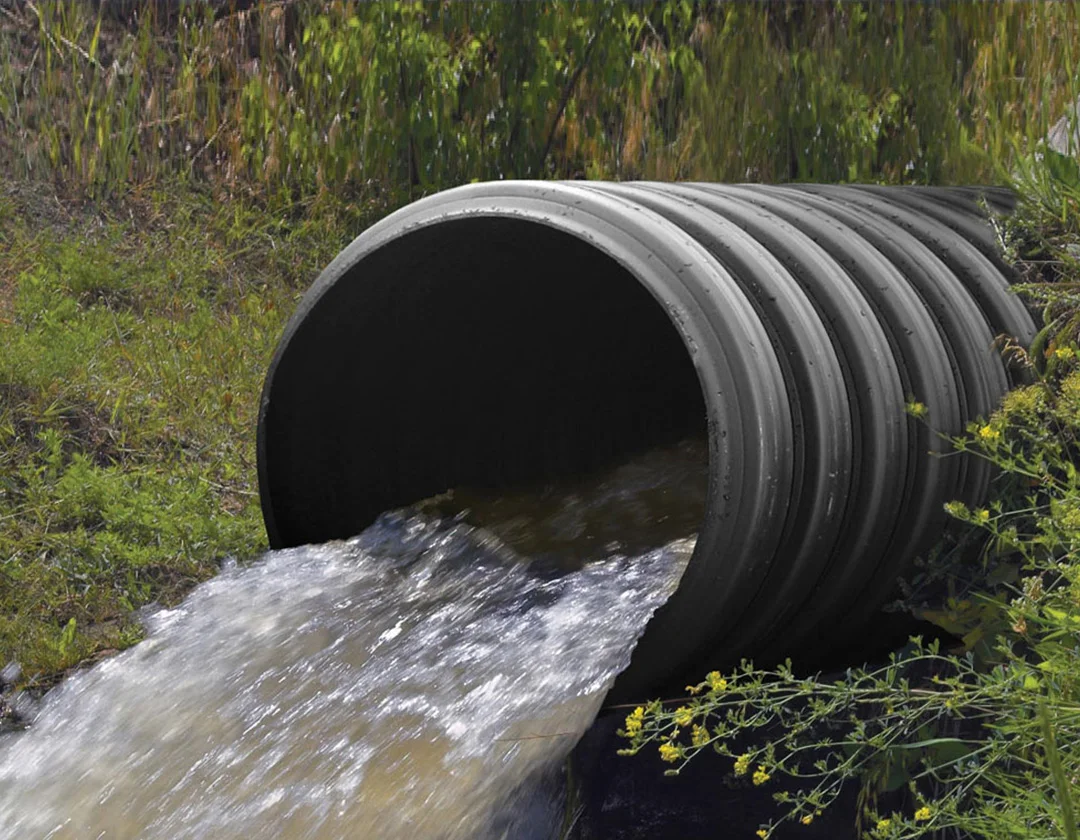
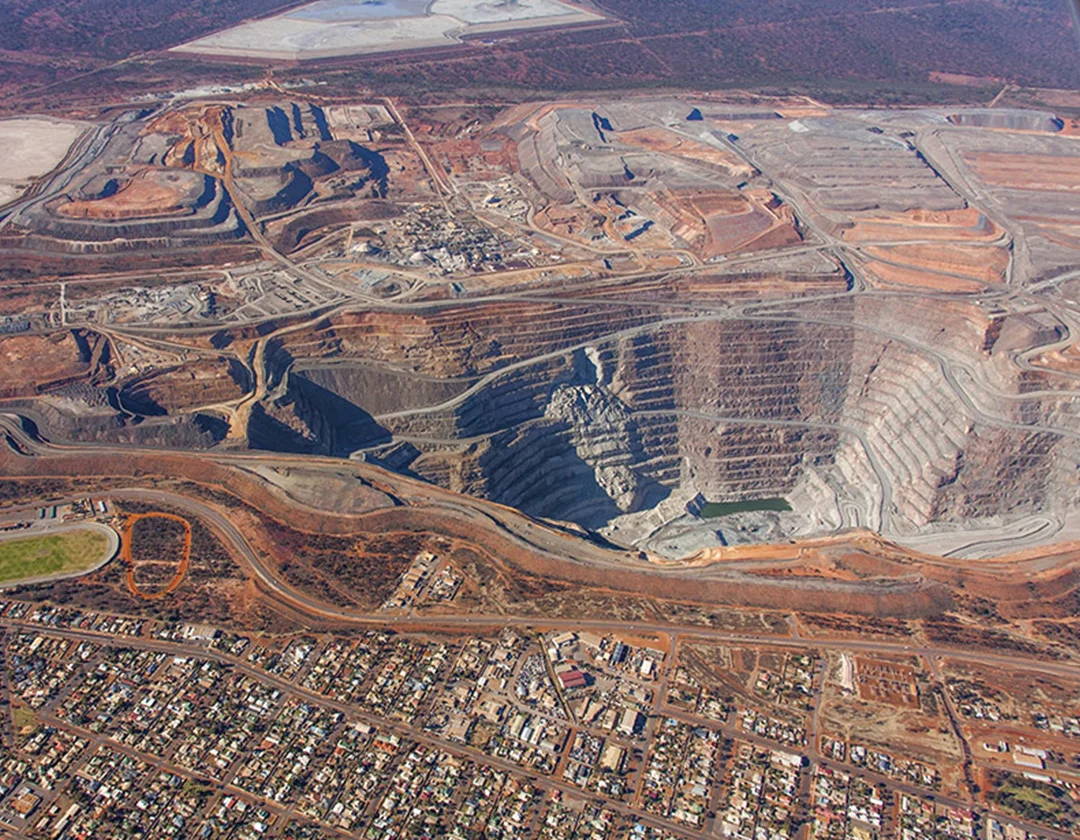
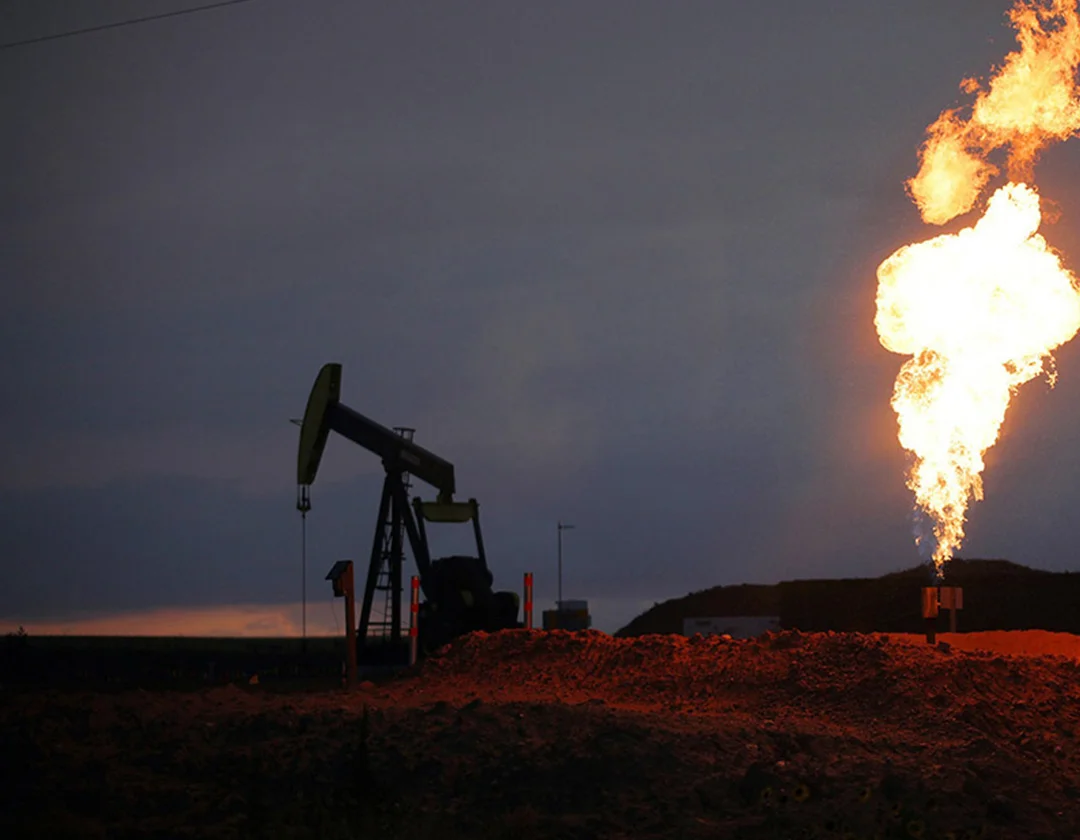
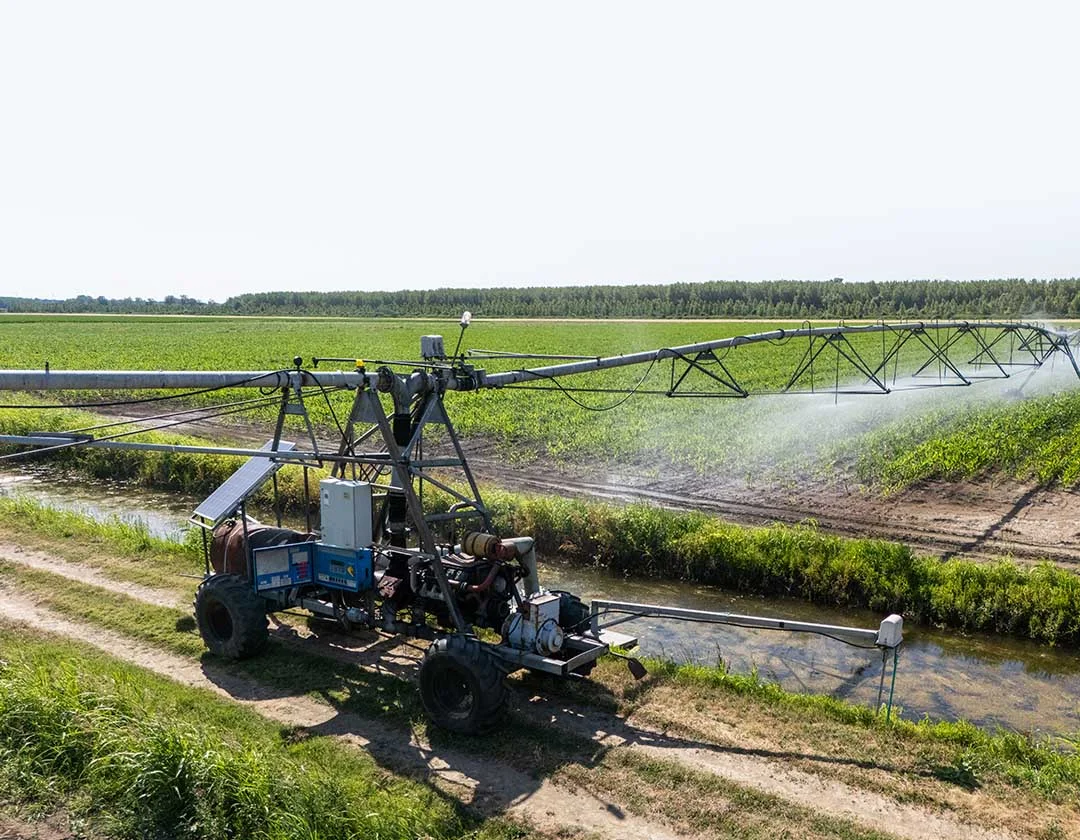
Agricultural irrigation systems require reliable pipelines to deliver water efficiently from reservoirs, wells, rivers, or pumping stations to farmland. Choosing the right HDPE pipe for agricultural irrigation involves more than selecting a pipe diameter. Engineers and project buyers should consider the required water flow, operating pressure, pipe material, SDR, installation conditions, temperature, and connection method.
HDPE pipes are widely used for agricultural irrigation because they combine flexibility, corrosion resistance, impact resistance, and relatively low installation requirements. For irrigation projects with long pipeline routes, HDPE pipes can also reduce the number of joints compared with many rigid piping systems.
Shandong SIFFO Plastic Technology Co., Ltd. is a professional HDPE pipe manufacturer in China, supplying HDPE pipes for agricultural irrigation, water supply, drainage, mining, industrial and infrastructure projects.
▎Why Choose HDPE Pipe for Agricultural Irrigation?
HDPE is well suited to agricultural irrigation systems where pipelines may need to cross uneven terrain, farmland, or areas exposed to outdoor conditions.
Key advantages include:
Excellent corrosion resistance
Good resistance to impact and abrasion
Flexible pipe structure
Lightweight compared with many metal pipes
Long service life when properly designed and installed
Suitable for buried and above-ground applications
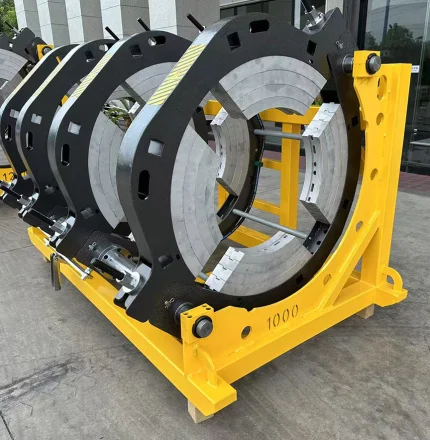
Butt fusion and electrofusion jointing options
Available in straight lengths and coils for smaller diameters
Because HDPE pipes are flexible, they can accommodate moderate ground movement and changes in terrain better than many rigid pipe materials.
For irrigation projects, this flexibility is particularly useful when pipelines need to follow agricultural fields, roads, slopes, or irregular landforms.
▎Select the Correct HDPE Pipe Diameter
Pipe diameter directly affects the flow capacity and pressure loss of an irrigation system.
A larger pipe generally allows a greater flow rate at a given velocity, while a smaller pipe may increase pressure loss. Therefore, the pipe diameter should be selected according to:
Required irrigation flow rate
Pipeline length
Pump capacity
Available water pressure
Elevation difference
Number of outlets or irrigation zones
Required flow velocity
Pressure loss allowed by the project
Typical agricultural irrigation systems may use smaller HDPE pipes for field distribution and larger pipes for main transmission pipelines.
The correct diameter should therefore be determined through hydraulic calculations rather than simply selecting the largest or cheapest pipe.
▎PE100 HDPE Pipe for Irrigation
PE100 is one of the common polyethylene material grades used for pressure pipe systems.
For projects requiring continuous internal pressure, HDPE irrigation pipelines can be designed according to the applicable pressure-pipe standard and project specifications. ISO 4427 covers polyethylene pipes for water supply and other pressure applications, with the standard based on a reference operating temperature of 20°C.
For irrigation applications, ISO 8779:2020 specifically addresses polyethylene pipes for irrigation, including mains, sub-mains and laterals. It covers irrigation water temperatures up to 45°C and distinguishes applications with limited pressure operating time from systems requiring continuous pressure service.
Therefore, buyers should not select a pipe only by the material name. The material grade, pressure rating, SDR, operating temperature and applicable standard should be considered together.
▎Consider Water Pressure and Pump Conditions
Agricultural irrigation systems can experience pressure changes during pump startup and shutdown.
The design should consider:
Normal operating pressure
Maximum operating pressure
Pump pressure
Elevation changes
Pressure surge
Valve opening and closing
Temperature effects
A pipe that is suitable for normal static pressure may not necessarily be suitable if significant pressure surges occur.
For larger irrigation networks, hydraulic analysis should therefore be completed before finalizing the pipe SDR and pressure class.
▎HDPE Coil Pipe Can Reduce the Number of Joints
One important advantage of smaller-diameter HDPE irrigation pipe is the possibility of supplying it in coils.
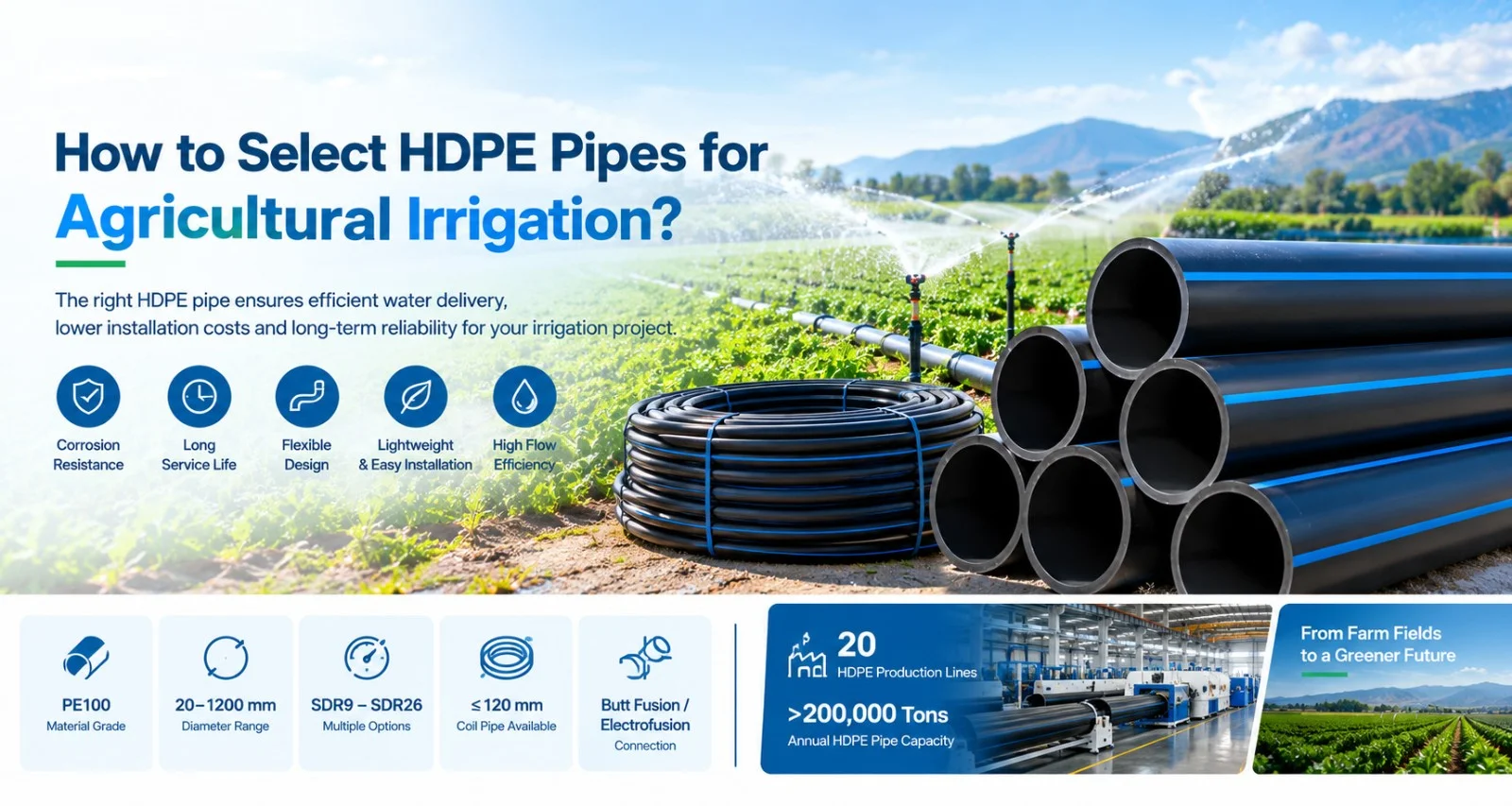
At SIFFO, HDPE pipes with diameters up to 120 mm can be manufactured as coiled pipe, depending on the product specification and project requirements.
This can provide a practical advantage for agricultural irrigation projects.
Instead of transporting many short straight sections and making a large number of joints, long sections of coiled HDPE pipe can be transported and installed continuously.
Advantages of HDPE coil pipe include:
Fewer joints
Less butt-fusion or electrofusion work
Faster field installation
Reduced potential joint-related failure points
Easier installation along curved field routes
Convenient transportation and handling for smaller diameters
For example, a long agricultural field may require a distribution pipeline running several hundred meters. Using suitable coiled HDPE pipe can reduce the number of connections required along the route.
However, coil length depends on pipe diameter, wall thickness, manufacturing capability, transportation requirements and project specifications.
▎Straight HDPE Pipes for Larger Diameters
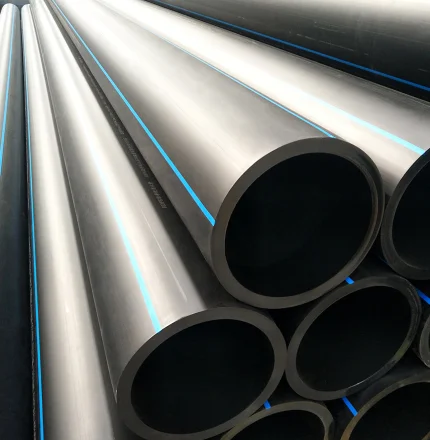
For larger agricultural irrigation pipelines, HDPE pipes are normally supplied in straight lengths.
Straight pipes are suitable for:
Irrigation main lines
Pump station connections
Water transmission pipelines
Large agricultural projects
Long-distance water distribution
Reservoir-to-farm pipelines
SIFFO can manufacture HDPE pipes in different diameters, SDRs, pressure ratings and lengths according to project requirements.
Standard production lengths can be supplied, while customized lengths may also be discussed according to the project.
▎Consider Outdoor Temperature and Sunlight
Agricultural irrigation pipelines are frequently exposed to outdoor conditions.
Project designers should consider:
Solar radiation
Ambient temperature
Water temperature
Seasonal temperature changes
Above-ground versus buried installation
Temperature affects the pressure capacity of polyethylene pipe, so the pressure rating should not be considered independently of operating temperature.
For pressure applications, the applicable standard should be followed when determining allowable operating pressure at temperatures different from the reference condition. ISO 4427 specifically provides guidance concerning temperature effects on operating pressure.
For long-term outdoor storage or above-ground use, UV stabilization and the pipe's specified formulation should also be considered.
▎SIFFO HDPE Pipe Manufacturing Capability
Shandong SIFFO Plastic Technology Co., Ltd. is a professional HDPE pipe manufacturer serving international water infrastructure and irrigation projects.
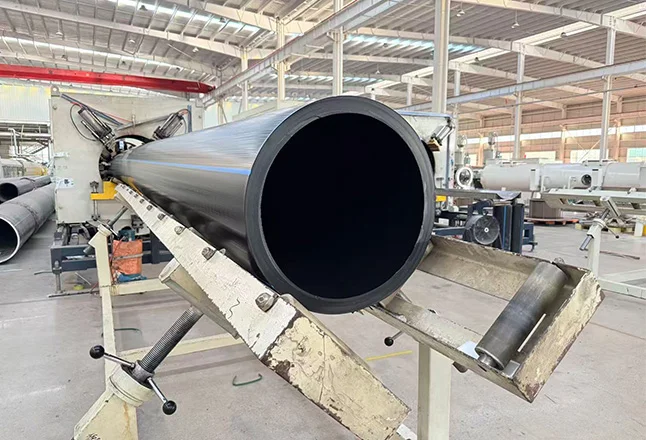
SIFFO operates large-scale pipe manufacturing facilities in China, with production bases in Linyi, Shandong and Nanjing, Jiangsu.
The company has more than 60 professional production lines, including:
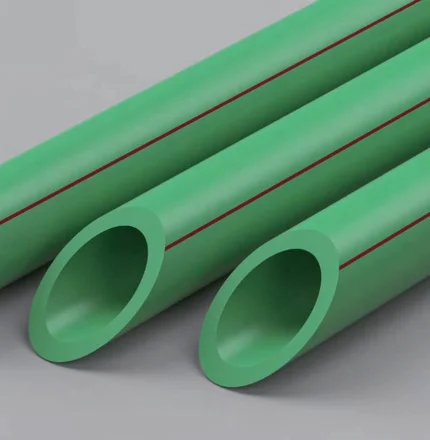
20 HDPE pipe extrusion lines
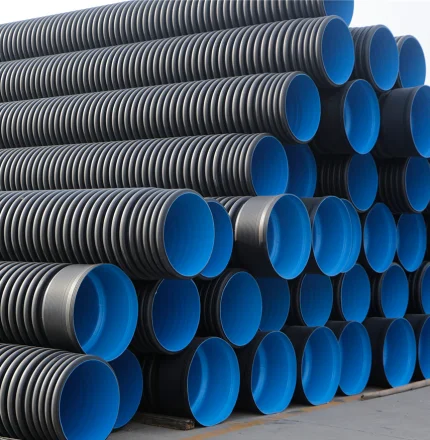
8 HDPE double-wall corrugated pipe lines
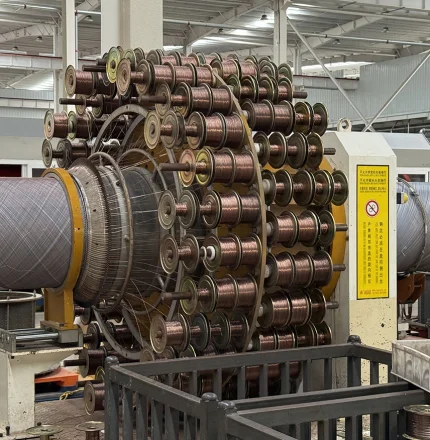
15 SRTP/SRPE reinforced composite pipe lines
15 PVC pipe lines
10+ fitting production lines
SIFFO's total annual production capacity exceeds 450,000 tons, including more than 200,000 tons of HDPE pipe capacity.
For HDPE irrigation projects, SIFFO can provide different pipe diameters, wall thicknesses, SDRs, pressure ratings, lengths and connection solutions according to project requirements.
▎How to Choose the Right HDPE Irrigation Pipe?
Before ordering HDPE irrigation pipes, project buyers should provide the manufacturer with several basic parameters:
Required flow rate
Pipe length
Required operating pressure
Maximum pressure or surge pressure
Water temperature
Installation method
Buried or above-ground installation
Required pipe diameter
Required SDR or pressure class
Applicable standard
Straight pipe or coil pipe requirement
Fitting and connection requirements
With this information, the pipe manufacturer can recommend a suitable HDPE pipe specification instead of simply quoting a diameter and price.
▎Conclusion
Selecting HDPE pipes for agricultural irrigation requires consideration of hydraulic performance, pressure, SDR, material grade, temperature, installation conditions and jointing methods.
For smaller irrigation distribution lines, HDPE coil pipe up to 120 mm can be an effective solution because long continuous pipe sections can reduce the number of field joints and simplify installation.
For larger irrigation mains, straight HDPE pipes with appropriate SDR and pressure ratings can provide an efficient solution for transporting water over long distances.
With more than 20 dedicated HDPE pipe production lines and over 200,000 tons of annual HDPE pipe capacity, Shandong SIFFO Plastic Technology Co., Ltd. can support agricultural irrigation projects with different pipe sizes, pressure classes, lengths and installation requirements.
For an irrigation project, the final pipe specification should always be verified against the project's hydraulic calculations, applicable standards and actual operating conditions.