

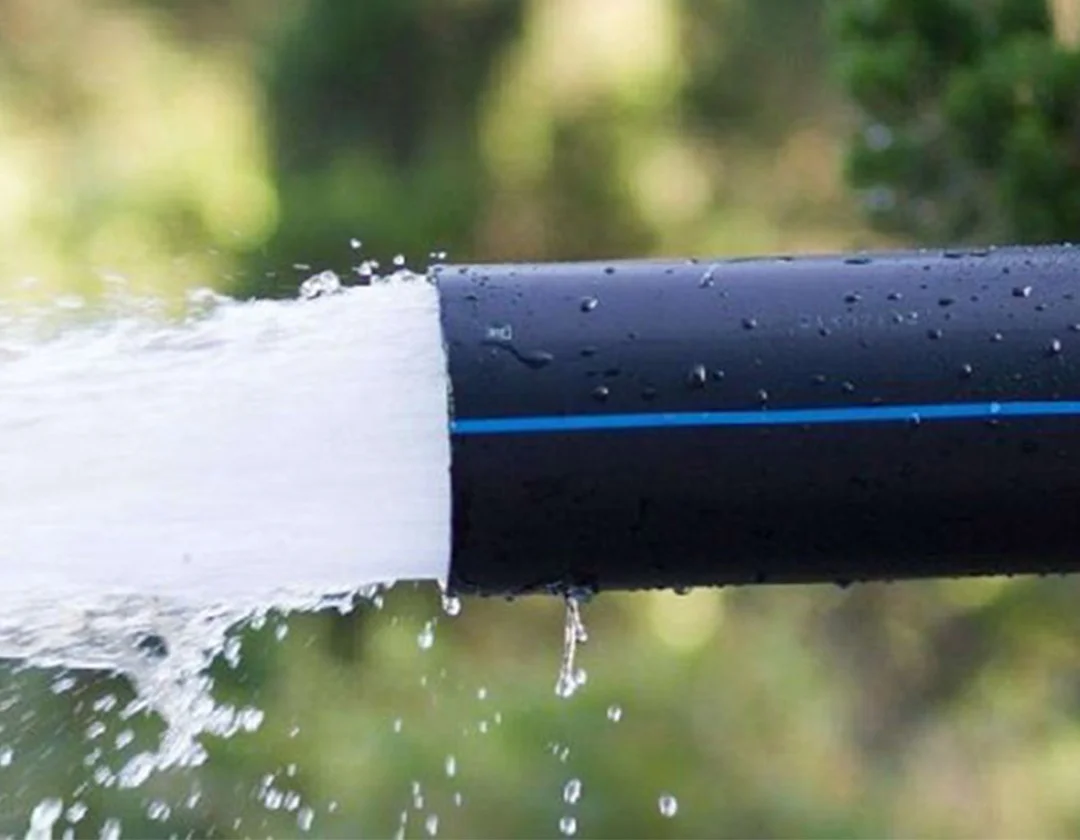
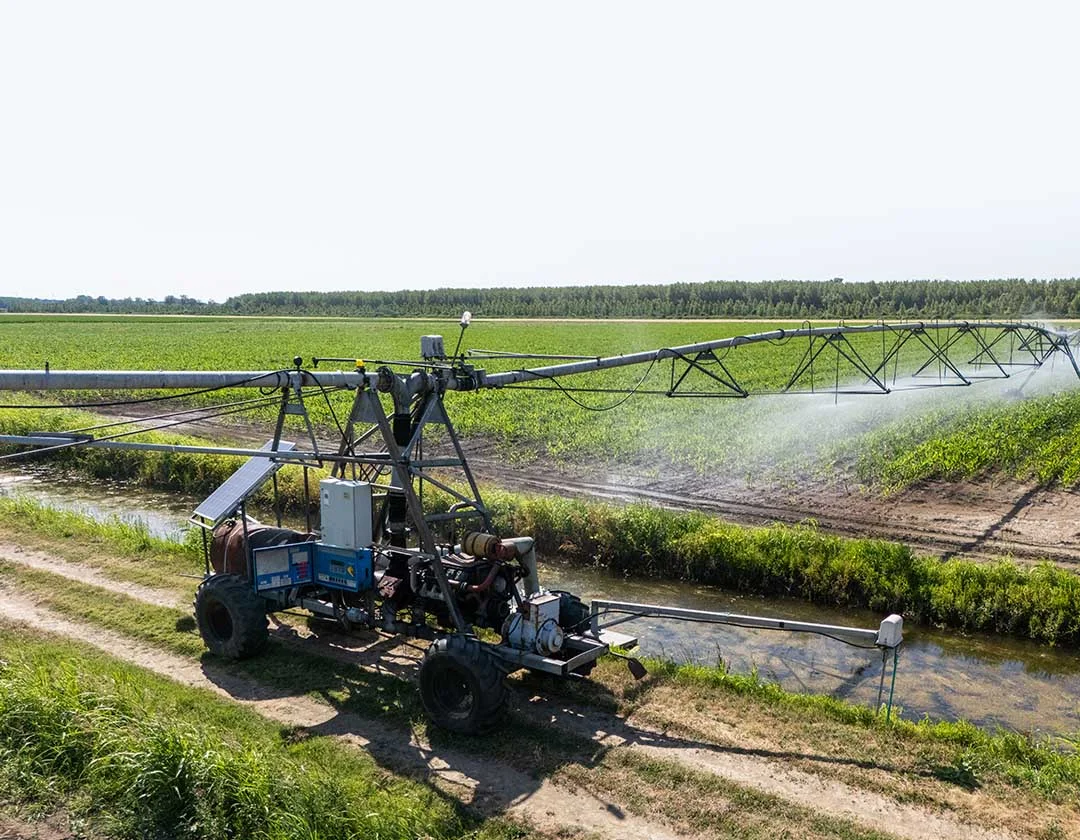
In the modern municipal pipe network and building water supply and drainage field, HDPE pipes have become an indisputable mainstay. Whether it's the urban arteries ensuring our daily drinking water or the irrigation networks of high-tech agriculture, this material is ubiquitous.
However, for many purchasers and engineering novices, facing a wealth of market information and technical jargon, how can they begin to understand HDPE water supply pipes from scratch? How can they choose the most reliable partner from a vast array of manufacturers? Today, this article will guide you through all aspects of HDPE water supply pipes.
What are HDPE water supply pipes?
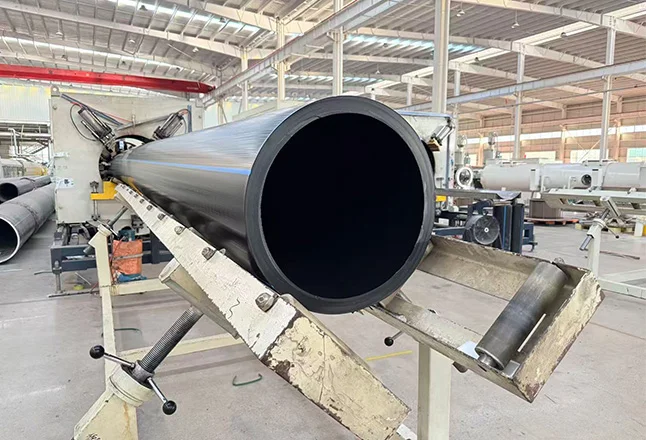
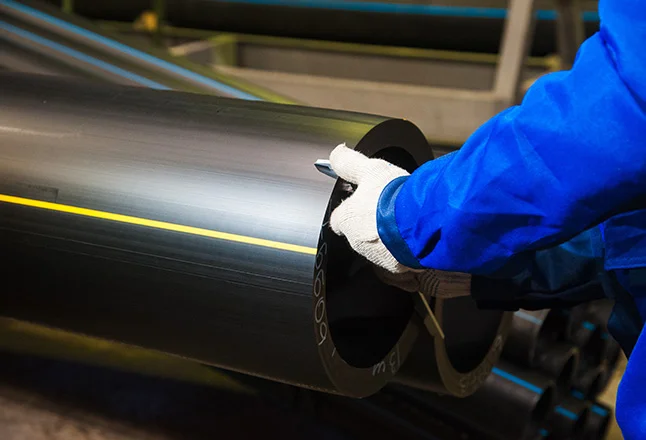
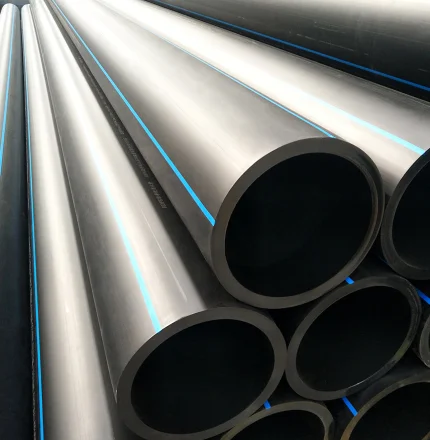
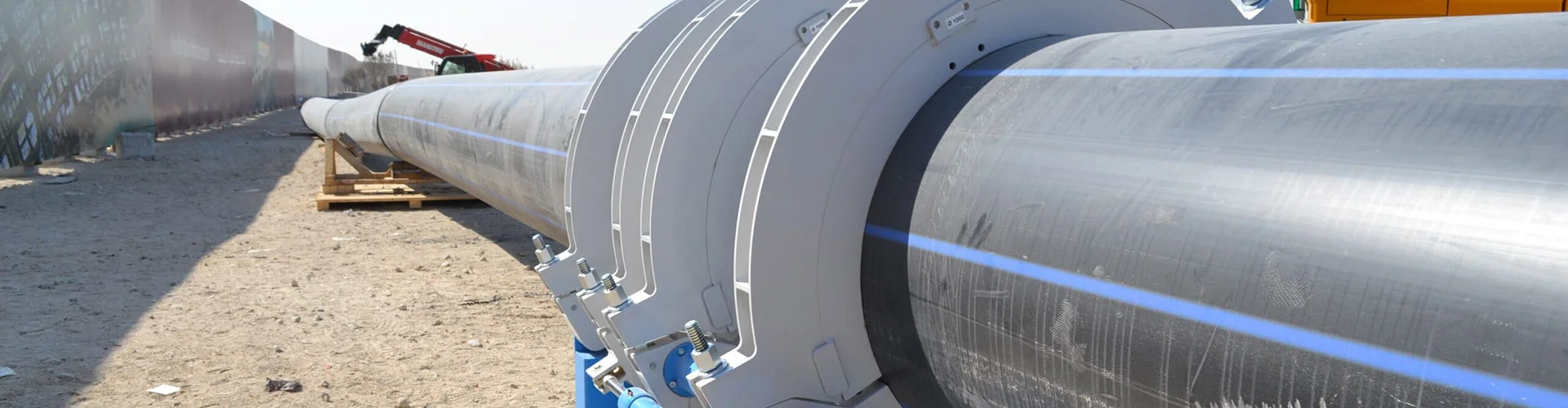
HDPE stands for High Density Polyethylene. HDPE water supply pipes are thermoplastic pipes manufactured using this high-density polyethylene resin as the main raw material through an extrusion molding process.
It is not an ordinary plastic pipe, but rather a pipe specifically designed for transporting pressurized water (such as tap water and pressurized sewage).
Grading: Currently, the mainstream water supply pipe grades are PE80 and PE100. PE100 has better crack resistance and higher pressure resistance, making it the mainstay of municipal engineering projects, while the earlier PE63 has been gradually phased out of the market.
Specification Range: The diameter range is wide, typically from DN32 to DN1000, and the pressure rating is generally between 0.6 MPa and 1.6 MPa.
The core advantages of HDPE
Why can HDPE pipes replace traditional cast iron and cement pipes? It's due to these key advantages:
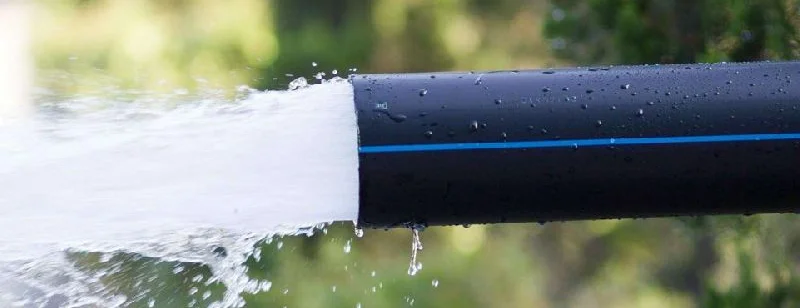
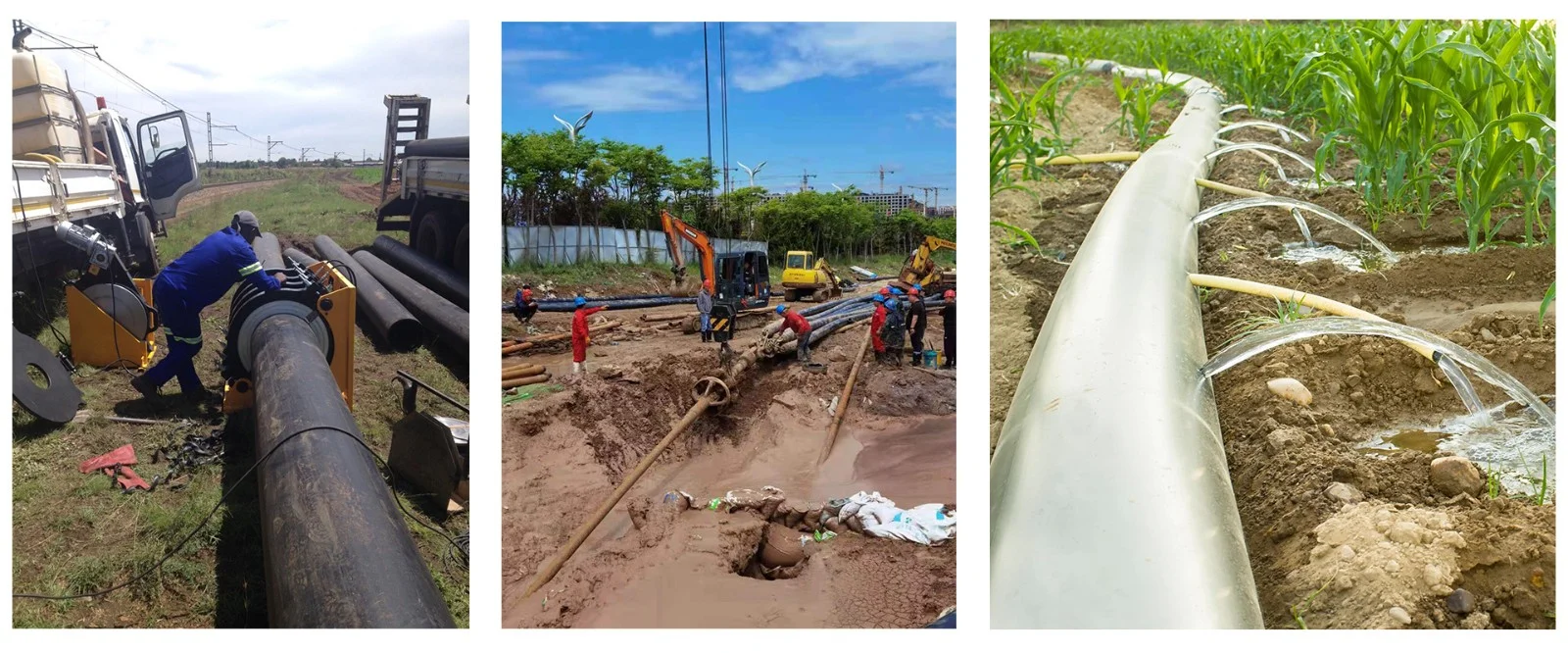
Long lifespan and corrosion resistance: HDPE pipes have a lifespan of over 50 years. Unlike steel pipes, they won't rust and are unaffected by acid and alkali corrosion in soil.
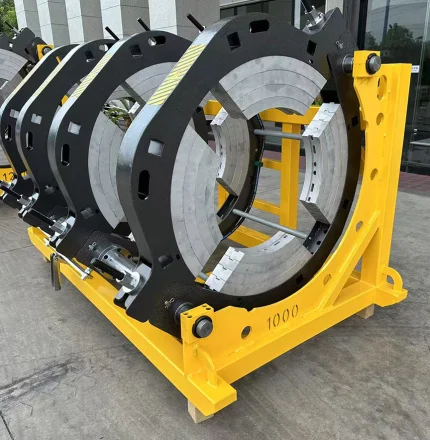
Zero-leakage connection: This is HDPE's biggest technological highlight. It uses hot-melt or electrofusion connections, essentially "melting" two pipes together by heating. The strength at the joint is even higher than the pipe itself. This completely solves the persistent problem of leaks at traditional pipe joints.
Good toughness and impact resistance: HDPE pipes are "flexible." They are not only lightweight and easy to transport, but also effectively resist geological changes such as earthquakes and foundation settlement. Even during construction in low winter temperatures (even -20°C), the pipes will not easily crack.
High transport capacity: The inner wall of HDPE pipes is very smooth, resulting in low water flow resistance. This means that with the same diameter, it can transport more water, thus saving energy for pumping stations.
Healthy and environmentally friendly: HDPE pipes are non-toxic, contain no heavy metal stabilizers, and do not breed bacteria, making them an ideal choice for solving secondary pollution of tap water.
Note: While HDPE pipes are excellent, they are not heat-resistant and are generally not suitable for hot water pipe systems.
How to Choose a Reliable Supplier? These Four Points are Key
Examine "Qualifications and Reputation"
This is the threshold. A qualified supplier must possess a sanitary permit for water-related products (this is the "passport" for drinking water pipelines), ISO9001 quality management system certification, and product type inspection reports. In addition, you can also inquire whether the brand has participated in national key projects, such as the Hong Kong-Zhuhai-Macau Bridge and Daxing International Airport; this is often evidence of the brand's strength.
Examining "Raw Materials and Processes"
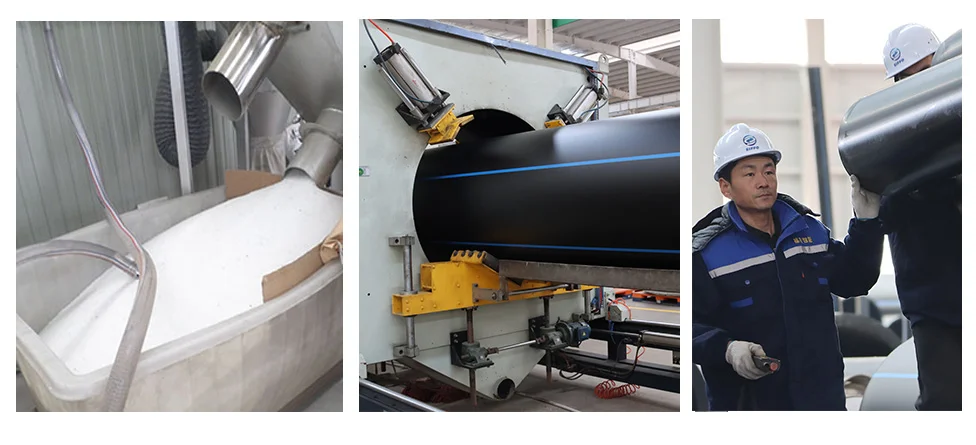
The performance of HDPE pipes depends 90% on the raw materials. High-quality manufacturers use imported pure raw materials (natural color or blue) from companies like Borealis and SABIC, while inferior manufacturers may mix in recycled materials (which may be black or have an odor).
Examining "Systematic Solution Capabilities"
Especially for concealed works, it's not enough to just look at the pipes themselves. Leading suppliers (such as Geberit and Vistar) often provide systematic services encompassing "products + design + construction guidance." They can use software for hydraulic calculations to optimize pipe routing, preventing future blockages or noise problems from the outset.
Examine "After-Sales Service"
Pipelines are concealed works, and repair costs are extremely high if problems arise. A reliable supplier should provide warranty guarantees and welding technical support, and even on-site acceptance services to ensure welding quality.
Top 10 HDPE Water Supply Pipe Manufacturers and Their Features
LESSO
One of Asia's largest plastic pipe manufacturers, with over 30 production bases. It boasts a comprehensive product line covering the globe, and its scale provides exceptional cost control capabilities.
VASEN
Renowned for its "quality" and "star concierge" service, this company started in the PPR (Pressure Procurement) field and has recently expanded into municipal engineering. Its strengths include a strong service-oriented mindset, a high retail network penetration rate, and a focus on brand reputation.
ERA
A Shenzhen Stock Exchange-listed company, its production and sales volume have consistently ranked first among A-share listed companies in China. It boasts strong technological R&D capabilities, and its products are widely used in national-level projects such as the Hong Kong-Zhuhai-Macau Bridge.
Mingzhu
A listed company and a long-established leader in the domestic PE pipe industry. It possesses comprehensive qualifications, particularly in the gas and water supply pipe sectors, and is a member of the G5+ cooperation group in the gas industry.
HOMSO
This company, listed on the Growth Enterprise Market (GEM), holds a significant market share in South and Southwest China. It offers over 6,000 different products, widely used in rural drinking water safety projects.
Jinniu
Headquartered in Wuhan, the company is known for its "Golden Bull Horn" brand. It possesses strong technical capabilities and provided assistance during the pandemic in the construction of Huoshenshan and Leishenshan Hospitals, demonstrating its emergency response capabilities.
FENG
A well-known brand of home plumbing. Although famous for its PPR products, its HDPE products are also popular in the residential and small-to-medium-sized project markets, thanks to its established distribution network.
TENGYUAN
A leading project-based enterprise in Northwest China. Its core advantage lies in its UV-resistant technology, which perfectly solves the problem of pipe aging in the high-altitude, high-sunlight regions of Northwest China, giving it a dominant position in agricultural irrigation and municipal renovation projects.
SIFFO
Virgin materials guarantee quality + a full product line + international certifications + 50-year lifespan. As a national high-tech enterprise located in Linyi, Siffo is also competitive in terms of price and delivery speed.
ZHONGCAI
A long-established pipeline giant with a massive production scale (over 2 million tons per year). It wields significant influence in East China, boasts stable distribution channels, and guarantees solid product quality.
Current market trends
The replacement of steel with plastic continues to deepen: With the nation's emphasis on green building and environmental protection, and the advancement of old residential area renovation and urban pipeline network upgrades, the replacement of traditional metal and cement pipes by plastic pipes is accelerating.
High-performance materials (PE100 RC) are becoming more widespread: The market is no longer satisfied with ordinary PE100. Crack-resistant PE100 RC materials are gradually becoming more common. This material allows for trenchless laying of pipes in harsher soil conditions (such as areas with abundant gravel and significant settlement), greatly reducing construction costs.
Intelligentization and digitalization: Large suppliers are implementing "digital factories" and "traceability systems." Purchasers can even scan codes to trace which production line, when, and what raw materials were used to produce a pipe, achieving full lifecycle management.
Regionalization and customization: National giants and regionally distinctive brands coexist. In special geographical regions like Northwest and Southwest China, products with customized functions such as UV resistance and geological subsidence resistance are more favored.
In summary, choosing the right brand is only the first step when selecting HDPE water supply pipes. A high-quality water supply system = high-quality raw materials (HDPE) + standardized welding processes + scientific design solutions.
As a purchaser, don't just look at the unit price per meter of pipe, but calculate the "total life cycle cost." Choosing a supplier with a comprehensive service system and a 50-year lifespan guarantee is the true way to save money.