

What is ASTM F714?
ASTM F714 stands for Standard Specification for Polyethylene (PE) Plastic Pipe (DR-PR) Based on Outside Diameter. It is an important standard developed by the American Society for Testing and Materials (ASTM International).
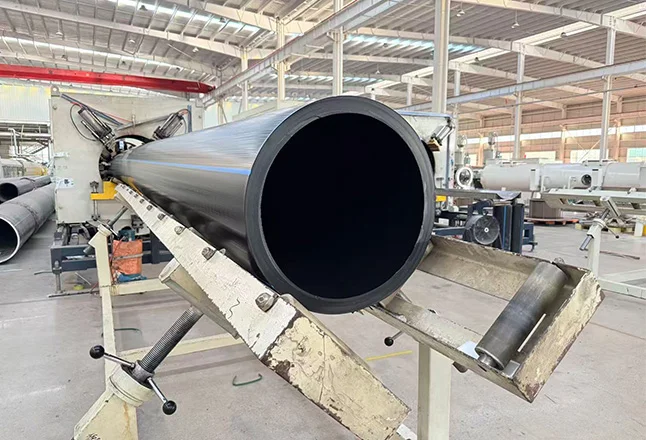
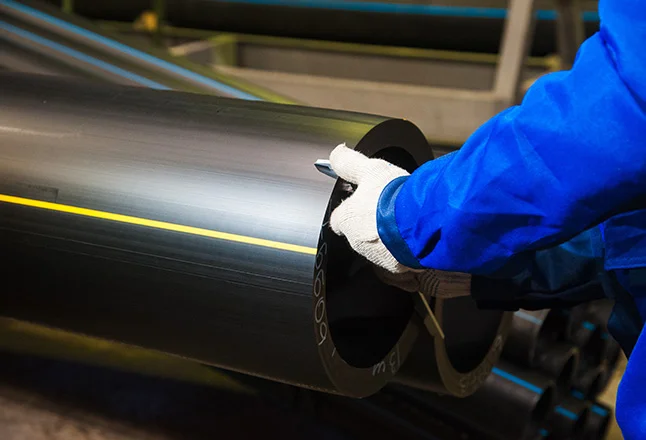
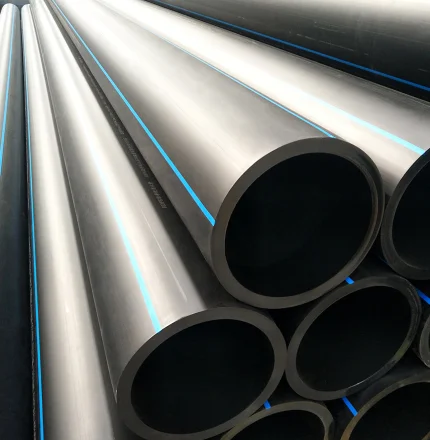
In short, this standard defines the production specifications for large-diameter HDPE pipes. Its latest version is ASTM F714-25, released in March 2025. If HDPE pipes are a family, then ASTM F714 is the rule-maker specifically responsible for the "larger" members of that family.
Which types of pipes is it suitable for?
The ASTM F714 standard primarily targets polyethylene pipes with an outer diameter of 90 mm and larger. If you see smaller HDPE pipes, they typically follow another standard called ASTM D3035.
This standard covers three main dimensional systems:
IPS system: based on ferrous pipe dimensional standards
DIPS system: based on ductile iron pipe dimensional standards
Metric system: based on the International System of Units (SI) dimensional standards
This diverse dimensional system design allows ASTM F714 standard pipes to be perfectly compatible with existing piping systems of different standards, making both new construction projects and the repair of old pipelines very convenient.
Where are these pipes used?
HDPE pipes covered by the ASTM F714 standard have a wide range of applications, primarily for:
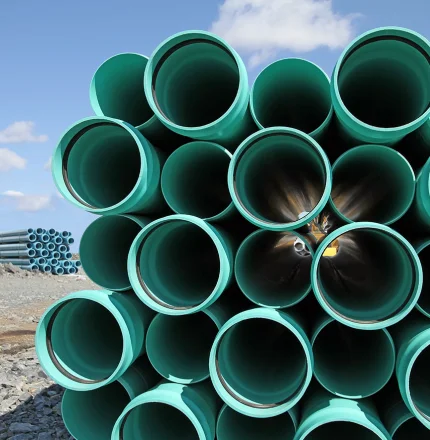
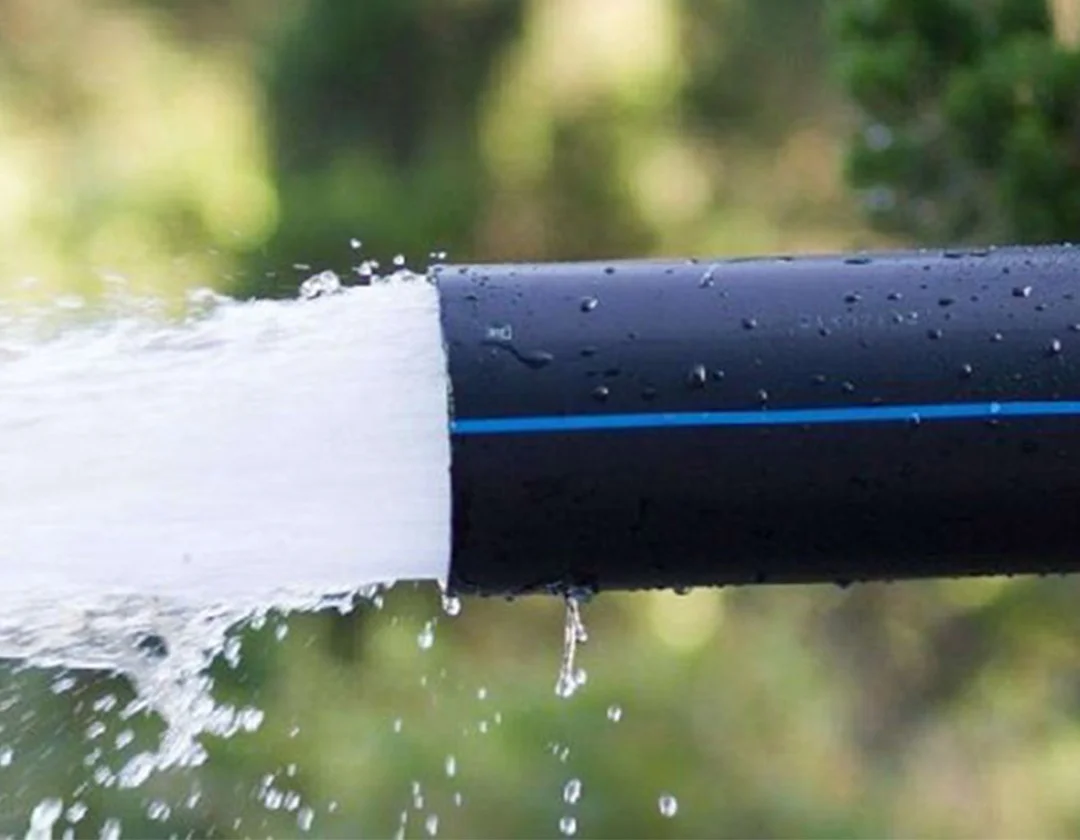
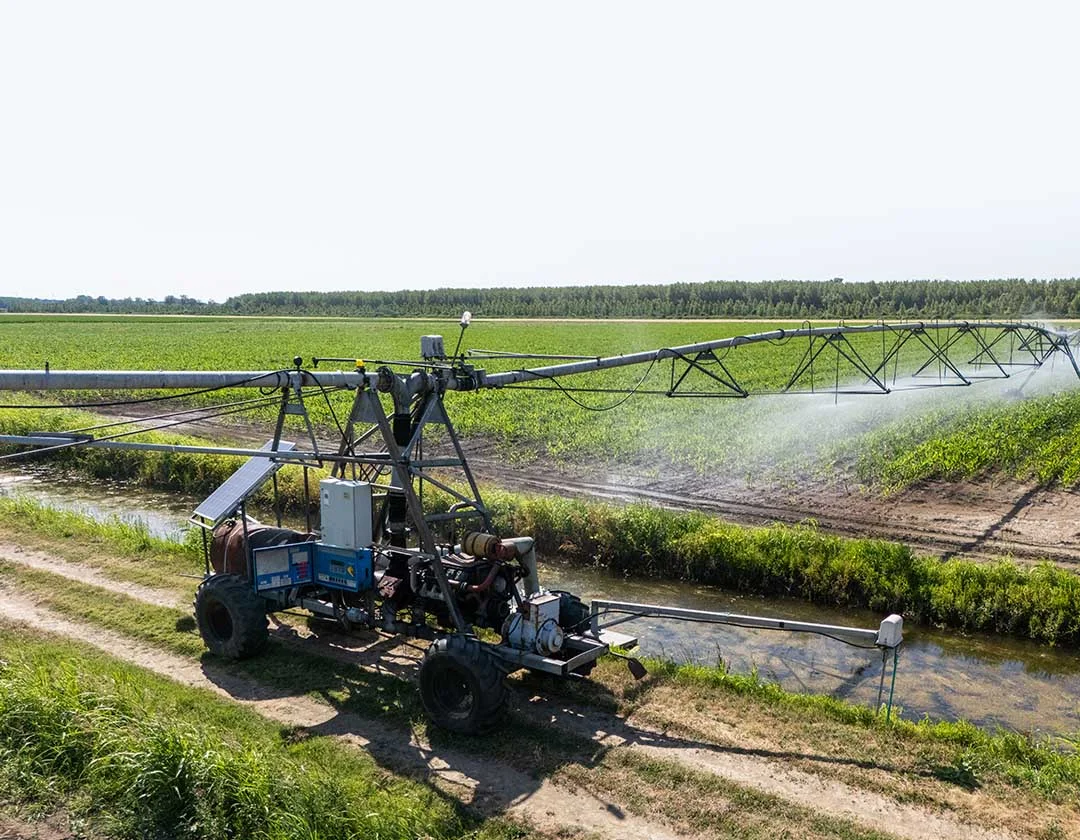
Water supply systems: municipal water supply
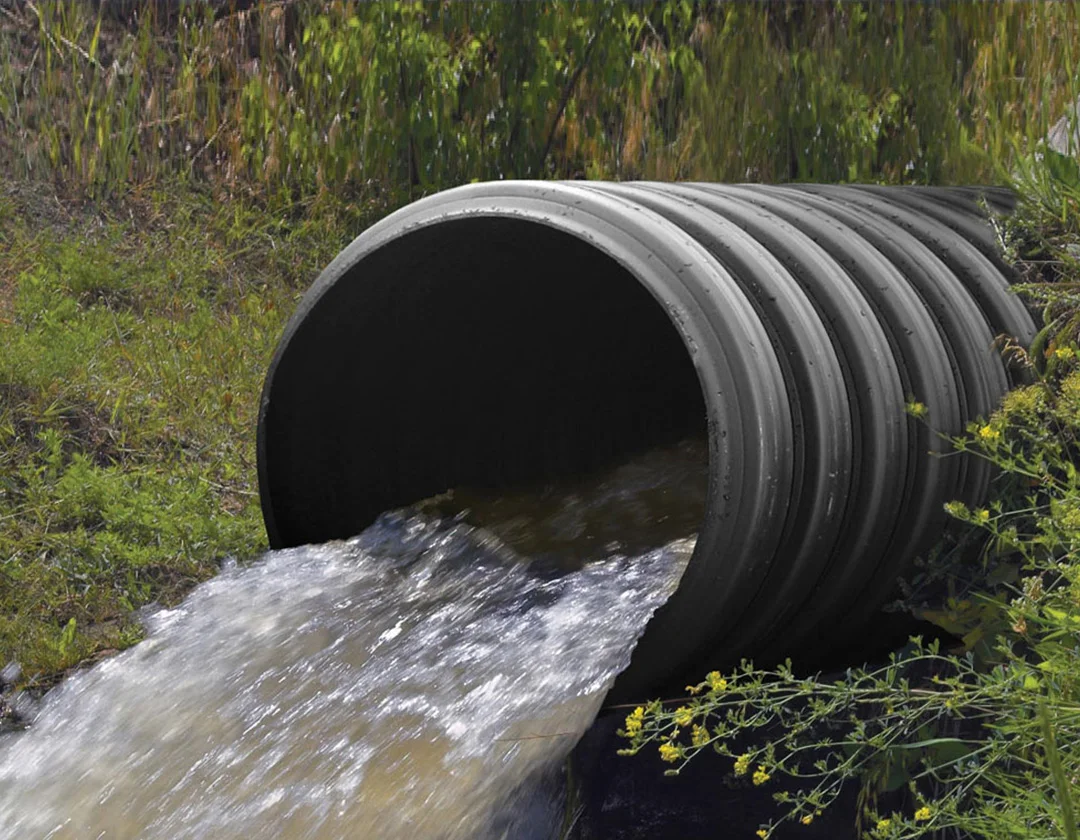
Sewage systems: municipal and domestic sewage discharge
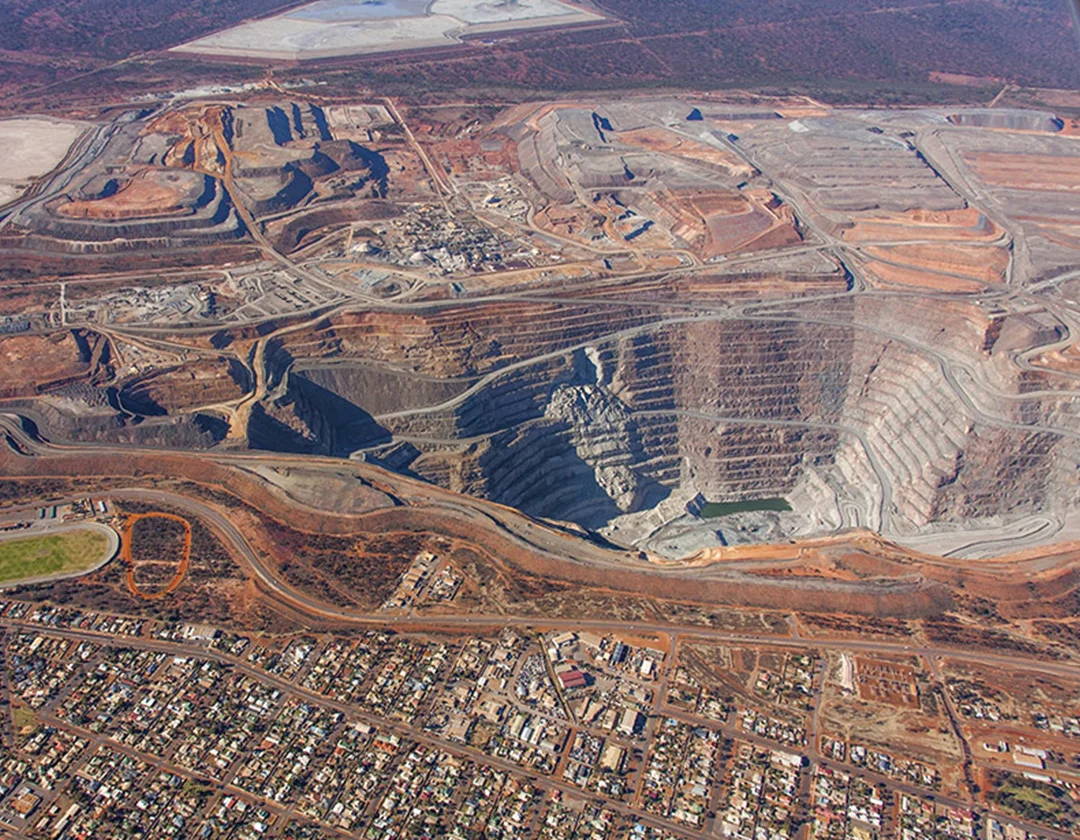
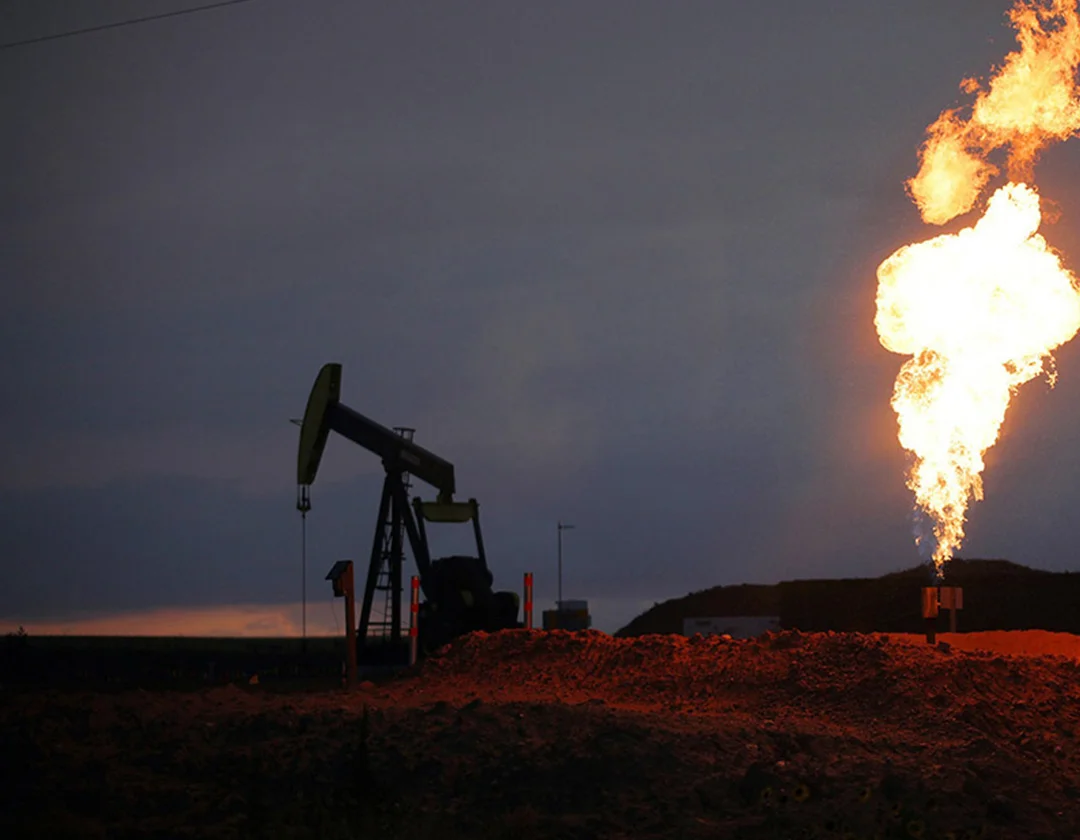
Industrial applications: transportation of industrial process liquids, wastewater, slurry, etc.
Pipe repair: plug-in replacement of old pipes
It is worth noting that these pipes can be used in both pressurized piping systems (such as water supply) and unpressurized systems (such as gravity flow drainage pipes).
Strict quality requirements
Raw Material Selection Requirements
HDPE pipes conforming to ASTM F714 standards require raw materials that have undergone rigorous screening:
Material Classification: The standard requires the use of certified polyethylene compounds, such as PE4710 or PE100 grade materials. These materials must meet specific cell classification requirements, such as grade 445474C as specified in ASTM D3350. This string of numbers and letters is not arbitrary but rather an "identity certification" for key indicators such as material density, melt flow index, modulus of elasticity, and tensile strength.
HDB and HDS Ratings: Raw materials must possess clearly defined long-term static pressure strength (HDB) and design stress (HDS) ratings. These two indicators form the basis for calculating the pipe's pressure rating and directly determine the pressure at which the pipe can operate safely for 50 years.
Physical and Mechanical Performance Requirements
This is the most crucial quality requirement section of the standard, directly determining whether the pipeline can withstand actual engineering conditions:
Density: Ensures material purity and homogeneity.
Melt Flow Index: Reflects the material's flow characteristics, affecting processing quality and weldability.
Flexural Modulus: Characterizes the pipe's rigidity, affecting the load-bearing capacity of buried pipelines.
Tensile Strength: Ensures the pipeline can withstand tensile stress during installation and use.
Resistance to Slow Crack Growth: This is a key indicator for polyethylene pipes. In long-term use, tiny cracks in HDPE pipes can slowly propagate, eventually leading to failure. ASTM F714 requires the material to resist this "slow killer."
Hydrostatic Pressure Strength: Verifies the pipe's pressure-bearing capacity through pressure testing.
Pressure Testing Requirements
The standard specifically specifies two pressure tests:
Short-term pressure resistance test: The pipe is pressurized for a short period at a relatively high pressure to verify its immediate pressure resistance.
High-temperature continuous pressure test: A long-term pressure test is conducted in a high-temperature environment to simulate the performance of the pipe over a decades-long service life. This test effectively verifies the long-term aging performance and creep characteristics of the material.
Appearance and Workmanship Quality Requirements
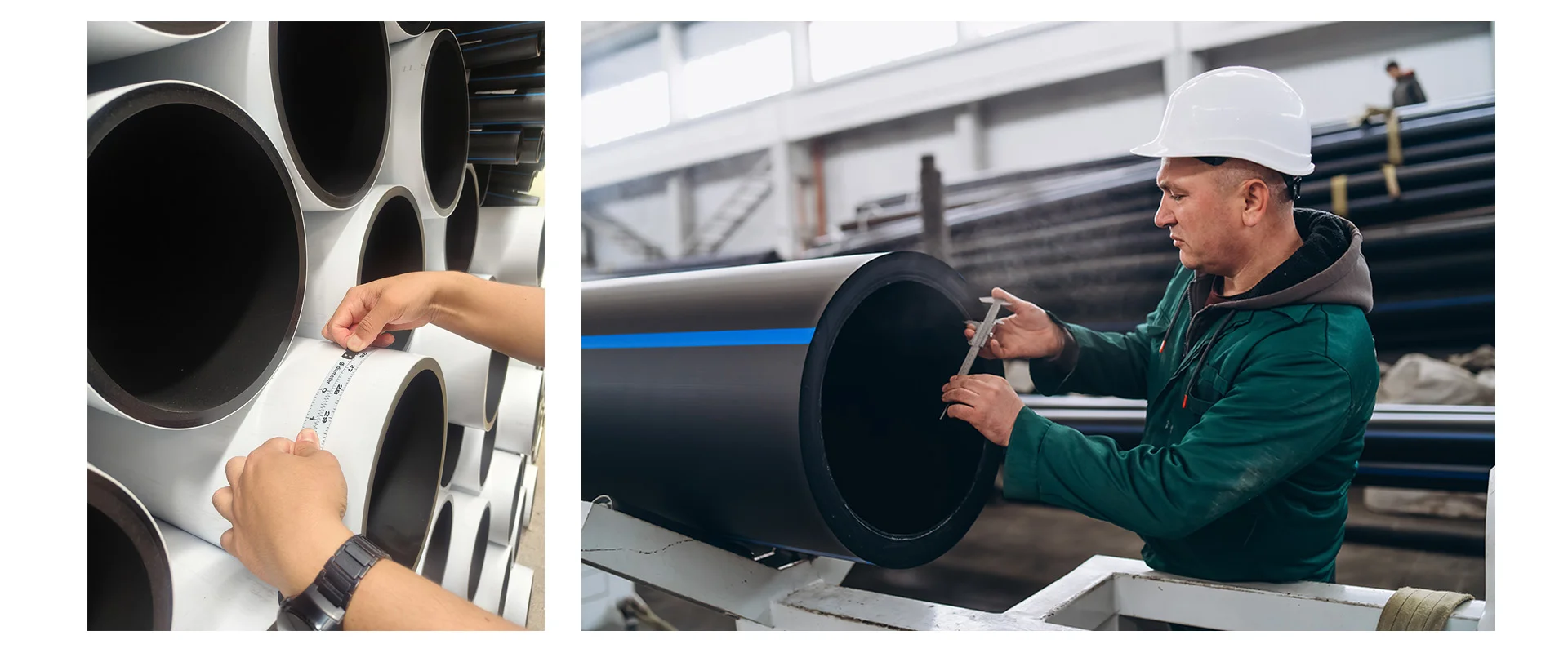
These are quality requirements that can be directly inspected by the naked eye and are a direct reflection of the manufacturing process level:
Uniformity Requirements:
The entire pipe should be uniform in appearance.
Color, opacity, density, and other properties should remain stable throughout the entire pipe.
Surface Quality Requirements:
The inner and outer surfaces should have a semi-matte or glossy appearance.
There should be no powdering, stickiness, or viscous appearance.
A slight bloom is permissible, but not excessive.
There should be no visible defects such as cracks, holes, bubbles, voids, or impurities.
For perforated pipes, artificially designed holes are excluded.
Special Note: If the pipe is exposed to sunlight for a long time, powdering or blooming may appear on the surface; this is not considered a quality issue.
The ASTM F714 standard establishes a comprehensive and rigorous quality assurance system for HDPE pipes, covering everything from raw material selection to finished product inspection, and from visible appearance to invisible long-term performance. Understanding these requirements is crucial for both material selection and quality acceptance in engineering projects.
For engineers, contractors, and end-users, adhering to ASTM F714 means:
Guaranteed Quality: Pipes conforming to the standard undergo rigorous raw material selection and performance testing.
Safety and Reliability: The standard specifies pressure rating requirements, ensuring the safety of the pipeline throughout its service life.
Good Compatibility: Three size systems ensure compatibility between different systems.
Wide Applications: Covering most application scenarios, from municipal water supply to industrial wastewater.