
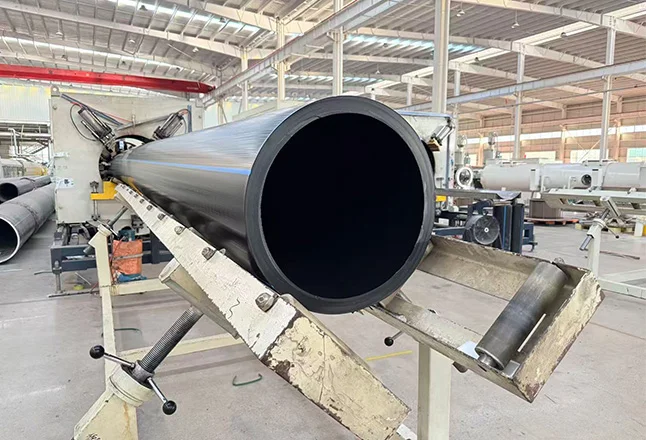

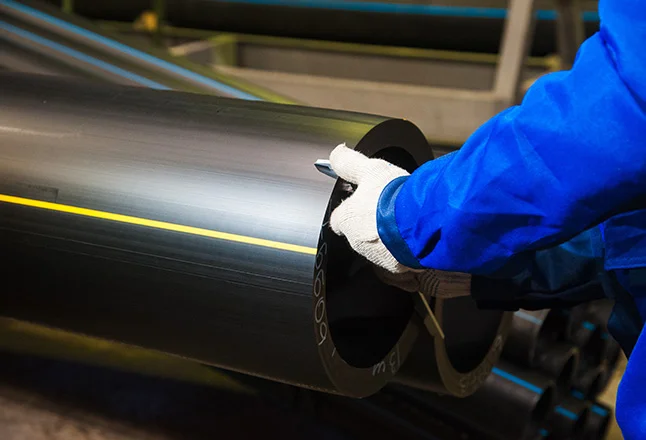
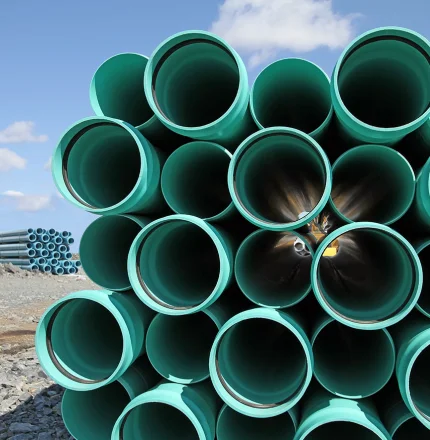
EN 12201 HDPE pipe is a polyethylene piping system designed primarily for water supply, pressure drainage and sewerage applications. It is one of the important European standards used to specify the requirements for polyethylene (PE) pipes, fittings and piping systems.
For engineers, contractors and international pipe buyers, understanding EN 12201 is important because the standard covers much more than the pipe material itself. It addresses material performance, dimensions, wall thickness, pressure ratings, appearance, colour, testing and system fitness for purpose.
Modern EN 12201 HDPE pipes are commonly manufactured from high-performance polyethylene grades such as PE100 and, for specific applications, PE100-RC. Depending on the project, the pipes can be supplied in different SDR classes, pressure ratings, diameters and connection configurations.
This guide explains what EN 12201 means, how the standard works, where EN 12201 HDPE pipes are commonly used, and what buyers should consider when selecting them.
▎What Is an EN 12201 HDPE Pipe?
EN 12201 HDPE pipe is a polyethylene pipe manufactured to meet the technical requirements of the EN 12201 series for plastic piping systems used primarily for water supply and pressure applications.
The standard covers polyethylene piping systems for applications including:
Drinking water supply
Raw water transportation
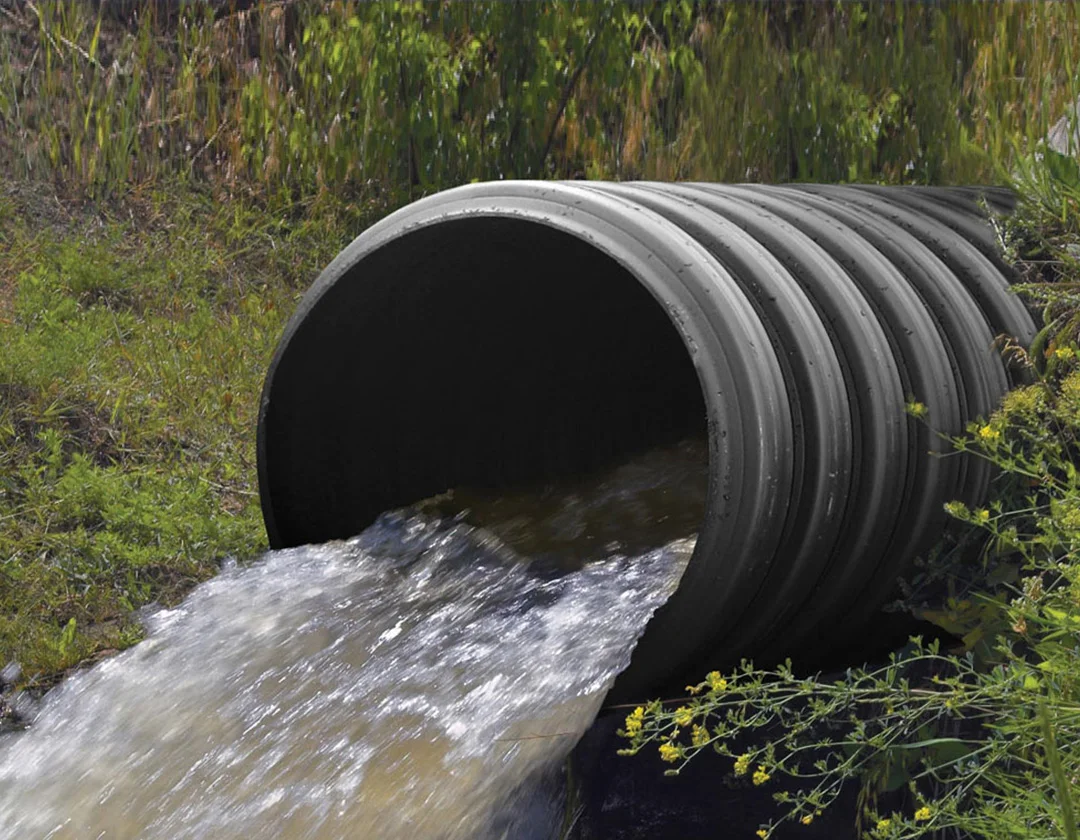
Pressure drainage and sewerage
Vacuum sewer systems
Water for other purposes
The scope is not limited to underground pipelines. EN 12201 can also apply to above-ground installations, depending on the application and project requirements.
A key point is that EN 12201 is a piping-system standard rather than simply a material name. A buyer should therefore evaluate the pipe, fittings, joints, material grade, SDR, pressure rating and installation conditions together.
For potable water applications, the applicable national regulations concerning materials in contact with drinking water must also be considered. EN 12201 itself points to national requirements for water quality.
▎EN 12201 Standard Structure
The EN 12201 series is divided into different parts covering different components and aspects of the piping system.
In practical procurement, the most relevant parts include:
| Standard | Main subject |
|---|---|
| EN 12201-1 | General requirements and polyethylene compounds |
| EN 12201-2 | PE pipes |
| EN 12201-3 | PE fittings |
| EN 12201-4 | Valves |
| EN 12201-5 | Fitness for purpose of the piping system |
EN 12201-2 is particularly important when purchasing EN 12201 HDPE pipes, because it specifies requirements related to pipe characteristics, dimensions, wall thickness, appearance, colour and testing.
The 2024 edition of EN 12201-2 specifies nominal outside diameters extending from small service sizes through very large-diameter pipes, with the published dimensional tables reaching up to DN/OD 3,000 mm.
This wide dimensional range allows EN 12201 HDPE pipes to be used for both small service connections and large municipal transmission pipelines.
▎EN 12201 HDPE Pipe Material: PE100 and PE100-RC
One of the most important considerations is the polyethylene material grade.
PE100 HDPE
PE100 is widely used for pressure water piping because of its combination of strength, long-term hydrostatic performance and resistance to environmental conditions.
For buyers, PE100 provides a practical balance between:
Pressure resistance
Long-term service performance
Flexibility
Impact resistance
Chemical resistance
Weldability
PE100 pipes can be manufactured in different SDR classes to meet different pressure requirements.
PE100-RC HDPE
PE100-RC is a higher crack-resistance material developed for applications where greater resistance to slow crack growth and installation-related mechanical stresses is required.
EN 12201-2:2024 specifically includes requirements for PE100-RC materials and pipes manufactured using this material.
This can be particularly useful for challenging installation conditions, such as certain trenchless installations or projects where the pipe may experience higher mechanical stresses.
However, PE100 and PE100-RC should not simply be considered interchangeable. The appropriate material should be selected according to the project design, installation method, soil conditions and applicable national requirements.
▎Pressure Rating of EN 12201 HDPE Pipes
HDPE pressure pipes are often identified using PN, or nominal pressure, expressed in bar.
Typical project specifications may include:
SDR | Typical application concept |
SDR9 | Higher-pressure applications |
SDR11 | High-pressure water supply |
SDR13.6 | Medium/high-pressure applications |
SDR17 | General municipal water supply |
SDR21 | Lower-pressure water systems |
SDR26 | Lower-pressure applications |
These values should be treated as general selection references rather than universal pressure guarantees.
For example, a PE100 SDR11 pipe may commonly be specified for PN16 service at the reference temperature, but the final design pressure must be confirmed according to the applicable standard, temperature, material classification and project conditions.
The ISO 4427 system, which is closely related in technical scope, specifies PE piping for pressure applications and references a maximum allowable operating pressure framework up to 25 bar under defined conditions.
▎Key Features of EN 12201 HDPE Pipes
1. Excellent Corrosion Resistance
Unlike steel and ductile iron, polyethylene does not rust.
This makes EN 12201 HDPE pipe attractive for water systems installed in wet, aggressive or chemically challenging soil environments.
The lack of electrochemical corrosion can reduce long-term maintenance requirements and help extend pipeline service life.
2. Flexible and Lightweight
HDPE has considerably greater flexibility than traditional rigid pipes.
This flexibility can help the pipeline accommodate:
Ground movement
Settlement
Minor changes in alignment
Thermal expansion and contraction
Certain earthquake-related ground movements
The relatively low density of HDPE also makes transportation and handling easier compared with many metallic pipe systems.
3. Leak-Resistant Fusion Joints
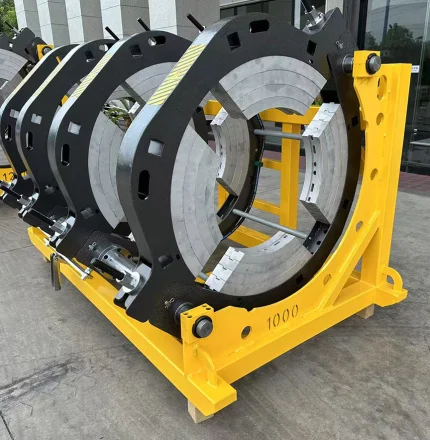
HDPE pipes are commonly connected using butt fusion or electrofusion.
When properly designed and installed, fusion creates a continuous polyethylene pipeline with highly reliable joints.
This is one of the major advantages of HDPE in municipal water projects because the joint itself can have performance characteristics similar to the pipe body.
4. Smooth Internal Surface
HDPE has a smooth internal surface, which helps reduce friction losses.
For water transmission systems, this can contribute to efficient hydraulic performance and may allow engineers to optimize pipe diameter and pumping requirements.
5. Good Chemical Resistance
Polyethylene provides good resistance to many chemicals and aggressive environments.
Consequently, EN 12201-based PE systems can be considered for selected industrial water, raw water and pressure drainage applications.
However, chemical compatibility should always be checked for the specific fluid, concentration, temperature and exposure time.
6. Good Impact Resistance
HDPE is less brittle than many rigid plastic pipe materials.
Its impact resistance can be beneficial during transportation, handling and installation, particularly when the pipeline is exposed to mechanical stresses.
▎Where Is EN 12201 HDPE Pipe Used?
EN 12201 HDPE pipes are particularly relevant to European water infrastructure, but their technical requirements are also frequently referenced in international projects where European standards are accepted by the project owner or consultant.
Europe
EN 12201 is especially important in European markets and projects designed around European standards.
Applications include:
Municipal drinking water networks
Water transmission pipelines
Rural water supply
Industrial water systems
Pressure sewerage
Raw water pipelines
Water treatment infrastructure
The actual regulatory requirements for drinking-water-contact materials can vary by country, so compliance with EN 12201 alone does not necessarily replace national potable-water approvals.
Middle East and Africa
HDPE water pipes are also widely considered for infrastructure projects in countries across the Middle East and Africa, particularly where corrosion resistance, flexible installation and long-term water infrastructure performance are important.
Typical applications include:
Municipal water supply
Desalination-related water transmission
Irrigation
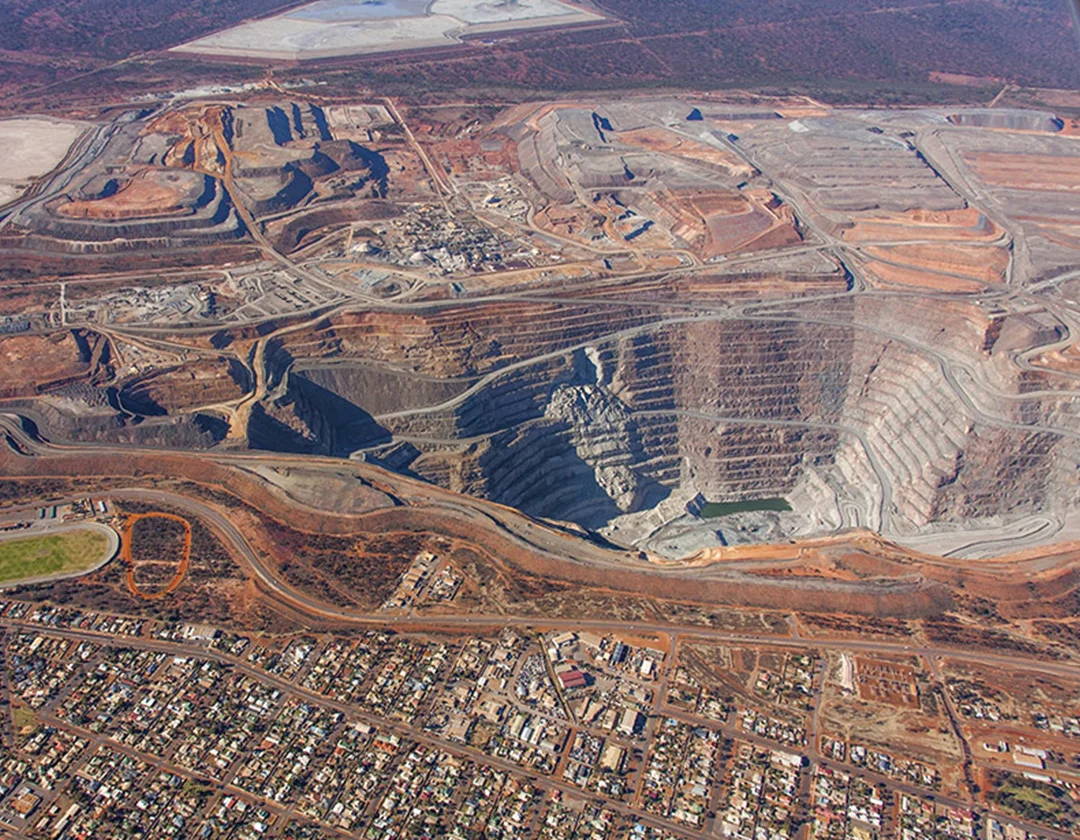
Mining water systems
Industrial water pipelines
Rural water supply
For export projects, the buyer should confirm whether the tender specification requires EN 12201, ISO 4427, local standards or a combination of standards.
Asia
EN 12201 may also appear in international engineering projects across Asia, particularly where European engineering specifications or international EPC standards are used.
Applications include:
Potable water distribution
Industrial water supply
Irrigation
Water treatment
Pressure sewerage
Infrastructure renewal
The key consideration is not simply the country where the pipe will be installed, but which standard is specified in the project documents.
▎Main Applications of EN 12201 HDPE Pipes
Municipal Drinking Water
This is one of the most important applications.
HDPE can be used for:
Water transmission mains
Distribution networks
Service connections
Urban pipeline replacement
Rural water supply
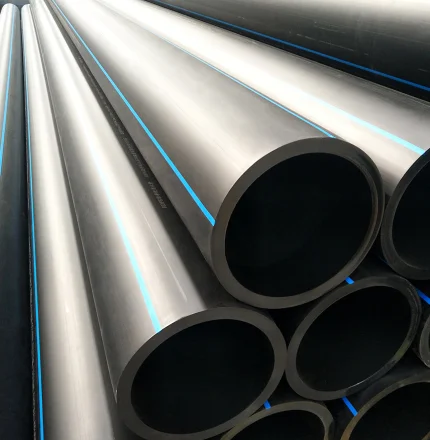
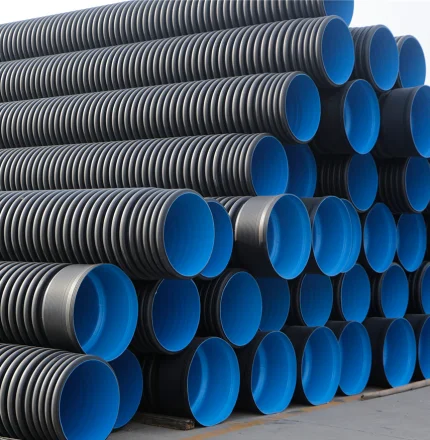
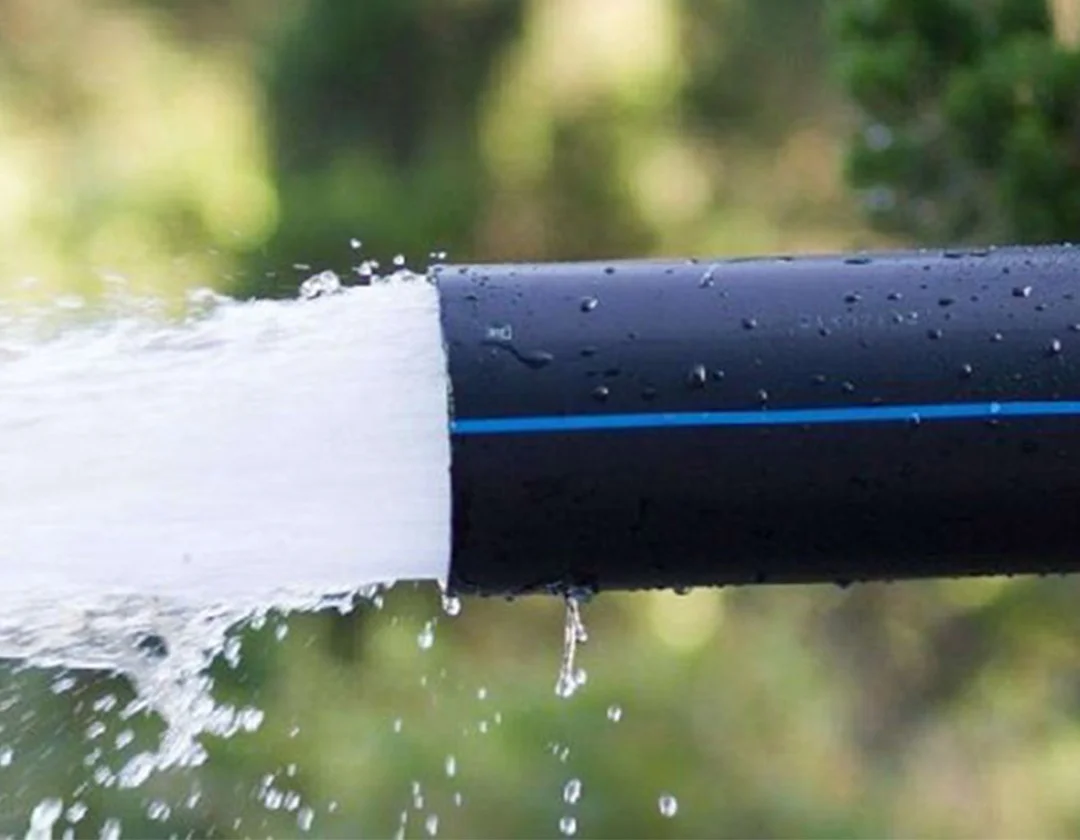
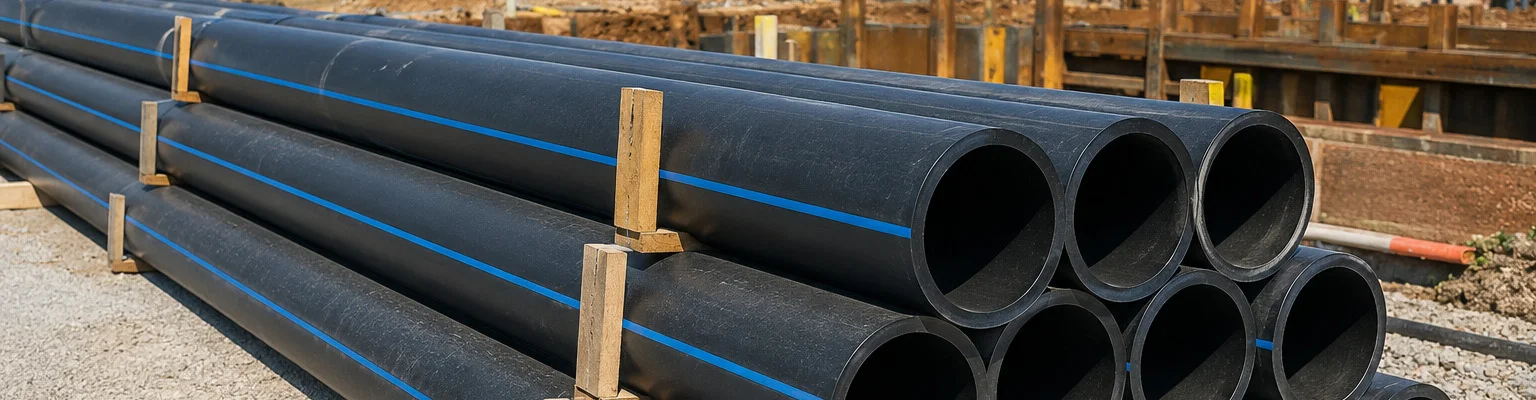
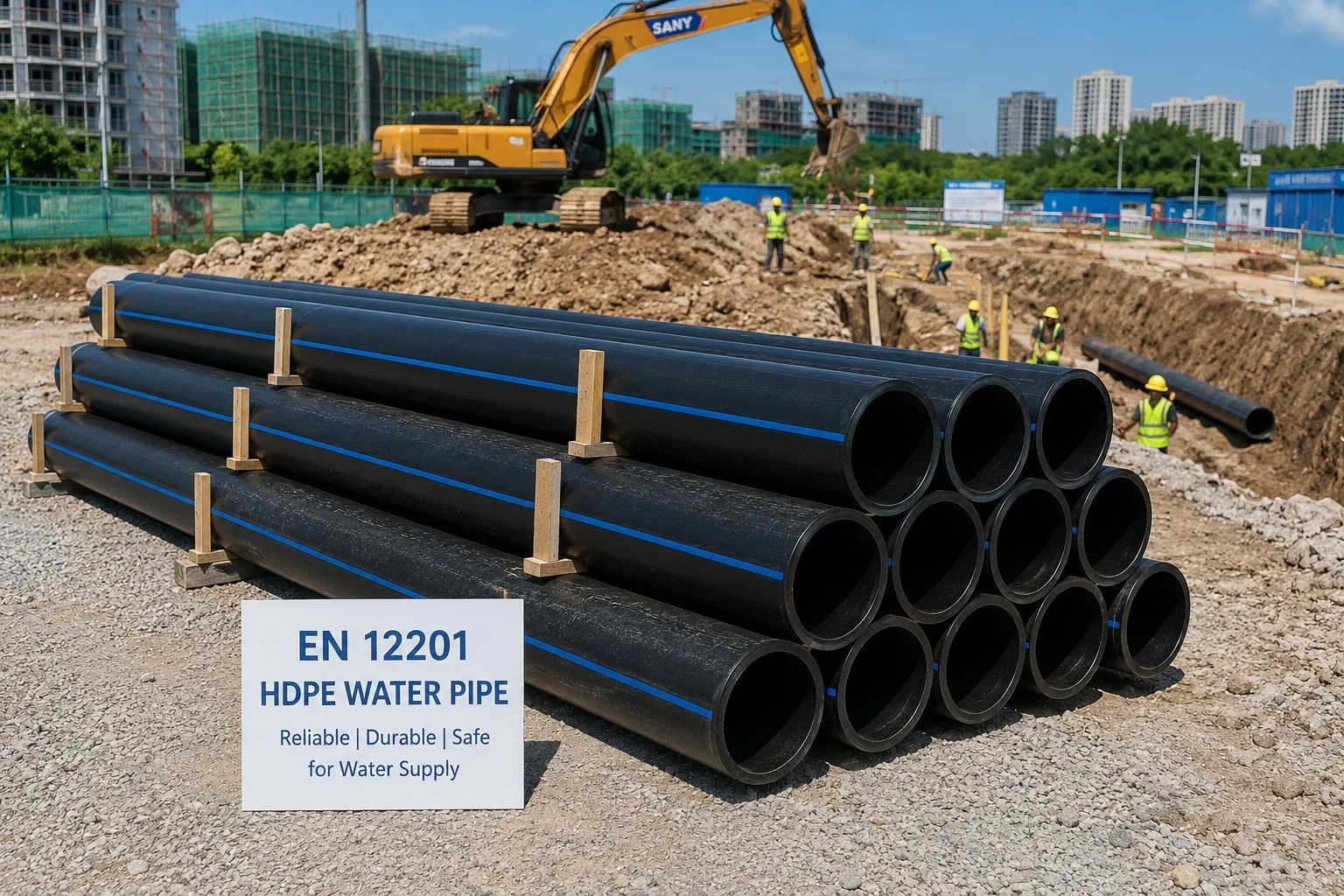
Black pipes with blue stripes or blue pipes are commonly associated with drinking-water applications under EN 12201, subject to national preferences and requirements.
Irrigation
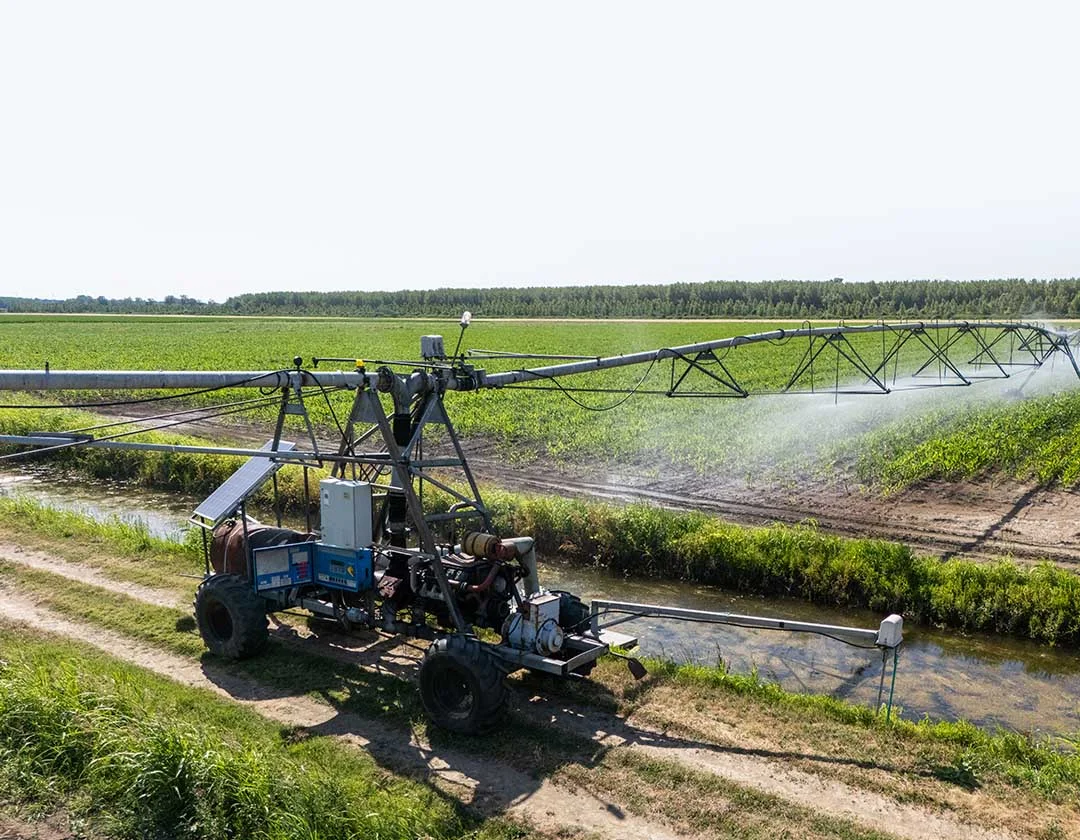
EN 12201 PE pressure pipes can also be used in agricultural irrigation systems.
Their flexibility and corrosion resistance are useful for:
Farm irrigation
Orchard irrigation
Greenhouse water systems
Agricultural water transmission
Long-distance irrigation pipelines
Pressure Sewerage
HDPE is suitable for certain pressure sewerage and drainage applications.
Its fusion joints and corrosion resistance can be particularly useful in wastewater infrastructure.
Raw Water Transportation
EN 12201 systems can also be used to transport untreated raw water before treatment, provided the design and project requirements are satisfied.
Industrial Water Systems
Industrial facilities can use PE pressure piping for selected water and compatible fluid applications.
However, chemical compatibility, operating temperature and pressure must be evaluated before specifying the pipe.
▎EN 12201 vs ISO 4427
A common question from international buyers is whether EN 12201 and ISO 4427 are the same standard.
They are closely related in technical scope, but they are not simply two names for one identical document.
EN 12201 is the European standard series for PE piping systems for water supply and pressure drainage/sewerage applications.
ISO 4427 is the corresponding international ISO series covering PE piping systems for water supply and pressure drainage/sewerage.
ISO 4427:2019 covers PE pipes for buried and above-ground applications, including drinking water, raw water, pressure drainage and sewerage, vacuum sewer systems and other water applications.
For an international project, the correct approach is to check the tender specification rather than assuming that an ISO-compliant pipe automatically satisfies every EN requirement.
▎How to Select an EN 12201 HDPE Pipe
When purchasing EN 12201 HDPE pipes, buyers should provide more than just the diameter.
A proper technical inquiry should normally include:
Nominal outside diameter
PE grade, such as PE100 or PE100-RC
SDR
Required pressure rating
Pipe length
Application
Operating temperature
Connection method
Applicable EN 12201 edition
Required potable-water or national approvals
For example, instead of asking for simply “400 mm EN 12201 HDPE pipe,” a project specification could identify a PE100 pipe with a defined SDR, pressure class, colour, length and connection requirements.
This significantly reduces the risk of receiving a technically unsuitable product.
▎Conclusion
EN 12201 HDPE pipe is an important solution for modern pressure water and sewerage infrastructure. Based on polyethylene technology, it combines corrosion resistance, flexibility, impact resistance, smooth hydraulic performance and reliable fusion joints.
The EN 12201 series establishes requirements for materials, pipes, fittings, valves and system performance. EN 12201-2 is particularly important for pipe buyers because it addresses pipe dimensions, wall thickness, appearance, colour and other technical characteristics.
For municipal water supply, irrigation, raw water transportation, pressure sewerage and selected industrial applications, EN 12201 HDPE pipes can provide a durable and relatively low-maintenance alternative to traditional metallic pipelines.
However, EN 12201 compliance should always be evaluated together with the project specification and local regulations. In drinking-water applications especially, national requirements for materials in contact with potable water must be checked separately.
For international procurement, the most important parameters are not just “EN 12201,” but the complete combination of PE grade + diameter + SDR + pressure rating + application + connection method + required certifications.
▎EN 12201 HDPE pipe FAQ
1. What is an EN 12201 HDPE pipe?
An EN 12201 HDPE pipe is a polyethylene pipe manufactured according to the applicable requirements of the EN 12201 series for water supply and pressure drainage and sewerage systems.
2. Is EN 12201 HDPE pipe suitable for drinking water?
Yes, EN 12201 covers pipes for water intended for human consumption. However, specific national regulations and approvals for materials in contact with drinking water must also be satisfied.
3. What material is commonly used for EN 12201 HDPE pipe?
PE100 is widely used for modern pressure water systems. PE100-RC may be selected when increased resistance to slow crack growth and installation stresses is required.
4. What is the difference between EN 12201 and ISO 4427?
Both standards cover PE piping systems for applications such as water supply and pressure drainage/sewerage, but they are separate standards. Project specifications should determine which standard is required.
5. What SDR options are available for EN 12201 HDPE pipe?
Common SDR selections include SDR9, SDR11, SDR13.6, SDR17, SDR21 and SDR26. The appropriate SDR depends on pressure, material grade and project design.
6. Can EN 12201 HDPE pipes be used for irrigation?
Yes. PE pressure pipes can be used for agricultural irrigation and water transmission when the pipe specification, pressure rating and applicable project requirements are appropriate.
7. How are EN 12201 HDPE pipes connected?
Common connection methods include butt fusion and electrofusion. Properly executed fusion joints provide a continuous and highly reliable pipeline system.
8. What information should I provide when purchasing EN 12201 HDPE pipe?
Buyers should normally specify diameter, PE grade, SDR, pressure rating, application, pipe length, colour, connection method, applicable standard edition and required certifications or approvals.