
When a shipment of HDPE or PVC pipes arrives at a port after weeks of sea freight, the journey is only half complete. For international procurement specialists, the period following delivery is just as critical as the manufacturing phase. Improper handling, storage, or transportation can compromise even the highest-quality pipes, leading to costly replacements, project delays, and performance failures.
Shandong Siffo Plastic Technology Co., Ltd.—a national high-tech enterprise with over 10 years of experience in producing HDPE and PVC pipes and a factory covering more than 25,000 square meters—has established rigorous packaging and shipping protocols to protect its products during ocean transit. However, the responsibility for maintaining pipe performance does not end at the port. This report outlines the essential steps international buyers must take upon receiving SIFFO pipe shipments, alongside the protective measures SIFFO implements to safeguard pipeline integrity from factory to destination.
I. hdpe and pvc pipe: Receiving and Inspection
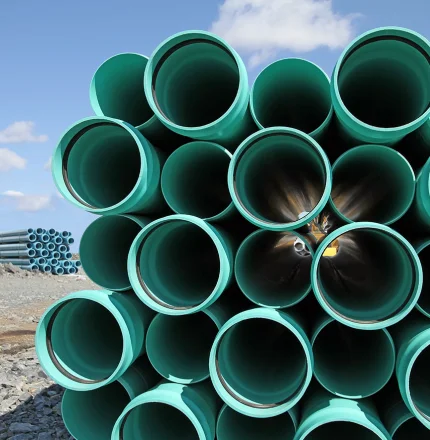
The first and most crucial step for any buyer is a thorough inspection before unloading. HDPE and PVC pipes are generally shipped in bundles, often including dunnage and strapping bands to prevent movement during transit. Upon arrival, all loads should be visually checked for any signs of damage or discrepancies.
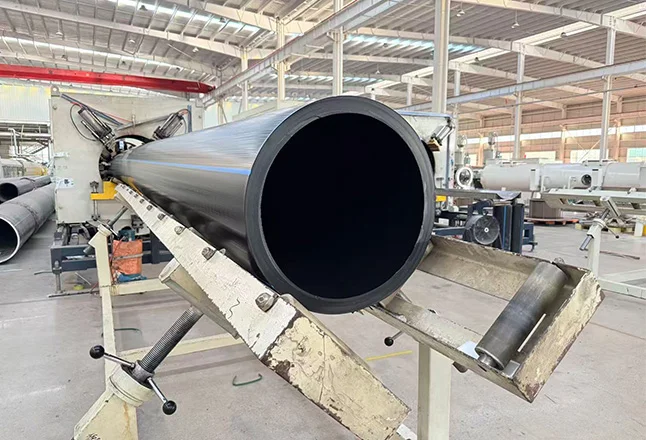
Buyers should examine pipe surfaces for scratches, gouges, cuts, splits, cracks, discoloration, or deformation. Particular attention must be paid to pipe ends—sockets and spigots—as these are vulnerable during handling and transport. For large-diameter pipes, inspecting the internal bore for cracks or obstructions is equally important. Cuts and gouges that reduce wall thickness by more than 10 percent may impair long-term service life and should be discarded. Any damaged or questionable materials should not be accepted into storage. Damages or discrepancies should be reported immediately to the carrier and supplier.
II. Unloading: Best Practices for Damage Prevention
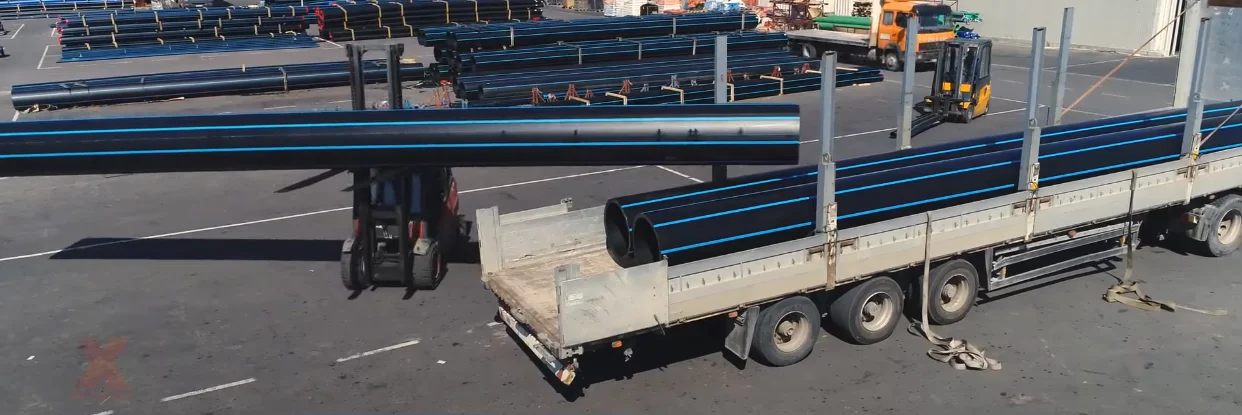
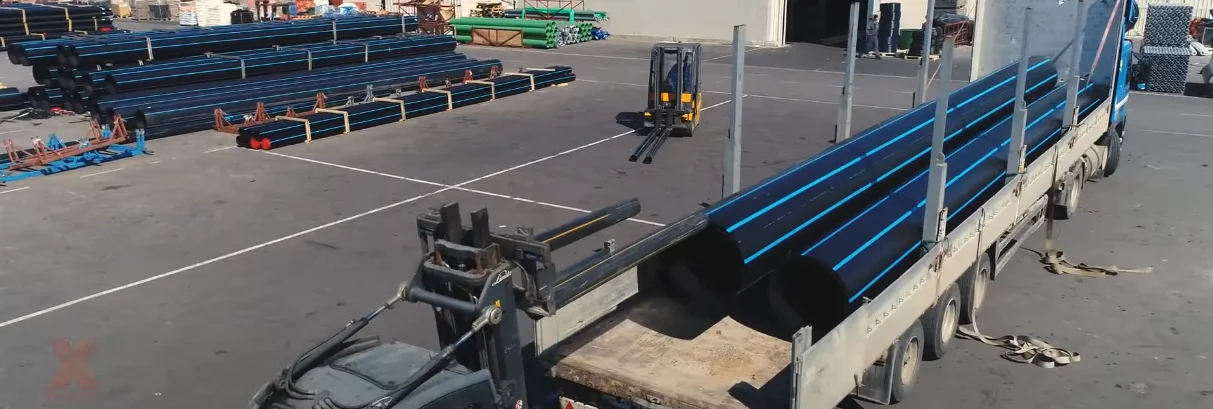
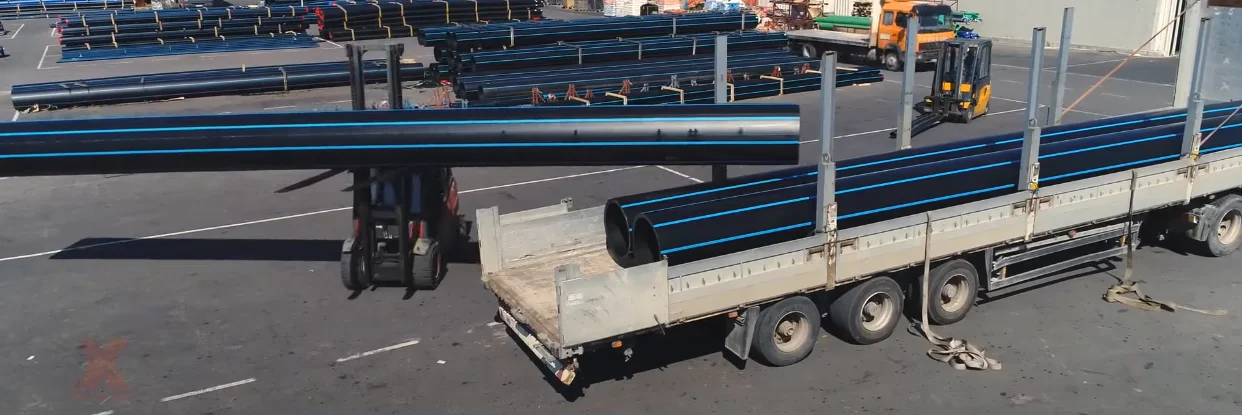
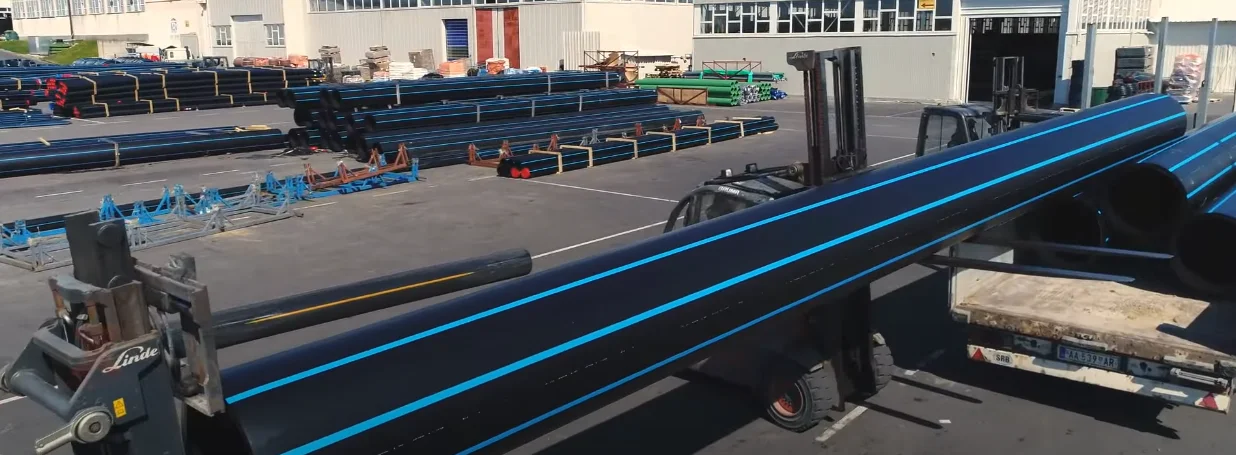
Proper unloading equipment and techniques are essential to avoid gouging, crushing, or puncturing pipes. Delivery trucks should be parked on level ground before unloading begins. Depending on shipment size, appropriate equipment may include forklifts with lifting tongs or lifting gear with wide web choker slings.
Critical rules for unloading include:
Never use chains, wires, or hooks directly on pipes—these can cause severe surface damage. Chains or wire ropes may only be used if suitably padded.
Pipes should never be rolled or pushed off a truck. Unloading by pulling out side stakes and allowing pipes to roll off trailers is strictly prohibited.
Each pipe length should be handled individually during loading and unloading.
Piping components must never be dropped or set on sharp objects.
For lifting: short sections up to 3 meters may be lifted with at least one 100mm-wide canvas or nylon sling; longer sections up to 12 meters require a spreader bar and two 100mm-wide nylon slings.
Forklift trucks should not be used to load and unload polyethylene pipes except where coils are neatly stacked on pallets or provided with slings.
III. Storage: Preserving Pipe Performance
Once unloaded, pipes may not be ready for immediate installation. Proper storage is paramount to maintaining their structural integrity and performance characteristics.
Site Selection and Preparation
Storage areas should have a relatively smooth, level surface, free of stones, debris, or other materials that could damage pipes. Where adequate ground conditions do not exist, pipes may be placed on planking evenly spaced along their length. Staging areas should be out of the way of construction traffic.
Stacking Guidelines
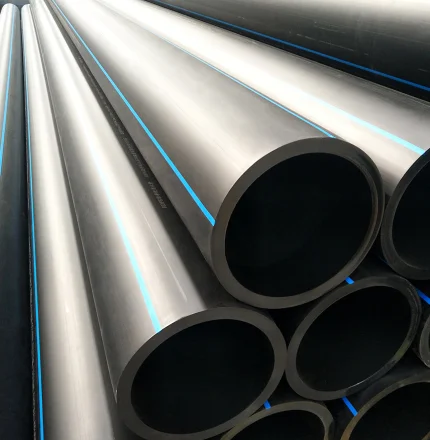
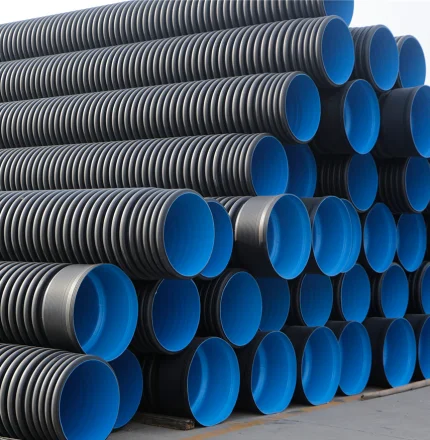
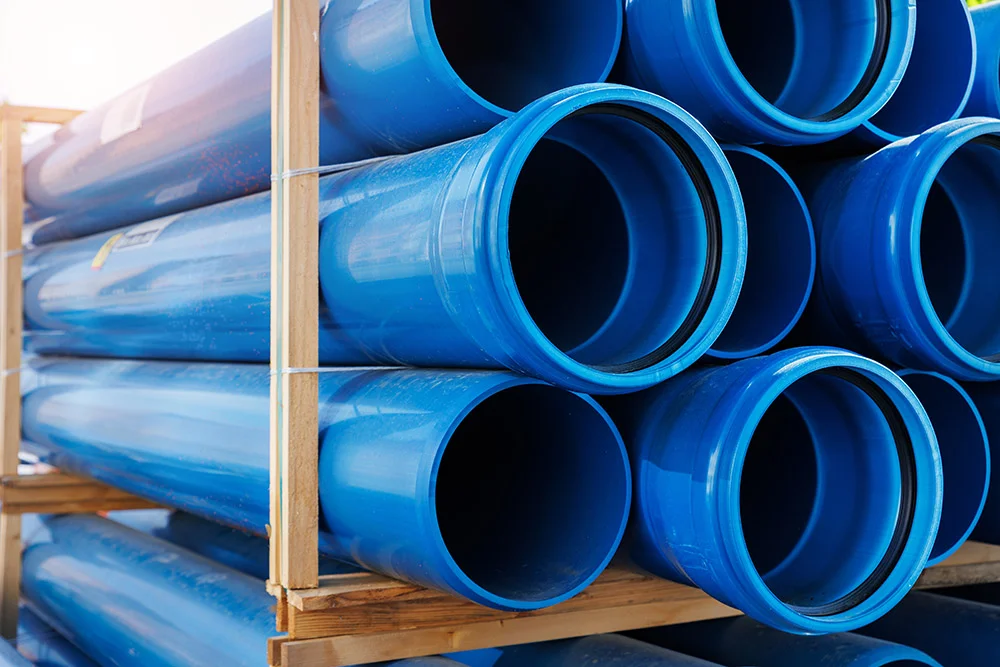
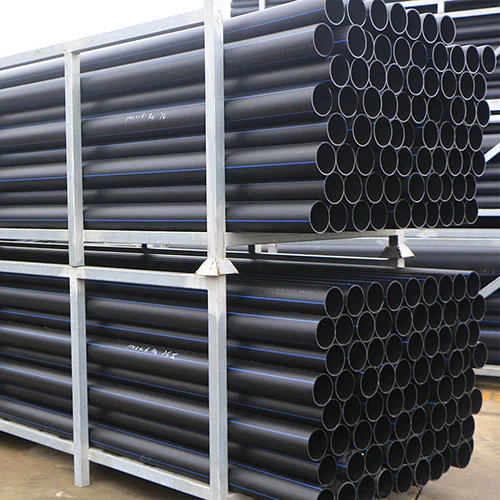
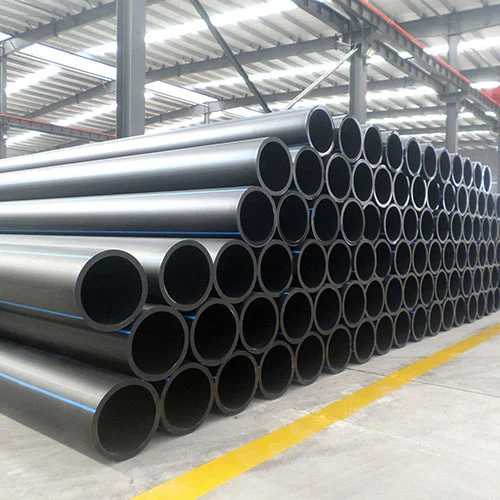
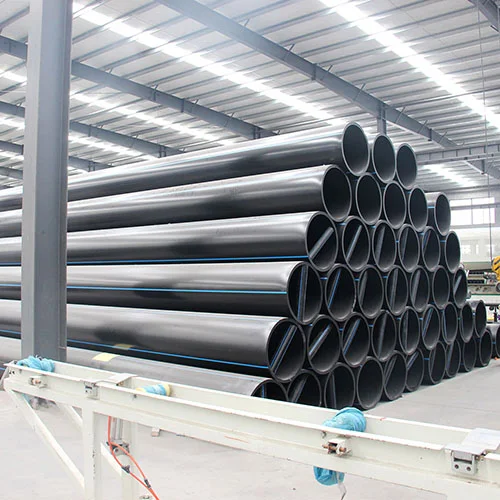
HDPE and PVC pipes should be stacked according to size, and each stack should not exceed a maximum height that could lead to pipe damage or worker injury. For long-term storage exceeding three months, the maximum free height should not exceed 1.5 meters. The heaviest pipes should be placed on the bottom.
Key stacking practices include:
Pipes with bell ends should be stored with bell ends in alternate directions to avoid contact and possible damage.
Spacer stripping should be used as both supports and separators between pipe layers to prevent rubbing or chafing.
Horizontal supports of approximately 75mm width should be spaced no more than 1.5 meters center-to-center beneath pipes.
Vertical side supports should be provided at intervals of 3 meters along rectangular pipe stacks.
Pipes should be blocked or strapped to prevent rolling or falling.
Environmental Considerations
Temperature and UV exposure are critical factors. HDPE pipes should ideally be stored in warehouses or simple sheds with good ventilation and temperatures not exceeding 40°C. If outdoor storage is unavoidable:
Pipes should be shielded from direct sunlight. UV radiation can cause PVC to degrade.
Black HDPE pipe containing more than 2% carbon black resists sunlight damage indefinitely. Non-black products should remain in unprotected outdoor storage for no more than two years.
If pipes must be stored in direct sunlight for more than one year, cover them with breathable material such as hessian—never with black plastic, which can trap heat and raise temperatures within the stack.
Pipes should not be stored close to heat sources, heaters, boilers, steam lines, engine exhaust, or reflective metal fences that may concentrate heat.
Pipes must be kept away from contact with oils, acids, alkalis, salts, or reactive chemicals.
IV. Transportation from Port to Project Site
When moving pipes from the port to the final project site, similar precautions apply. Flatbed vehicles with appropriately spaced side supports (approximately 2 meters apart) should be used. Pipes should be placed on flat, padded surfaces with no sharp edges nearby.
During transit:
Pipes must be well secured and supported.
Non-metallic ties should be used to secure pipes.
Sunshades or waterproof covers should protect against sunlight and rain exposure.
Pipes should be firmly tied so that sockets cannot rub together.
Care should be taken to avoid point loads—sharp objects or edges should never contact pipes.
V. SIFFO's Protective Measures: What the Manufacturer Delivers
While detailed proprietary information about SIFFO's specific packaging processes is limited in public documentation, the industry standards that SIFFO follows—backed by its ISO, WRAS, and SGS certifications—provide clear insight into the protective measures implemented before pipes leave the factory.
End Protection
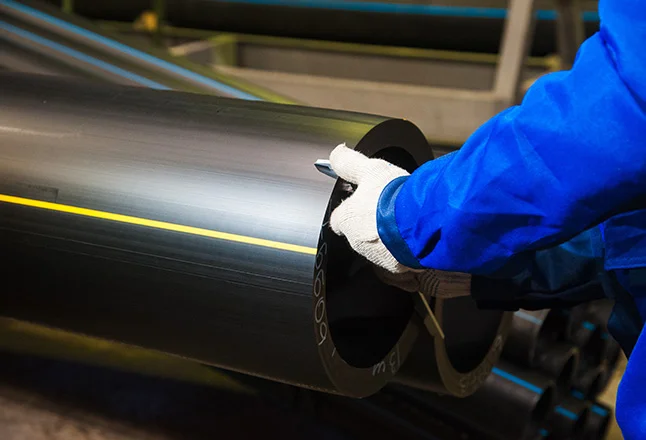
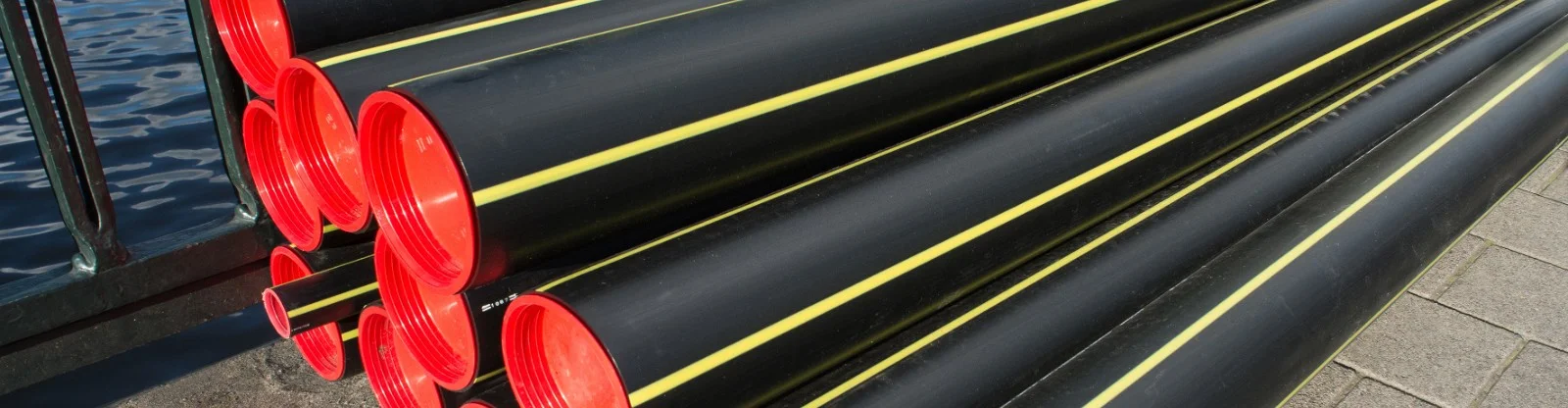
Pipe sockets, spigots, and plain ends are protected by suitable wrapping prior to transportation. End protection typically consists of purpose-made one-piece polymer caps, such as polyethylene caps, which fit tightly over pipe ends and remain in place until the pipe is ready to be joined.
Packaging and Bundling
PVC pipes are commonly bundled using polyethylene shrink film, which offers good protection against scratches and moisture. Strapping, shrink wrapping, and specialized packaging frames are employed to prevent damage during transportation and storage. Bundles are tightly secured to avoid gaps between pipes that could lead to movement.
For palletized shipments, wooden pallets complying with industry standards such as ISPM-15 are used—constructed of durable hardwood treated against moisture and pests. Pipes are placed horizontally on pallets with ends supported to prevent bending or cracking.
Pipe Preparation for Shipping
HDPE pipes are transported in accordance with manufacturers' written instructions. Coiled HDPE pipe is placed on reels for shipping, with only one segment per reel—no joining of lengths on a single coil is permitted. Pipe ends are squarely cut and covered with suitable covering to prevent dust or water entry, adequately secured for shipment.
Pipes are packed on flat rack containers, stacked in bundles based on size, and strapped onto pallets. Spacer stripping is used as both supports and separators between pipe layers. Suitable tie-downs such as nylon straps secure the stacks. Nesting smaller pipes inside larger pipes is not permitted.
Fittings Protection
All fittings are transported in crates or boxes, with flange faces protected by timber sheet or similar materials. Fittings are packed to allow instant use on site without additional cleaning. Electro-fusion fittings are packed in transparent protective bags and then in carton boxes. All crates and boxes are clearly, legibly, and indelibly marked.
A Shared Responsibility
SIFFO's comprehensive protective measures—from end caps and shrink wrapping to palletized bundling and reel shipping—ensure that HDPE and PVC pipes leave the factory in optimal condition. However, the journey across oceans and overland introduces numerous risks that only careful handling, proper storage, and diligent transportation practices can mitigate.
International buyers who follow established receiving, unloading, storage, and transportation protocols protect their investment and ensure that the pipes perform as designed for their intended service life—typically 50 years or more under normal conditions. The partnership between manufacturer and buyer, built on shared commitment to quality and care throughout the supply chain, is the ultimate guarantee of pipeline integrity.
For further information on SIFFO's product range and specifications, buyers are encouraged to consult the company's official documentation and certification portfolio, which includes ISO, WRAS, and SGS assessments.