

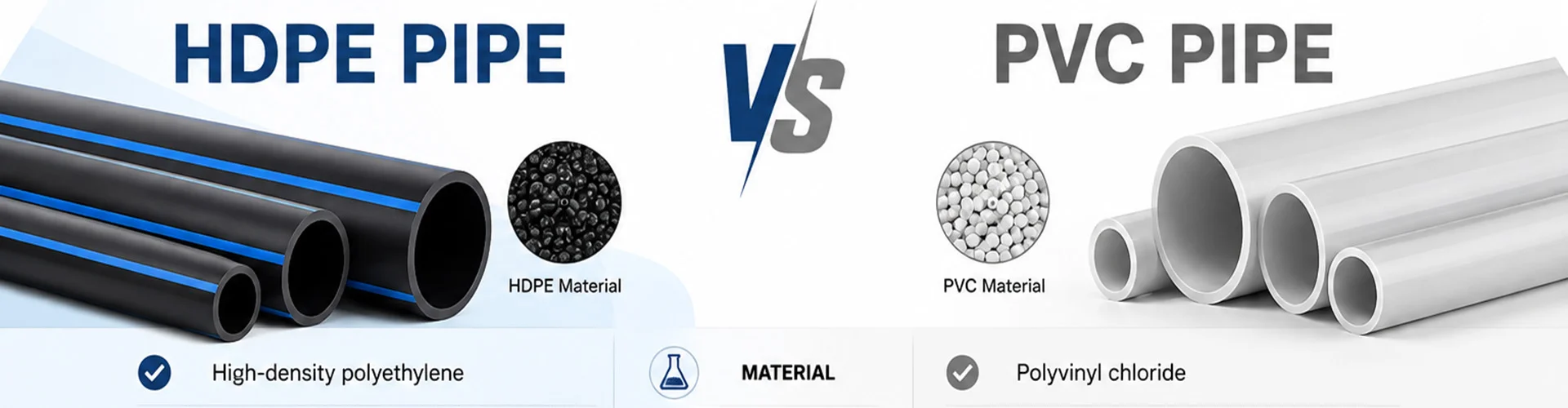
In modern pipeline engineering, selecting the right material is critical to ensuring system performance, longevity, and cost efficiency. Among the most widely used plastic piping materials are HDPE (High-Density Polyethylene) pipes and PVC (Polyvinyl Chloride) pipes. Both offer distinct advantages depending on the application.
This article provides a comprehensive comparison of HDPE and PVC pipes from key perspectives such as material properties, installation methods, service life, and cost, and helps determine which applications are best suited for each.
▎1. Material Performance Comparison
HDPE Pipe Performance
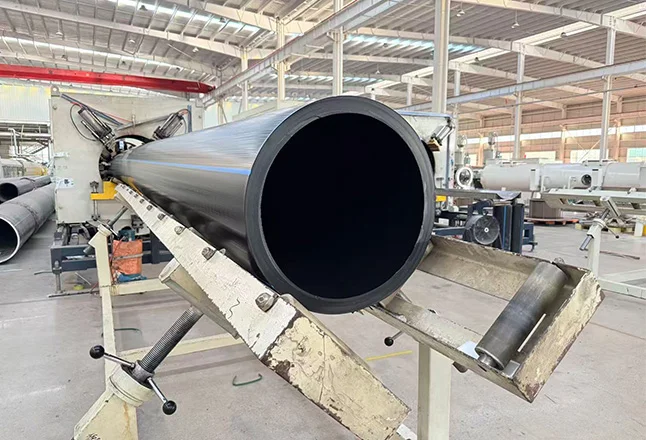
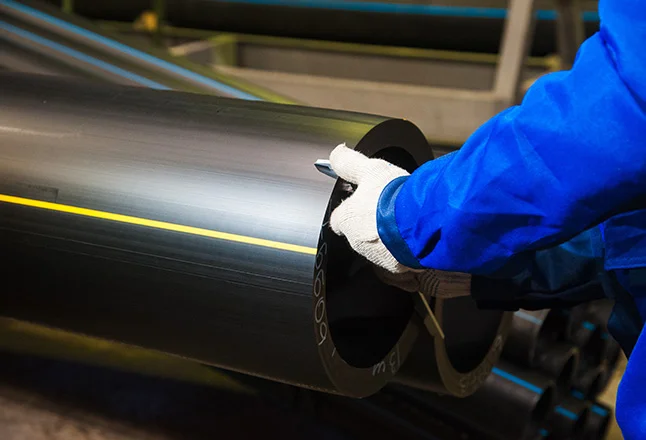
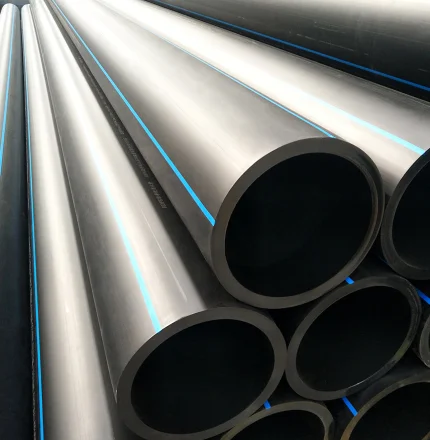
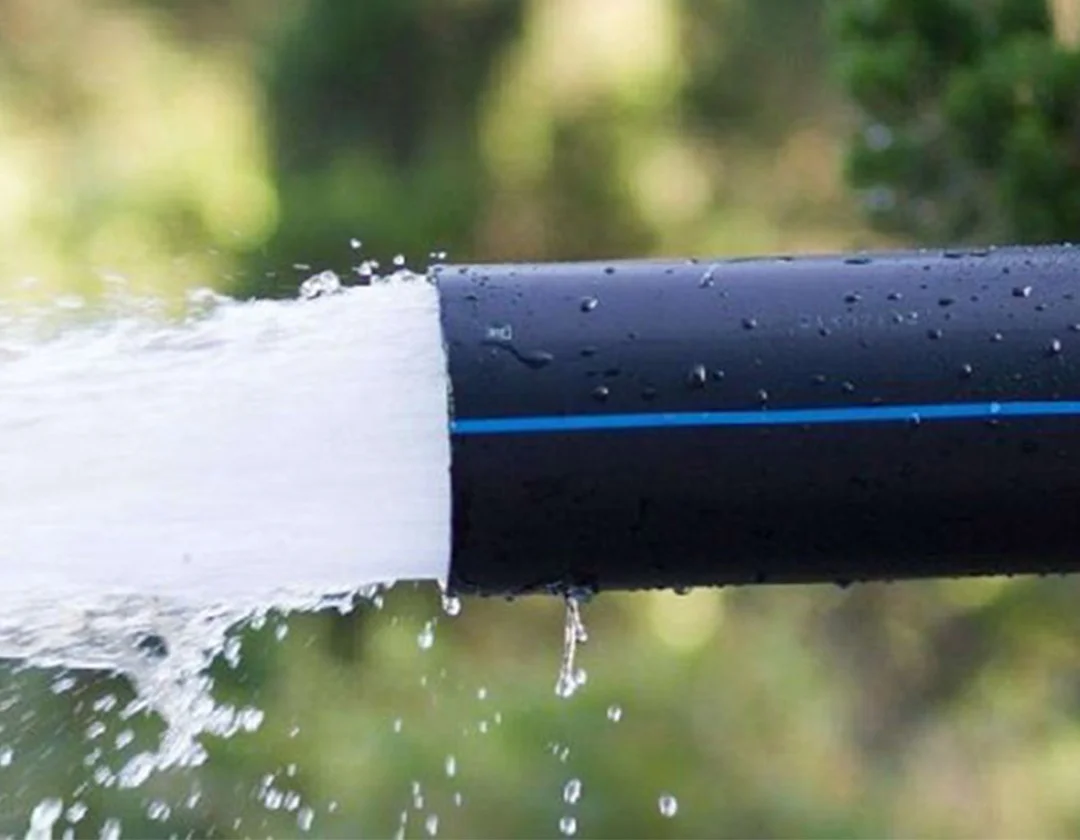
HDPE pipes are known for their flexibility, toughness, and excellent resistance to environmental stress.
Key advantages:
High impact resistance and flexibility (ideal for seismic or shifting soils)
Excellent chemical resistance (suitable for industrial and wastewater systems)
Strong resistance to cracking (especially PE100 and PE100RC grades)
Smooth inner wall reduces friction and improves flow efficiency
PVC Pipe Performance
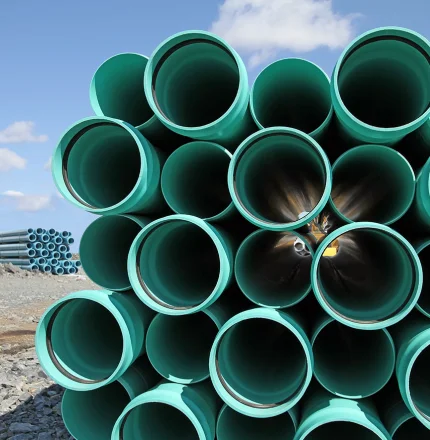
PVC pipes are rigid and offer high strength under pressure.
Key advantages:
High stiffness and structural strength
Good corrosion resistance
Lower thermal expansion compared to HDPE
Smooth internal surface ensures efficient fluid flow
Limitations:
Brittle under low temperatures or impact
Less flexible compared to HDPE
▎2. Installation Comparison
HDPE Pipe Installation
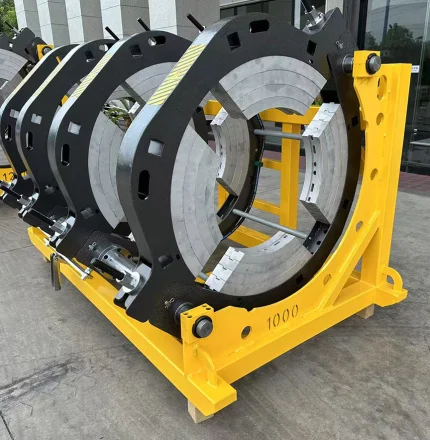
HDPE pipes are typically installed using:
Butt fusion welding
Electrofusion welding
Advantages:
Creates a leak-free, fully integrated pipeline system
Excellent for long-distance pipelines
Suitable for trenchless installation (HDD, pipe bursting)
Disadvantages:
Requires specialized equipment and skilled technicians
Higher initial installation cost
PVC Pipe Installation
PVC pipes are commonly installed using:
Solvent cement (glue) joints
Rubber ring (push-fit) connections
Advantages:
Simple and fast installation
Lower labor and equipment requirements
Ideal for small to medium projects
Disadvantages:
Joints may weaken over time
Higher risk of leakage compared to welded HDPE systems
▎3. Lifespan Comparison
HDPE Pipe Lifespan
Typical lifespan: 50–100 years
Resistant to:
UV (with additives)
Chemical corrosion
Ground movement stress
HDPE pipes maintain performance even under harsh conditions, making them ideal for long-term infrastructure.
PVC Pipe Lifespan
Typical lifespan: 30–50 years
Susceptible to:
UV degradation (unless protected)
Brittleness over time
Joint failure in dynamic environments
▎4. Cost Comparison
HDPE Pipe Cost
Material cost: Higher than PVC
Installation cost: Higher (requires welding equipment)
Maintenance cost: Lower due to leak-free system and durability
Best suited for projects where long-term reliability outweighs upfront cost
PVC Pipe Cost
Material cost: Lower
Installation cost: Lower
Maintenance cost: Moderate (due to potential joint issues)
Ideal for budget-sensitive and short-to-medium term projects
▎5. Application Scenarios: HDPE vs PVC
Applications Where HDPE Pipe is Better
HDPE pipes are preferred in:
Municipal water supply systems (especially large diameter pipelines)
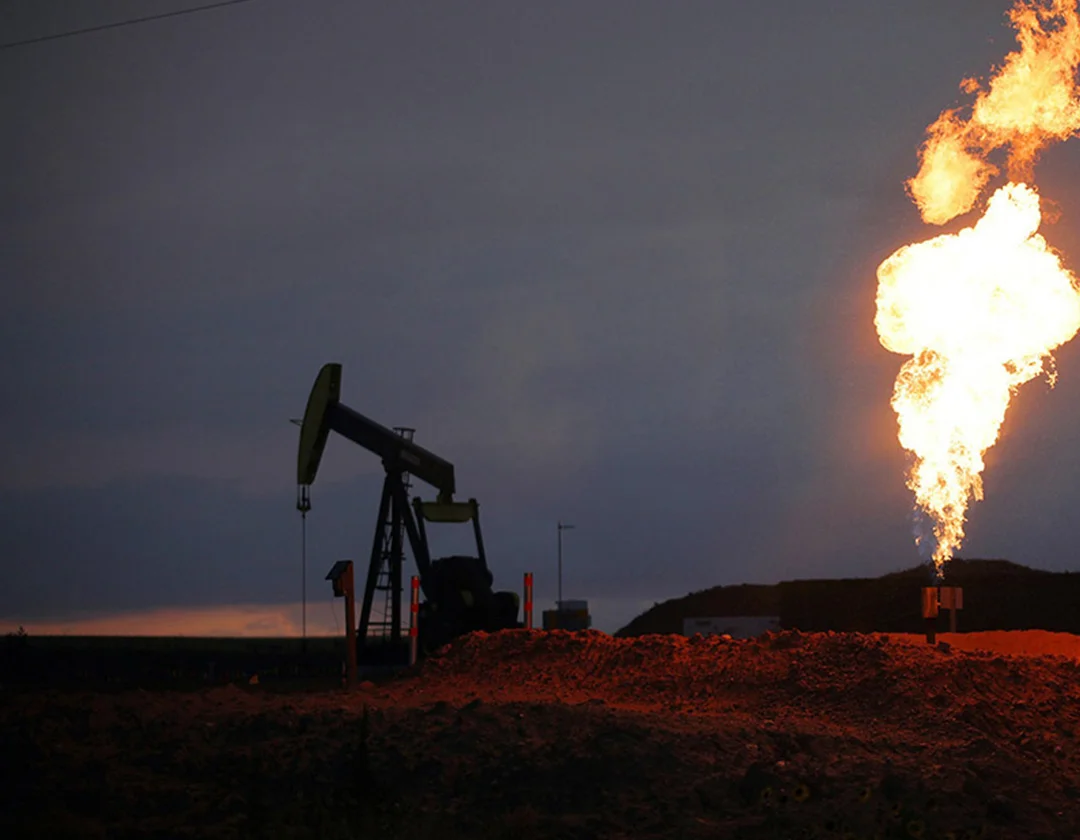
Gas distribution networks (high safety requirements)
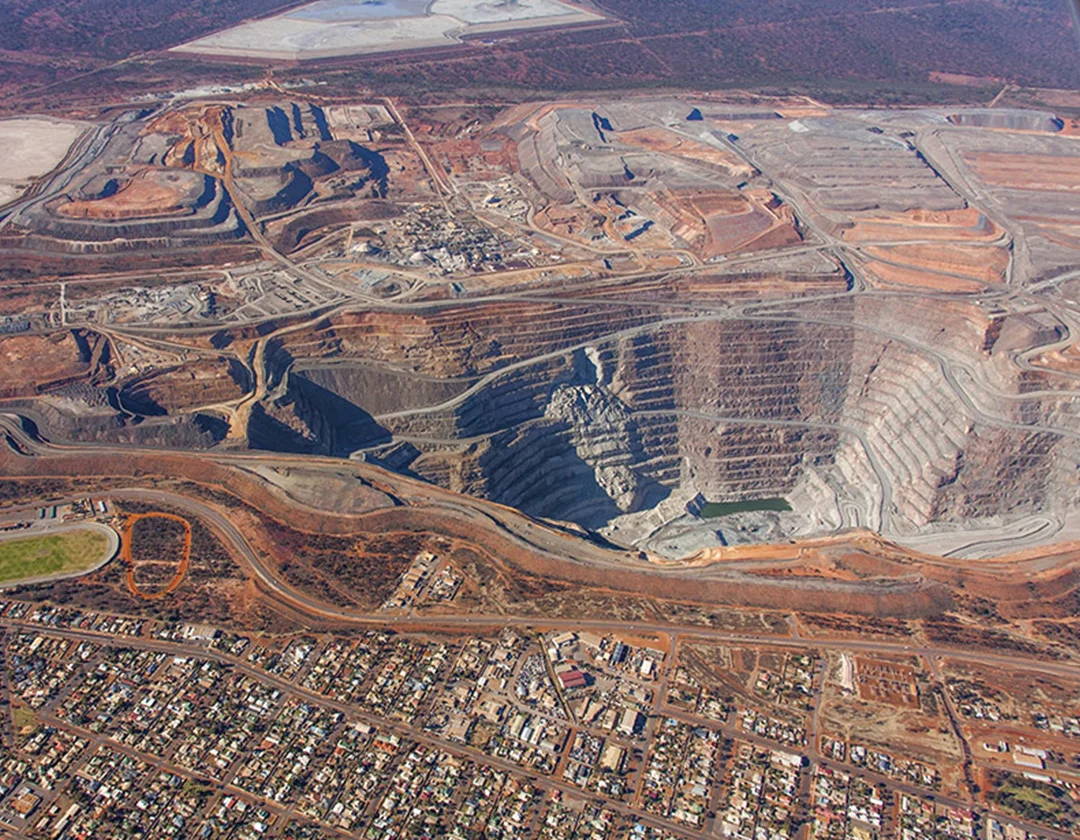
Industrial pipelines (chemical transport, mining slurry)
Trenchless projects (HDD, directional drilling)
Seismic or unstable soil areas
Long-distance pipeline systems
Why HDPE?
Leak-free joints
Flexibility
Superior durability
Applications Where PVC Pipe is Better
PVC pipes are more suitable for:
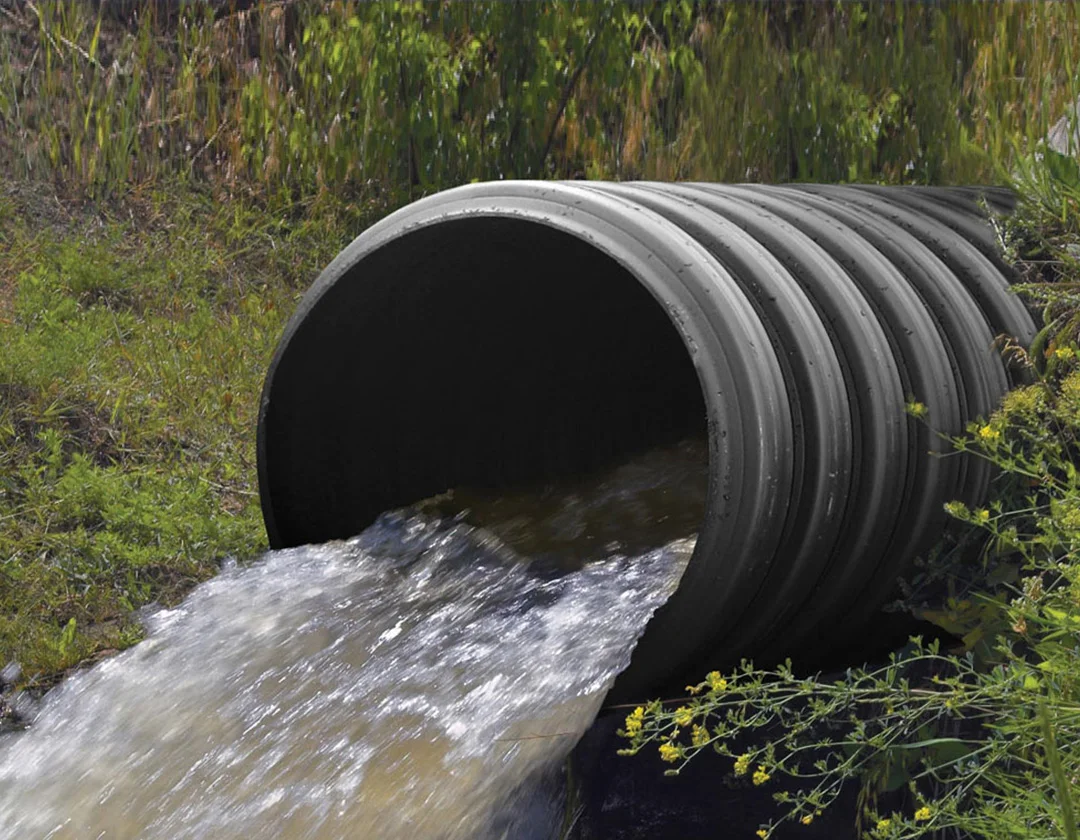
Urban drainage and sewage systems
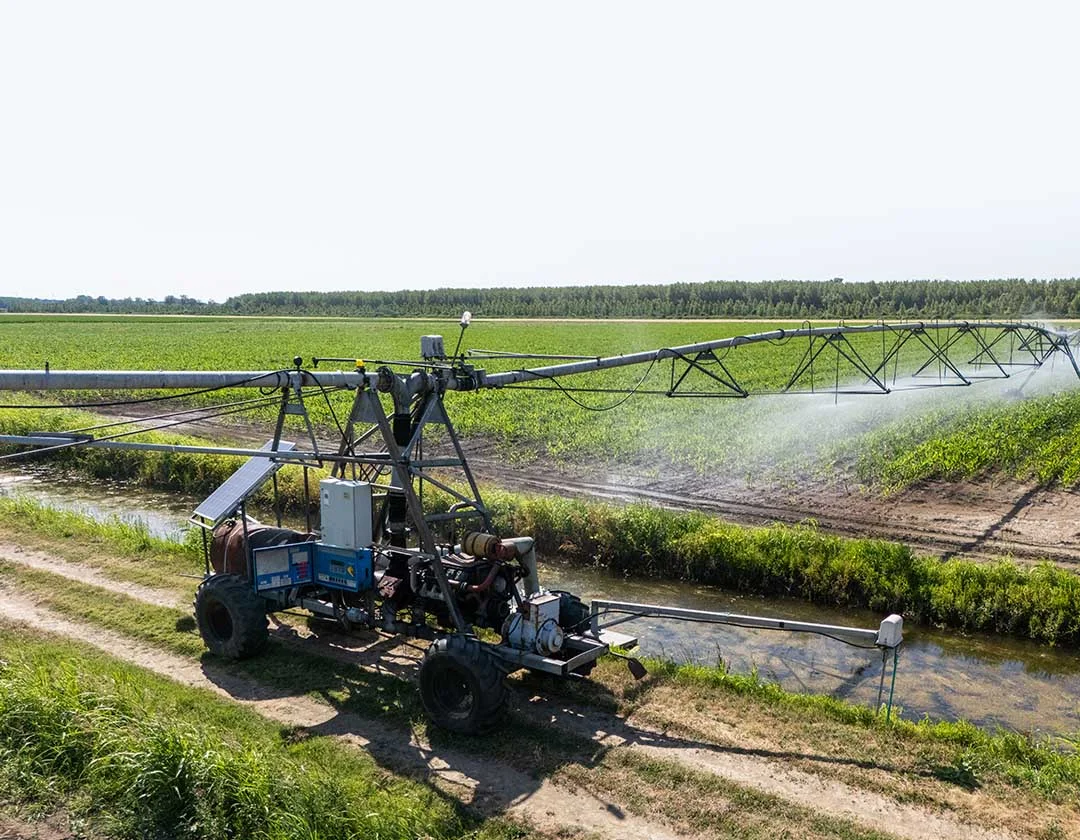
Agricultural irrigation systems
Low-pressure water supply
Building plumbing systems
Short-distance pipeline networks
Why PVC?
Lower cost
Easy installation
Adequate performance for stable environments
▎6. Summary: Which One Should You Choose?
Factor | HDPE Pipe | PVC Pipe |
Flexibility | Excellent | Low |
Strength | High (flexible strength) | High (rigid strength) |
Installation | Complex (fusion welding) | Simple (glue/rubber ring) |
Lifespan | 50–100 years | 30–50 years |
Cost | Higher upfront | Lower upfront |
Leak Risk | Very low | Moderate |
Best Use Cases | Gas, water, industrial, long-term | Drainage, irrigation, buildings |
▎Conclusion
Both HDPE and PVC pipes play vital roles in modern pipeline systems. The choice depends on your project requirements, environmental conditions, budget, and expected service life.
Choose HDPE pipes for high-performance, long-term, and critical infrastructure projects.
Choose PVC pipes for cost-effective, easy-to-install, and less demanding applications.
For large-scale municipal or industrial projects, HDPE often delivers better lifecycle value, while PVC remains a practical solution for general-purpose applications.