
Overview of the South African PVC Pipe Market
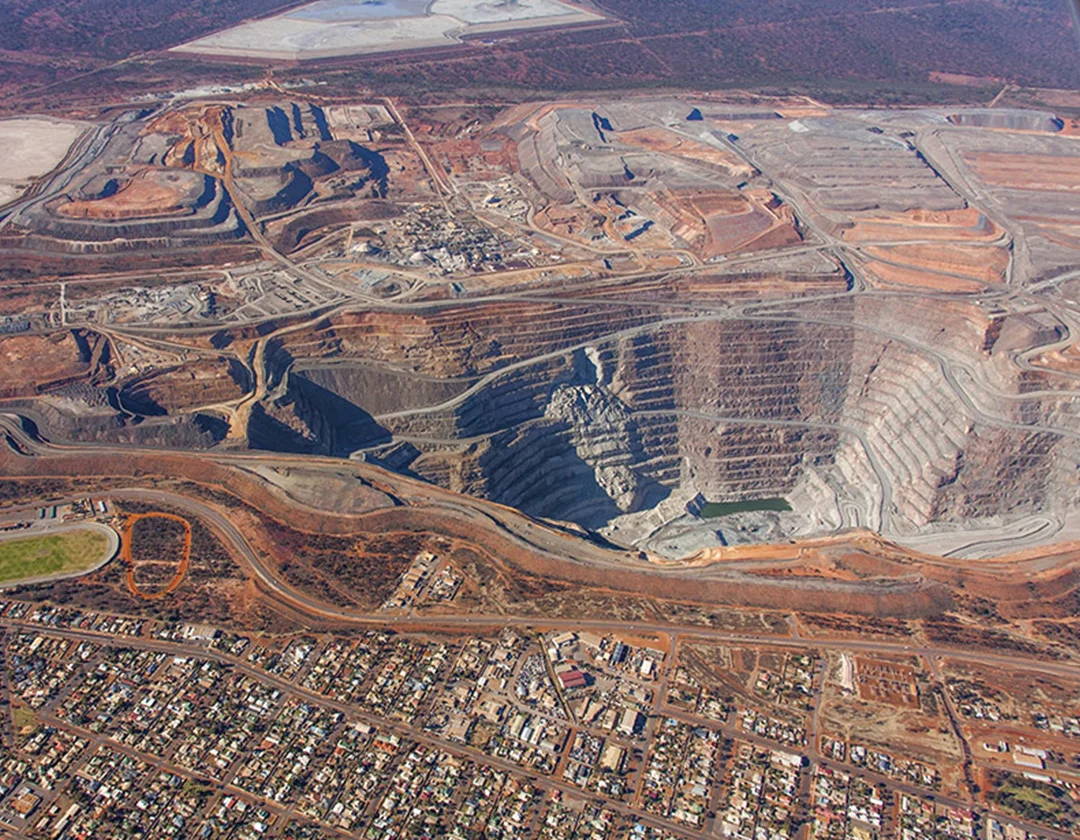
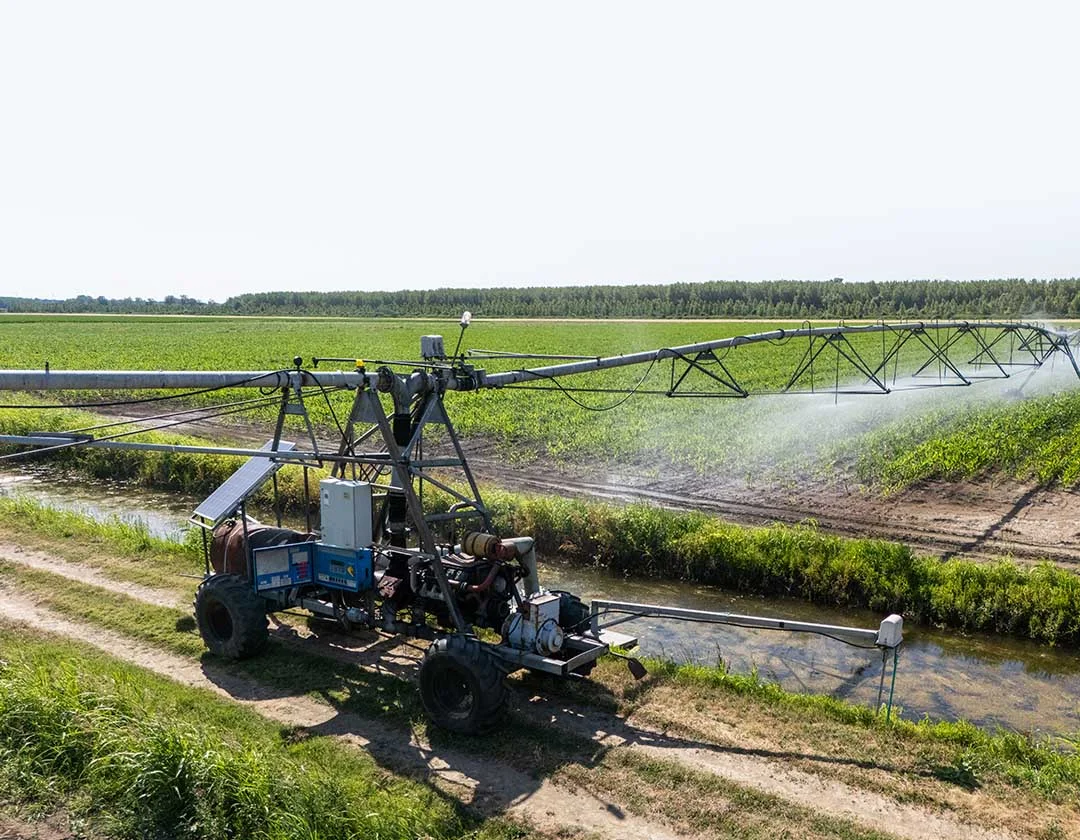
South Africa is one of the largest PVC pipe markets on the African continent, with PVC pipes widely used in sectors such as municipal water supply and drainage, agricultural irrigation, mining, construction, and telecommunications. According to market research data released in 2023 by the Southern African Plastic Pipe Manufacturers Association (SAPPMA), South African manufacturers utilized 57,800 tonnes of locally produced PVC polymer and 23,000 tonnes of imported PVC polymer to produce pipes and fittings that year; additionally, 1,700 tonnes of finished pipe products were directly imported. The total volume of PVC products destined for local use was approximately 83,000 tonnes.
Demand for PVC pipes in the South African market is concentrated primarily in the 125mm to 500mm diameter range. Geographically, demand is centered in Gauteng, KwaZulu-Natal, and the Western Cape, closely aligning with patterns of economic activity and population density. South Africa is a net importer of PVC pipes, with imports serving to supplement local production capacity.
Major Local PVC Pipe Suppliers in South Africa
South Africa’s local PVC pipe manufacturing industry is well-established; the following are the key local suppliers:
1. Sizabantu Piping Systems
Established in 2002, the company has grown into a leader in the Southern African plastic piping industry. Headquartered in KwaZulu-Natal, it operates 11 branches across Southern Africa. Its product range includes innovative TOM500 PVC-O, uPVC, mPVC, sewer pipes, high-impact pipes, and HDPE fittings, with diameters ranging from 50mm to 500mm. Sizabantu operates a production facility in the Richards Bay Industrial Development Zone through a joint venture with the Spanish company Molecor.
2. Flo-Tek
Flo-Tek is the largest plastic pipe manufacturer in Southern Africa, with operations spanning South Africa, Angola, Namibia, and Zambia. The company specializes in manufacturing PVC, CPVC, and HDPE pipes and fittings and holds ISO 9001 certification. Its client base includes government departments, municipalities, mining companies, and construction firms.
3. DPI Plastics
Established in 1986, DPI Plastics is a leading South African manufacturer of PVC and HDPE piping systems for water supply and drainage. The company operates a factory in Johannesburg and holds ISO 9001 quality management system certification. It is the only company in the Southern Hemisphere capable of manufacturing large-diameter (630mm) PVC pipes.
4. Marley Pipe Systems
A leading manufacturer of plastic piping for construction and plumbing applications in sub-Saharan Africa. The company employs over 880 people and operates production facilities in Nigel (Gauteng) and Port Shepstone (KwaZulu-Natal). Its product portfolio includes drainage systems, rainwater systems, hot and cold water piping systems, HDPE pressure pipes, PVC pressure pipes, and uPVC sewer pipes.
5. Astore Keymak
A leading South African supplier of thermoplastic piping systems, valves, and irrigation solutions. The company operates a factory in Randfontein producing flexible PVC hoses. It is also a market leader in South Africa for brands such as Italy’s Unidelta (compression fittings) and FIP. 6. Agrico
A PVC pipe manufacturer based in Bellville, Cape Town, with an annual production of over 3,000 kilometers of PVC pipe, supplying a full range of uPVC products.
Comparative Analysis: Locally Produced vs. Imported PVC Pipes
Advantages of Locally Produced PVC Pipes
1. Compliance with Standards and Certification Assurance
Local South African manufacturers strictly adhere to SANS standards established by the South African Bureau of Standards (SABS), such as SANS 966-1 (PVC-U), SANS 966-2 (PVC-M), and SANS 16422 (PVC-O). Pipe products bearing the SAPPMA certification mark have undergone independent testing and contain no recycled material. This is particularly important for government public project tenders, as South African regulations require PVC piping to be SABS-certified before it can be marketed.
2. Technical Support and After-Sales Service
Local companies offer timely on-site technical support, guidance on product selection, and after-sales services. For instance, Sizabantu maintains a dedicated team to assist with material selection and provides R&D support tailored to the civil engineering and irrigation sectors.
3. Supply Chain Responsiveness
Local production translates to shorter lead times and reduced transportation risks, making it an ideal choice for projects with tight schedules.
Disadvantages of Locally Produced PVC Pipes
1. Higher Costs
The competitiveness of South Africa's local PVC conversion industry is only average, primarily because the price of PVC raw materials in the country is approximately 20% higher than in low-cost nations like Saudi Arabia. This directly drives up the production costs of local piping.
2. Limitations on Product Specifications
Local manufacturers face certain limitations regarding large-diameter pipes. For example, the maximum diameter for locally produced PVC pipes is typically 600mm, whereas the international market offers sizes up to 1,200mm. Although DPI Plastics is now capable of producing 630mm pipes, the range of local products in the ultra-large diameter category remains limited overall.
3. Product Line Diversity
Compared to major global manufacturers, local companies offer a relatively limited range of products, particularly regarding specialized piping and high-end fittings.
Advantages of Imported PVC Piping
1. Price Competitiveness
Imported products—particularly those from China—enjoy a significant price advantage due to economies of scale. Although South Africa imposes a 15% tariff on imports such as PVC fittings, these products remain price-competitive in standard and low-to-mid-range specifications.
2. Wider Range of Specifications
Imports offer a broader selection of specifications, pressure ratings, and pipes designed for specialized applications.
3. Technical Diversity
Products from various countries often incorporate different technical approaches and manufacturing processes, providing buyers with a wider range of options.
Disadvantages of Imported PVC Piping
1. Certification Requirements
Imported piping entering the South African market must obtain SABS certification. Uncertified products may face fines or sales bans, and the certification process entails both time and cost.
2. Supply Chain Risks
Cross-border transport involves uncertainties such as shipping lead times and customs clearance delays, which can impact project schedules.
3. Limited After-Sales Support
Compared to local companies, importers typically have more limited capabilities regarding local after-sales service and on-site technical support.
Key Sources of PVC Pipe Imports
South Africa sources its PVC pipe imports from a diverse range of locations. According to data from the Department of Trade, Industry and Competition (DTIC), import sources include European nations such as the UK, Italy, Germany, and Spain, as well as China, which has seen rapid growth in recent years.
Specific trade data for 2024 shows that South Africa imported 164,190 kg of rigid polymer pipes (HS Code 391721) and 1,268,630 kg of other pipes (HS Code 391739) from China.
China is the primary source of South Africa's PVC pipe imports, holding a dominant position—particularly in the standard and low-to-mid-range product segments. Additionally, a certain volume of pipe products enters the South African market from neighboring African countries, such as Botswana.
Key Advantages of Importing PVC Pipes from China
1. Price Competitiveness
China is the world's largest producer of PVC pipes, accounting for approximately 54% of global output. Chinese manufacturers offer highly competitive prices thanks to comprehensive industrial chains, economies of scale, and mature extrusion technology. Industrial clusters in regions such as Henan, Zhejiang, and Guangdong have established complete supply chains extending from raw materials to finished products.
2. Production Capacity and Supply Stability
China's PVC pipe industry possesses immense production capacity, enabling it to fulfill large-scale orders. It maintains a stable supply capability even when faced with sudden, massive procurement demands from the South African market.
3. Extensive Product Range
Chinese manufacturers offer a full spectrum of products—ranging from small-diameter conduits to large-scale water transmission pipes—covering various materials (such as uPVC, PVC-M, and PVC-O) and pressure ratings to meet diverse engineering requirements.
4. Growing Awareness of Certification
An increasing number of Chinese pipe manufacturers recognize the importance of South Africa's SABS certification and are actively pursuing it for their products. Certified Chinese products face no barriers regarding legal compliance or project market access.
5. Mature Logistics Systems
Well-established shipping routes connect major Chinese ports with South African ports such as Durban and Cape Town, ensuring relatively predictable transit times.
About Shandong Siffo Plastic Technology Co., Ltd.
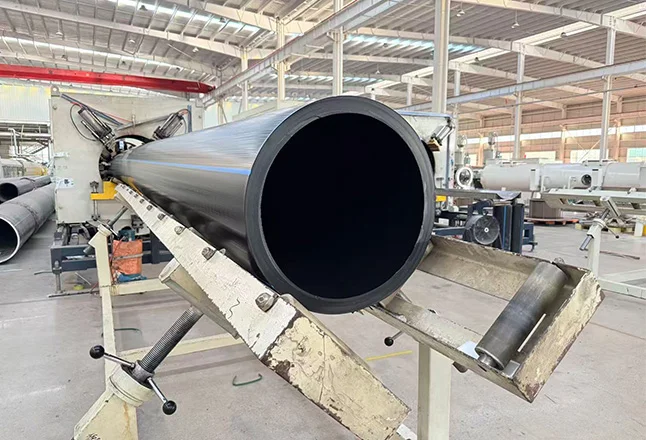
Shandong Siffo Plastic Technology Co., Ltd. is a specialized supplier of HDPE and PVC pipes and fittings. Headquartered in Linyi City, Shandong Province, the company operates a manufacturing facility established in 2000 and possesses over 20 years of experience in production and sales.
The company’s plastic piping business encompasses three major product series—PVC, PE, and PP—featuring a portfolio of more than 40 product varieties and over 5,000 specifications. Its products are widely used in municipal and building water supply and drainage, agricultural irrigation, municipal sewage systems, protective conduits for telecommunications and power infrastructure, and industrial fluid transport. PVC piping products account for more than 56% of the company's core business revenue.
The company has built a strong foundation in technological innovation and holds proprietary patented technologies, such as an "expansion joint for PVC building drainage pipes." Furthermore, it served as the lead drafter for the Shandong provincial group standard for PP power conduits and participated in the formulation of national standards for PVC-O pipes and non-metallic smart piping systems.
pvc pipe suppliers in Gauteng
Gauteng’s water crisis has made headlines repeatedly in recent years, with aging infrastructure and widespread leaks draining nearly half of the province’s treated water supply. As municipalities and developers search for durable, cost-effective solutions, the choice of piping materials has never been more critical. SIFFO—a trusted provider of high-quality PVC piping systems offering a comprehensive range of diameters from 140mm to 355mm, designed to meet the rigorous demands of modern water supply networks.
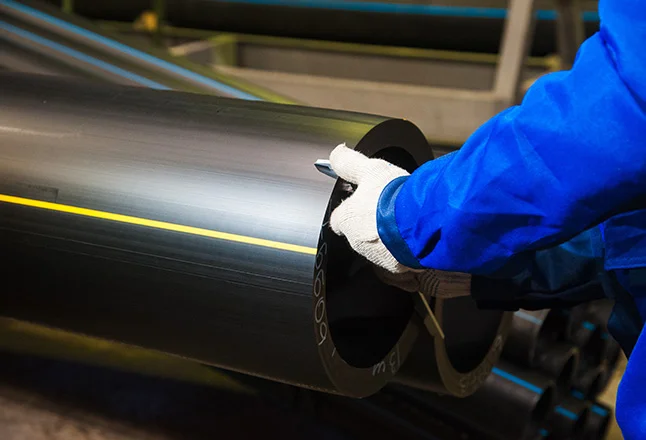
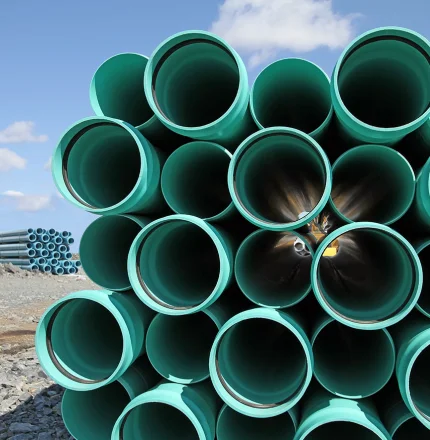
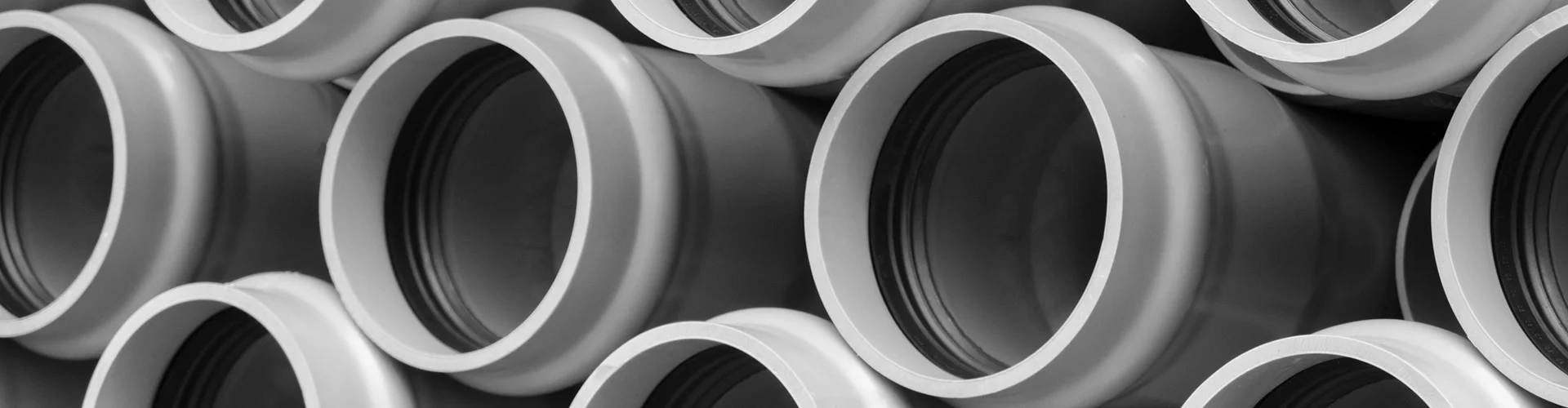
SIFFO’s PVC-U (unplasticized polyvinyl chloride) pressure pipe system is purpose-built for water supply applications. The product range includes乳白色 (off-white/cream-coloured) pipes in diameters of 140mm, 200mm, and 355mm, along with a full suite of matching fittings. This tiered sizing approach allows for efficient network design: the 355mm diameter pipes serve as the primary mains, while the 200mm and 140mm pipes function as branch lines—a configuration that optimises both flow distribution and material costs.
Quality assurance is paramount in water infrastructure, and SIFFO’s pipes are manufactured in accordance with ISO 4422, the international standard for pipes and fittings made of unplasticized poly(vinyl chloride) (PVC-U) for water supply. This standard covers everything from material properties and dimensional tolerances to the fitness-for-purpose of complete piping systems comprising pipes, joints, fittings, and auxiliaries. ISO 4422 certification ensures that these pipes are suitable for buried water mains, above-ground water supplies, and both indoor and outdoor installations. The pipes are intended for the conveyance of cold water under pressure at temperatures up to 20°C, with applicability extending to water up to 45°C.
The connection method is a critical factor in any piping system’s long-term performance. SIFFO employs rubber ring jointing (also known as gasketed or push-fit joints) for these pipes. This connection system offers several distinct advantages:
Installation efficiency: Rubber ring joints are simple and quick to assemble, requiring no special tools or curing time—unlike solvent cement joints.
Leak-tight sealing: The elastomeric ring creates a reliable, watertight seal that accommodates minor pipe movements and settlements.
Flexibility: The joint allows for angular deflection, making it ideal for uneven terrain common in many parts of Gauteng.
Maintenance-friendly: Joints can be easily disassembled if repairs or modifications are needed.
Operating at a working pressure range of 8 to 12 kilograms per square centimetre (approximately 8–12 bar or 0.8–1.2 MPa) , these pipes are well-suited for municipal water distribution networks. This pressure rating ensures reliable performance across a wide range of applications, from residential supply lines to larger commercial and industrial installations. For context, this range comfortably covers the typical operating pressures found in South African municipal water systems.
As Gauteng continues to grapple with water losses and the need for infrastructure renewal, the adoption of high-quality, standards-compliant piping systems is non-negotiable. SIFFO’s PVC-U range—with its 355mm mains, 200mm and 140mm branch lines, ISO 4422 certification, rubber ring joints, and 8–12 bar pressure rating—offers a compelling solution for engineers, contractors, and municipal planners alike.