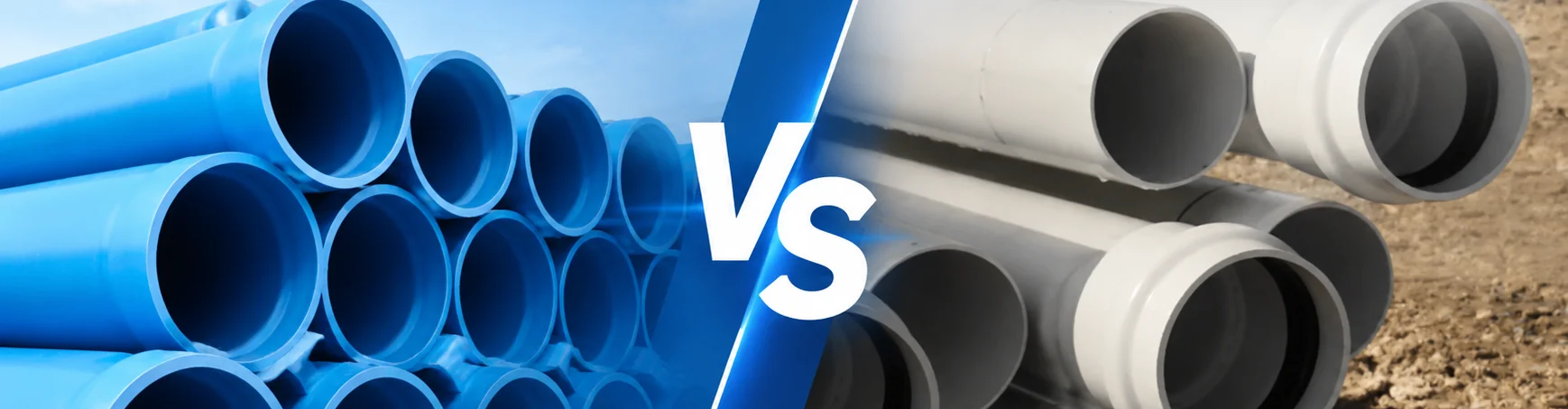
When selecting polyvinyl chloride (PVC) piping for water supply, drainage, or irrigation projects, global buyers increasingly face a choice between PVC-U (Unplasticised PVC) and PVC-M (Modified PVC). While both materials share PVC's inherent chemical resistance and durability, their mechanical properties, cost structures, and ideal use cases differ significantly.
This guide breaks down the technical distinctions between PVC-M and PVC-U, analyzes their price-performance ratio, and provides practical sourcing advice for international buyers looking to procure these materials from Chinese manufacturers.We’ll also review Shandong SIFFO Plastic Technology Co., Ltd., a leading Chinese manufacturer of PVC-M pipes, to help you evaluate supplier reliability.
Core Differences: PVC-M vs PVC-U Pipes
1.1 Material Composition
PVC-U (Unplasticized PVC): Rigid PVC without plasticizers. It’s hard, stiff, and brittle at low temperatures.
PVC-M (Modified PVC): PVC-U blended with impact modifiers (elastomers/inorganic particles) to enhance toughness while maintaining high strength.
1.2 Performance Comparison
| Parameter | PVC-U Pipe | PVC-M Pipe |
|---|---|---|
| Toughness/Impact Resistance | Low; brittle at <5°C; prone to cracking under shock | 5–10× higher than PVC-U; excellent at -20°C; resists cracks/ water hammer |
| Pressure Rating (PN) | PN6–PN16; design stress: 10–12.5 MPa | PN10–PN25; design stress: 15–17.5 MPa; 40–50% higher burst pressure |
| Wall Thickness (Same Pressure) | Thicker (standard design) | 20–30% thinner; lighter weight |
| Flow Capacity | Standard | +5–8% larger inner diameter; higher water delivery efficiency |
| Durability/Lifespan | 40–50 years | 50+ years; better fatigue resistance |
| UV Resistance | Moderate; outdoor use requires protection | Lower; needs UV stabilizers for exposed installations |
| Temperature Range | 0–60°C (not for hot water) | -20–60°C (cold water only) |
1.3 Price Comparison
PVC-U: Lower cost (10–15% cheaper than PVC-M) due to simpler production and no modifiers.
PVC-M: Slightly higher upfront cost but lower total cost of ownership (thinner walls reduce material/transport costs; fewer repairs/replacements).
When to Use PVC-M vs PVC-U Pipes
Choose PVC-M when:
The system operates under fluctuating pressures or frequent pump cycling
Water hammer or pressure surges are likely (e.g., irrigation systems with abrupt valve closure)
Installation conditions are harsh (rocky trenches, cold climates, rough handling)
The pipeline is critical infrastructure where failure costs exceed material costs (municipal supply, high-rise buildings, industrial process water)
You need the same pressure rating with reduced weight for easier logistics
Choose PVC-U when:
The application is gravity-fed drainage or non-pressurized sewer systems
Operating pressure is stable and low (residential distribution, venting)
The project is cost-sensitive and standard PVC-U's capabilities are adequate
The environment is controlled with minimal risk of external impact or pressure transients
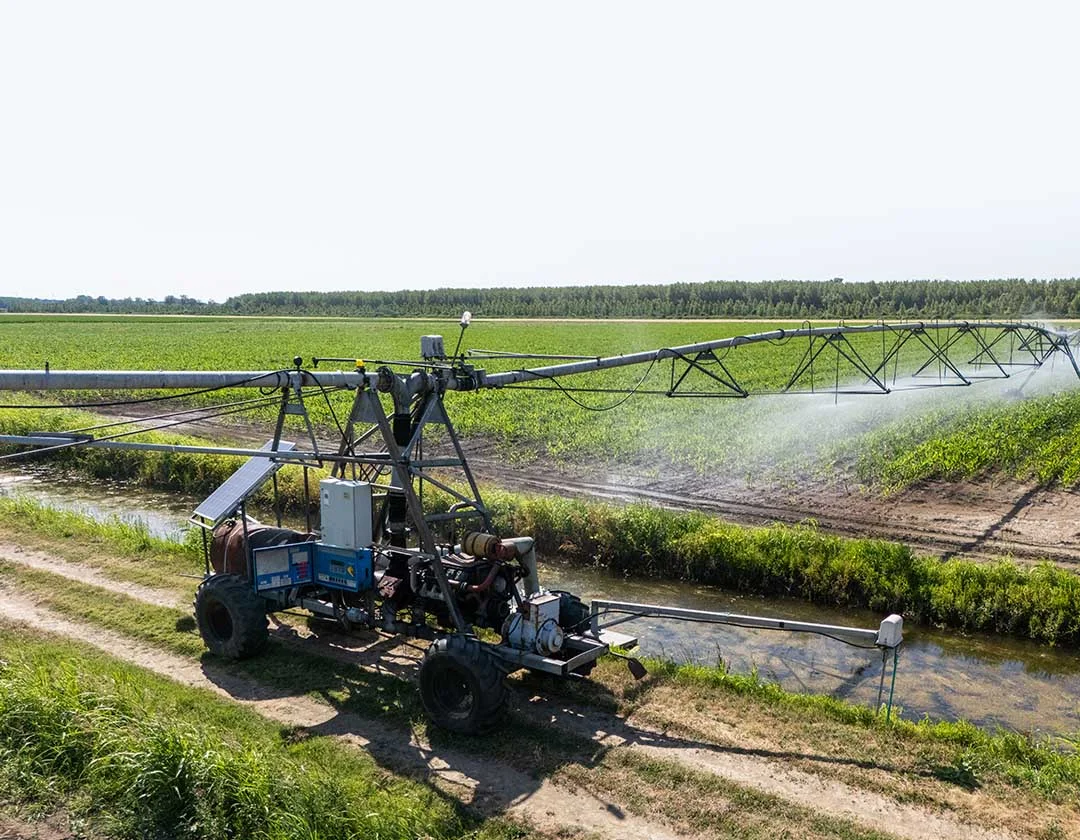
Agricultural irrigation represents a classic PVC-M use case: pipes are dragged across fields, subjected to pump start-stop cycles, and must survive seasonal installation and retrieval. For building drainage stacks, PVC-U remains the industry standard.
Sourcing PVC Pipes from China: A Buyer's Checklist
China accounts for a significant share of global PVC pipe production, offering economies of scale that can reduce unit costs by 20–40% compared to domestic sourcing in many markets. However, international buyers must navigate quality variability and verification challenges.
1. Verify Certifications
Demand documentation for:
ISO 9001 (quality management)
CE marking (European conformity)
WRAS (Water Regulations Advisory Scheme—for potable water applications)
NSF/ANSI 61 (North American drinking water safety)
SGS/BV third-party factory audit reports
Research indicates that pre-shipment inspection failure rates for plastic piping sourced from China can exceed 30% when buyers skip verification. Never accept certification claims without requesting scanned copies and verification numbers.
2. Conduct Factory Audits
Whether virtual or in-person, inspect:
Raw material storage (virgin PVC resin vs. recycled regrind)
Extrusion line calibration and maintenance logs
In-house pressure testing and impact testing capabilities
Quality control documentation for batch traceability
3. Lock Specifications in Contracts
Your purchase contract must explicitly define:
Pipe diameter, pressure class (PN rating), and wall thickness per ISO/ASTM/DIN standards
Raw material grade (virgin PVC K-value)
Fitting compatibility and joint system specifications (solvent weld, rubber ring, flanged)
Delivery Incoterms, payment terms (typically 30% deposit, 70% before shipment; or LC at sight for large orders)
Defect handling and replacement clauses
4. Arrange Third-Party Inspection
Engage an independent inspection agency (SGS, Bureau Veritas, Intertek) for pre-shipment quality control. Key inspection points include:
Dimensional accuracy (OD, wall thickness, ovality)
Hydrostatic pressure testing at 20°C and elevated temperature
Impact resistance sampling per ISO 3127
Visual inspection for surface defects, discoloration, or inclusions
5. Understand Regional Manufacturing Hubs
Zhejiang Province: High-volume exporters with strong international certification portfolios
Shandong Province: Specialization in corrosion-resistant industrial piping and recycling infrastructure
Guangdong Province: Advanced extrusion technology and rapid prototyping capabilities
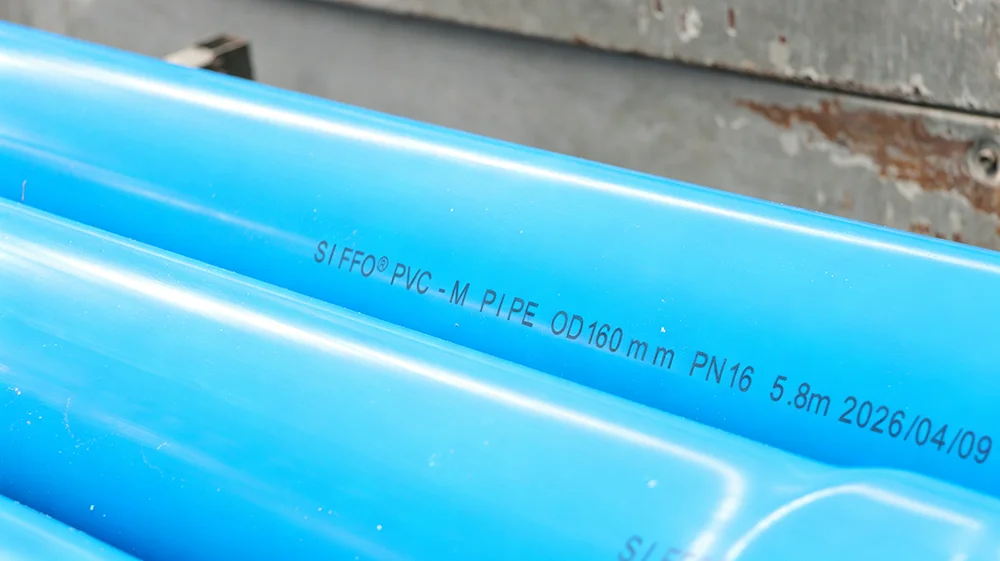
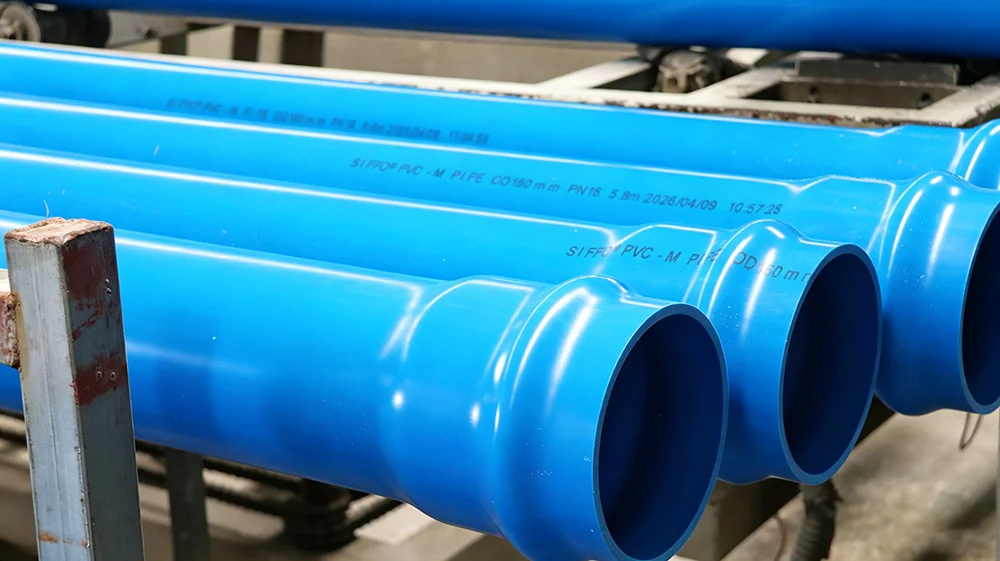
Shandong SIFFO Plastic Technology Co., Ltd.: PVC-M Pipe Review
1. Company Overview
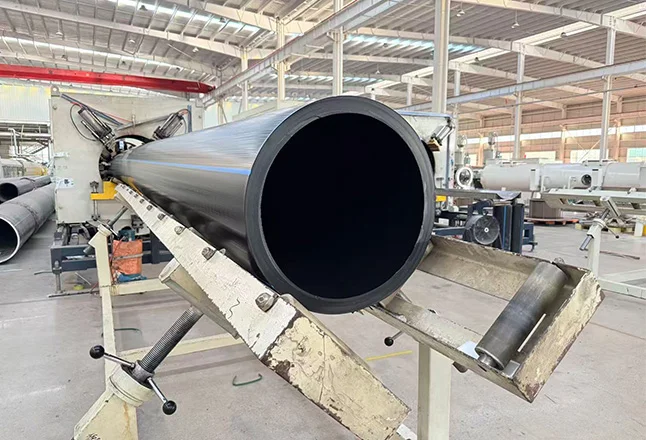
Shandong SIFFO Plastic Technology Co., Ltd. (SIFFO) is a national high-tech enterprise headquartered in Linyi, Shandong (China’s logistics hub). With 10+ years of PVC/HDPE pipe manufacturing experience and 5+ years of exporting, SIFFO operates a 25,000㎡ factory with 60+ extrusion lines and 100,000 tons/year production capacity.
2. PVC-M Pipe Offerings & Quality
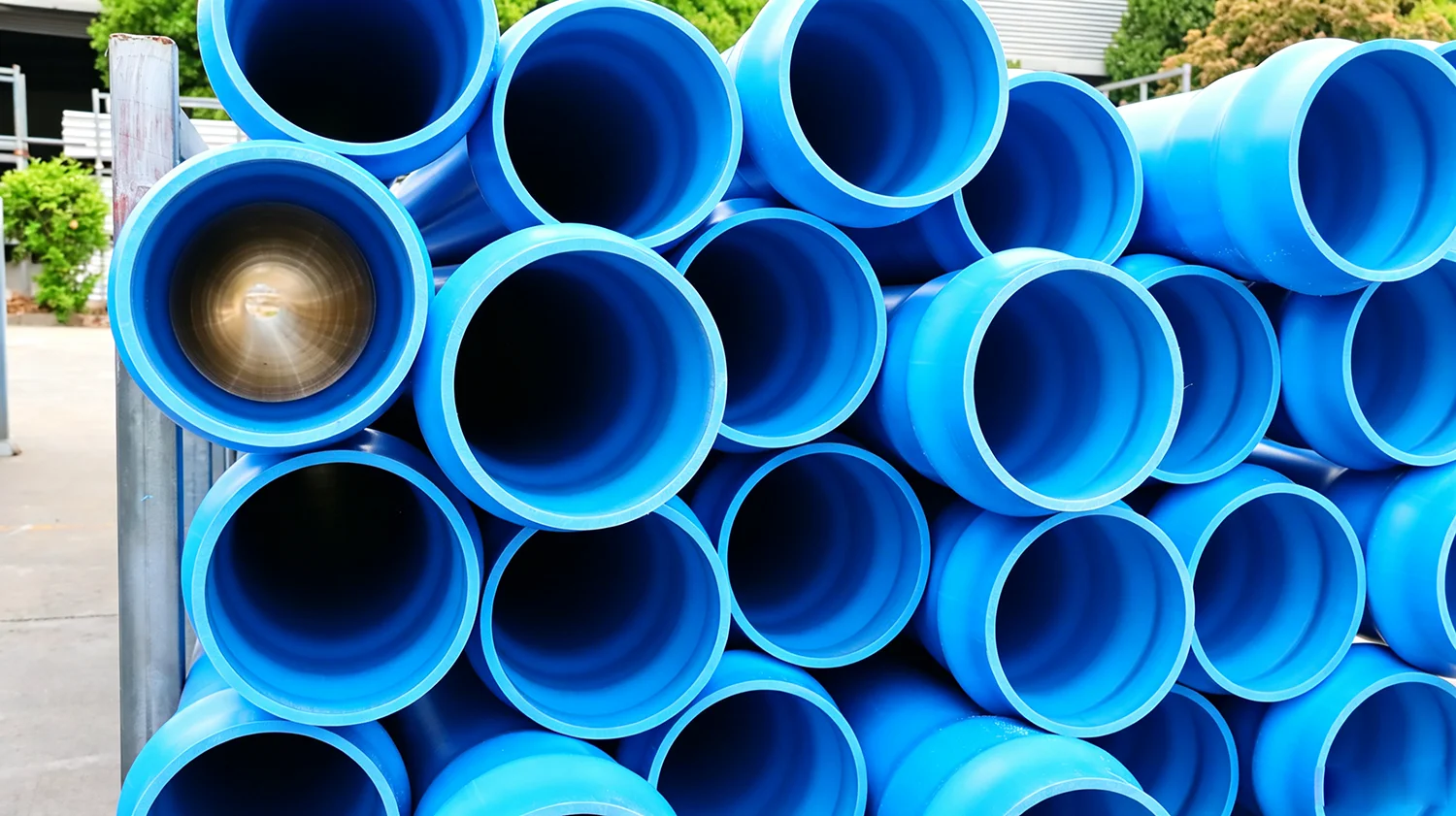
Product Range: PVC-M pipes (DN20–DN800, PN10–PN25) for water supply, municipal, agricultural, and industrial applications.
Raw Material: 100% virgin PVC resin + high-quality impact modifiers (no recycled plastic).
Certifications: ISO 9001, ISO 14001, WRAS, SGS, and compliance with CJ/T 272 (PVC-M) standards.
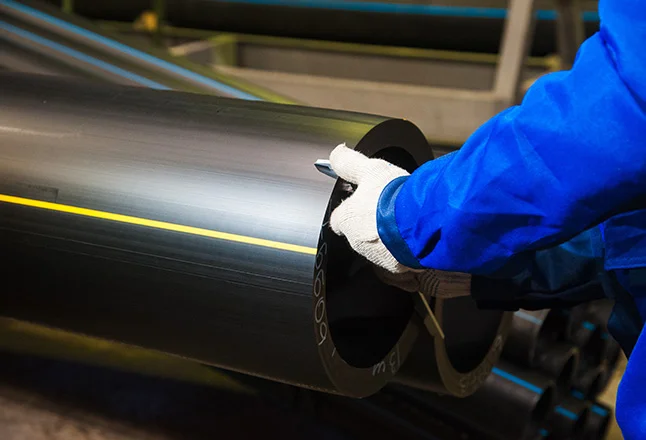
Performance: SIFFO PVC-M pipes deliver 5–10× higher impact resistance than PVC-U, excellent low-temperature toughness (-20°C), and 40–50% higher burst pressure than standard PVC-U.
3. Pros & Cons for International Buyers
✅ Pros
Competitive Pricing: Factory-direct pricing (no middlemen) with cost savings vs. European/American suppliers.
Customization: OEM/ODM available (custom lengths, colors, logos).
Global Reach: Products exported to Southeast Asia, Africa, Australia, Europe, and the US.
Quality Control: Strict in-house QC + third-party testing (SGS/WRAS).
⚠️ Cons
MOQ: Minimum order quantity may apply (negotiable for large orders).
Lead Time: 15–30 days production lead time (plan ahead for tight deadlines).
4.4 Final Verdict
Shandong SIFFO is a reliable, high-quality supplier of PVC-M pipes for international buyers. It combines advanced manufacturing, strict quality control, competitive pricing, and global export experience, making it an excellent choice for large-scale or high-reliability PVC-M projects.
Frequently Asked Questions
1.Can PVC-M replace PVC-U in all applications?
No. While PVC-M outperforms PVC-U in toughness and pressure fatigue, its cost advantage is realized primarily in pressure-rated systems. For non-pressurized drainage where rigidity is sufficient, PVC-U remains the more economical choice.
2.Is PVC-M the same as PVC-O?
No. PVC-O (Oriented PVC) undergoes biaxial orientation, creating even higher strength-to-weight ratios than PVC-M. PVC-M uses impact modification or molecular alignment techniques that improve toughness but do not achieve the same strength levels as PVC-O. PVC-M sits between PVC-U and PVC-O in the performance hierarchy.
3.Does PVC-M last longer than PVC-U?
Both materials can achieve 50+ year service lives in appropriate conditions. PVC-M's advantage is not necessarily longer life under ideal conditions, but rather greater reliability under adverse conditions—pressure surges, impact, and rough handling that might cause PVC-U to fail prematurely.
4.What is the MOQ when sourcing PVC pipes from China?
Minimum order quantities vary by manufacturer. Large extrusion factories typically require 1×20' FCL (Full Container Load) per size, while specialized fitting producers may accept smaller batches. SIFFO and similar manufacturers generally focus on container-volume orders for export efficiency.
5.How do I avoid buying substandard PVC pipes from China?
Never select suppliers based solely on unit price. Verify certifications independently, request material test reports (MTRs) for each production batch, conduct pre-shipment inspections, and start with a small trial order to validate field performance before scaling procurement.
The choice between PVC-M and PVC-U is not about universal superiority—it is about matching material capabilities to project demands. PVC-U delivers proven, cost-effective performance for stable, low-stress applications. PVC-M earns its place in critical infrastructure, irrigation, and high-pressure systems where its enhanced toughness and thinner-wall efficiency translate into lower lifecycle costs and reduced failure risk.
For international buyers sourcing from China, the procurement process matters as much as the material selection. Rigorous supplier verification, independent quality inspection, and contract specificity protect against the quality variability that exists across the market. Manufacturers like Shandong SIFFO Plastic Technology Co., Ltd. offer certified, export-ready products, but due diligence remains the buyer's responsibility—particularly when specifying advanced materials like PVC-M for demanding applications.