

In municipal water supply and industrial water supply projects, the selection of pipeline systems directly affects the safety, economy, and long-term operation and maintenance costs of the project. With the continuous advancement of global infrastructure construction, international buyers face a critical challenge in making informed decisions regarding the wide variety of water supply pipeline materials available on the market.
Overview of current mainstream water supply pipeline types
| Pipe type | Main standards | Specifications range | Typical application scenarios |
| Ductile iron pipe (DIP) | ISO2531, EN545, EN598 | DN80~DN2600mm | Municipal main pipeline network, high-pressure industrial water supply |
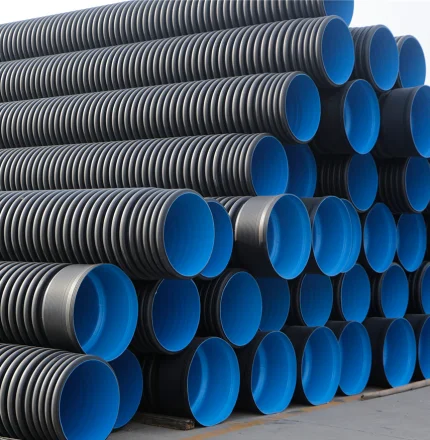
| HDPE pipe | ISO4427, EN12201, AS/NZS4130 | DN20~DN1600mm | Municipal water supply, corrosive environments, trenchless engineering |
| Steel Pipe | API, ASTM | Large diameter (mainly 36-48 inches) | Long-distance water conveyance trunk lines and cross-river and cross-bridge projects |
| PVC-U pipe | ISO, GB/T | DN20~DN400mm | Building water supply, low-pressure drainage, irrigation |
| Prestressed concrete pipe (PCCP) | GB/T19685 | Large diameter | Large-scale water diversion projects and power plant circulating water |
In-depth analysis of various types of pipelines
Ductile Iron Pipe( DIP)
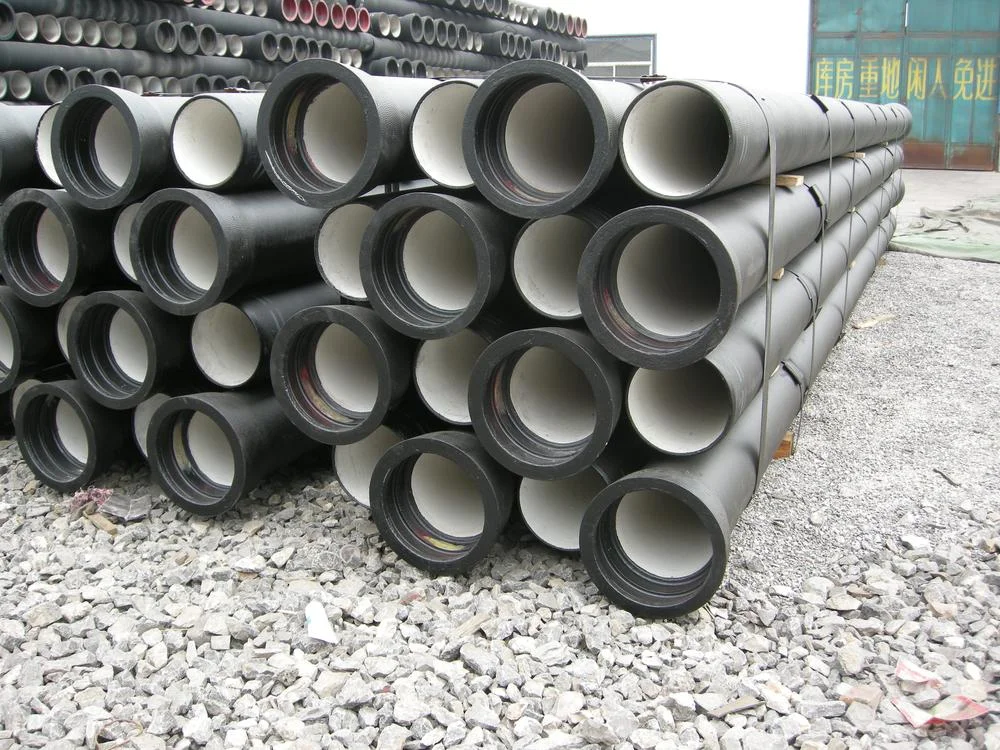
Technical Features: Ductile iron pipes have become the mainstream choice in municipal water supply in recent years. Their yield strength can reach 370MPa, and their elongation exceeds 10%, combining the corrosion resistance of cast iron with the high strength of steel. They feature flexible joint designs (T-type, K-type, or self-anchoring type), allowing for a certain angle of deflection to adapt to foundation settlement.
Key Advantages:
High Pressure Resistance: Pressure ratings cover PN10 to PN40, meeting the needs of high-pressure industrial water supply.
Excellent Seismic Performance:High elongation makes it perform better than traditional gray cast iron pipes in earthquake zones.
Mature Corrosion Protection System: Cement mortar lining on the inner wall, zinc layer + asphalt coating on the outer wall, service life exceeding 50 years.
High Construction Efficiency: Standard length 5.5-6m, convenient joint installation.
User Feedback: Ductile iron pipes have been used in mature markets in Europe and America for over 60 years with an extremely low failure rate. In recent years, they have been widely adopted in large-scale municipal projects in China, with users reporting high reliability and low maintenance costs. However, in areas with high transportation costs, their greater weight (approximately 1.5 times that of steel pipes) is a major consideration.
Applicable Scenarios: Urban main water supply networks, factory high-pressure water supply systems, and areas with complex geological conditions.
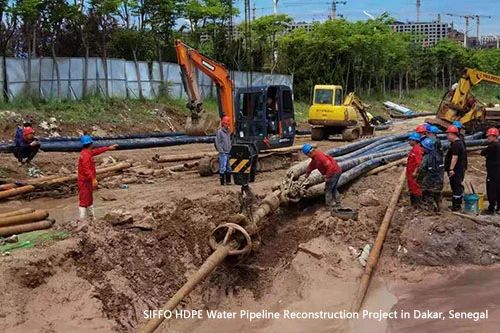
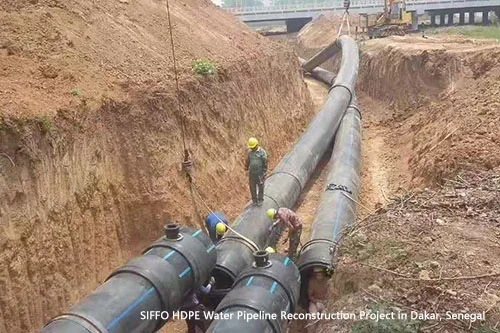
HDPE pipe
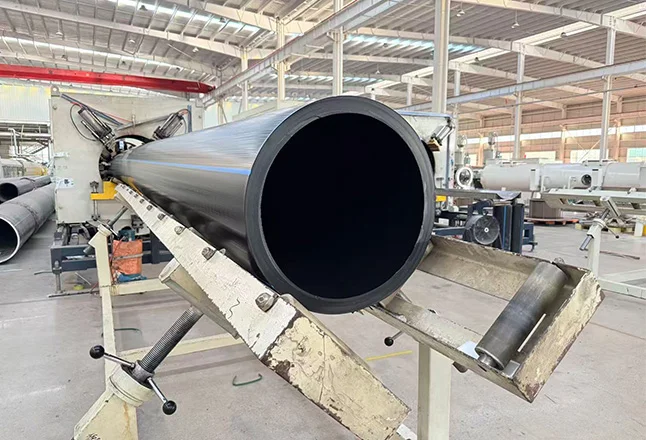
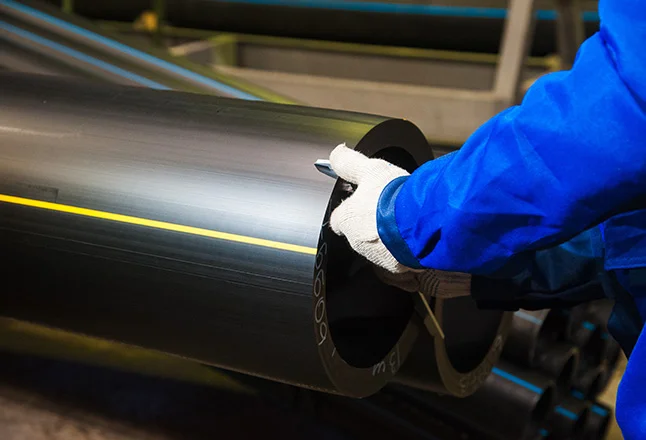
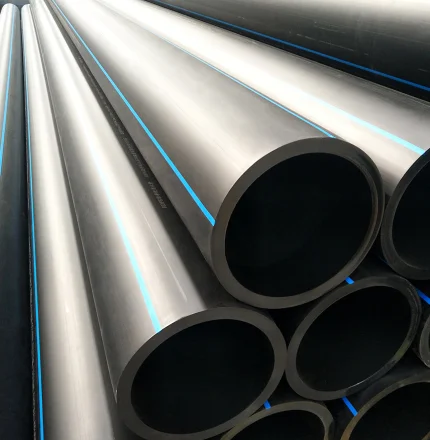
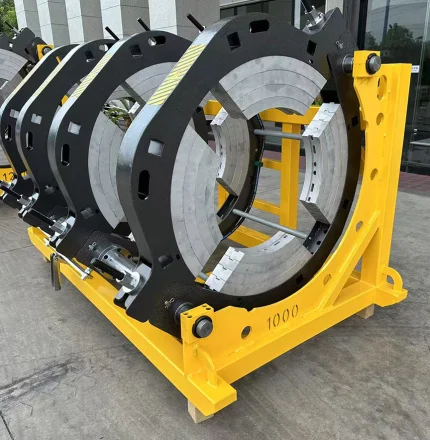
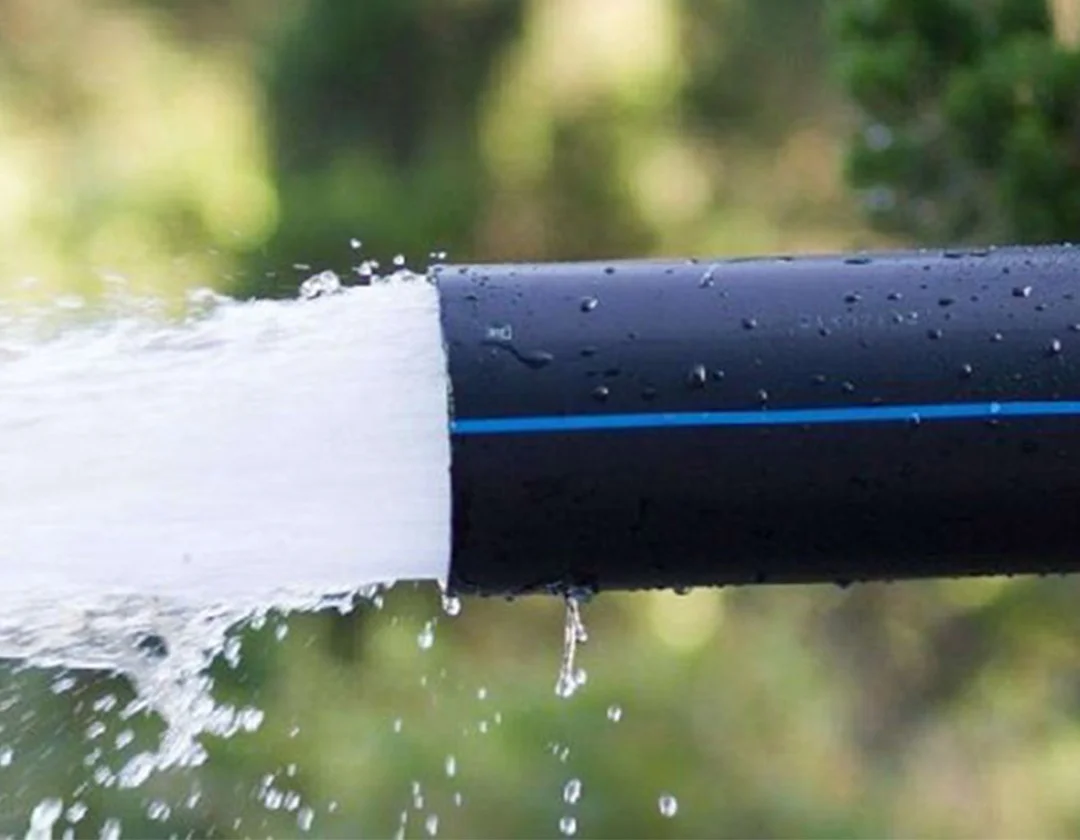
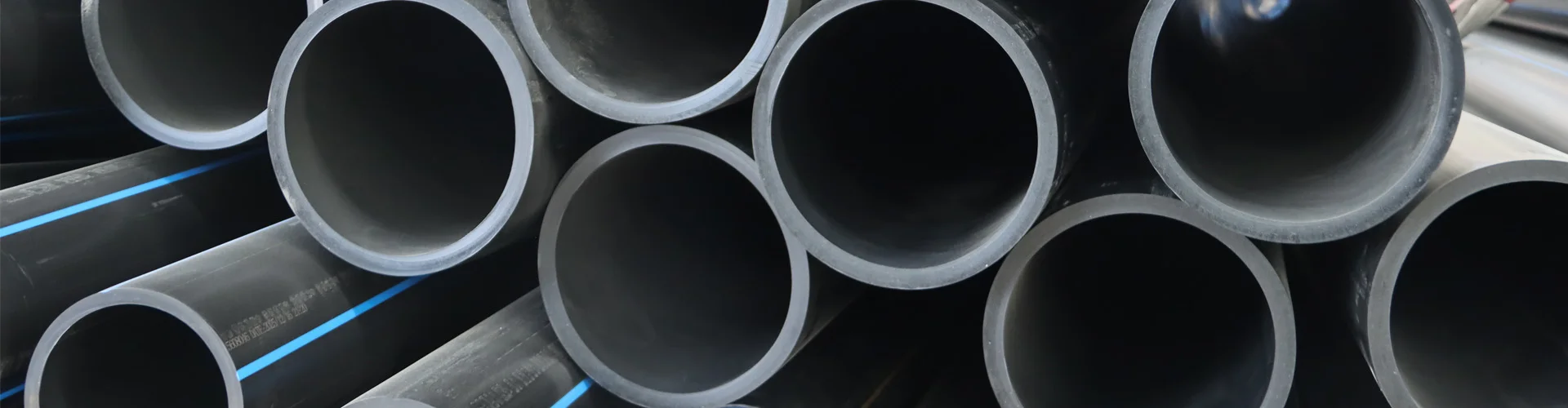
Technical features: HDPE pipes are made of PE80 or PE100 grade polyethylene, with a density of 0.94~0.965 g/cm³ and an elongation at break exceeding 500%. They are connected by hot-melt butt welding or electrofusion to form a completely sealed continuous piping system.
Key Advantages:
Extreme Flexibility: Can be supplied in coils (small diameter), reducing the number of joints and lowering the risk of leakage.
Unrivaled Corrosion Resistance: Completely immune to chemical media such as acids, alkalis, and salts, suitable for corrosive soil environments.
Trenchless Construction Friendly: Can be laid via horizontal directional drilling, reducing road excavation.
Excellent Hydraulic Performance: Manning coefficient of approximately 0.009 on the inner wall, resulting in low friction loss.
Long Service Life: Up to 50 years or more under proper installation conditions.
User Feedback: HDPE pipes are increasingly used in municipal water distribution systems in Europe and America, especially in the renovation of old pipe networks. Users generally appreciate their "zero leakage" characteristic, but feedback indicates that heat fusion connections require highly skilled installers, specialized equipment, and training. In extreme high-temperature environments (>60°C), material softening must be considered.
Applicable Scenarios: Municipal water distribution networks, transportation of corrosive media in factories, earthquake zones, trenchless engineering, temporary water supply pipelines.
Steel Pipe
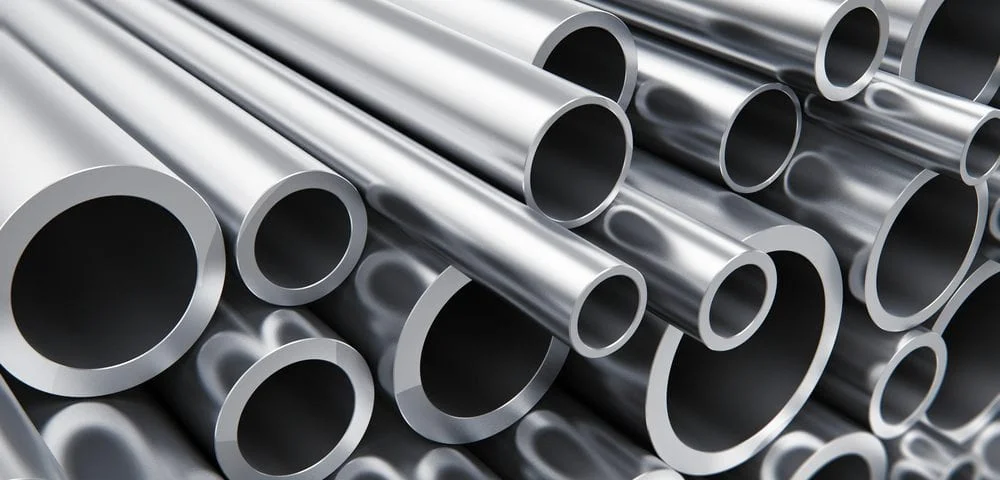
Technical features: The steel pipes possess extremely high strength and rigidity, with common specifications ranging from 36 to 48 inches in diameter. Wall thickness can be customized according to pressure requirements. Connection methods include welding and flange connections.
Key Advantages:
Highest Strength: Suitable for ultra-large diameter and ultra-high pressure applications
Strong Crossing Capacity: Suitable for suspended laying scenarios such as crossing rivers and bridges
Flexible Design: Customizable wall thickness and diameter to meet special engineering needs
Relatively Lightweight: Easier to transport and hoist compared to concrete pipes
User Feedback: Steel pipes are widely used in long-distance water transmission lines, but user feedback indicates that corrosion prevention and maintenance are the biggest pain points. Both the inner and outer walls require regular anti-corrosion treatment, and in corrosive soils, their service life may be shortened to 20-30 years. Welding quality has a significant impact on the overall system reliability, requiring rigorous flaw detection.
Applicable Scenarios: Long-distance water transmission lines, river/bridge crossing projects, and industrial water supply requiring extremely high mechanical strength.
PVC-U pipe (rigid polyvinyl chloride pipe)
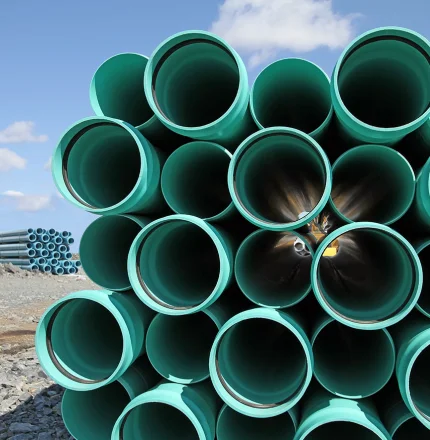
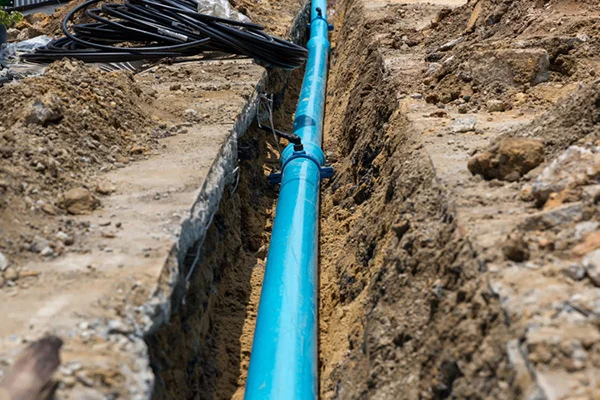
Technical features: PVC-U pipes are inexpensive, have a smooth inner wall, and offer good hydraulic performance. They are easy to install using adhesive socket or rubber ring connections.
Key Advantages:
Optimal Economy: Lowest cost per unit length
Corrosion Resistance: Suitable for general chemical environments
Lightweight: Can be moved and installed manually
Stable Hydraulic Performance: Not prone to scaling on the inner wall
User Feedback: PVC-U pipes are maturely used in building water supply and low-pressure drainage, but their use in municipal main water supply systems is gradually decreasing. The main feedback issues include: relatively high brittleness and moderate impact resistance; limited temperature adaptability, prone to cracking at low temperatures; low pressure resistance, unsuitable for high-pressure conditions. In municipal engineering projects with significant burial depth, insufficient ring stiffness may lead to deformation.
Applicable Scenarios: Building indoor water supply, low-pressure drainage systems, agricultural irrigation, temporary projects.
Prestressed concrete pipe (PCCP)
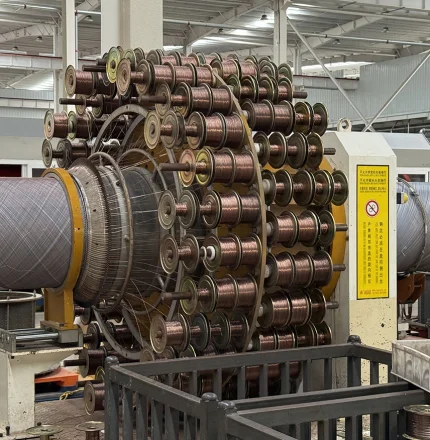
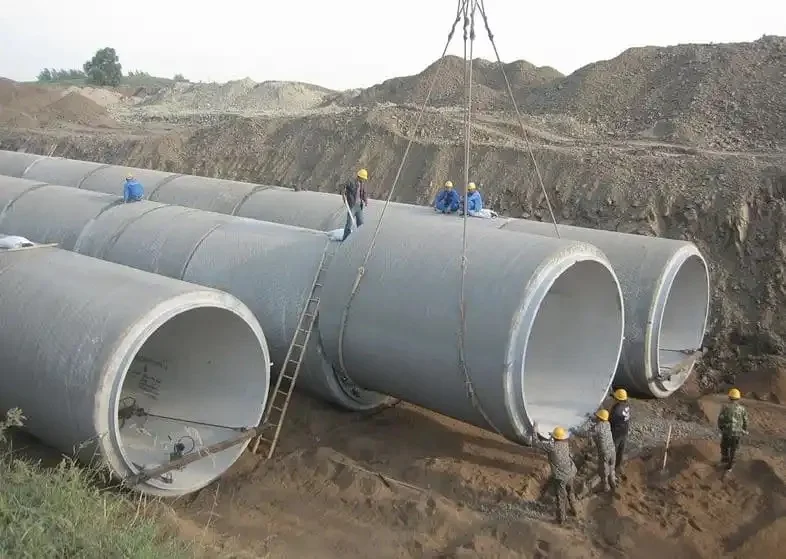
Technical Features: PCCP combines the high strength of steel pipes with the durability of concrete, and is typically composed of a steel plate cylinder, a concrete layer, and prestressed steel wires. Compared to pure steel pipes, it can save approximately 70% of steel.
Core Advantages:
Large Diameter Advantage: Suitable for giant water conveyance projects with diameters of DN1200 and above.
Long Service Life: Designed life typically exceeds 50 years.
Excellent Hydraulic Performance: Smooth inner wall, low friction loss.
Economy (Large Diameter): Unit cost is lower than pure steel pipes for large diameters.
User Feedback: PCCPs perform reliably in large-scale water diversion projects (such as inter-basin water transfer), but user feedback indicates their enormous weight leads to high transportation and installation costs; high precision is required for interface sealing; maintenance is difficult, and repair cycles are long once problems occur. In recent years, some projects have experienced steel wire breakage issues, necessitating attention to quality control.
Applicable Scenarios: Large-scale water diversion projects, power plant circulating water systems, and ultra-large diameter long-distance water transmission.
Comprehensive comparative analysis
| Evaluation Dimensions | Ductile Iron Pipe | HDPE Pipe | Steel Pipe | PVC-U Pipe | PCCP |
| Pressure resistance | ★★★★★ | ★★★★ | ★★★★★ | ★★★ | ★★★★ |
| Corrosion resistance | ★★★★ | ★★★★★ | ★★★ | ★★★★ | ★★★★ |
| Flexibility/Earthquake Resistance | ★★★★ | ★★★★★ | ★★★ | ★★ | ★★ |
| Convenience of construction | ★★★★ | ★★★★ | ★★★ | ★★★★ | ★★ |
| Large-caliber economy | ★★★★ | ★★★ | ★★★ | - | ★★★★★ |
| Service life | >50 years | >50 years | 20-50 years | 20-30 years | >50 years |
| Maintenance costs | Low | extremely low | high | Low | Low |
Recommendations for international buyers
Selection Based on Application Scenarios
Municipal Main Water Supply Network (DN300 and above)
Preferred: Ductile Iron Pipe (K9 grade, T-joint)
Alternative: Steel Pipe (for special sections such as river crossings)
Reasons: High reliability, strong pressure resistance, low maintenance cost, standard configuration for European and American municipal systems
Municipal Water Distribution Network (DN300 and below)
Preferred: HDPE Pipe (PE100 grade, SDR17)
Alternative: Ductile Iron Pipe (high-pressure areas)
Reasons: Good flexibility of HDPE, fewer joints, trenchless construction reduces impact on urban traffic
Factory/Industrial Water Supply System
High-Pressure Conditions: Ductile Iron Pipe (PN25/PN40) or Steel Pipe
Corrosive Media: HDPE Pipe (chemical compatibility needs to be confirmed)
Circulating Water System: PCCP (large diameter) or Ductile Iron Pipe
Long-Distance Water Transmission Lines
Preferred: Steel Pipe (with strict anti-corrosion measures) or PCCP (ultra-large diameter)
Reasons: Strong crossing capacity, suitable for areas with complex terrain
Key Procurement Checklist
Supplier Qualification Review:
Confirm the factory has ISO9001 quality management system certification.
Verify product certification: Ductile iron pipes require ISO2531 or EN545; HDPE pipes require ISO4427. Require third-party testing reports (SGS, BV, etc.).
Verify the factory's actual production capacity and delivery records.
Product Acceptance Key Points:
Ductile iron pipes: Check zinc coating thickness (≥130g/m²), cement lining thickness, and joint dimensional accuracy.
HDPE pipes: Confirm raw material grade (PE100), wall thickness tolerance, and carbon black content (2.0-2.5%).
Steel pipes: Require material certificate (MTC) and non-destructive testing report.
Logistics and Packaging:
Ductile iron pipes: Confirm bundling method and rust-proof packaging; special attention is needed for long-distance sea freight.
HDPE pipes: Small diameter pipes can be coiled for transport, significantly reducing freight costs; large diameter pipes require confirmation of stacking height limits.
All pipes: Require complete packing lists and markings.
Market Trends and Outlook
HDPE Pipe Market Share Continues to Grow: With improved PE material performance (such as PE100-RC scratch resistance rating) and the widespread adoption of trenchless technologies, the application of HDPE in the municipal sector will further expand.
Ductile Iron Pipe Technology Upgrades: The development of self-anchoring joints and high-performance anti-corrosion coatings (such as polyurethane) makes them more reliable in high-pressure and harsh environments.
Intelligent Piping Systems: "Smart pipes" with built-in sensors are being piloted, enabling real-time monitoring of pressure, flow, and leaks, and may become standard in high-end projects in the future.
Sustainable Materials: The development of recycled HDPE and low-carbon ductile iron production processes responds to the global trend towards carbon neutrality.
Conclusion
Selecting water supply pipelines is a complex undertaking requiring comprehensive consideration of technical performance, economic efficiency, construction conditions, and long-term operation and maintenance. For international buyers, ductile iron pipes and HDPE pipes are currently the two most competitive mainstream choices for municipal and industrial water supply projects—the former excels in reliability and high-pressure adaptability, while the latter is known for its flexibility and corrosion resistance.
Buyers are advised to adopt a "scenario-based selection" approach, avoiding a one-size-fits-all approach, and to prioritize supplier qualification verification and full life-cycle cost assessment. In transnational infrastructure projects such as the Belt and Road Initiative, selecting suppliers that meet international standards (ISO/EN) and have extensive export experience is crucial to ensuring project quality and reliable delivery.