

Reliable irrigation starts with a pipe that delivers water consistently throughout the growing season. For farmers, irrigation contractors and agricultural project buyers, the choice affects installation speed, fertilizer handling, water losses and maintenance costs.
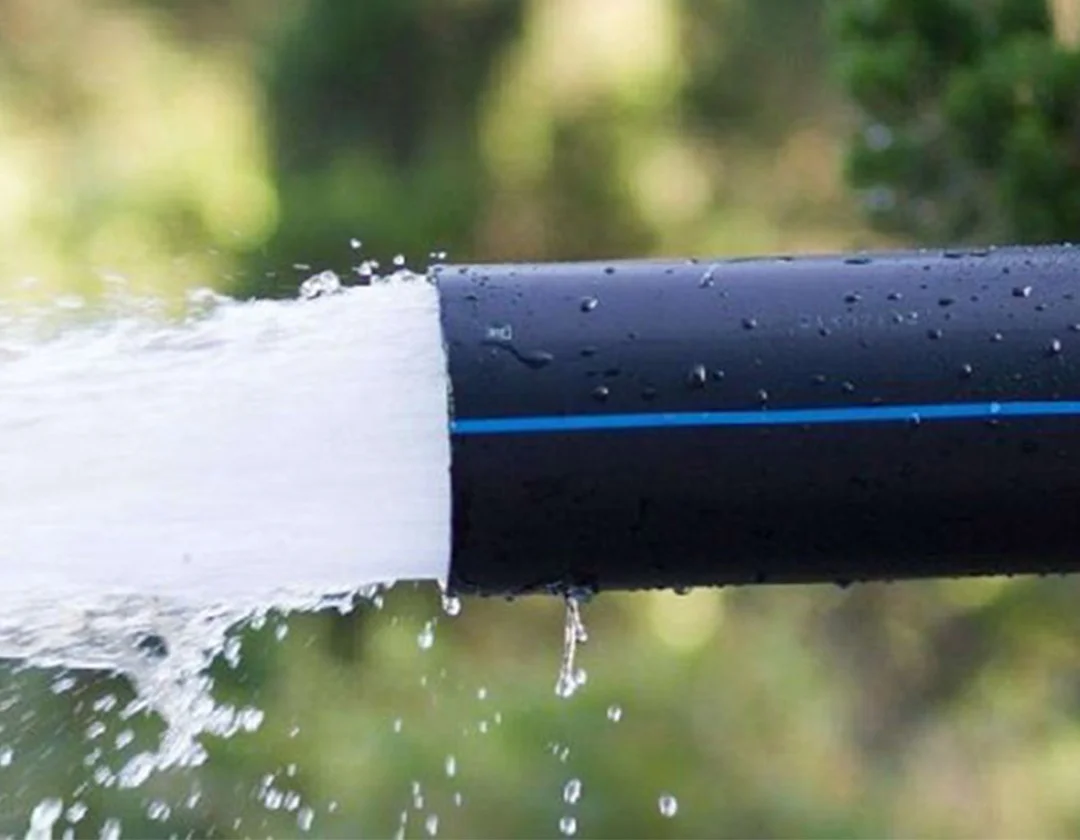
HDPE pipe for irrigation offers a useful combination of flexibility, corrosion resistance and strong fused connections. Long coils can reduce the number of intermediate joints, while suitable polyethylene compounds handle many common fertilizer solutions without the rust associated with unprotected steel.
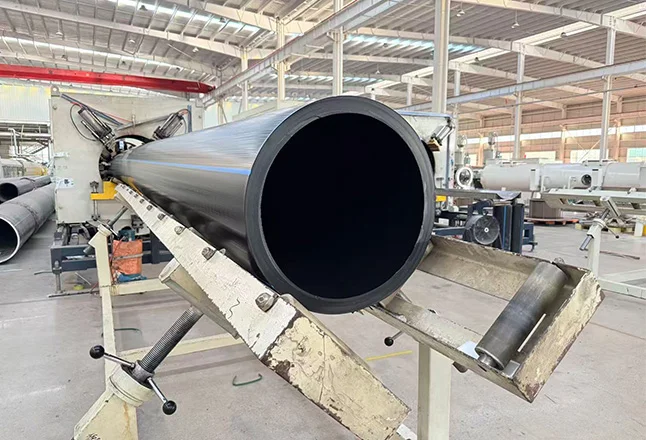
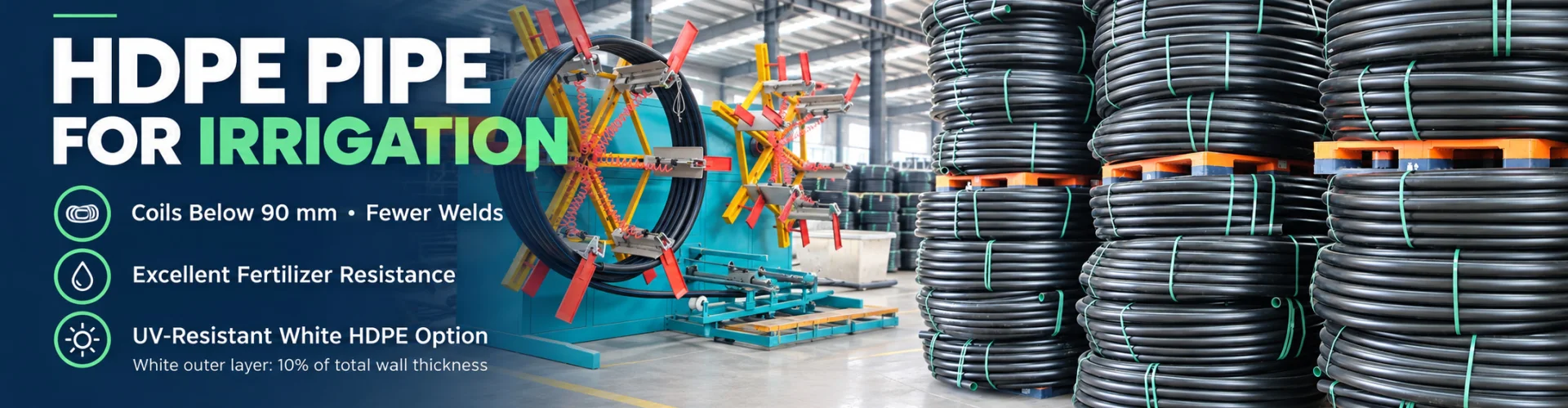
Shandong SIFFO Plastic Technology Co., Ltd. manufactures HDPE irrigation piping for agricultural water distribution. Its highlighted options include coiled pipes below 90 mm outside diameter and white co-extruded HDPE pipe with an outer layer equal to 10% of the total wall thickness. Together, these features address practical concerns in field installation, fertigation and exposed pipeline operation.
This guide explains what those benefits mean, where SIFFO irrigation pipes can be used, and how to choose a specification that suits your farm.
▎Four Essential Requirements for Irrigation Pipes
1. Fewer Welded Joints Along the Pipeline
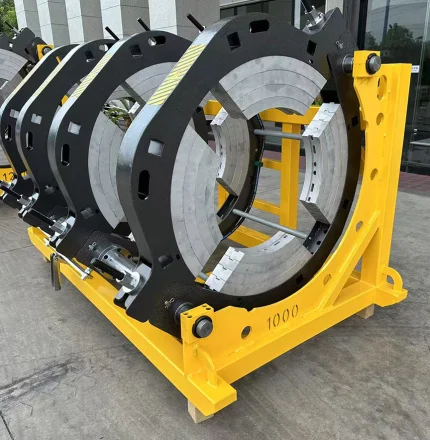
HDPE pipes can be joined directly by butt fusion, without separate couplings between pipe ends. Each weld still requires preparation, alignment, welding, cooling and inspection. Using longer coiled lengths reduces the number of welds and helps simplify field installation.
For example, a 600-metre pipeline assembled from 6-metre straight pipes requires 100 sections and 99 butt-fusion welds. Using six 100-metre coils reduces this to just five welds between coils—approximately 95% fewer welding operations.
| Installation option | Sections or coils | Butt-fusion welds |
|---|---|---|
| 6-metre straight pipes | 100 | 99 |
| 100-metre coils | 6 | 5 |
Properly completed butt-fusion joints provide strong, reliable connections. The advantage of coils is less welding work, fewer locations to inspect and faster installation along suitable routes. Connections at branches, valves and irrigation equipment remain necessary.
2. Resistance to fertilizer solutions
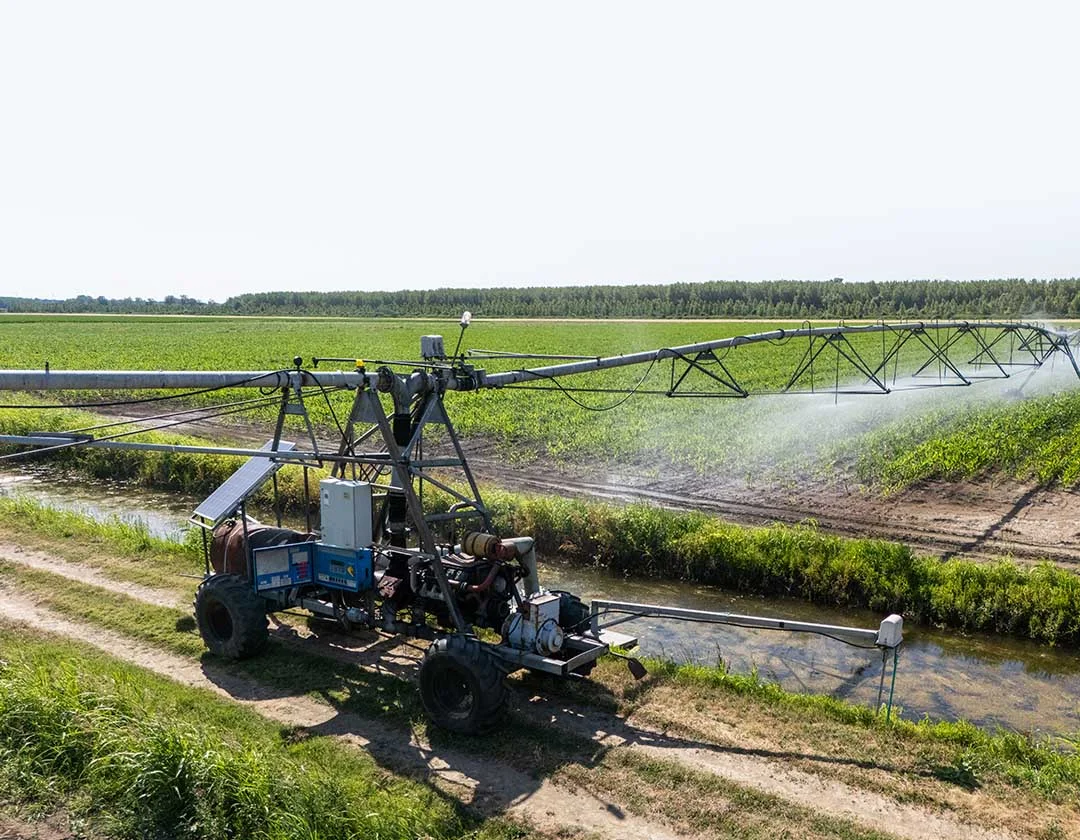
Modern irrigation often carries more than clean water. Fertigation delivers dissolved nutrients through the same pipeline, combining watering and fertilizer application.
Common inputs include urea, ammonium sulfate, potassium nitrate and phosphate-based fertilizers. Acid dosing may also be used to manage water chemistry or clean equipment. Where agricultural chemicals are injected, the pipe must be compatible with the actual formulation.
HDPE does not rust and generally offers excellent resistance to many aqueous fertilizer salts, acids and alkalis under suitable operating conditions. This makes it attractive for farms managing repeated nutrient dosing or corrosive water.
However, chemical resistance depends on concentration, temperature, exposure time and operating stress. Herbicide formulations containing solvents, concentrated cleaning agents and strong oxidizing chemicals require separate checks. PVC also resists many agricultural solutions well; it should not be described as universally vulnerable to fertilizer corrosion.
The practical question is whether the complete piping system is suitable for the farm's specific fertilizer programme.
3. Protection against sunlight and heat
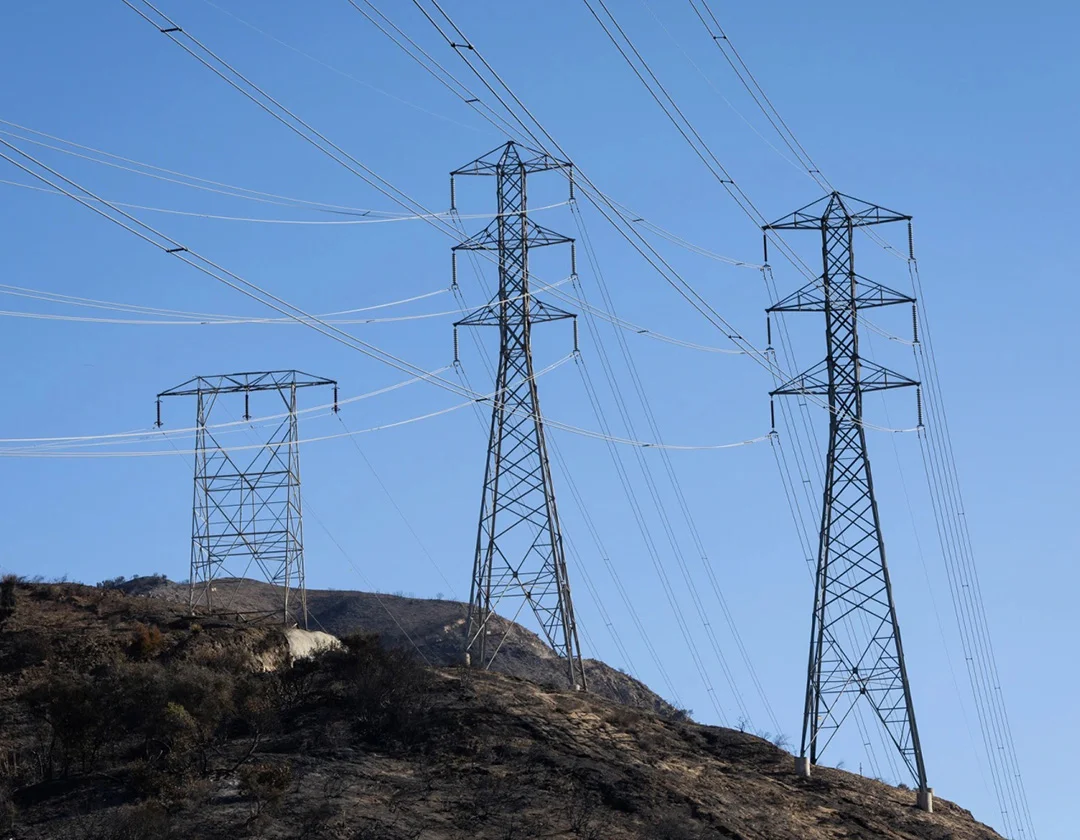
Exposed irrigation pipes face sunlight around pump stations, valve assemblies, field headers and above-ground distribution routes.
Ultraviolet radiation can gradually degrade insufficiently protected polyethylene, contributing to surface deterioration and loss of mechanical performance. Pipe colour alone does not establish outdoor durability: the stabilizing formulation matters.
Properly compounded black HDPE uses carbon black for effective UV protection. White HDPE requires a suitable pigment and UV stabilization system. Its lighter surface can also reduce solar heat absorption compared with a black surface under comparable conditions.
Heat remains a separate design issue. When pipe or water temperature rises, allowable working pressure may need to be reduced. Outdoor selection should therefore consider both weathering resistance and operating temperature.
4. A manageable total project cost
The cheapest price per metre does not always produce the lowest irrigation system cost. Installation, fittings, equipment, repairs and water losses also affect the budget.
There is no universal HDPE-versus-PVC price difference. Diameter, pressure class, resin prices, order quantity and freight can change the comparison significantly.
HDPE may cost more initially in some quotations, but long coils can reduce joining labour and intermediate fittings. Flexibility can simplify routing around obstacles within the permitted bending radius.
Savings in excavation depend on the approved installation method and ground conditions. Properly made fusion joints can reduce leakage risk, although no piping system eliminates all future maintenance.
Buyers should compare complete installed systems using the same hydraulic requirements, rather than comparing pipe prices alone.
▎Four Outstanding Features of SIFFO HDPE Pipe for Irrigation
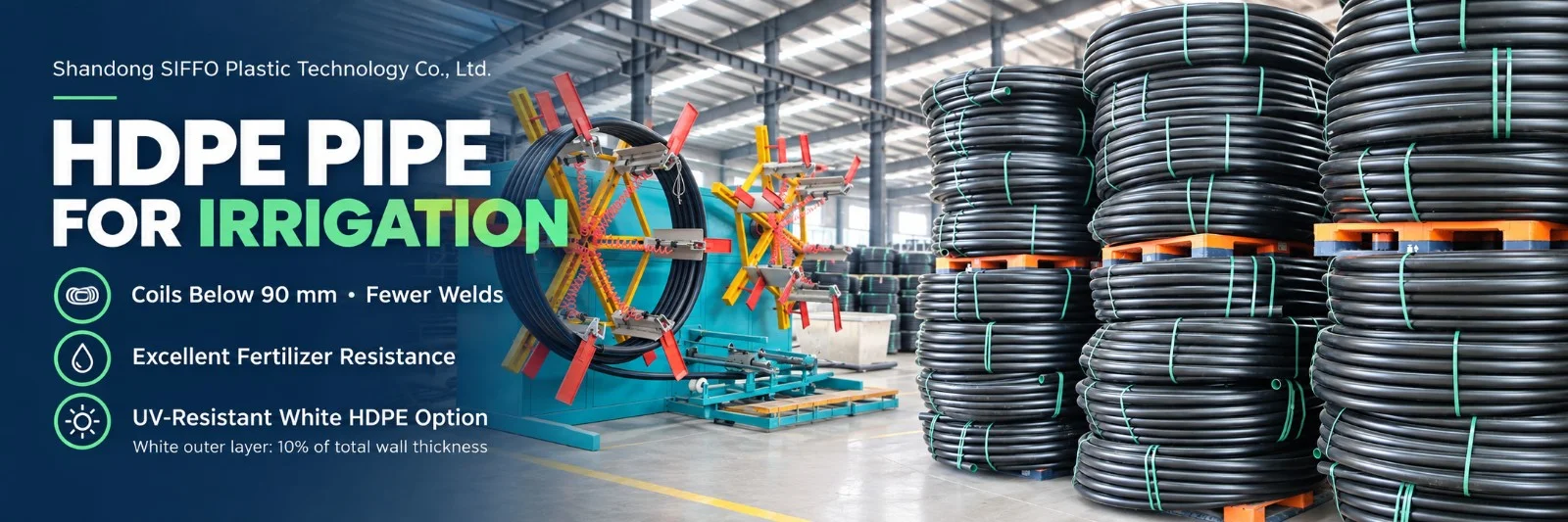
Feature 1: Coiled pipe below 90 mm reduces welding work
SIFFO offers HDPE pipes with outside diameters below 90 mm in coil form. Buyers should confirm available coil lengths for their selected diameter and pressure class when requesting a quotation.
This option is useful for orchard distribution, greenhouse supply lines and long connections between irrigation control points. A continuous length can replace multiple straight sections and the joining operations between them.
Fewer welds mean fewer locations requiring joint preparation, equipment setup and inspection. This can help contractors complete repetitive field routes more efficiently.
Coils also follow gentle changes in direction, reducing the need for some elbows. The pipe must stay within the manufacturer's permitted bending radius, and fittings may still be required at tight turns or equipment connections.
Uncoiling should be controlled to avoid kinks, twisting and surface damage. For larger diameters or routes unsuitable for coils, straight HDPE pipe remains a practical option.
Feature 2: Strong corrosion resistance for fertigation
SIFFO HDPE irrigation pipe provides a non-metallic flow path that avoids rust and electrochemical corrosion of the pipe body.
For many farms, this is particularly valuable when delivering fertilizer-enriched water, mineralized groundwater or nutrient solutions through buried and exposed distribution networks.
Selecting HDPE pipe fertigation systems can reduce concerns about corrosion-related wall deterioration and rust contamination associated with susceptible metal pipes. The smooth bore also supports efficient water conveyance.
Compatibility must still cover the entire system. Seals, valves, injection equipment and mechanical connectors may respond differently to chemicals than the HDPE pipe.
Before ordering, provide the supplier with fertilizer names, concentrations, maximum temperature and cleaning practices. The concentrated solution near the injection point may require a different assessment from the diluted solution farther downstream.
Corrosion resistance also does not prevent fertilizer precipitation or emitter blockage. Filtration, correct mixing and flushing remain essential for reliable irrigation.
Feature 3: White HDPE pipe for exposed irrigation routes
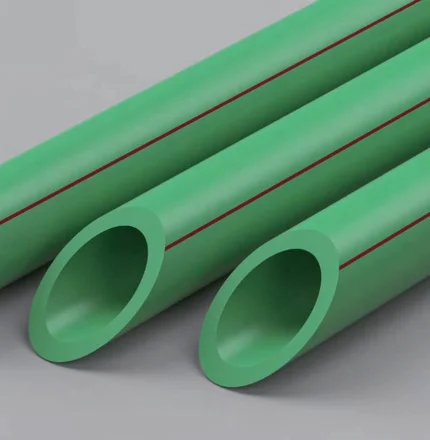
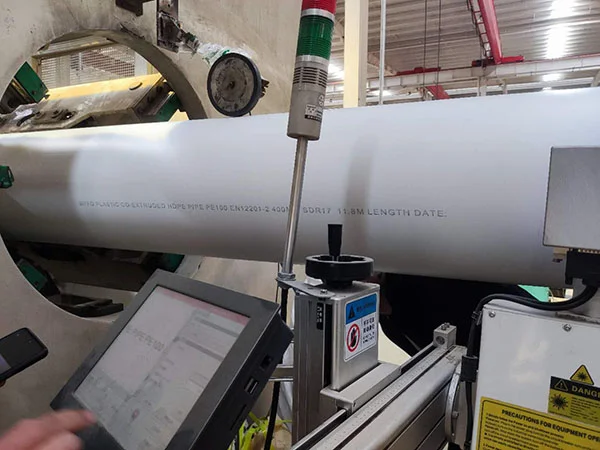
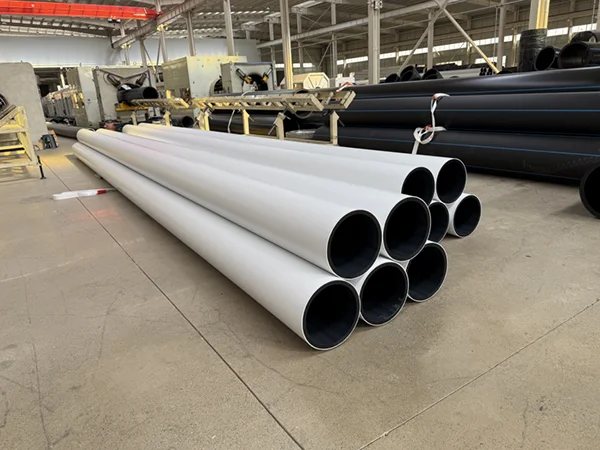
SIFFO's white co-extruded HDPE pipe incorporates a white outer layer equal to 10% of the total pipe wall thickness.
For illustration, if the total wall thickness is 10 mm, the nominal white layer would be 1 mm. The layer is part of the total wall; it is not an additional 10% automatically added to a standard pipe.
This construction offers a lighter external surface for installations exposed to sunlight. With the specified UV-resistant formulation, it is intended to provide outdoor protection while reducing solar heat absorption compared with conventional black surfaces.
Buyers searching for white HDPE pipe UV resistant options should evaluate the formulation and supporting weathering data, rather than relying on appearance alone.
No fixed surface-temperature reduction or outdoor service life can be established from the colour and layer ratio alone. These depend on the compound, sunlight, airflow, installation and operating conditions.
The supplied pressure rating must apply to the complete co-extruded construction. Confirm the wall specification and jointing procedure, including any outer-layer preparation required for electrofusion.
Feature 4: Manufacturing capability
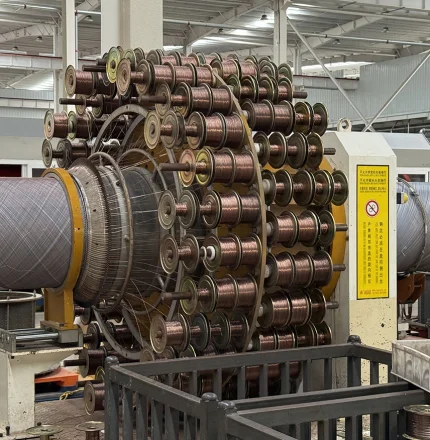
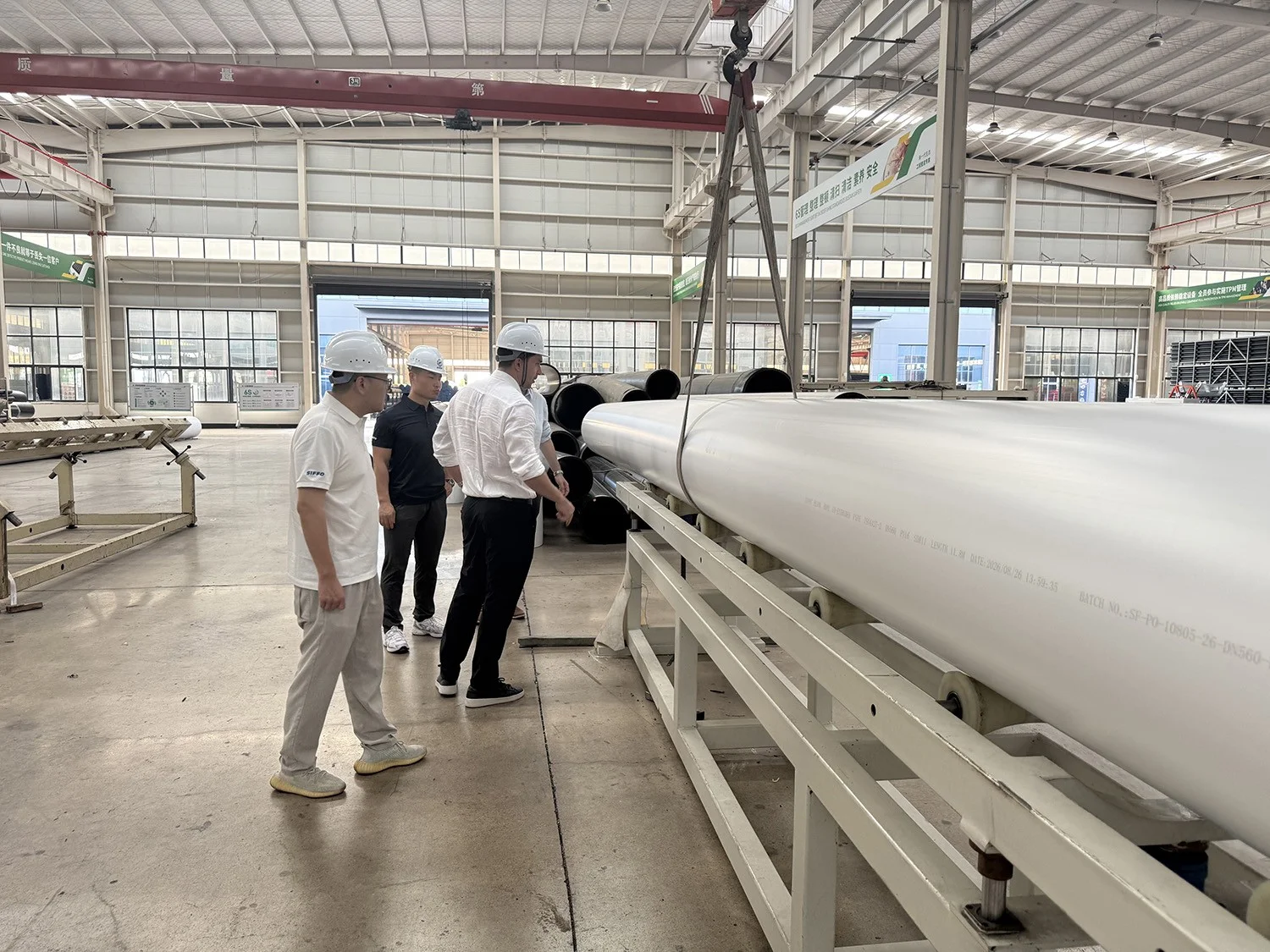
SIFFO operates production bases in Linyi, Shandong, and Nanjing, Jiangsu. Its HDPE manufacturing capacity includes 20 dedicated extrusion lines and annual HDPE production capacity exceeding 200,000 tonnes.
For irrigation buyers, manufacturing scale matters when projects require coordinated deliveries, consistent dimensions and compatible fittings across multiple installation stages.
▎Where Can SIFFO Irrigation HDPE Pipe Be Used?
Drip irrigation mains and submains
HDPE pipe for drip irrigation is useful for transporting filtered water from pumps and control stations to field zones.
Its principal role is often the mainline or submain supplying thin-wall drip tape or emitter tubing. Pressure-rated HDPE supply pipe should not be confused with the smaller tubing that releases water beside each plant.
Coiled pipes suit long routes between control points. Correct sizing helps maintain adequate pressure at the downstream irrigation equipment.
Orchards and vineyards
Orchards and vineyards frequently involve long rows, sloping terrain and seasonal irrigation schedules. Flexible HDPE can follow suitable routes with fewer intermediate connections.
White co-extruded pipe may be considered for exposed sections, while buried installation can protect other sections from equipment traffic and direct sunlight.
Valves, drainage points and pressure control should reflect differences in elevation across the plantation.
Greenhouses and nursery irrigation
Greenhouses and nurseries often need controlled watering and regular nutrient dosing. HDPE provides a corrosion-resistant supply route between water storage, filtration, fertilizer injection and irrigation zones.
Accessible valves and branches make future system changes easier. Chemical compatibility should include any cleaning or disinfection products used between growing cycles.
Sprinkler systems and large agricultural projects
HDPE can serve pump discharge lines, field distribution networks and selected sprinkler supply routes. The diameter and pressure class must accommodate flow demand, elevation changes and transient pressure.
Large agricultural developments may combine straight mainlines with smaller coiled distribution pipes. This allows each section to use a suitable installation format without forcing the entire network into one pipe size or delivery form.
▎How to Select HDPE Pipe for Irrigation
Start with flow and route length
Calculate the water needed by each operating zone. A pipe that is too small can create excessive pressure loss, leaving distant sprinklers or drip lines short of water.
Specify outside diameter, wall thickness and minimum internal diameter where needed. Two pipes with the same outside diameter can have different internal diameters because their walls differ.
Check pressure, surge and temperature
Select the pressure class from the highest expected operating pressure, including elevation and pump conditions. Assess sudden valve closure, pump starts and other sources of surge.
PN identifies a nominal pressure designation under specified reference conditions; it does not mean the same pressure is acceptable at every temperature.
Ask for the manufacturer's temperature derating guidance for exposed lines. White surfaces can help manage solar heating but do not remove this requirement.
Match coils and joints to the site
For SIFFO pipes below 90 mm, confirm coil length, coil dimensions, unloading arrangements and uncoiling space.
Choose fittings compatible with the pipe material, dimensions and pressure rating. Follow the approved procedure for butt fusion, electrofusion or mechanical assembly.
Support exposed lines appropriately, protect them from vehicles and sharp objects, and provide for thermal movement. Buried pipes need suitable bedding and backfill.
Provide a complete purchasing specification
A useful inquiry includes the destination, application, required standard, pipe sizes, total quantities, pressure class, fertilizer details and exposure conditions.
Add coil-length preferences, white-layer requirements, fittings, pipe marking, inspection documents and delivery schedule. Request evidence relevant to the actual application, including chemical compatibility and outdoor performance information where appropriate.
Complete specifications make quotations easier to compare and reduce avoidable changes after production begins.
▎FAQ About hdpe pipe for irrigation
Is HDPE pipe suitable for agricultural irrigation?
Yes. Pressure-rated HDPE is widely used for irrigation water conveyance because it combines flexibility, corrosion resistance and suitable jointing options. Correct sizing and installation remain essential.
Can SIFFO irrigation pipes be supplied in coils?
SIFFO offers pipes below 90 mm outside diameter in coils. Confirm the length available for the selected size and pressure class; 90 mm itself should be confirmed separately.
How much can coils reduce the number of joints?
In the illustrative 600-metre example, 100-metre coils reduce intermediate joints from 99 to five, approximately 95%. Actual reductions depend on coil length, layout and branching.
Can HDPE carry fertilizer-enriched water?
HDPE generally tolerates many common aqueous fertilizer solutions well. Check the exact formulation, concentration, temperature and pressure, especially for injection points and cleaning chemicals.
What does a 10% white outer layer mean?
It means the white layer occupies 10% of the total wall thickness. A nominal 10 mm total wall would therefore have a nominal 1 mm white layer.
Is HDPE always cheaper than PVC?
No. Purchase prices and installation costs vary. Compare the total cost of pipe, freight, fittings, labour, maintenance and operating conditions for the same design.
▎Discuss Your Irrigation Project with SIFFO
Choosing HDPE pipe for irrigation means matching the pipeline to the farm's water demand, fertilizer programme and exposure conditions.
Shandong SIFFO Plastic Technology Co., Ltd. offers smaller coiled pipes to reduce intermediate joining, corrosion-resistant HDPE for suitable fertigation duties, and white co-extruded pipe with a 10% outer-layer wall proportion for specified outdoor applications.
Share your pipe diameters, route lengths, operating pressure and fertilizer details with SIFFO to request a project-specific quotation, fittings proposal and technical documentation.