


▎Project Background & Challenges
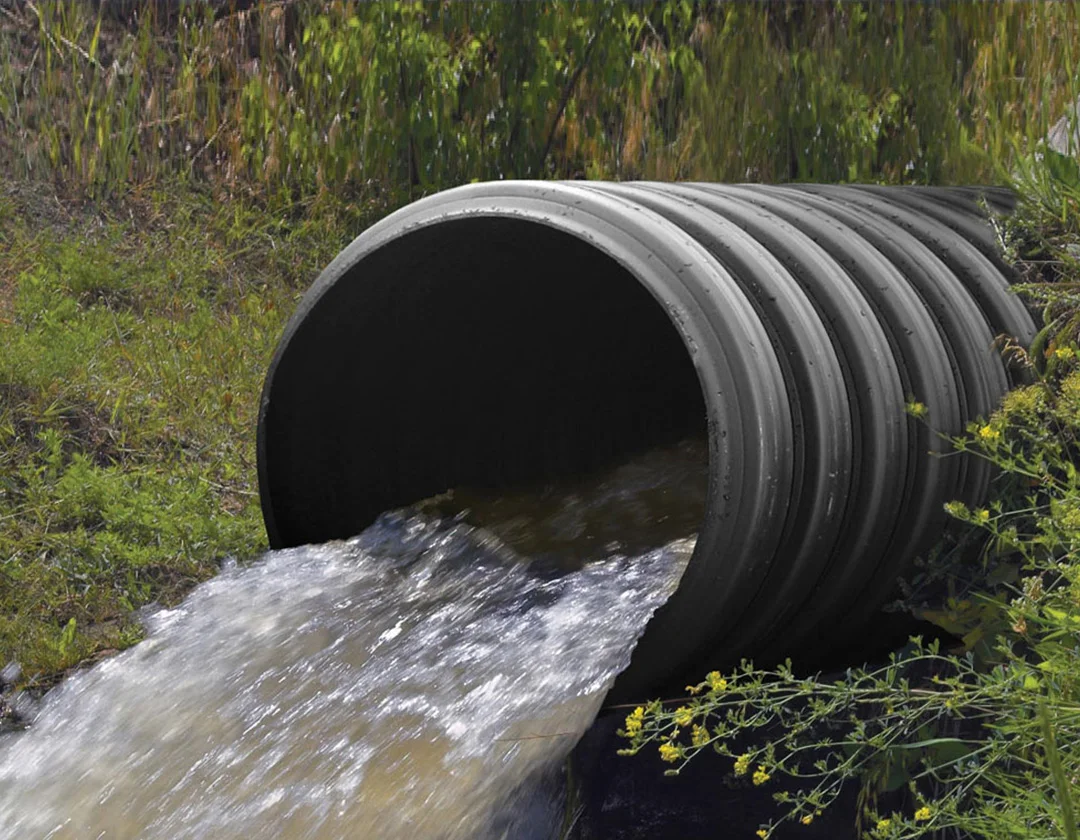
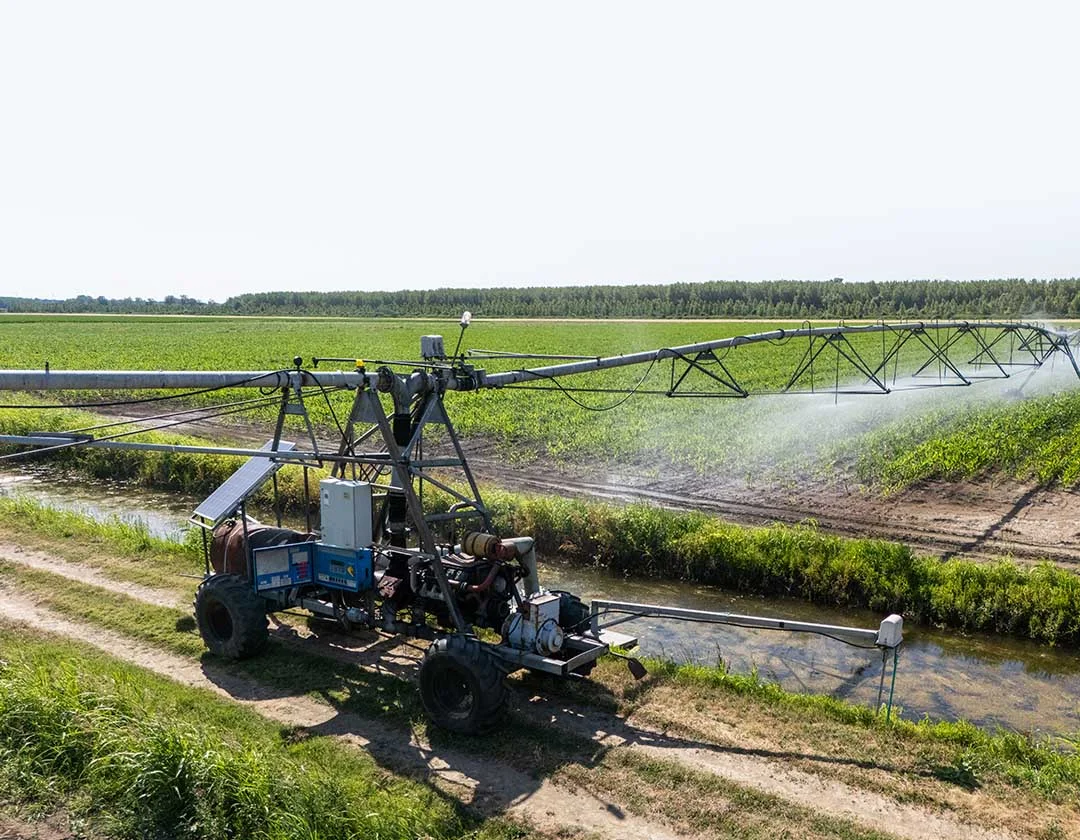
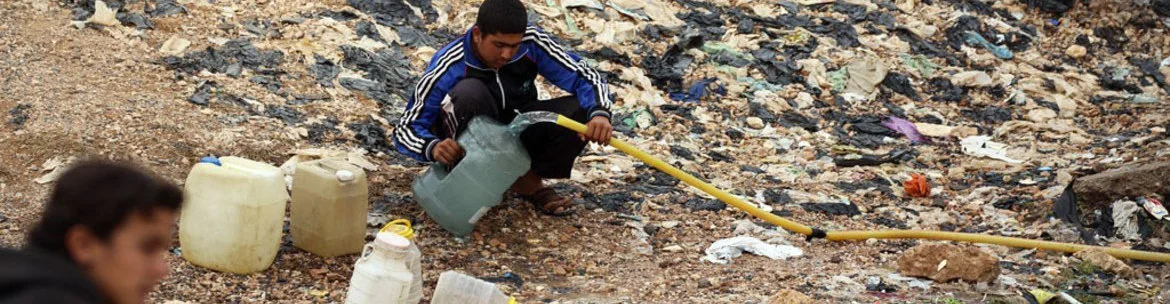
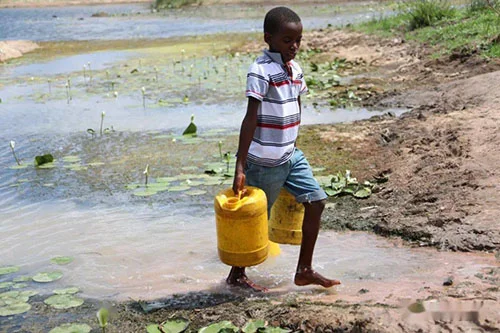
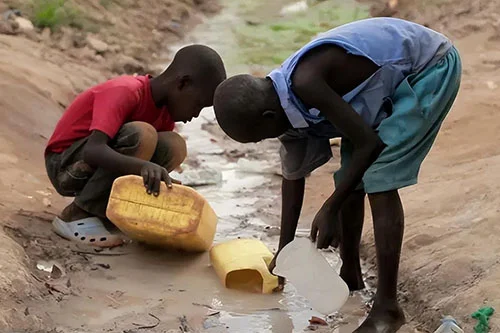
The rural communities near Aswan, Egypt, face severe water scarcity challenges. Located far from the Nile River, these areas struggle with limited access to clean water. Existing local water sources, primarily from lakes, are heavily polluted, making safe drinking water a precious and scarce resource. The original water transmission infrastructure, suffering from prolonged exposure to intense solar UV radiation and seasonal rain erosion, had deteriorated significantly due to corrosion. This led to frequent leaks, water loss, and contamination risks.
The key challenges for the new project were
High Performance Requirement: A need for a main pipeline capable of withstanding high pressure (up to 3.0 MPa) over long distances.
Extreme Environmental Resistance: Superior resistance to corrosion, UV degradation, and abrasion was essential for longevity in the harsh desert climate.
Cost-Effectiveness: The region's slow economic development demanded a solution that balanced initial investment with low maintenance costs and long service life, ensuring overall project affordability and sustainability.
▎Solution: A Tailored Composite Piping System
SIFFO Pipe provided a comprehensive, cost-effective piping solution tailored to the specific pressure requirements of different network sections:
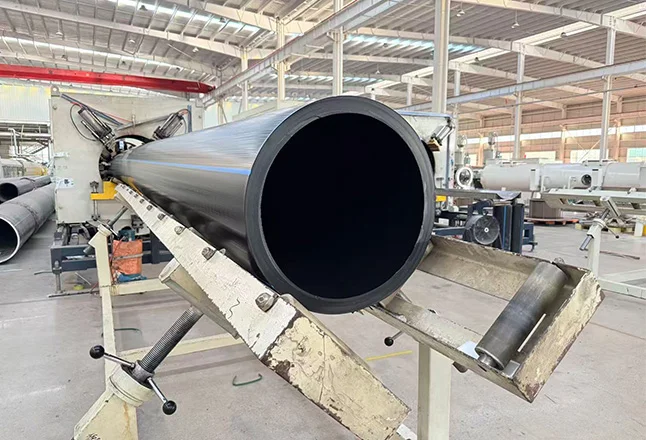
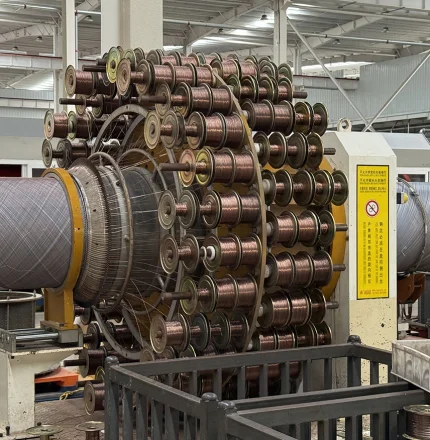
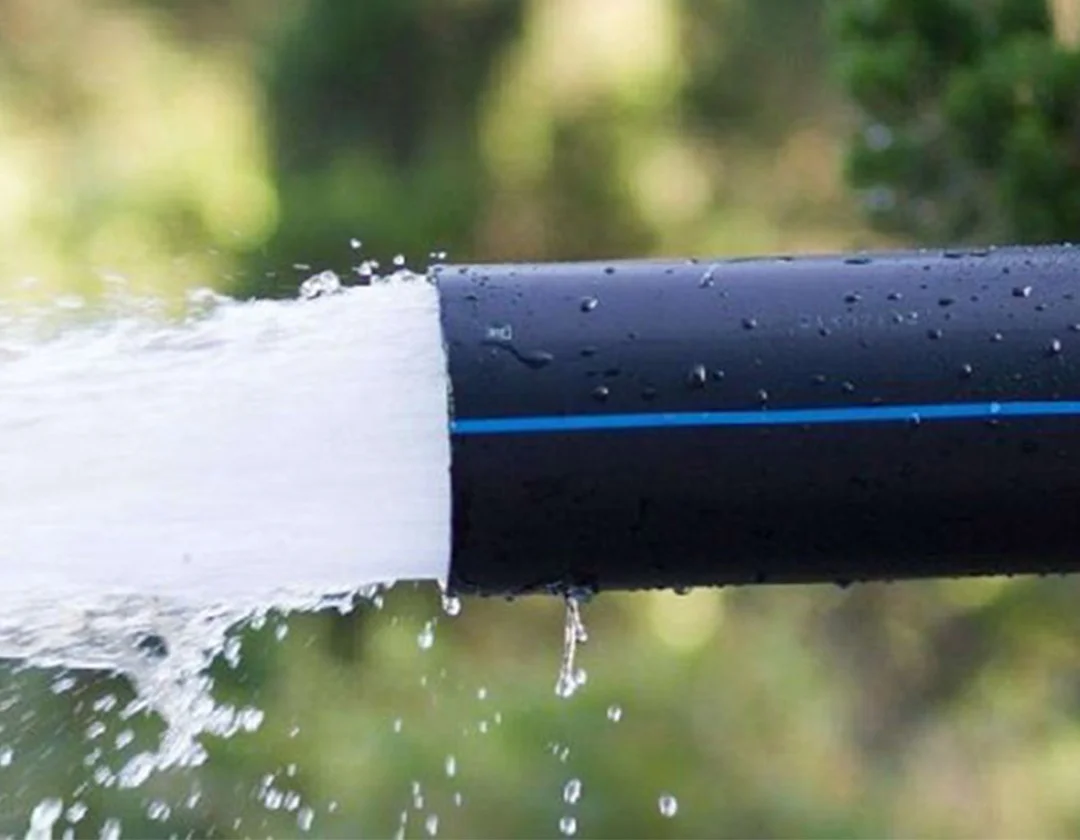
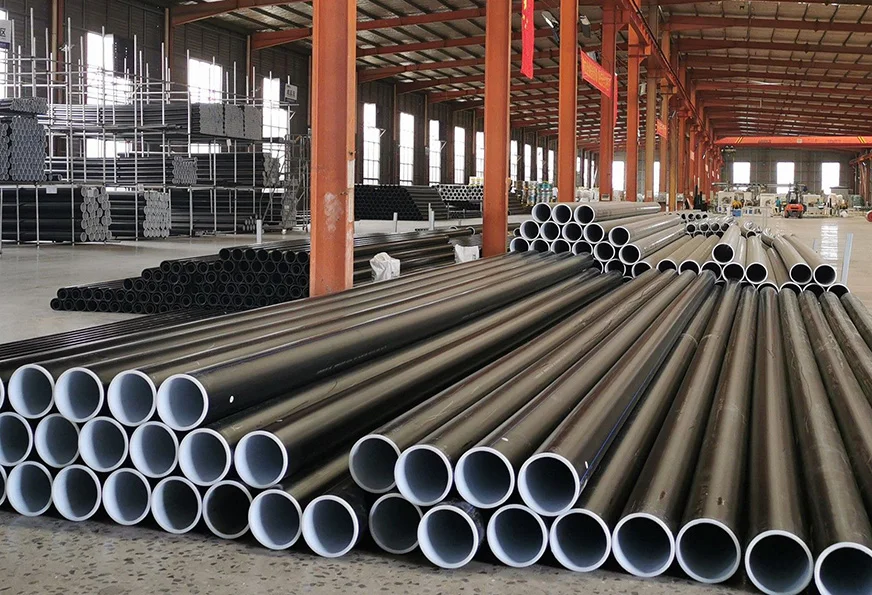
For the High-Pressure Main Pipeline: SIFFO HDPE Steel Wire Reinforced Composite Pipe (PE100, DN250mm) was selected as the core solution. This pipe combines the excellent corrosion resistance and flexibility of high-density polyethylene with the high strength and dimensional stability provided by a welded steel wire mesh skeleton. It is ideally suited for long-distance, high-pressure water transmission, meeting the critical 3.0 MPa pressure rating requirement.
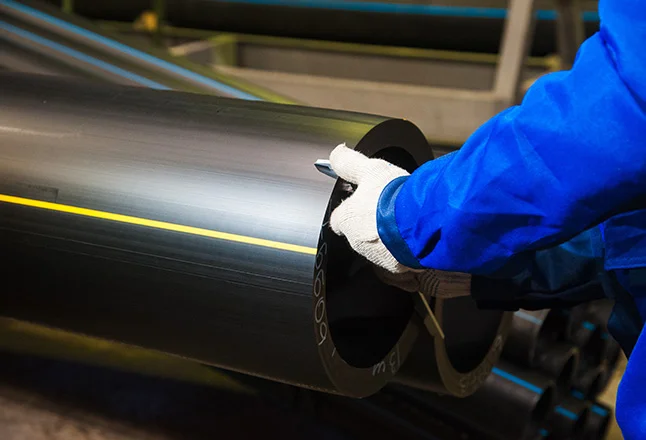
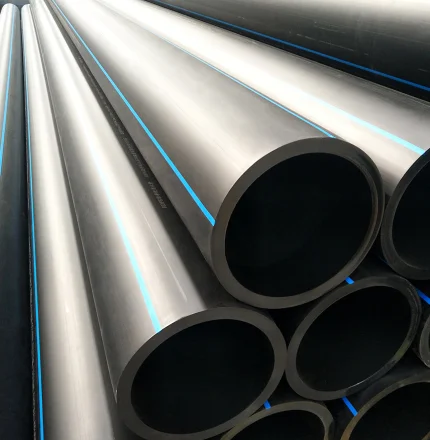
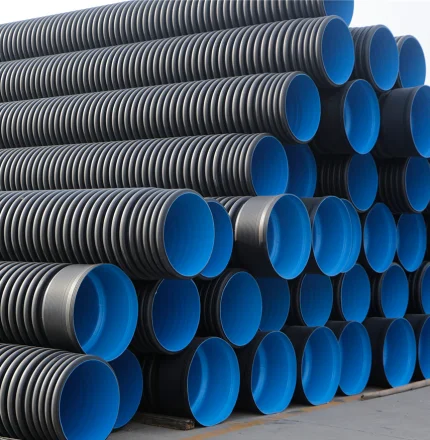
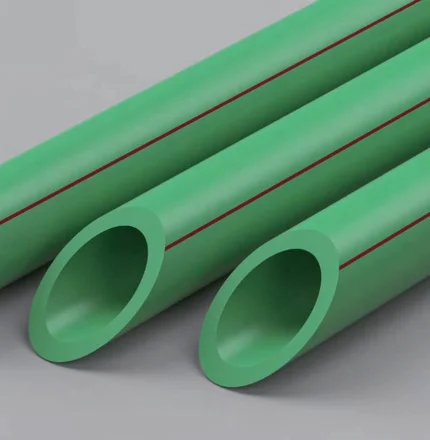
For Lower-Pressure Distribution Lines: Standard SIFFO HDPE Pipes (PE100) were chosen for branch networks. This offered a cost-optimized solution for sections with lower pressure demands while maintaining the same material benefits of corrosion resistance and durability.
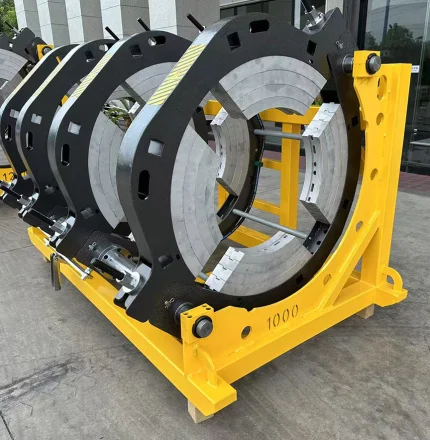
Complete System Support: SIFFO supplied a full range of compatible fittings (electrofusion and butt fusion) and provided on-site technical support. This included installation guidance, jointing procedure training for local teams, and quality assurance supervision to ensure a reliable and leak-free system.
▎Project Outcomes & Benefits
The successful implementation of the SIFFO piping system delivered significant benefits:
Reliable High-Pressure Water Transport: The steel wire reinforced composite pipes ensured secure and efficient water conveyance over long distances, directly addressing the core challenge of remote water delivery.
Exceptional Durability & Long Life: The all-HDPE-based system is inherently immune to electrochemical and chemical corrosion. The materials are highly resistant to UV stabilizers and environmental stress cracking, guaranteeing a service life of decades with minimal degradation.
Reduced Lifetime Costs: The leak-free fusion jointing technology eliminates water loss. Coupled with minimal maintenance needs and no requirement for cathodic protection or linings, the system significantly lowers operational and lifecycle costs.
Improved Public Health & Social Impact: The project secured a consistent supply of safe, clean drinking water for the rural communities, contributing to improved health outcomes and quality of life.
Sustainable & Efficient Implementation: The lightweight nature of HDPE pipes facilitated easier transportation and faster installation in remote areas, reducing overall project time and labor costs.
▎Conclusion
This project in rural Aswan demonstrates how a technically advanced yet economically sensible piping solution can overcome extreme environmental and infrastructural challenges. By deploying a differentiated system—utilizing high-strength HDPE Steel Wire Reinforced Composite Pipe for main lines and standard HDPE pipes for branches—SIFFO provided a durable, corrosion-proof, and cost-effective water supply network. This case underscores SIFFO Pipe's capability to deliver tailored, sustainable infrastructure solutions that address both engineering demands and the socio-economic realities of developing regions.
In the course of exporting steel wire reinforced HDPE composite pipes (SRTP), Shandong Siffo Plastic Technology Co., Ltd. has established a comprehensive service system covering the entire value chain—from the initial production stages and manufacturing processes through to final export. Its service advantages are primarily demonstrated in the following areas:
I. International Certifications and End-to-End Quality Control
Product compliance is a fundamental prerequisite in export trade. Shandong Sifu has obtained multiple authoritative international certifications—including ISO, WRAS, SGS, and BV—enabling it to meet the rigorous demands for high-quality products across diverse target markets.
Equipped with state-of-the-art testing facilities, the company conducts strict, dual-stage inspections covering both the production process and the pre-shipment phase. This comprehensive quality monitoring system—spanning the entire lifecycle from raw materials to finished goods—ensures that every batch of exported SRTP pipe meets international standards regarding key performance indicators such as pressure resistance, sealing integrity, and service life.
II. Flexible Manufacturing and Deeply Customized Services
To address the diverse engineering requirements of overseas clients, Shandong Sifu offers highly flexible OEM/ODM customization services. The company can tailor piping products to specific project needs, accommodating various specifications, pressure ratings (PN0.6 MPa–PN2.0 MPa), and specialized performance characteristics.
Its product line spans a wide diameter range—from DN20 mm to DN1400 mm—and includes a comprehensive array of fittings, such as electrofusion and butt-fusion fittings, ensuring seamless integration with piping systems. This integrated supply capability simplifies the procurement process for overseas clients and reduces the complexity associated with coordinating multiple vendors.
III. High-Efficiency Production Capacity and Agile Delivery System
Leveraging a large-scale production base with an annual capacity of 100,000 tons and a factory footprint exceeding 25,000 square meters, Shandong Sifu possesses the infrastructure necessary to handle large-volume export orders.
The company has introduced high-tech production lines to enhance manufacturing efficiency. Regarding delivery, lead times—measured from order confirmation—are typically kept within a range of 7 to 30 days, depending on the product type. This agile response mechanism effectively shortens procurement cycles for overseas clients and alleviates pressure on their capital turnover.
IV. One-Stop Professional Export and Logistics Services
Shandong Sifu specializes in providing reliable procurement and export services to overseas clients. With over five years of experience in product exports, the company is well-versed in international trade procedures and compliance requirements.
Regarding trade terms and logistics, the company supports standard Incoterms such as FOB and CIF, and can flexibly arrange various shipping methods—including sea freight, air freight, and express delivery—to meet specific client needs. Furthermore, the company accepts major international payment methods like Telegraphic Transfer (T/T) and Letters of Credit (L/C), ensuring convenient and secure transactions for its overseas partners.
V. Professional Technical Team and After-Sales Support
One of the company's core competencies lies in its robust technical capabilities. Shandong Sifu brings together a large team of technical experts dedicated to the R&D, production, and sales of plastic pipe products.
Regarding exports, the company offers not only standardized products but also assists clients in resolving technical application issues, such as material selection and structural design, during the pre-sales phase. Its SRTP piping system utilizes electrofusion joining technology—delivering high joint strength and excellent sealing performance—and is backed by professional technical guidance to ensure installation quality and long-term, stable operation for overseas projects.
▎HDPE Steel-Wire Reinforced Composite Pipe vs. HDPE Pipe vs. PVC Pipe
For rural water supply projects such as the Aswan application, selecting the pipe material based only on purchase price can lead to an unsuitable system. The better approach is to evaluate pressure requirements, flexibility, corrosion resistance, jointing, installation conditions and lifecycle performance.
HDPE Steel-Wire Reinforced Composite Pipe
HDPE steel-wire reinforced composite pipe combines a polyethylene-based pipe structure with a reinforcing steel-wire framework. The reinforcement increases the pipe's ability to withstand internal pressure while the HDPE layers provide corrosion resistance, chemical resistance and flexibility.
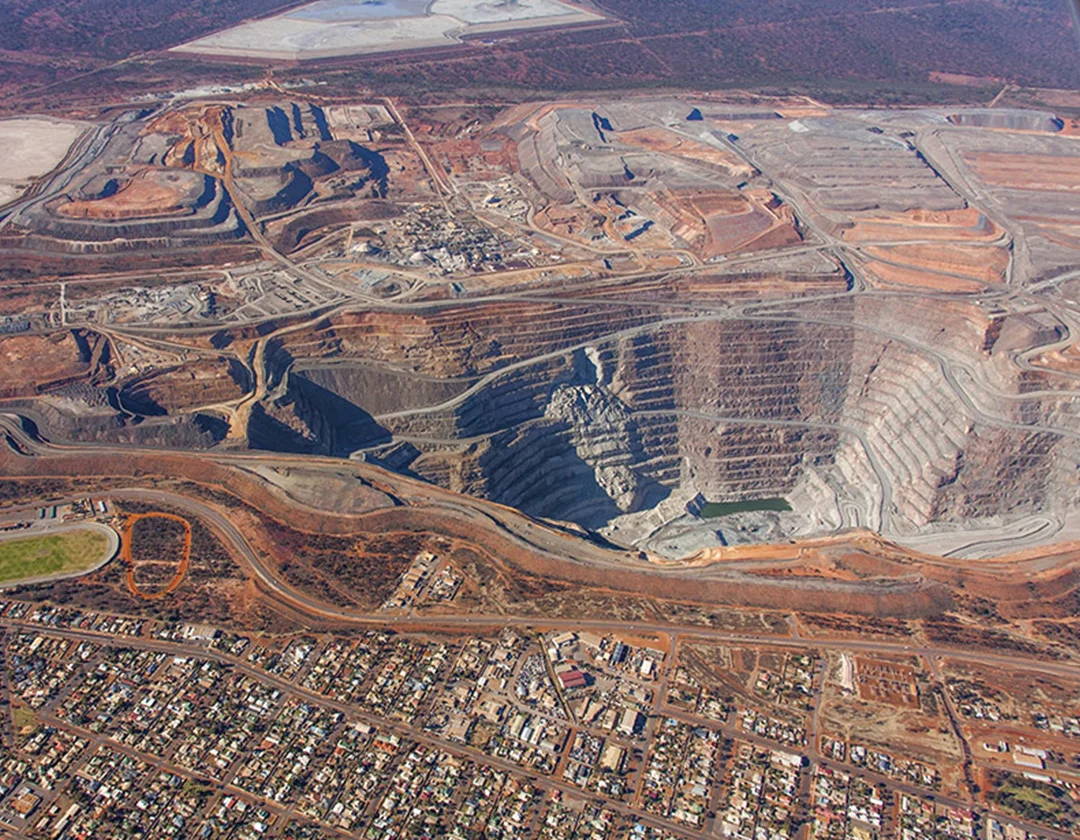
It is particularly useful for high-pressure water transmission, mining water systems, industrial pipelines and other projects where conventional HDPE may not provide the required pressure capacity.
In the Aswan project, this type of pipe was used for the DN250mm high-pressure main pipeline with a critical 3.0 MPa pressure requirement.
Standard PE100 HDPE Pipe
PE100 HDPE pipe is a widely used pressure pipe for municipal water supply, irrigation and rural distribution networks. Its major advantages include flexibility, corrosion resistance, impact resistance and reliable fusion connections.
For a water supply network with moderate pressure requirements, standard HDPE can provide a cost-effective solution without the additional reinforcement structure.
This is why PE100 HDPE pipe was selected for the branch network in the Aswan project.
PVC Pipe
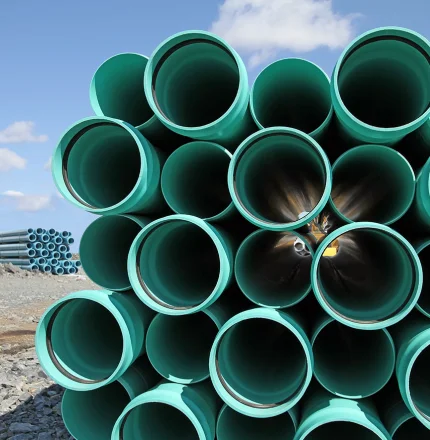
PVC pipe is a rigid thermoplastic pipe commonly used for water supply, irrigation, drainage and other infrastructure applications. It has a relatively high stiffness-to-weight ratio and can be economical for many pressure and non-pressure applications.
However, PVC is less flexible than HDPE, so installation design needs to account more carefully for ground movement, bending and localized settlement. The appropriate PVC pressure class and applicable standard must also be selected according to the project requirements.
Performance Factor | |||
Main application | High-pressure transmission | Water distribution & pressure pipelines | Water supply, irrigation & drainage |
Reinforcement | Steel-wire reinforced composite structure | No steel reinforcement | No steel reinforcement |
Pressure capability | Very high, project-specific | High, depending on SDR | High, depending on pressure class |
Flexibility | High | High | Lower |
Corrosion resistance | Excellent | Excellent | Excellent |
Resistance to ground movement | Excellent | Excellent | Moderate |
Impact resistance | Excellent | Excellent | Good, but more rigid |
Jointing | Fusion/mechanical methods depending on system | Butt fusion/electrofusion | Solvent cement, rubber ring or other approved systems |
Pipeline integrity | High | High with proper fusion | Depends on jointing system |
Weight | Relatively lightweight | Lightweight | Lightweight |
Suitability for uneven terrain | Excellent | Excellent | More installation considerations |
High-pressure mainline | Excellent | Good to excellent depending on design | Good, depending on pressure class |
Rural distribution network | Excellent | Excellent | Good |
Corrosion-related maintenance | Very low | Very low | Very low |
Typical project positioning | High-pressure/structurally demanding sections | Main and branch water networks | Economical rigid piping applications |
Why a Hybrid Pipe System Makes Sense for the Aswan Project
The key advantage of the Aswan solution is that it does not use one pipe type indiscriminately throughout the entire network.
The high-pressure main pipeline uses DN250mm PE100 HDPE steel-wire reinforced composite pipe to address the project's demanding 3.0 MPa pressure requirement. The branch network uses standard PE100 HDPE pipe where conventional HDPE performance is sufficient.
This approach allows the pipeline system to match the pipe structure to the actual hydraulic requirements of each section. It can help avoid over-specifying the entire network while maintaining the required safety margin for critical high-pressure sections.
▎FAQ
1. Why was HDPE steel-wire reinforced composite pipe selected for the 3.0 MPa main pipeline?
The main pipeline required a higher pressure rating than a conventional HDPE distribution network. The steel-wire reinforced structure increases the pipe's pressure-bearing capability while retaining important advantages of polyethylene, including corrosion resistance, relatively low weight, and flexibility.
For this project, the DN250mm reinforced composite pipe was designed around the 3.0 MPa working pressure requirement, making it suitable for the high-pressure water transmission section.
2. What are the advantages of using PE100 HDPE pipe in rural water supply projects?
PE100 HDPE pipe offers excellent corrosion resistance, impact resistance, flexibility and long-term hydraulic performance. It is particularly suitable for buried water pipelines because it does not rust and can accommodate a certain degree of ground movement.
Its relatively low weight can also simplify transportation and installation in rural areas where construction infrastructure may be limited.
3. Can HDPE pipe be used for high-pressure water transmission?
Yes. HDPE can be used for pressure water transmission when the material grade, SDR, diameter, temperature, design pressure and installation conditions are properly selected.
For applications with substantially higher pressure requirements, reinforced HDPE composite pipe can provide a higher-pressure solution than a conventional polyethylene pipe of the same nominal size.
4. Is HDPE suitable for hot and dry environments such as Aswan, Egypt?
HDPE is widely used in water infrastructure exposed to challenging environmental conditions. Its corrosion resistance is particularly useful where soil or groundwater could accelerate metallic pipe corrosion.
For hot climates, however, pipe design must consider operating temperature because polyethylene pressure capacity is temperature-dependent. The actual pressure rating should therefore be established according to the applicable standard, material grade, SDR and project design conditions.
5. How does HDPE steel-wire reinforced composite pipe compare with conventional HDPE pipe?
Standard HDPE pipe relies primarily on the polyethylene wall to withstand internal pressure. Steel-wire reinforced composite pipe incorporates a reinforcing structure within the composite wall, allowing it to address higher-pressure or structurally demanding applications.
In the Aswan project, this distinction allowed the DN250mm reinforced pipe to serve as the high-pressure main, while conventional PE100 HDPE pipe was used economically for the branch network.
6. How does HDPE compare with PVC pipe for rural water supply?
Both HDPE and PVC can be used for water supply, but they have different performance characteristics.
HDPE is generally more flexible and has excellent resistance to corrosion and ground movement. Its fusion-jointed system can create highly integrated pipeline sections with fewer mechanical joints.
PVC is relatively rigid and lightweight and can provide an economical solution for many municipal and irrigation applications. However, installation conditions, pressure requirements, jointing method, soil movement and project standards should all be considered before selecting the material.
7. Does SIFFO provide complete HDPE pipeline solutions?
Yes. SIFFO can provide HDPE pipes and fittings for water supply applications, including conventional PE100 HDPE pipe systems and reinforced HDPE composite solutions for demanding pressure applications.
For project-based procurement, pipe diameter, pressure rating, SDR, applicable standards, fittings, connection methods and delivery requirements can be evaluated as a complete system.
▎Need a Reliable High-Pressure Water Pipeline Solution?
From high-pressure transmission mains to rural distribution networks, SIFFO provides PE100 HDPE pipes, HDPE steel-wire reinforced composite pipes and matching fittings for municipal and rural water infrastructure.
Tell us your pipe diameter, design pressure, pipeline length, application and project location. Our technical team can recommend a suitable pipe structure and pressure solution for your project.
Contact SIFFO today for a customized HDPE water supply pipeline solution.