

▎Client Profile
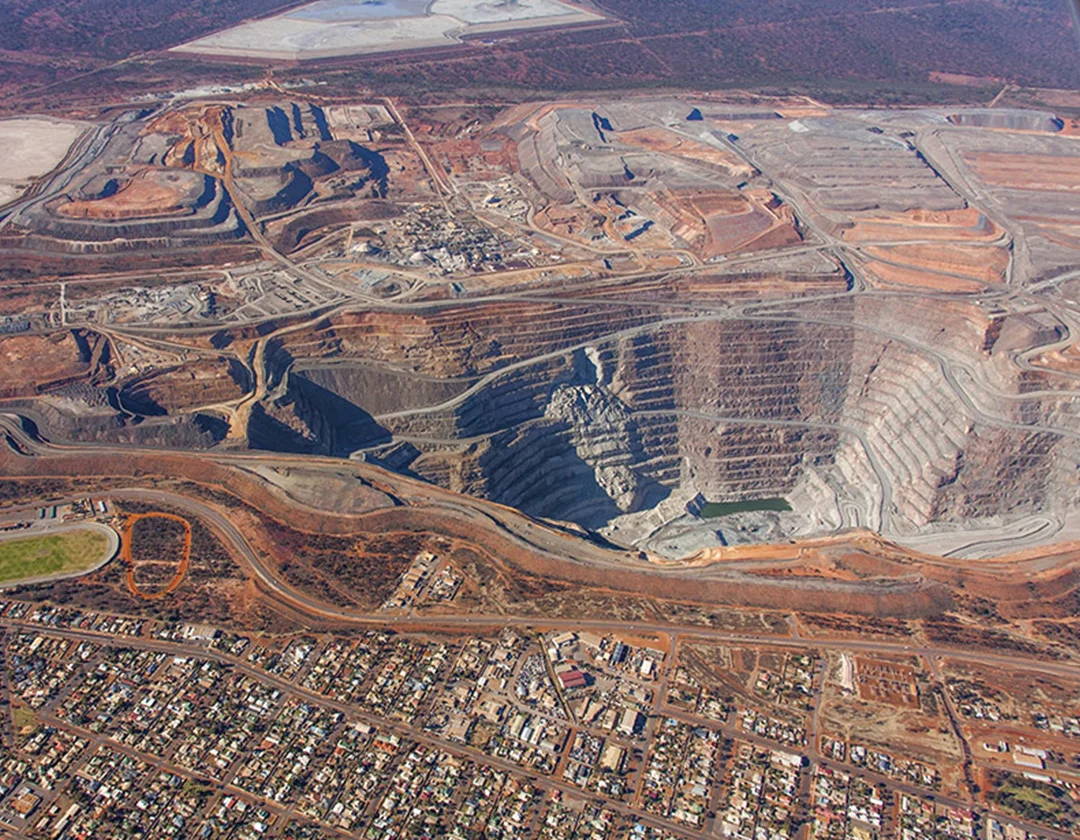
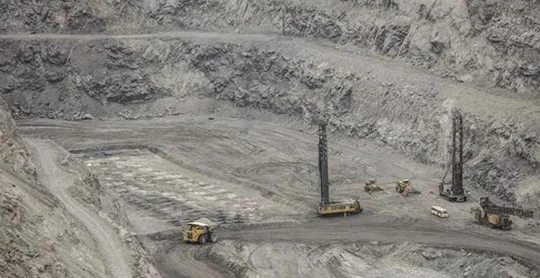
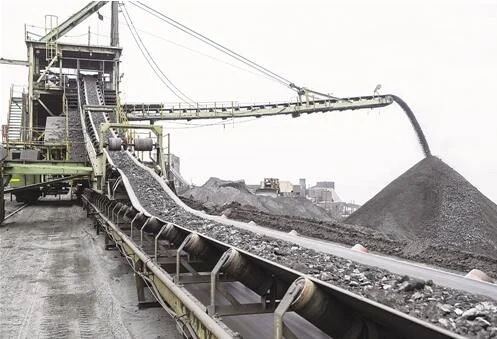
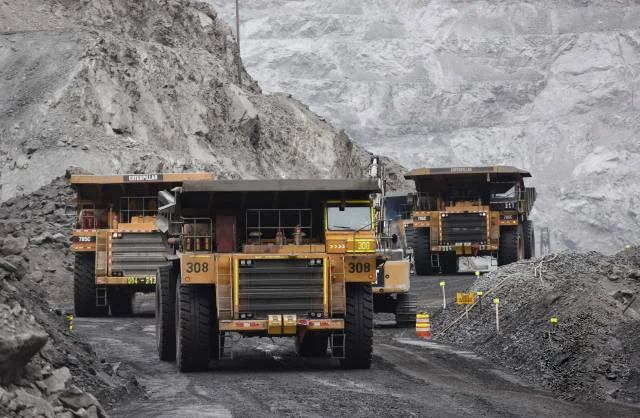
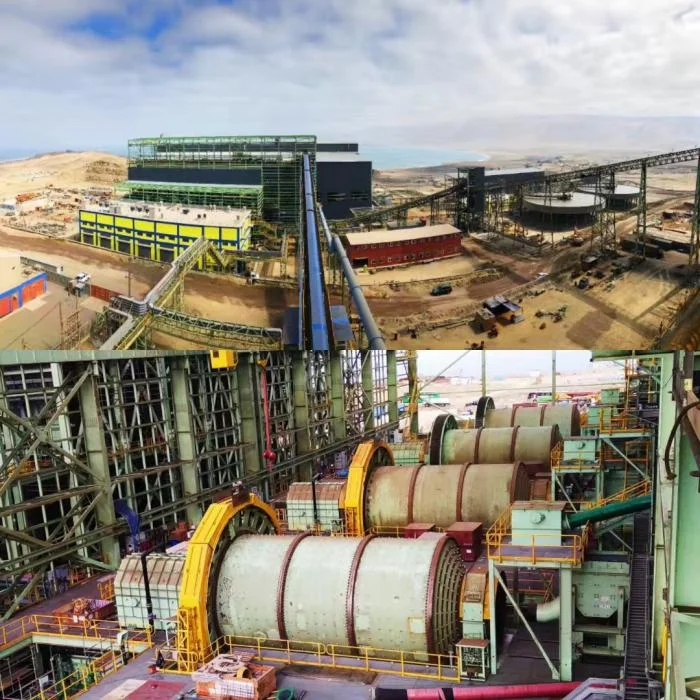
Shougang Hierro Perú, a subsidiary of China’s Shougang Group, operates an iron ore mine located in the Marcona District of Nazca, Ica Province, approximately 520 kilometers southeast of Lima, the capital of Peru. The site is a critical asset in the region’s mining sector, with efficient and safe tailings management being essential to its continuous operations.
▎Challenge
The transportation of iron ore tailings presented significant technical difficulties for the client. The abrasive and corrosive nature of the slurry, combined with the potential for static electricity buildup during high-flow transport, demanded a pipeline solution that could ensure:
Exceptional abrasion resistance to withstand prolonged exposure to solid particles.
High corrosion resistance to handle chemically active tailings and varying pH levels.
Effective anti-static properties to mitigate safety risks associated with static discharge.
Long-term reliability and low maintenance in a remote, demanding environment.
▎Solution
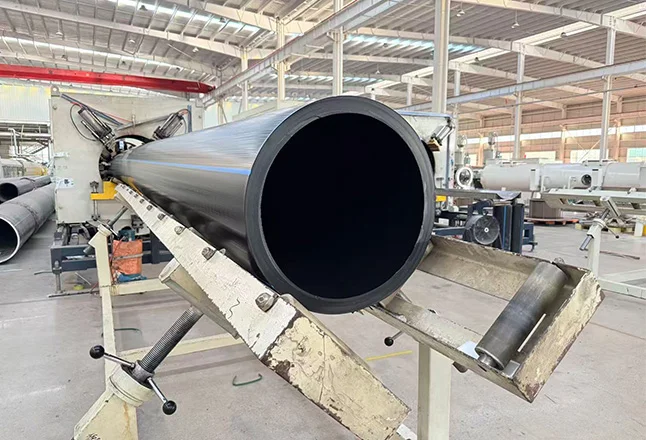
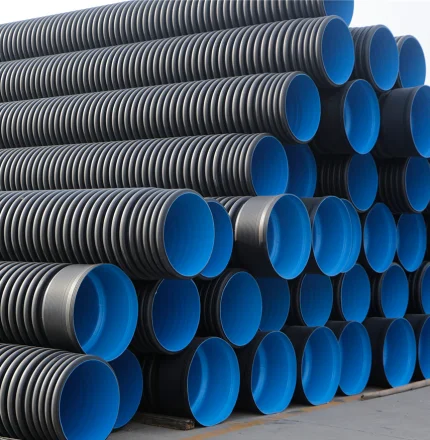
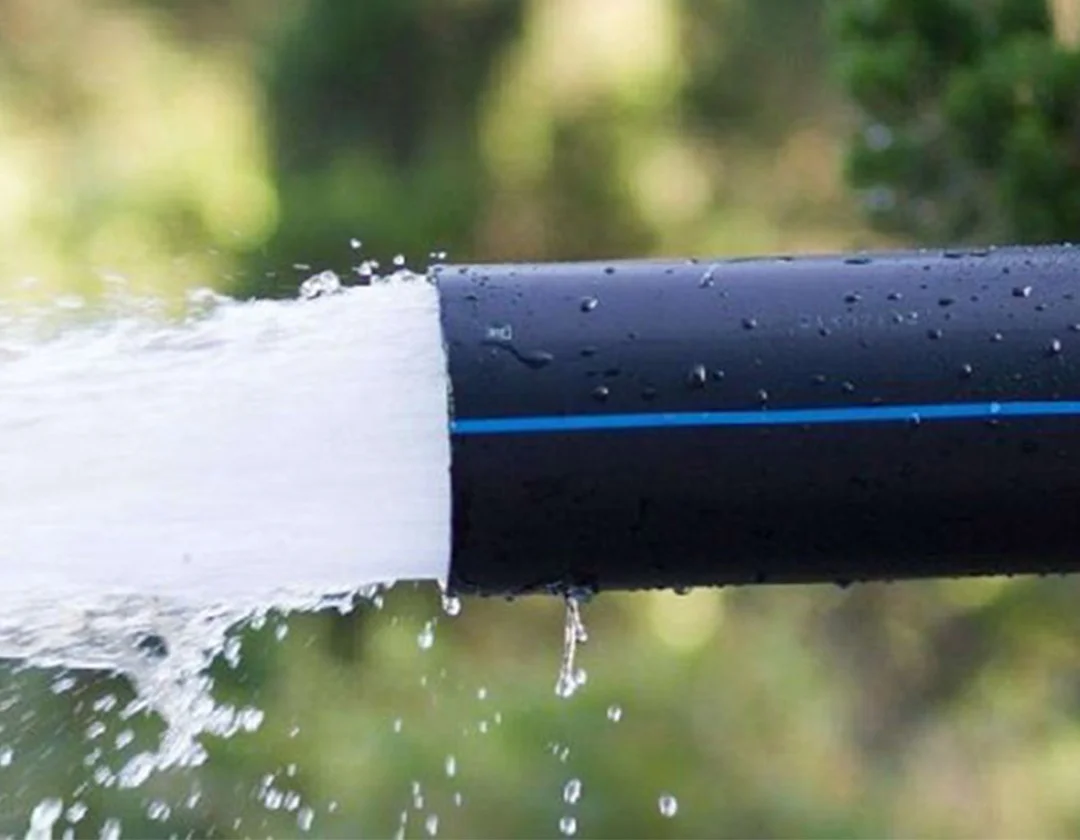
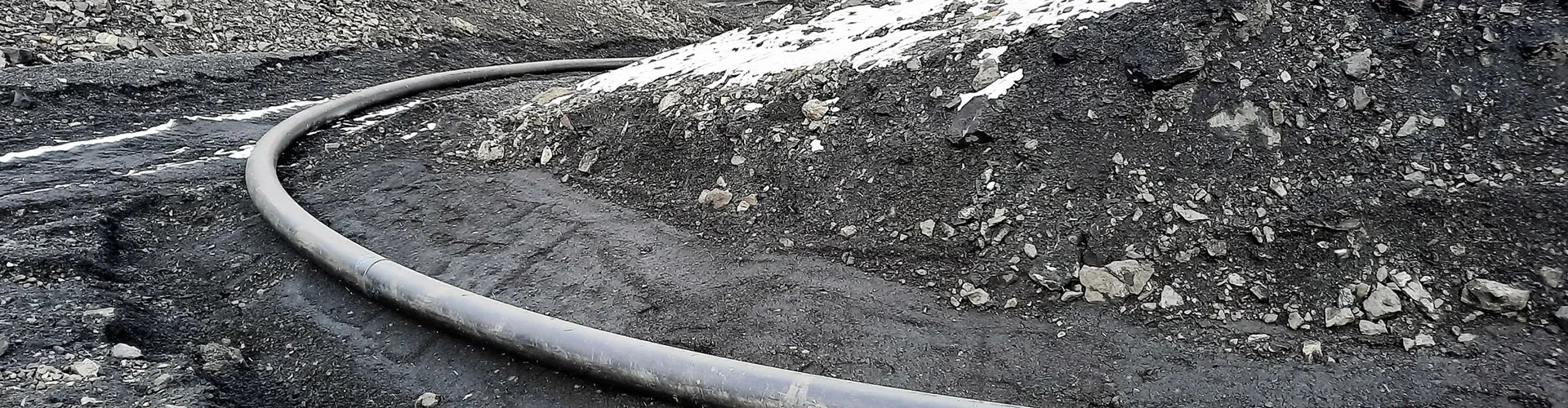
Shandong Siffo Plastic Technology Co., Ltd. provided a tailored pipeline system utilizing our specially engineered HDPE mining pipes. The solution featured pipes with an inner layer designed for superior wear resistance, specifically formulated to address the extreme abrasion of iron ore tailings.
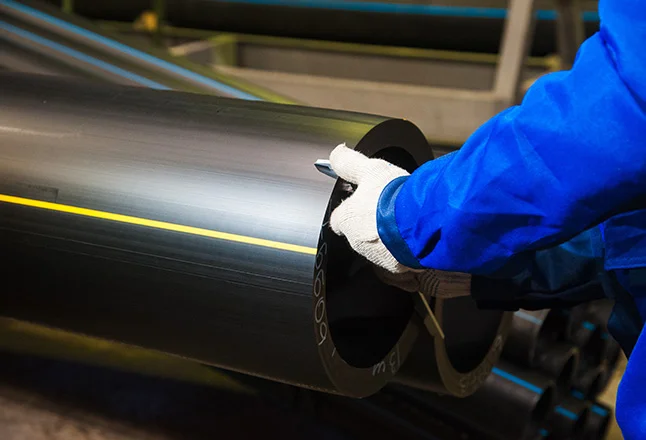
Inner Layer: Specially formulated ultra-high molecular weight polyethylene (UHMWPE) liner with exceptional wear resistance (ASTM D4020 compliant).
Middle Layer: Reinforced HDPE structural wall for pressure rating up to PN16.
Outer Layer: UV-stabilized, anti-static HDPE with conductive carbon black additive (surface resistance <10⁶ Ω).
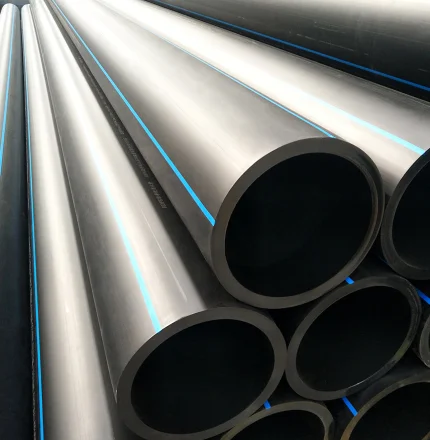
Pipe Sizes Supplied: 200mm to 315mm diameter, catering to the project’s flow rate and pressure requirements.
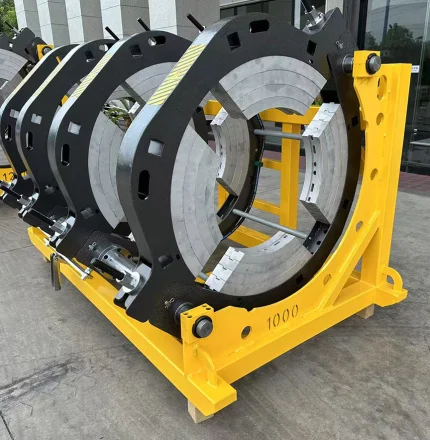
Connection System: Electrofusion couplers ensuring leak-free joints.
Material Excellence: The HDPE pipes offer outstanding natural corrosion resistance against the slurry, eliminating the rust and degradation common with metal alternatives.
Integrated Anti-static Design: Our pipes were manufactured with properties to safely dissipate static electricity, addressing a critical safety concern.
Durability & Service Life: The abrasion-resistant inner liner significantly extends the pipeline’s operational lifespan, reducing the frequency of replacements and associated downtime.
Lightweight & Installation Efficiency: Compared to traditional steel pipes, our HDPE pipes are much lighter, simplifying logistics and installation in the challenging terrain of the Nazca region.
Leak-Free Joints: The use of heat-fusion joining techniques created seamless, robust connections, eliminating leakage points.
▎Implementation Results
Since installation in Q3 2023, the Siffo piping system has demonstrated outstanding performance:
Zero Leakage: Continuous operation for 18+ months without maintenance issues.
Abrasion Resistance: Inner layer shows minimal wear after transporting 2.3 million tons of tailings.
Safety Compliance: Full adherence to mining safety standards for static control.
Production Uptime: Eliminated unplanned downtime related to pipe failures.
Environmental Protection: Secure containment prevents any seepage risks.
▎Customer Testimonial
"The Siffo anti-static wear-resistant HDPE pipes have transformed our tailings transportation operations. After struggling with frequent pipe replacements, we've now achieved uninterrupted production for over a year. The technical team's expertise in understanding our specific challenges and delivering a tailored solution has exceeded our expectations. This partnership significantly improves our operational efficiency and safety standards."
— Mining Operations Manager, Shougang Hierro Peru
▎Conclusion
This project demonstrates Siffo’s capability to deliver specialized industrial pipeline solutions for the mining sector’s most demanding applications. By combining material science with practical engineering, we provided Shougang Hierro Perú with a safe, durable, and cost-effective system, supporting sustainable and efficient mining operations in Peru.
▎HDPE Mining Pipe vs. Standard HDPE Pipe vs. Conventional Metal Pipe
Not all HDPE pipes are designed for the same application. Standard HDPE pipes are widely used for water supply, drainage and other general-purpose applications, but mining slurry and tailings transportation can expose pipelines to much more severe abrasion, impact and environmental conditions.
SIFFO's HDPE mining pipe is specifically designed for demanding mining applications such as iron ore tailings and mineral slurry transportation. Its multi-layer construction combines an abrasion-resistant inner layer, a structural HDPE middle layer, and a carbon-black modified outer layer designed to provide UV protection and antistatic performance.
Compared with conventional metal pipes, specialized HDPE mining pipes can offer significant advantages in corrosion resistance, flexibility, weight and installation. Compared with ordinary HDPE pipes, the key difference is the application-specific multi-layer design, particularly the enhanced abrasion resistance required for continuous slurry transportation.
Specialized HDPE Mining Pipe vs. Standard HDPE Pipe
Standard HDPE pipe provides excellent corrosion resistance, flexibility and impact resistance, making it suitable for many water, drainage and industrial applications. However, a conventional single-layer HDPE pipe may not be optimized for highly abrasive mining slurry.
A specialized mining HDPE pipe incorporates an abrasion-resistant inner layer to better withstand continuous contact with iron ore particles and other abrasive solids. Its carbon-black modified outer layer can also provide enhanced resistance to UV exposure and antistatic performance for demanding outdoor mining environments.
Therefore, the main difference is not simply the HDPE material itself, but the pipe structure and performance designed around the mining operating conditions.
Specialized HDPE Mining Pipe vs. Conventional Metal Pipe
Metal pipes have traditionally been used for demanding industrial and mining applications because of their mechanical strength and temperature capability. However, conventional steel or other metal pipelines can be susceptible to corrosion, are significantly heavier, and generally require more equipment for transportation and installation.
HDPE mining pipes are lightweight, corrosion-resistant and flexible. They can accommodate ground movement and are easier to handle during installation. For slurry applications, a specialized abrasion-resistant inner layer can improve resistance to wear caused by mineral particles.
The appropriate choice ultimately depends on slurry characteristics, operating pressure, temperature, installation conditions, required service life and project economics.
Performance Factor | Specialized HDPE Mining Pipe | Standard HDPE Pipe | Conventional Metal Pipe |
Primary application | Mining slurry, tailings and abrasive media | Water, drainage and general industrial service | Industrial, mining and high-temperature applications |
Pipe structure | Multi-layer, application-specific design | Generally single-layer HDPE | Homogeneous metal or lined metal |
Abrasion resistance | Enhanced with dedicated wear-resistant inner layer | Good, but depends on grade and application | Depends on metal grade, lining and slurry conditions |
Corrosion resistance | Excellent | Excellent | Requires material selection/coating/lining |
Flexibility | High | High | Low compared with HDPE |
Impact resistance | High | High | High, but depends on material |
UV resistance | Enhanced with carbon-black outer layer | Available with carbon-black stabilization | Generally good |
Antistatic performance | Can be engineered into outer layer | Not necessarily included | Depends on system design |
Weight | Lightweight | Lightweight | Heavy |
Installation and handling | Relatively easy | Easy | Requires more lifting and handling equipment |
Resistance to ground movement | High flexibility | High flexibility | Relatively low |
Corrosion-related maintenance | Low | Low | need |
Suitable for abrasive tailings | Yes, when properly engineered | Application-dependent | Yes, depending on material/lining |
Customization | Multi-layer structure can be engineered | Mainly based on diameter, SDR and grade | Material, wall thickness and lining options |
For mining projects where abrasive slurry is transported continuously over long distances, a purpose-designed HDPE mining pipeline can provide a more application-specific solution than a standard HDPE pipe.
▎About Shandong Siffo Plastic Technology Co., Ltd.
Shandong Siffo is a leading manufacturer of specialized plastic piping solutions for industrial applications, with:
15+ years of mining sector expertise
ISO 9001, ISO 14001, and OHSAS 18001 certifications
Export experience to 40+ countries
Custom R&D capabilities for extreme operating conditions
Comprehensive technical support from design to installation
▎HDPE pipes for mining FAQ
1. What type of HDPE pipe was used for the Peruvian iron ore tailings transportation project?
SIFFO supplied a specialized HDPE mining pipeline designed for iron ore tailings transportation. The pipe features a multi-layer structure consisting of an abrasion-resistant inner layer, an HDPE middle layer for structural strength and flexibility, and a carbon-black modified outer layer for UV resistance and antistatic performance.
2. Why is an abrasion-resistant inner layer important for iron ore tailings pipelines?
Iron ore tailings can contain abrasive solid particles that cause continuous wear on the internal pipe wall. An abrasion-resistant inner layer helps reduce wear caused by high-velocity slurry and suspended mineral particles, improving pipeline durability and reducing maintenance requirements.
3. What is the structure of SIFFO's mining HDPE tailings pipe?
The pipe uses a multi-layer construction optimized for demanding mining applications:
Inner layer: Abrasion-resistant material designed to withstand continuous slurry wear.
Middle layer: HDPE providing flexibility, impact resistance and overall structural performance.
Outer layer: Carbon-black modified HDPE designed to improve UV resistance and provide antistatic properties.
This layered construction allows the pipe to address both internal abrasion and external environmental conditions.
4. Is HDPE pipe suitable for iron ore tailings transportation?
Yes. HDPE is widely considered for slurry and tailings transportation because of its corrosion resistance, flexibility, impact resistance and relatively smooth internal surface. For highly abrasive iron ore tailings, a specialized abrasion-resistant inner layer can further improve the pipe's suitability for demanding slurry service.
5. How does the abrasion-resistant layer improve pipeline performance?
The abrasion-resistant inner layer is designed to reduce the rate of internal wall wear caused by mineral particles. This can help extend the service interval of the pipeline and reduce the frequency of pipe replacement compared with conventional pipe designs that are not optimized for abrasive slurry.
6. Why is carbon black added to the outer layer of the HDPE mining pipe?
Carbon black helps protect polyethylene from degradation caused by long-term exposure to ultraviolet (UV) radiation. This is particularly important for mining pipelines installed outdoors or in areas with strong sunlight.
7. Is the outer layer of the pipe antistatic?
The outer layer is designed with antistatic properties to help dissipate electrostatic charge. This feature is particularly relevant to mining environments where pipeline safety and electrostatic control can be important considerations. The specific antistatic performance should be confirmed according to the project's technical specification and testing requirements.
8. Can the pipe be used for above-ground mining slurry pipelines?
Yes. Specialized HDPE mining pipes can be used in above-ground slurry and tailings transportation systems. Their flexibility, impact resistance and corrosion resistance make them suitable for challenging mining environments. Pipe wall structure, pressure rating, support spacing and installation conditions should be selected according to the project design.
9. Can SIFFO customize HDPE pipes for different mining conditions?
Yes. SIFFO can develop customized pipe structures according to project requirements such as tailings characteristics, abrasive particle content, slurry velocity, operating pressure, installation environment, temperature and required service life. The thickness and composition of individual layers can be evaluated according to the application.
10. What factors should be considered when selecting an HDPE tailings pipeline?
Important design parameters include:
Tailings particle size and concentration.
Slurry density and flow velocity.
Abrasiveness of the transported material.
Operating and surge pressure.
Pipeline diameter and length.
Above-ground or buried installation.
UV exposure and environmental conditions.
Required wear life and maintenance interval.
Connection method and installation requirements.
11. Can SIFFO provide a complete HDPE mining pipeline solution?
SIFFO can provide HDPE mining pipes and related pipeline solutions for demanding slurry and tailings transportation applications. Project-specific recommendations can be developed based on the operating conditions, pipeline layout, pressure requirements and expected service life.
▎Need a Customized HDPE Tailings Pipeline for Your Mining Project?
Transporting iron ore tailings requires more than a standard HDPE pipe. SIFFO provides specialized multi-layer HDPE mining pipelines with abrasion-resistant inner layers, HDPE structural layers and carbon-black modified outer layers for UV protection and antistatic performance.
Tell us your tailings characteristics, pipe diameter, operating pressure, flow rate and installation conditions. Our engineering team can recommend a suitable HDPE pipeline structure for your project.