

▎Project Background
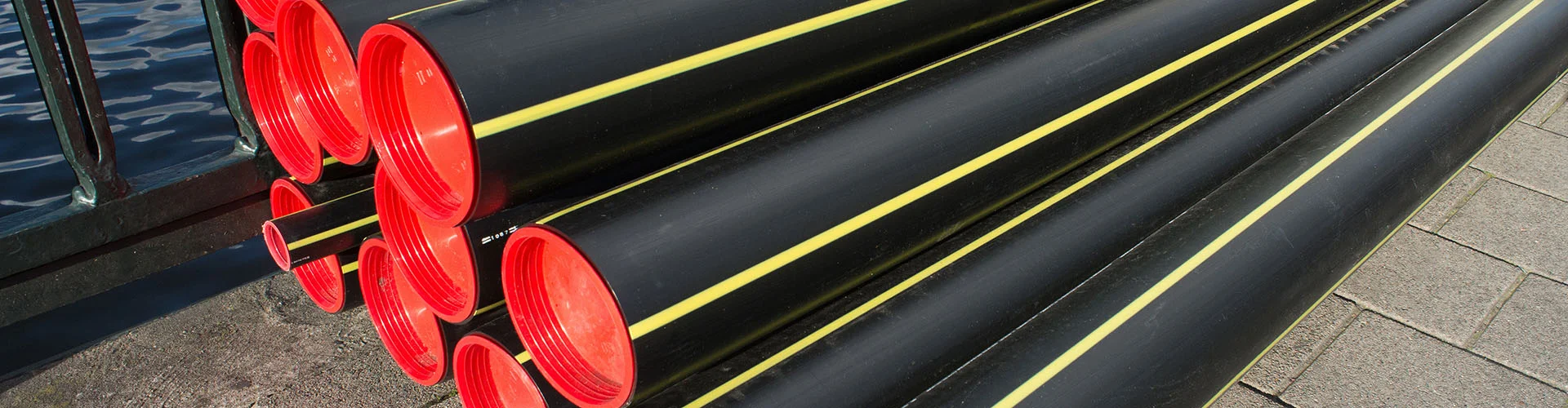
In response to growing energy demands and the need to upgrade urban infrastructure, a comprehensive natural gas transmission and distribution project was initiated to deliver gas to various parts of Romanian cities. The project required a robust pipeline system compliant with EN 1555 standards, specifically designed for buried applications with exceptional performance characteristics.
▎Customer Requirements
Compliance: Full adherence to EN 1555 standards for gas distribution
Corrosion Resistance: Excellent resistance to underground corrosive environments
Flexibility: Sufficient toughness to withstand geological movements and soil settlement
Pressure Rating: Main pipeline operating pressure of 1.0 MPa
Safety: High safety standards with minimal leakage risk
Longevity: Extended service life with minimal maintenance requirements.
▎SIFFO Solution
Shandong SIFFO Plastic Technology Co., Ltd. provided a comprehensive pipeline solution:
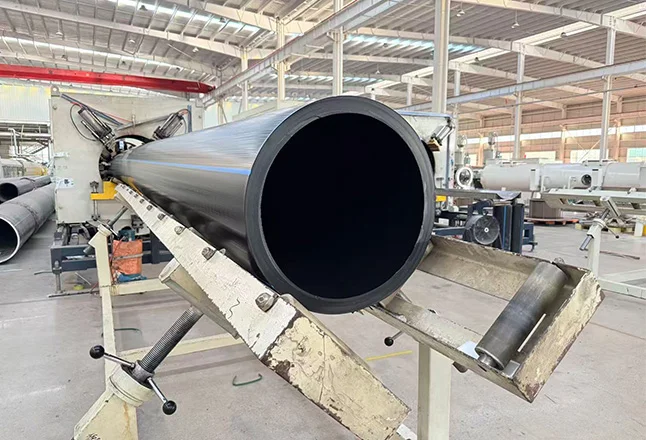
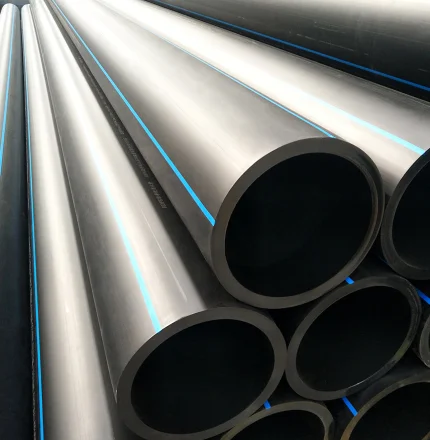
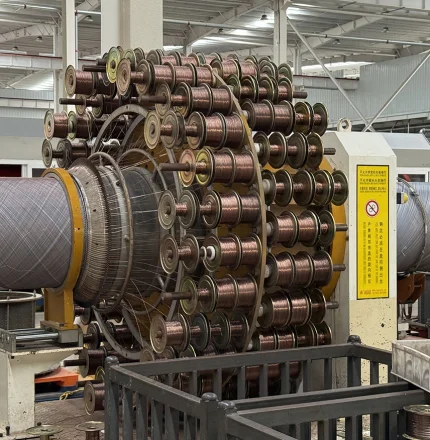
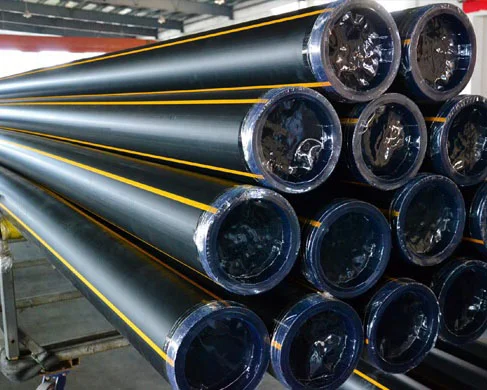
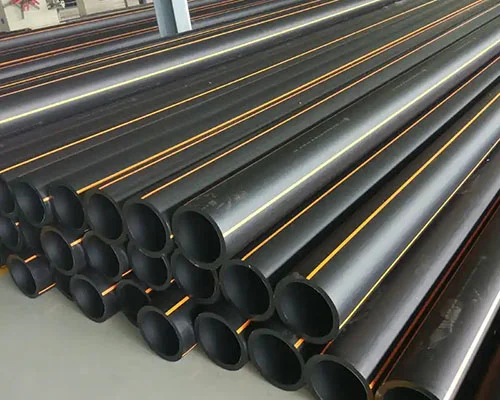
Main Pipeline: Ultra-high strength SRPE Pipe (Steel Reinforced HDPE Composite Pipe)
Superior pressure-bearing capacity for 1.0 MPa operation
Enhanced corrosion resistance for buried applications
Excellent structural integrity and long-term reliability
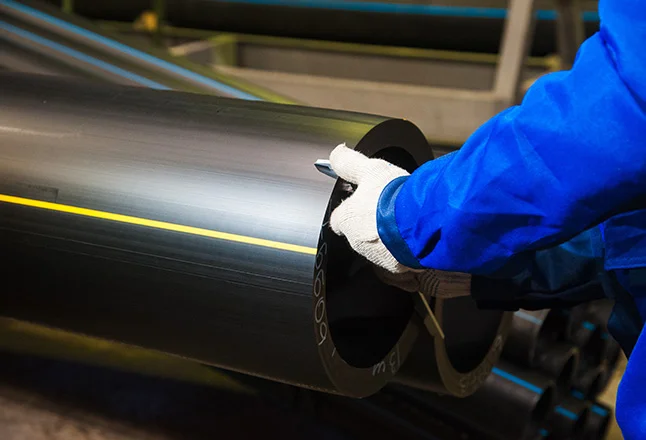
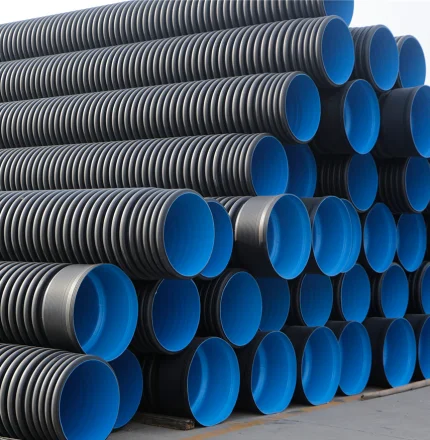
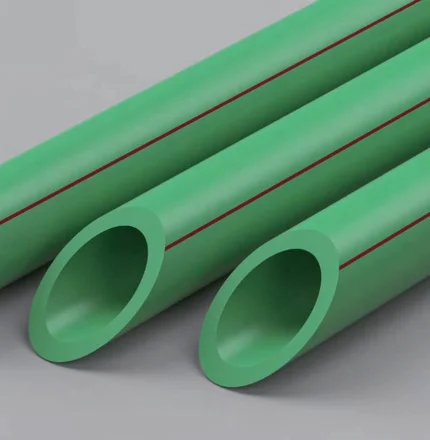
Branch Pipelines: Flexible HDPE Gas Pipes
Exceptional flexibility for easy installation in urban environments
EN 1555 compliant materials
Optimized for lower pressure distribution networks
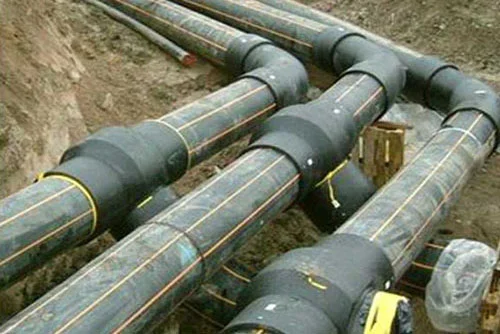
Fittings: Custom-designed high-pressure resistant fittings
Engineered to match system performance requirements
Full compatibility with SRPE and HDPE pipes
Connection Methods:
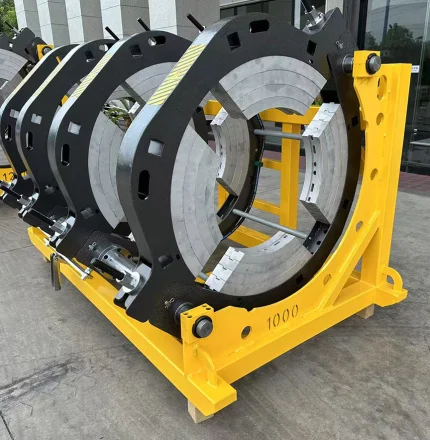
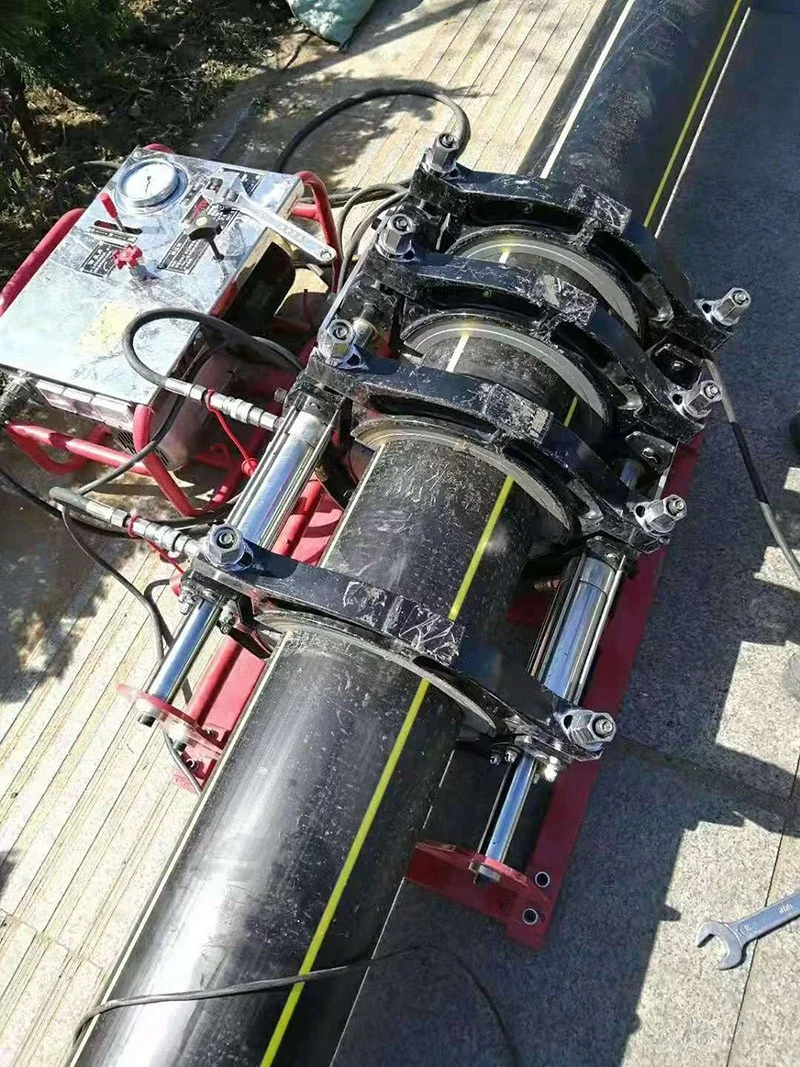
Butt Fusion Welding: For main pipeline joints ensuring maximum strength
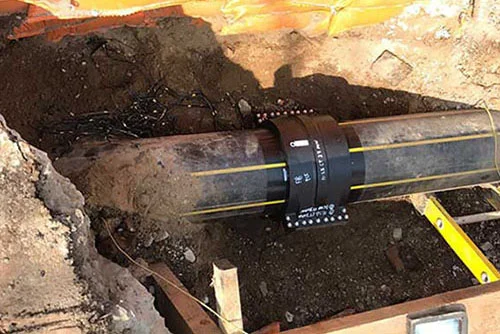
Electrofusion Connection: For branch lines providing reliable, leak-free seals.
▎Project Outcome
The SIFFO solution successfully met all customer specifications, delivering:
Full EN 1555 standard compliance
Enhanced safety with virtually zero leakage risk
Superior corrosion resistance for 50+ year service life
Cost-effective installation due to flexible pipe characteristics
Minimal maintenance requirements throughout the system lifecycle.
This project demonstrates SIFFO's capability to provide integrated pipeline solutions for critical gas distribution infrastructure, combining advanced materials technology with practical installation methods to meet stringent European standards.
▎Why SIFFO?
Expertise in high-pressure plastic composite piping systems for gas distribution.
Tailored solutions combining structural strength with material flexibility.
Comprehensive support from design to installation guidance.
▎HDPE Gas Pipe FAQ
1. Are HDPE pipes suitable for natural gas transmission and distribution?
Yes. PE/HDPE pipes are widely used for underground natural gas distribution and other gas pipeline applications when the pipe material, pressure rating, dimensions, and applicable gas-pipeline standards are properly specified. The selection should always be based on the operating pressure, gas composition, temperature, installation conditions, and local regulatory requirements.
2. Are HDPE gas pipes resistant to corrosion?
Yes. HDPE is inherently resistant to corrosion and does not rust like steel pipes. This makes HDPE particularly suitable for buried gas pipelines exposed to moisture, soil, and potentially corrosive ground conditions.
3. How are HDPE gas pipes connected?
HDPE gas pipes are commonly connected using butt fusion or electrofusion, depending on the pipeline design and applicable project requirements. Properly performed fusion creates a continuous polyethylene joint and eliminates many of the leakage risks associated with mechanically joined pipeline systems.
4. What standards should be considered for HDPE natural gas pipes?
The applicable standard depends on the project location and regulatory requirements. Gas pipeline projects may require standards such as ISO 4437, EN 1555, ASTM D2513, or relevant national gas-pipeline regulations. SIFFO can help determine the appropriate pipe specification and standard according to the project requirements.
5. Can HDPE gas pipes withstand ground movement?
HDPE has significantly greater flexibility than rigid metallic pipe systems. Its flexibility allows the pipeline to accommodate certain levels of soil settlement, ground movement, and thermal expansion without the same susceptibility to brittle failure as rigid materials. Engineering design is still required for unstable or challenging ground conditions.
6. What are the advantages of HDPE gas pipes over steel pipes?
HDPE offers excellent corrosion resistance, lower weight, flexibility, and fusion-welded joints. Steel provides higher mechanical strength and is suitable for applications requiring very high pressure or temperature resistance. Therefore, material selection should be based on the required operating pressure, installation conditions, design life, and applicable gas regulations.
7. Can SIFFO provide HDPE gas pipes and fittings for complete pipeline systems?
Yes. SIFFO can provide HDPE gas pipes together with compatible fittings and pipeline components. For project-based orders, pipe dimensions, SDR/pressure class, fittings, connection method, standards, and packaging can be coordinated according to the engineering requirements.
8. What information is required to select the right HDPE gas pipe?
For a project quotation or technical recommendation, it is useful to provide the required pipe diameter, operating and design pressure, SDR or pressure class, gas application, project length, installation method, applicable standards, project location, and required fittings. SIFFO can then recommend a suitable HDPE gas pipe configuration.
▎Get a Reliable HDPE Gas Pipeline Solution for Your Project
Planning an underground natural gas transmission or distribution project?
SIFFO provides HDPE gas pipes and fittings for gas pipeline infrastructure, with customized specifications for pipe diameter, SDR/pressure rating, standards, fittings, and project requirements.
Send us your pipeline specifications today and our technical team can help you select the right HDPE gas pipe solution for your project.