

Introduction: The Evolution of Industrial Piping Systems
In modern industrial infrastructure, the selection of piping materials directly impacts operational efficiency, safety margins, and long-term capital expenditure. While traditional metal piping systems have served industries for decades, they present inherent limitations: corrosion susceptibility, substantial weight penalties, and demanding installation protocols.
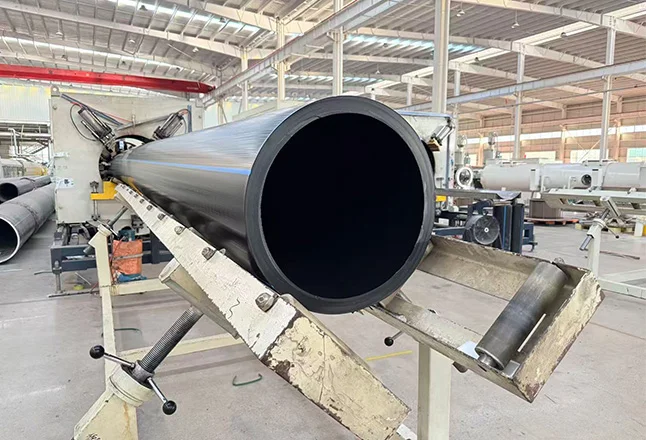
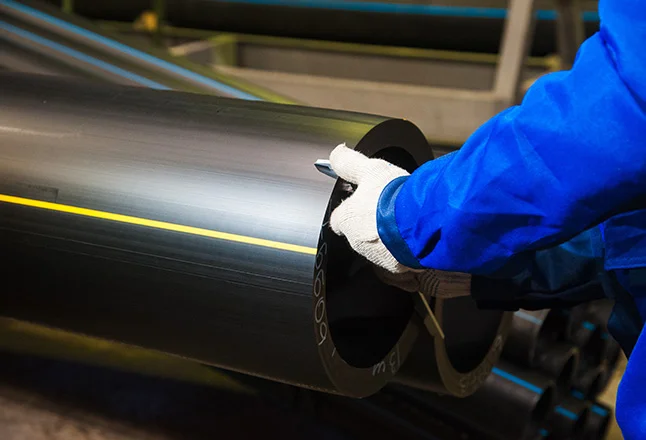
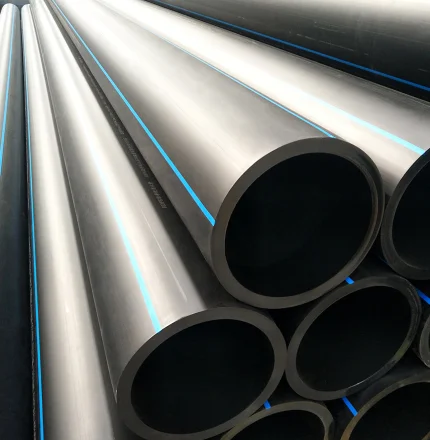
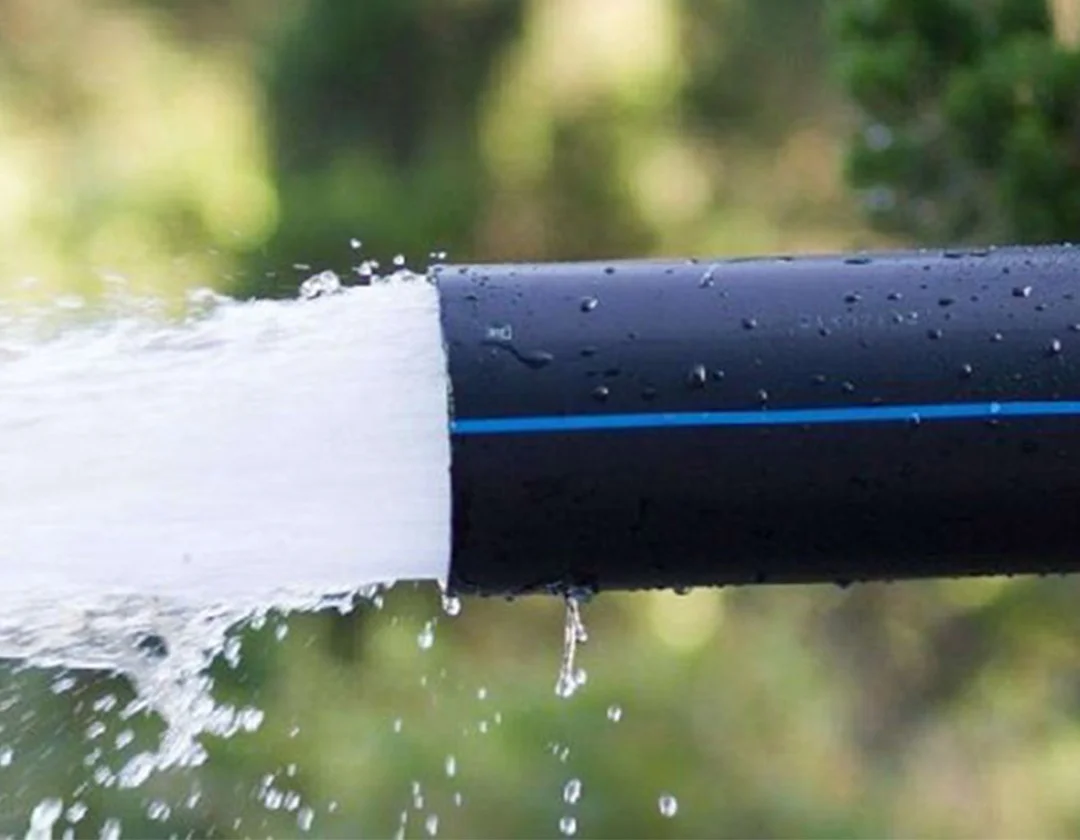
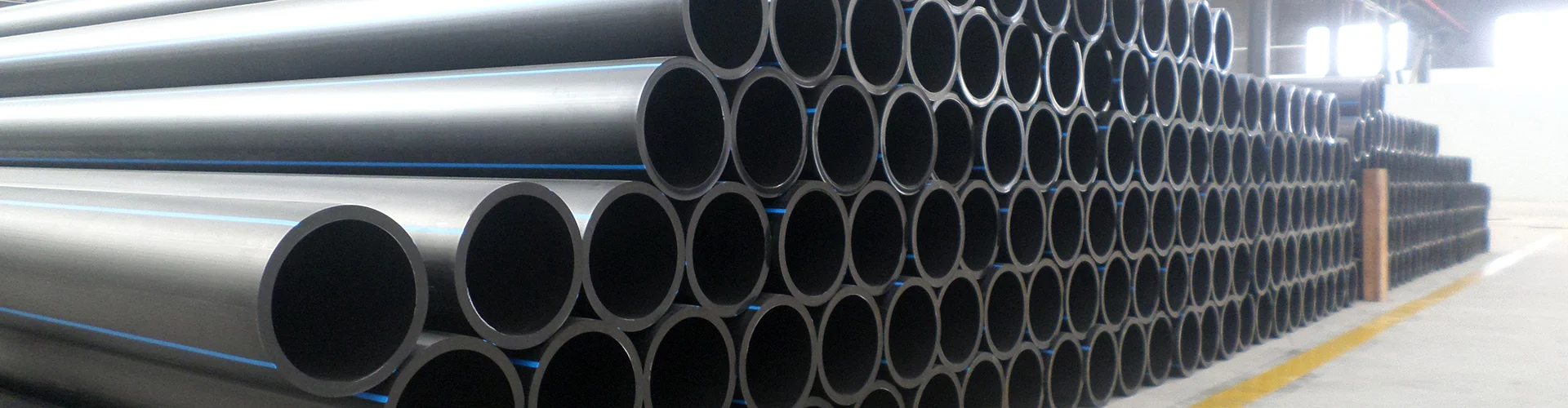
High-Density Polyethylene (HDPE) pipes, specifically PE100 RC (Resistant to Crack) grade, represent a paradigm shift in polymer engineering—offering mechanical properties that challenge conventional materials while eliminating their critical vulnerabilities. At Shandong Siffo Plastic Technology Co., Ltd., we specialize in manufacturing PE100 RC piping solutions engineered for the rigorous demands of chemical processing, mining operations, municipal infrastructure, and energy sectors.
What Distinguishes PE100 RC?
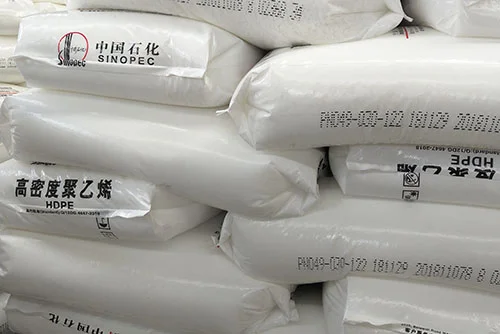
PE100 refers to the highest performance classification within the ISO 4427 and EN 12201 standards for polyethylene piping systems. The designation indicates:
Minimum Required Strength (MRS): 10.0 MPa at 20°C for 50 years.
Superior Slow Crack Growth Resistance: Critical for buried and dynamic-load applications.
Enhanced Hydrostatic Strength: Allowing for higher operating pressures with reduced wall thickness.
The RC (Resistant to Crack) modifier signifies advanced bimodal polymer architecture. Unlike conventional PE100, RC grades incorporate:
Optimized Molecular Weight Distribution: Balancing processability with mechanical performance.
Enhanced Stress Crack Resistance: Typically 3-5× improvement over standard PE100 in Notched Pipe Test (NPT) evaluations.
Superior Rapid Crack Propagation Resistance: Essential for high-pressure gas distribution and critical fluid transport.
| Property | PE100 RC | Standard PE100 | PVC-U | Steel (Carbon) |
|---|---|---|---|---|
| Density (g/cm³) | 0.945-0.955 | 0.945-0.955 | 1.40 | 7.85 |
| Tensile Strength (MPa) | 25-33 | 22-30 | 45-60 | 400-550 |
| Flexural Modulus (MPa) | 800-1100 | 700-1000 | 2500-3000 | 210,000 |
| Slow Crack Growth Resistance | Exceptional | Good | N/A | N/A |
| Corrosion Resistance | Inert | Inert | Limited | Poor |
| Design Life (years) | >100 | >100 | 50 | 20-40 |
Critical Industrial Applications
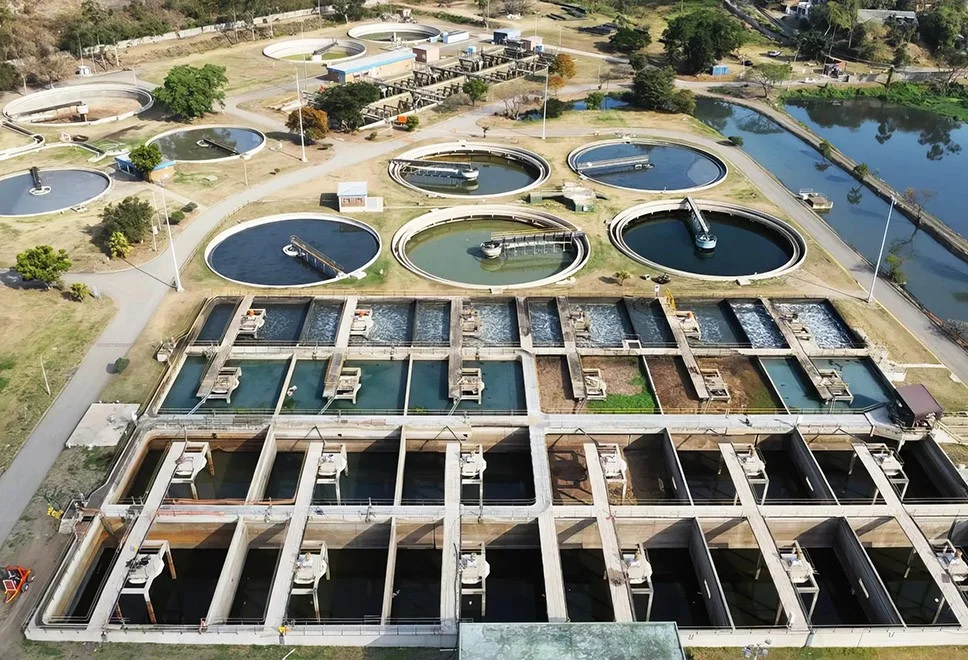
1. Chemical Processing & Corrosive Fluid Transport
The Challenge:
Aggressive chemical environments—acids, alkalis, and solvent-laden process streams—rapidly degrade metallic piping, necessitating costly corrosion allowances, protective linings, and frequent replacement cycles.
The PE100 RC Solution:
Our HDPE piping systems demonstrate complete chemical inertness across pH ranges 1-14, resisting:
Sulfuric acid concentrations up to 98%
Sodium hydroxide solutions to saturation
Hydrocarbon-based solvents and process chemicals
Case Application: A petrochemical facility in East China replaced stainless steel transfer lines with Sifu PE100 RC piping for 32% hydrochloric acid transport. Elimination of corrosion-related maintenance reduced downtime by 340 hours annually, with projected 25-year service life versus 8-year steel replacement cycles.
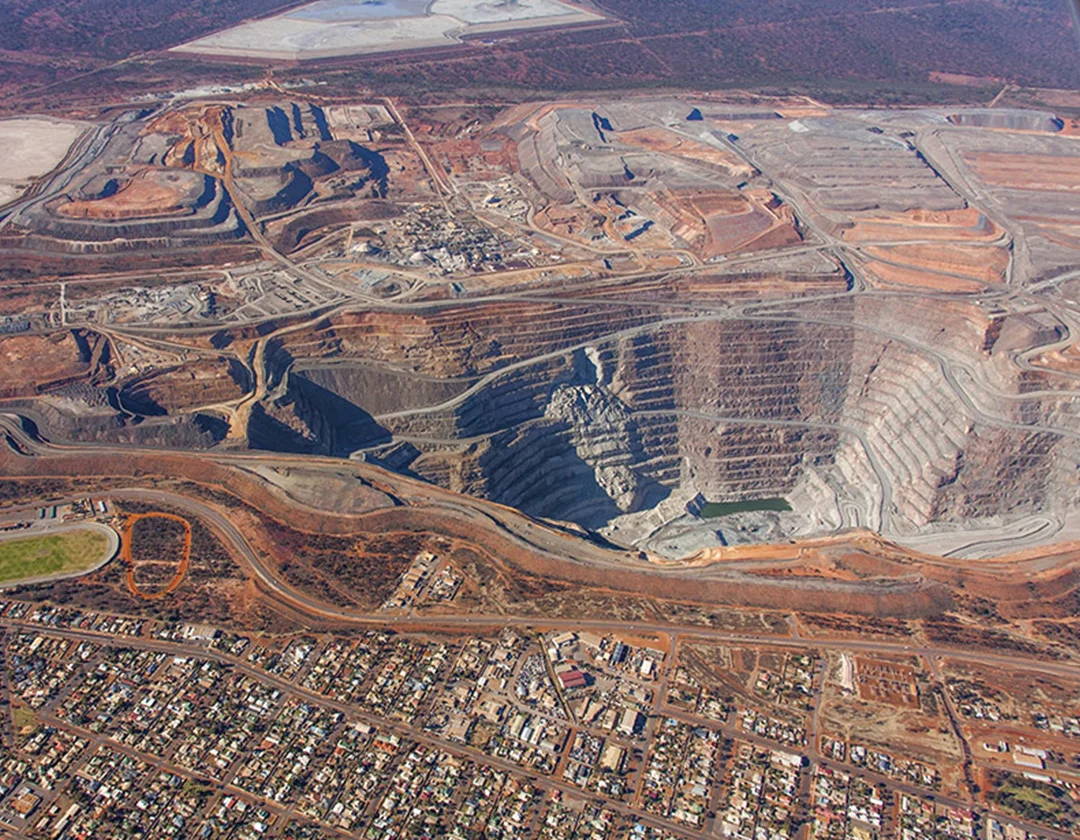
2.Mining Slurry & Tailings Management
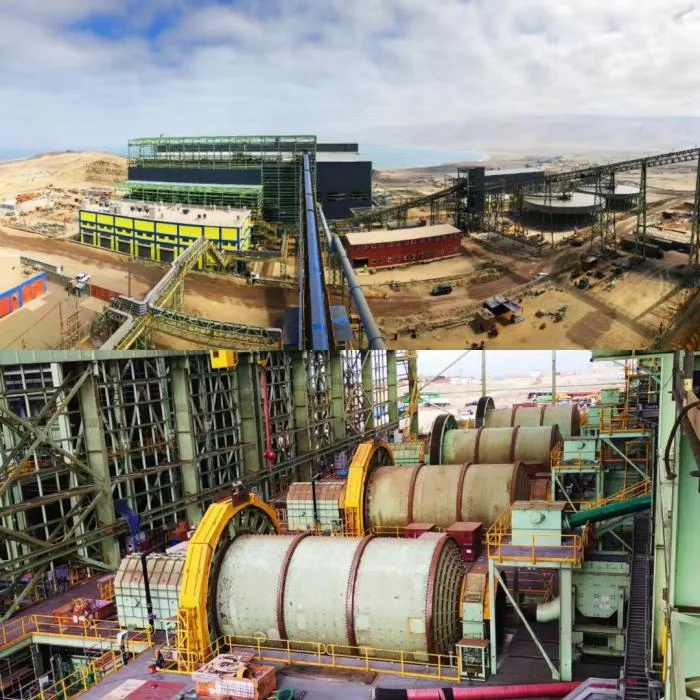
The Challenge:
Mining operations generate abrasive slurries with high solid content (40-60% by weight), creating erosive wear in metallic pipes and catastrophic failure risks in rigid systems under ground settlement.
The PE100 RC Solution:
Abrasion Resistance: HDPE demonstrates 4-6× superior wear resistance compared to carbon steel in slurry transport applications (ASTM G65 testing)
Flexural Tolerance: 3-5% strain capacity accommodates ground subsidence without fracture
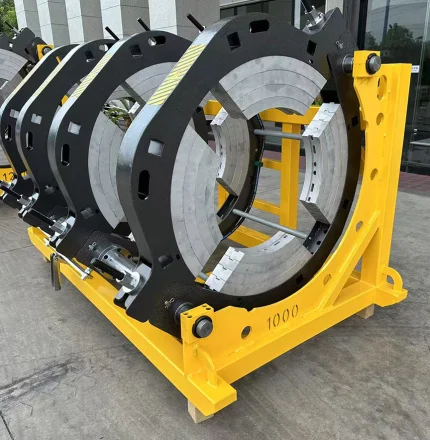
Leak-Free Joint Integrity: Butt-fusion welding creates monolithic, pressure-rated joints eliminating leakage points
Engineering Note: Our PE100 RC pipes for tailings applications incorporate UV-stabilized black masterbatch (2-2.5% carbon black) for above-ground exposure durability.
Solving Critical Industry Pain Points
Problem 1: Corrosion-Induced Maintenance Burden
Solution: PE100 RC's molecular structure eliminates electrochemical corrosion mechanisms, reducing lifecycle maintenance costs by 60-80% compared to metallic systems.
Problem 2: Installation Complexity & Labor Costs
Solution: HDPE's density (0.95 g/cm³) enables manual handling of diameters up to 315mm, with fusion jointing requiring no open flames or heavy equipment. Installation rates improve by 40-60% versus steel welding.
Problem 3: Environmental Contamination Risks
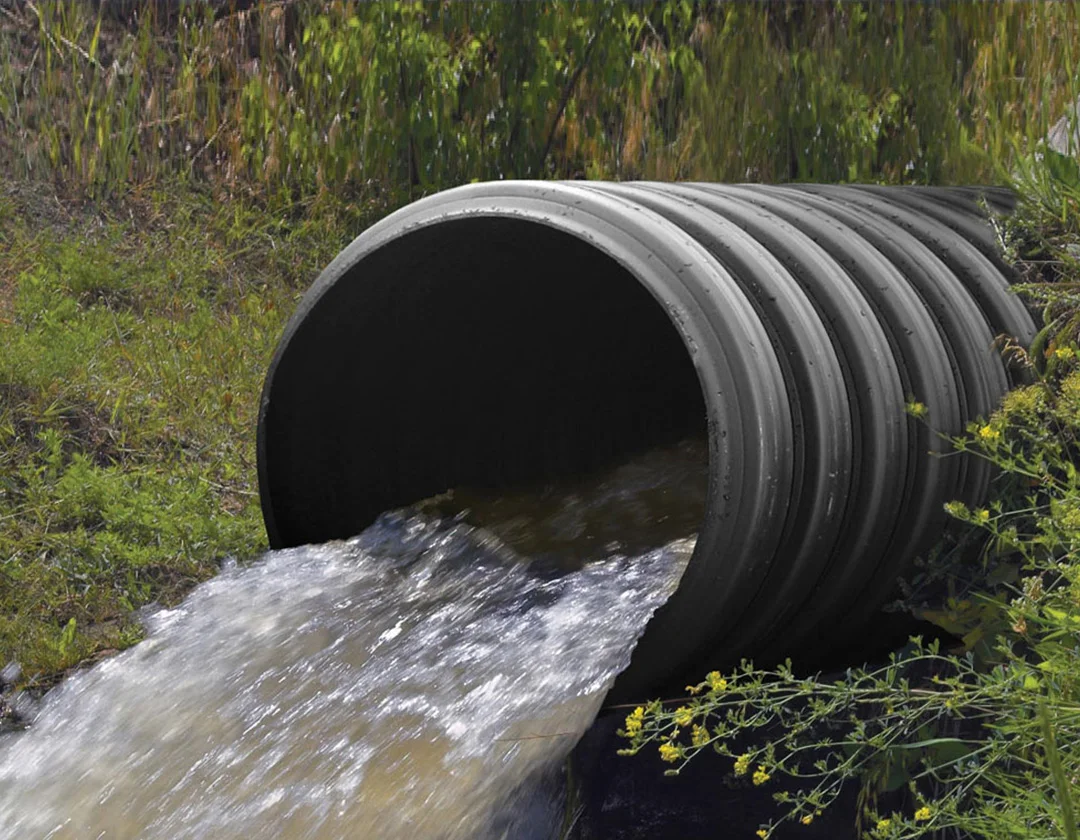
Solution: Leak-free fusion joints and chemical inertness prevent soil and groundwater contamination, ensuring regulatory compliance with EPA and local environmental standards.
Problem 4: Thermal Expansion Management
Solution: Coefficient of thermal expansion (1.3-1.5 × 10⁻⁴ /°C) accommodates temperature variations without expansion loops; flexibility allows snaking installation to absorb thermal movement.
At Shandong Siffo Plastic Technology Co., Ltd., our PE100 RC HDPE piping systems represent more than material supply—we provide engineered solutions backed by:
Technical Consultation: Hydraulic analysis, stress engineering, and installation protocol development
Fabrication Services: Custom spool production, pre-fabricated assemblies, and fusion training
Quality Certification: ISO 9001, ISO 14001, and product certifications per GB/T 13663, ISO 4427, and EN 12201
For industrial applications demanding reliability, chemical resistance, and operational longevity, PE100 RC technology delivers measurable performance advantages over conventional piping materials. We invite engineering teams and procurement specialists to contact our technical department for application-specific specifications and feasibility assessments.