



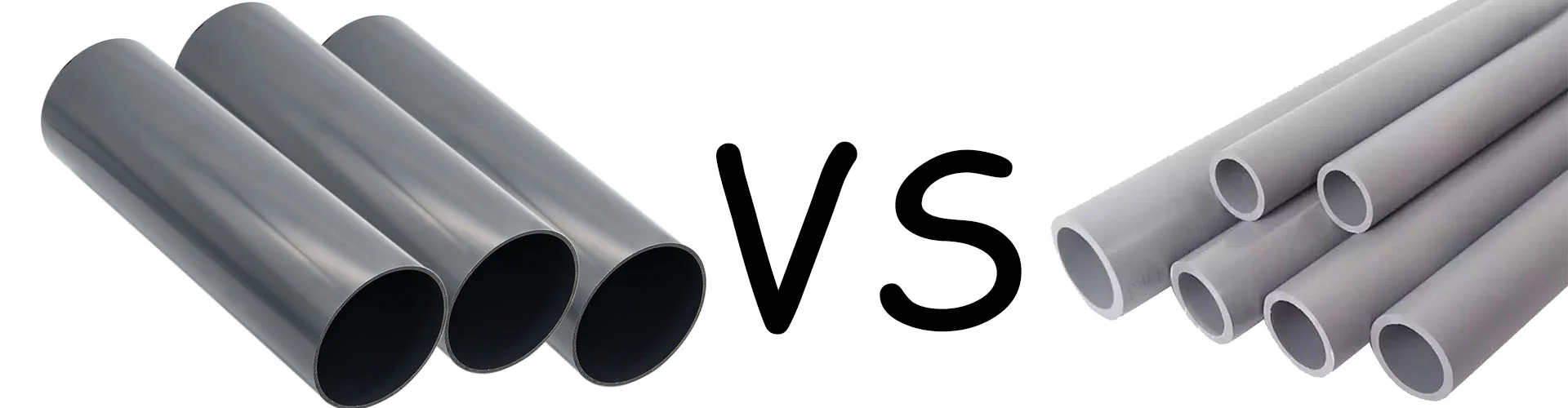
For pipeline designers and engineers, selecting the right thermoplastic piping material is critical to system longevity, safety, and total cost of ownership. While CPVC (Chlorinated Polyvinyl Chloride) and UPVC (Unplasticized Polyvinyl Chloride) may appear visually similar, their molecular structures and performance characteristics differ significantly. This guide provides a detailed technical comparison to help you make informed specification decisions.
What is UPVC?
UPVC is a rigid, lightweight thermoplastic made from polyvinyl chloride resin without plasticizers. With a chlorine content of approximately 56%, it offers excellent rigidity, dimensional stability, and cost-effectiveness for non-pressure and low-temperature applications. UPVC pipes are typically white or light gray and are widely used in cold water distribution, drainage, irrigation, and industrial fluid transport.
What is CPVC?
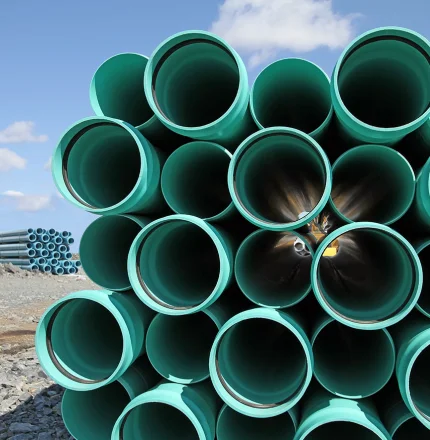
CPVC is produced by subjecting PVC resin to an additional chlorination process, raising chlorine content to 63–67%. This molecular modification significantly enhances thermal stability and chemical resistance. CPVC pipes are usually cream, off-white, or light yellow and can handle both hot and cold pressurized fluids.
Head-to-Head Technical Comparison
| Property | UPVC Pipe | CPVC Pipe |
|---|---|---|
| Max Operating Temperature | ~60°C (140°F) | ~93°C (200°F) |
| Glass Transition Temp (Tg) | ~79°C | ~115°C |
| Tensile Strength at Elevated Temp | ~18 MPa at 60°C | ≥35 MPa at 90°C |
| Chlorine Content | ~56% | 63–67% |
| Chemical Resistance | Good for acids, alkalis, salts | Superior, especially at high temperatures |
| Pressure Rating | Up to PN25 / SCH 80 | Up to 400 PSI / SCH 80 |
| Color | White / Dark Gray | Cream / Light Yellow / Beige |
| Relative Cost | Lower | Higher (15–30% premium typical) |
| Thermal Expansion | 5.9 × 10⁻⁵/°C | 6.3 × 10⁻⁵/°C |
Corrosion Resistance
Both UPVC and CPVC exhibit outstanding resistance to corrosion from acids, alkalis, and inorganic chemicals. Neither material suffers from galvanic corrosion, pitting, or scaling common to metallic systems. However, in aggressive chemical processing environments—especially where oxidizing acids or halogenated compounds are present at elevated temperatures—CPVC's higher chlorine content provides a more robust molecular barrier, extending service life and reducing unplanned maintenance.
Designer Tip: For standard drainage, wastewater, or potable water with pH 6–9, UPVC is fully adequate. For chemical processing plants or industrial effluent with fluctuating pH and temperature, specify CPVC.
Temperature Resistance
Temperature tolerance is the most decisive differentiator between these materials. UPVC begins to soften and lose pressure-bearing capacity above 60°C, making it unsuitable for hot water or steam condensate applications. CPVC maintains structural integrity and pressure ratings up to 93°C, with some formulations rated for intermittent exposure to 100°C.
Designer Tip:
Specify UPVC for cold water supply, irrigation, and ambient-temperature drainage.
Specify CPVC for hot water distribution (residential/commercial), fire sprinkler systems, and industrial hot fluid transport.
Mechanical Strength & Pressure Performance
At ambient temperatures, UPVC and CPVC demonstrate comparable mechanical strength and impact resistance. The divergence occurs as temperatures rise: UPVC's tensile strength degrades rapidly above 50°C, while CPVC retains stable pressure resistance. CPVC also exhibits slightly better toughness under impact and cyclic loading conditions.
Designer Tip: For buried or exposed outdoor installations in hot climates, CPVC's superior heat-deflection characteristics provide a larger safety margin against thermal deformation.
Chemical Resistance
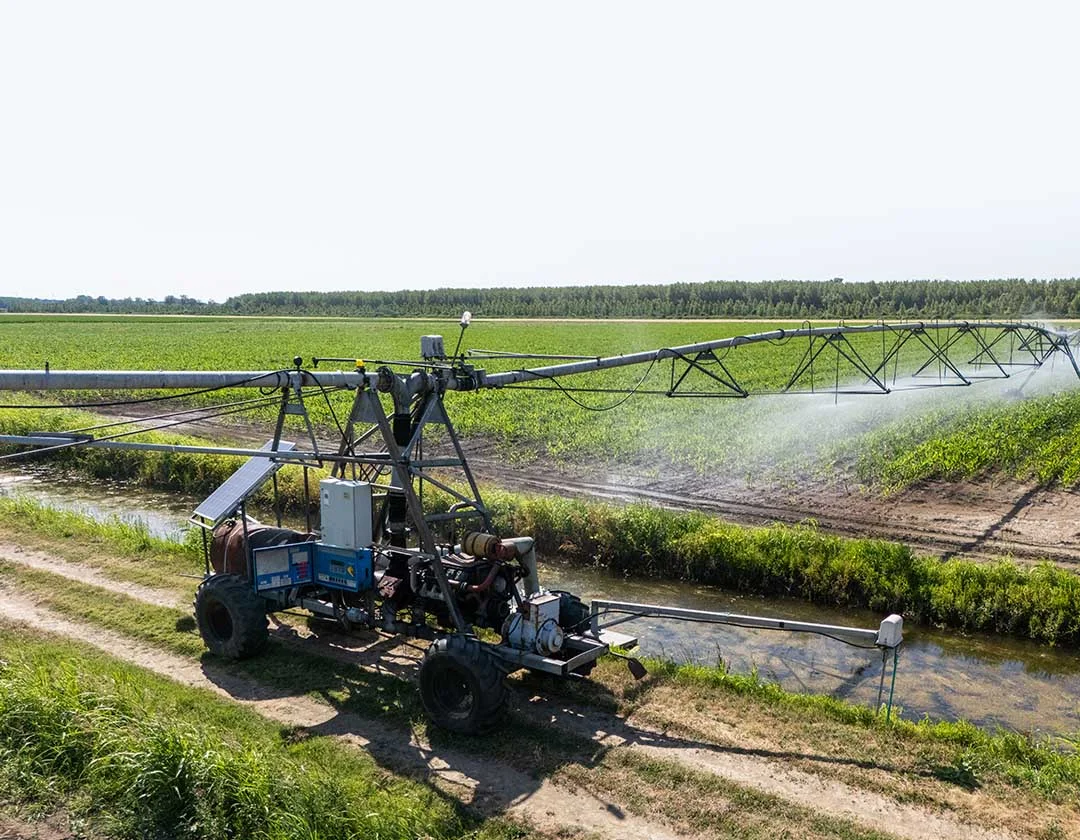
Both materials resist a broad spectrum of industrial chemicals. UPVC performs reliably in environments with limited chemical exposure, such as municipal water treatment and agricultural applications . CPVC excels in heavy-duty industrial settings—chemical processing, plating operations, and semiconductor manufacturing—where aggressive chemicals operate at elevated temperatures.
Designer Tip: Always consult chemical resistance charts specific to concentration and temperature. Do not assume UPVC and CPVC share identical resistance profiles for every chemical; the additional chlorine in CPVC often provides critical protection against oxidizers.
Application Comparison
| Application | Recommended Material | Rationale |
|---|---|---|
| Cold potable water | UPVC | Cost-effective, NSF/ANSI 61 certified options available |
| Hot & cold water plumbing | CPVC | Handles up to 93°C; ASTM D2846 / F441 compliance |
| Chemical process piping | CPVC | Superior resistance at elevated temperatures |
| Drainage, waste, vent (DWV) | UPVC | Optimized cost and performance for gravity flow |
| Fire sprinkler systems | CPVC | High-temperature rating and low flame spread |
| Irrigation & agriculture | UPVC | Lightweight, UV-stabilized options, low cost |
| Industrial cooling water | UPVC | Ambient temperature, high flow capacity |
| Steam condensate return | CPVC | Required temperature tolerance |
Professional Recommendations for Pipeline Designers
When to Specify UPVC
Budget-Conscious Projects: UPVC offers the lowest material cost per meter for non-critical applications.
Ambient Temperature Services: Cold water, drainage, and irrigation where temperatures remain below 50°C.
Large-Diameter Gravity Systems: UPVC is readily available in diameters up to 1200 mm for sewerage and stormwater.
UV-Exposed Installations: With proper UV stabilizers, UPVC performs well in outdoor agricultural and drainage systems.
When to Specify CPVC
Hot Water Services: Any system where fluid temperature exceeds 60°C mandates CPVC.
High-Reliability Industrial Systems: Chemical plants, pharmaceutical facilities, and food processing where thermal and chemical stresses coincide.
Fire Protection: CPVC's low flame spread and high-temperature rating make it ideal for residential and light-hazard sprinkler systems.
Mixed-Temperature Networks: When a single pipe material must handle both cold and hot fluids, CPVC simplifies inventory and reduces installation errors.
Critical Installation Note: Never interchange UPVC and CPVC fittings or solvent cements. CPVC requires specialized high-temperature solvent cement (ASTM F493), while UPVC uses cement meeting ASTM D2564. Joint failure is guaranteed if materials are mismatched.
International Standards Reference
Compliance with recognized standards ensures traceability, safety, and interoperability. Here are the key standards governing each material:
UPVC Standards
ASTM D1785: Standard for SCH 40 and SCH 80 pressure pipes
ASTM D2241: SDR-series pressure-rated pipes
ISO 1452 / ISO 4422: Thermoplastic piping systems for water supply
BS 3505 / EN 1452: British and European standards for pressure pipes
ISO 15493: Industrial applications—thermoplastic piping for general use
CPVC Standards
ASTM F441: SCH 40 and SCH 80 CPVC pipes for hot and cold water
ASTM F442: SDR-series CPVC pipe dimensions
ASTM D2846: CPVC hot and cold water distribution systems (SDR 11)
ASTM D1784: Cell classification for rigid PVC and CPVC compounds
ASTM F493: Solvent cements for CPVC pipe and fittings
NSF/ANSI 61: Drinking water system components—health effects
Designer Tip: For international projects, always specify both the dimensional standard (e.g., ASTM vs. ISO) and the pressure class (SCH 40/80 or PN rating) to avoid procurement mismatches.
Why Choose Shandong Siffo Plastic Technology Co., Ltd.
When sourcing UPVC and CPVC piping systems for export, Shandong Siffo Plastic Technology Co., Ltd. (based in Linyi, Shandong, China) stands out as a reliable manufacturing partner. Here is how Siffo compares to typical exporters:
1. Comprehensive Product Range
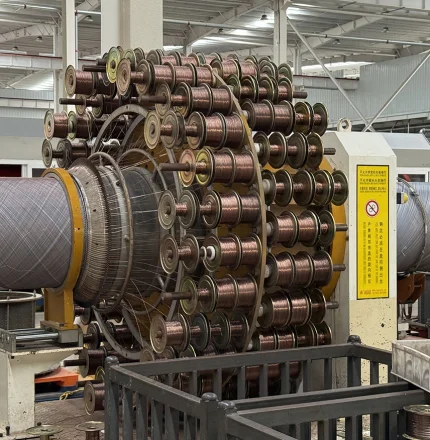
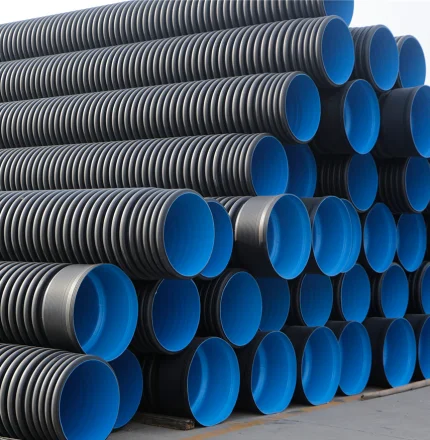
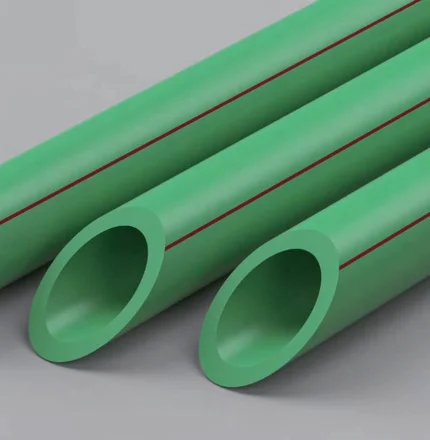
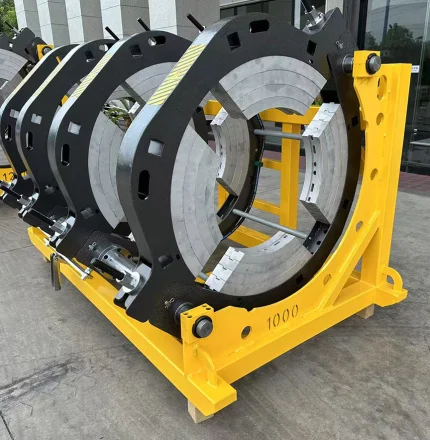
Siffo manufactures and exports UPVC pipes, CPVC pipes (ASTM SCH 40/80), HDPE pipes, PPR pipes, and a full suite of fittings . This allows procurement teams to consolidate vendors and simplify project logistics.
2. Multi-Standard Compliance
Unlike many regional exporters who focus solely on domestic GB standards, Siffo produces to ASTM, ISO, BS, DIN, and EN specifications . This flexibility is essential for contractors and distributors operating across North America, Europe, Southeast Asia, and the Middle East.
3. Rigorous Quality & Certifications
Siffo maintains certifications including ISO 9001, ISO 14001, ISO 13485, and ISO 14064 . Their quality control processes cover raw material inspection, hydrostatic pressure testing, and dimensional verification—ensuring every container meets specification.
4. Competitive Pricing with Scale
Leveraging efficient production management and economies of scale, Siffo offers highly competitive FOB/CIF pricing without compromising material quality or wall-thickness consistency.
5. Export Experience & Logistics Support
With established trade routes to North America, South America, Eastern Europe, Africa, Southeast Asia, and the Middle East, Siffo provides professional export documentation, customs guidance, and after-sales support. Their loading ports include Qingdao, Shanghai, and Tianjin, optimizing freight costs based on destination.
6. OEM & Customization Services
Siffo offers OEM branding, custom color layers, belled ends, and tailored packaging . For large-scale infrastructure projects, they can accommodate specific SDR requirements, custom lengths, and private-label marking.
Both UPVC and CPVC are exceptional thermoplastic materials, but their performance diverges sharply under thermal and chemical stress. For pipeline designers, the decision matrix is straightforward: use UPVC for cost-sensitive, ambient-temperature applications and specify CPVC for hot water, chemical processing, and high-reliability industrial systems. Always verify compliance with the relevant ASTM or ISO standard and ensure solvent cements are material-specific.
For procurement teams and EPC contractors seeking a dependable Chinese manufacturer, Shandong Siffo Plastic Technology Co., Ltd. delivers multi-standard UPVC and CPVC piping systems backed by robust certifications, competitive pricing, and proven export capability.