
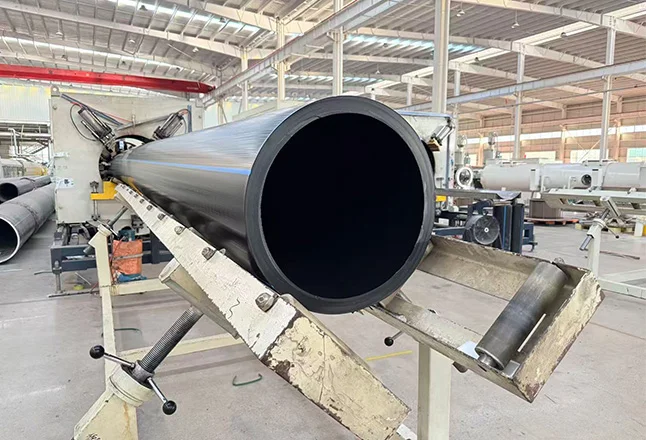

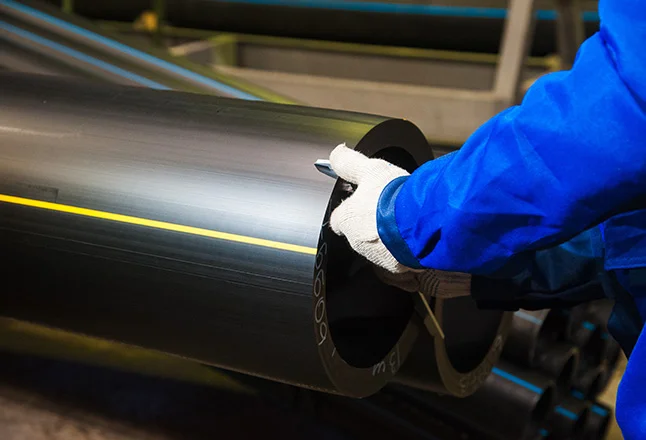
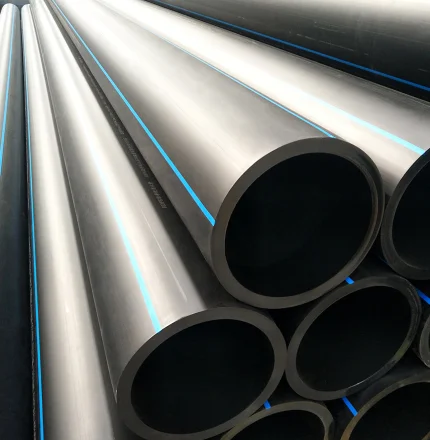
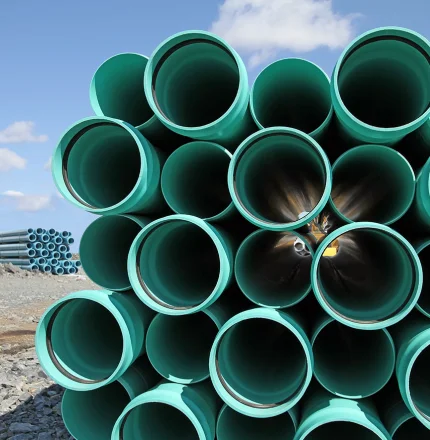
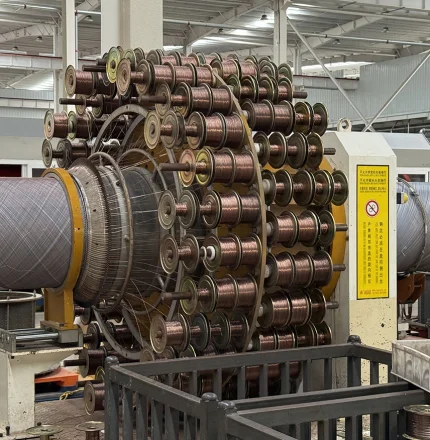
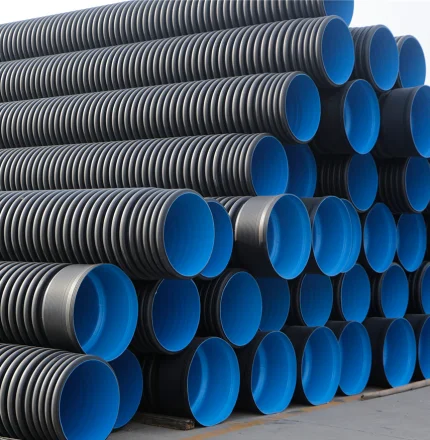
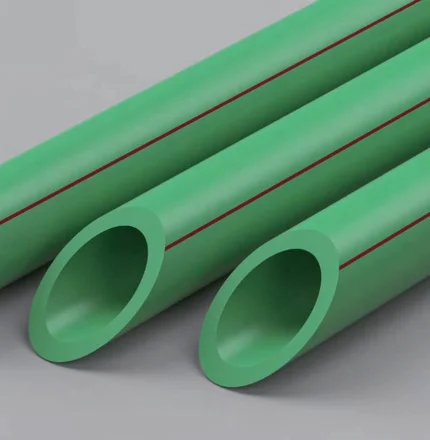
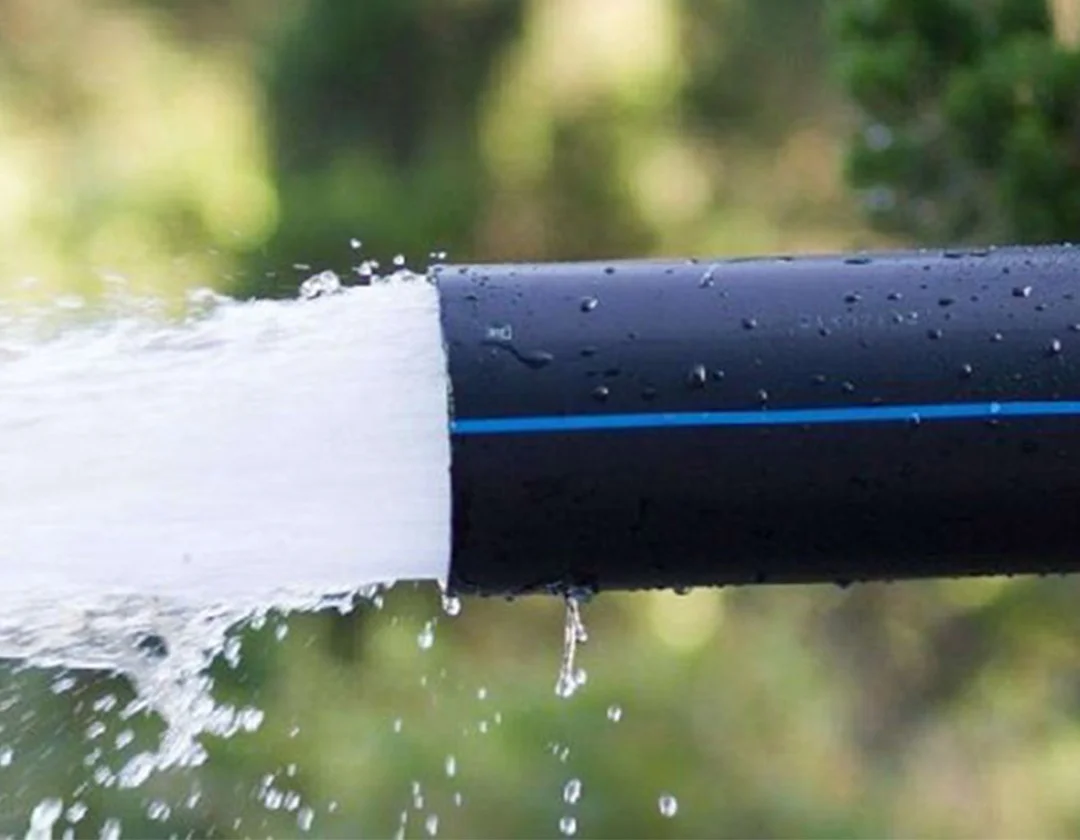
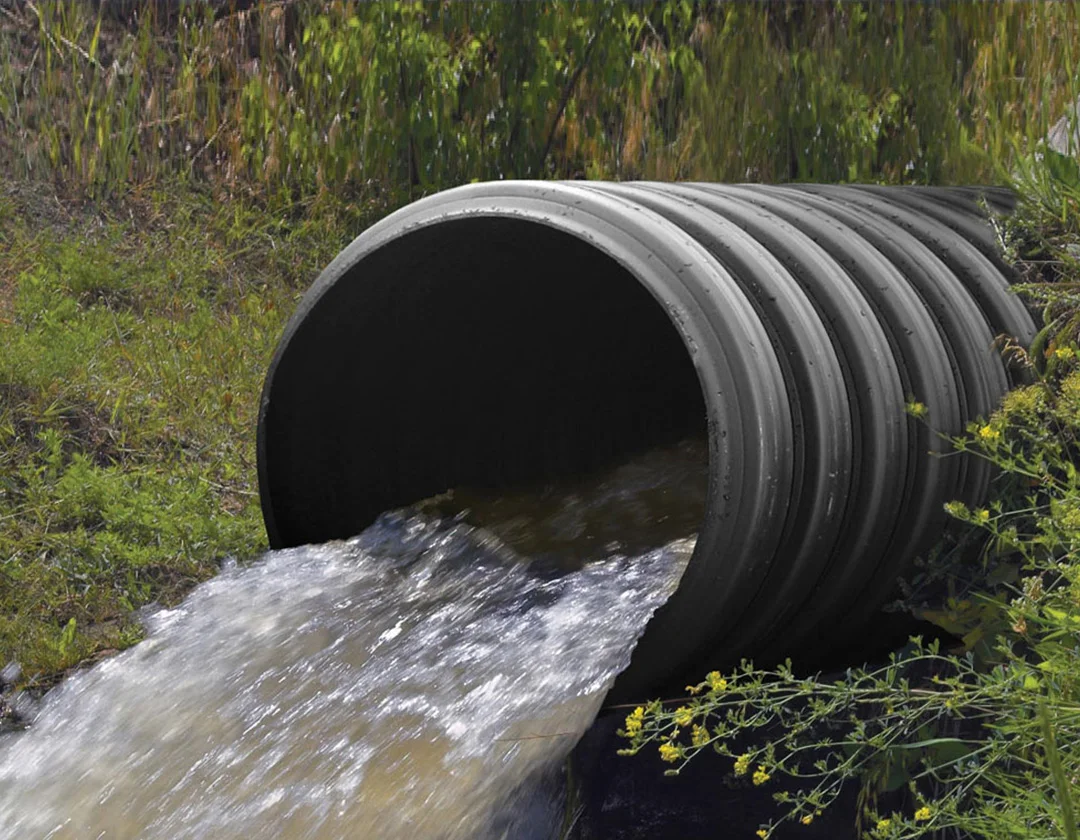
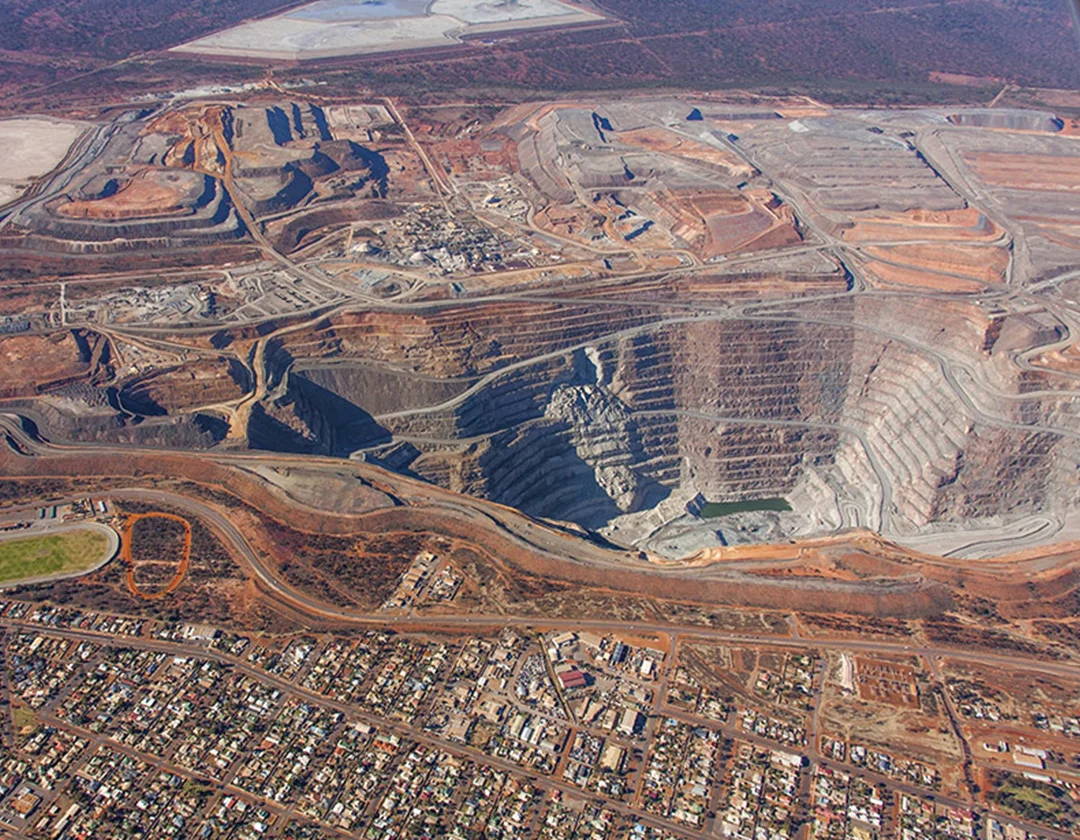
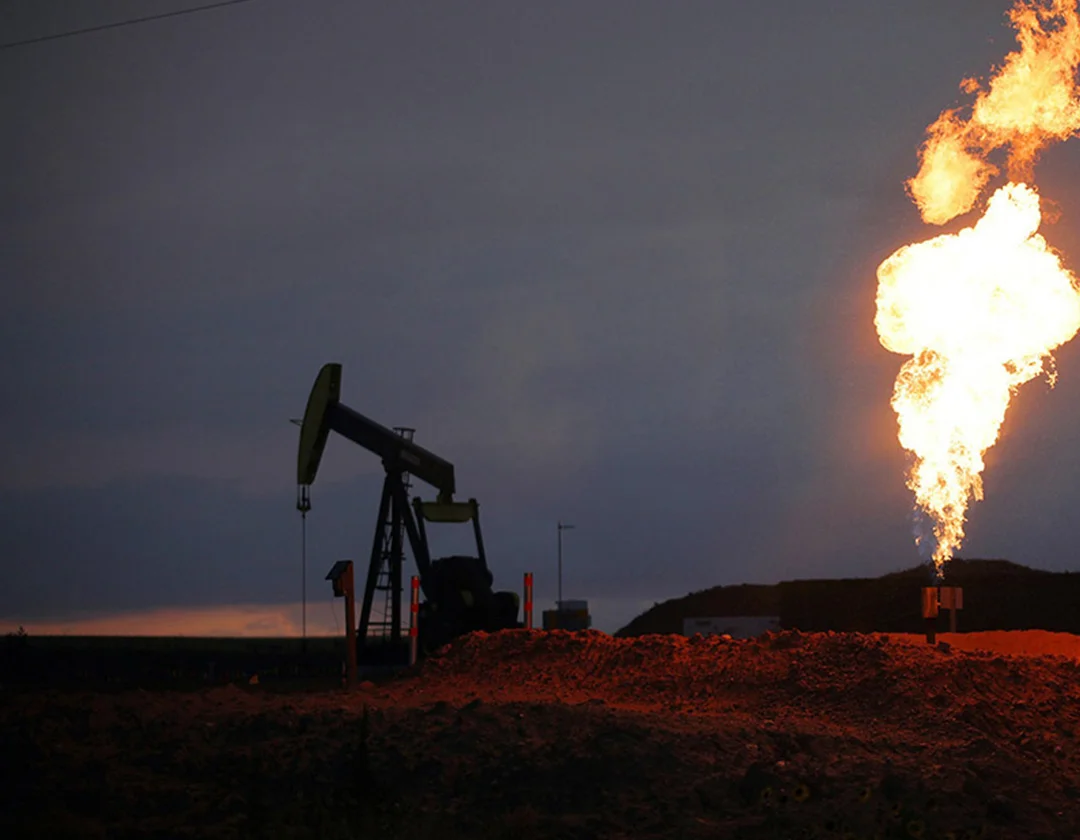
A petrochemical plant in the UAE required a reliable piping solution to upgrade its existing pipeline infrastructure and improve long-term operational performance. SIFFO supplied an industrial HDPE piping system designed for demanding plant environments, with a focus on corrosion resistance, leak prevention, installation efficiency, and long-term service reliability.
The project demonstrates how properly engineered HDPE piping can provide a practical alternative for selected industrial pipeline applications where corrosion resistance, flexibility, and reduced maintenance are important considerations.
▎Project Overview
Project Location:UAE
Industry:Petrochemical
Project Type:Pipeline Upgrade
Pipe Material:HDPE
Application:Industrial Pipeline
Medium: Chemical materials (weak acid or weak alkali)
Pipe Diameter:630mm, 800mm, 1000mm, and 1200mm
Total Length:860 m
Pressure Rating:SDR11-PN16
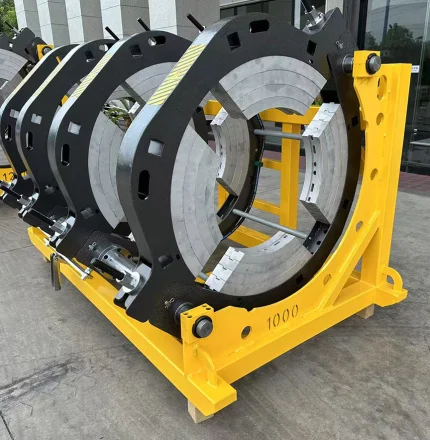
Connection Method:Butt Fusion
Project Scope:Pipe & Fittings
Supplier:SIFFO
Project duration: 14 months
▎Pipeline Challenges at the UAE Petrochemical Plant
Existing pipeline infrastructure requires upgrades to enhance operational reliability and minimize long-term maintenance needs. For petrochemical facilities, piping systems often operate in harsh industrial environments where corrosion, leaks, mechanical stress, and maintenance-related downtime can impact plant efficiency. Prolonged installation or maintenance periods disrupt production, resulting in significant revenue loss.
Consequently, project teams require a piping solution that delivers reliable long-term performance while simplifying installation and reducing potential maintenance requirements.
Key project considerations include:
Ability to withstand 16-bar pressure, resist chemical attack, dissipate static electricity, and allow for rapid installation without disrupting ongoing operations
Resistance to corrosion and harsh external environments
Reliable, tight, and leak-proof connections
High resistance to impact and mechanical stress
Low maintenance requirements
Long-term operational reliability
▎The Solution: PE100 HDPE Pipeline System
After a thorough technical evaluation, the plant selected a full PE100 HDPE (High-Density Polyethylene) piping system. The solution included:
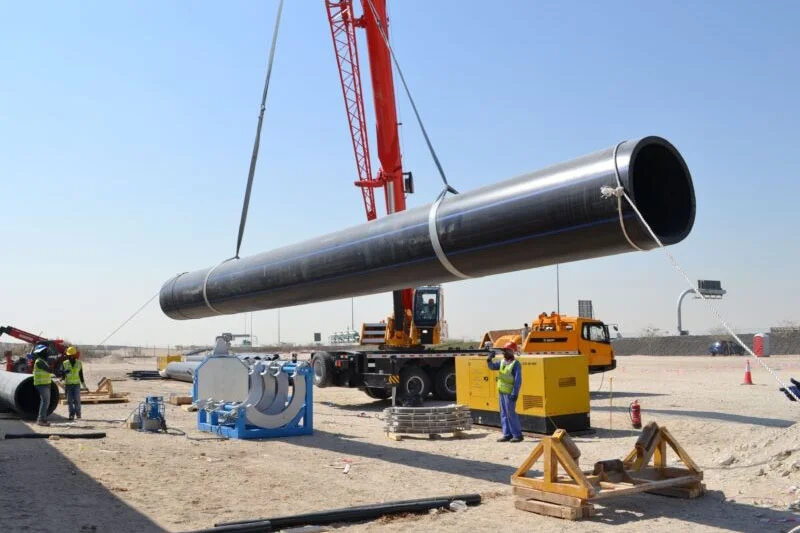
Pipes: 12-meter lengths in diameters 630mm, 800mm, 1000mm, and 1200mm, all rated for 16-bar operating pressure.
Fittings: Fully compatible electrofusion and butt-welding fittings designed for high-pressure service.
▎Material Advantages
Corrosion Immunity: Inert to a wide range of chemicals, eliminating internal and external corrosion.
Static Dissipative: Carbon-black compounded PE100 material prevents static charge accumulation, a critical safety feature in hydrocarbon handling.
UV Resistance: With a carbon black content of 2.0%–2.5% that is uniformly distributed, it effectively resists UV degradation.
Leak-Free Joints: Heat-fused joints create monolithic, permanent bonds stronger than the pipe itself.
Flexibility & Durability: Resistance to ground movement and fatigue, with a design life exceeding 50 years.
▎Why HDPE Pipe Was Selected for the Pipeline Upgrade
For selected industrial piping applications, HDPE can offer several advantages over conventional metallic piping systems. Its inherent corrosion resistance eliminates the external corrosion mechanism commonly associated with carbon steel pipelines, while its flexibility helps the pipeline accommodate ground movement and installation-related stresses.
HDPE also allows pipes to be joined using thermal fusion techniques, creating continuous, leak-resistant pipeline sections with fewer mechanical joints. This can be particularly valuable for projects where minimizing leakage risks and maintenance requirements is important.
For the UAE petrochemical plant pipeline upgrade, the HDPE system was selected based on the project's operating requirements, installation conditions, and long-term reliability objectives.
▎HDPE vs. Traditional Metal Piping for Industrial Pipeline Upgrades
When upgrading industrial pipeline systems, material selection has a direct impact on installation efficiency, corrosion protection, maintenance requirements, and long-term operating costs. Traditional metal pipes such as carbon steel have been widely used in industrial facilities because of their high mechanical strength and ability to handle demanding operating conditions. However, they may require coatings, linings, cathodic protection, and regular inspection to control corrosion.
HDPE pipe provides a different approach for suitable industrial applications. It is lightweight, flexible, corrosion resistant, and can be joined using heat-fusion technologies such as butt fusion and electrofusion. Properly executed fusion joints form a continuous, leak-resistant piping system. These characteristics can make HDPE an attractive option for selected industrial pipeline upgrades, particularly where corrosion resistance, installation efficiency, and reduced maintenance are important considerations.
Performance Factor | HDPE Pipe | Carbon Steel Pipe |
Corrosion Resistance | Excellent resistance to corrosion and rust | Requires coatings, linings, or other corrosion-control measures depending on service |
Weight | Lightweight and easier to handle | Significantly heavier and may require lifting equipment |
Flexibility | Flexible and can accommodate ground movement and changes in alignment | Rigid and less tolerant of ground movement |
Connection Method | Butt fusion or electrofusion can create continuous, leak-resistant joints | Welding, flanges, threaded or mechanical connections depending on system design |
Joint Maintenance | Properly fused joints require relatively little maintenance | Welds, flanges and protective systems require inspection and maintenance |
Installation | Easier transportation and handling; suitable for various installation methods | More labor-intensive due to weight, welding and corrosion protection |
Impact Resistance | High ductility and impact resistance | High structural strength but can be susceptible to corrosion-related deterioration |
Abrasion Resistance | Good resistance for many slurry and abrasive applications | Can require additional consideration in abrasive services |
Internal Surface | Smooth internal surface with good flow characteristics | Internal roughness and corrosion can affect hydraulic performance over time |
Maintenance Requirements | Low for properly designed and installed systems | May require corrosion inspection, coating maintenance and repairs |
Lifecycle Considerations | Potentially lower installation and maintenance costs | Higher lifecycle costs may result where corrosion protection is required |
Best-Suited Applications | Water, wastewater, mining, slurry, industrial fluids and other compatible services | High-temperature, high-pressure and applications requiring metallic piping properties |
Which Pipe Should You Choose for an Industrial Pipeline Upgrade?
HDPE is particularly attractive when the project prioritizes corrosion resistance, lightweight construction, flexible installation, leak-resistant fusion joints, and reduced maintenance requirements. It is widely used in suitable industrial applications including water treatment, mining, slurry transport, chemical handling, industrial drainage, and other fluid-transfer systems.
Traditional metal piping remains the preferred solution for many applications involving very high temperatures, extreme pressures, severe mechanical loads, or services where metallic materials are specifically required by engineering standards or process conditions.
Therefore, the correct choice should be based on the actual operating medium, pressure, temperature, chemical compatibility, diameter, installation environment, applicable standards, and required service life—not simply on material price.
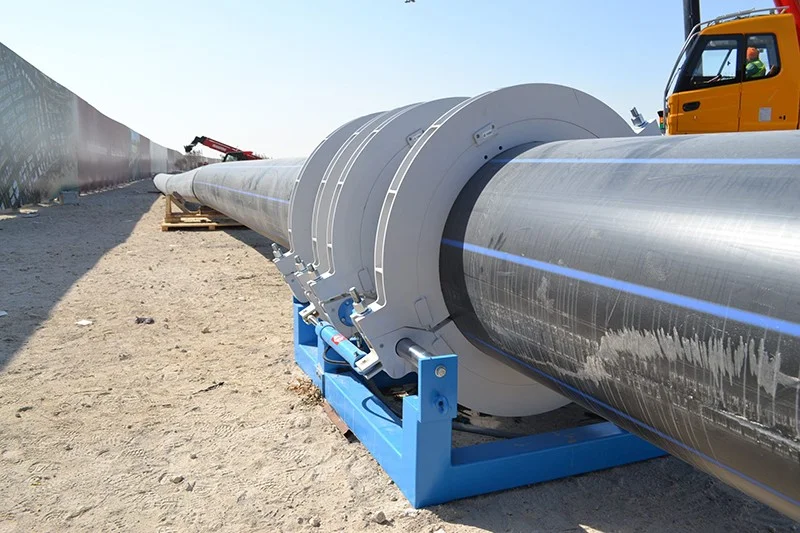
▎HDPE Pipeline Installation Process
Proper installation is essential to achieving the expected performance and service life of an HDPE pipeline. Compared with traditional metal piping, HDPE pipeline installation involves different requirements for pipe handling, alignment, fusion joining, inspection, and pressure testing. Each stage should be completed according to the project specifications, applicable standards, pipe manufacturer's requirements, and qualified installation procedures.
For industrial pipeline upgrades, careful control of the installation process helps minimize joint defects, installation damage, leakage risks, and commissioning problems.
1. Site Preparation
Before HDPE pipe installation begins, the construction area should be inspected and prepared according to the approved pipeline layout. The installation team should confirm the pipeline route, excavation or support conditions, access for equipment, pipe storage areas, and required safety measures.
Site preparation should also include checking the condition of pipes and fittings before they are moved into the installation area.
2. Pipe Handling and Alignment
HDPE pipes are significantly lighter than many conventional metal pipes, which can simplify transportation and handling. However, proper lifting and handling procedures are still required to prevent scratches, gouges, excessive bending, or other mechanical damage.
Pipes should be positioned along the approved pipeline route and aligned before joining. The pipe ends should be clean, square, and free from contamination before the fusion process begins.
During alignment, the installation team should verify that pipe ends are properly positioned and that excessive angular or axial stress is not transferred to the fusion joint.
For large-diameter HDPE pipelines, suitable lifting and positioning equipment should be used to maintain safe and accurate alignment.
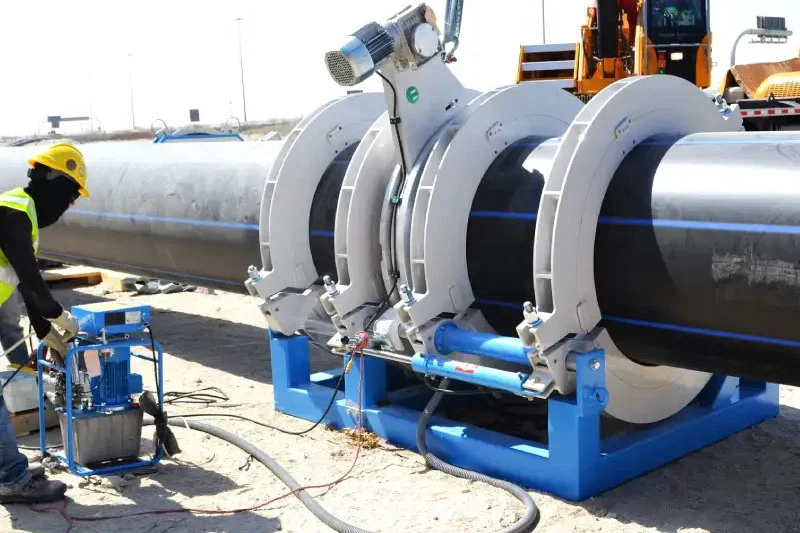
3. Butt fusion jointing
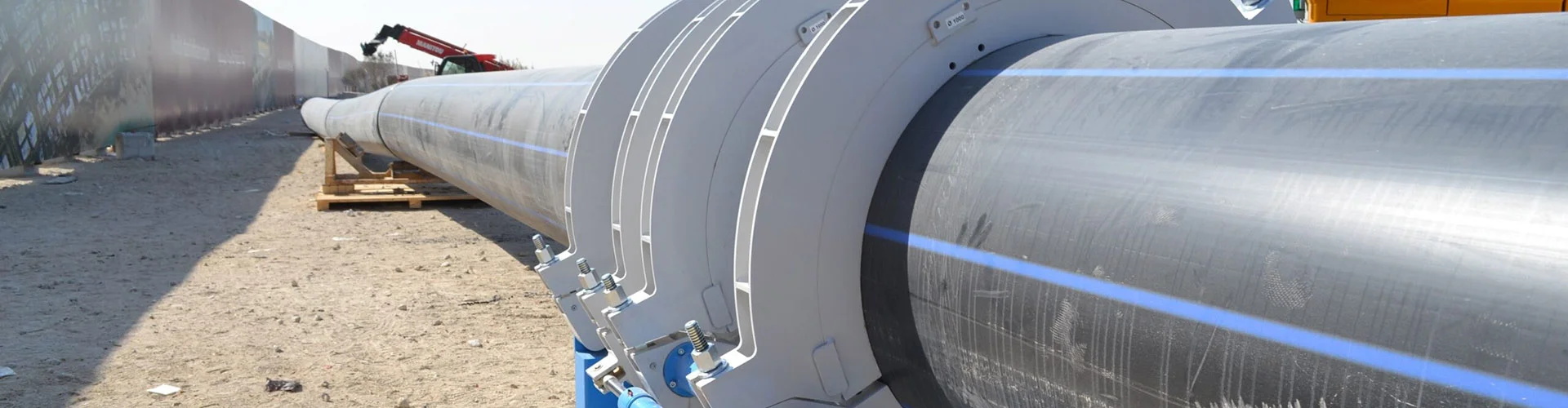
Butt fusion involves heating the prepared ends of two HDPE pipes and then bringing them together under controlled pressure to form a permanent fusion joint. The pipe ends must be properly aligned, faced, heated, and joined according to the specified fusion procedure.
Fusion parameters such as heating temperature, heating time, joining pressure, cooling time, pipe alignment, and ambient conditions should be controlled according to the applicable procedure and manufacturer's technical requirements.
Only properly trained and qualified personnel should perform HDPE fusion operations for critical industrial pipelines.
4. Pipeline Inspection
After pipe installation and fusion joining, the pipeline should undergo visual and dimensional inspection before pressure testing or commissioning.
For butt-fused joints, inspectors should check the fusion bead for uniformity, alignment, and obvious signs of defects. The pipe surface should also be inspected for deep scratches, gouges, deformation, or other damage that could affect pipeline integrity.
Inspection records should be maintained for critical projects, including pipe identification, fusion parameters, joint numbers, operator information, and inspection results where required by the project quality plan.
5. Pressure Testing
Pressure testing is an important stage before an HDPE pipeline is placed into service. The test procedure should be developed according to the pipeline design, applicable standards, project specifications, and the characteristics of HDPE material.
Before testing, the pipeline should be properly supported, isolated from equipment that is not designed for the test pressure, and filled with the specified test medium. Air should be removed from the system where applicable.
The test pressure, stabilization period, test duration, allowable pressure changes, and acceptance criteria should follow the approved project procedure rather than relying on a generic value.
▎Results & Benefits
Zero Production Loss: All new lines were installed and commissioned without a single hour of unplanned downtime.
Accelerated Timeline: The pipeline installation phase was completed 40% faster than projected for metallic alternatives.
Enhanced Safety: Static dissipative properties and leak-free joints significantly reduced hydrocarbon leakage and ignition risks.
Lifecycle Savings: Elimination of corrosion-related maintenance, lining, and replacement forecasts a 30% reduction in total cost of ownership over 20 years.
Scalability Ready: The modular design allows future capacity increases with minimal additional investment.
▎Client Endorsement
“The HDPE system was not just a material substitution—it was a strategic enabler for our expansion. It allowed us to add critical capacity safely, at record speed, and without disrupting our production targets. We now consider PE100 the standard for all future corrosive and hazardous service lines.”
— Plant Engineering Director, UAE Petrochemical Complex
▎Why This Matters for Your Project
In capital-intensive industries where continuity, safety, and speed are paramount, PE100 HDPE pipes provide a future-proof alternative. They combine chemical resistance with structural reliability, install faster, and eliminate recurring corrosion costs—turning pipeline infrastructure from a maintenance liability into a long-term asset.
▎FAQ
1. Why was HDPE selected for the industrial pipeline?
HDPE was selected because of its combination of corrosion resistance, flexibility, lightweight construction, and reliable fusion joining. Compared with traditional metal piping, HDPE can reduce corrosion-related maintenance and simplify pipe handling and installation in suitable industrial applications. Its fusion-welded joints can also provide a continuous, leak-resistant pipeline system when properly installed.
2. Is HDPE suitable for petrochemical plants?
HDPE can be suitable for selected petrochemical and industrial piping applications, but it is not a universal replacement for metal process piping. Material selection should consider the conveyed medium, chemical concentration, operating temperature, pressure, required service life, and applicable engineering standards. For high-temperature, high-pressure, or chemically aggressive process services, the suitability of HDPE should be confirmed through engineering and chemical-compatibility evaluation.
3. Is HDPE resistant to corrosion?
Yes. HDPE has excellent resistance to rust and many forms of corrosion that can affect conventional metal pipes. It does not require the same type of external corrosion protection commonly used for carbon steel pipelines. This characteristic can help reduce corrosion-related maintenance in suitable applications, although chemical compatibility and operating conditions must still be evaluated for the specific service.
4. How are HDPE pipes connected in industrial pipeline projects?
HDPE pipes are commonly connected using thermal fusion methods, primarily butt fusion and electrofusion. Butt fusion heats and joins the prepared ends of two HDPE pipes, while electrofusion uses specialized fittings containing electrical heating elements to fuse the pipe and fitting together. The appropriate connection method depends on pipe diameter, system design, site conditions, and project specifications.
5. Can HDPE pipe be used for chemical applications?
HDPE can be used for certain chemical and industrial fluid applications because it has good resistance to many chemicals. However, chemical compatibility depends on the specific chemical, concentration, temperature, pressure, and exposure time. Before selecting HDPE for chemical service, the project team should verify the material's chemical resistance and operating limits with the pipe manufacturer and applicable technical standards.
6. What is the service life of HDPE industrial piping?
HDPE piping can provide a long service life when properly designed, manufactured, installed, and operated within its specified pressure, temperature, and chemical compatibility limits. The actual service life depends on factors such as material grade, operating pressure, temperature, installation quality, environmental conditions, and the conveyed medium. Therefore, service life should be evaluated based on the specific project rather than assuming a single lifespan for every HDPE application.
7. Does SIFFO provide HDPE pipe fittings for industrial projects?
Yes. SIFFO can provide HDPE pipe systems together with compatible HDPE fittings for suitable industrial and infrastructure applications. Depending on project requirements, the supply scope can include pipes, elbows, tees, reducers, flanges, stub ends, and other required fittings. Pipe and fitting specifications can be selected according to project dimensions, pressure requirements, connection methods, and applicable standards.
8. Can SIFFO provide technical support for overseas pipeline projects?
Yes. SIFFO supports international pipeline projects with technical documentation, product specifications, installation guidance, and remote technical support. For overseas industrial projects, SIFFO can work with contractors, distributors, engineering teams, and project owners to confirm pipe specifications, fittings, connection methods, installation requirements, and other technical details before and during project implementation.
▎Need an HDPE Piping Solution for Your Industrial Project?
Planning an industrial, petrochemical, mining, or infrastructure pipeline project? SIFFO can provide HDPE pipes, fittings, technical documentation, and project support based on your application requirements.