

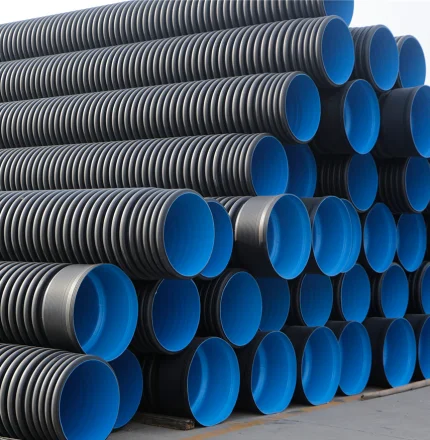
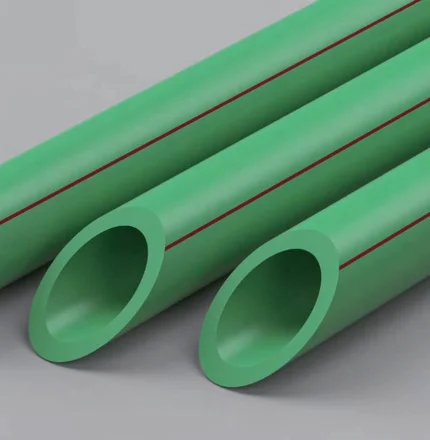
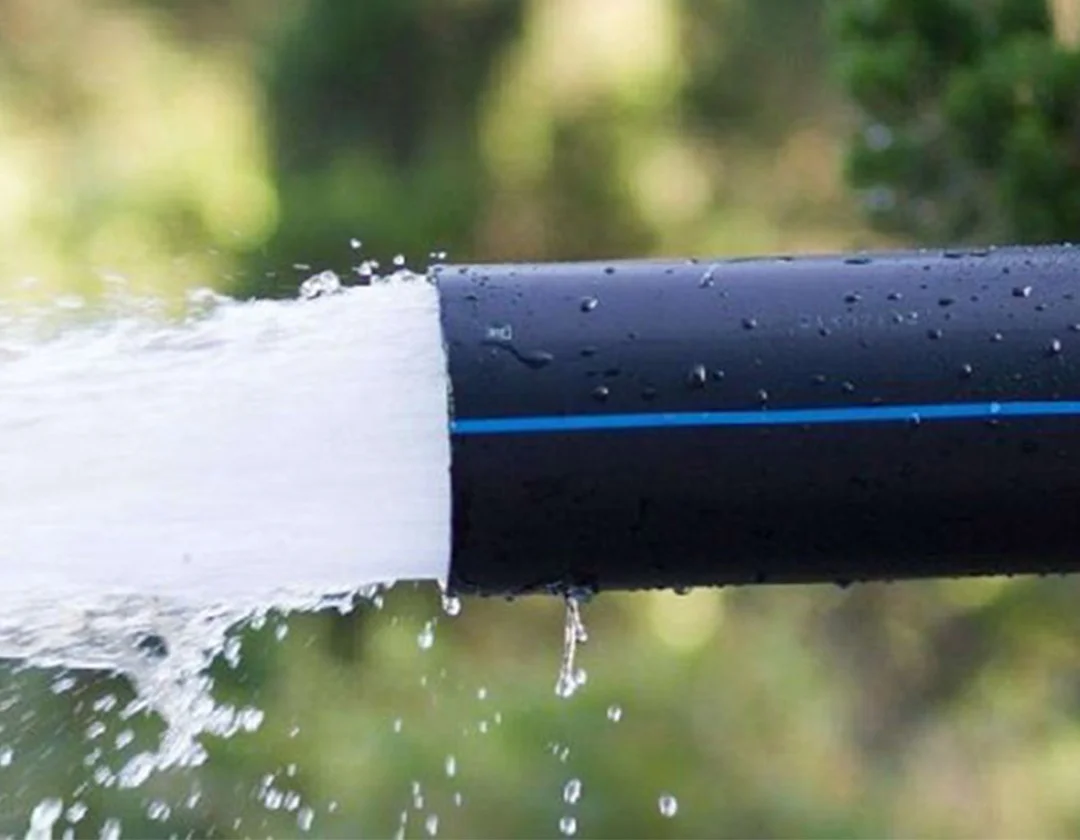
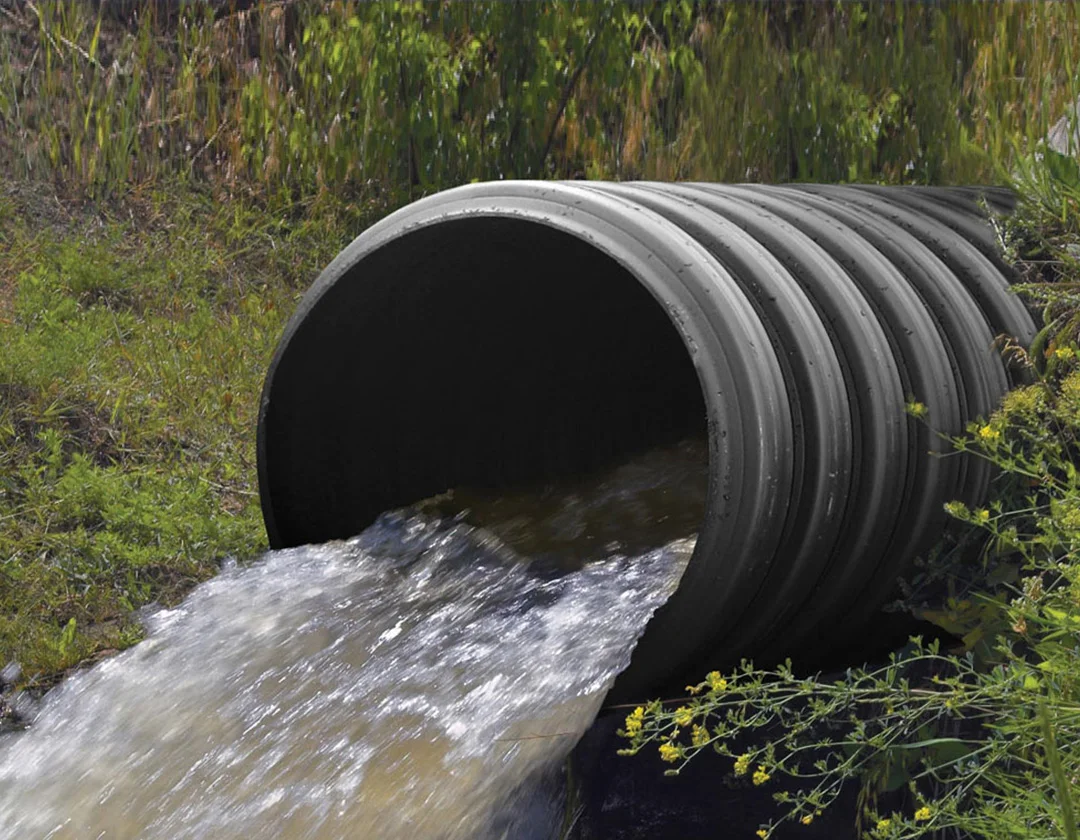
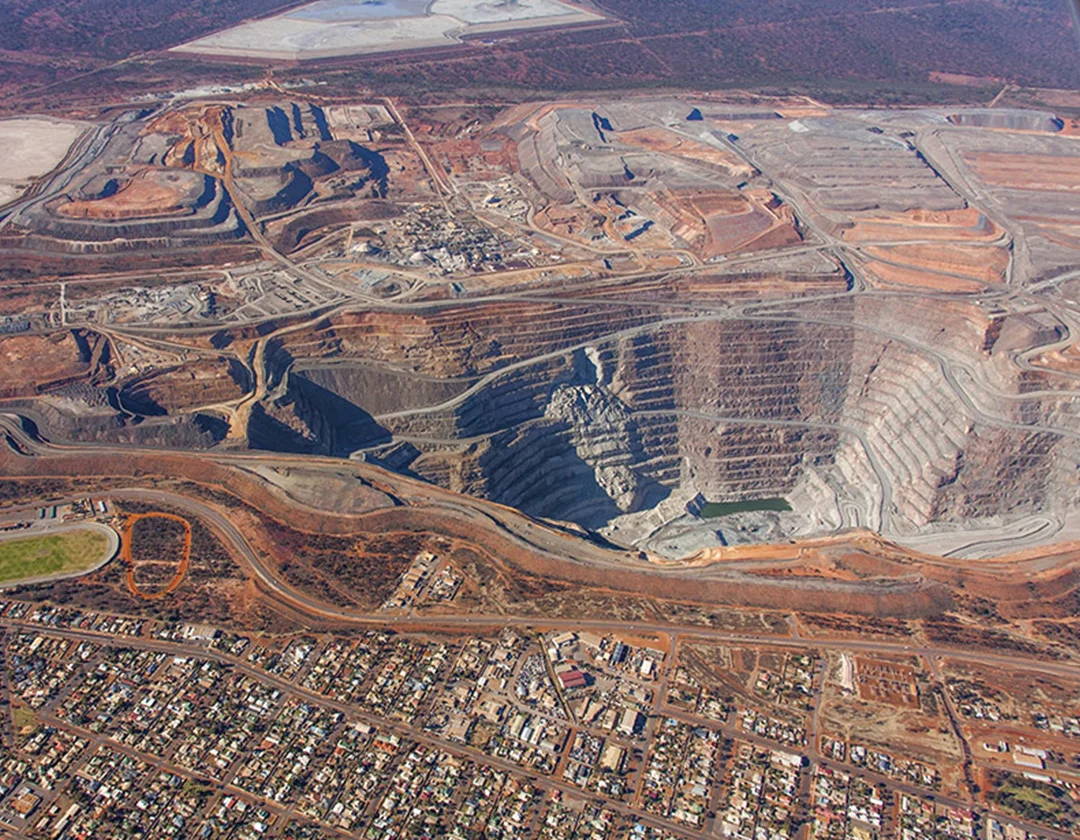
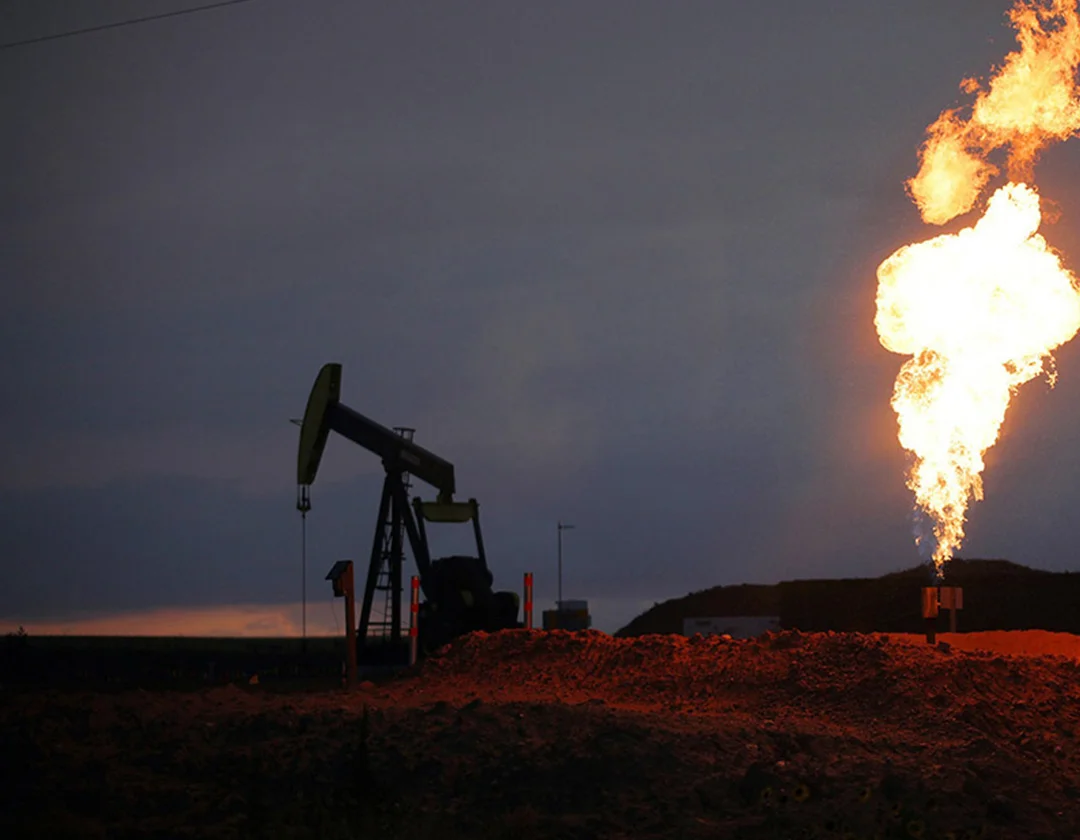
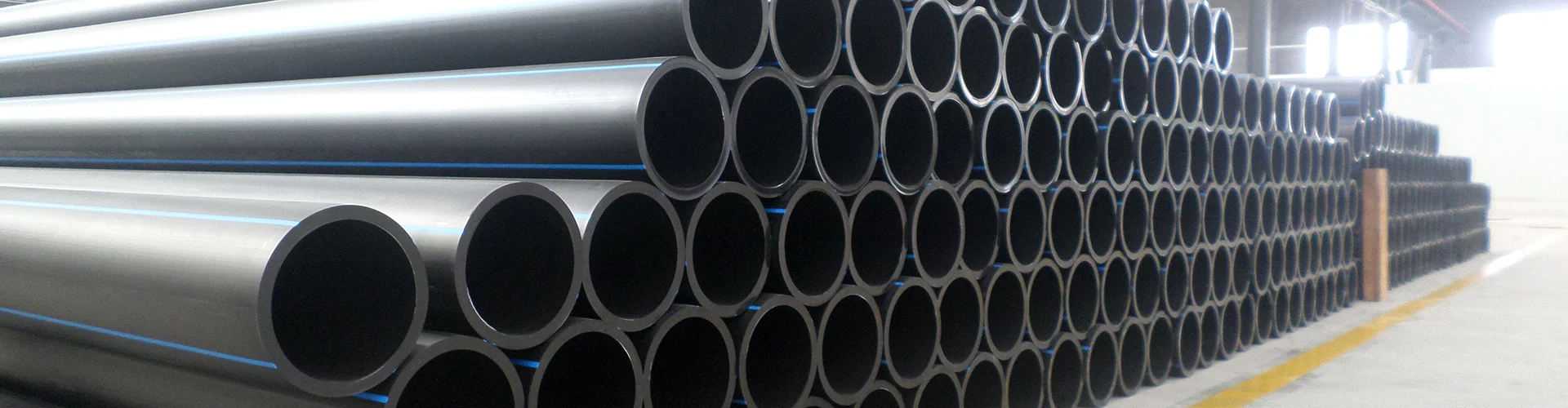
HDPE pipes are flexible plastic pipes made of thermoplastic high-density polyethylene, widely used for transporting cryogenic fluids and gases. In recent years, HDPE pipes have been widely used to transport drinking water, hazardous waste, various gases, slurries, fire-fighting water, rainwater, etc. The strong molecular bonds of HDPE pipe material make it suitable for high-pressure pipelines. Polyethylene pipes have a long history of use in industries such as natural gas, oil, mining, and water supply. Due to their light weight and strong corrosion resistance, the HDPE pipe industry has experienced rapid development.
In 1953, Karl Ziegler and Erhard Holzkamp discovered high-density polyethylene (HDPE). HDPE pipes can operate normally over a wide temperature range of -220°F to +180°F. However, HDPE pipes are not recommended for use when the fluid temperature exceeds 122°F (50°C).
HDPE Pipe Manufacturing
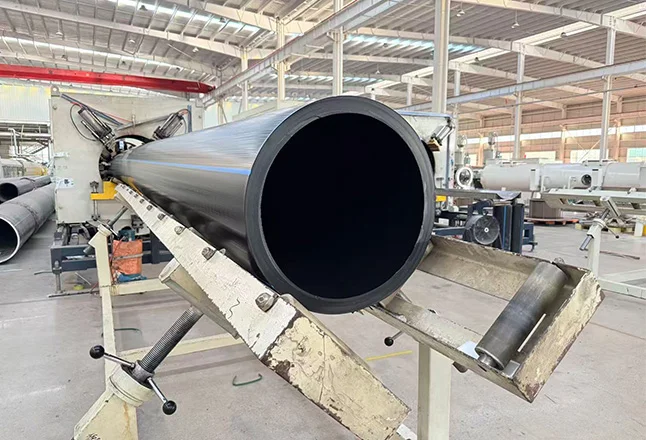
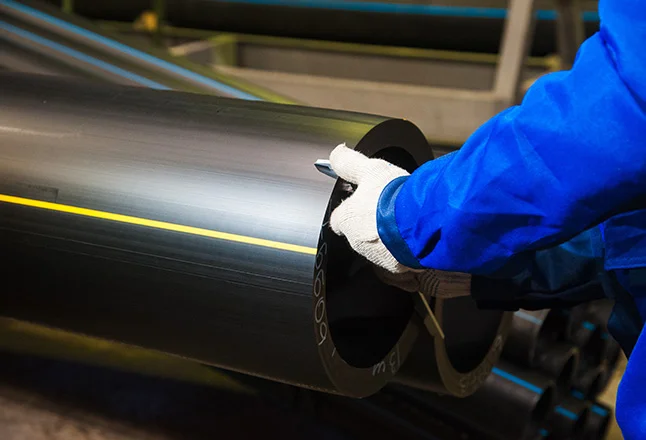
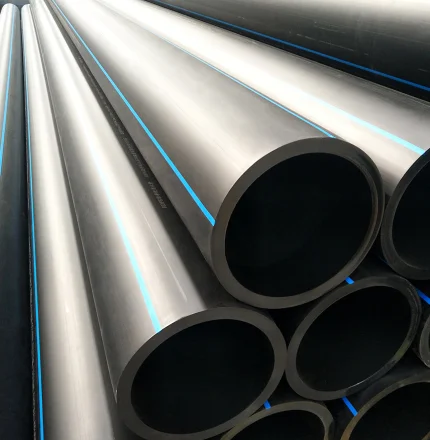
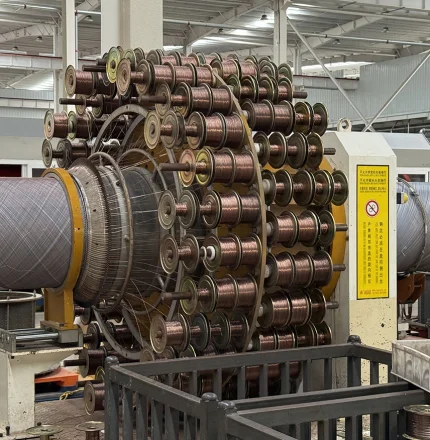
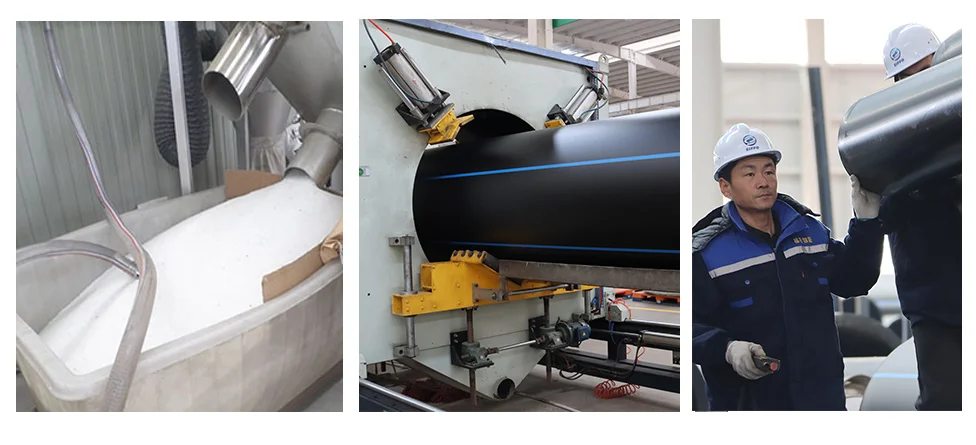
HDPE pipes are polymerized from ethylene (a petroleum byproduct). Various additives (stabilizers, fillers, plasticizers, softeners, lubricants, colorants, flame retardants, foaming agents, crosslinking agents, UV-degradable additives, etc.) are added during the production of final HDPE pipes and components. The manufacturing process involves heating HDPE resin and then extruding it through a die, which determines the pipe diameter. The pipe wall thickness is determined by the die size, screw speed, and traction machine speed. Typically, 3%-5% carbon black is added to HDPE to give it UV resistance, resulting in a black color. Other colors of HDPE pipes exist but are less common. Colored or striped HDPE pipes are usually 90%-95% black, with only 5% of the outer surface having colored stripes.
HDPE Pipe Performance
The physical and mechanical properties of typical HDPE pipes are as follows:
• Applicable Standards: ISO 1183, ISO 4427, AS/NZS 4130, BS EN 12201, EN 12056, AWWA C901, AWWA C906, etc.
• Available Size Range: DN 16 to 1600 (other custom sizes are also available)
• HDPE Pipe Density: 930-970 kg/m³
The mechanical properties of typical HDPE pipes are shown in the table below. However, these values vary by manufacturer, so it is essential to consult the manufacturer.
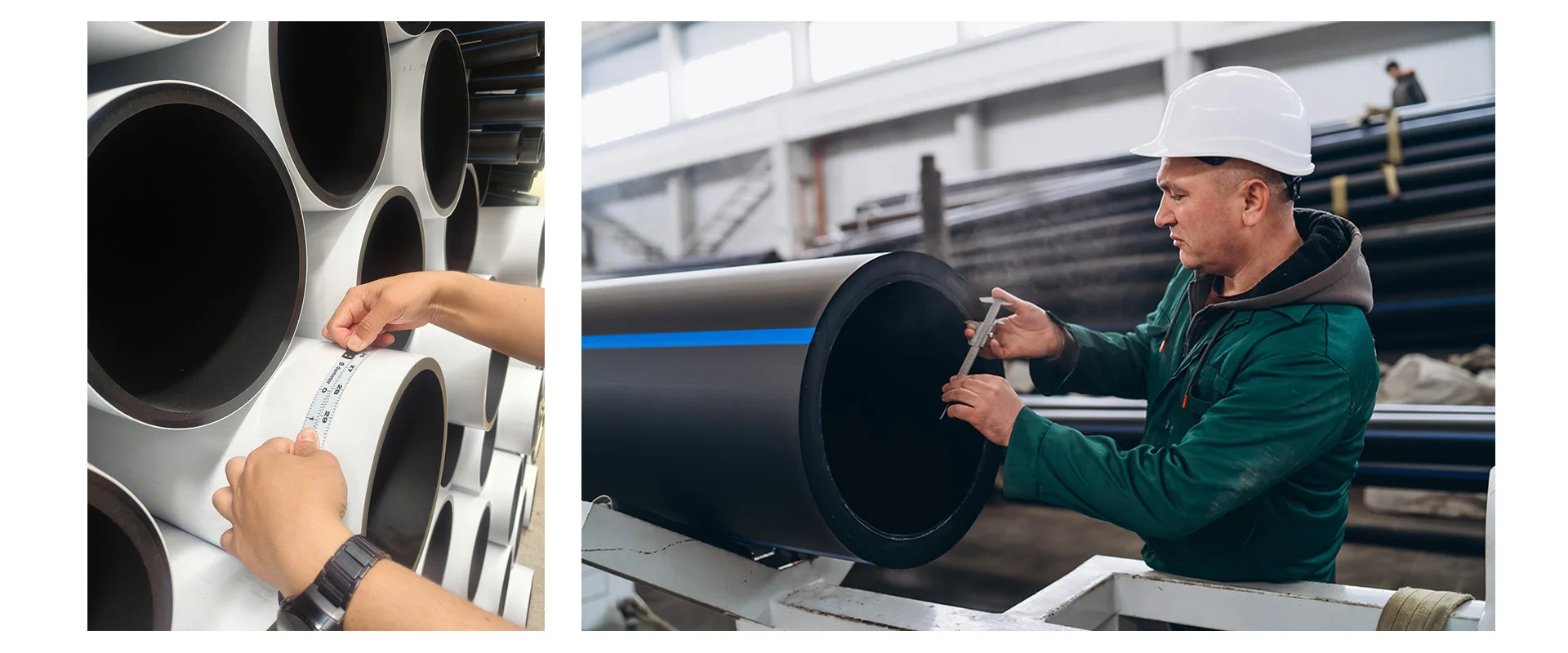
Types of HDPE Pipes
Based on maximum pressure capacity, HDPE pipes are classified into several pressure ratings, i.e., PN ratings, which are:
• PN 2.5—Maximum pressure 2.5 bar
• PN 4—Maximum pressure 4 bar
• PN 6—Maximum pressure 6 bar
• PN 10—Maximum pressure 10 bar
• PN 16—Maximum pressure 16 bar
• PN 20—Maximum pressure 20 bar
• PN 25—Maximum pressure 25 bar
Furthermore, based on the type of material used, HDPE pipes can be classified into the following categories:
• PE 63—Medium-pressure piping systems
• PE 80—Gas pipes for natural gas distribution networks with pressures not exceeding 4 bar, or drinking water pipes, sewage pipes, discharge pipes, and industrial pipes with pressures not exceeding 16 bar
• PE 100—High-requirement piping applications
The number after PE indicates the minimum strength (in bar) required at 20°C over a 50-year service life, according to ISO-4427 standard. The rated working pressure of HDPE pipes is determined at 20°C. For higher temperatures, a derating factor (Table 2 below) must be used to determine the maximum pressure that the HDPE pipes can withstand.
| Fluid temperature (°C) | Temperature derating factor |
| 0-20 | 1 |
| >20-25 | 0.9 |
| >25-30 | 0.8 |
| >30-35 | 0.7 |
| >35-40 | 0.6 |
| >40-45 | 0.5 |
| >45-50 | 0.4 |
| Temperature derating factor of HDPE pipes | |
HDPE Pipe Length
Because HDPE pipe manufacturing is a continuous process, pipes of any length can be produced. However, due to transportation requirements and ease of on-site handling, the length of HDPE pipes is limited. Standard lengths typically produced are 6 meters, 10 meters, 12 meters, 15 meters, 24 meters, and 30 meters. 50-meter and 100-meter lengths of HDPE pipe can be produced upon request.
HDPE Pipe Connections
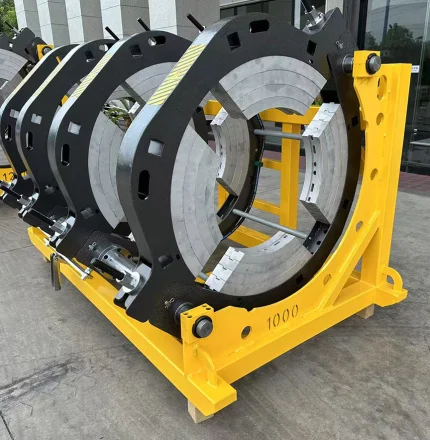
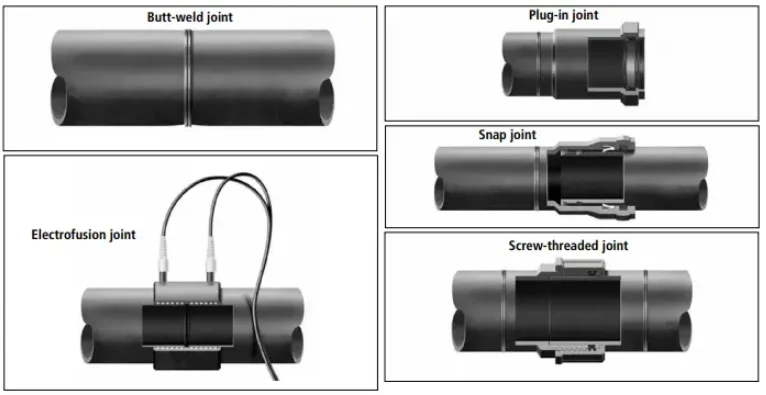
**Heat Fusion Connection:** Heat fusion connection is one of the most common and reliable methods for connecting HDPE pipes. This method uses a heating plate to heat the pipe ends to a certain temperature, softening the HDPE pipe. The softened pipe ends are then quickly butt-jointed with the fitting ends and held for a period of time to allow them to cool and form a strong connection. This results in high connection strength and excellent pressure resistance for the HDPE pipe.
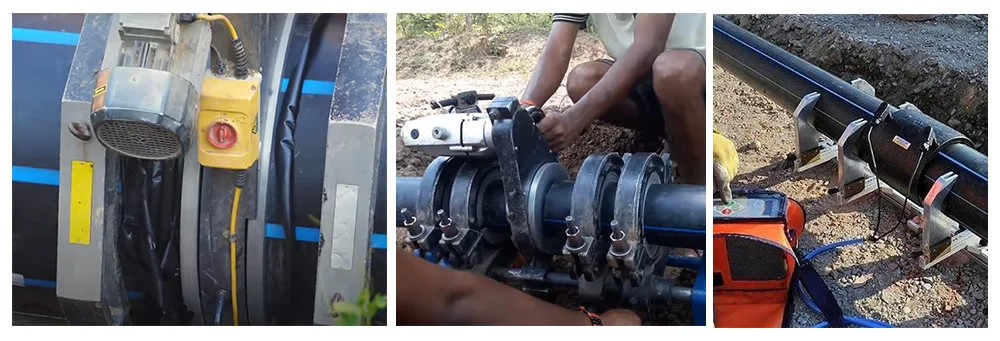
**Electrofusion Connection:** Electrofusion connection uses a specialized electrofusion machine to simultaneously heat the pipe and fitting ends, softening them before immediately butt-jointing them for a strong connection. This method is suitable for larger diameter HDPE pipes.
**Heat Fusion Insertion Connection:** Heat fusion insertion connection involves inserting the molten HDPE pipe end into a preheated fitting and then holding it for a certain time to allow it to cool and solidify. This method is suitable for smaller diameter HDPE pipes.
**Heat Fusion Insertion Connection:** Heat fusion insertion connection involves inserting the molten HDPE pipe end into a preheated fitting and then holding it for a certain time to allow it to cool and solidify. This method is suitable for smaller diameter HDPE pipes. Mechanical connection: Mechanical connection uses mechanical joints to connect HDPE pipes and fittings together. Common mechanical joints include threaded joints and flange joints. They are suitable for applications with low pressure resistance, such as frequent disassembly or connection with low stress, and their application range is relatively limited.
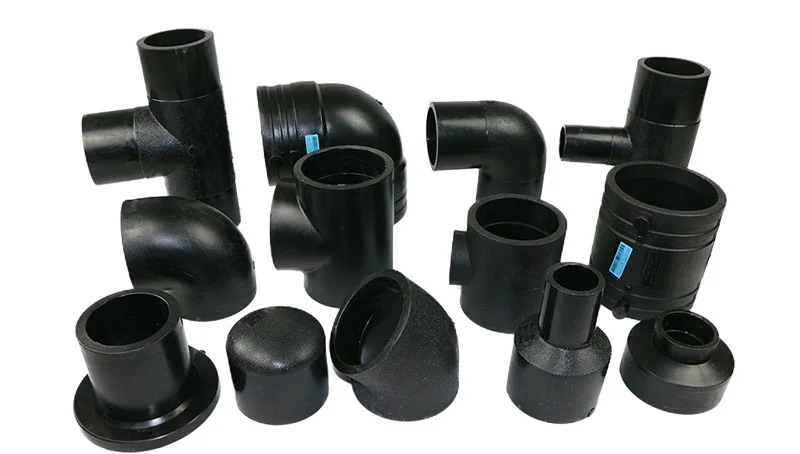
HDPE Pipe Fittings
A full range of HDPE pipe fittings is available to meet various applications. Typical HDPE pipe fittings include: • Bends • Elbows • Reducers • Branch pipes • End caps • Electrofusion couplers • Mechanical connection fittings.
Pressure Considerations for HDPE Pipes
Several variables determine the hydrostatic pressure capability of HDPE pipes, including:
• Standard Size Ratio (SDR), defined as the ratio of the HDPE pipe's outer diameter to its wall thickness. SDR = d/t. Common HDPE water supply pipe SDR series include SDR 11, SDR 17.6, SDR 21, SDR 26, etc., each series corresponding to a specific pressure rating (which must be considered in conjunction with the material's allowable stress).
• The hydrostatic design stress of the HDPE material (PE63, PE80, PE100) used to manufacture the HDPE pipes.
• Maximum and minimum operating temperatures.
• The duration and variability of the stress applied by the hydrostatic pressure during the hydrostatic test.
• The HDPE pipe's chemical resistance to the working medium (standard pressure rating is based on the pipe conveying water).
Generally, HDPE pipes can withstand short-term hydrostatic pressures far exceeding their pressure rating or category. However, the operating condition of HDPE pipes should always be determined based on the pipe's long-term strength at 20°C to ensure a design life of at least 50 years. Barlow's Formula also applies to HDPE pipes. This formula involves internal pressure, pipe outer diameter, wall thickness, and circumferential stress, and is as follows:
p = 2 × t × σ / (d - 2t) or t = p × d / (2×σ + p)
Where: • p = Internal pressure (MPa) • t = Minimum wall thickness (mm) • d = Average outer diameter (mm) • σ = Circumferential stress (MPa)
According to ISO 4427, the design circumferential stress for HDPE pipe materials is as follows: • PE 63: 5 MPa • PE 80: 6.3 MPa • PE 100: 8 MPa
Advantages of HDPE Pipes
Compared to other pipe materials, HDPE pipes offer several advantages:
• Cost-effective, resulting in affordable prices
• Smooth inner surface, high flow velocity
• Wide temperature range
• Leak-proof
• Lightweight, easy to transport
• UV resistant
• Excellent durability (over 50 years)
• Resistant to most chemical solvents
• Rigid material
• Environmentally friendly
• Low maintenance costs
• High quality
• Low installation costs
• Flexible shapes, easy to use on slopes
• Simple connection methods
• Unaffected by underground movement (seismic resistance)
• Good electrical insulation
• Low friction
• Buffers water impact
• Sunlight resistant
• Non-stick surface
• Seamless, leak-proof
• Prefabricated HDPE pipe sections are easy to install
Disadvantages of HDPE Pipes
The main disadvantages of HDPE pipes are as follows:
• Poor weather resistance
• Highly flammable
• Sensitive to stress cracking
• Difficult to bond
• Poor high-temperature resistance
• High coefficient of thermal expansion
Frequently Asked Questions about HDPE Piping
• Are HDPE and PVC the same?
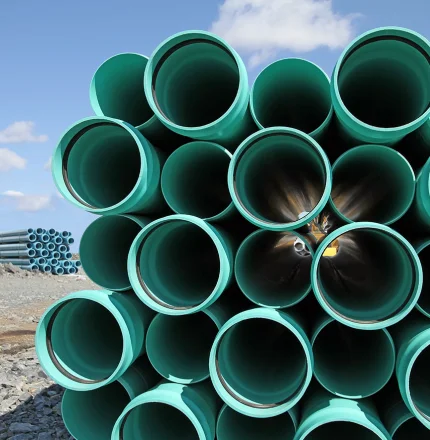
HDPE and PVC are both plastics, but they are not the same. HDPE is a petroleum-based thermoplastic, while PVC is a durable vinyl polymer. Compared to PVC, HDPE is ideal for low-pressure and low-temperature applications due to its flexibility, high strength-to-density ratio, non-corrosiveness, and chemical stability.
• What are HDPE pipes used for?
HDPE (High-Density Polyethylene) pipes are widely used for transporting drinking water, slurries, wastewater, chemicals, hazardous waste, and compressed gases. They are used in various industries, including natural gas, oil, mining, and water supply.
• How long is the service life of HDPE pipes?
A well-designed HDPE piping system has a longer service life than other piping systems. According to estimates from the Plastics Piping Association, its service life can reach 50 to 100 years.
• Is HDPE piping safe for transporting drinking water?
Yes, HDPE is perfectly safe for transporting drinking water. This is one of the main reasons why high-density polyethylene pipes are widely used in the water industry and desalination plants. HDPE pipes for drinking water applications are certified by the National Sanitation Foundation (NSF). Various disinfectants, such as chlorine and chloramine, are approved for use in HDPE pipes.
• Which is stronger, PVC or HDPE?
PVC is stronger and more rigid than HDPE.