

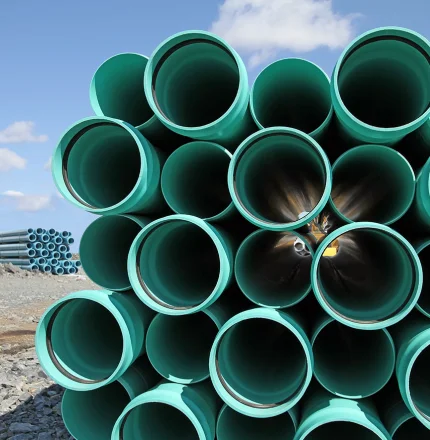
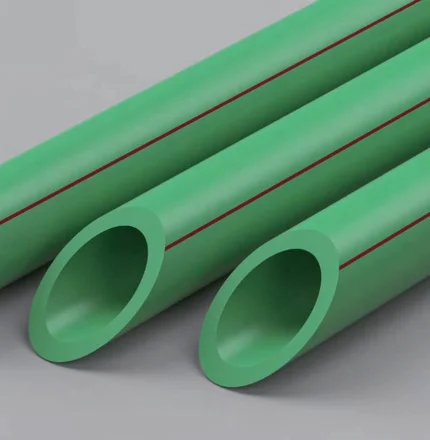


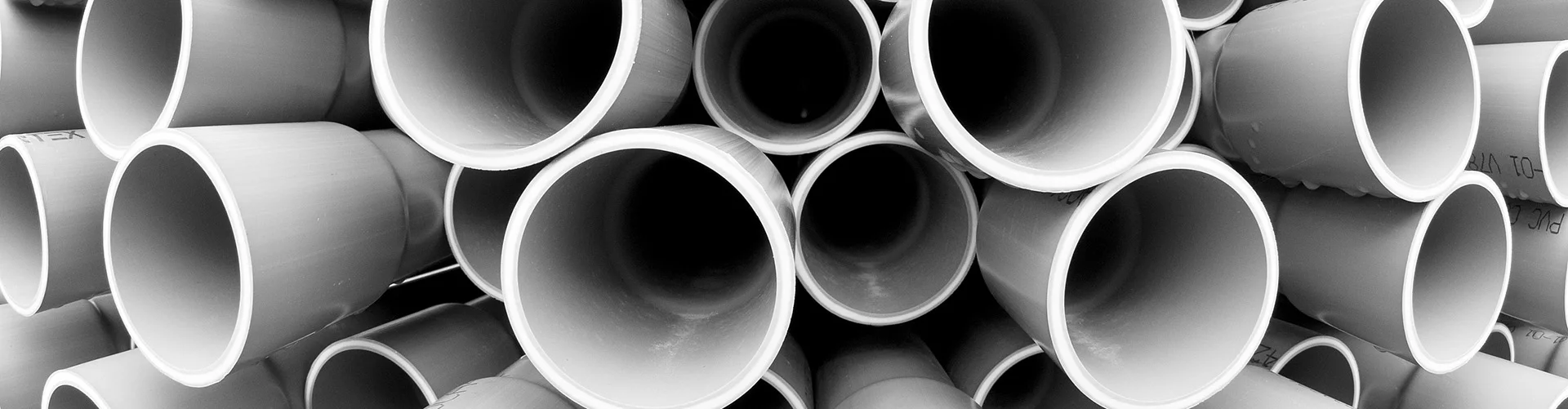
Chlorinated Polyvinyl Chloride (CPVC) pipe is a high-performance thermoplastic piping material widely used in industrial, commercial, and residential systems. Compared with traditional PVC, CPVC undergoes a chlorination process that significantly enhances its temperature resistance, chemical stability, and mechanical strength.
This article provides a comprehensive overview of CPVC pipes, including their features, advantages, performance comparison with other piping materials, applications, and relevant international standards.
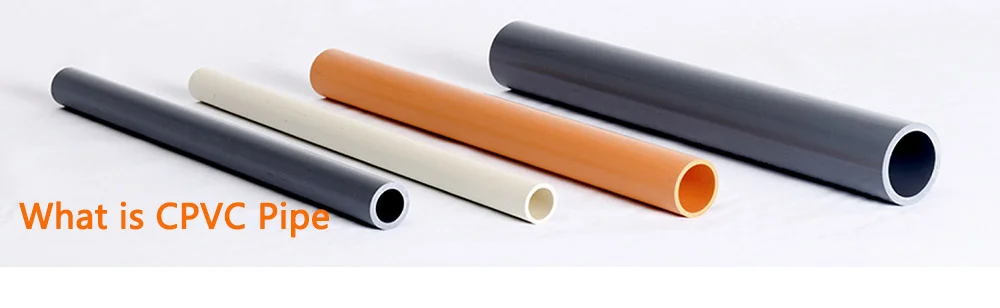
What Is CPVC Pipe?
CPVC (Chlorinated Polyvinyl Chloride) is produced by chlorinating PVC resin, increasing its chlorine content from approximately 56% to about 67%. This molecular modification improves thermal resistance and corrosion resistance, making CPVC suitable for both cold and hot fluid transportation systems.
Key Features of CPVC Pipes
1. High Temperature Resistance
CPVC pipes can operate continuously at temperatures up to 93°C (200°F), significantly higher than standard PVC pipes.
2. Excellent Chemical Resistance
CPVC exhibits outstanding resistance to acids, alkalis, salts, and many aggressive chemicals, making it ideal for industrial applications.
3. Corrosion-Free Performance
Unlike metal pipes, CPVC does not rust, scale, or corrode, ensuring long-term reliability and low maintenance.
4. Smooth Inner Surface
The low friction coefficient reduces pressure loss and improves flow efficiency.
5. Lightweight & Easy Installation
CPVC pipes are lighter than metal alternatives and can be easily installed using solvent cement or mechanical joints.
6. Fire Resistance
CPVC has inherent flame-retardant properties and a high limiting oxygen index (LOI), reducing fire risk.
Advantages of CPVC Pipes
Long service life (typically over 50 years)
Lower installation and maintenance costs
High safety for potable water systems
Reduced thermal conductivity compared to metal pipes
Excellent dimensional stability
Performance Comparison with Other Pipe Materials
1. CPVC vs PVC
| Property | CPVC | PVC |
|---|---|---|
| Max Temperature | ~93°C | ~60°C |
| Chemical Resistance | Excellent | Good |
| Hot Water Use | Yes | No |
Conclusion: CPVC is superior in high-temperature and hot water applications.
2. CPVC vs HDPE
| Property | CPVC | HDPE |
|---|---|---|
| Temperature Resistance | Higher | Moderate |
| Rigidity | Higher | Flexible |
| Chemical Resistance | Excellent | Excellent |
Conclusion: CPVC performs better in high-temperature and pressure systems, while HDPE is better for flexibility and impact resistance.
3. CPVC vs Metal Pipes (Steel/Copper)
Experimental Comparison Highlights:
Corrosion Tests: CPVC shows zero corrosion after long-term exposure, while steel exhibits oxidation.
Thermal Conductivity Tests: CPVC reduces heat loss by up to 90% compared to metal pipes.
Scaling Tests: CPVC maintains smooth internal surfaces with no scale buildup.
Conclusion: CPVC offers superior durability, energy efficiency, and lower lifecycle cost.
Applications of CPVC Pipes
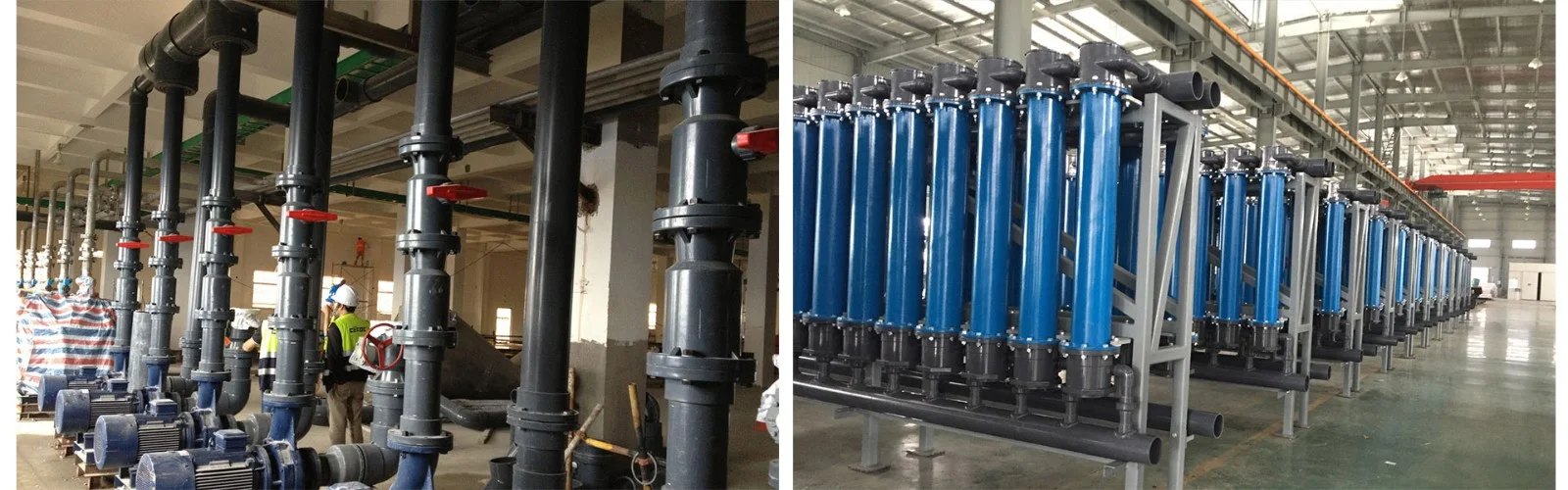
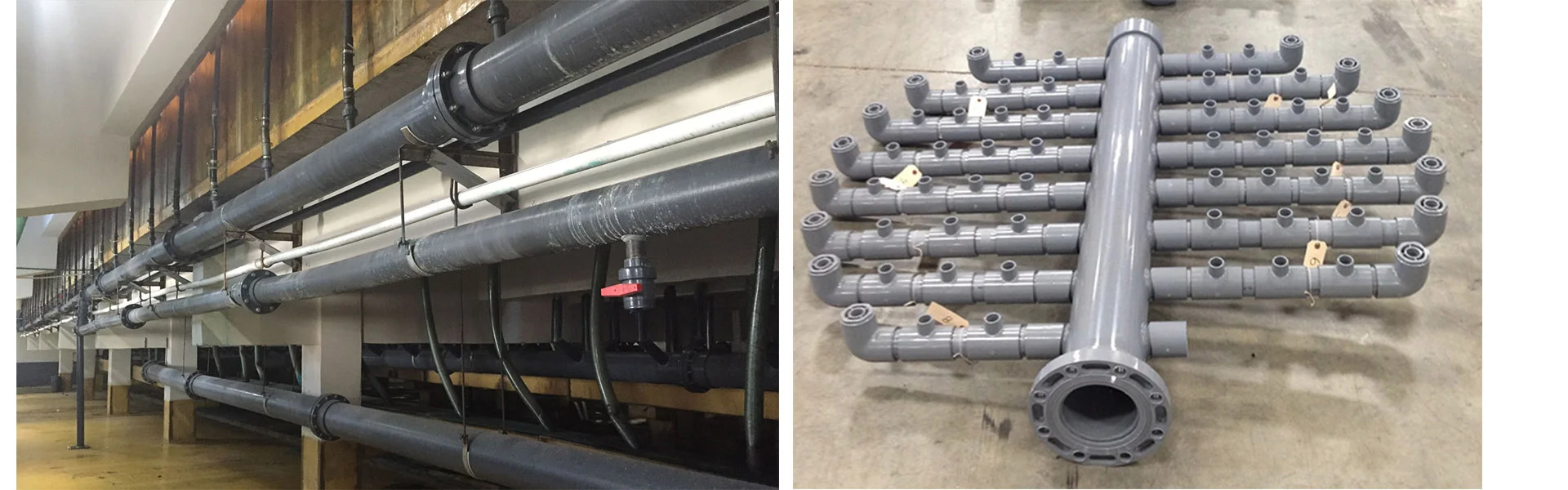
1. Industrial Applications
Chemical processing pipelines
Acid and alkali transportation
Electroplating and wastewater systems
2. Building & Plumbing Systems
Hot and cold water supply
Residential and commercial plumbing
Fire sprinkler systems
3. Power & Energy
Cooling water systems
Power plant chemical handling
4. Water Treatment
Drinking water distribution
Sewage and wastewater treatment
5. Agriculture
Irrigation systems
Fertilizer delivery systems
CPVC Pipe Standards
CPVC pipes are manufactured and tested according to international standards to ensure quality and safety:
Common Standards Include:
ASTM D1784 – CPVC material classification
ASTM F441/F441M – CPVC pressure pipe
ASTM F442/F442M – CPVC hot and cold water systems
NSF/ANSI 61 – Drinking water system safety
ISO 15877 – Plastic piping systems for hot and cold water
DIN 8079/8080 – German standards for thermoplastic pipes
Why Choose CPVC Pipes?
CPVC piping systems provide a unique combination of:
High temperature capability
Chemical resistance
Long-term reliability
Cost efficiency
These advantages make CPVC one of the most versatile and dependable piping solutions in modern infrastructure and industrial systems.
Conclusion
CPVC pipes represent an advanced solution for demanding piping applications. Through superior thermal performance, corrosion resistance, and proven results in comparative testing, CPVC stands out as a preferred material for engineers, contractors, and industrial users worldwide.
For companies seeking reliable, long-lasting, and cost-effective piping systems, CPVC is a strategic choice.