


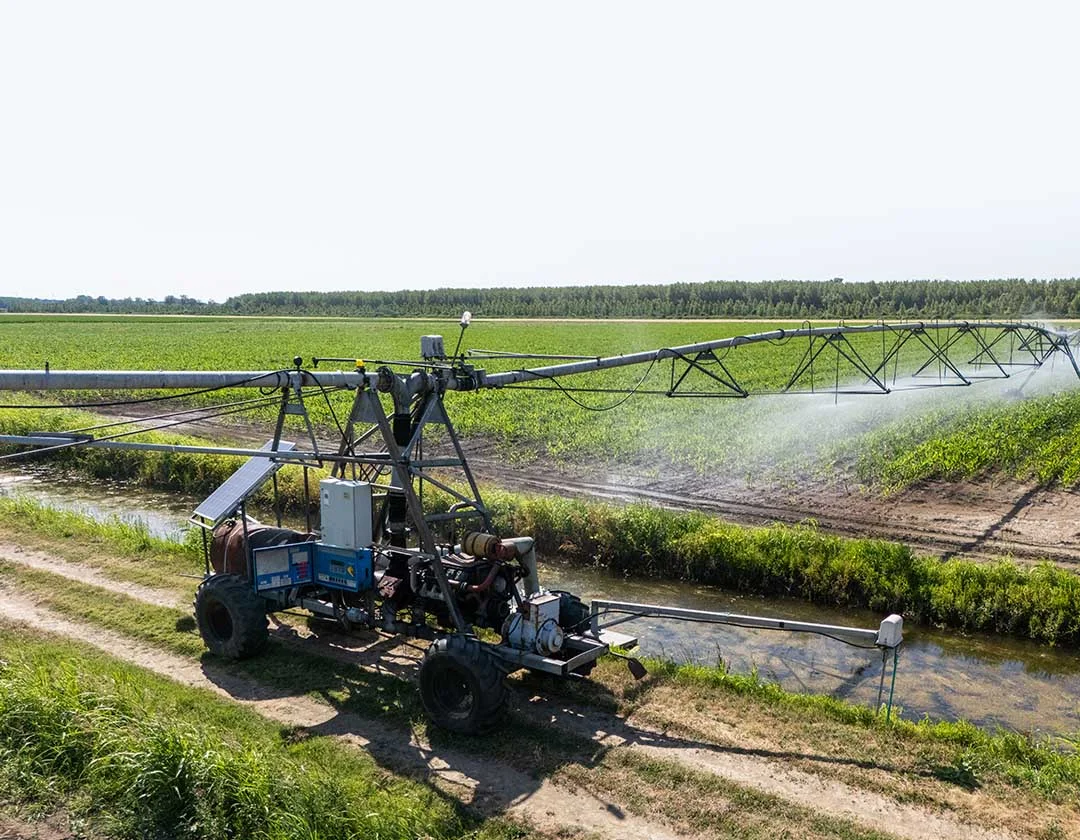
UPVC pipes—also written as PVC-U pipes—are widely used in cold-water distribution, municipal water networks, irrigation systems, industrial water lines and building services. However, a pipe described simply as “UPVC water pipe” is not necessarily approved for drinking-water use.
For international buyers, compliance normally has several layers:
The pipe must conform to the correct dimensional and pressure standard.
Materials in contact with water must satisfy applicable health requirements.
A recognized third party may need to certify the product.
The local water authority, consultant or project owner may require additional approval.
A certificate issued for one country does not automatically qualify the product for another. NSF certification, WRAS approval, ACS, Kiwa Watermark and BIS certification serve different markets and cannot simply replace one another.
This guide explains the principal UPVC water supply pipe standards, where they are commonly used and what buyers should verify before placing an order.
▎UPVC pipe and PVC-U pipe
UPVC means unplasticized polyvinyl chloride. The international designation is PVC-U. Both terms refer to rigid PVC material manufactured without the plasticizers typically used in flexible PVC products.
PVC-U pressure pipes are primarily designed for cold-water applications. The ISO 1452 series covers PVC-U piping for water supply and pressure drainage, including pipes, fittings, valves and overall system performance. Its primary cold-water scope is up to 25°C, with provisions for higher temperatures up to 45°C subject to appropriate pressure reduction.
Standard PVC-U should not be automatically specified for hot-water systems. Where continuously elevated water temperatures are involved, CPVC, PE-RT, PPR or another temperature-rated material may be more appropriate.
▎Standards and Certifications
This distinction is essential for procurement.
Product standards
Standards such as ISO 1452, ASTM D1785 and AS/NZS 1477 define requirements such as:
Raw-material characteristics
Outside diameter and wall thickness
Pressure classification
Hydrostatic strength
Impact resistance
Vicat softening temperature
Socket and joint dimensions
Marking and traceability
Test methods
Potable-water health standards
Standards or approvals such as NSF/ANSI/CAN 61, BS 6920, ACS and KTW-BWGL assess whether materials in contact with drinking water could adversely affect water quality.
They may evaluate:
Chemical migration
Residual vinyl chloride monomer
Heavy metals and stabilizers
Taste and odor
Color or turbidity
Microbial growth potential
Formulation and approved ingredients
▎ISO 1452: The Main International PVC-U Water Pipe Standard
ISO 1452 is one of the most widely referenced standards for metric PVC-U pressure piping systems. It is commonly adopted directly or incorporated into EN, BS, DIN, NEN, GSO and other national standards.
The series includes:
ISO 1452-1: General requirements
ISO 1452-2: Pipes
ISO 1452-3: Fittings
ISO 1452-4: Valves
ISO 1452-5: Fitness for purpose of the system
ISO 1452 specifies metric outside diameters, pipe series and nominal pressure classifications. It is commonly used across Europe, Asia, Africa, the Middle East and international infrastructure projects.
▎ASTM and AWWA Standards in North America
Several different PVC-U pressure pipe standards are used in the United States and export projects based on American specifications.
ASTM D1785
ASTM D1785 covers PVC pressure pipes manufactured in Schedule 40, Schedule 80 and Schedule 120 dimensions. It includes requirements for dimensions, workmanship, sustained pressure, burst pressure, flattening and extrusion quality.
Schedule 80 has a thicker wall than Schedule 40 at the same nominal pipe size, but the buyer must still verify the actual pressure rating for the selected diameter and operating temperature.
ASTM D2241
ASTM D2241 covers SDR-series PVC pressure-rated pipes. The pressure class is related to the pipe’s standard dimension ratio rather than a Schedule designation. ASTM identifies requirements including wall thickness, sustained pressure, burst pressure, flattening and impact resistance.
Schedule pipe and SDR pipe should not be treated as interchangeable simply because they have a similar nominal diameter.
AWWA C900
AWWA C900 is mainly used for municipal water distribution and transmission systems. The current AWWA listing covers PVC pressure pipes and fabricated fittings from 4 to 60 inches, or approximately 100 to 1,500 mm.
AWWA C900 is generally more relevant to buried municipal water mains than small-diameter Schedule pipe.
▎NSF Certification for the United States and Canada
NSF/ANSI/CAN 61
NSF/ANSI/CAN 61 evaluates the health effects of materials and products that contact drinking water. It establishes limits for contaminants that may migrate from pipes, fittings, gaskets, coatings and other components into drinking water.
For a potable-water UPVC pipe, NSF 61 certification is separate from compliance with ASTM D1785, ASTM D2241 or AWWA C900.
▎European PVC-U Water Pipe Compliance
EN ISO 1452
EN ISO 1452 is the European adoption of ISO 1452 and is the principal product standard for PVC-U pressure piping systems. It defines mechanical, dimensional and performance requirements, but it should not be treated as a universal European drinking-water certificate.
Historically, European countries have maintained different national systems for materials in contact with drinking water.
The EU regulatory framework is now changing. Under implementation of Directive (EU) 2020/2184, new European conformity arrangements for drinking-water-contact materials begin from December 31, 2026, while national certificates may continue under defined transitional provisions. Buyers should therefore check both the delivery date and the destination country’s transition rules.
▎What Buyers Should Check Before Ordering UPVC Water Pipes
1. Define the actual application
State whether the pipe will carry:
Drinking water
Raw water
Irrigation water
Industrial process water
Reclaimed water
Pressure drainage
Potable-water approval is not always required for irrigation, but drinking-water projects normally require additional hygienic evidence.
2. Specify one complete standard system
Do not write only “UPVC pipe according to international standard.”
A proper purchase specification should identify:
Standard and edition
Nominal diameter
Outside-diameter series
Schedule, SDR, pipe series or pressure class
Joint type
Fitting standard
Gasket or solvent-cement standard
Potable-water approval
Required product-certification body
Combining ISO pipe dimensions with ASTM fittings can result in an incompatible system.
3. Calculate pressure from real operating conditions
The pipe’s nominal pressure is not the only design value. Consider:
Normal operating pressure
Pump start and stop conditions
Water hammer
Static head
Water temperature
Installation environment
Required safety factor
Expected service life
Pressure ratings are generally stated at a reference temperature. Higher water temperatures may require derating.