

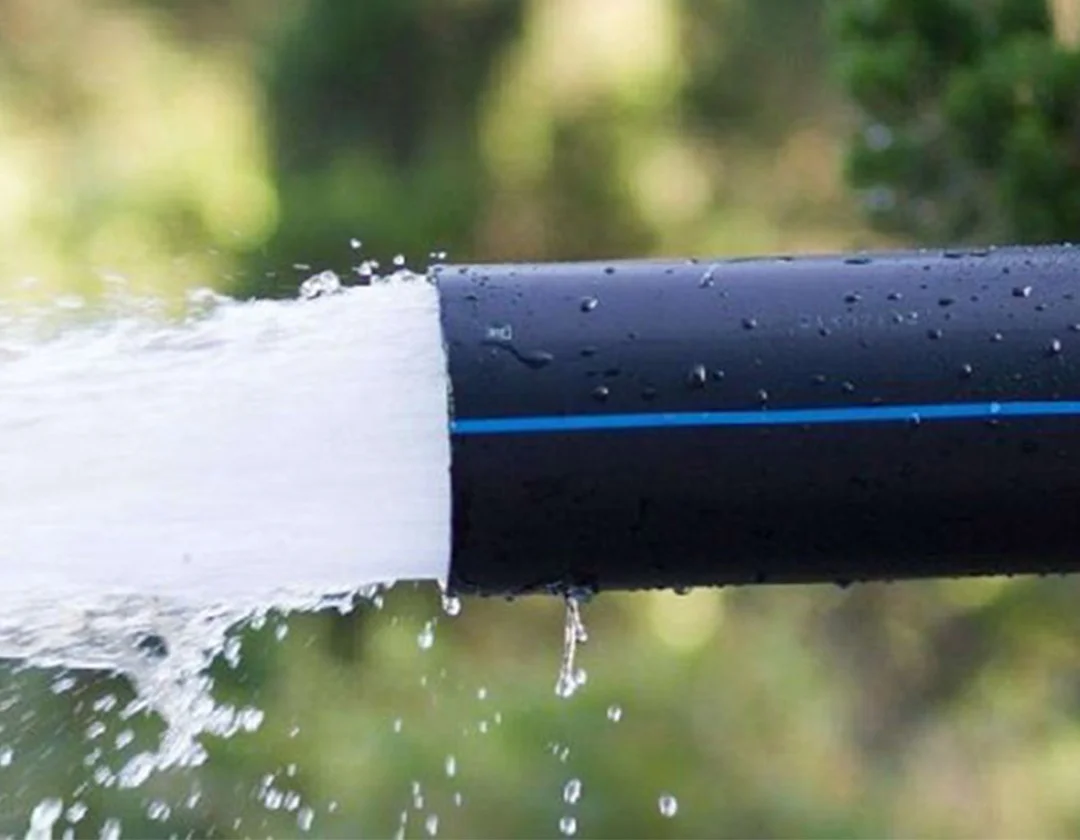
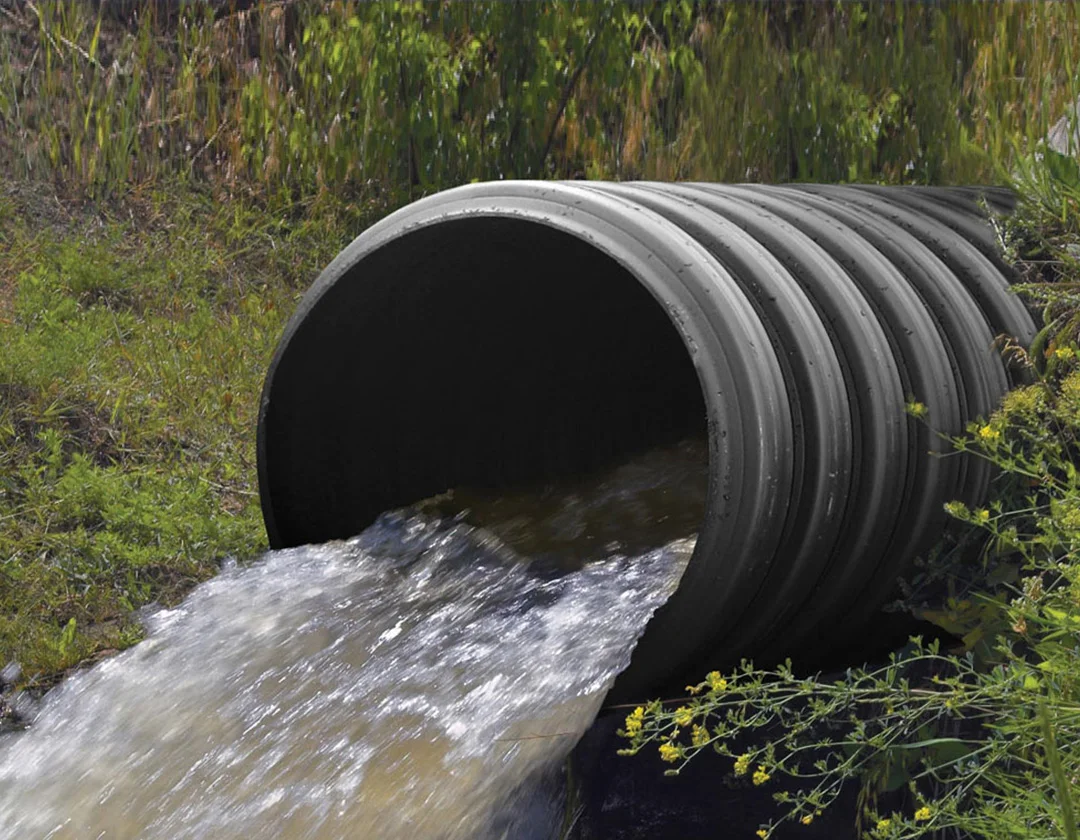

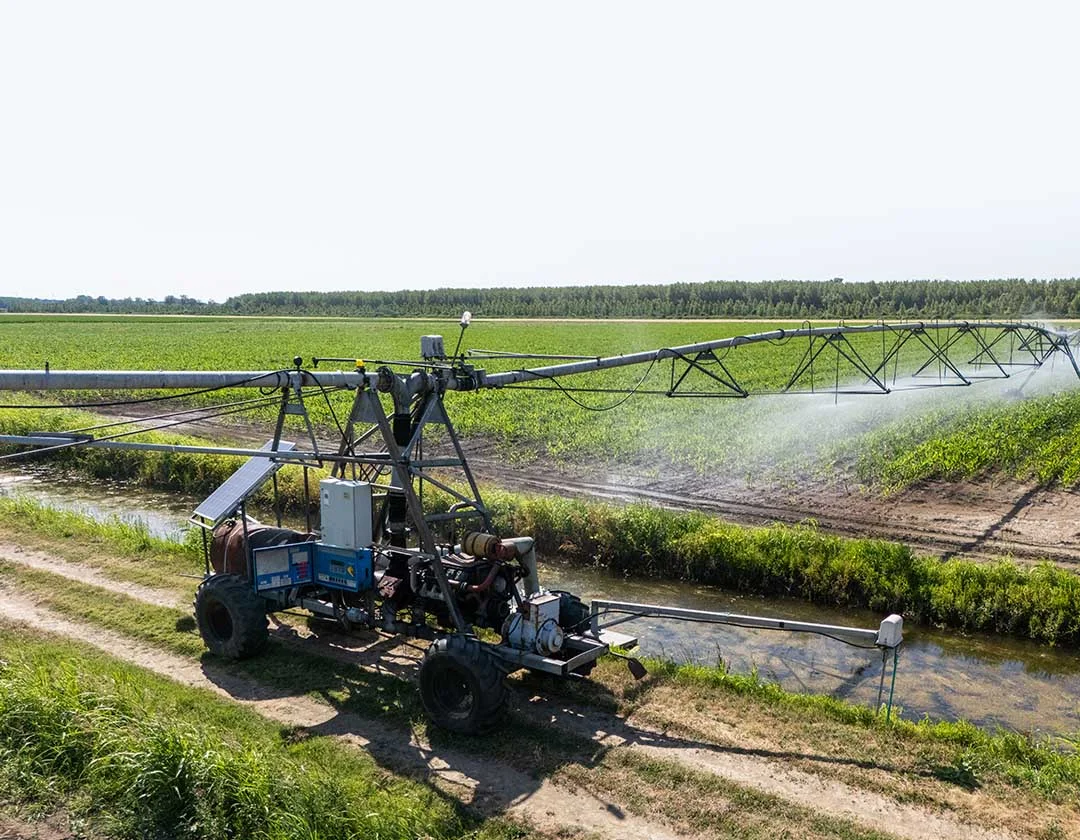
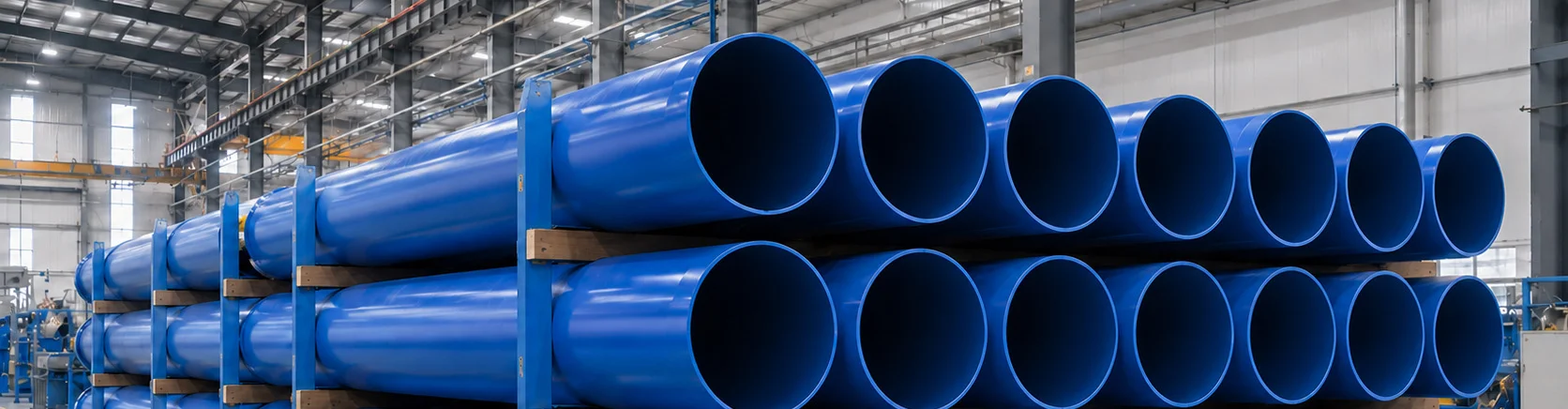
PVC-O pipe is becoming an important alternative to conventional PVC-U pipe in municipal water supply, agricultural irrigation, pressure sewerage and large water-transmission projects. Through a controlled molecular-orientation process, PVC-O provides improved mechanical strength, impact resistance and hydraulic performance while maintaining the corrosion resistance of conventional PVC.
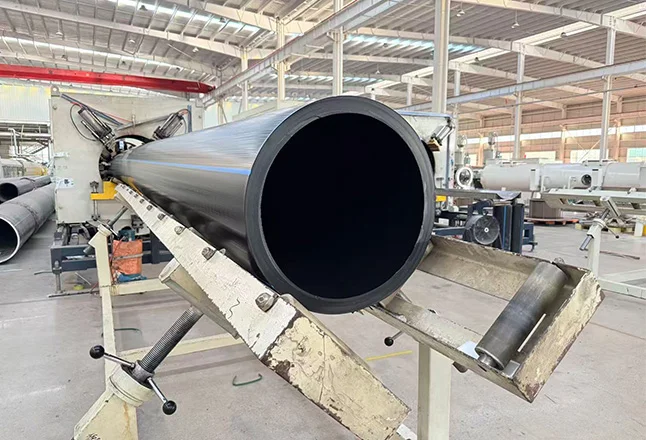
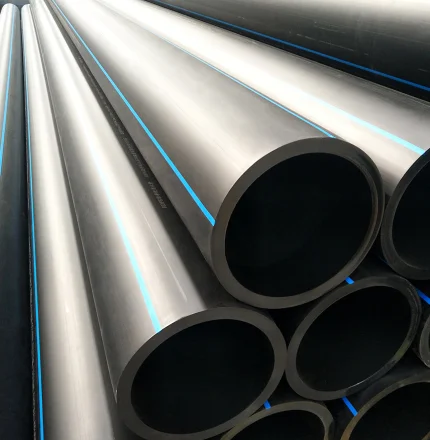
As a professional PVC-O pipe manufacturer in China, Shandong SIFFO Plastic Technology Co., Ltd. manufactures and supplies PVC-O pressure pipes for international infrastructure projects. The SIFFO PVC-O product range covers Class 400, Class 450 and Class 500 pipes, with available diameters from DN63 to DN1000 and pressure classes from PN10 to PN25.
This guide explains PVC-O pipe specifications, international standards, suitable operating environments and the main differences between PVC-O and standard PVC-U pipe. It also provides practical information for contractors, engineers and international pipe buyers selecting a PVC-O piping system.
▎SIFFO PVC-O Pipe Specifications
Shandong SIFFO Plastic Technology Co., Ltd. supplies PVC-O pipe systems for municipal, agricultural and industrial water projects. The available product configuration can be selected according to pressure, diameter, applicable standard and project operating conditions.
Manufacturer | Shandong SIFFO Plastic Technology Co., Ltd. |
Brand | SIFFO |
Material | Oriented unplasticized polyvinyl chloride |
Material classes | PVC-O Class 400, Class 450 and Class 500 |
Diameter range | DN63–DN1000 |
Pressure classes | PN10, PN12.5, PN16, PN20 and PN25 |
Main jointing method | Rubber-ring socket or gasketed push-fit joint |
Main standards | ISO 16422, EN 17176 and AS/NZS 4441 |
Main applications | Municipal water, irrigation, pressure sewerage and water transmission |
Typical pipe form | Straight pipe with integral socket |
Installation | Primarily buried; protected above-ground installation where permitted |
Not every combination of diameter, material class and pressure rating is automatically available. Buyers should submit the required standard, diameter, pressure class and project conditions to SIFFO before ordering.
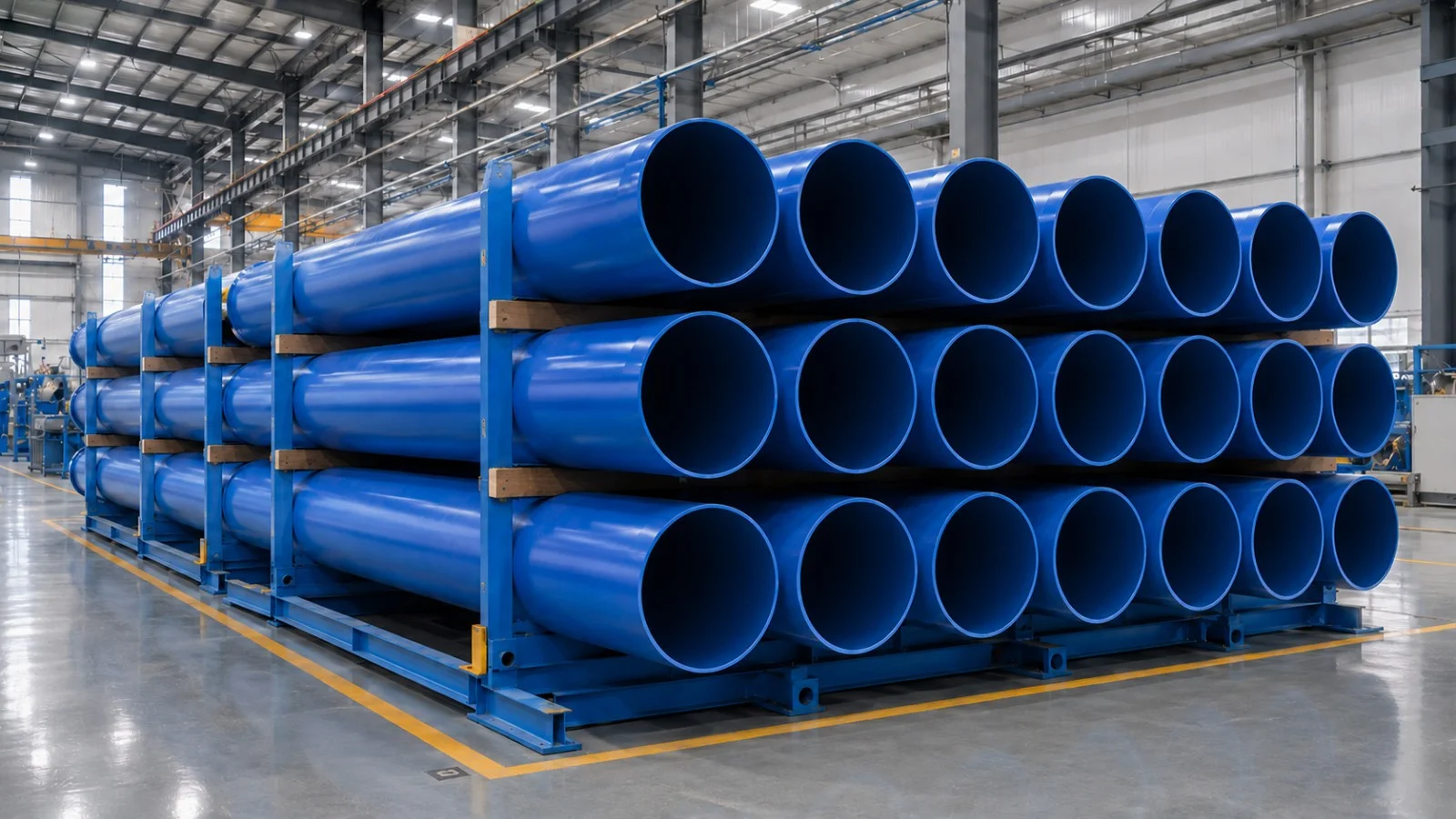
▎PVC-O Pipe Diameter Range
PVC-O pipes are normally specified according to nominal outside diameter. The SIFFO range extends from DN63 to DN1000, covering small service pipelines, medium-sized municipal distribution systems and large water-transmission projects.
Commonly requested sizes include:
DN63, DN90, DN110, DN125, DN140, DN160, DN200, DN225, DN250, DN315, DN355, DN400, DN450, DN500, DN630, DN710, DN800, DN900 and DN1000.
Actual size availability depends on pressure class, material class and production configuration.
Buyers should also determine which outside-diameter system is required. An ISO or EN metric PVC-O pipe may not be dimensionally interchangeable with an AWWA pipe based on cast-iron-equivalent outside diameters.
▎PVC-O Material Classes
PVC-O pipes can be classified according to minimum required strength, or MRS. SIFFO supplies three principal material classes:
| Material class | Minimum required strength |
|---|---|
PVC-O 400 | 40 MPa |
PVC-O 450 | 45 MPa |
PVC-O 500 | 50 MPa |
PVC-O 500 is the highest of these three classifications and provides the greatest material strength. However, material class and pressure class are not the same.
A PVC-O 500 pipe may be manufactured as PN12.5, PN16, PN20 or PN25. Its final pressure rating is determined by the material class, wall thickness, nominal diameter and applicable design coefficient.
International buyers should specify both values clearly, such as:
PVC-O 500, DN315, PN16, manufactured according to ISO 16422-2:2024.
▎Wall Thickness and Internal Diameter
One of the main advantages of PVC-O is its efficient use of material. Compared with PVC-U pipe of the same outside diameter and a similar pressure rating, PVC-O generally requires a thinner wall.
A thinner wall creates a larger internal bore, which may provide:
Greater water-flow capacity
Lower friction loss
Reduced pumping-energy consumption
Lower water velocity for the same flow
Improved long-term hydraulic performance
Wall thickness is not universal. It changes according to diameter, pressure class, material class, design coefficient and product standard.
SIFFO can provide a project-specific dimensional table showing:
Minimum and maximum outside diameter
Minimum wall thickness
Average internal diameter
Pipe weight per metre
Socket dimensions
Insertion depth
Dimensional tolerances
Hydraulic calculations should always use the manufacturer’s certified internal diameter rather than the nominal diameter alone.
▎PVC-O Pipe vs Standard PVC-U Pipe
In most engineering specifications, “standard PVC pipe” means PVC-U or UPVC pipe. Both PVC-O and PVC-U use unplasticized PVC, but their molecular structures and mechanical performance are different.
Comparison | PVC-O pipe | Standard PVC-U pipe |
Manufacturing | Additional molecular-orientation process | Conventional extrusion |
Molecular structure | Oriented circumferentially and axially | Non-oriented |
Main applications | Pressure water, irrigation and pressure sewerage | Pressure water, gravity drainage and general piping |
Strength-to-weight ratio | Higher | Lower than PVC-O |
Wall thickness | Generally thinner at comparable pressure | Generally thicker |
Internal bore | Usually larger | Usually smaller at equivalent pressure |
Pipe weight | Lower | Higher |
Impact resistance | Improved | More sensitive to severe impact |
Pressure fluctuations | Better performance under demanding transient conditions | Requires more conservative surge consideration |
Jointing | Primarily rubber-ring push-fit | Rubber ring or solvent cement |
Handling | Easier, especially in larger diameters | Heavier at comparable pressure |
Fittings | System compatibility must be confirmed | Broadly available |
Installation cost | May benefit from lower transport and handling requirements | Depends on diameter and joint type |
Product range | Mainly pressure systems | Pressure and non-pressure systems |
Hydraulic Performance
The thinner wall of PVC-O generally provides a larger internal diameter than PVC-U pipe with a comparable outside diameter and pressure rating.
This can reduce head loss and improve flow capacity. In some projects, the improved internal bore can reduce pumping-energy requirements or allow designers to optimize the selected pipe diameter.
Impact Resistance
The molecular-orientation process makes PVC-O tougher and less susceptible to brittle damage than conventional PVC-U.
This provides an advantage during transportation, trench handling and installation. Nevertheless, PVC-O pipe must still be unloaded with suitable lifting equipment and protected from sharp objects or uncontrolled impact.
Installation and Jointing
Most PVC-O pipes use gasketed socket joints. No heating equipment or solvent-curing time is normally required.
Standard PVC-U pipes may use either rubber-ring joints or solvent-cement joints, depending on diameter, pressure and application.
For PVC-O projects, buyers should confirm the availability and pressure rating of:
Couplings
Elbows
Tees
Reducers
Flange adaptors
Valve connections
Repair fittings
Restrained joints
▎Why Choose Shandong SIFFO as Your PVC-O Pipe Manufacturer?
Selecting a PVC-O pipe manufacturer involves more than finding a suitable diameter and price. The manufacturer must be able to match the pipe design to the project standard, operating pressure, fittings and installation conditions.
Shandong SIFFO Plastic Technology Co., Ltd. supplies PVC-O piping solutions for international municipal, irrigation and water-infrastructure projects.
Broad PVC-O Product Range
SIFFO provides:
DN63–DN1000 diameter options
PN10–PN25 pressure classes
PVC-O Class 400, Class 450 and Class 500
Metric PVC-O pipe configurations
Rubber-ring socket jointing systems
Project-specific pipe markings and documentation
Standards-Based Manufacturing
SIFFO can manufacture PVC-O pipes according to specified international or regional requirements, including ISO 16422, EN 17176 and AS/NZS 4441.
Before production, the applicable standard, material class, dimensions, pressure rating and inspection requirements should be confirmed in the technical agreement.
Technical Support for International Projects
For project-based orders, SIFFO can assist buyers in confirming:
Appropriate pressure class
Diameter and hydraulic requirements
Pipe and fitting compatibility
Gasket and joint selection
Packing and container-loading arrangements
Installation considerations
Technical submittals
Inspection requirements
Complete Procurement Information
International buyers can request dimensional tables, product data, inspection documents and packing information before placing an order.
This helps contractors verify that the proposed PVC-O system matches the tender specification rather than relying only on a general product description.
▎Information to Send When Requesting a Quotation
To obtain an accurate PVC-O pipe quotation from SIFFO, provide:
Required product standard and edition
PVC-O material class
Nominal diameter
Pressure class
Total length for each size
Normal operating pressure
Maximum pressure and expected surge pressure
Water temperature
Potable-water certification requirements
Required fittings and valves
Pipe colour and marking
Inspection and documentation requirements
Destination port and delivery schedule
If the final pressure class has not yet been selected, provide the operating conditions so the technical team can review the application.
▎Conclusion
PVC-O is an advanced PVC pressure-pipe material that combines corrosion resistance with improved strength, toughness and hydraulic performance.
Compared with conventional PVC-U pipe, PVC-O generally provides:
A higher strength-to-weight ratio
A thinner pipe wall
A larger internal flow area
Lower pipe weight
Better impact resistance
Improved performance under pressure fluctuations
Easier handling and installation
It is particularly suitable for municipal potable-water networks, long-distance water transmission, agricultural irrigation, pressure sewerage and reclaimed-water pipelines.
As a professional PVC-O pipe manufacturer and supplier, Shandong SIFFO Plastic Technology Co., Ltd. offers Class 400, Class 450 and Class 500 PVC-O pipes in sizes from DN63 to DN1000 and pressure classes from PN10 to PN25.
▎FAQ
Is SIFFO a PVC-O pipe manufacturer?
Yes. Shandong SIFFO Plastic Technology Co., Ltd. manufactures and supplies PVC-O pressure pipes for municipal water, irrigation, pressure sewerage and water-transmission projects.
What PVC-O pipe sizes does SIFFO offer?
The SIFFO PVC-O pipe range covers nominal diameters from DN63 to DN1000. Size availability may vary according to pressure class and material classification.
What pressure classes are available?
SIFFO provides PVC-O pipes in PN10, PN12.5, PN16, PN20 and PN25 pressure classes.
Does SIFFO supply PVC-O 500 pipe?
Yes. SIFFO supplies PVC-O Class 400, Class 450 and Class 500 pipes. PVC-O 500 has a minimum required strength of 50 MPa.
Can SIFFO manufacture ISO 16422 PVC-O pipe?
SIFFO supplies PVC-O pipes according to standards including ISO 16422. Buyers should specify the required standard part, edition, diameter, pressure class and material class in the purchase specification.
Can SIFFO supply PVC-O pipe for drinking water?
PVC-O can be used for potable-water systems. Buyers should advise SIFFO of the destination country and required drinking-water certification before ordering.
What information does SIFFO need for a quotation?
The main information includes the pipe standard, material class, diameter, pressure rating, quantity, operating pressure, water temperature, required fittings, certification and destination port.
Does SIFFO provide fittings with PVC-O pipe?
Compatible fittings can be selected according to the pipe dimensions, pressure class and jointing system. Buyers should provide a fitting schedule or pipeline drawing for technical confirmation.