

The Critical Role of UPVC Pipes in Modern Agriculture
Water is the backbone of global agriculture. As farms expand from hundreds to thousands of hectares, traditional open-channel irrigation and metal piping systems are becoming obsolete. Modern large-scale farming demands pressurized, efficient, and durable irrigation networks that can deliver precise water volumes across vast distances.
Among the available materials, UPVC (Unplasticized Polyvinyl Chloride) pipes have emerged as the gold standard for agricultural irrigation worldwide. Unlike conventional PVC, UPVC contains no plasticizers, making it significantly more rigid, durable, and chemically resistant—qualities essential for farm irrigation pipes exposed to fertilizers, soil pressure, and extreme weather.
This article explores the real challenges faced by large farms, the technical requirements modern irrigation systems must meet, how UPVC pipes outperform alternatives, and why Shandong SIFFO Plastic Technology Co., Ltd. has become a strategic partner for agricultural projects across the Middle East, Africa, and the Americas.
Challenges in Large-Scale Farm Irrigation
Operating a large farm irrigation system presents unique engineering and logistical hurdles that small-scale setups rarely encounter:
1. Water Loss and Leakage
Traditional metal pipes and open ditches suffer from seepage, evaporation, and joint failures. On large estates, even a 5% leakage rate can translate to thousands of cubic meters of water lost daily—directly impacting crop yields and profitability.
2. Pressure Management Over Long Distances
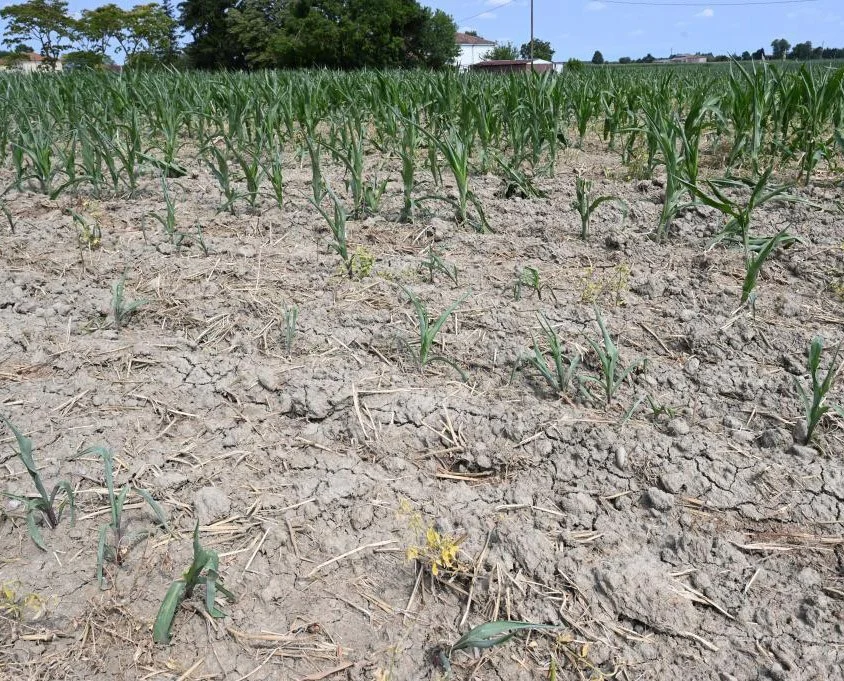
Large farms require water delivery across extensive networks. Maintaining consistent pressure from the pump house to the furthest field is challenging. Pressure drops lead to uneven irrigation, where crops near the source are overwatered while distant plots suffer drought stress.
3. Chemical and Corrosive Exposure
Agricultural water contains fertilizers, pesticides, and naturally occurring soil acids. Metal pipes corrode rapidly under these conditions, leading to contamination, reduced flow capacity, and frequent replacement cycles.
4. UV Radiation and Temperature Extremes
Above-ground and buried pipes alike face harsh environmental conditions. Prolonged sun exposure degrades inferior plastics, while freeze-thaw cycles in temperate regions can cause cracking and bursts.
5. High Installation and Maintenance Costs
Heavy metal or concrete pipes require specialized equipment and labor for transport and installation. For mega-projects covering thousands of hectares, these costs escalate quickly, and ongoing maintenance demands significant downtime.
6. System Scalability and Flexibility
Large commercial farms need irrigation infrastructure that can expand as operations grow. Rigid, welded metal systems offer little flexibility for retrofitting or expanding networks.
Core Requirements for Modern Agricultural Irrigation Systems
To overcome these challenges, modern large-farm irrigation systems must meet stringent technical criteria:
| Pressure Resistance | Must handle PN 0.6–2.0 MPa for sprinkler and drip systems without bursting or deforming |
| Chemical Resistance | Must withstand fertilizers, pesticides, and soil alkalis/acids without corrosion |
| UV & Weather Stability | Must endure prolonged sun exposure and temperature swings from -20°C to +60°C |
| Smooth Internal Flow | Low friction coefficient to minimize pressure loss and energy consumption over long runs |
| Leak-Proof Joints | Secure connections (rubber ring or solvent cement) to prevent water loss and contamination |
| Lightweight Design | Easy handling for rapid installation without heavy machinery, reducing labor costs |
| Long Service Life | 50+ year lifespan to minimize replacement cycles and total cost of ownership |
| Eco-Friendly Materials | Low carbon footprint and recyclability to meet global sustainability (ESG) goals |
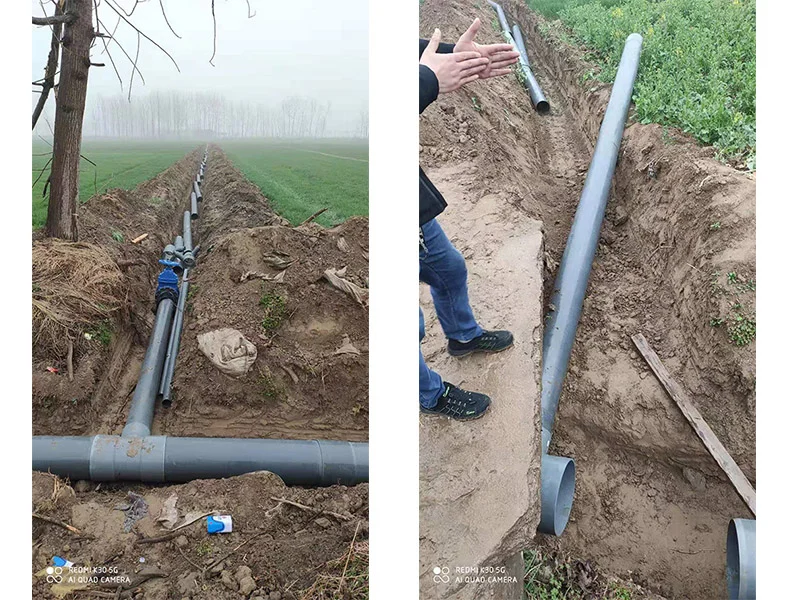
UPVC Pipe Performance in Agricultural Irrigation
UPVC pipes uniquely satisfy every requirement listed above, making them the preferred choice for agricultural water pipes, farm irrigation pipes, and pressurized distribution networks.
Exceptional Durability and Longevity
UPVC pipes offer a service life exceeding 50 years when properly installed. Their molecular structure resists degradation from environmental factors that commonly affect metal and inferior plastic alternatives. Farmers in arid regions have reported 25+ years of continuous service with minimal wear, even under harsh sun exposure.
Superior Chemical Resistance
UPVC demonstrates remarkable resistance to nitrogen-based fertilizers, phosphate compounds, potassium solutions, organic pesticides, and soil acids/alkalis. This chemical stability prevents pipe degradation and ensures water quality remains uncontaminated throughout the distribution network.
Outstanding Weather and UV Resistance
With advanced UV stabilizers, UPVC pipes withstand extreme weather—from scorching summers to freezing winters. Their thermal stability prevents cracking, warping, or structural failure during temperature fluctuations, making them suitable for both above-ground and underground farm pipelines.
Optimal Hydraulic Performance
The smooth interior surface of UPVC pipes (low Ra value) eliminates friction, delivering several irrigation-specific benefits:
Reduced pressure loss over long distances
Higher flow rates with smaller diameters
Minimal sediment accumulation and clogging risk
Lower pumping energy requirements, cutting operational costs
For large-scale systems covering extensive areas, these flow characteristics translate to significant energy savings and improved system efficiency.
Cost-Effectiveness
UPVC pipes reduce total project costs through:
20% lower material costs compared to traditional metal pipes
Lower installation costs due to lightweight design (1/5 the weight of steel)
Minimal maintenance requirements, reducing downtime
Fewer replacements over the system lifecycle
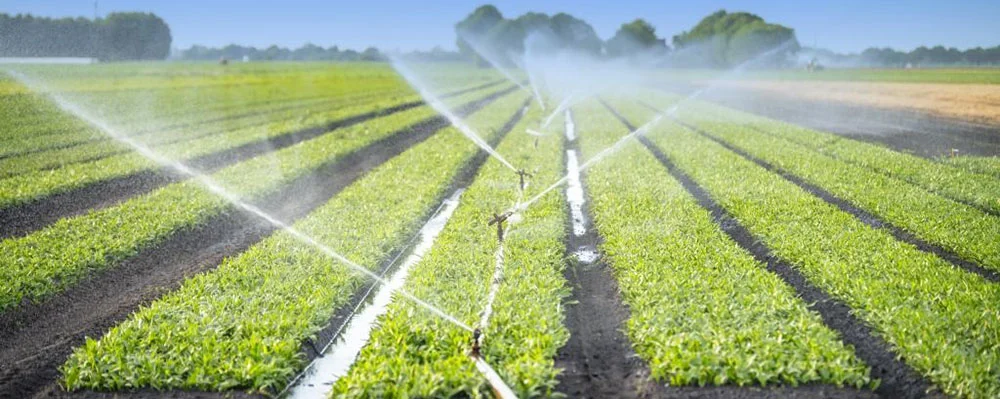
How UPVC Pipes Solve Large Farm Irrigation Challenges
Challenge 1: Water Waste → Solution: Leak-Proof Systems
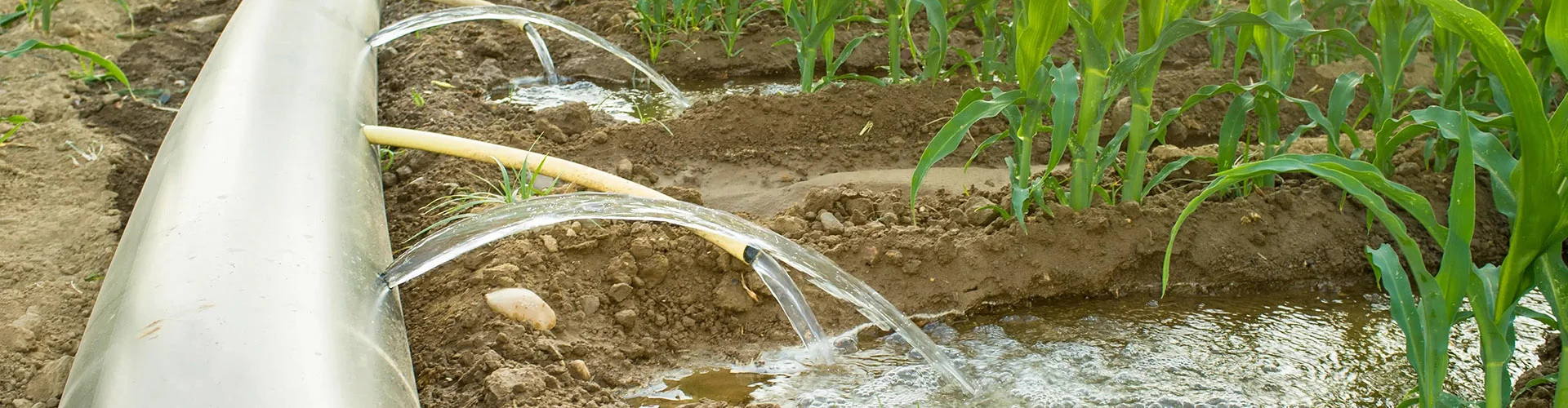
UPVC pipes use rubber ring socket joints or solvent cement welding to create completely sealed networks. This leak-proof design eliminates the seepage common in open ditches and threaded metal systems, improving water efficiency by up to 30% in drip and sprinkler applications.
Challenge 2: Pressure Drops → Solution: Smooth Bore & Pressure Ratings
With pressure classes from PN 0.6 to PN 2.0 MPa and exceptionally smooth interiors, UPVC pipes maintain consistent pressure across vast farm networks. This ensures uniform water distribution whether crops are 50 meters or 5 kilometers from the pump station.
Challenge 3: Corrosion → Solution: Chemical Inertness
Unlike galvanized steel or iron pipes that rust when exposed to agricultural chemicals, UPVC is chemically inert. A chemical plant that replaced stainless steel with UPVC for hydrochloric acid pipelines extended service life from 3 years to 15 years—a testament to its corrosion resistance.
Challenge 4: Extreme Weather → Solution: UV-Stabilized Formulation
UPVC pipes formulated with UV absorbers (such as titanium dioxide) achieve 30+ year outdoor lifespans, compared to just 8–10 years for standard PVC. Their brittle temperature reaches -60°C, ensuring integrity in cold climates.
Challenge 5: High Costs → Solution: Lightweight & Easy Installation
At only 1/5 the weight of equivalent steel pipes, UPVC drastically reduces transportation and labor costs. Installation speeds exceed 20 meters per hour for DN100 pipes—more than 3× faster than metal pipe installation. No welding or flanging is required.
Challenge 6: Scalability → Solution: Modular Fitting Systems
UPVC systems accommodate a full range of pipe fittings—elbows, tees, reducers, couplings, and end caps—allowing networks to expand or reconfigure without major infrastructure overhauls. This modularity supports both small farm upgrades and mega-project expansions.
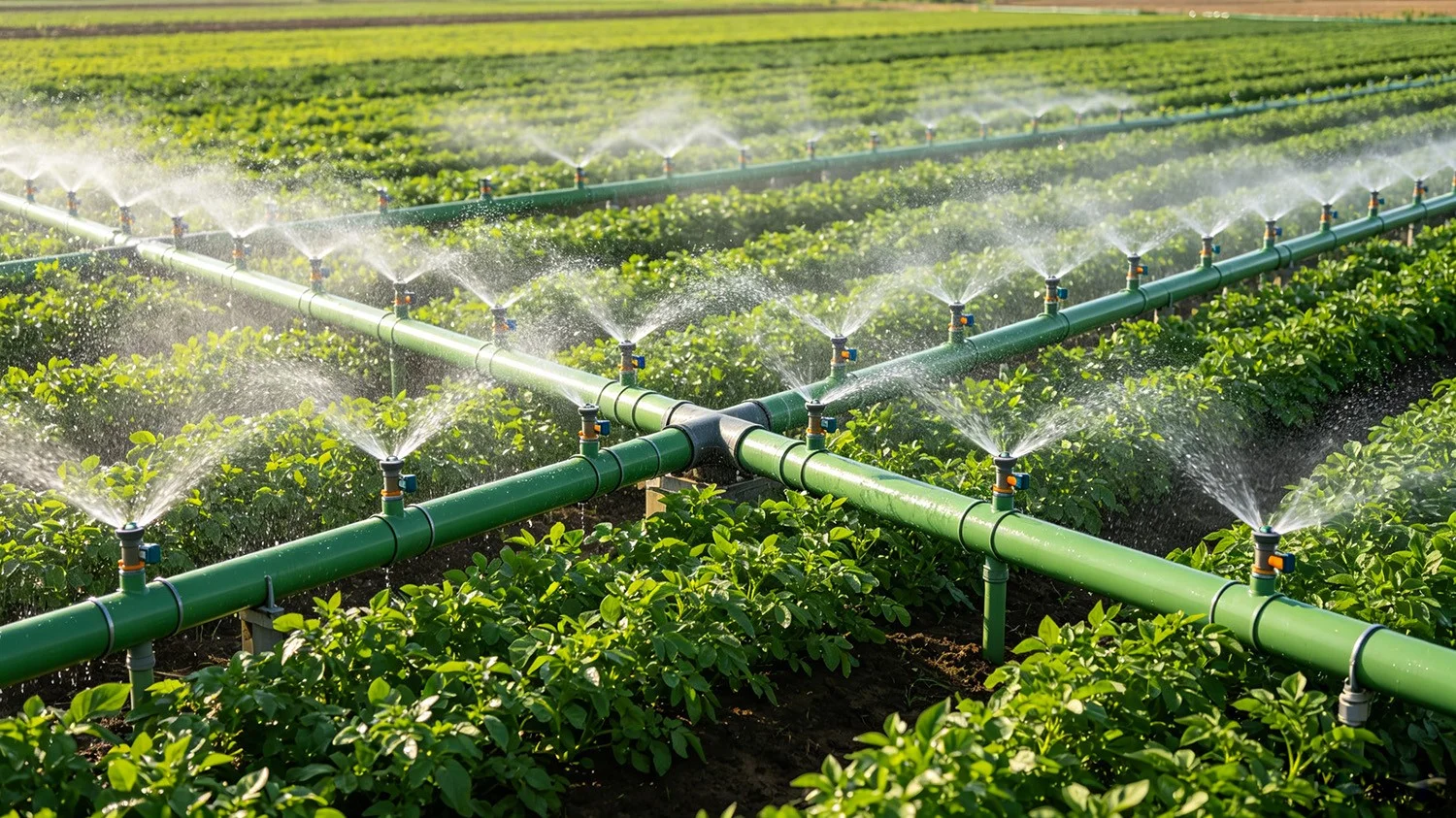
Shandong SIFFO Plastic Technology Co., Ltd.: Your Strategic UPVC Partner
While UPVC technology offers clear technical advantages, the success of international agricultural projects depends heavily on the supply chain partner. Shandong SIFFO Plastic Technology Co., Ltd., based in Linyi City, Shandong Province—a major global hub for plastic production—delivers distinct competitive advantages for buyers worldwide.
1. Uncompromising Pipe Quality
Rigorous International Certifications
SIFFO maintains stringent quality standards validated by ISO, WRAS (Water Regulations Advisory Scheme – UK), and SGS certifications. These credentials ensure pipes meet potable water and industrial standards, reducing customs clearance risks and guaranteeing safety for agricultural applications.
Premium Raw Materials
SIFFO uses 100% virgin UPVC resin with organic tin green environmental formulas. Products comply with GB/T 17219-1998 health standards and NSF/ANSI 61 requirements, ensuring no toxic additives or secondary pollution.
Comprehensive Pressure Range
SIFFO manufactures UPVC irrigation pipes from DN20 to DN630mm, covering pressure ratings from PN 0.6 MPa to PN 2.0 MPa. This range supports everything from small drip lines to large-diameter trunk mains for estate-scale projects.
50-Year Service Life Guarantee
Under normal installation conditions, SIFFO UPVC water supply series delivers over 50 years of reliable service, backed by wall thickness compliance with GB/T10002.1-2006 and excellent air-tightness performance.
2. Professional Service & Customization
OEM and Customization Support
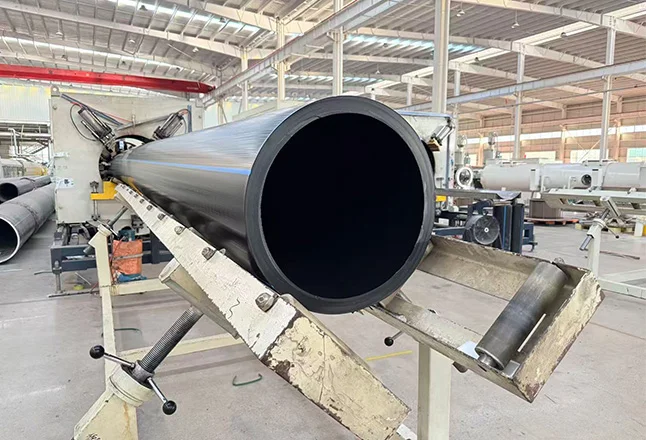
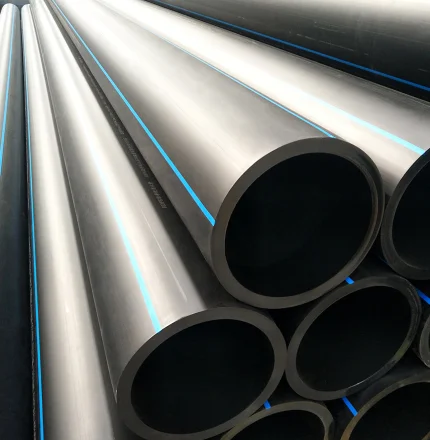
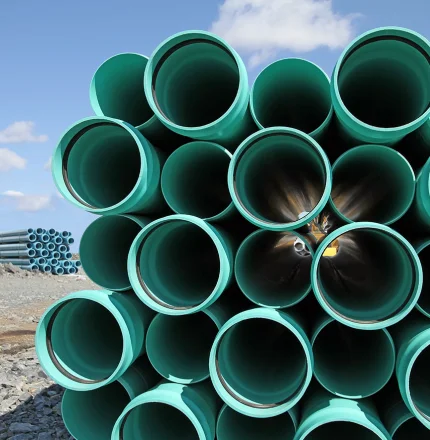
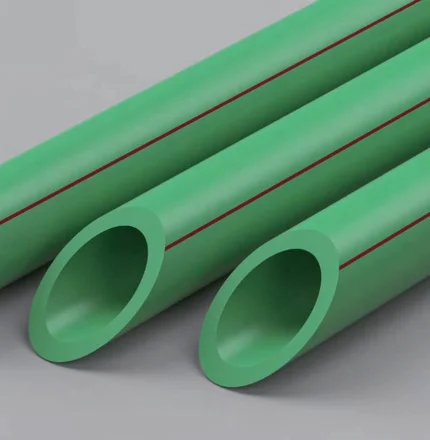
Every irrigation project presents unique topographical and hydraulic challenges. SIFFO supports full OEM and customization services, including custom colors (white, grey, blue, orange, green), special lengths (5.8m or 11.8m per piece), and tailored pressure specifications. Whether your project requires HDPE for flexibility or UPVC for rigid high-pressure systems, SIFFO engineers provide compatible solutions from the pump house to the drip tape.
Technical Expertise
With over 10 years of pipe manufacturing experience, 20 professional engineers, and a 25,000+ square meter facility, SIFFO offers deep technical consultation. Their team assists with hydraulic calculations, fitting selection, and system design optimization.
High-Capacity Production
SIFFO's annual production capacity exceeds 100,000 tons, enabling them to fulfill large-scale irrigation mega-projects without the delays common to smaller factories. This capacity ensures consistent supply for municipal water supply and large farming estates.
3. Reliable After-Sales & Logistics
Strategic Export Logistics
Located in Shandong Province with easy access to Qingdao Port, SIFFO operates efficient supply chain management with flexible trade terms (FOB, CIF). Their established export network ensures fast delivery times to markets in the Middle East, Africa, Southeast Asia, and the Americas.
Responsive Communication
SIFFO commits to replying to all inquiries within one business day, ensuring project timelines remain on track. Their multilingual export team handles documentation, certification verification, and shipping coordination.
Sustainability Alignment
As global agriculture moves toward green building materials, SIFFO's modern manufacturing processes produce UPVC pipes with 45–50% lower carbon emissions compared to concrete or metal alternatives. Partnering with SIFFO helps agricultural projects align with ESG and sustainability goals.
Investing in the Future of Agricultural Irrigation
Upgrading to UPVC irrigation systems represents a scientifically proven method to increase water efficiency, reduce energy costs, and boost crop yields. As open ditches and corroding metal networks become obsolete, pressurized UPVC systems have established themselves as the standard for 21st-century agriculture.
For international buyers and large farm operators, success hinges on partnering with a supplier that combines technical excellence with reliable execution. Shandong SIFFO Plastic Technology Co., Ltd. delivers the manufacturing capacity, international certifications (ISO, WRAS, SGS), customization flexibility, and export expertise required to bring high-quality UPVC pipes to your farm or project site.
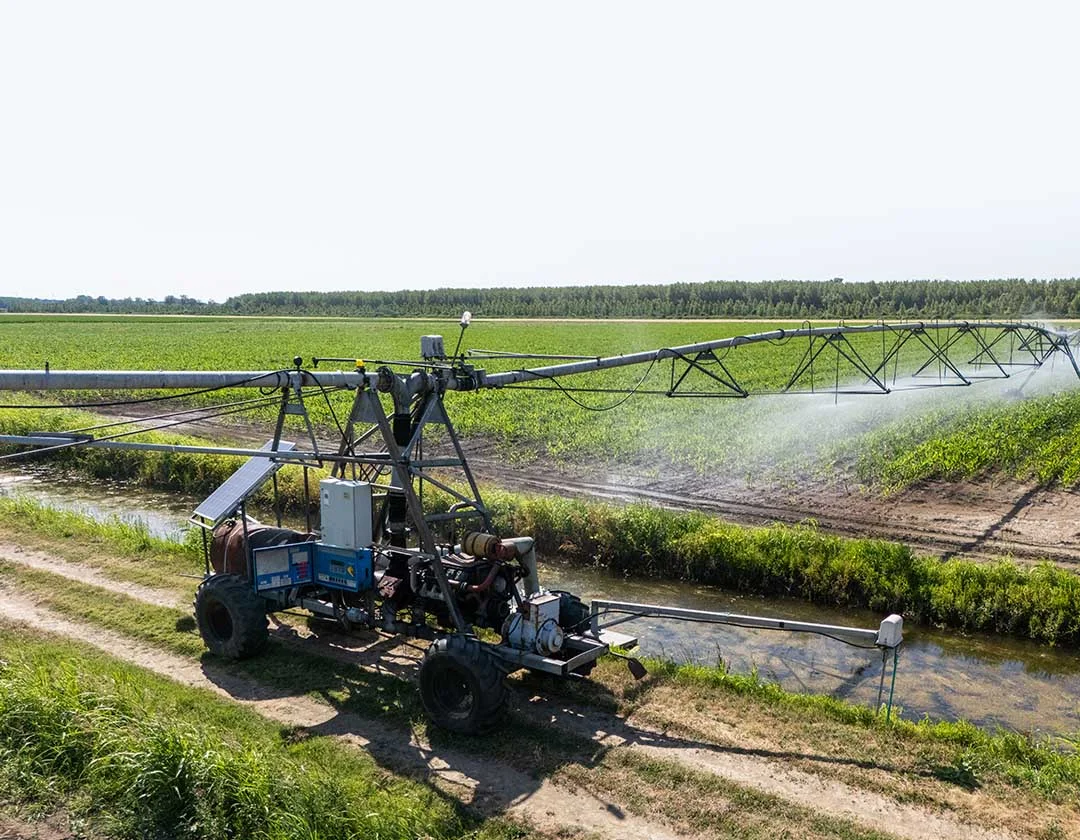
Whether you are designing a new 10,000-hectare center-pivot system or retrofitting an existing drip network, SIFFO provides the UPVC infrastructure backbone that modern agriculture demands.
Frequently Asked Questions (FAQ)
Q1: What makes UPVC better than regular PVC for farm irrigation?
UPVC contains no plasticizers, making it more rigid, durable, and chemically resistant. It handles higher pressures and UV exposure far better than standard PVC, which is essential for long-term agricultural use.
Q2: How long do SIFFO UPVC irrigation pipes last?
Under normal installation and use conditions, SIFFO UPVC pipes deliver a service life of 50+ years, with UV-stabilized variants lasting 30+ years in outdoor exposure.
Q3: Can SIFFO UPVC pipes handle fertilizers and pesticides?
Yes. SIFFO UPVC pipes demonstrate exceptional resistance to nitrogen-based fertilizers, phosphate compounds, potassium solutions, and organic pesticides without degradation or contamination.
Q4: What sizes and pressure ratings does SIFFO offer?
SIFFO produces UPVC pipes from DN20mm to DN630mm with pressure ratings from PN 0.6 MPa to PN 2.0 MPa, suitable for everything from drip irrigation to large-scale trunk mains.
Q5: Does SIFFO support custom colors and OEM branding?
Yes. SIFFO offers full customization including colors (white, grey, blue, green, orange), special lengths, OEM branding, and tailored specifications for unique project requirements.
Q6: What certifications does SIFFO hold?
SIFFO maintains ISO, WRAS (UK), SGS, GB/T 19001-2016, and EN ISO 1452 certifications, ensuring compliance with international potable water and industrial standards.