

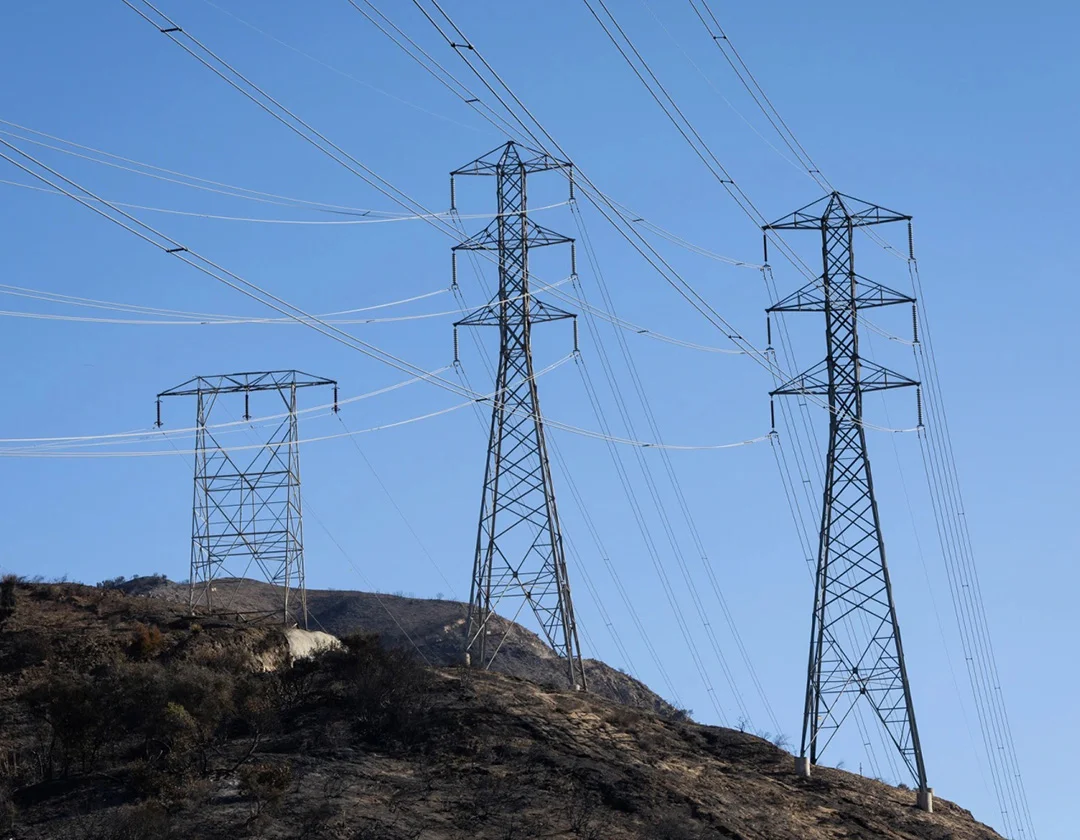
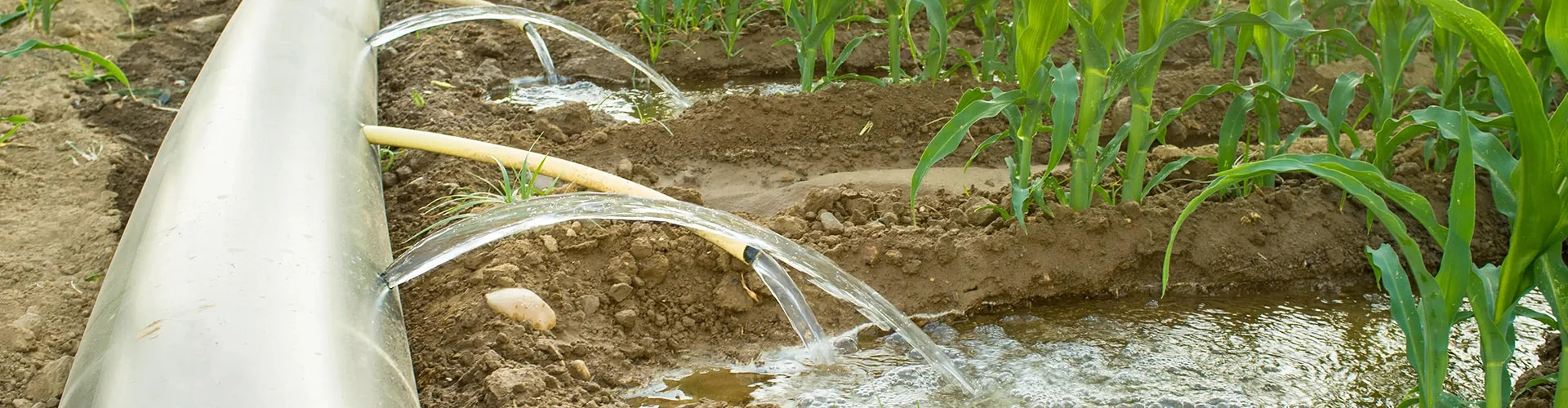
Agriculture consumes approximately 70% of global freshwater withdrawals, yet inefficient irrigation infrastructure results in staggering water losses. According to the International Water Association (IWA), global non-revenue water is estimated at 126 billion cubic meters per year—a crisis that threatens food security, rural livelihoods, and environmental sustainability.
As climate change intensifies drought cycles and population growth strains water resources, the agricultural sector faces an urgent need to modernize irrigation infrastructure. High-Density Polyethylene (HDPE) pipes have emerged as a transformative technology, offering a unique combination of durability, flexibility, and cost-effectiveness that addresses the most pressing challenges in modern irrigation systems.
Critical Challenges in Global Irrigation
1.1 Water Loss and Leakage
Traditional irrigation networks—often built with concrete, steel, or PVC pipes—suffer from significant leakage at joints and corrosion points. In developing regions, leakage rates in aging irrigation canals can exceed 40-50%, meaning nearly half of diverted water never reaches crops. This not only wastes precious freshwater but also increases pumping costs and energy consumption.
1.2 Corrosion and Chemical Degradation
Agricultural environments expose piping systems to fertilizers, pesticides, saline water, and soil chemicals. Metal pipes corrode rapidly under these conditions, while lower-grade plastics become brittle when exposed to UV radiation and temperature fluctuations. The result is frequent pipe failure, crop disruption, and escalating maintenance budgets.
1.3 Difficult Terrain and Installation Constraints
Irrigation projects frequently traverse uneven farmland, rocky soils, seismic zones, and expansive fields. Rigid pipe systems require numerous fittings, elbows, and expansion joints to accommodate terrain changes—each connection representing a potential failure point. Installation in remote areas also demands lightweight materials that can be transported and deployed without heavy machinery.
1.4 Pressure and Flow Inefficiencies
Modern irrigation methods—drip irrigation, sprinkler systems, and pressurized networks—demand pipes that maintain consistent pressure ratings across varying topographies. Hydraulic inefficiencies in traditional systems lead to uneven water distribution, reducing crop yields and wasting energy.
HDPE Pipe Applications in Irrigation
HDPE pipes have become the backbone of modern agricultural water management, serving diverse applications across the irrigation spectrum:
2.1 Main Supply Lines and Distribution Networks
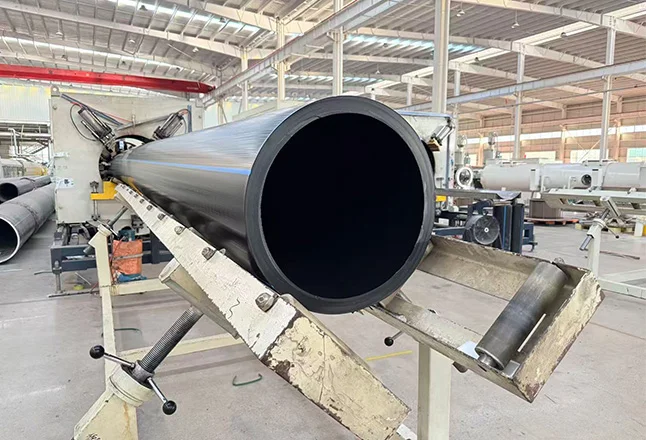
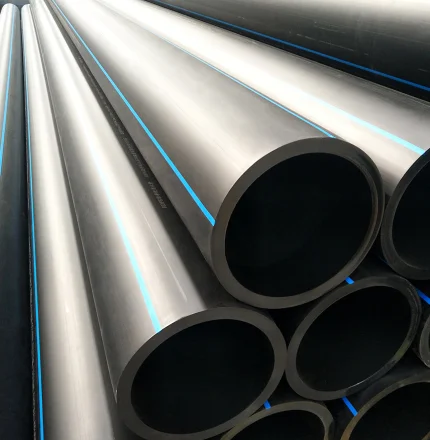
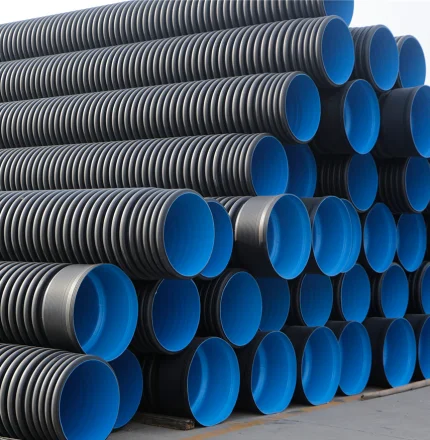
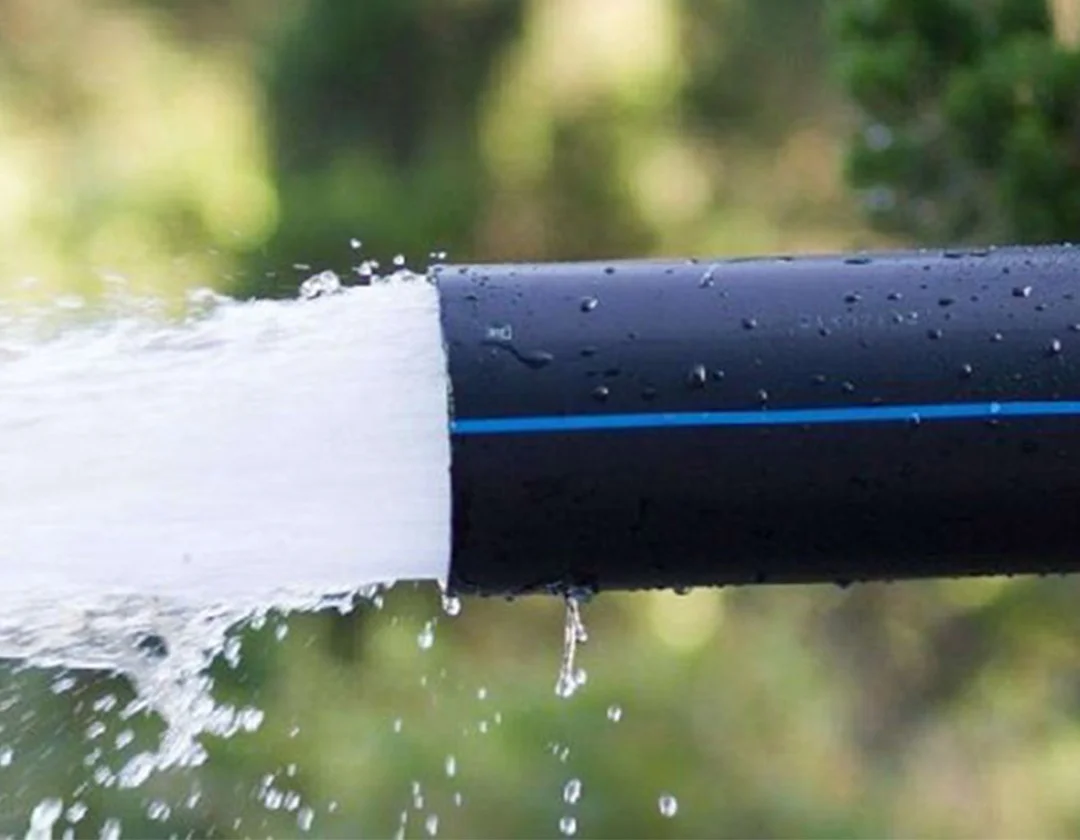
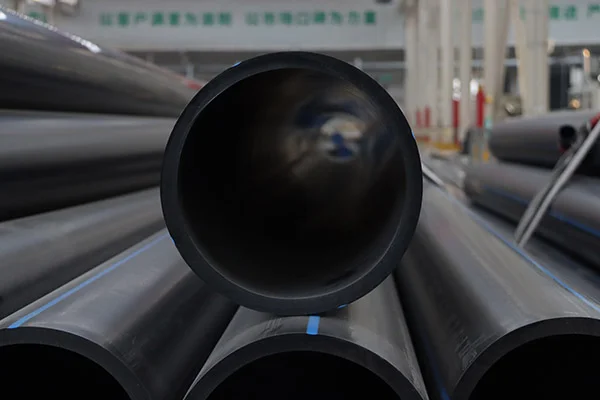
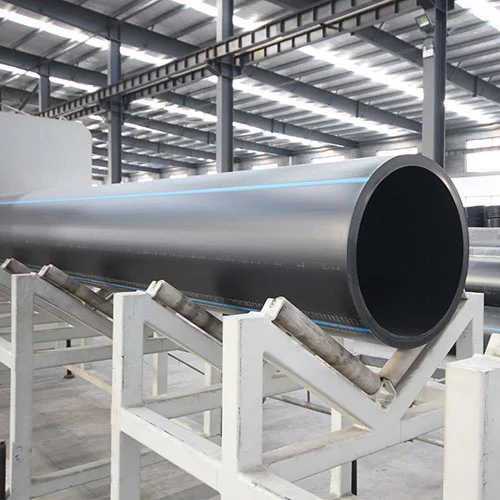
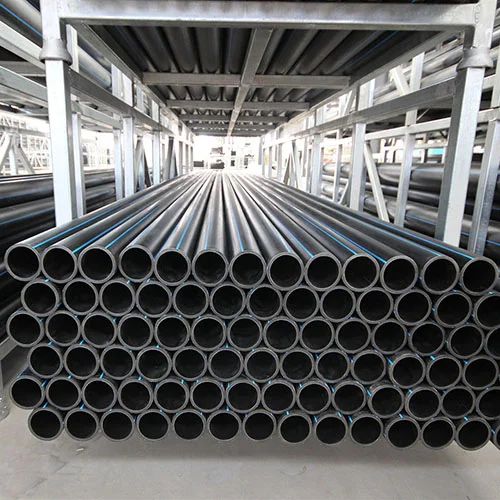
Large-diameter HDPE pipes (DN110–DN1200) function as primary conveyance lines, transporting water from reservoirs, wells, or treatment facilities to farm boundaries. Their high pressure ratings (PN6–PN25) and fusion-welded joints ensure leak-free transmission over long distances.
2.2 Drip Irrigation and Micro-Sprinkler Systems
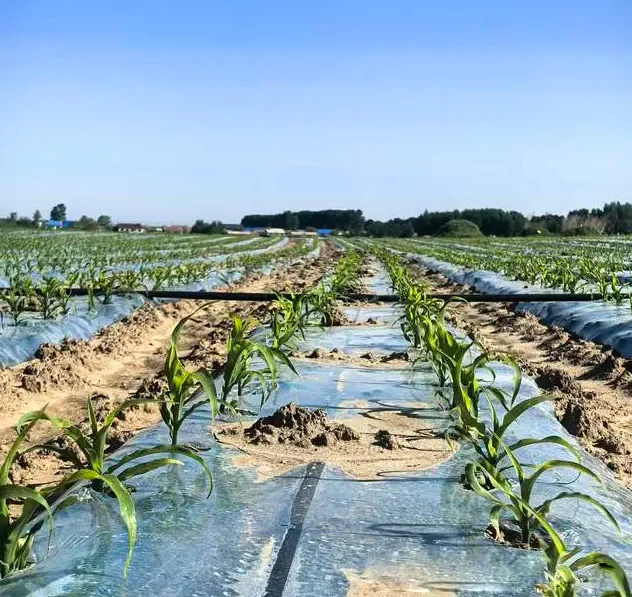
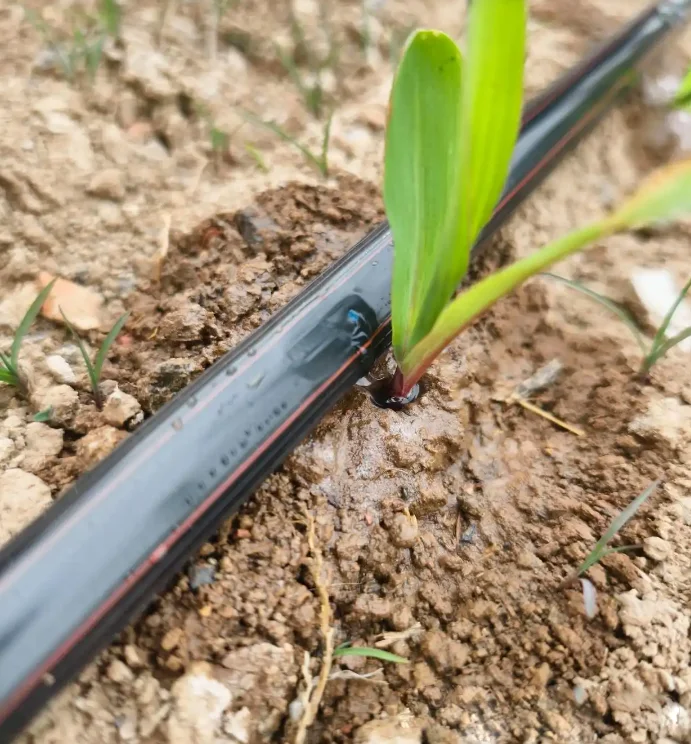
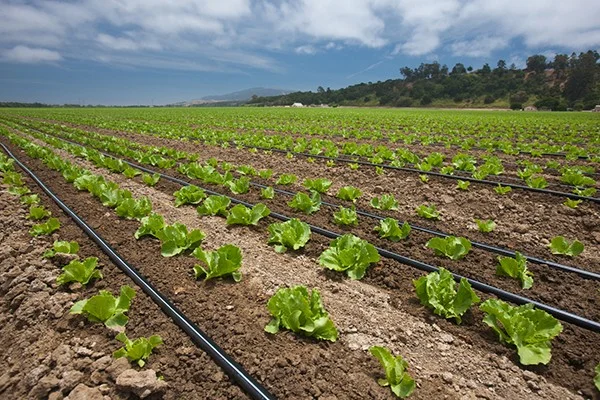
Small-diameter HDPE tubing (16–32 mm) forms the delivery network for precision irrigation systems. The material's flexibility allows tubing to snake through crop rows, while its chemical resistance prevents degradation from fertigation (fertilizer injection) practices.
2.3 Sprinkler Irrigation Risers and Laterals
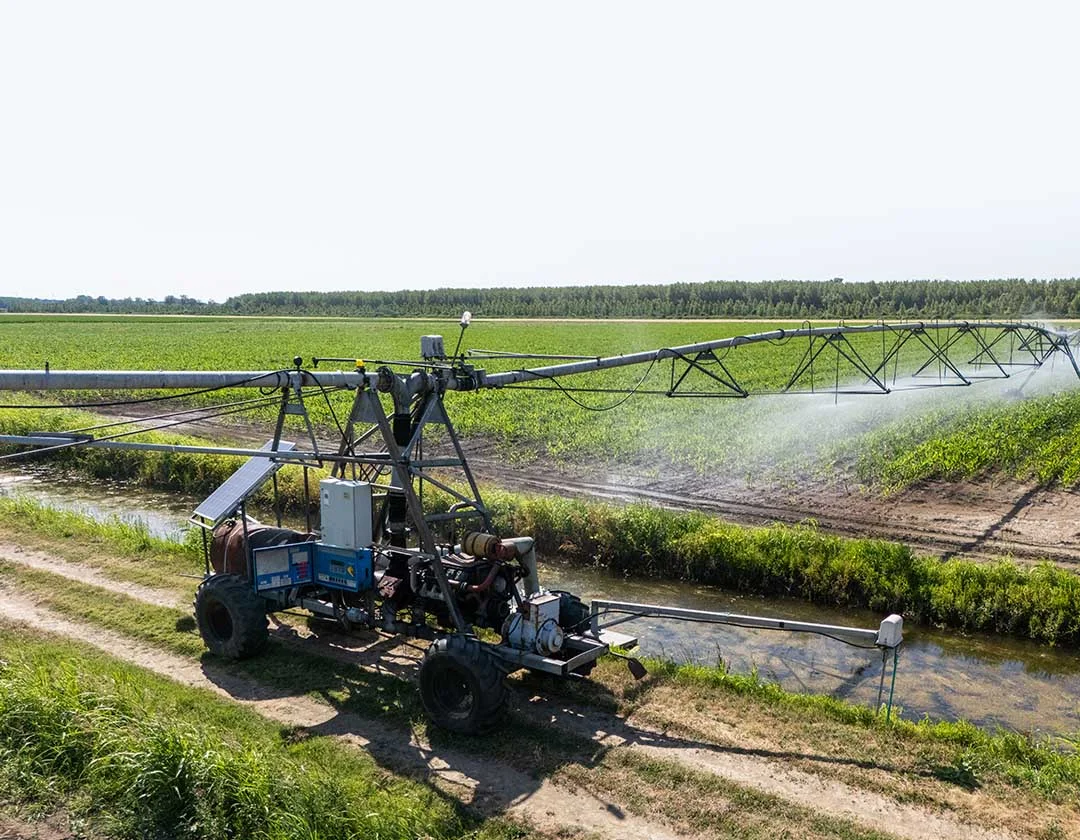
Medium-pressure HDPE pipes serve as lateral lines in center-pivot and movable sprinkler systems. Their impact resistance withstands agricultural machinery traffic, and UV-stabilized formulations ensure longevity in exposed above-ground installations.
2.4 Subsurface Drainage and Reuse Systems
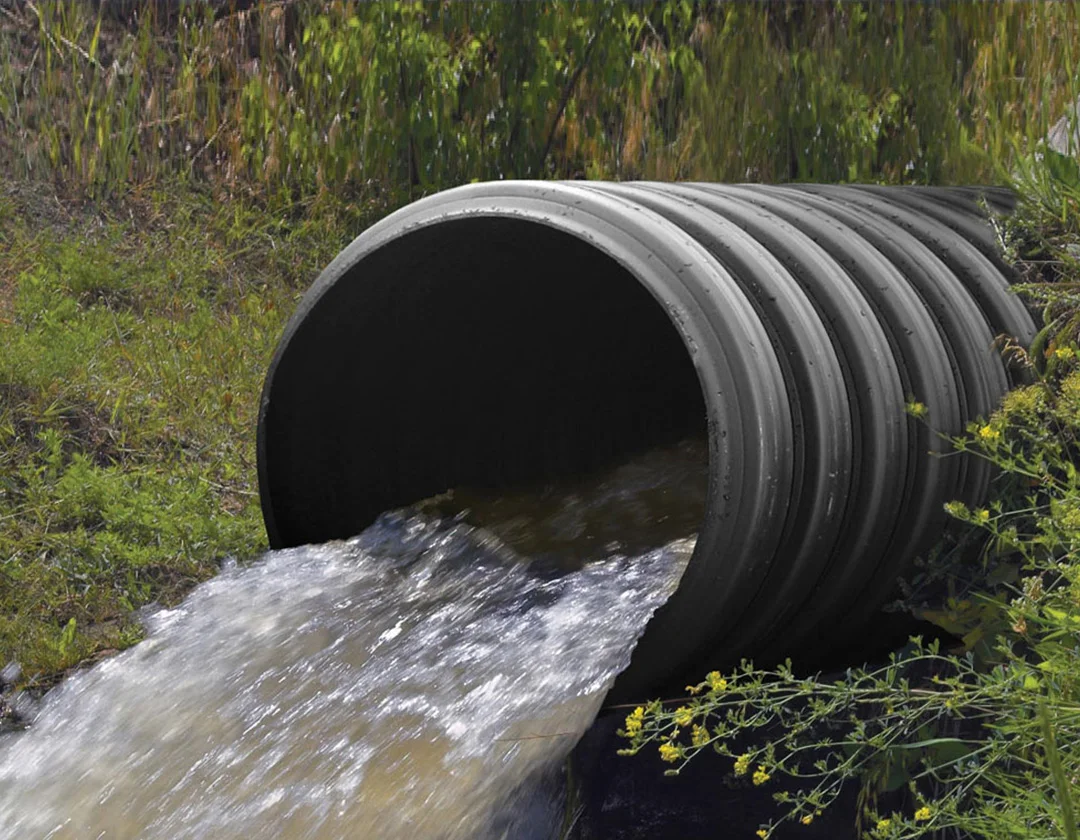
HDPE's resistance to root intrusion and soil chemicals makes it ideal for subsurface drainage networks that prevent waterlogging and enable water recycling—critical for sustainable agriculture in arid regions.
2.5 Geothermal and Climate-Controlled Greenhouses
In advanced protected agriculture, HDPE pipes transport both irrigation water and geothermal heating/cooling fluids, leveraging the material's thermal stability and chemical inertness.
Technical Advantages of HDPE in Irrigation
3.1 Fusion-Welded, Leak-Proof Integrity
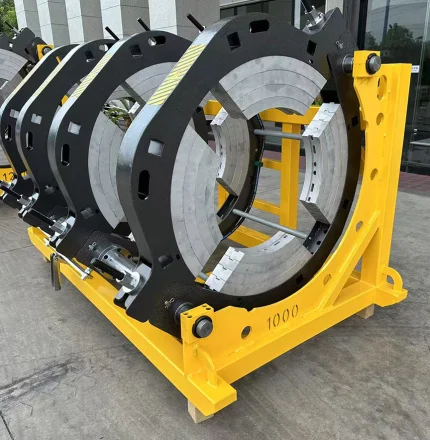
Unlike mechanical joints that degrade over time, HDPE pipes are joined through butt fusion or electrofusion welding, creating monolithic, leak-free pipelines. This technology eliminates the weakest points in irrigation networks and dramatically reduces non-revenue water.
3.2 Exceptional Chemical and Corrosion Resistance
HDPE is inherently inert to agricultural chemicals, salts, and soil electrolytes. Unlike metal pipes that pit and scale, HDPE maintains smooth internal surfaces throughout its service life, preserving hydraulic efficiency and preventing contamination.
3.3 Superior Flexibility and Terrain Adaptation
With 350% flexural properties compared to rigid alternatives, HDPE pipes accommodate ground movement, seismic activity, and thermal expansion without cracking. This flexibility reduces the need for fittings and allows coiled deployment—enabling rapid installation across irregular farmland.
3.4 UV Stability and Weather Resistance
Modern HDPE formulations incorporate carbon black and UV stabilizers, ensuring decades of performance in exposed installations. This weatherproof characteristic is essential for above-ground sprinkler systems and surface irrigation lines in harsh climates.
3.5 Abrasion Resistance and Mechanical Durability
HDPE withstands mechanical wear from soil particles, gravel bedding, and agricultural equipment. Its toughness prevents punctures during installation and operation, even in rocky or shifting soils.
3.6 Lightweight and Rapid Deployment
At a fraction of the weight of steel or concrete, HDPE pipes reduce transportation costs and enable manual handling in areas inaccessible to heavy machinery. Coils of up to 200 meters minimize jointing requirements and accelerate field installation.
Cost-Effectiveness and Lifecycle Value
4.1 Lower Total Cost of Ownership (TCO)
While HDPE pipe unit costs may be comparable to or slightly higher than PVC alternatives, the Total Cost of Ownership tells a different story. HDPE's 50+ year service life, minimal maintenance requirements, and zero corrosion-related replacement costs deliver superior long-term economics.
4.2 Installation Cost Savings
The combination of lightweight coils, fusion welding speed, and reduced fitting requirements can lower installation labor costs by 30–50% compared to rigid pipe systems. Fewer joints also mean fewer excavation and repair operations over the system's lifetime.
4.3 Energy Efficiency
HDPE's smooth internal surface (Manning's n ≈ 0.009) minimizes friction losses, reducing pumping energy requirements. Over a 20-year irrigation project, energy savings can offset a significant portion of initial capital expenditure.
4.4 Water Conservation Economics
By eliminating leakage and enabling precise pressure management, HDPE systems reduce water pumping volumes and associated energy costs. In water-scarce regions where water pricing is escalating, these savings translate directly to improved farm profitability.
4.5 Sustainability and Recyclability
HDPE pipes are fully recyclable at end-of-life, supporting circular economy principles. Their durability also reduces the environmental impact of manufacturing replacement pipes—a factor increasingly valued in carbon-conscious agricultural supply chains.
Conclusion: The Future of Irrigation Infrastructure
The transition to HDPE piping in irrigation represents more than a material substitution—it is a strategic response to global water scarcity, climate volatility, and the economic pressures facing modern agriculture. By addressing the fundamental challenges of leakage, corrosion, terrain complexity, and lifecycle cost, HDPE systems enable farmers and water managers to maximize every drop of water.
As the global HDPE pipe market continues its 5.0% annual growth trajectory, investment in quality manufacturing, proper fusion welding training, and system design will determine whether this technology fulfills its promise. For international development agencies, agricultural enterprises, and irrigation engineers, HDPE pipes offer a proven, scalable, and economically compelling pathway to sustainable water management.
The question is no longer whether HDPE belongs in irrigation infrastructure—but how quickly the global agricultural sector can complete the transition.