
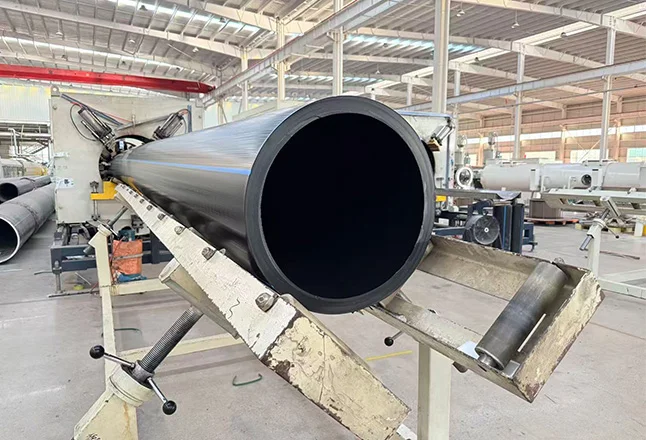

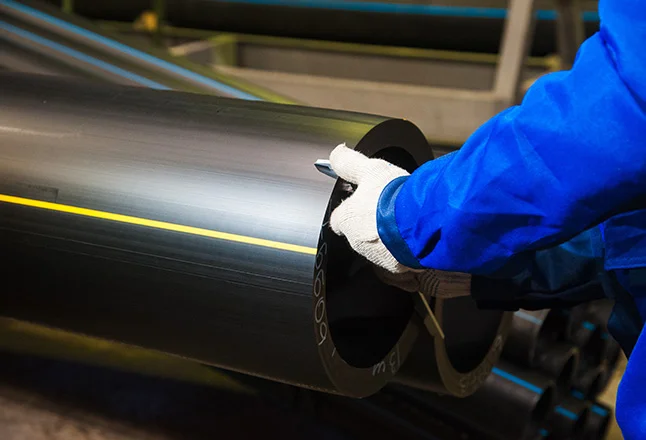
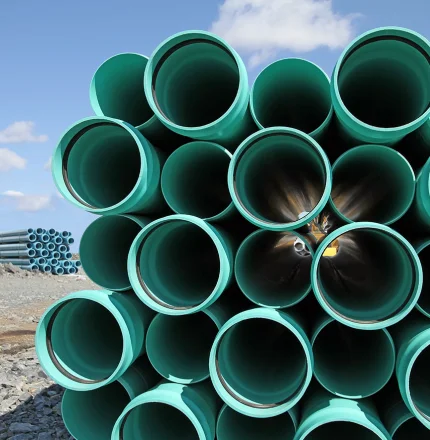
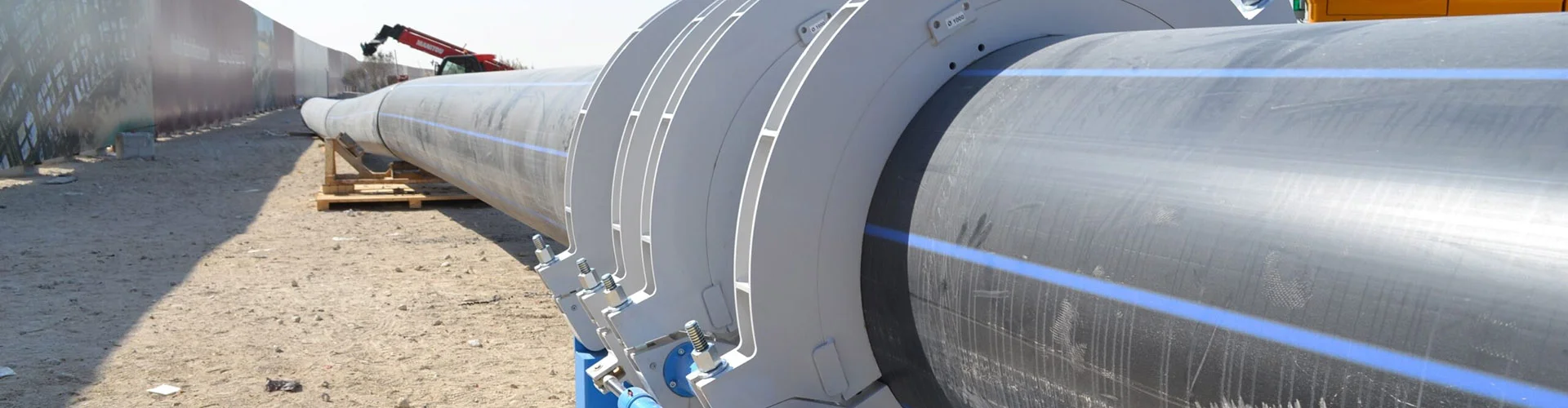
High-Density Polyethylene (HDPE) pipes have revolutionized modern infrastructure, offering exceptional corrosion resistance, flexibility, and service life exceeding 50 years. However, navigating the complex landscape of international standards can be challenging for procurement teams and engineers. This guide breaks down the essential standards governing HDPE pipes for drinking water and gas distribution, ensuring your next project meets global compliance requirements.
Why Standards Matter in HDPE Procurement
International standards serve as the universal language of quality assurance. They define material grades, dimensional tolerances, pressure ratings, and testing protocols that ensure pipeline safety and longevity. Whether you're sourcing pipes for a municipal water network in Southeast Asia or a natural gas distribution system in the Middle East, understanding these standards protects your investment and ensures regulatory compliance.
Drinking Water Standards: ISO 4427 & EN 12201
For potable water applications, ISO 4427:2019 stands as the definitive international standard. This specification covers polyethylene piping systems for water supply with operating temperatures between 0°C and 45°C and maximum working pressures up to 25 bar .
The standard mandates strict material purity: heavy metal stabilizers are prohibited, and pipes must pass migration tests ensuring no contamination of drinking water. Each pipe requires permanent marking with production dates, material grade (PE80/PE100), SDR values, and manufacturer identification for complete traceability.
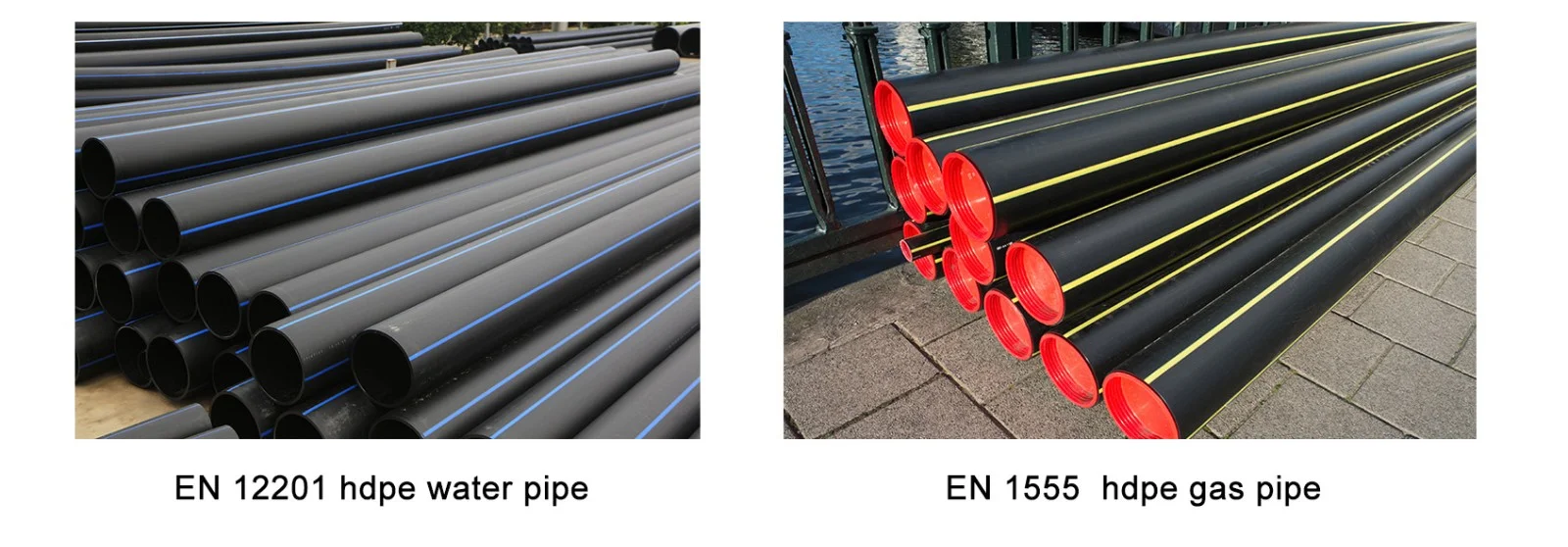
In European markets, EN 12201 provides equivalent requirements, largely harmonized with ISO 4427 but incorporating regional regulatory nuances for potable water safety.
Gas Distribution Standards: ISO 4437 & ASTM D2513
Gas applications demand even stricter safety protocols due to the hazardous nature of transported media. ISO 4437 governs polyethylene piping systems for gaseous fuel supply, with particular emphasis on leak tightness, slow crack growth resistance, and rapid crack propagation (RCP) prevention.
Critical Distinctions for Gas Pipes:
Material Requirements: Gas pipes exclusively utilize PE100 or PE100-RC (Resistant to Crack) grades, offering superior resistance to slow crack growth under point loading. The standard requires comprehensive stress crack resistance testing and long-term hydrostatic strength verification .
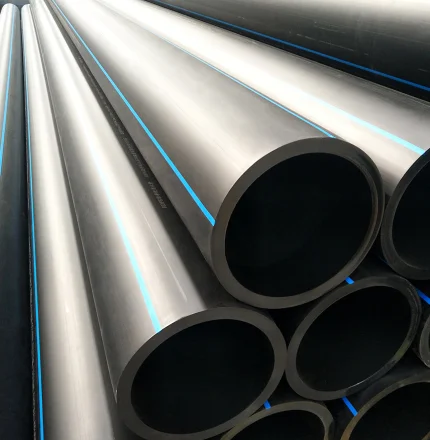
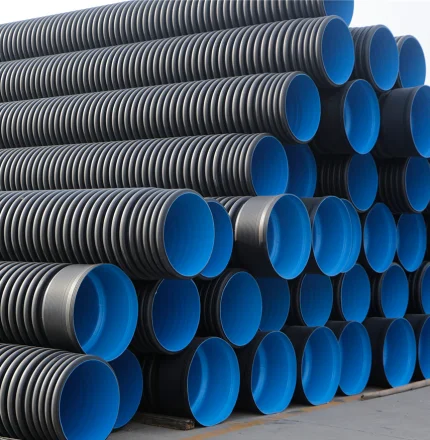
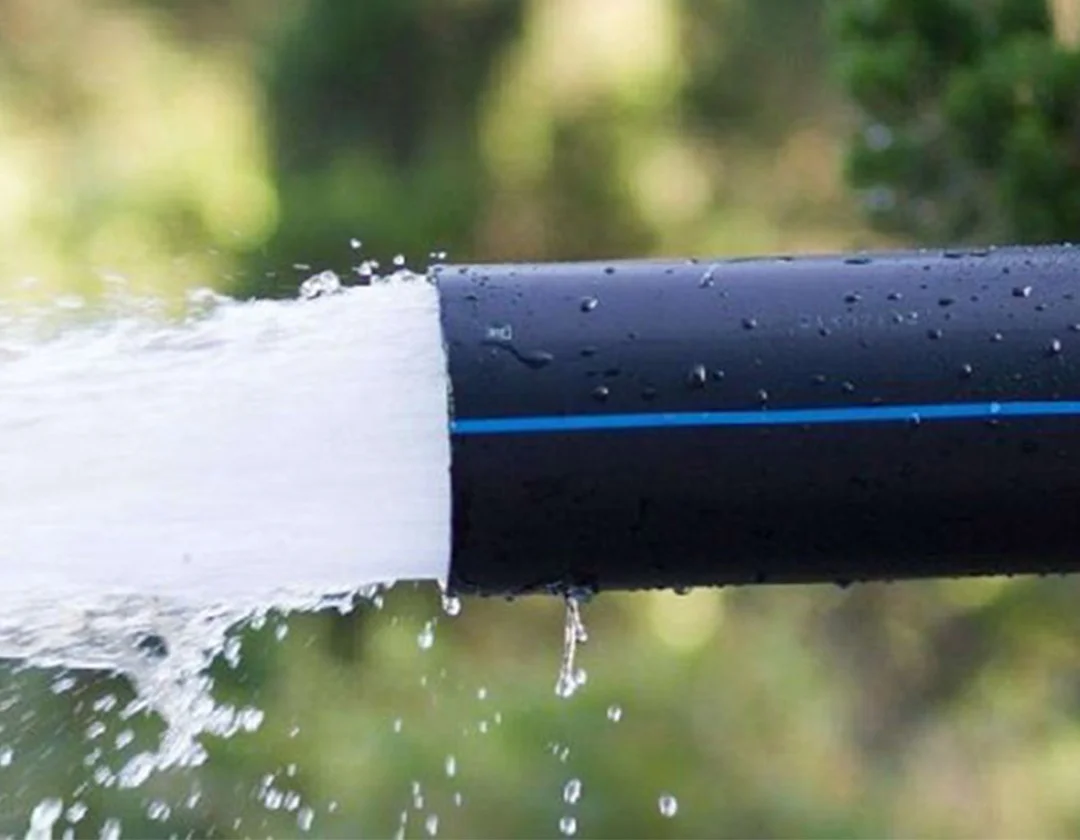
Color Coding: Unlike water pipes (typically black with blue stripes), gas pipes feature distinctive orange coloration for immediate visual identification during installation and maintenance operations .
Safety Features: ISO 4437 mandates installation with tracer wires for underground detection and warning tapes to prevent accidental excavation damage.
For North American markets, ASTM D2513 serves as the primary specification for polyethylene gas pressure pipe, tubing, and fittings. This standard addresses high-pressure distribution networks with specific requirements for environmental stress crack resistance (ESCR) and joint integrity under cyclic loading conditions.
North American Standards: ASTM Series
The American Society for Testing and Materials (ASTM) provides comprehensive standards widely adopted across the Americas:
| Standard | Application Scope | Key Focus |
|---|---|---|
| ASTM D3035 | Water and industrial pressure pipe | Controlled outside diameter specifications |
| ASTM F714 | Large-diameter transmission systems | Dimensional tolerances and performance |
| ASTM D3350 | Material cell classification | Resin properties including density, melt index, and slow crack growth resistance |
| ASTM F1055 | Electrofusion fittings | Connection integrity and heater element specifications |
| ASTM F2620 | Heat fusion joining procedures | Installation quality assurance |
Regional Standards and Equivalents
Beyond ISO and ASTM frameworks, regional standards ensure local regulatory compliance:
EN 1555: European gas pipe standard harmonized with ISO 4437
AS/NZS 4130: Australian/New Zealand specification for pressure applications
GB/T 13663: Chinese national standard for water supply, incorporating PE80/PE100 requirements
GOST 18599: Russian standard for polyethylene pressure pipes
AWWA C901/C906: American Water Works Association standards for municipal water systems
Conclusion: Selecting the Right Standard for Your Project
For drinking water systems, specify ISO 4427:2019 or EN 12201 compliance with PE100 material for optimal pressure capacity and longevity. For gas distribution networks, mandate ISO 4437 or ASTM D2513 certification with PE100-RC grade and orange color identification.
When sourcing HDPE pipes for international projects, partner with manufacturers maintaining multi-standard certifications. This flexibility ensures seamless specification adaptation across diverse regulatory environments, from African municipal water projects to Middle Eastern gas infrastructure development.
Understanding these standards transforms procurement from a compliance exercise into a strategic quality assurance process—protecting your infrastructure investment for decades to come.