
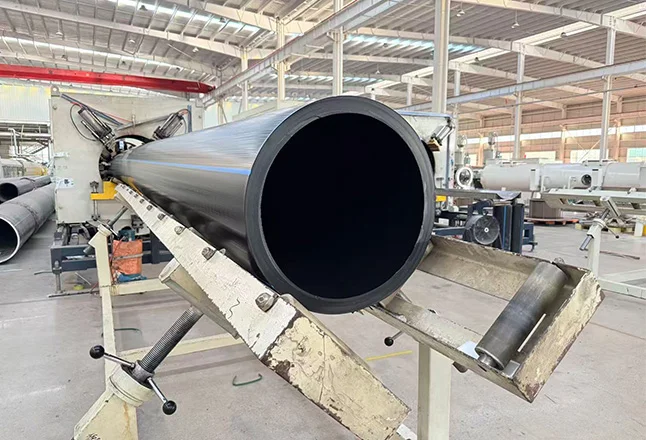

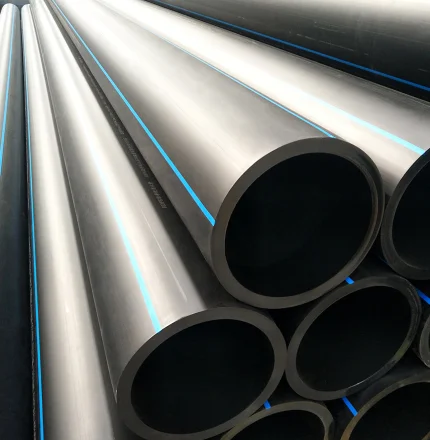
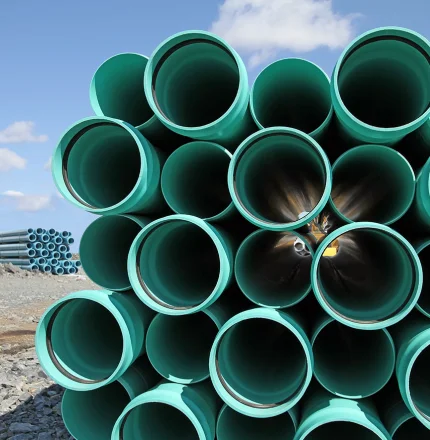
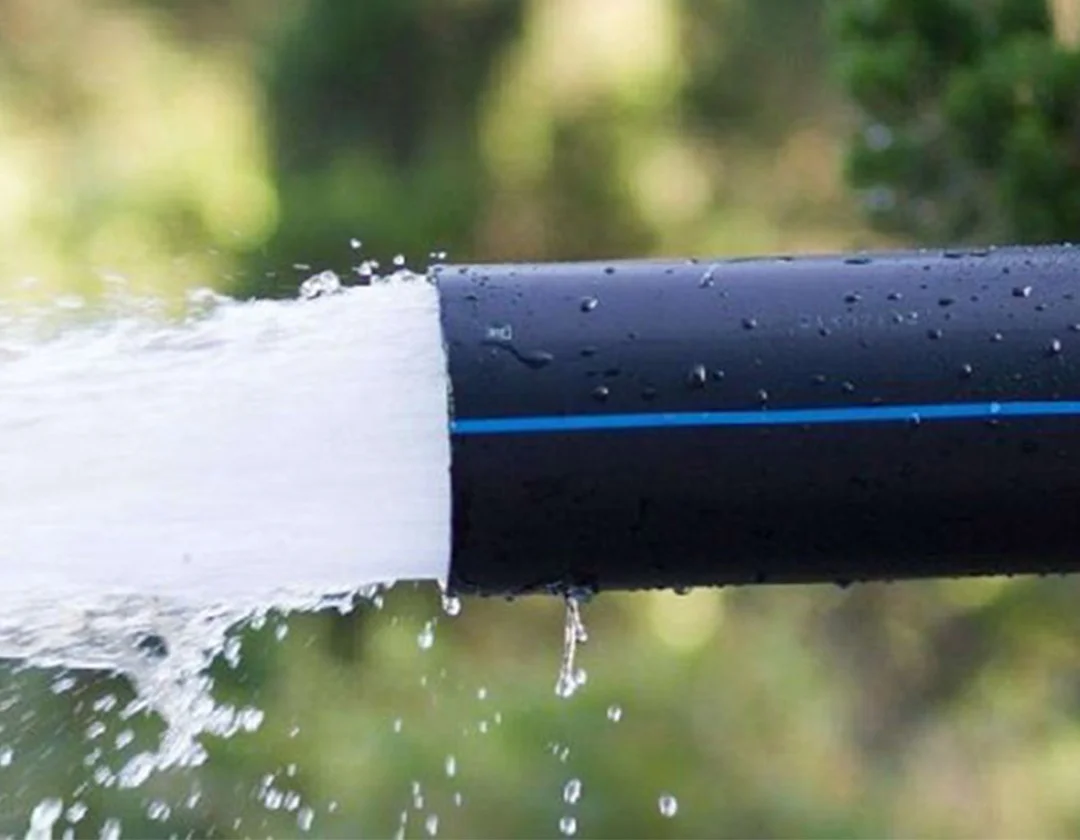
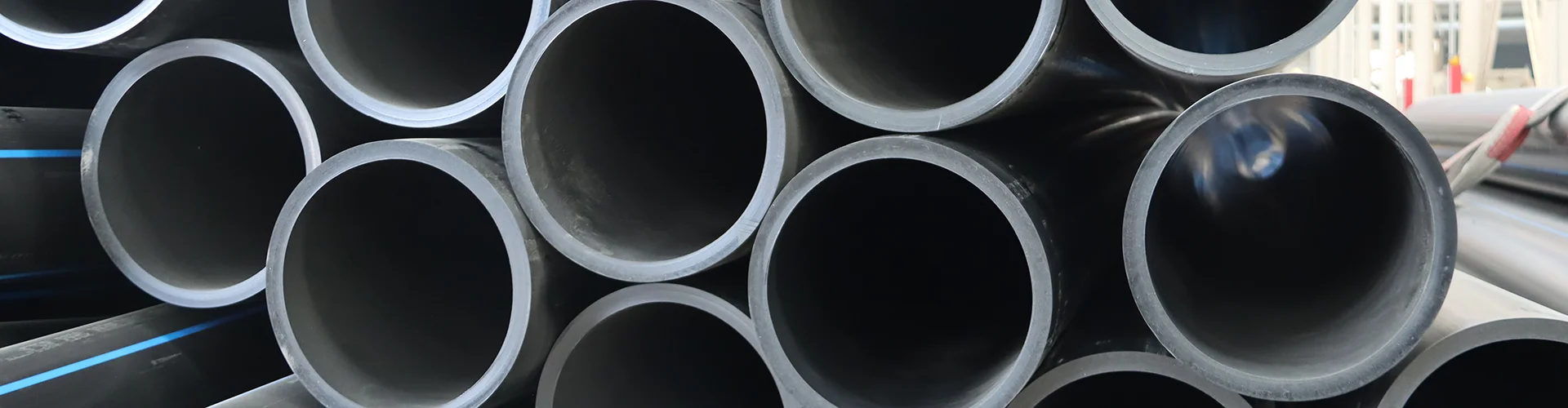
High-density polyethylene (HDPE) pipes have become the backbone of modern infrastructure—from municipal water distribution to industrial fluid transportation. With China being one of the world's largest manufacturing hubs for HDPE piping systems, international buyers frequently source these products for projects across the globe. However, navigating the complexities of cross-border transportation requires careful attention to standards compliance, regulatory requirements, and proper handling protocols.
Understanding International Standards Compliance
Before your HDPE pipes ever leave the factory, they must meet the appropriate international standards for your destination market. The most widely recognized standards include:
| Standard | Application | Key Requirements |
|---|---|---|
| ISO 4427 | Water supply systems | Material grades PE80/PE100, SDR series, pressure ratings up to PN25 |
| ISO 4437 | Gas distribution | Specialized requirements for gaseous fuel transport |
| ASTM D3035/F714 | North American markets | Pressure ratings, dimensional tolerances, cell classification |
| EN 12201 | European markets | Environmental protection and long-term performance emphasis |
| AS/NZS 4130 | Australia/New Zealand | Pressure resistance and installation requirements |
For drinking water applications, ensure your supplier provides WRAS approval (UK), NSF/ANSI 61 certification (North America), or equivalent potable water safety certifications for your target market . Pipes must be manufactured from virgin PE100 resin with carbon black content of 2.0-2.5% for UV protection.
HS Codes and Customs Documentation
Proper classification is critical for smooth customs clearance. The primary HS codes for HDPE pipe exports from China include :
3917 39 00 00 – Other tubes, pipes and hoses of plastics (general HDPE pipes)
3917 40 00 00 – Fittings (joints, elbows, flanges) of plastics
When exporting from China, your documentation must include :
Manufacturer's test certificates with hydrostatic pressure results
Material grade verification (PE100/PE80)
Quality control reports and ISO 9001 certification
Batch numbers and traceability markings
Certificate of Origin
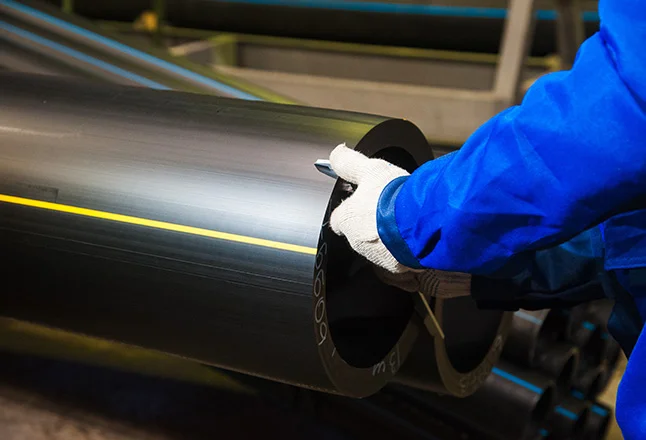
Critical marking requirements: Every meter of pipe must be permanently marked with the manufacturer's name/logo, diameter, SDR value, material grade (PE100), standard compliance (e.g., ISO 4427:2019), year of manufacture, pressure rating, and batch number.
Packaging and Transportation Best Practices
Container Loading Strategies
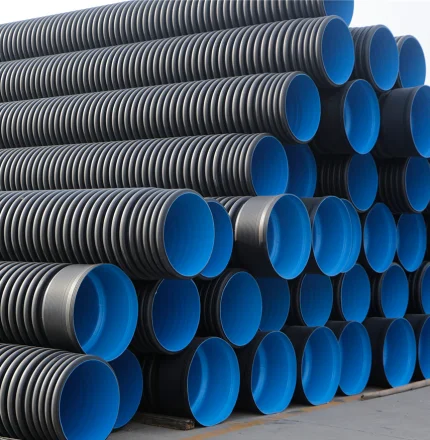
HDPE pipes present unique logistical challenges due to their length and flexibility. Chinese manufacturers typically employ three loading methods :
Standard Container Loading: Straight lengths (usually 6m or 12m) secured with proper bracing
Nested Loading: Smaller diameter pipes inserted inside larger pipes to maximize space utilization
Coil Loading: Flexible smaller-diameter pipes (typically ≤63mm) supplied in coils
Handling and Storage Protocols
During transportation, strict adherence to handling protocols prevents damage :
Temperature Control: Warehouse storage ≤40°C; outdoor stacking requires UV protective covering
Stacking Limits: Horizontal stacking height ≤1.5m (≤3m when properly bundled)
Loading Requirements: Flat-bottom vehicle support mandatory; pipes must be secured to prevent rolling
Cold Weather Precautions: Avoid throwing or dragging pipes in temperatures below 0°C—HDPE becomes brittle in extreme cold
Maritime Transport: Ships require secure lashing systems to prevent pipe movement and collision damage
Protection Against Contamination
All pipe ends must be sealed with caps or covers to prevent dirt, moisture, and debris from entering during transit . This is particularly critical for potable water applications where internal contamination could compromise WRAS or NSF certifications.