
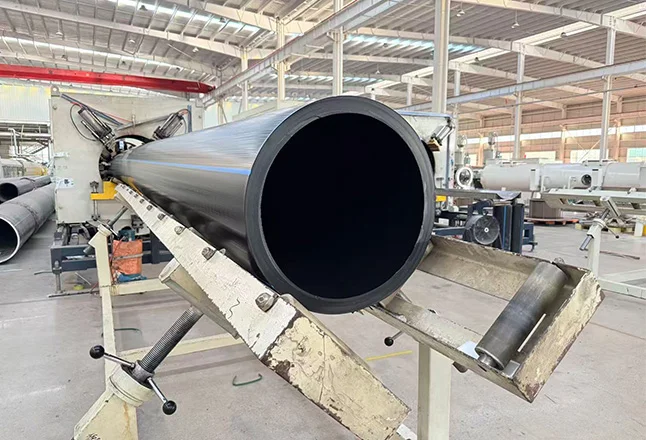

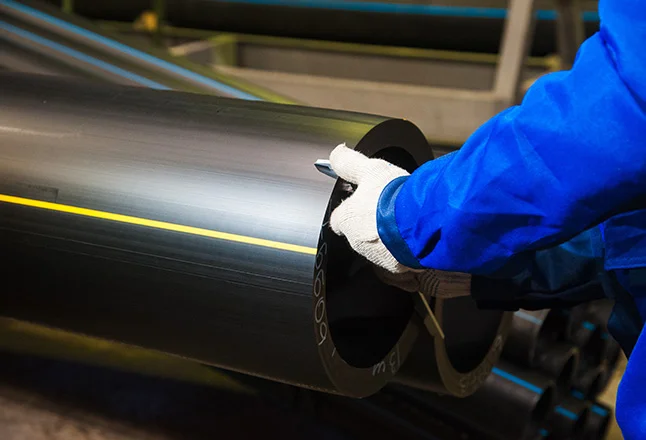
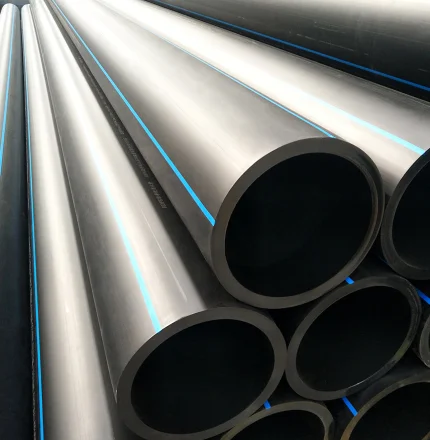
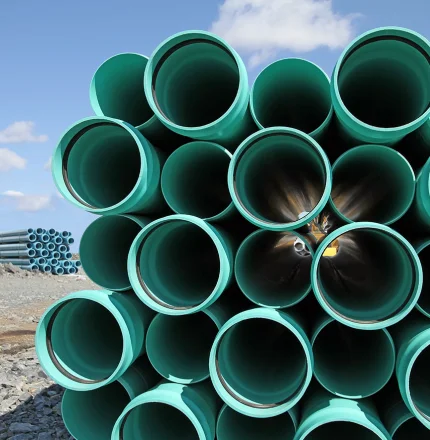
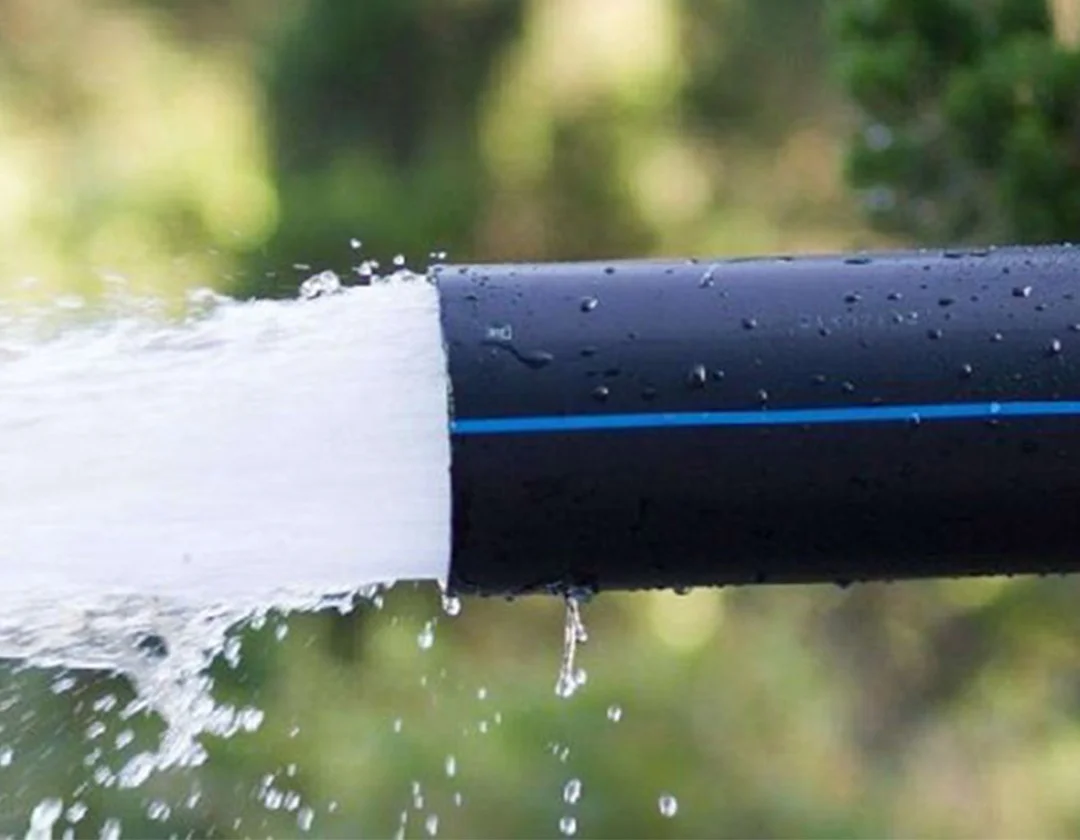
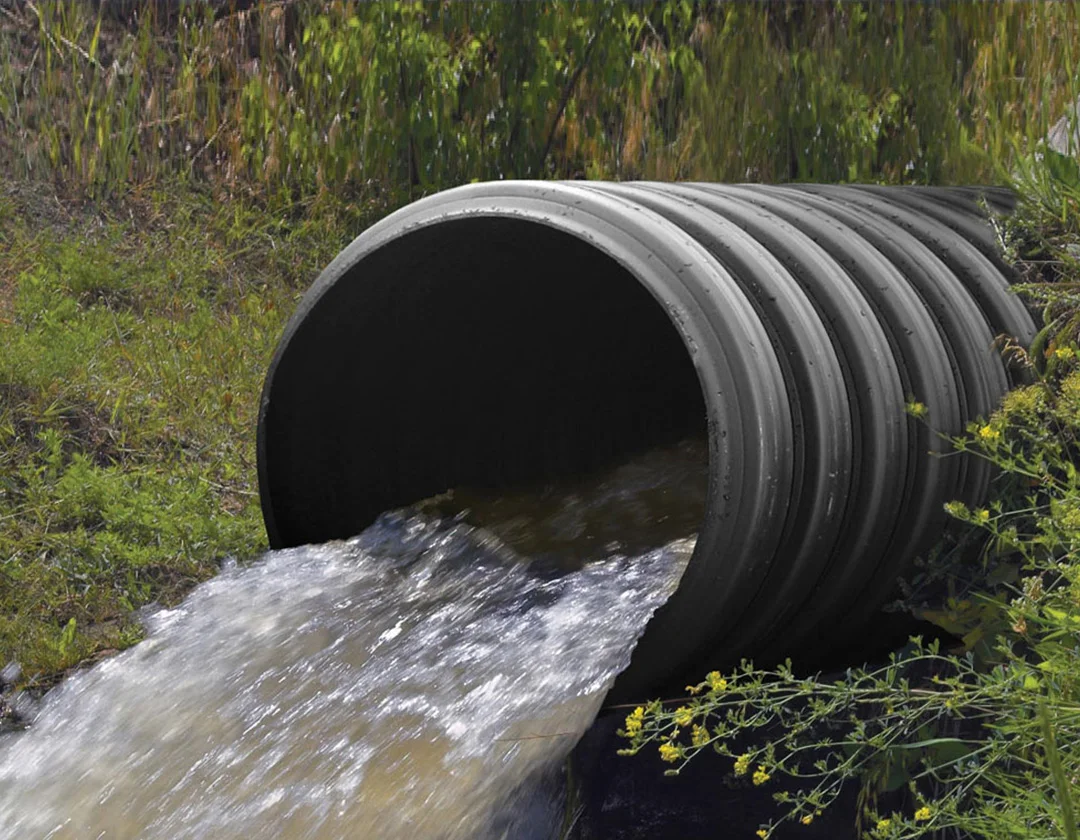
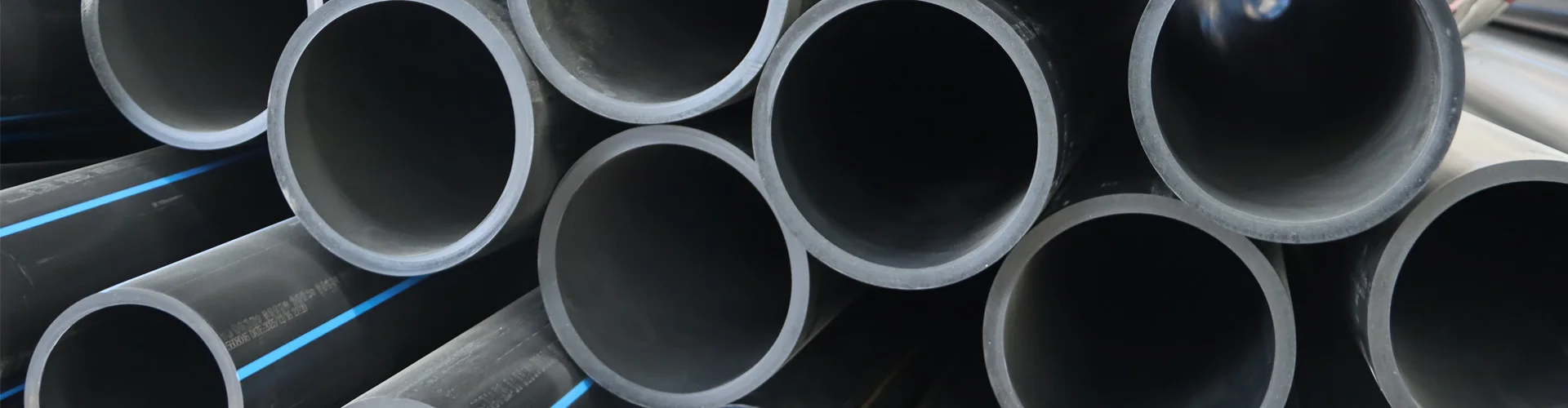
SDR11 HDPE pipe represents a high-pressure-bearing specification within HDPE piping systems, and is widely utilized in applications where stringent requirements for pressure resistance, durability, and safety are paramount.
Because of its robust wall thickness, SDR11 is one of the most specified HDPE pressure classes for critical infrastructure projects worldwide, including municipal water distribution, gas transmission, mining slurry, and industrial process lines.
Key Characteristics of SDR11 HDPE Pipe
| Feature | SDR11 Specification |
| Pressure Rating | PN16 (1.6 MPa / 232 psi) |
| Material Grades | PE100 (primary), PE80 |
| SDR Value | 11 (OD ÷ Wall Thickness = 11) |
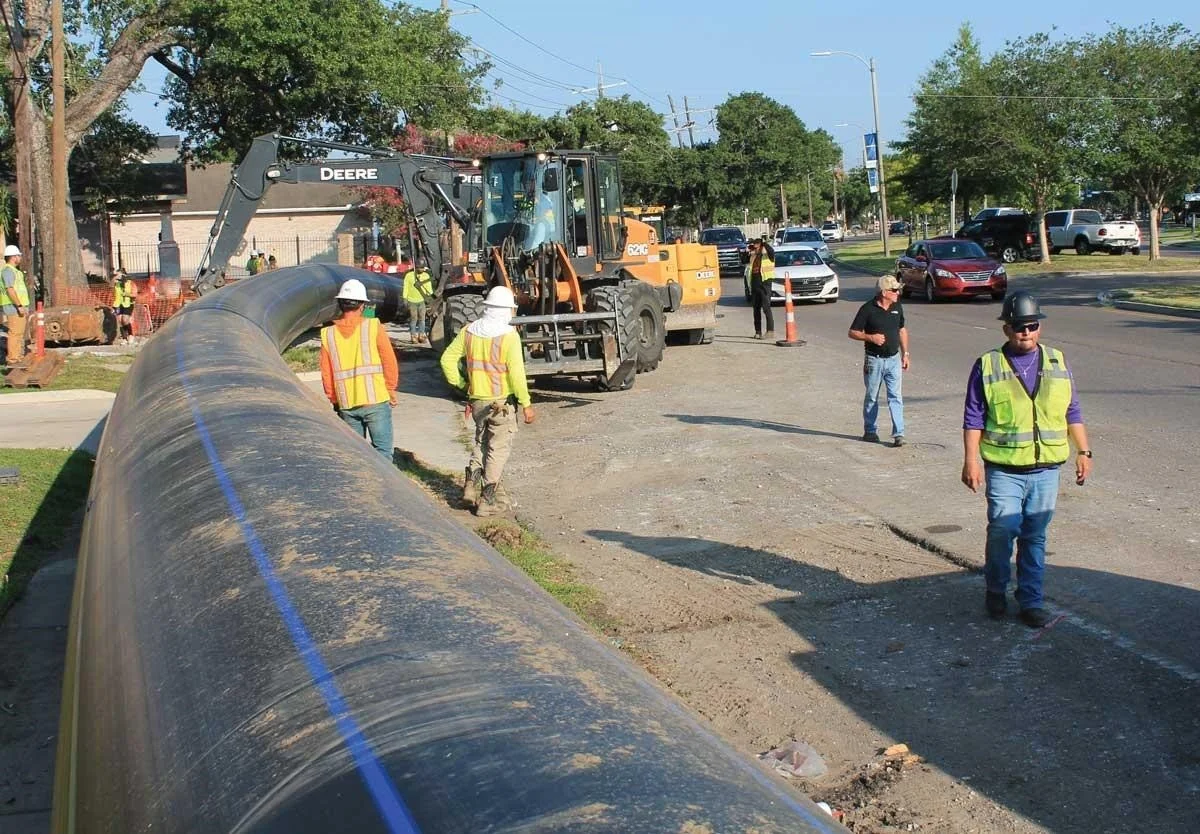
| Color Codes | Black with blue stripes (water); Black with yellow stripes (gas); solid black or blue |
| Carbon Black Content | 2.0–2.5% for UV stabilization |
| Design Life | 50+ years at 20°C |
| Operating Temperature | -40°C to +60°C (with pressure derating above 20°C) |
Material & Performance Highlights
High Long-Term Strength: PE100 SDR11 pipes offer a Minimum Required Strength (MRS) of 10 MPa, delivering superior resistance to slow crack growth (SCG) and rapid crack propagation (RCP).
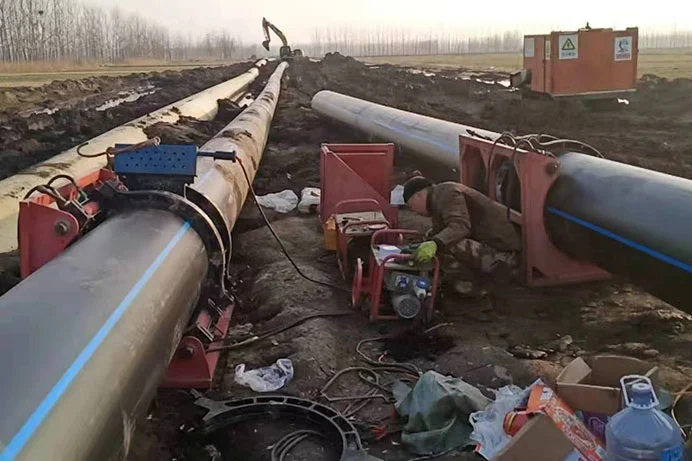
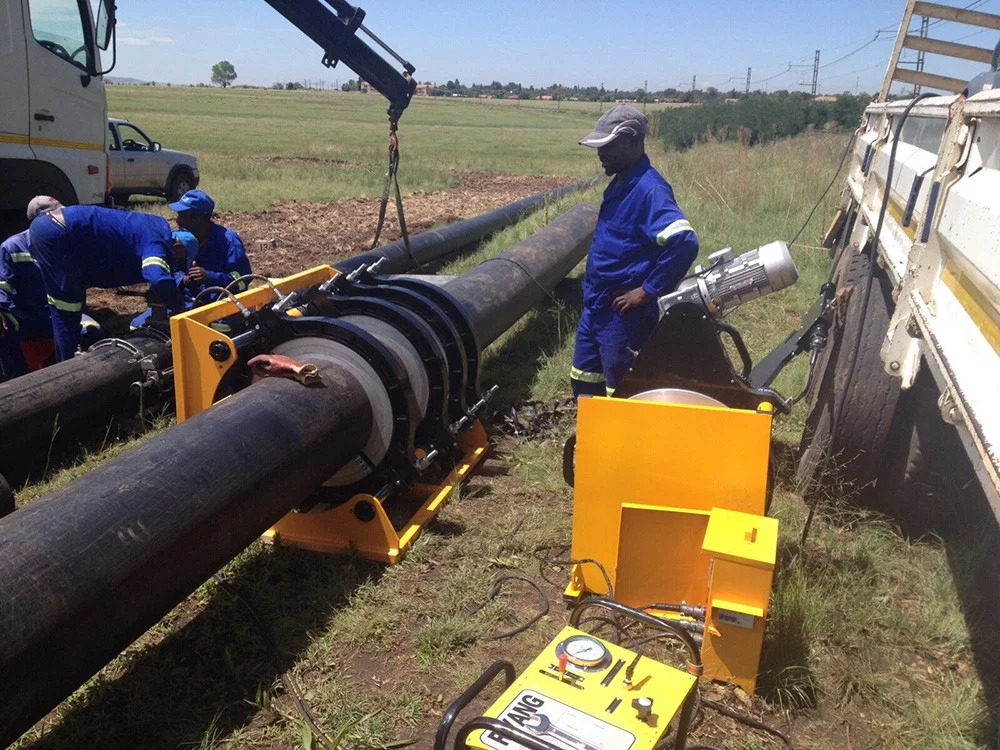
Fusion-Welded Joints: Butt fusion and electrofusion create monolithic, leak-proof joints that are stronger than the pipe itself, eliminating the weak points common in mechanical joint systems.
Chemical & Corrosion Immunity: HDPE is inert to galvanic corrosion, acids, alkalis, and most hydrocarbons—making it ideal for aggressive soils and industrial effluents.
Flexibility & Impact Resistance: SDR11 pipe can withstand ground settlement, seismic activity, and minor deformation without structural failure. It remains ductile at temperatures as low as -40°C.
Hydraulic Efficiency: The smooth interior surface (Manning's n ≈ 0.009) maintains flow capacity over decades without scaling or tuberculation, typically delivering >50% better flow than equivalent steel pipes.
Common Specifications & Size Chart
SDR11 HDPE pipe is available in diameters ranging from DN20 mm to DN1200 mm, with standard straight lengths of 5.8 m or 11.8 m for diameters ≥DN75. Smaller diameters (DN20–DN63) are often supplied in coils of 50–300 m for irrigation and rural water projects.
Typical SDR11 Dimensions (PE100)
| Nominal Diameter (DN) | Outer Diameter (mm) | Wall Thickness (mm) | Approx. Weight (kg/m) |
|---|---|---|---|
| 63 | 63 | 5.8 | 1.1 |
| 90 | 90 | 8.2 | 2.2 |
| 110 | 110 | 10.0 | 3.2 |
| 160 | 160 | 14.6 | 6.8 |
| 200 | 200 | 18.2 | 10.6 |
| 250 | 250 | 22.7 | 16.5 |
| 315 | 315 | 28.6 | 26.2 |
| 400 | 400 | 36.4 | 42.3 |
| 500 | 500 | 45.5 | 66.0 |
| 630 | 630 | 57.3 | 104.5 |
Note: Exact dimensions may vary slightly by manufacturer and applicable standard (ISO 4427, EN 12201, etc.).
SDR11 HDPE pipe Global Standards & Certifications
Compliance with recognized international standards ensures product quality, traceability, and regulatory acceptance. SDR11 HDPE pipe is governed by the following primary standards:
| Standard | Region / Scope | Key Requirements |
|---|---|---|
| ISO 4427 | International (Water Supply) | Material PE80/PE100, SDR series, hydrostatic performance, 50-year design life |
| ISO 4437 | International (Gas Distribution) | Specialized requirements for gaseous fuel transport, higher safety margins |
| EN 12201 | European Union | Drinking water safety, environmental compliance, long-term performance |
| AS/NZS 4130 | Australia / New Zealand | Pressure resistance, installation protocols, joint quality control |
| ASTM D3035 / F714 | North America | Cell classification, dimensional tolerances, pressure ratings |
| DIN 8074/8075 | Germany | Dimensional stability and pressure class definitions |
| GB/T 13663 | China | National standard for water supply PE pipes |
| API 15LE | Oil & Gas Industry | HDPE pipes for petroleum and natural gas gathering lines |
Applications of SDR11 HDPE Pipe
Thanks to its PN16 pressure rating and excellent durability, SDR11 is deployed across diverse sectors:
1. Municipal Water Supply
Urban primary distribution networks, rural safe drinking water projects, and building service connections.
Leak-proof fusion joints reduce non-revenue water (NRW) losses compared to legacy metal systems.
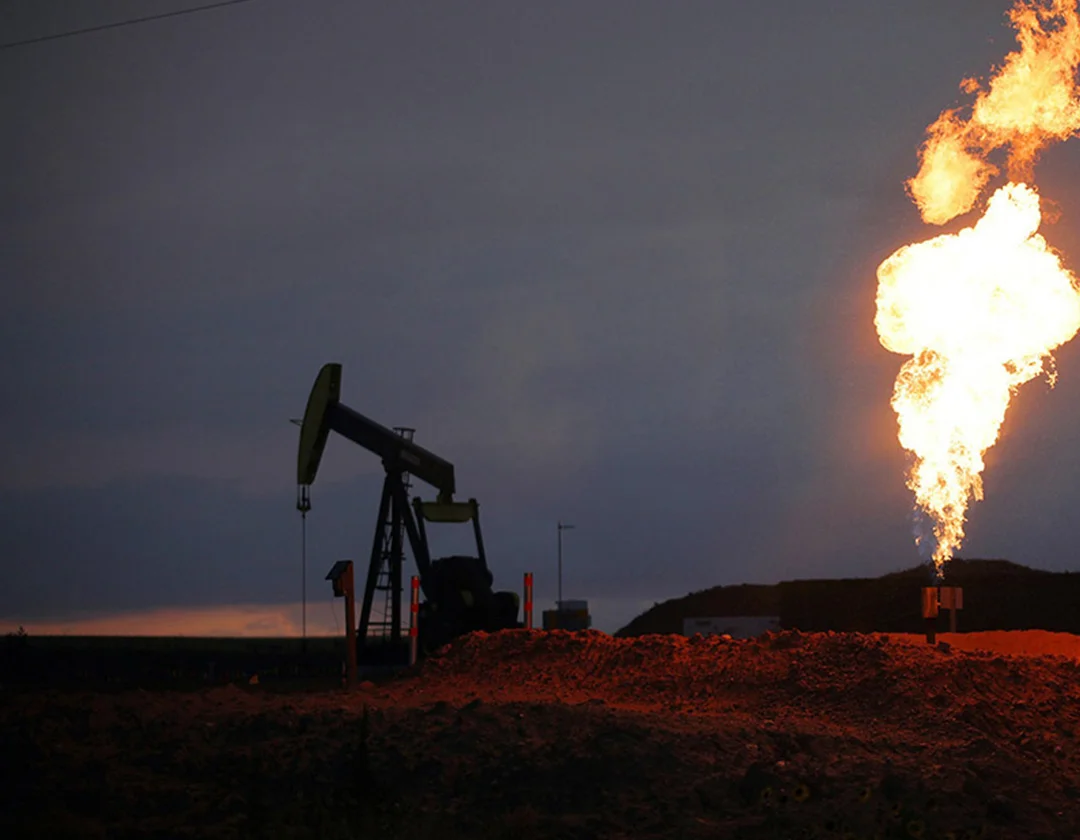
2. Gas Distribution
Medium-pressure natural gas, manufactured gas, and LPG distribution networks.
HDPE's non-conductive nature eliminates electrochemical corrosion risks.
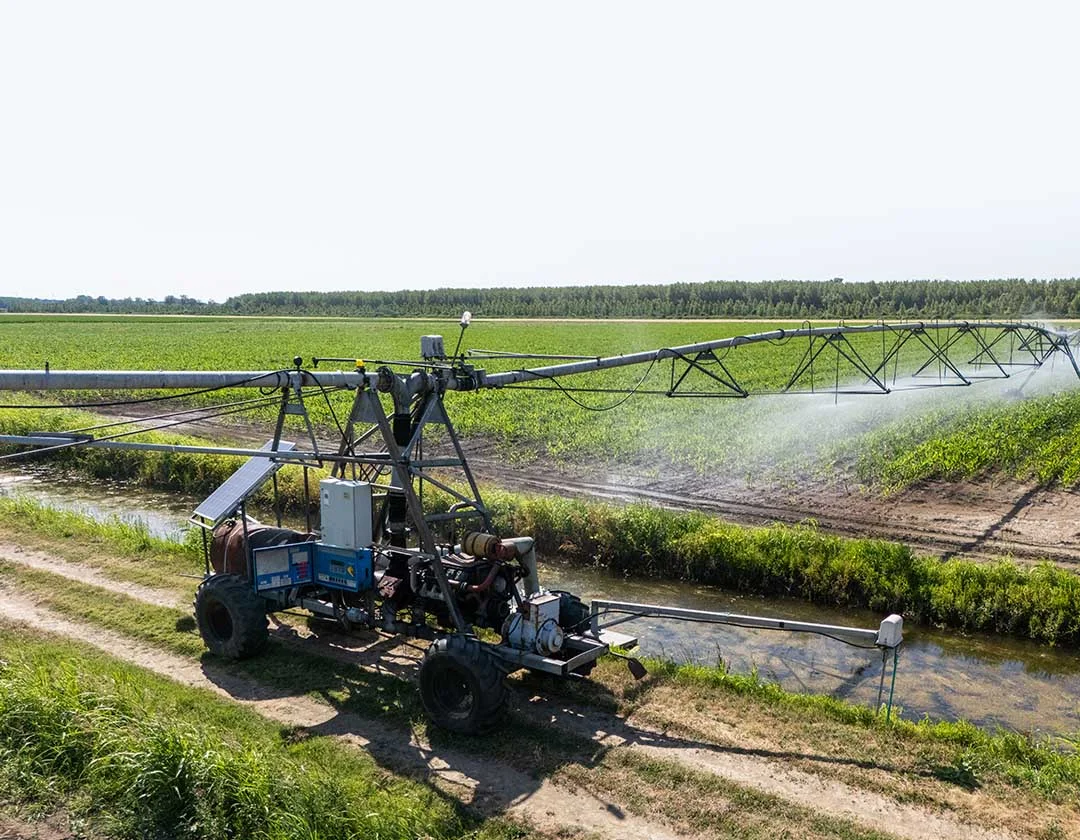
3. Agricultural Irrigation
High-pressure sprinkler and drip irrigation mains; coil formats enable fast deployment in the field.
UV-stabilized black pipe withstands prolonged outdoor exposure.
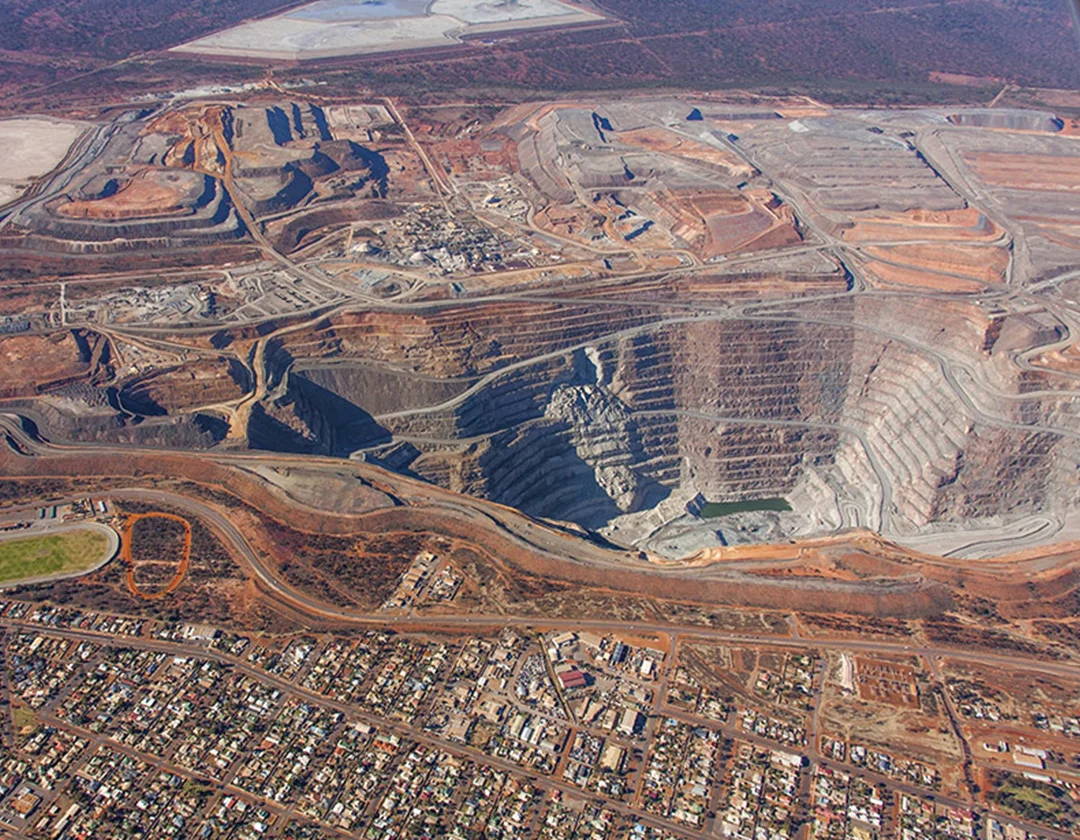
4. Industrial & Mining
Process water, chemical effluent, tailings, and slurry transport.
Superior abrasion resistance outperforms steel in sand, gravel, and mining slurry applications.
5. Marine & Dredging
Floating and submerged pipelines for harbor deepening, beach nourishment, and reservoir desilting.
Lightweight, buoyant, and corrosion-proof in saltwater environments.
6. Trenchless Installation
Horizontal directional drilling (HDD), pipe bursting, and slip-lining applications benefit from HDPE's flexibility and long coil lengths.
International Import Guide: What Buyers Must Know
Sourcing SDR11 HDPE pipe from international manufacturers—particularly from major production hubs like China—requires attention to compliance, documentation, and logistics.
1. Verify Standards Compliance
Before placing an order, confirm the supplier can manufacture to your destination market's standard:
Europe: EN 12201 + CE marking
North America: ASTM D3035 / F714 + NSF/ANSI 61 (if potable)
Australia/NZ: AS/NZS 4130
Global: ISO 4427
Request factory audit reports, ISO 9001 certification, and third-party lab test reports.
2. HS Codes & Customs Documentation
Correct HS classification ensures smooth clearance and accurate duty calculation:
Common HS Code
HDPE pipes (general):3917.39.00.00
HDPE pipe fittings:3917.40.00.00
Required documents typically include:
Commercial invoice & packing list
Bill of lading / airway bill
Certificate of Origin
Manufacturer's test certificates (hydrostatic pressure, MFR, density)
Material grade verification (PE100/PE80)
Batch traceability markings report
Potable water certifications (WRAS, NSF, etc.) if applicable
3. Pipe Markings & Traceability
Every meter of pipe must be permanently marked with:
Manufacturer name / logo
Nominal diameter and SDR value
Material grade (PE100)
Standard reference (e.g., ISO 4427:2019)
Year of manufacture and batch number
Pressure rating (PN16)
Missing or illegible markings can cause customs delays or rejection during site inspection.
4. Packaging & Shipping
Small diameters (DN20–DN63): Usually coiled on reels; protect from deformation and UV during transit.
Large diameters (DN75+): Straight bars (5.8 m or 11.8 m); use proper lifting slings (not chains) to prevent surface damage.
Container loading: 20 ft containers typically hold 7–10 days of production volume; 40 ft containers require 10–15 days lead time.
5. Payment & Trade Terms
Common arrangements include:
T/T (Telegraphic Transfer): 30% deposit, 70% against B/L copy
L/C at sight: Preferred for large orders or first-time suppliers
Incoterms: FOB, CFR, CIF most common for pipe exports
6. On-Site Inspection & Warranty
Request pre-shipment inspection (PSI) or third-party SGS/BV inspection.
Standard manufacturer warranties range from 15 to 50 years for normal use; verify warranty conditions (installation by certified welders, proper backfill, etc.).