


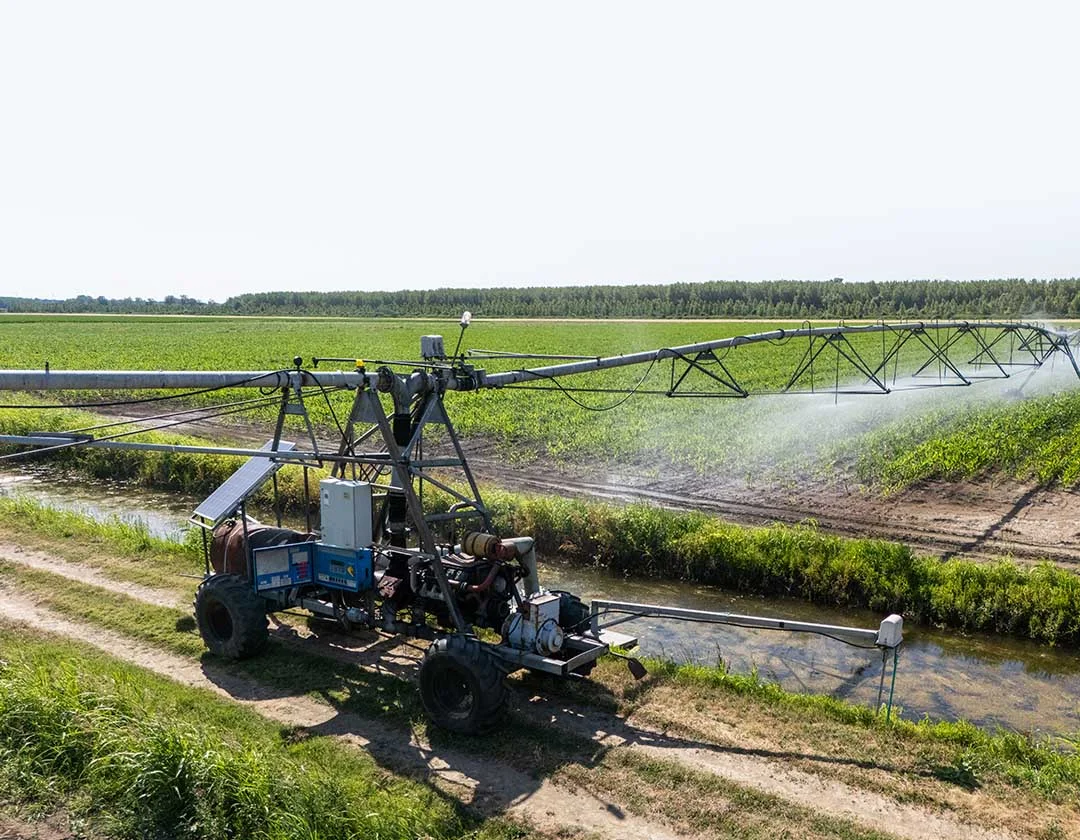
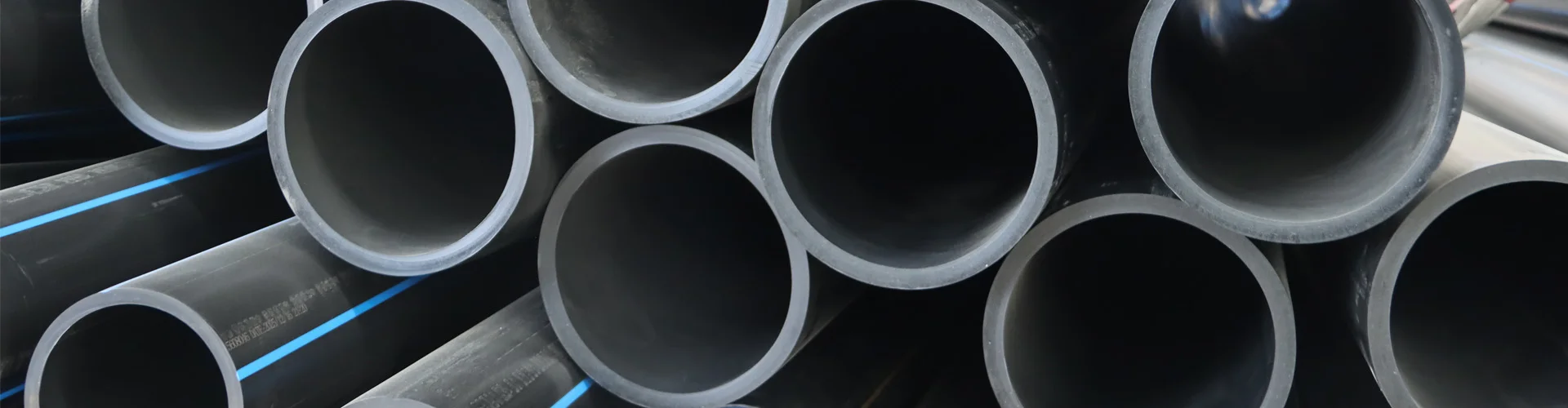
High-density polyethylene (HDPE) piping has become the preferred material in sectors such as municipal water supply, gas transmission, agricultural irrigation, and industrial chemical transport, owing to its exceptional corrosion resistance, flexibility, and service life exceeding 50 years. In the engineering design and selection of HDPE pipelines, the Standard Dimension Ratio (SDR) serves as a critical specification parameter, directly determining the pipe's wall thickness, pressure-bearing capacity, material requirements, and suitability for specific applications. A thorough understanding of the SDR classification system is fundamental to ensuring the safe, economical, and compliant operation of pipeline systems.
Definition and Calculation Principles of SDR
SDR is the dimensionless ratio of the nominal outer diameter (dn) to the nominal wall thickness (en) of a pipe; the calculation formula is:
SDR = dn / en
For example, an HDPE pipe with an outer diameter of 110 mm and a wall thickness of 10 mm has an SDR value of 11 (110 ÷ 10 = 11).
Core Features
The SDR system adheres to the ANSI series of preferred numbers and possesses a key engineering characteristic: for pipes of the same SDR value and the same PE material grade, the pressure rating remains absolutely identical regardless of the pipe diameter. This means that both a 63mm SDR11 PE100 pipe and a 630mm SDR11 PE100 pipe share the same PN16 pressure rating. This independence from diameter makes SDR a globally recognized and standardized classification method.
The Distinction Between SDR and DR
SDR (Standard Dimension Ratio): Strictly corresponds to the standard values within the ANSI Preferred Number Series (e.g., 7.4, 9, 11, 13.6, 17, 21, 26, 33, 41, etc.).
DR (Dimension Ratio): Refers broadly to any ratio of outside diameter to wall thickness, regardless of whether it constitutes a standard value.
In engineering procurement, the specific SDR value should be explicitly specified—rather than an approximate DR value—to ensure that manufacturing tolerances comply with standard requirements.
PE100 Material: Common SDR Series Reference Chart
| SDR Value | Pressure Rating (PN) | Wall Thickness Characteristic | Typical Application Scenarios |
|---|---|---|---|
| SDR7.4 | PN25 (2.5 MPa) | Extra-thick wall | High-pressure industrial pipelines, special pressure-bearing applications |
| SDR9 | PN20 (2.0 MPa) | Thick wall | High-pressure water supply, long-distance water transmission |
| SDR11 | PN16 (1.6 MPa) | Relatively thick wall | Municipal water supply trunk mains, gas distribution, HDD crossing |
| SDR13.6 | PN12.5 (1.25 MPa) | Medium-thick wall | Rural drinking water projects (JJM), medium-pressure water transmission |
| SDR17 | PN10 (1.0 MPa) | Medium wall thickness | Municipal distribution networks, irrigation systems, general water transmission |
| SDR21 | PN8 (0.8 MPa) | Medium-thin wall | Low-pressure water transmission, drainage, irrigation branch pipes |
| SDR26 | PN6 (0.6 MPa) | Relatively thin wall | Gravity-flow drainage, low-pressure irrigation, sewage |
A Detailed Guide to Common SDR Series
SDR11 (PN16) — The Preferred Choice for High-Pressure Applications
SDR11 represents one of the standard series with the relatively thickest walls, offering the highest pressure-bearing capacity and safety factor.
Wall Thickness Calculation: Wall Thickness = Outer Diameter ÷ 11
Typical Specifications: dn110 × 10.0 mm, dn200 × 18.2 mm, dn315 × 28.6 mm
Key Applications:
Medium-to-low pressure transmission and distribution networks for urban gas (PE80 SDR11 PN12.5)
High-pressure municipal water supply main pipelines
Horizontal Directional Drilling (HDD) crossing projects
Applications with strict requirements regarding resistance to slow crack growth
SDR17 (PN10) — The Backbone of Municipal Engineering
SDR17 is the most widely utilized specification within municipal water networks, striking an optimal balance between pressure-bearing capacity and cost-effectiveness.
Wall Thickness Calculation: Wall Thickness = Outer Diameter ÷ 17
Typical Specifications: dn110 × 6.6 mm, dn200 × 11.9 mm, dn500 × 29.7 mm
Key Applications:
Urban Water Distribution Networks
Rural Drinking Water Safety Projects (Standard Configuration per JJM Standards)
Industrial Circulating Water Systems
Medium-Pressure Water Transmission Mains
SDR21 (PN8) and SDR26 (PN6) — Low-Pressure, Economical Options
These two series feature thinner wall thicknesses, resulting in lower material costs and greater flow capacity.
SDR21: Suitable for irrigation systems, low-pressure water transport, and branch pipeline networks.
SDR26: Primarily used for gravity-flow drainage, rainwater harvesting, and agricultural drainage and irrigation.
Large-Diameter Applications: For large-diameter pipes (dn355 and above), adopting higher pressure ratings would result in excessively thick walls—leading to a drastic increase in both costs and welding complexity. Consequently, for such applications, the SDR17, SDR21, or SDR26 series are typically the only options utilized.
SDR Selection Technical Guide
Pressure Matching: The design working pressure must be less than or equal to the pipe's PN rating multiplied by a safety factor (typically set between 1.25 and 1.5).
Temperature Correction: When the operating temperature exceeds the standard reference temperature of 20°C, pressure derating is required:
At 40°C, the allowable working pressure is approximately 80% of the rated PN value.
Specific derating coefficients should be referenced from standards GB/T 13663 or ISO 4427.
Service Life Considerations: Based on a designed service life of 50 years, it is essential to ensure that the long-term creep strength meets the specified requirements.
Economic Balance: Avoid both over-design (e.g., selecting SDR11 for a low-pressure system, resulting in material waste) and under-design (e.g., selecting SDR26 for a high-pressure system, leading to safety risks).
Key Standards and Specifications for HDPE Pipelines
Chinese National Standard: GB/T 13663.2-2018 — *Polyethylene (PE) Piping Systems for Water Supply*
International Standards: ISO 4427 (Water Supply), ISO 4437 (Gas Supply)
U.S. Standards: ASTM F714, ASTM D3035, AWWA C906
Indian Standard: IS 4984:2016
Selection Guide for Various Application Scenarios
Municipal Water Supply System
Material: PE100
Pressure: PN10 / PN16
SDR: SDR17 / SDR11
Main Pipe → PN16 (SDR11)
Branch Pipe → PN10 (SDR17)
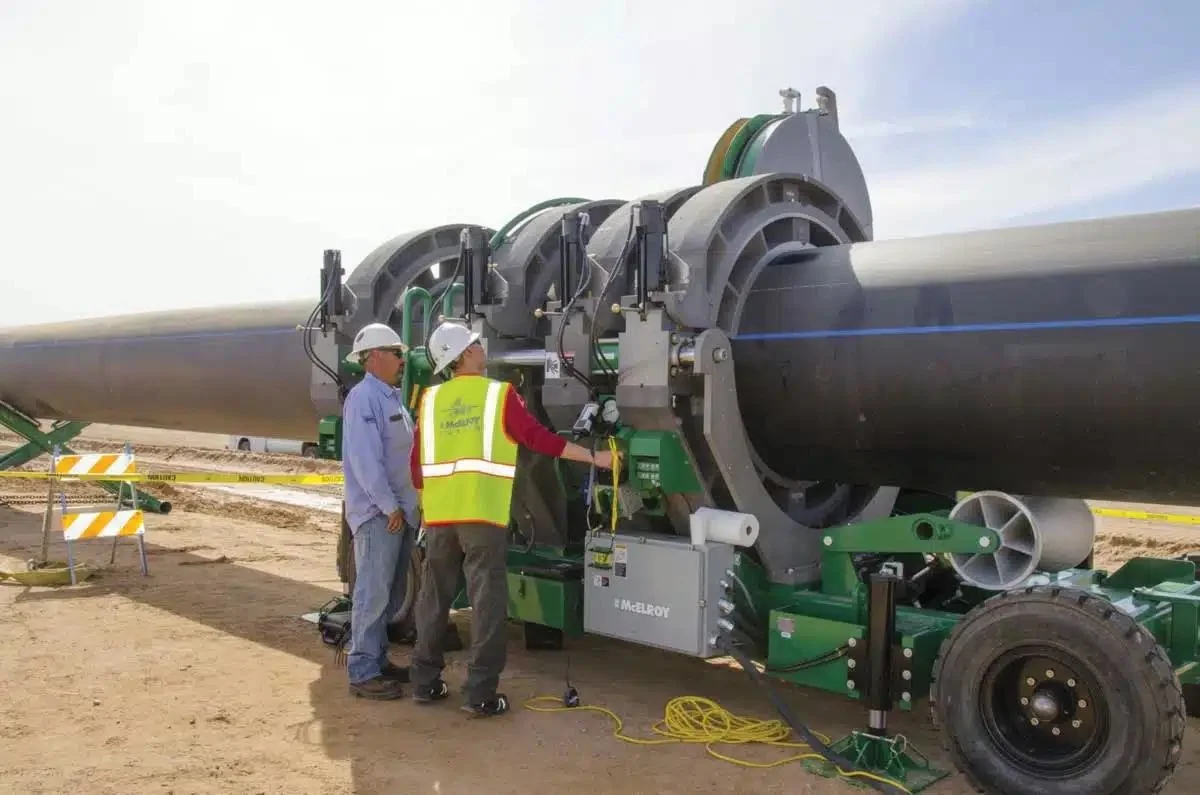
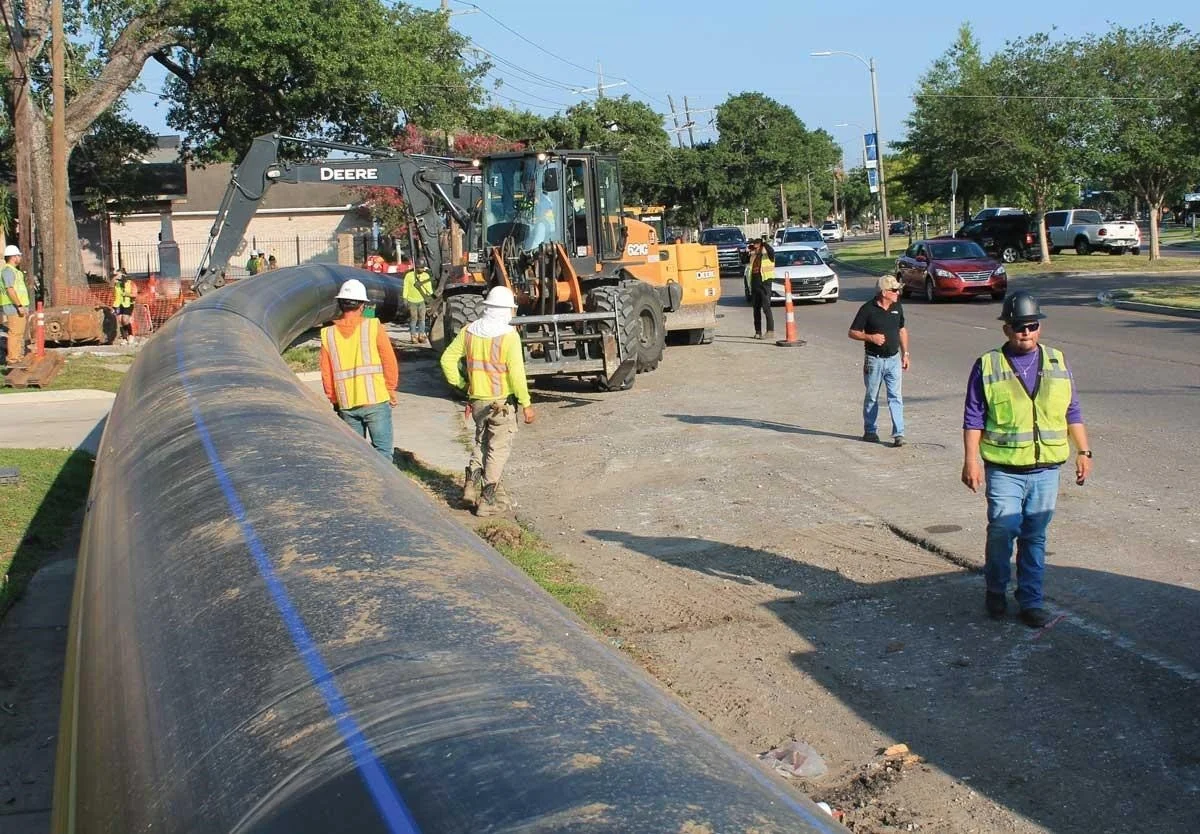
Gas Transmission System
Material: PE100 (Mandatory)
SDR: SDR11 / SDR17
Standard: ISO 4437
Must possess high crack resistance.
Prev: SDR11 hdpe pipe in china