

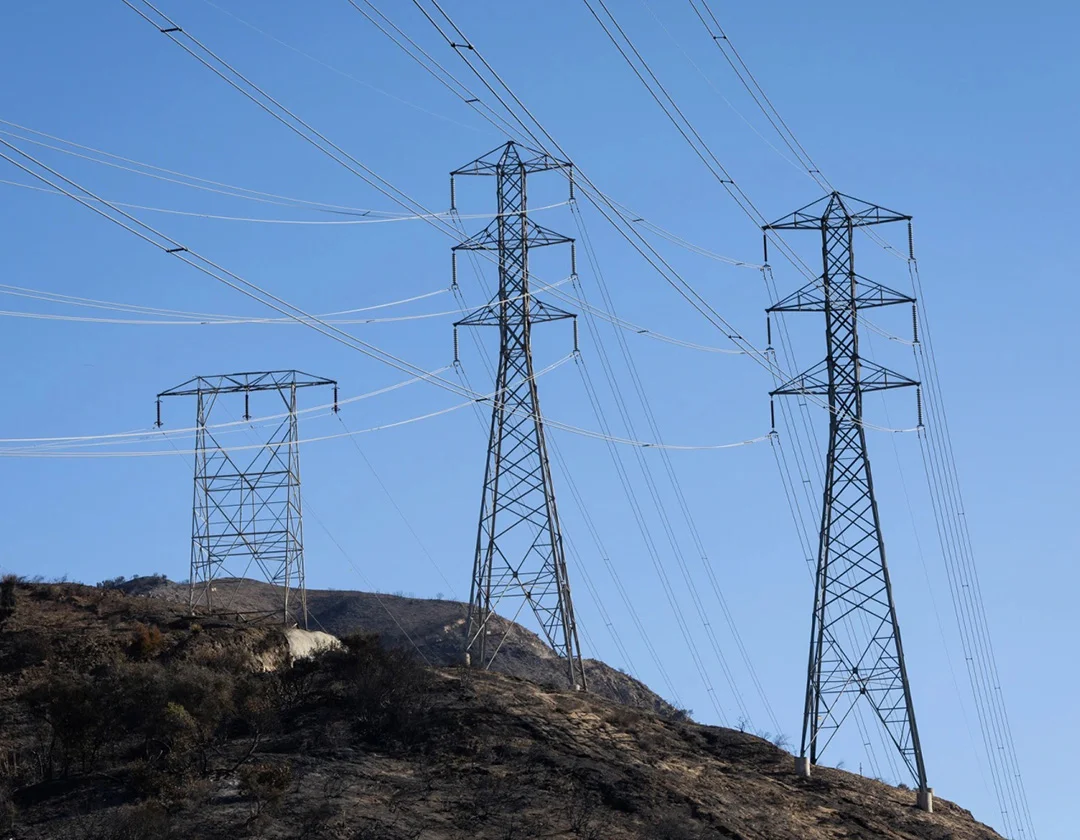
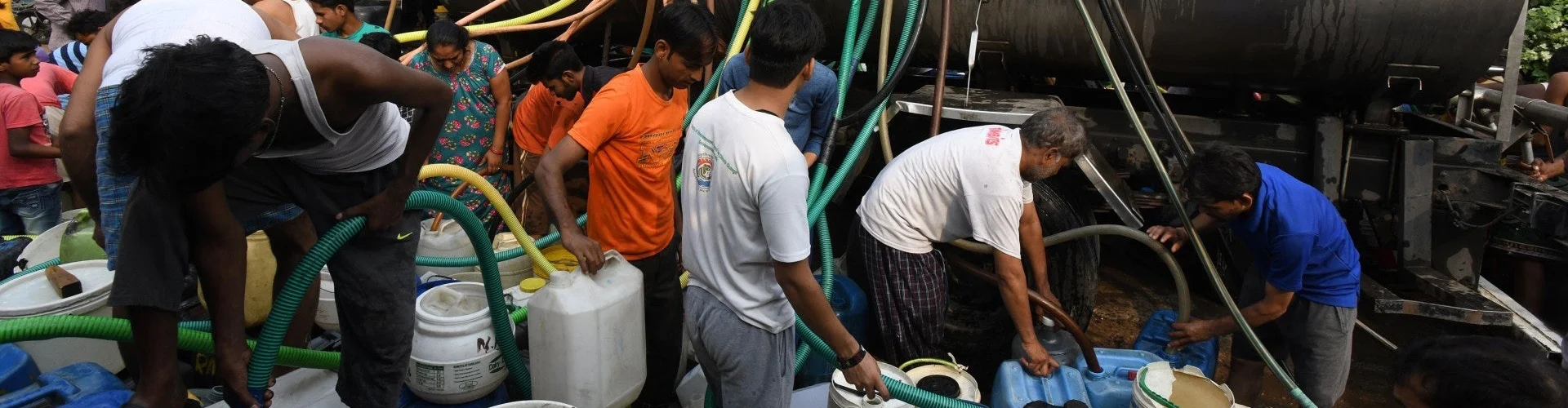
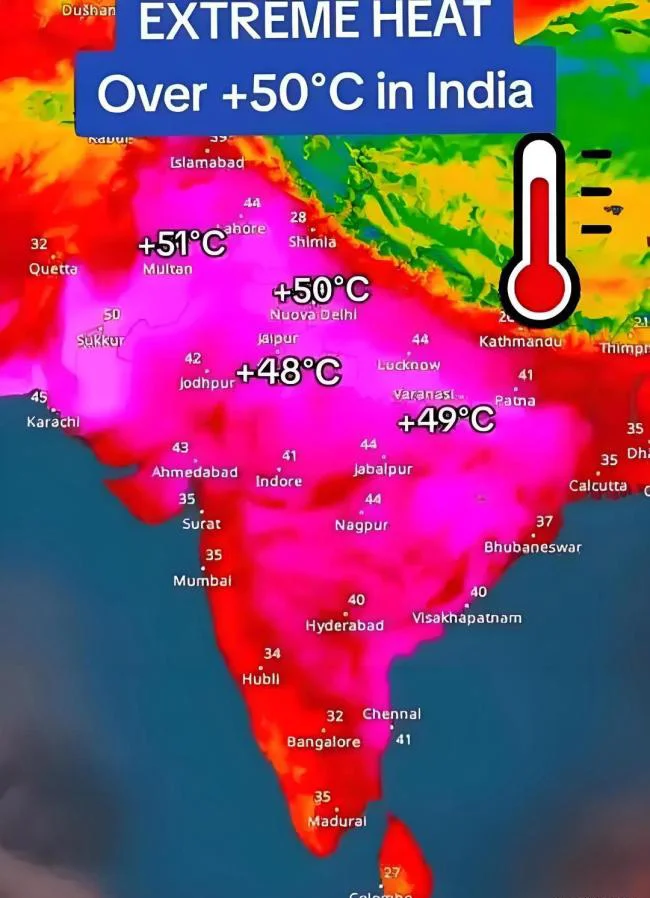
In May 2026, India was enduring unprecedented heat. Temperatures in Rajasthan soared to 48.3°C, while major cities such as Delhi and Lucknow continued to swelter under temperatures exceeding 40°C. Even more deadly was the convergence of this extreme heat with a severe water crisis: in the Barmer district of Rajasthan, the shutdown of water supply canals left 31 villages dependent on a single hand pump for survival; in Jaipur, citizens took to the streets to protest against contaminated water; and across vast rural areas, women were forced to trek long distances before dawn—braving the scorching heat—simply to fetch water. This crisis was no mere accident, but rather the culmination of multiple structural contradictions involving India's climatic conditions, deficiencies in water supply infrastructure, and the wasteful use of water resources.
Climatic Conditions: Inherent Deficiencies and Subsequent Deterioration
Situated within a tropical monsoon climate zone, India experiences an extremely uneven spatial and temporal distribution of rainfall. Approximately 70% of the annual precipitation is concentrated during the southwest monsoon season, spanning from June to September, while the remaining months are generally arid. The crisis of 2026 served as a compounding blow: by the conclusion of the 2025 monsoon season, rainfall had already registered a 5.6% deficit, causing reservoir water levels to fall below the 10-year average starting in December. In January 2026, winter rains failed across 22 states; water levels in northern reservoirs plummeted to 31% of capacity, while those in the south dropped to a critical low of 16%. In March, an anomalous heatwave struck the Himalayan region and Northwest India prematurely, accelerating the evaporation of surface water bodies and compelling hydroelectric power plants to curtail generation during off-peak hours in order to preserve reservoir levels.
By the end of March 2026, India’s Central Water Commission (CWC) reported that water levels in 35% of the nation’s major reservoirs had fallen below the 50% alert threshold—and this occurred before the arrival of the peak summer season. This pattern of "90 days of cascading failure"—ranging from a monsoon deficit to a rainless winter, and culminating in abnormally high spring temperatures—is transforming India’s inherent climatic vulnerability into a systemic economic risk. It is estimated that the loss in labor productivity within the agricultural and construction sectors alone—attributable solely to the heatwave—could amount to as much as $194 billion over the course of the year.
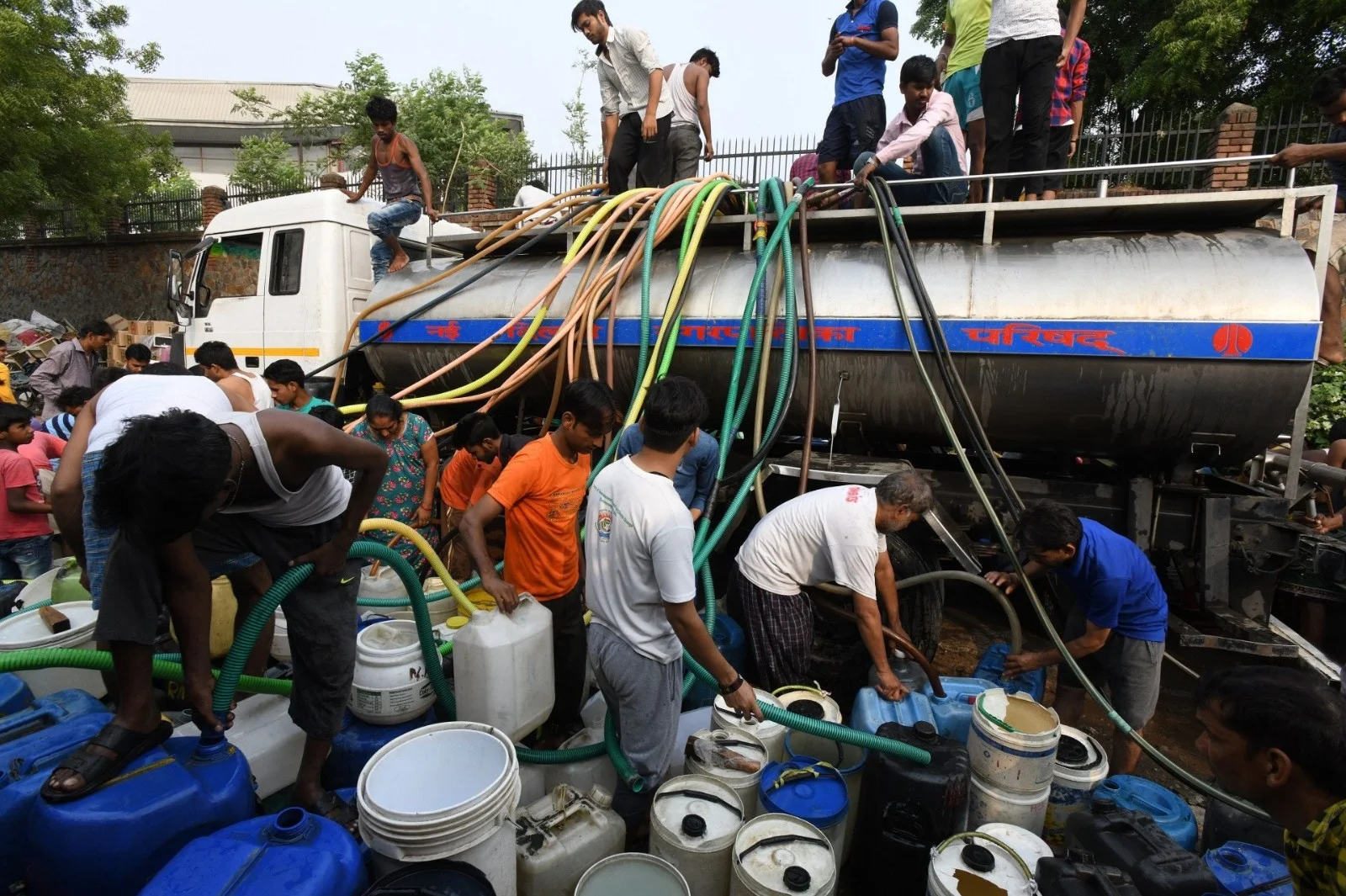
India’s Water Supply Infrastructure
Rural Water Supply: Achievements and Challenges of the JJM
Launched by the Government of India in 2019, the "Jal Jeevan Mission" (JJM)—meaning "Water is Life Mission"—stands as the world's largest rural water supply initiative. By early 2026, the national coverage of tap water connections in rural households had surged from less than 20% in 2019 to approximately 81.57%. Over 157.9 million households have now been connected to a tap water supply, and 11 states and Union Territories have achieved "Har Ghar Jal" (Water to Every Household) status. The budgetary allocation for the 2026–27 fiscal year reached a substantial 676.7 billion rupees; furthermore, the launch of JJM 2.0 extended the mission's timeframe until December 2028, shifting the primary focus from "infrastructure creation" to "ensuring service quality."
However, this rapid expansion in coverage masks underlying functional deficiencies. A government-commissioned survey in 2024 revealed that while nearly 98% of rural households now possess a tap, only about three-quarters have access to a reliable and safe water supply. Many regions face the paradoxical situation of having "taps, but no water"—a predicament stemming from frequent issues such as depleted water sources, pump failures caused by erratic power supplies, and damaged distribution networks. More critically, the revised budget for the JJM for the 2025–26 fiscal year was slashed to a mere 170 billion rupees—a drastic 75% reduction from the original allocation of 670 billion rupees—thereby exposing deep-seated issues regarding budgetary execution and the capacity of local authorities to provide matching funds.
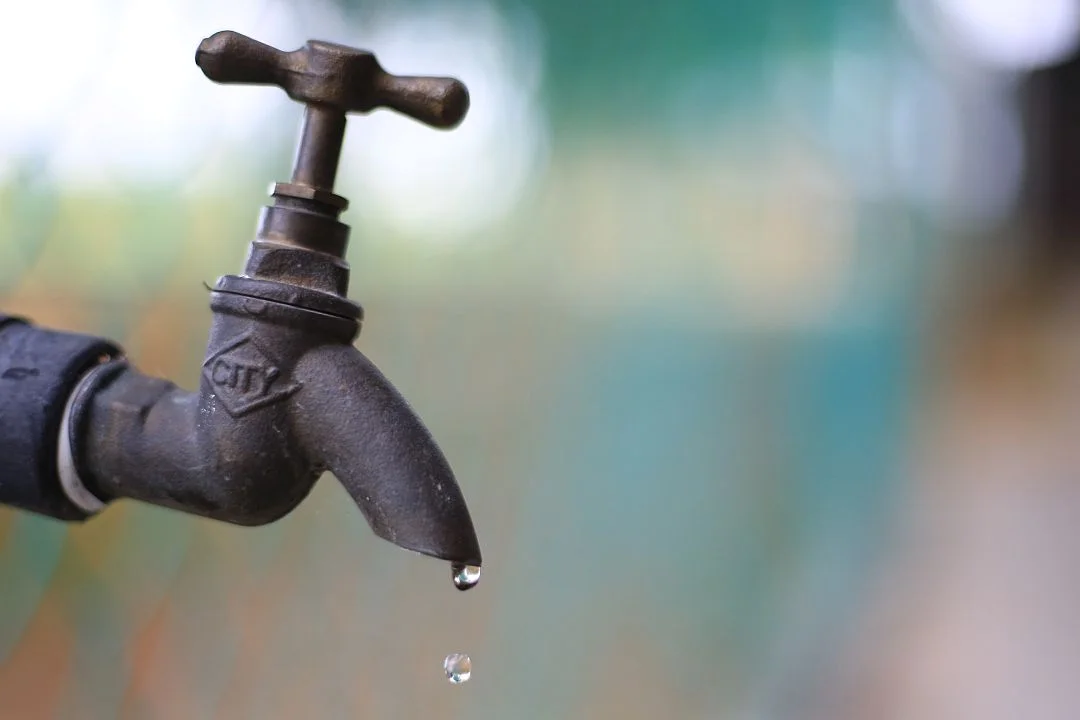
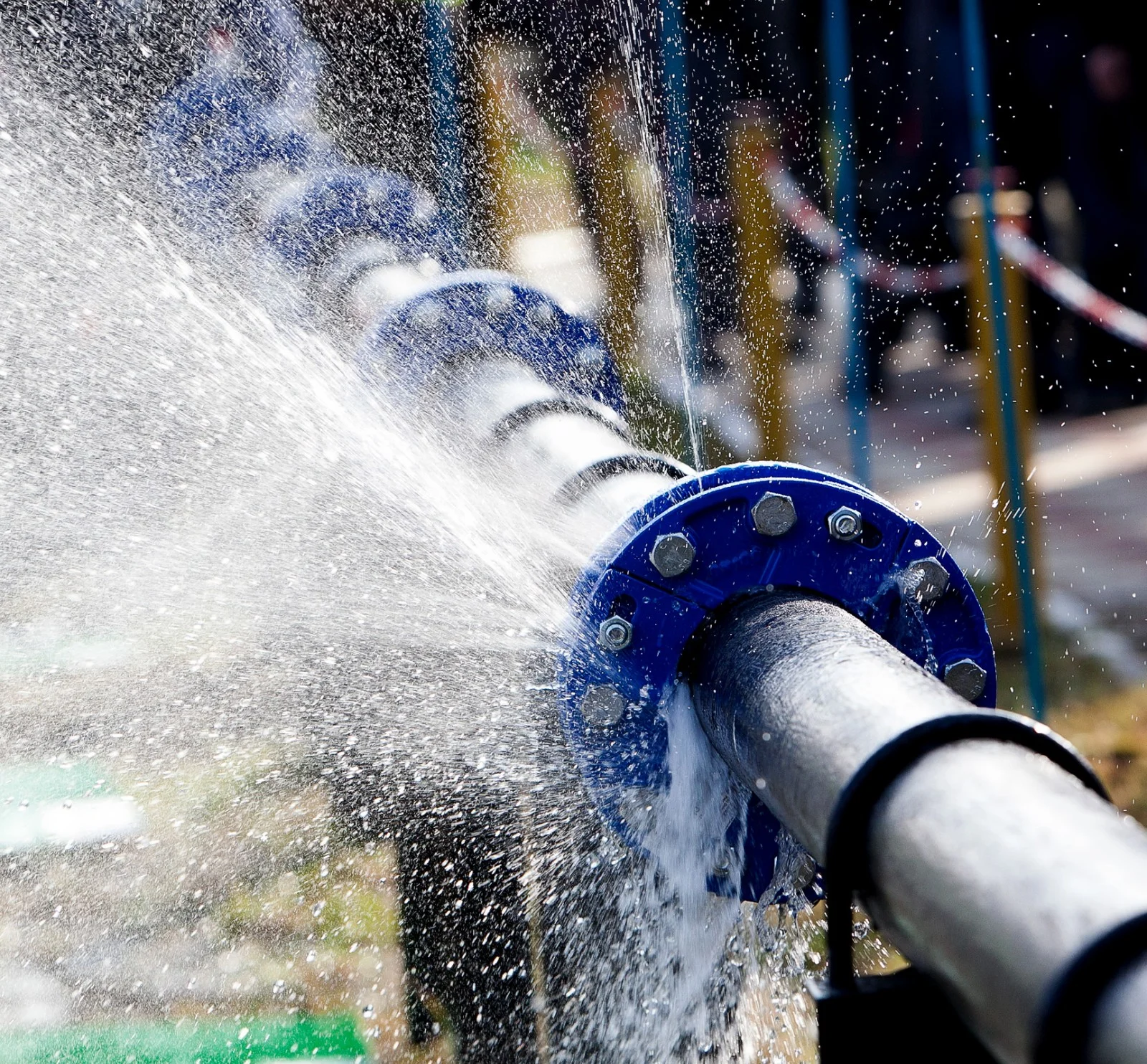
Urban Water Supply: A Dual Predicament of Leakage and Disorder
Urban water supply systems are facing increasingly complex challenges. According to a survey of 71 cities conducted by the Centre for Science and Environment, the water transmission leakage rate in most cities stands at a staggering 25% to 40%; the Asian Development Bank estimates this figure to be 27%. Physical leakage stems from aging pipelines, poorly maintained reservoirs, and leaking connection points; meanwhile, "administrative leakage"—resulting from a lack of metering—is equally alarming, with the average water meter installation rate in Indian cities ranging from a mere 13% to 24%.
Many cities have become trapped in a vicious cycle of "build, neglect, and rebuild." Take Bangalore as an example: during the crisis of 2024, groundwater reserves were depleted and lakes shrank, forcing residents to rely on private water tankers. Chennai, in 2019, went so far as to require emergency water shipments via train. The intermittent nature of urban water supply systems—such as Chennai's provision of water for only four hours a day—actually serves to mask the true extent of leakage; were these systems to switch to a continuous, 24-hour supply, the volume of water loss would multiply exponentially.
Water Waste: The Three Major Black Holes—Agriculture, Industry, and Domestic Use
Agriculture: The Heavy Cost of Inefficient Irrigation
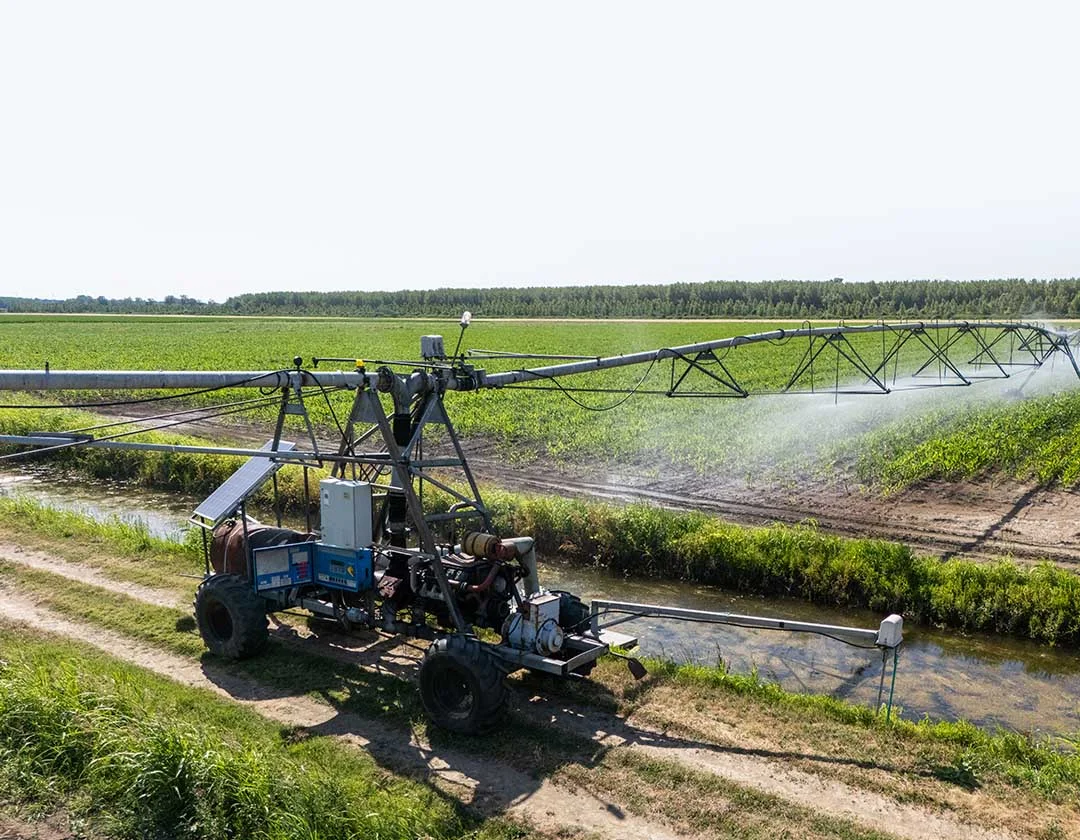
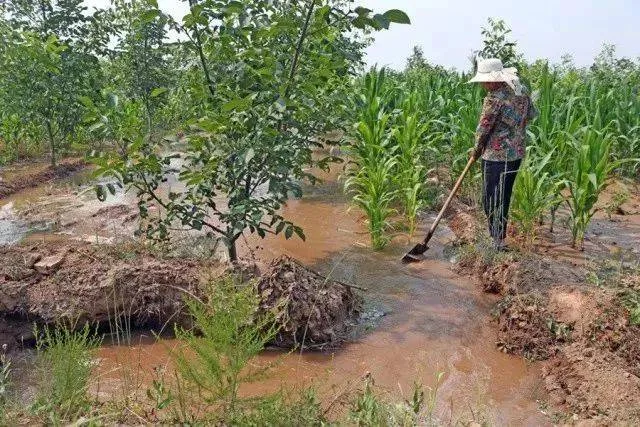
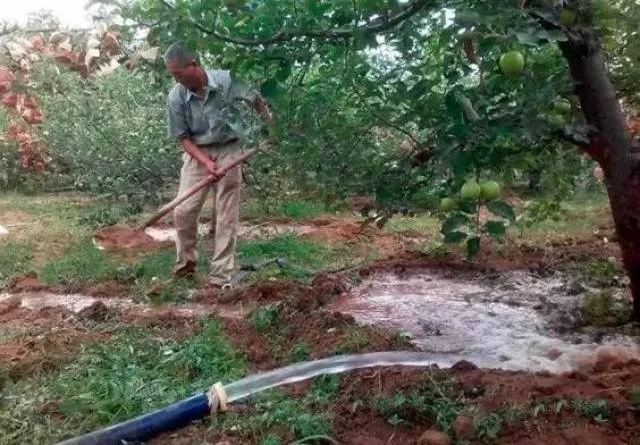
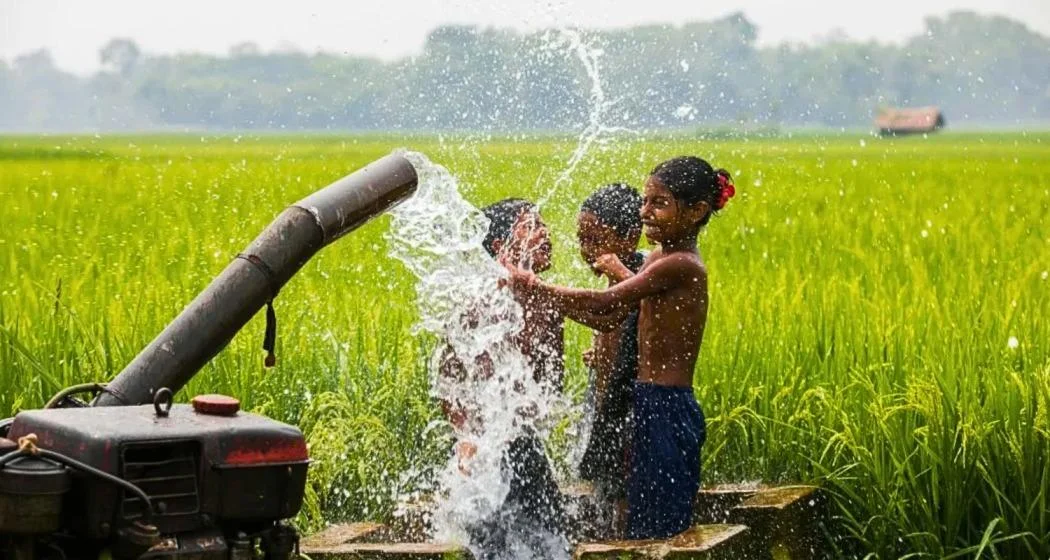
Agriculture accounts for approximately 90% of India's total water withdrawals, with inefficient irrigation serving as the primary source of waste. Roughly two-thirds of India's farmland relies on groundwater for irrigation; however, traditional flood irrigation methods result in the loss of 30% to 40% of irrigation water through surface seepage (a figure that can soar to between 55% and 88% in rice paddies). Groundwater over-extraction has evolved into a nationwide crisis—in many regions, farmers continue to pump water for irrigation even during the monsoon season, further depleting groundwater levels and leading to severe shortages during the dry season.
Industry and Daily Life: The Invisible Loss
Industrial water reuse rates remain low; vast quantities of clean water are used just once, subsequently becoming contaminated and discharged. In the realm of urban domestic water use, issues such as pipe network leakage, inadequate rooftop rainwater harvesting facilities, excessive landscape irrigation, and inefficient water fixtures are widespread. Even more intractable is the informal water supply chain—in cities like Bangalore and Chennai, private water tanker operators extract groundwater to sell at exorbitant prices; operating without oversight or quantitative data, this sector has become a "grey zone" within the landscape of water resource management.
Groundwater Overextraction: A Silent Collapse
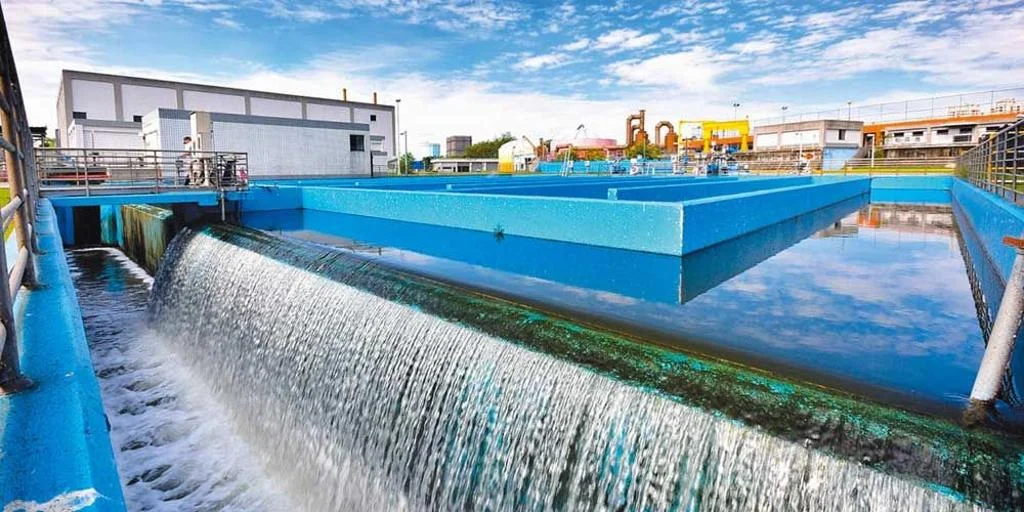
India is one of the world's largest extractors of groundwater. Overextraction has not only led to a continuous decline in water levels but has also triggered issues such as seawater intrusion (in coastal regions), land subsidence, and a reduction in river baseflow. Many rivers that were once perennial have transformed into seasonal streams or have dried up completely. Although the *Model Bill for the Conservation, Protection, and Regulation of Groundwater (Sustainable Management) of 2017* emphasizes participatory management and mandatory recharge mechanisms, state-level legislation remains fragmented, and enforcement efforts are inconsistent.
How to Improve the Current Situation
In the face of the complex crisis of 2026, India needs to shift its focus from "emergency relief" to "resilience building," exerting concerted efforts across four dimensions: climate adaptation, infrastructure upgrading, efficiency enhancement, and cultural transformation.
Climate Adaptation: From Reliance on Nature to Proactive Management
Reservoirs and Water Source Diversification: The immediate priority is the restoration and expansion of water storage facilities. The "Sujal Bharat" national digital framework, introduced under JJM 2.0, assigns a unique ID to every village and digitally maps water supply systems from source to tap, thereby facilitating precision management. Concurrently, it is essential to accelerate the implementation of inter-basin water transfer projects (such as the Ken-Betwa River Linking Project) and to explore unconventional water sources, such as seawater desalination and the recycling of urban wastewater.
Artificial Groundwater Recharge: The *Master Plan for Artificial Recharge to Groundwater*, formulated by the Central Ground Water Board (CGWB) in 2020, proposes the construction of 142 million rainwater harvesting and recharge structures, aiming to utilize 185 billion cubic meters of rainfall runoff. Practical experience has demonstrated the significant efficacy of these recharge structures: check dams in Tamil Nadu have raised groundwater levels by 1 to 3.5 meters, while check dams in the Udaipur region of Rajasthan achieve an average annual recharge of 779,000 cubic meters, supporting 16% of the winter agricultural production in neighboring communities.
Universalizing Rainwater Harvesting: The "Jal Shakti Abhiyan: Catch the Rain" campaign should be institutionalized as a permanent initiative. As early as 2002, Tamil Nadu enacted legislation mandating the installation of rainwater harvesting systems in all new buildings; such successful models should be replicated nationwide. At the urban level, abandoned borewells can be repurposed as recharge shafts (as demonstrated by the project in the Jallipeta locality of Hyderabad, where two disused borewells collectively possess an annual recharge potential of 24.53 million liters).
The Efficiency Revolution: Advanced Water Conservation in Agriculture and Industry
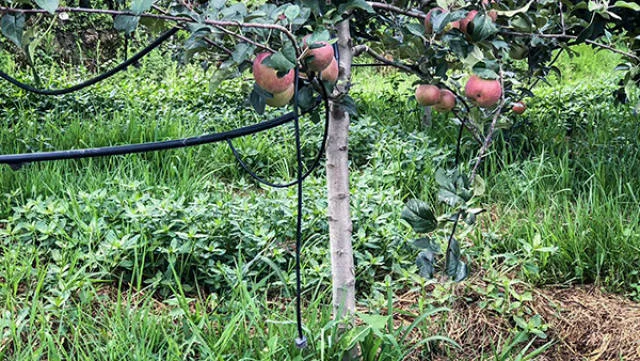
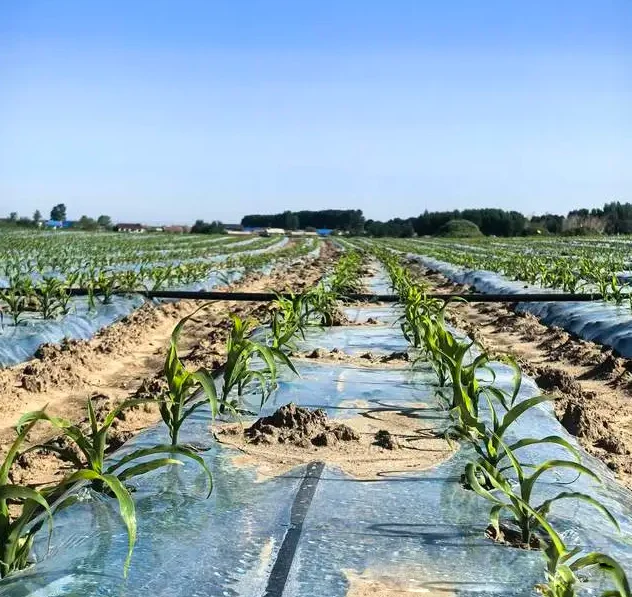
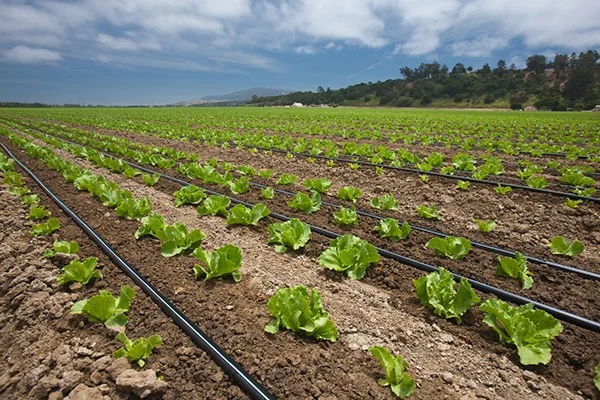
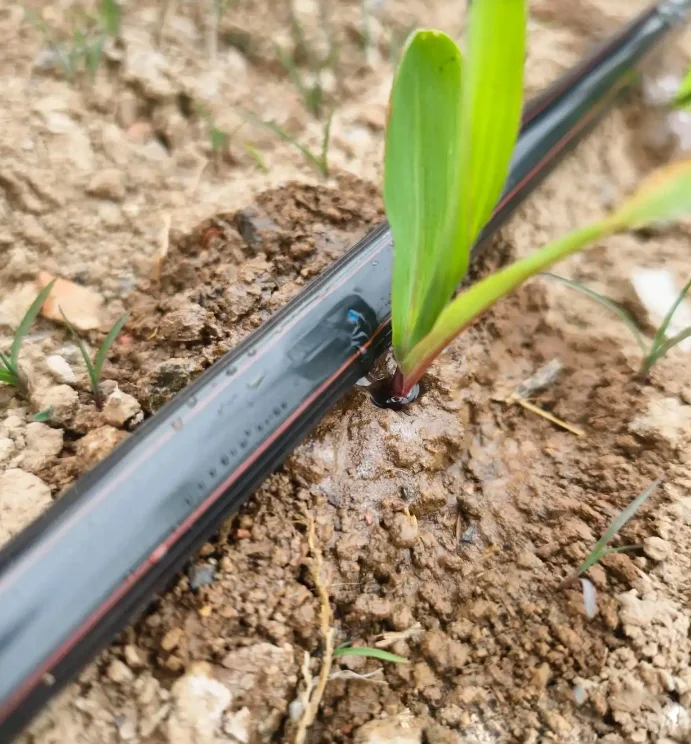
Agricultural Technological Transformation: Micro-irrigation techniques—specifically drip and sprinkler irrigation—can boost irrigation efficiency by 30% to 50%. The implementation of the "Water for Every Field" (Har Khet Ko Pani) initiative and micro-irrigation subsidy schemes under the Pradhan Mantri Krishi Sinchai Yojana (PMKSY) must be accelerated. Concurrently, cropping patterns should be adjusted to reduce the acreage dedicated to water-intensive crops, such as rice, while promoting the cultivation of drought-resistant varieties. Studies indicate that for every 10% increase in irrigation efficiency, the volume of water saved is sufficient to double the available supply of potable water.
Industrial Water Recycling: Water-intensive industries must be mandated to implement Zero Liquid Discharge (ZLD) systems, while the regeneration and reuse of wastewater should be actively promoted. Furthermore, the establishment of "water banks" and comprehensive water budgeting systems is essential to facilitate the market-based allocation of water resources.
Plugging the Leaks: Infrastructure Repair and Smart Water Management
The most direct—and indeed the most "cost-effective"—solution is to first retain the water already at hand. Data from India's water authorities indicates that even a 10% reduction in Non-Revenue Water (NRW) could save water utilities tens of millions of rupees annually. Repairing pipe leaks is a far more economical approach than developing new water sources.
Several cities have already taken pioneering steps in this direction. Cities such as Surat, Pune, and Chennai are installing digital water meters on a large scale, utilizing IoT technology to monitor water consumption in real time; this enables officials to detect leaks in the distribution network early on, as well as to identify anomalous consumption patterns and instances of unauthorized connections. At the household level, pilot projects in Bangalore and Coimbatore have automated water pumping by installing sensors and smart switches in rooftop storage tanks; these systems automatically activate when the municipal supply becomes available and shut off once the tank is full, saving the average household up to 40% on electricity bills. As some observers have noted, what India needs is not more dams or deeper wells, but rather the establishment of a new relationship with its water resources—one grounded in measurement, accountability, and respect.
Water Security Is National Security
The heatwaves and water crisis of 2026 serve as a stark wake-up call. When 35% of major reservoirs run dry before the peak of summer arrives; when rural women still toil under the scorching sun in search of water sources; and when urban water leakage alone is sufficient to irrigate millions of hectares of farmland—India must recognize that water security is not merely a technical engineering challenge, but a comprehensive test of its governance systems, economic models, and cultural values.
From the structural reforms of JJM 2.0 to the nationwide movement of "Catch the Rain"; from the technological empowerment of smart water grids to the traditional wisdom embodied in the revival of *Johads*; from the economic leverage of tiered water tariffs to the institutional innovation of community-led management—the path to resolving this crisis is now clear. The critical question is whether India can seize the 2026 crisis as a turning point, transforming the slogan "Jal Sanchay se Jan Bhagidari" (Water Conservation through Public Participation) into an irreversible institutional reality.
India's water future hinges on whether, today, it can look at every single drop of water and simultaneously perceive both the urgency of the crisis and the possibility of hope.