


PE-RT Pipe: Temperature Limits, Systems and Applications
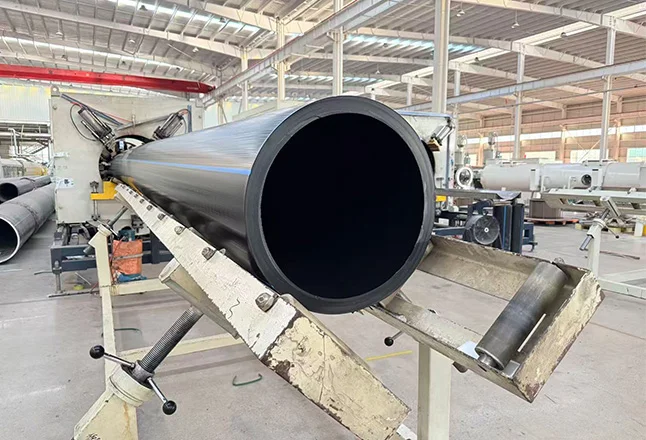
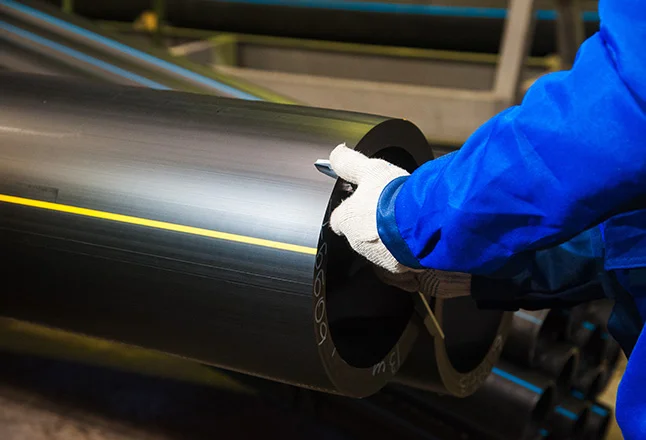
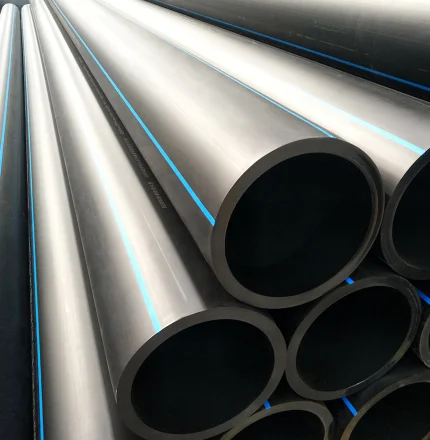
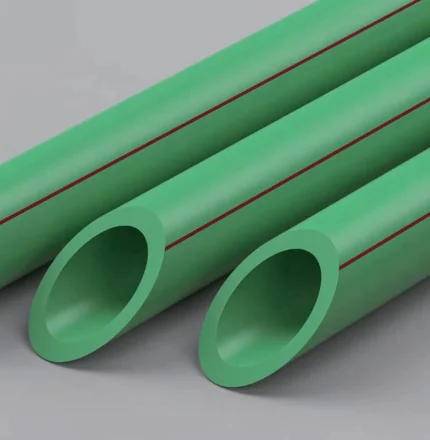
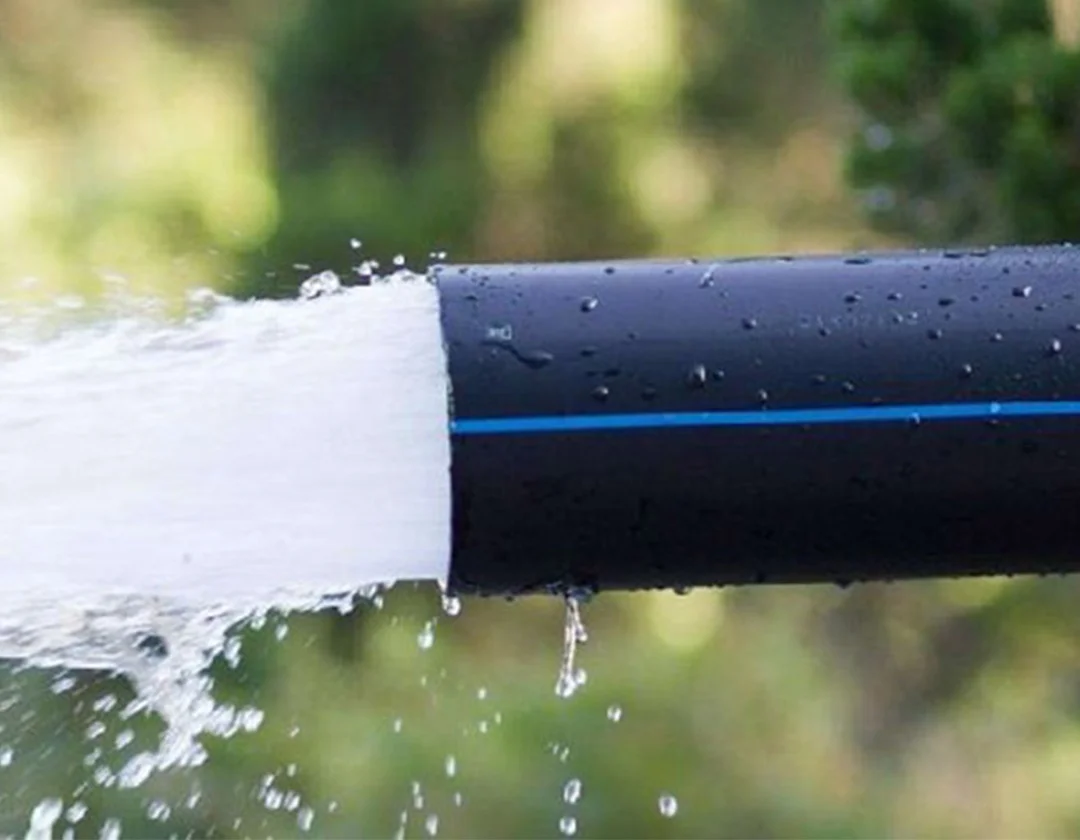
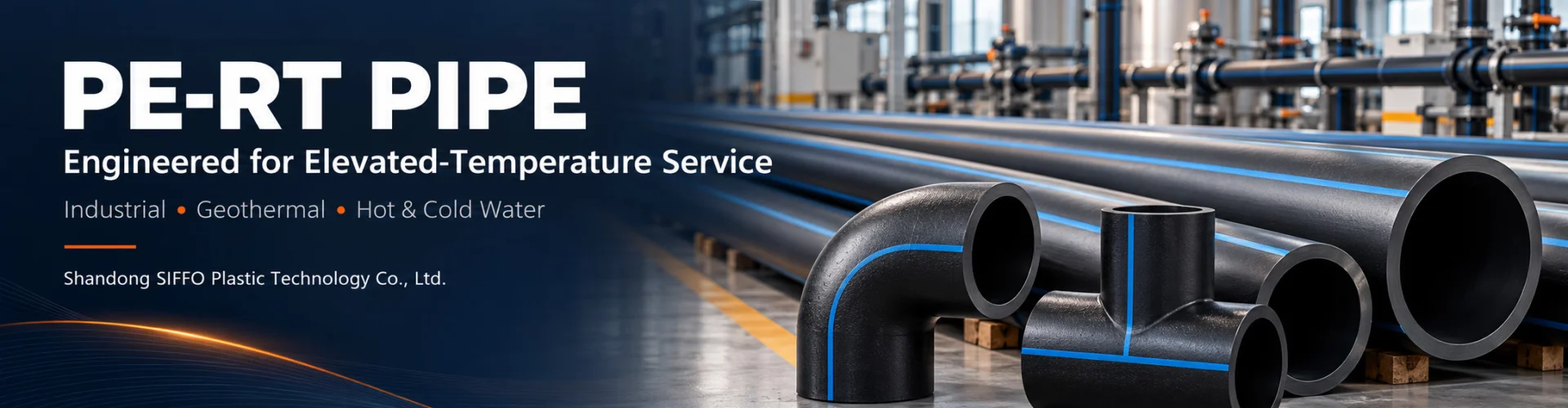
PE-RT pipe is polyethylene pipe specifically engineered for elevated-temperature service. PE-RT stands for polyethylene of raised temperature resistance. Its molecular structure helps the material retain useful strength and performance at higher temperatures, extending the range of applications available to polyethylene piping.
From residential hot water distribution to industrial fluid transfer, PE-RT offers an option for projects requiring the handling advantages of polyethylene together with improved temperature capability.
What Makes PE-RT Pipe Suitable for Elevated Temperatures?
The molecular architecture of PE-RT incorporates connections between the crystalline regions of the polymer, helping it maintain performance under elevated-temperature conditions.
PE-RT products include small-diameter tubing for building services and larger pressure pipes for industrial applications. These categories can have different dimensions, standards, connection methods and operating ratings.
Consequently, “PE-RT pipe” describes a material category rather than one universal product specification. Buyers should identify the exact product construction and its documented service conditions.
PE-RT Pipe vs Standard PE4710: Working Temperature Differences
Conventional PE4710 pressure pipe is commonly used at operating temperatures up to approximately 60°C (140°F), subject to appropriate pressure reduction. Certain specially engineered industrial PE-RT products support operation up to 82°C (180°F) under their published conditions. These figures are useful comparison points, rather than universal ratings for every polyethylene pipe.
| Comparison | Conventional PE4710 pressure pipe | PE-RT pipe |
|---|---|---|
Temperature capability | Commonly used up to about 60°C / 140°F | Selected industrial products support up to 82°C / 180°F |
Primary selection purpose | Pressure service within conventional PE operating conditions | Elevated-temperature polyethylene piping |
Pressure at higher temperatures | Requires verification and temperature adjustment | Also requires verification and temperature adjustment |
Material designation | PE4710 | Some industrial PE-RT materials also carry a PE4710 designation |
Fitting selection | Must match the specified service conditions | Must support the required elevated-temperature duty |
Can PE-RT Also Be PE4710?
Yes. PE-RT and PE4710 are not mutually exclusive descriptions. Some industrial PE-RT materials also have a PE4710 designation, as demonstrated by published manufacturer documentation.
Therefore, a PE4710 marking alone does not establish whether a product has the elevated-temperature capability required for a project. Check the exact material and finished-pipe documentation.
Higher Temperature Still Affects Allowable Pressure
Improved temperature resistance does not mean that PE-RT maintains its room-temperature pressure rating when carrying hot fluids.
For example, a pipeline intended to transport water continuously at 75°C needs a documented allowable pressure at 75°C. A statement that the pipe can withstand temperatures “up to 82°C” does not establish whether it meets the required operating pressure and design life.
Project specifications should identify normal operating temperature, maximum continuous temperature, short-duration excursions and the expected time spent under each condition.
Main PE-RT Pipe Applications
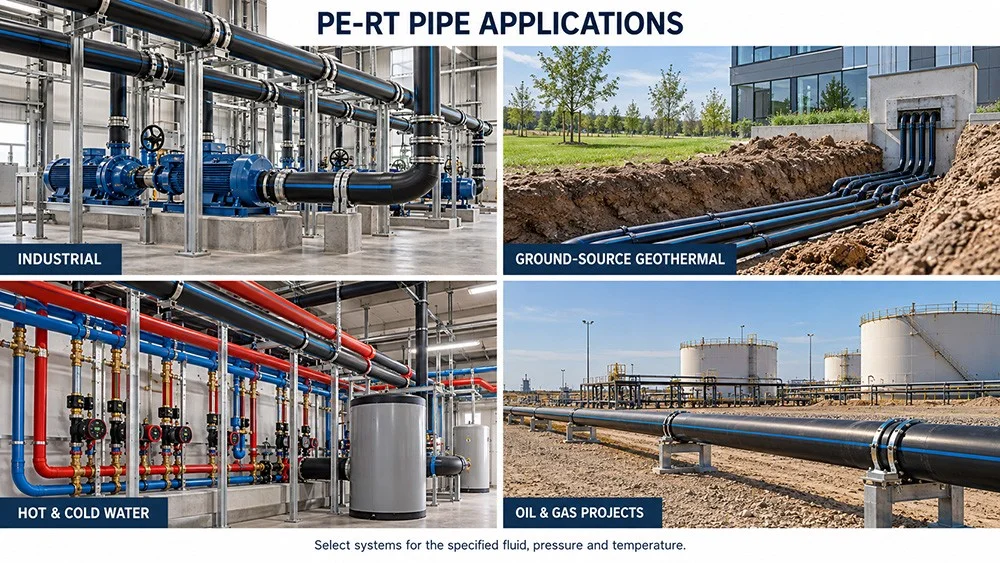
Industrial Fluid Transport
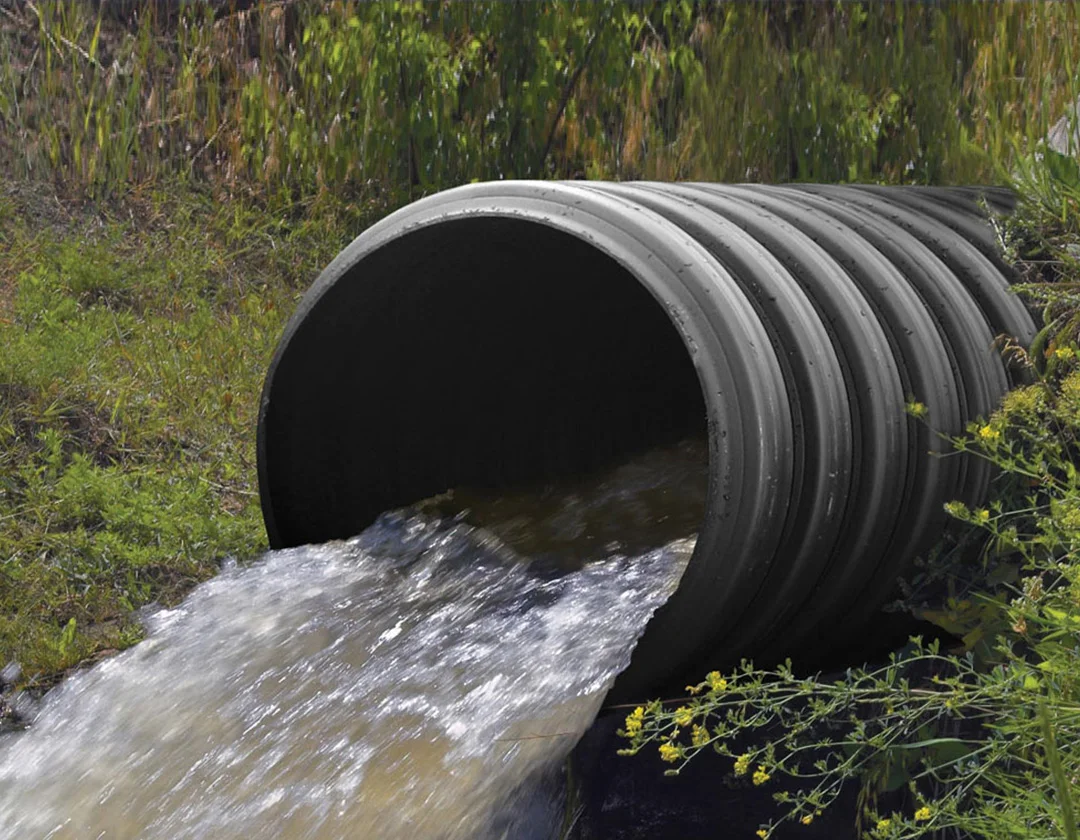
Purpose-designed industrial PE-RT pipe is used where operating temperatures exceed the usual range of conventional polyethylene pressure piping.
Geothermal and Ground-Source Energy Systems
PE-RT is used in ground-source geothermal heat-exchange systems, including vertical boreholes and horizontal ground loops. PPI identifies PE-RT among the piping materials used for these applications.
Residential and Commercial Hot and Cold Water Systems
PE-RT tubing is used for residential and commercial hot and cold water distribution, hydronic heating and cooling, and related building-services applications. Its flexibility and low weight can assist handling and routing.
Oil and Gas Projects Transporting Elevated-Temperature Fluids
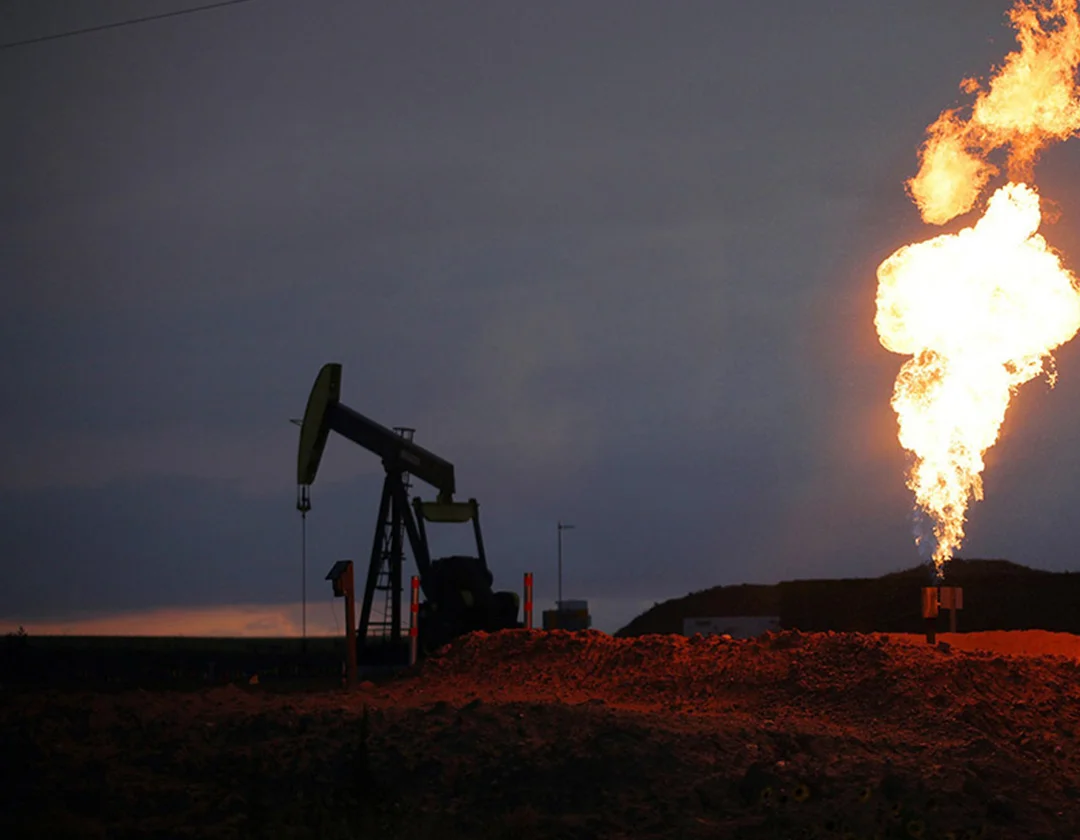
Selected industrial PE-RT products are intended for oil and gas gathering applications. Their published specifications provide examples of polyethylene systems designed for elevated-temperature energy-sector service.
How to Select a PE-RT Piping System
Before requesting a quotation, define the fluid, temperature profile, pressure, dimensions, installation conditions and required design life.
Ask the supplier for a coordinated proposal covering pipe, fittings and transitions. Supporting documents should identify allowable pressure at the design temperature, applicable standards, joining procedures and any required drinking-water approvals.
For exposed installations, include thermal movement, supports, insulation and sunlight exposure in the review. For buried installations, specify handling, trench conditions and inspection requirements.
Comparing these documented conditions provides a stronger basis for procurement than comparing maximum temperature claims alone.
Frequently Asked Questions
What is PE-RT pipe used for?
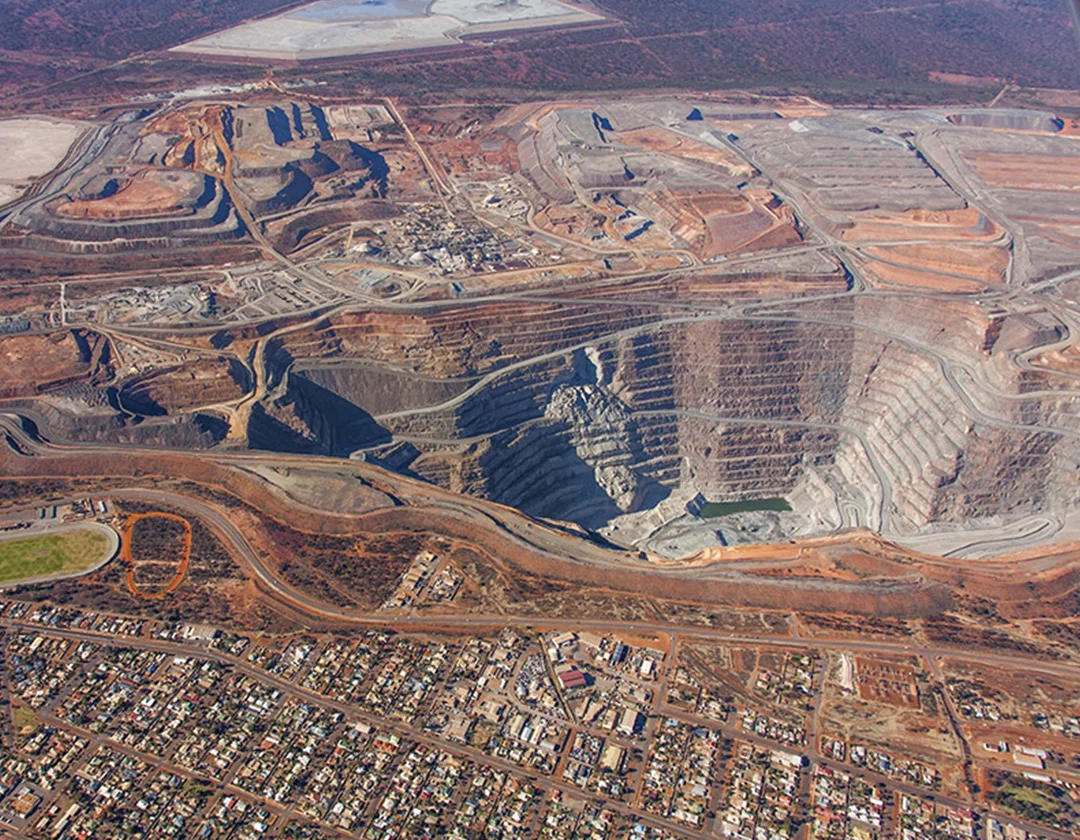
PE-RT is used in hot and cold water plumbing, hydronic systems and ground-source geothermal loops. Purpose-designed industrial products also serve selected industrial, mining, and oil and gas gathering applications.
What is the temperature difference between conventional PE4710 and PE-RT pipe?
Conventional PE4710 pressure pipe is commonly used up to approximately 60°C (140°F). Certain industrial PE-RT products support operation up to 82°C (180°F). Allowable pressure and service conditions must be checked for the exact product.
Does PE-RT pipe require PE-RT fittings?
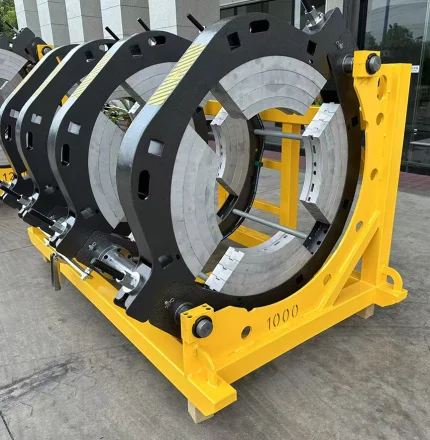
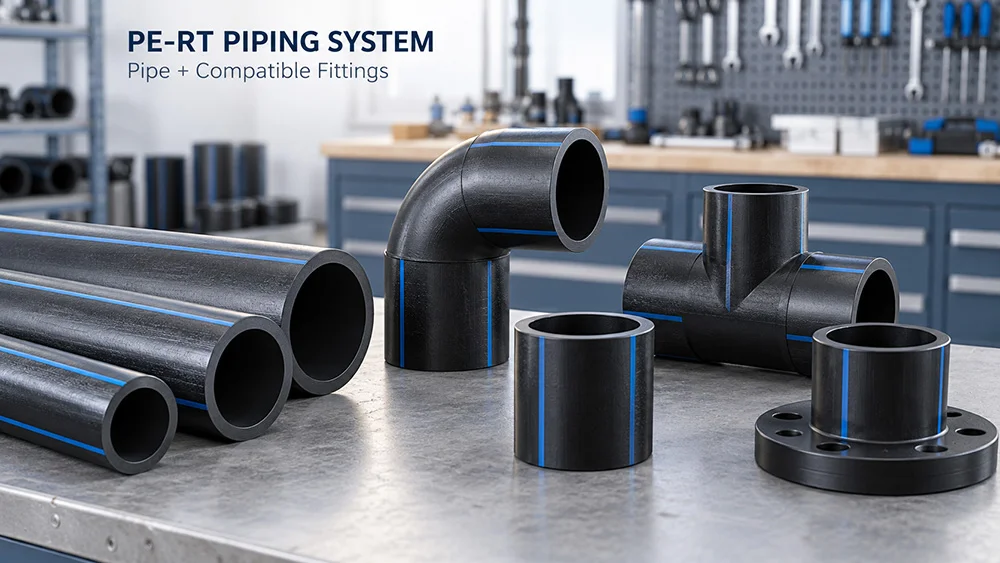
A fusion-based system normally combines compatible PE-RT pipe and PE-RT fittings. Some building-services systems use approved fittings made from other materials. All components and joints must suit the specified duty.
Can PE-RT pipe carry hot fluids in oil and gas projects?
Selected products can, where their qualification covers the intended fluid, temperature, pressure and service conditions. General PE-RT identification alone does not establish suitability.
Does PE-RT retain its room-temperature pressure rating at higher temperatures?
Do not assume this. Use the manufacturer’s allowable pressure for the actual temperature, pipe dimensions and service conditions.
Discuss Your Elevated-Temperature Piping Requirements
Planning an industrial, geothermal or hot water project? Send Shandong SIFFO Plastic Technology Co., Ltd. your fluid specification, temperature profile, required pressure, pipe dimensions and destination-market requirements for a project discussion.
Request confirmation of available PE-RT pipe and fitting specifications, supporting pressure-temperature data and applicable compliance documents before finalizing your selection.