



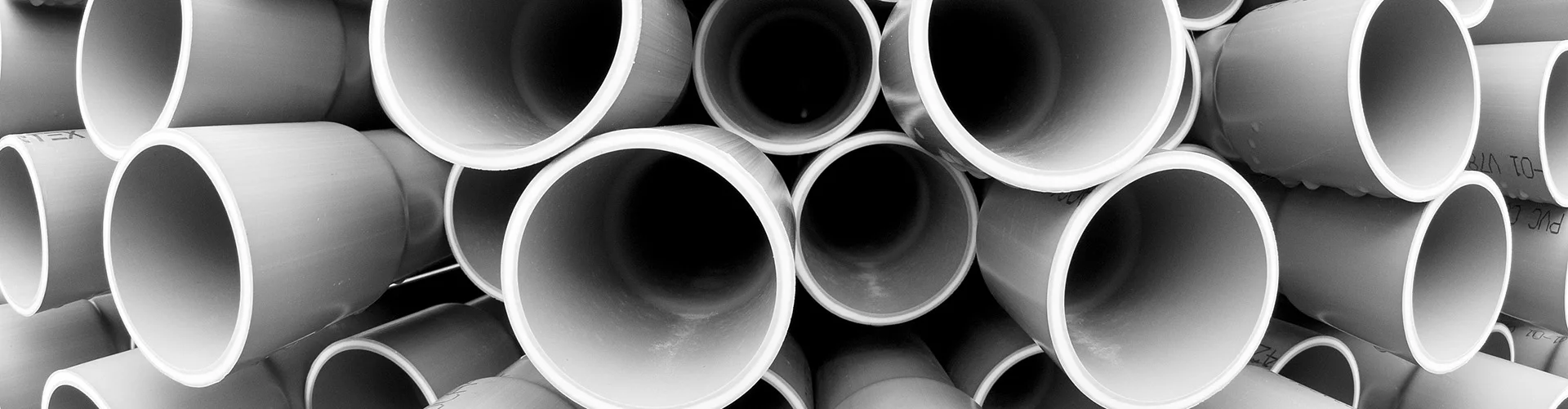
Chlorinated polyvinyl chloride resin (CPVC or PVC-C) is a product of polyvinyl chloride resin (PVC) after chlorination. The chlorine content typically reaches 61%-68%, exhibiting different properties compared to PVC with a chlorine content of 57%. The determining factor is the chlorine content. Studies have shown that with increasing chlorine content, molecular bond polarity increases, and intermolecular forces strengthen. CPVC resin exhibits significantly improved physical and mechanical properties compared to PVC, particularly in weather resistance, chemical corrosion resistance, heat distortion, solubility, and flame retardancy/self-extinguishing properties.
CPVC pipes are an excellent type of pipe, possessing not only high strength but also excellent heat resistance, aging resistance, chemical corrosion resistance, and flame retardancy. They are also unaffected by chlorination corrosion from residual chlorine in water. The main characteristics and advantages of CPVC pipes are as follows:
1. Tensile strength is nearly 30% higher than PVC, with lower deflection;
2. Pipes and fittings are made of the same material and can be bonded with a special adhesive, making it convenient and reliable;
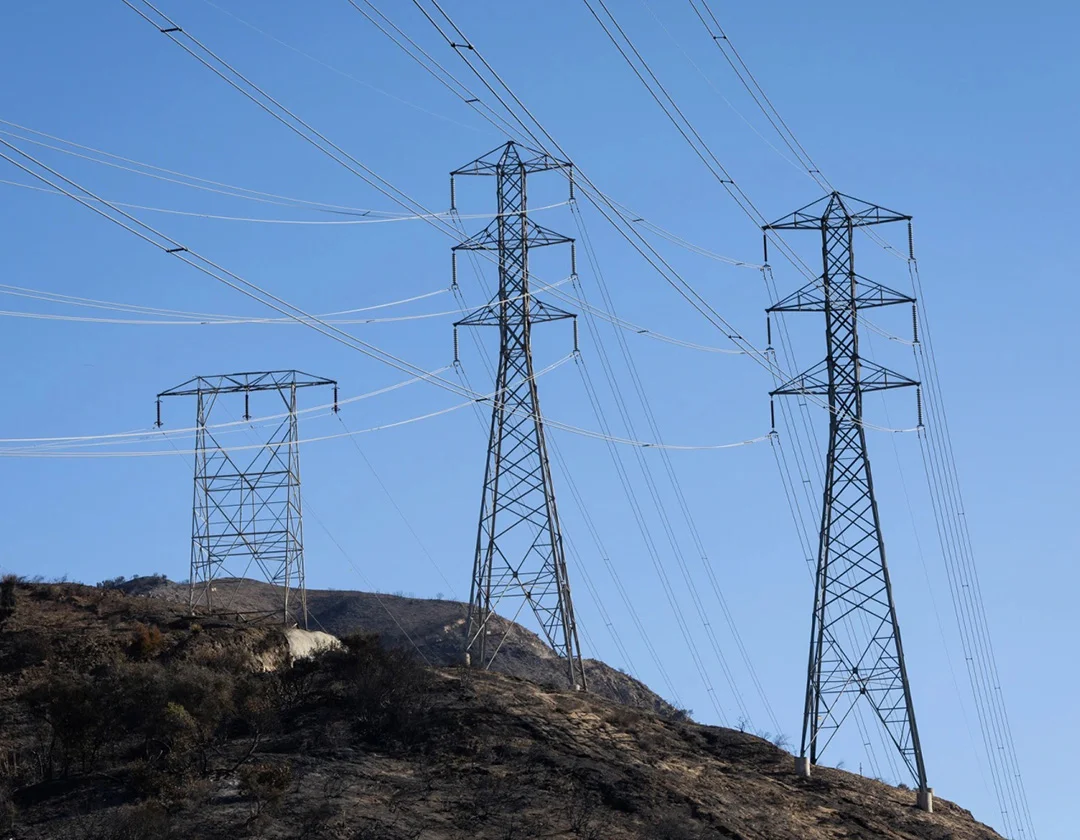
3. Excellent flame retardancy, with an oxygen index reaching 60, far exceeding that of ordinary plastics. It can be used as a protective conduit for power cables and is the only plastic pipe suitable for use as a fire sprinkler pipe;
4. High temperature resistance, corrosion resistance, poor oxygen permeability, and no water droplet formation, making it widely applicable in the chemical industry, especially in the chlor-alkali industry where high-temperature acid and alkali liquids are discharged;
5. Low thermal conductivity and small coefficient of thermal expansion. Heat-resistant pipes made of CPVC do not easily dissipate heat, resulting in minimal heat loss and eliminating the need for an insulation layer. The pipes are safe and aesthetically pleasing, with low deflection and minimal deformation, making them the preferred choice for indoor hot and cold water risers in high-end hotels and apartments.
6. They offer excellent hygiene, resisting bacterial growth. The bacterial growth rate is 1/60 that of PEX and 1/10 that of copper pipes. Unlike polyolefin materials, they are not easily affected by chlorine in water and do not decompose when exposed to residual chlorine, preventing cracks and leaks.
7. They have a long history of safe use worldwide; in the UK, CPVC pipes have been in use for nearly 70 years and are still functioning normally.
Applications of PVC-C Pipes:
Widely used in residential water supply, hot water systems, piped drinking water systems, commercial pure water systems, deionized water systems for the electronics industry, pure water systems for medical dialysis, and hot and cold water systems for air conditioning. In North America, PVC-C pipes hold a 30% market share in these areas. In recent years, they have also seen increasing applications in residential building water supply systems, especially hot water systems. PVC-C automatic sprinkler systems officially entered service in the United States in 1986 and have over 20 years of successful application experience. Blaze Master PVC-C automatic sprinkler pipes have obtained certifications from relevant fire protection agencies such as UL (Underwriters Laboratories), ULC (Underwriters Laboratories Canada), FM (Factory Mutual Insurance Institute), and LPC (Landsworth Prevention Council).
PVC-C fire-fighting pipes are ignition-resistant, flame-retardant, and resistant to exposed combustion. The gases produced after combustion do not have adverse effects on the body. They also have a smooth surface, low pressure loss, and are energy-efficient. They are virtually immune to microbial corrosion, have a quick and reliable installation process, and strong pressure resistance. They are suitable for light-hazard and medium-hazard Class I buildings as defined in GB50084. However, it is important to note that PVC-C fire-fighting pipes are only suitable for wet-pipe automatic sprinkler systems and are strictly prohibited from being used to transport compressed air or other gases.
PVC-C hot and cold water pipes are made from seawater salt, making them environmentally friendly. The pipes have strong chlorine resistance, ensuring safe and healthy water quality. The system is oxygen-free, preventing corrosion due to oxidation. They are not only more corrosion-resistant than metal pipes but also more corrosion-resistant than other plastic pipes such as PPR. They can withstand strong concentrated sulfuric acid and strong alkalis. They can withstand temperatures up to 93℃ and as low as -26℃ without problems. Hot water piping systems can be buried in cement slabs, while PPR's long-term temperature resistance cannot exceed 70℃.
Due to its excellent corrosion resistance, high temperature resistance, high mechanical strength, and superior chemical resistance, PVC-C is widely used in fluid transportation pipeline systems in fields such as pressurized water supply and drainage, water treatment, petroleum, chemical, power, electronics, metallurgy, mining, shipbuilding, electroplating, papermaking, food, medicine, chlor-alkali, aquaculture, and seawater treatment.
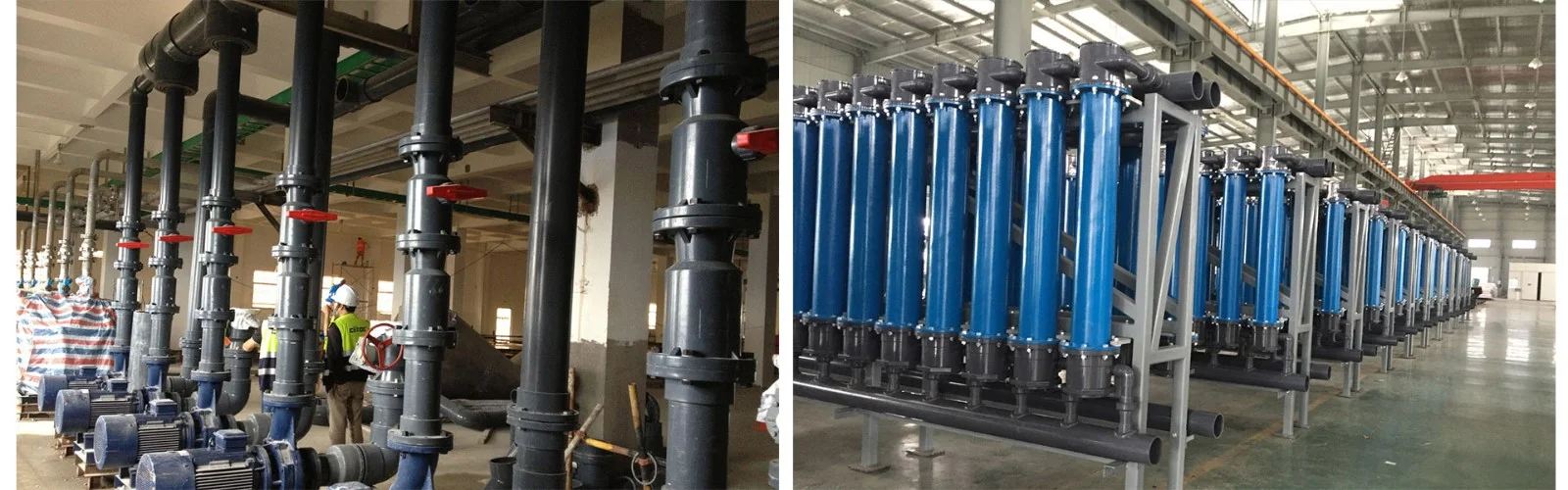
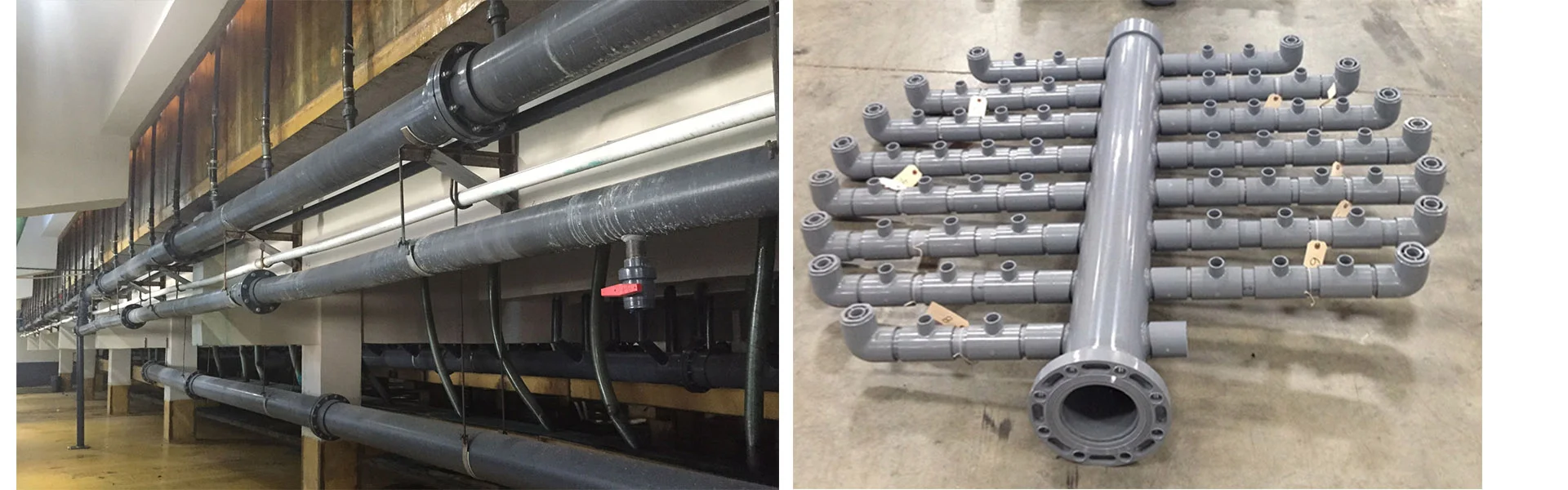
Precautions for Selecting PVC-C Industrial Piping Systems
I. PVC-C pipes are suitable for fluid transportation systems; they are not suitable for transporting gas-solid two-phase fluids; they should not be used for transporting compressed air or other compressed gases.
II. Pipe Pressure-Temperature Rating: The pressure-temperature rating of the selected pipe material and components should be determined based on the fluid conditions and environmental influences. Appropriate safety margins regarding environmental impacts should be considered during selection. Temperature refers to the range of continuous operating temperatures the material can withstand and the highest temperature that may occur during operation.
III. This product should be appropriately selected based on the application requirements for transporting flammable media, in conjunction with relevant fire prevention and explosion-proof regulations, standards, or specifications.
IV. This product should be appropriately selected based on the application requirements for transporting drinking water, food, and pharmaceuticals, in conjunction with relevant hygiene performance regulations, standards, or specifications.
V. In industrial applications, the fluid media transported through pipelines are diverse and complex in composition. For corrosive media, when there is no mature experience in their use, the chemical resistance level of the pipe material must be determined in accordance with Appendix B of GB/T18998.1-2022 Industrial Chlorinated Polyvinyl Chloride (PVC-C) Piping Systems Part 1: General Provisions.