
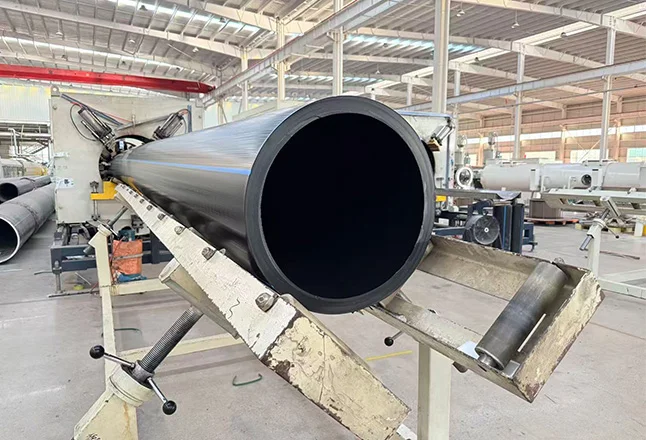

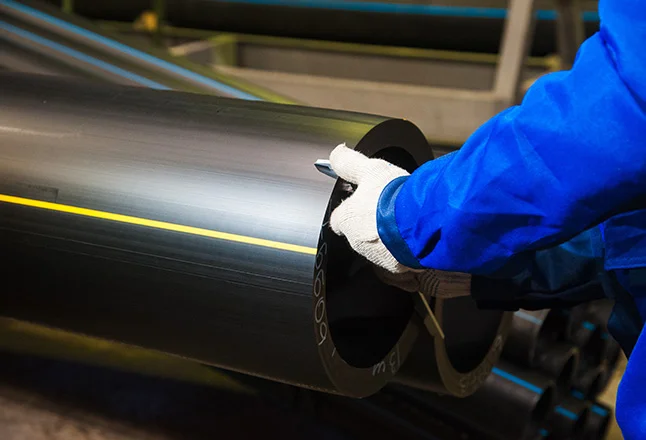
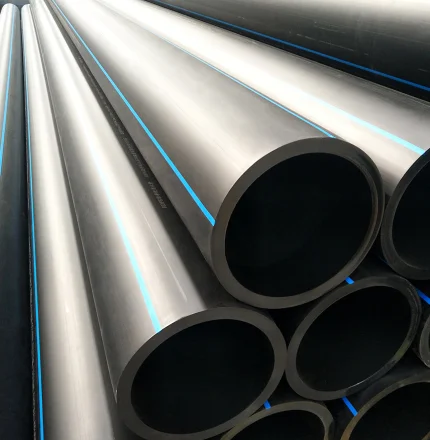
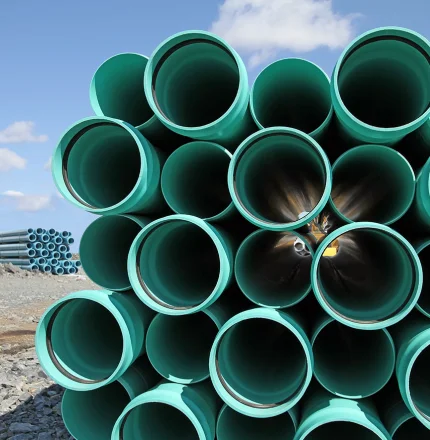
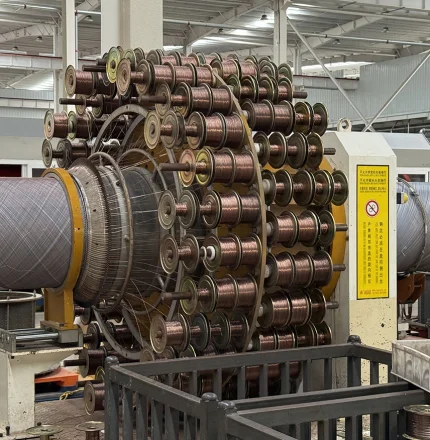
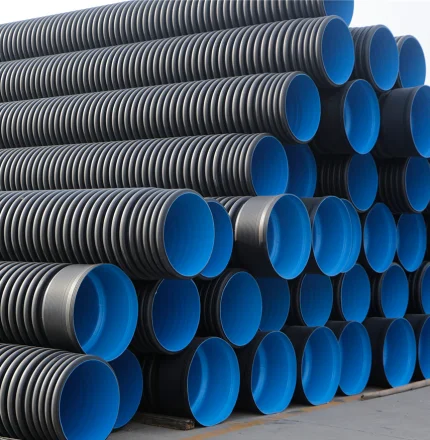
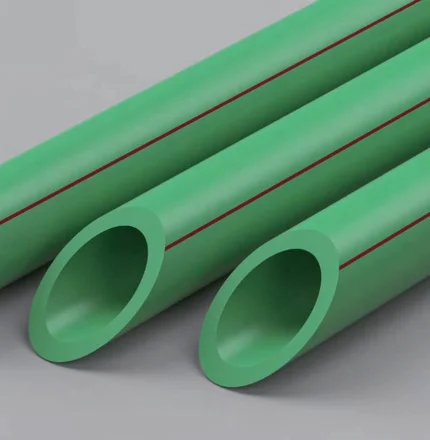
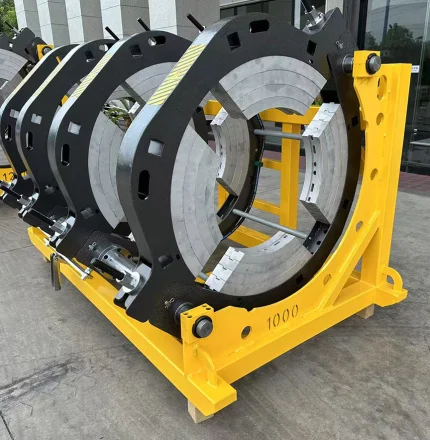
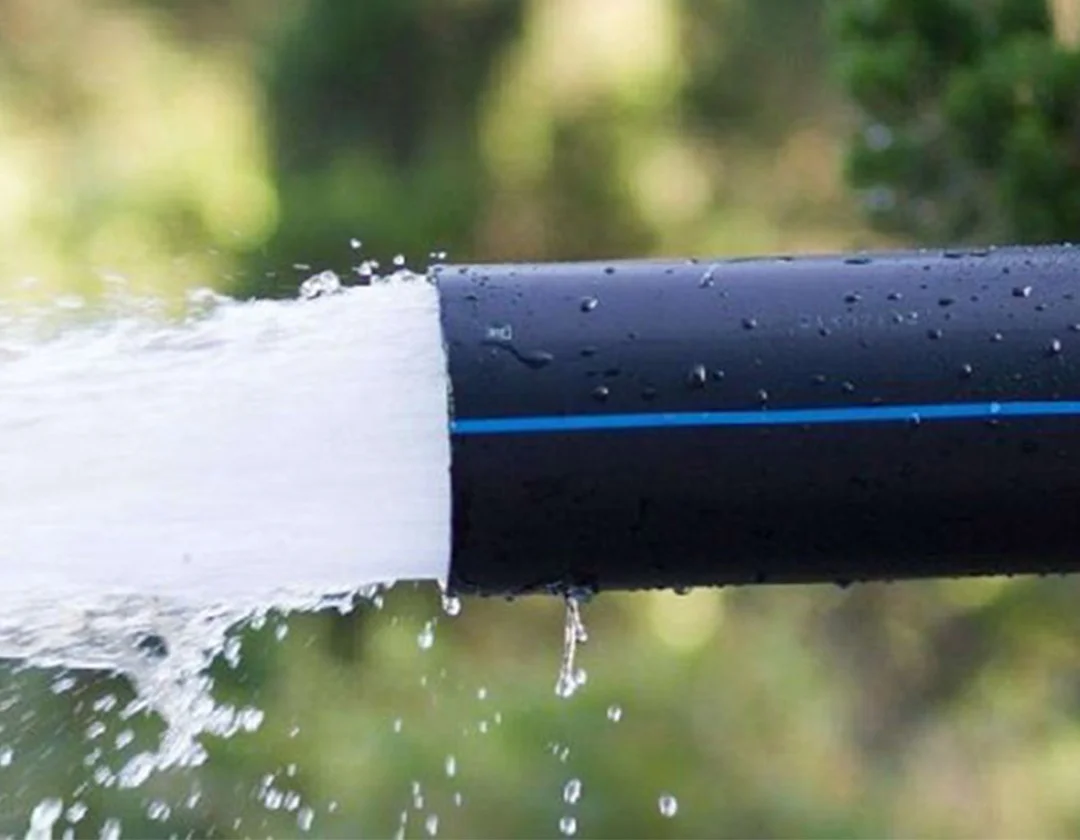
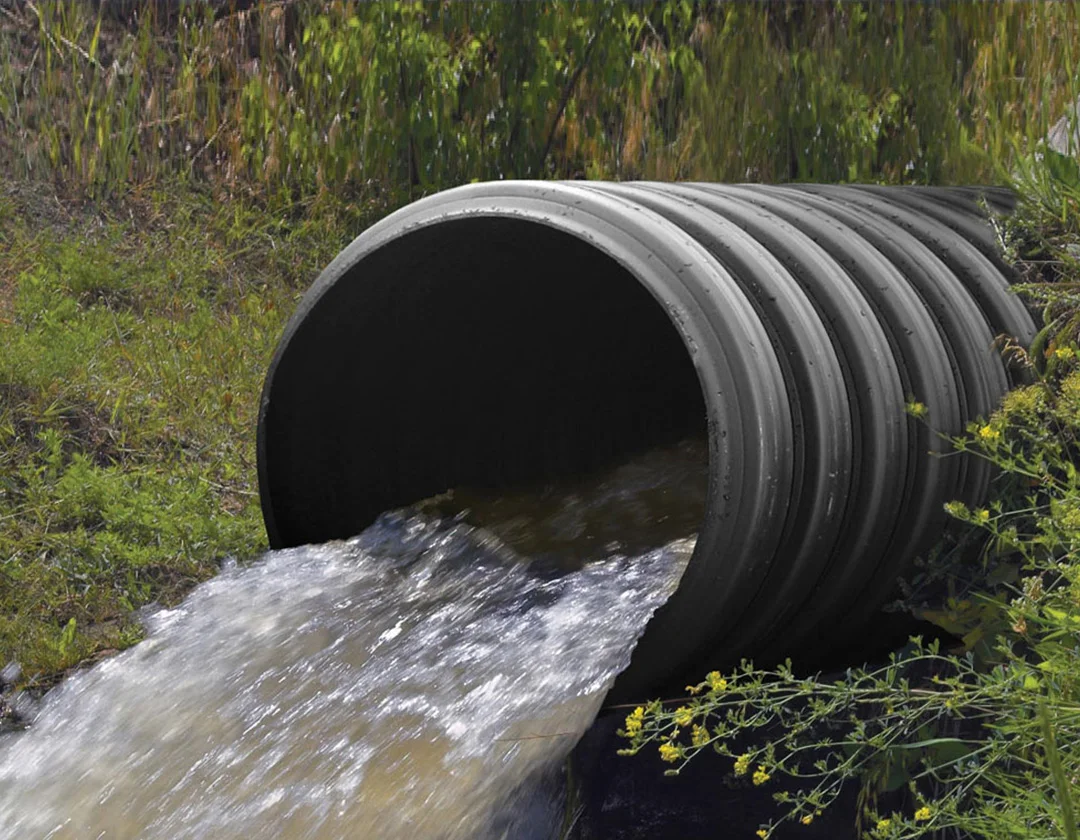
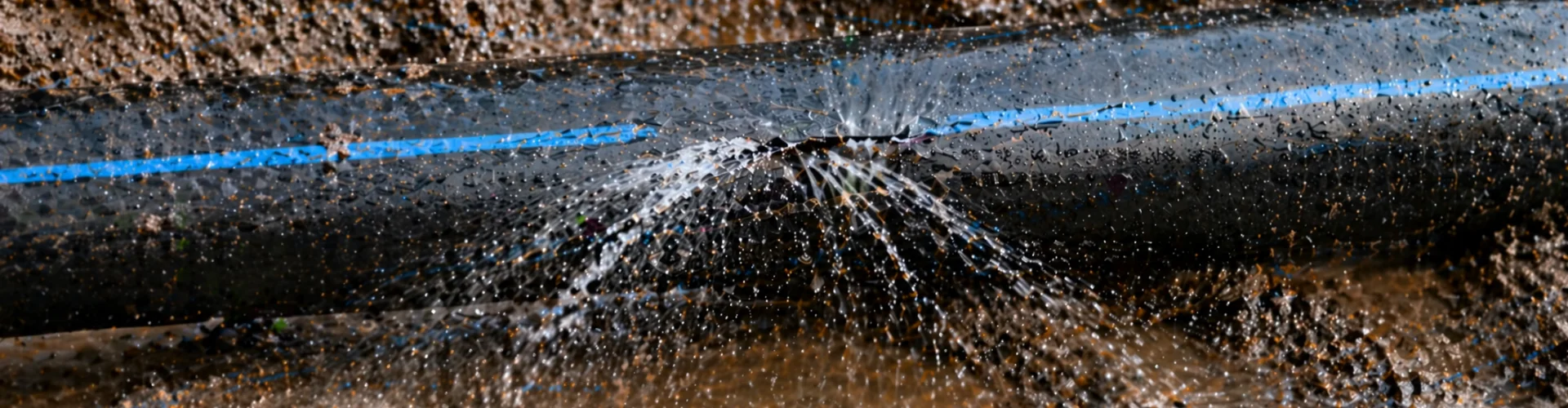
HDPE pipes, as widely used and technologically mature plastic pressure pipes, play an indispensable role in various projects such as municipal water supply and drainage and industrial fluid transportation due to their corrosion resistance, high flexibility, and convenient construction. However, in actual applications, leakage problems are difficult to completely avoid due to various factors such as construction, materials, and environment. Once a leak occurs, not only does it require a large investment of manpower and resources for emergency repairs, but it also seriously affects people's normal production and life. Below, we will analyze in detail the causes of HDPE pipe leaks and targeted emergency repair methods to provide practical reference for engineering operation and maintenance.
The core reason for HDPE pipe leakage
Based on the actual conditions at the engineering site, PE pipe leaks are not accidental; they are mainly related to construction operations, material quality, and laying environment, and can be summarized into the following categories:
Improper construction procedures and substandard joint and laying quality
Improper operation during construction is the primary cause of HDPE pipe leaks, particularly in the areas of heat fusion connection and installation. Firstly, during heat fusion joint connection, construction personnel often fail to strictly adhere to operating procedures, improperly controlling the three key parameters: heating temperature, welding pressure, and holding time. This leads to unstable joint quality, resulting in issues such as incomplete welds and leaks, which can easily cause leaks after prolonged use. More importantly, some construction personnel lack sufficient professional skills and a strong sense of responsibility, being put to work independently after only short-term training. Furthermore, some construction companies exhibit a misguided approach, mistakenly believing that heat fusion joints are simple and safe, neglecting operational details, further exacerbating the risk of joint leaks.
Uneven foundation settlement and pipeline deformation due to stress
In some projects, to meet deadlines, pipelines are laid on uncompacted backfill. Uneven foundation settlement later leads to pipeline wall deformation and uneven pressure distribution, potentially causing pipe bursts and leaks. This is especially true in suburban farmland and near rivers, where the soil is loose after excavation, and backfill is not properly compacted, resulting in poor foundation stability and more pronounced settlement, significantly increasing the risk of pipeline leaks. Furthermore, in some areas, deep pits excavated after transplanting trees and shrubs are not promptly backfilled, leaving pipelines exposed. If these pits are used for garbage incineration, the high temperatures can damage the pipelines, causing leaks.
Inferior material quality and the impact of the on-site environment
Inadequate quality control during material procurement, resulting in the selection of some low-quality HDPE pipes and fittings, inherently leads to uneven material composition and substandard performance, posing a potential threat to the long-term safe operation of the pipeline. Simultaneously, the complex on-site environment, with uncontrollable temperature, humidity, and dust conditions, affects construction quality. For example, dust adhering to the joints reduces connection strength, increasing the likelihood of leaks after prolonged use.
External damage and aging lead to later leaks
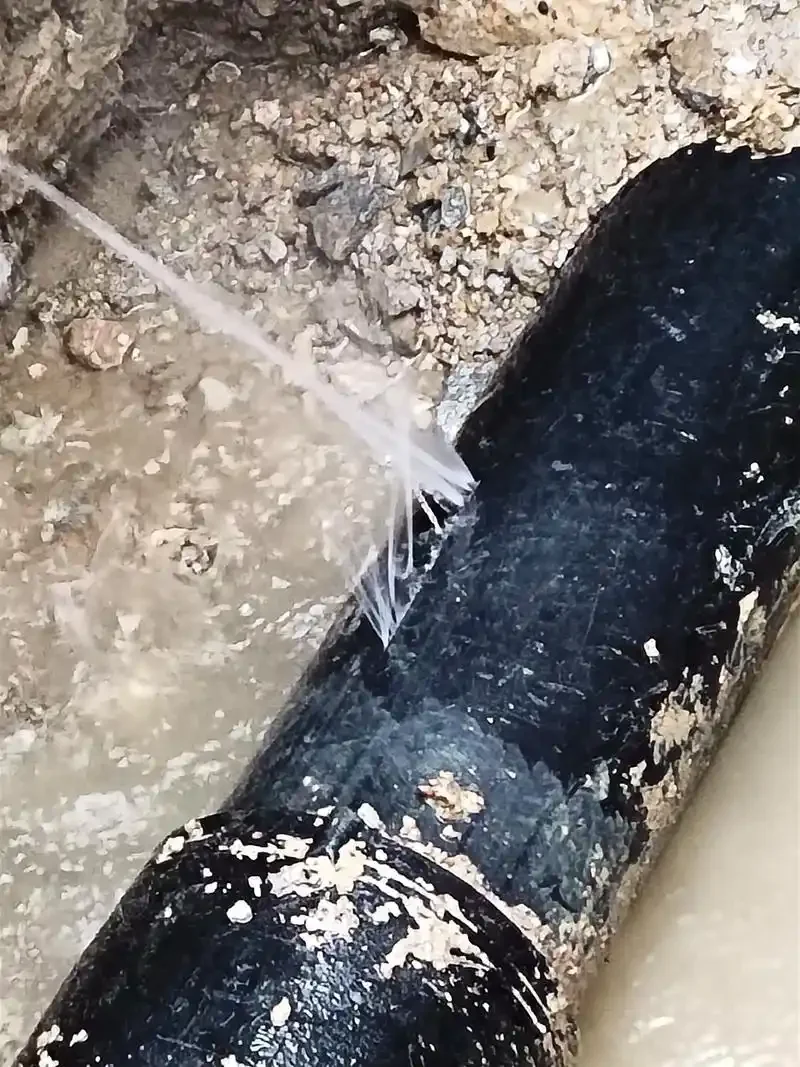
External damage is one of the main causes of leaks in HDPE pipes during operation. Third-party construction and mechanical operations, such as excavator drilling and heavy object crushing, can easily damage the pipes, especially those with insufficient burial depth. After long-term service, HDPE pipe materials naturally age, their mechanical properties gradually decline, and they experience stress cracking and fatigue damage. Frequent pressure fluctuations or vibrations can accelerate the propagation of microcracks, leading to leaks. In addition, damage to the anti-corrosion layer at the steel pipe end of steel-plastic conversion fittings, and misalignment between the saddle-shaped bypass and the groove, can also cause leaks in specific locations.
Practical Emergency Repair Solutions for HDPE Pipelines
The core of HDPE pipeline emergency repair is resolving long-term pipe sealing issues. Based on actual site conditions, repair solutions can be divided into two main categories: "repair by cutting the pipe and shutting off the water supply" and "repair without cutting the pipe and without interrupting the water supply." Specific operations and advantages are as follows:
Cutting the Pipe and Repairing After Water Supply Interruption
When an HDPE pipe leaks, first close the upstream valve and cut off the damaged section. Note that if the valve cannot be closed tightly, or due to special circumstances preventing complete drainage or ensuring the connection is dry, only mechanical or flange connections can be used for repair. If the damaged area is dry and free of water, mechanical, flange, or electrofusion connections can be chosen, depending on the pipe specifications and pressure rating. Electrofusion is suitable for leaks at joints or partial pipe damage; it is convenient and provides a secure connection. Ensure the joint is clean and free of impurities, strictly adhere to welding parameters according to pipe fitting requirements, and pass a pressure test after cooling before use. Flange connections are suitable for larger diameters, higher pressures, or scenarios requiring frequent maintenance. Sealing is achieved by installing flange joints, laying gaskets, and tightening bolts; disassembly is convenient and facilitates future maintenance. Mechanical connections are suitable for emergency situations, offering quick operation and temporary pipe sealing.
No Pipe Cutting, No Water Shutdown Repair
This type of emergency repair method utilizes an HDPE pipe repair kit. This device, composed of a stainless steel shell and a rubber ring, repairs leaks by wrapping the pipe. It requires no pipe cutting and no water shut-off, making it a convenient emergency and permanent repair method widely used in pipeline repair across various industries such as water supply, petroleum, municipal works, and fire protection. Its core advantages and key operational points are as follows:
1. Convenient and Efficient Construction: Small footprint and lightweight, construction can be completed without auxiliary equipment. No special smoothing treatment is required on the pipe ends at the construction site; as long as the pipe is not deformed, it can be installed after wiping off surface dirt. This saves manpower, materials, and time costs, making it particularly suitable for the later maintenance of newly laid pipelines, offering outstanding economic benefits.
2. Strong Adaptability: It can handle various leaks such as pipe punctures, cracks, and pinholes. It can also be used normally for minor misalignments and tilts between pipes. It can withstand external impacts, vibrations, compression, and thermal expansion and contraction, and also has a certain degree of vibration reduction and noise reduction, making it suitable for a wide range of scenarios.
3. Safe and Reliable: No welding or open flame is required, avoiding potential fire hazards caused by heat or open flame. It can be used safely in various environments. Excellent sealing performance; depending on the medium being transported, appropriate repair kits can be selected to ensure long-term stable sealing.
4. Reusable: It has good reusability, especially suitable for temporary pipeline construction. It can be disassembled and reinstalled as needed, further reducing maintenance costs. It is not affected by differences in pipe material; as long as the pipe diameter and deflection angle are within the specified range, it can be used.
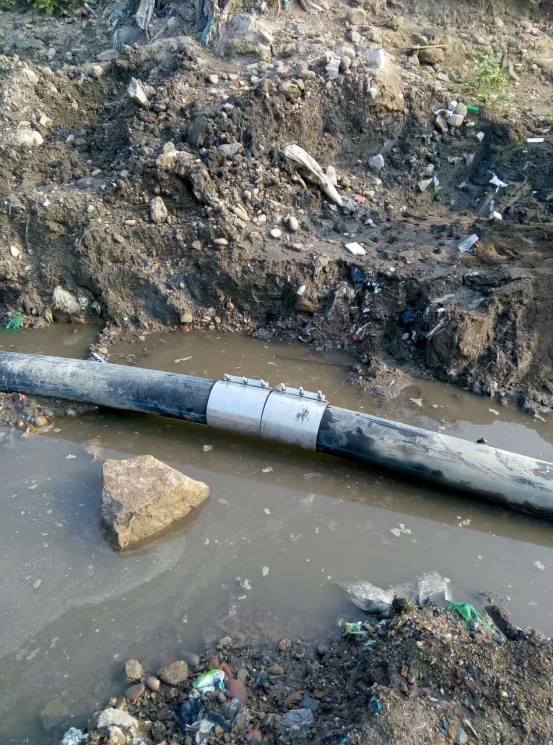
The core causes of HDPE pipeline leaks are concentrated in improper construction, foundation settlement, and substandard materials. These leaks not only affect the normal operation of projects but also cause inconvenience to people's lives. Therefore, during the construction of HDPE pipelines, it is necessary to strictly follow operating procedures, control material quality, and standardize laying and connection processes to reduce the risk of leaks at the source. When a leak occurs, it is necessary to flexibly choose between "water-cut-off repair" or "water-stop repair" methods based on the site conditions, prioritizing convenient, safe, and reliable repair solutions to ensure rapid leak control, eradication of potential hazards, and guarantee the stability of the PE pipeline system, allowing it to fully play its core role in various projects.