
Malaysia Drinking Water Supply Upgrade Project
▎Project Background
This municipal project in Malaysia was initiated to replace an aging and deteriorated water supply network. The existing pipelines suffered from frequent leakage, high water loss, and unstable pressure, impacting the daily water supply of approximately 800,000 residents.
To address these issues, the local government required a modern HDPE water pipeline system that ensures long-term reliability, safe drinking water standards, and minimal disruption during construction.
▎Project Requirements
Comply with international potable water standards
Ensure long service life (50+ years) and corrosion resistance
Maintain stable pressure under 8–16 bar (PN16)
Support water demand for 800,000 Albanians
Enable fast installation to reduce downtime
Minimize impact on urban traffic and daily life
Maintain partial daily water supply during construction
▎SIFFO HDPE Pipe Solution
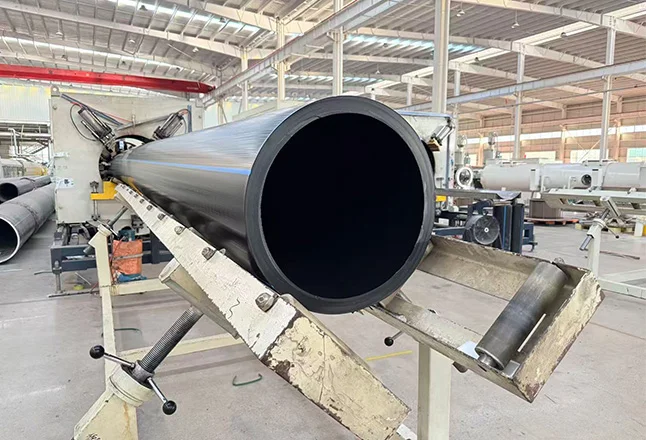
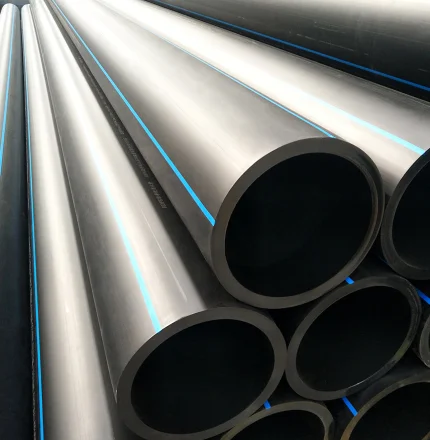
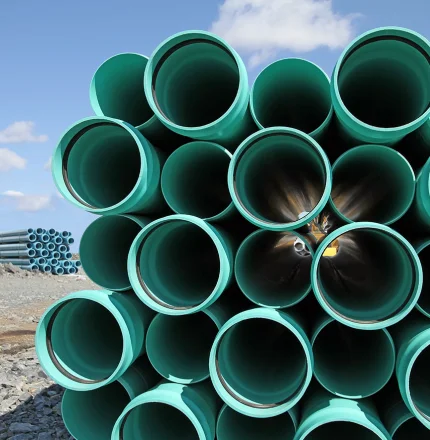
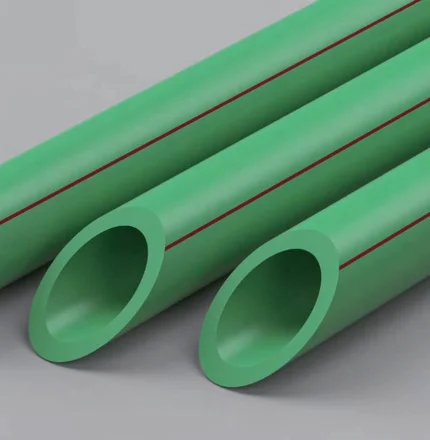
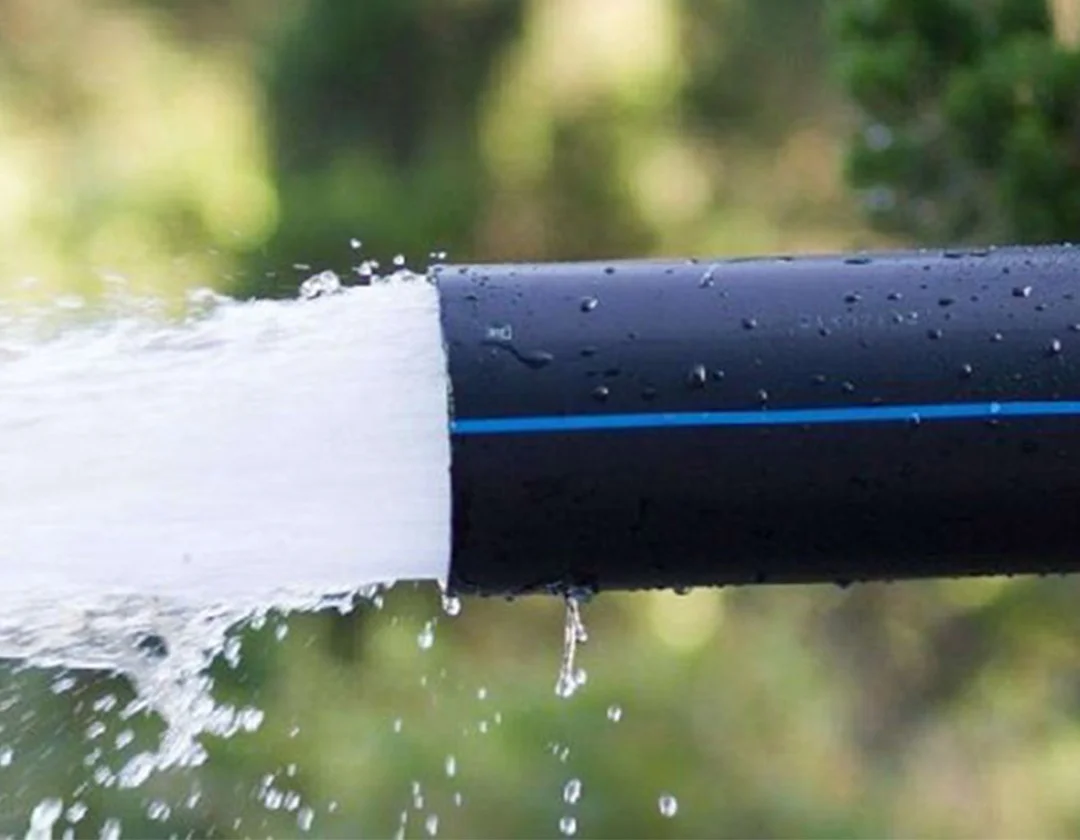
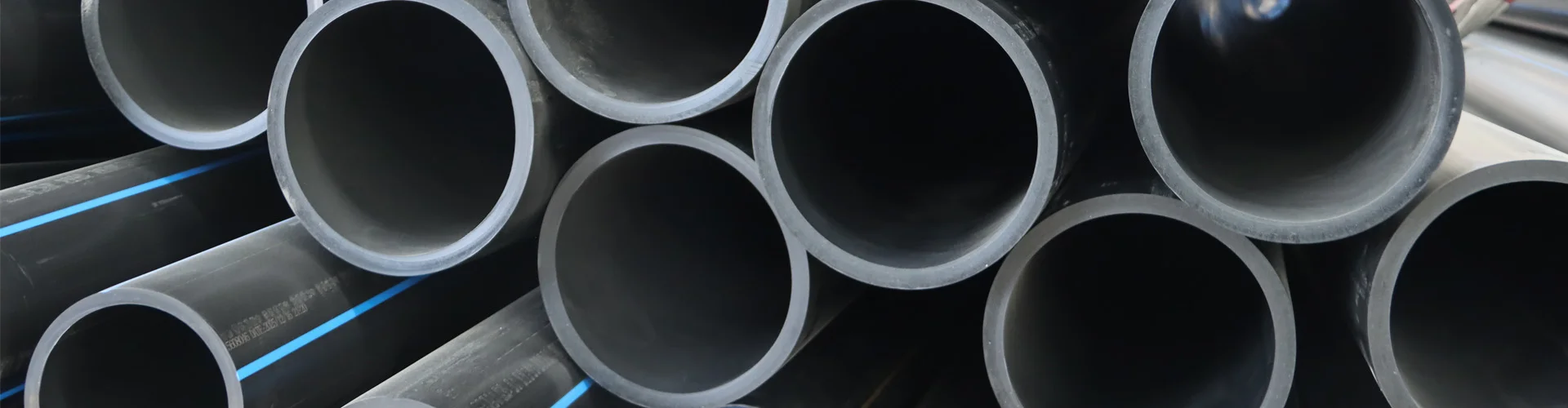
As a professional HDPE pipe supplier in Malaysia, SIFFO provided a complete PE100 HDPE water supply system, optimized for municipal infrastructure.
Technical Specifications
Pipe Diameter: DN110–DN630
Pressure Rating: PN16
SDR: SDR11
Material: High-grade PE100
Application: Potable water supply pipeline
Connection Methods
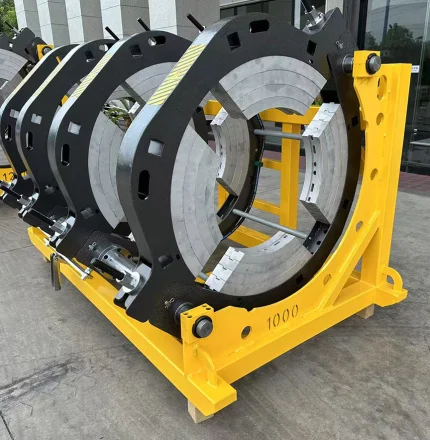
Butt Fusion Welding – Strong, permanent, leak-free joints
Electrofusion Fittings – Ideal for complex urban installation conditions
▎Why HDPE Pipe is Ideal for Malaysia Water Supply
1. Leak-Free Pipeline System
The fully fused HDPE system eliminates traditional joint leakage, reducing water loss and improving efficiency.
2. Long Service Life
HDPE pipes offer over 50 years of service life, with excellent resistance to corrosion, chemicals, and environmental stress.
3. High Pressure Performance
With PN16 rating, the system ensures stable operation under fluctuating water pressure conditions.
4. Safe for Drinking Water
Made from non-toxic PE100 material, fully compliant with potable water safety standards.
5. Fast and Flexible Installation
Lightweight and easy to handle, reducing construction time and labor costs.
6. Minimal Urban Disruption
Flexible pipe structure supports trenchless installation methods, minimizing excavation and city disturbance.
7. Continuous Water Supply During Construction
Phased construction ensured residents maintained daily access to water.
▎Project Results
Significant reduction in leakage rate
Improved water pressure stability
Enhanced supply reliability for 800,000 residents
Lower long-term maintenance costs
Successful modernization of municipal water infrastructure
▎HDPE Pipe FAQ
1. Why was HDPE pipe selected to replace the old municipal water pipelines?
HDPE pipe was selected as a replacement for aging municipal water pipelines because it offers excellent corrosion resistance, flexibility, leak-resistant joints, and a long service life. Compared with many traditional pipe materials, HDPE can provide a reliable solution for upgrading deteriorated water distribution networks.
2. Is HDPE pipe suitable for replacing old municipal water supply pipes?
Yes. HDPE pipe is widely used for municipal potable water transmission and distribution systems. Its lightweight construction, flexibility, corrosion resistance, and fusion-welded joints make it suitable for replacing aging or leaking underground pipelines.
3. What problems can HDPE pipe solve in an aging municipal water network?
Replacing deteriorated pipelines with HDPE can help address common problems such as pipe corrosion, leakage, frequent repairs, joint failures, and reduced hydraulic performance. The continuous fusion-jointed pipeline also helps minimize potential leakage points.
4. Why is HDPE better than old metal pipes for municipal water replacement?
HDPE does not rust or corrode like conventional steel or cast iron pipes. It is also more flexible and resistant to ground movement. In addition, butt fusion and electrofusion can create highly reliable joints, reducing the risk of leakage caused by mechanical connections.
5. How are HDPE pipes connected during municipal pipeline replacement?
HDPE pipes are commonly connected using butt fusion or electrofusion. Butt fusion is particularly suitable for creating long, continuous pipeline sections, while electrofusion can be useful in confined areas, connections, repairs, and complex pipeline configurations.
6. Can HDPE pipe be installed in existing urban areas?
Yes. HDPE's flexibility and relatively low weight make it suitable for urban pipeline replacement projects. Depending on site conditions, HDPE can be installed using conventional open-cut excavation or selected trenchless installation methods, helping reduce disruption to roads and surrounding infrastructure.
7. Does HDPE pipe have a long service life for municipal water systems?
Yes. Properly designed, manufactured, installed, and operated HDPE water pipelines can provide a long service life. Their resistance to corrosion, abrasion, chemical attack, and ground movement makes HDPE a strong option for long-term municipal water infrastructure.
8. Is HDPE pipe safe for potable water applications?
HDPE can be used for potable water systems when the pipe material, production process, and finished products comply with the applicable drinking-water standards and project requirements. For municipal projects, the required certification and standard should be confirmed before procurement.
9. Can HDPE pipe reduce water leakage in old municipal networks?
HDPE can significantly reduce leakage risks when the pipeline is properly designed and installed. Fusion welding creates continuous joints with fewer potential leakage points than many mechanically joined pipe systems, making HDPE particularly suitable for replacing aging and leak-prone pipelines.
10. Can SIFFO supply HDPE fittings together with the replacement pipes?
Yes. A complete municipal pipeline replacement system may include HDPE pipes, elbows, tees, reducers, flanges, electrofusion fittings, and other accessories. Supplying compatible pipes and fittings from one source can simplify procurement and improve system compatibility.
11. How can contractors choose the right HDPE pipe for municipal pipeline replacement?
The selection should consider the required flow rate, operating pressure, pipe diameter, SDR, installation method, soil conditions, water quality requirements, temperature, and applicable standards. For replacement projects, the existing pipeline condition and connection points should also be evaluated before selecting the pipe specification.
12. Can SIFFO provide a customized HDPE pipe solution for municipal water projects?
Yes. SIFFO can support project-based HDPE pipe selection and supply according to required diameters, pressure ratings, SDR classes, standards, fittings, and connection methods. Project information such as pipeline length, operating pressure, installation conditions, and required standards can be provided for a more accurate solution.
13. Can SIFFO supply HDPE pipes for large-scale municipal pipeline replacement projects?
Yes. SIFFO supplies HDPE pipe systems for municipal water infrastructure projects, including pipeline replacement and network upgrades. Depending on project requirements, SIFFO can provide HDPE pipes, fittings, pressure-rated specifications, and technical support for project procurement and installation. Customers can submit the required pipe diameter, pressure rating, quantity, applicable standards, and project location to obtain a project-specific quotation.
▎Your Trusted HDPE Pipe Supplier in Malaysia
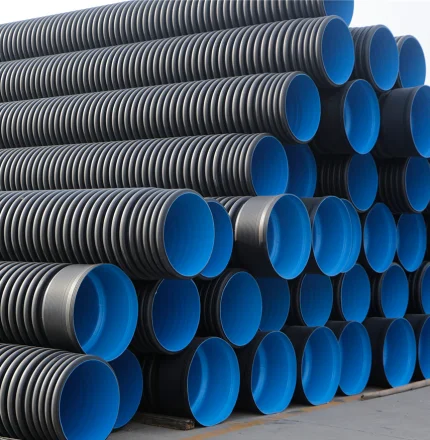
SIFFO is a leading HDPE pipe manufacturer and supplier, providing high-performance pipeline solutions for municipal water supply, drainage, gas, and industrial applications.
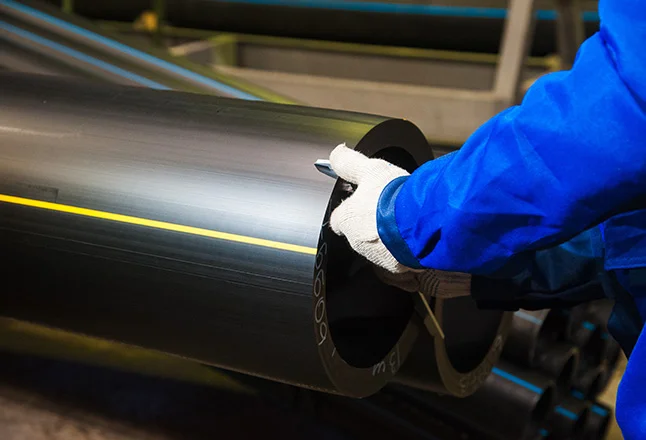
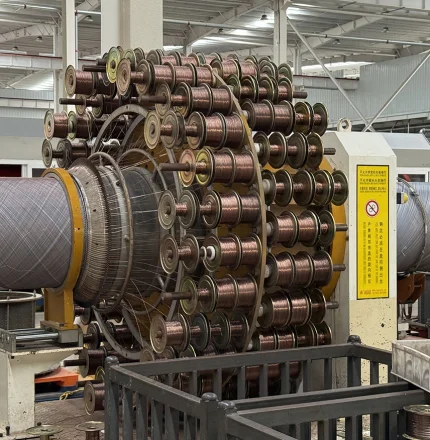
With advanced production technology, strict quality control, and global project experience, SIFFO delivers reliable HDPE piping systems tailored for international engineering standards.
▎Get a Quote for HDPE Water Pipe
Looking for a reliable HDPE pipe supplier in Malaysia?
Contact SIFFO today for customized solutions, technical support, and competitive pricing for your next water supply project.