
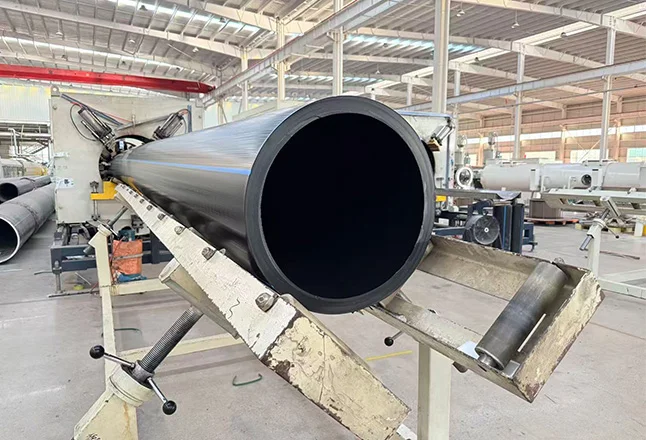

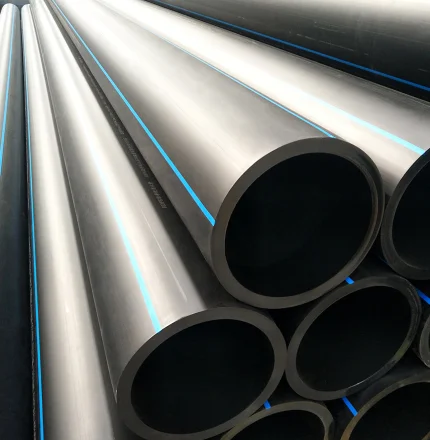
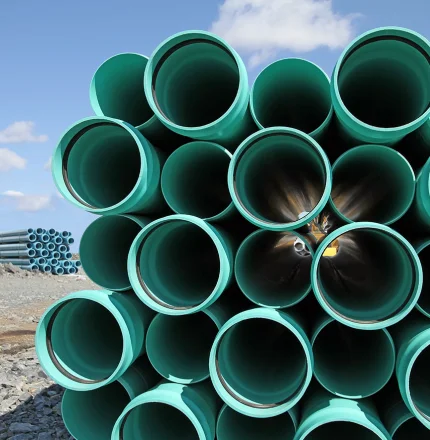

Pipe Selection and Preparation
Pressure Rating Selection
Common pressure ratings: 0.6MPa (low pressure), 1.0MPa (medium pressure), 1.6MPa (high pressure). Selection should be based on the design working pressure.
High-temperature environments (e.g., 45℃) require derating; it is recommended to select pipes with a higher pressure rating.
Material Acceptance
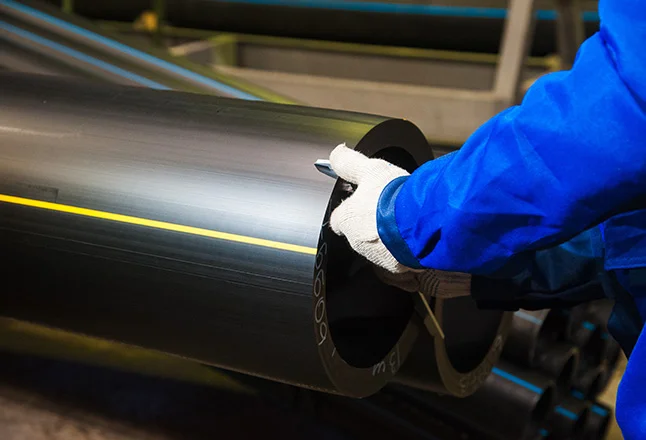
Check the appearance of the pipes for cracks and dents. Fittings and pipes should be from the same brand to ensure compatibility.
Pipe markings are outer diameter × wall thickness (e.g., φ50×3.7), which differs from the nominal diameter markings of drainage pipes.
Connection Method Selection
For pipe diameters dn ≤ 63mm, socket bonding is recommended. This method is simple to operate, low in cost, and uses specialized PVC adhesive.
For pipe diameters dn ≥ 63mm, elastic sealing ring connection is recommended. This method offers good sealing performance and strong shock resistance, suitable for buried or overhead pipelines.
Key Points for Bonding Connections
Port Preparation
Cuts must be flat and perpendicular to the axis, using a dedicated cutter or pipe cutter.
Chamfering is mandatory: 10°-15° slope, tip thickness approximately 1/3 of the pipe wall thickness and not less than 3mm.
Remove debris from inside and outside the pipe; roughen the socket and spigot with sandpaper of 400 grit or less.
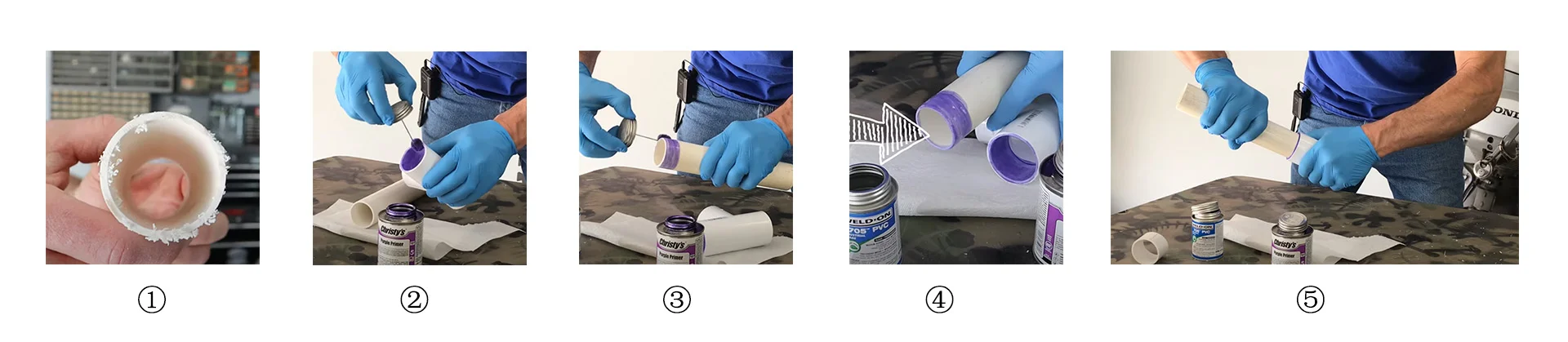
Bonding Operation
Cleaning: Wipe the socket and spigot with a cleaning agent to remove dust, oil, and moisture.
Measurement: Mark the insertion depth to ensure proper insertion.
Apply Adhesive: First apply to the inner wall of the socket, then to the outer wall of the spigot, spreading evenly and covering the entire interface surface.
Insert: Quickly insert to the bottom while rotating 90° to distribute the adhesive evenly, holding for 30 seconds under static pressure.
Cleanup: Wipe away excess adhesive to avoid "solvent cracking."
Curing Time (Critical!)
23°C Environment: Initial setting 1 hour, complete curing 2 hours
5°C Low Temperature: Initial setting 3 hours, complete curing 3 hours
Pressure testing can only be performed after complete curing. In humid weather, the curing time needs to be extended.
Rubber Ring Flexible Connection
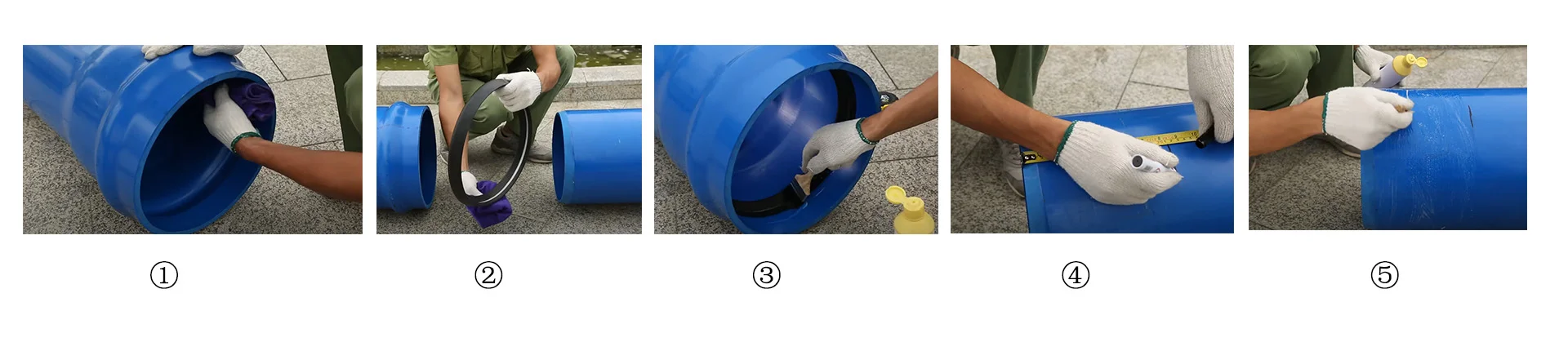
Lubrication and Marking: Mark the insertion depth on the spigot end and apply lubricant (do not use oil) to the rubber ring and spigot to facilitate installation and prevent damage to the rubber ring.
Expansion/Contraction Allowance: The spigot end should not be inserted to the bottom of the socket; a gap of at least 10mm should be left for expansion and contraction. This is crucial to prevent deformation due to thermal expansion and contraction of the pipeline.
Pay attention to expansion and contraction compensation
UPVC pipes have a relatively high coefficient of linear expansion (approximately 5-7 times that of steel pipes), making them prone to thermal expansion and contraction.
Installation timing: When using socket-type flexible joints, installation should be carried out when the temperature is higher (as the pipe is longer) to ensure proper insertion of the spigot; adhesive connections are better performed when the temperature is lower to reduce internal stress caused by contraction.
Installation joints: Exposed or buried pipelines must be equipped with expansion joints as required by the design. When the design does not specify, the spacing between expansion joints in straight pipelines should not exceed 4 meters.
Important Precautions:
Hot air welding is strictly prohibited for connecting UPVC water supply pipes.
Moving or pressurizing the pipes before they are fully cured is strictly prohibited.
Using non-specific adhesives is strictly prohibited (water supply-specific adhesives such as IPS711 must be used).
Rough handling is strictly prohibited during installation; UPVC is brittle and must be handled with care.
Overtightening of threaded connections is strictly prohibited to avoid pipe breakage.
Fixing and guiding: Concrete thrust blocks or metal clamps must be installed at stress points such as elbows and tees to resist the thrust generated by water pressure. Additionally, a fixed support should be installed on each floor of the riser to control the direction of pipe expansion and distribute its weight.