
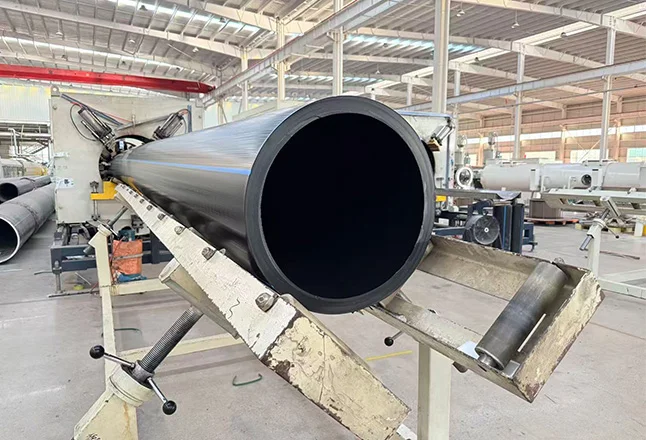

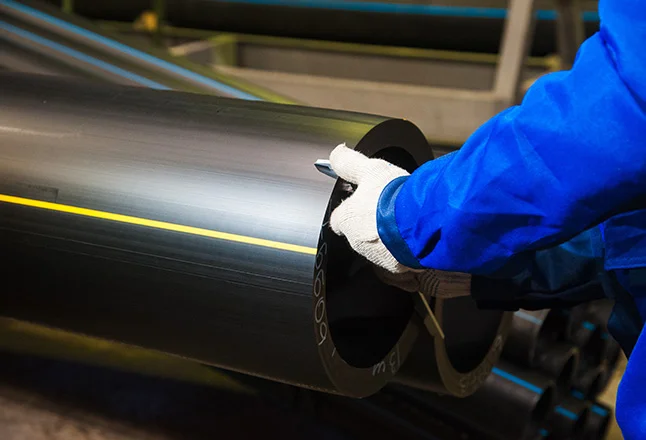
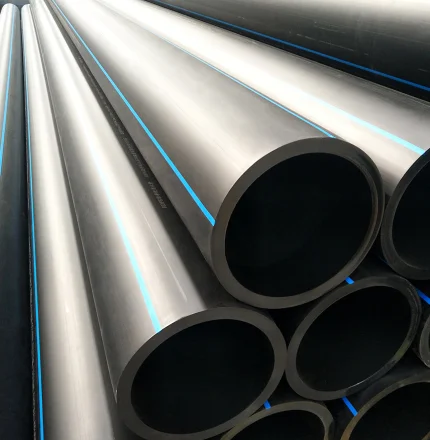
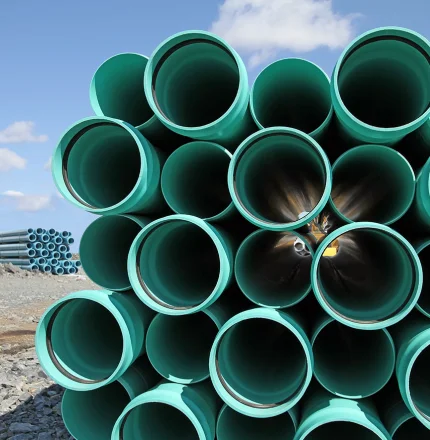
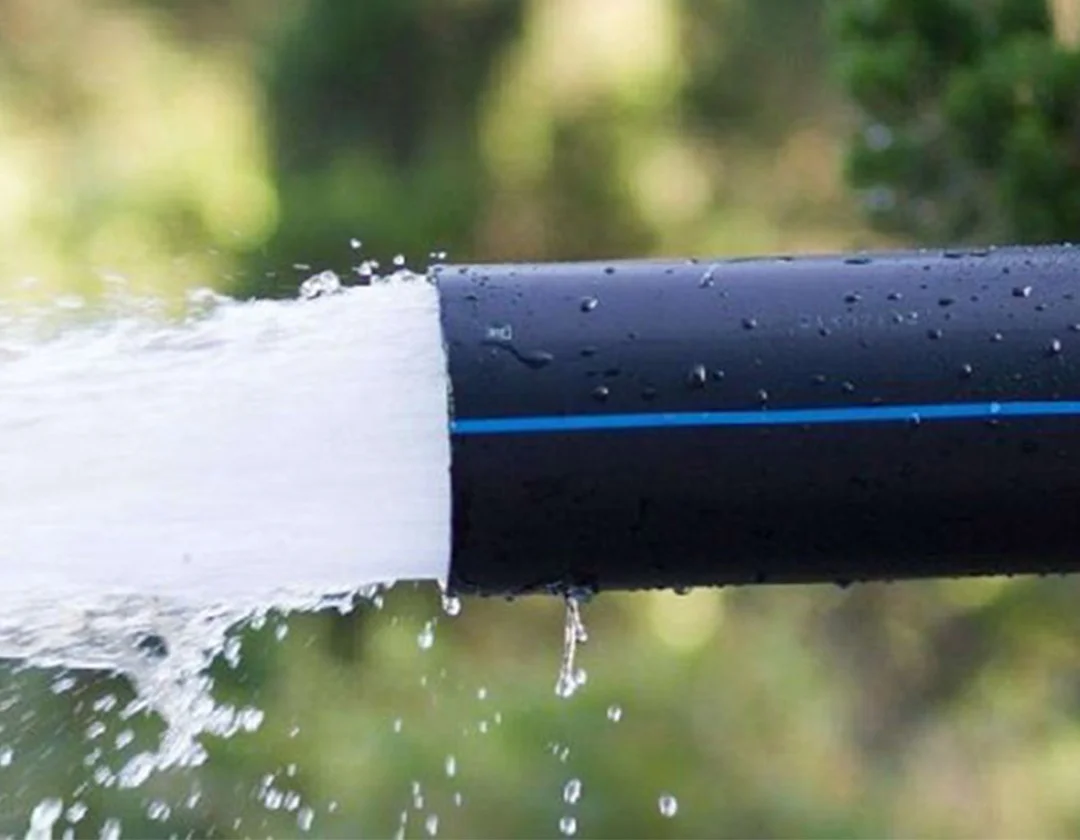
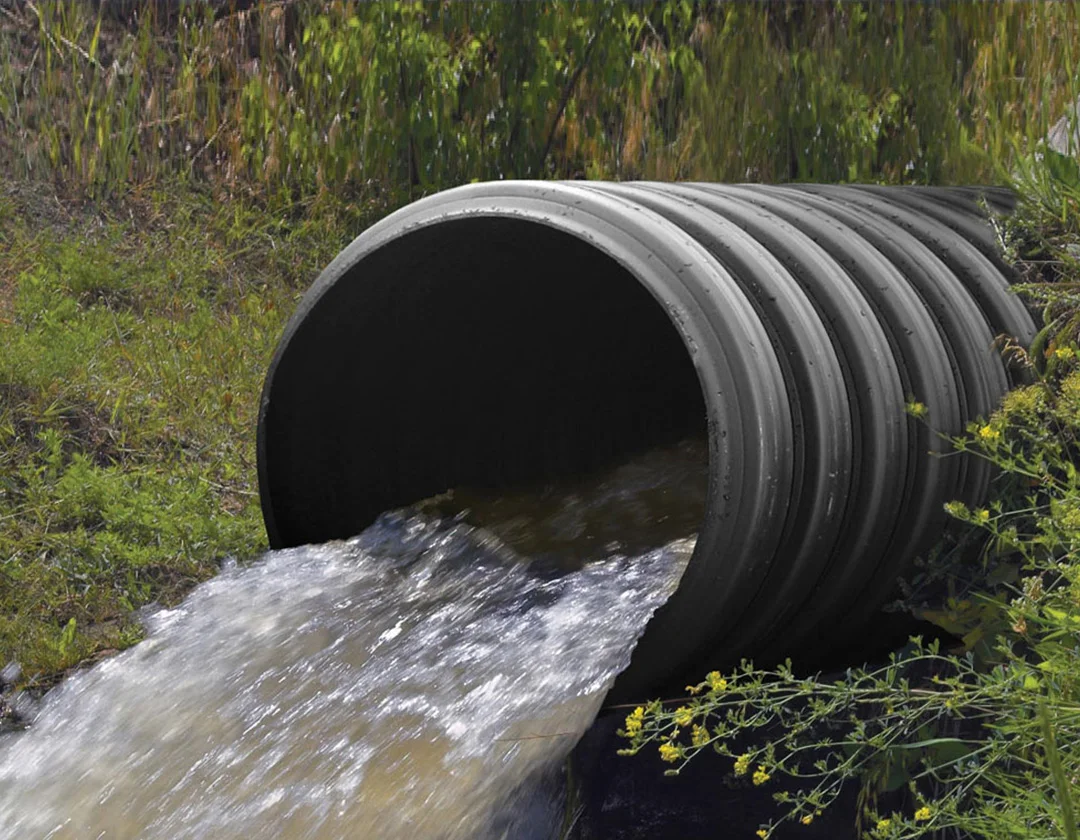
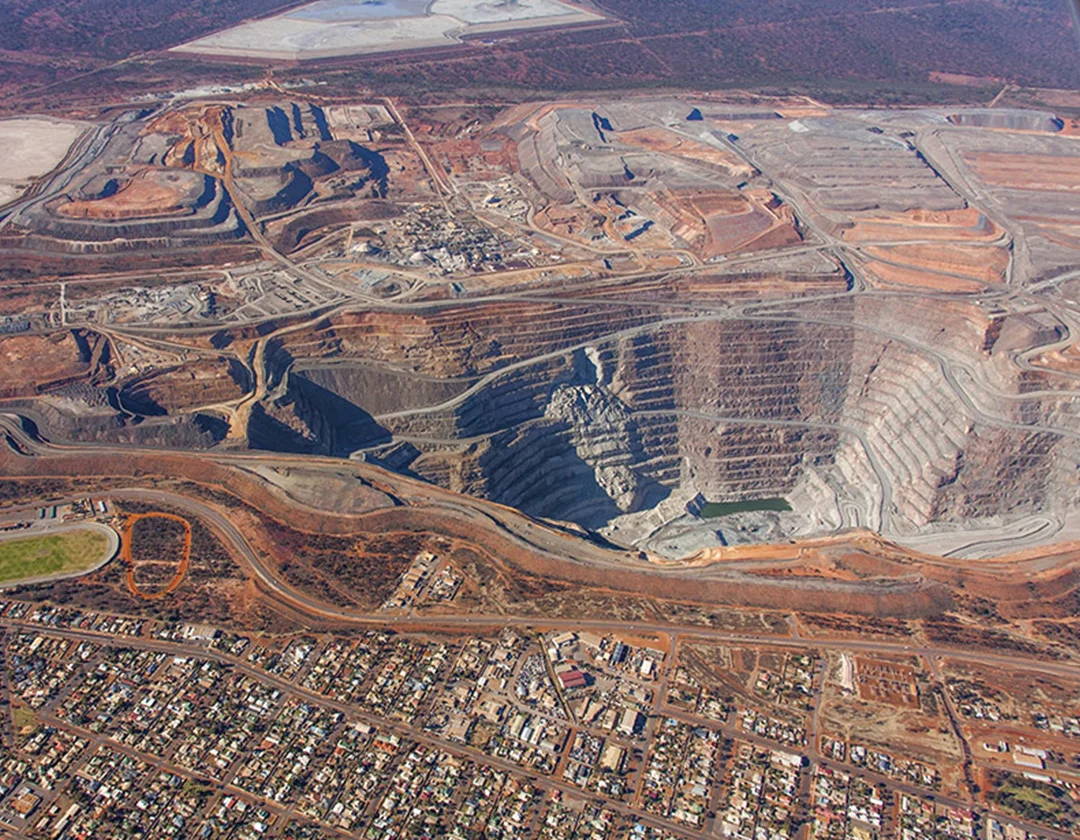
The African continent faces severe water resource challenges, and the safe, sustainable extraction of groundwater is critical to securing community drinking water and agricultural irrigation. In well construction, the well casing serves as the core component that protects the borehole wall, isolates geological formations, and prevents contamination. The choice of casing material directly impacts the service life of the well and the safety of the water quality. In recent years, PVC (Polyvinyl Chloride) well pipes have gained increasingly widespread application in African water well projects due to their unique performance advantages, gradually replacing traditional metal materials.
Core Characteristics of PVC Well Pipe
PVC well pipes are extruded from polyvinyl chloride resin and are specifically designed for well wall protection, well screens (filters), and borehole lining. Their key technical characteristics include:
1. Excellent Corrosion Resistance
PVC exhibits extremely high resistance to acids, alkalis, and salts in the soil, minerals in groundwater, and common chemical disinfectants (such as chlorine). In many parts of Africa where soil humidity is high and groundwater chemistry is complex, metal pipes are highly susceptible to electrochemical corrosion and scaling, whereas PVC is virtually immune to such issues, with a service life exceeding 50 years—2 to 3 times longer than traditional steel pipes.
2. Lightweight and Easy to Install
The density of PVC pipe is only about 1/8 that of steel, allowing a single person to carry and install it, significantly reducing dependence on heavy lifting equipment. In remote or inaccessible rural areas of Africa, this characteristic is particularly valuable, substantially lowering transportation costs and construction difficulty while shortening project timelines.
3. Superior Hydraulic Performance
The interior wall of PVC pipe is extremely smooth (Manning's coefficient approximately 0.008–0.009), resistant to scaling and bacterial growth, effectively reducing frictional water loss, increasing yield, and lowering pump energy consumption.
4. Electrical Insulation and Safety
As a non-conductive material, PVC will not suffer from electrochemical corrosion caused by lightning strikes or stray currents, nor will it damage pump systems due to lightning strikes. This is a significant safety advantage in Africa's lightning-prone tropical regions.
5. Cost-Effectiveness and Low Maintenance
The procurement cost of PVC well pipe is significantly lower than that of stainless steel and carbon steel. Moreover, it requires virtually no anti-corrosion maintenance after installation, offering a clear advantage in total lifecycle cost.
6. Hygienic and Environmentally Friendly
PVC pipes produced with tin or calcium-zinc stabilizers comply with drinking water hygiene standards (e.g., GB/T 17219), releasing no harmful substances into the water, and do not alter water color, taste, or odor.
Key Application Areas
In Africa, PVC well pipes are primarily used in the following scenarios:
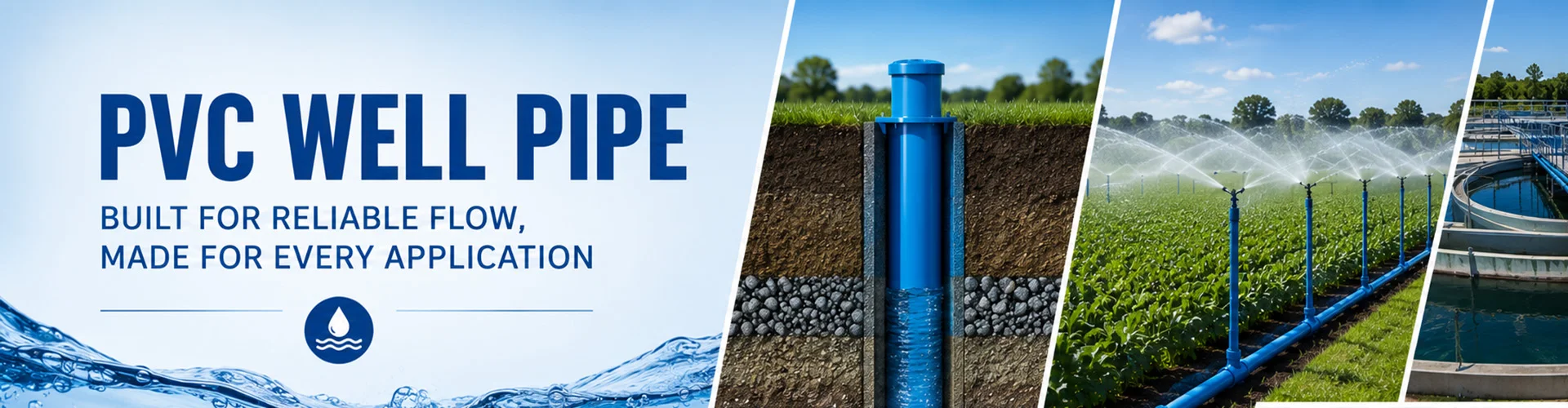
Rural safe drinking water projects: Well casings and screen pipes for hand-pump wells and small-scale motorized wells
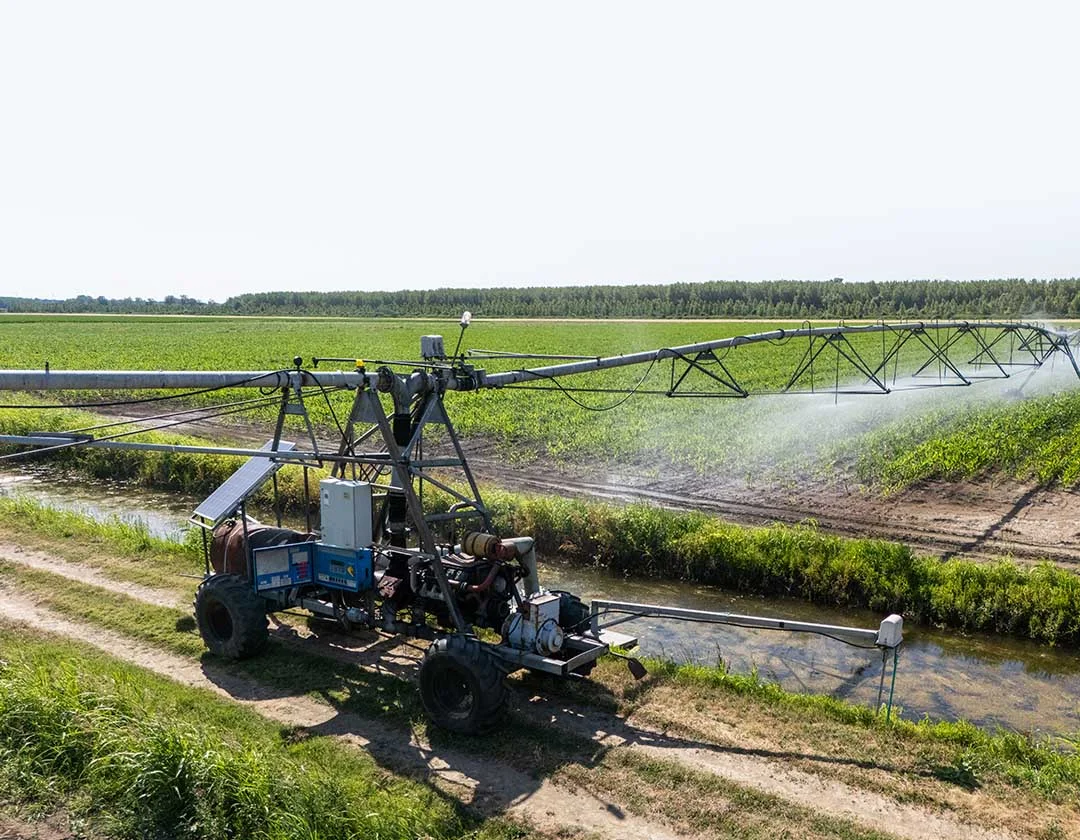
Agricultural irrigation wells: Casing systems for shallow and medium-to-deep submersible pump wells
Community water supply wells: Well-bore linings for centralized municipal water supply source wells
Monitoring wells: Specialized casings for environmental and geological monitoring wells
Comparative Analysis with Other Casing Materials
| Comparison Dimension | PVC/UPVC Well Pipe | Carbon Steel Pipe | Stainless Steel Pipe | Cement Pipe |
| Corrosion Resistance | Extremely high; immune to biological corrosion | Poor; prone to rust and scaling | Moderate to good | Poor; prone to leakage |
| Compressive Strength | Low to medium (suitable for shallow to medium-depth wells) | Extremely high | Extremely high | High |
| Weight | Very light (easy to transport) | Very heavy (requires mechanical lifting) | Heavy | Extremely heavy |
| Installation Difficulty | Simple (threaded or socket connections) | Complex (requires welding equipment) | Complex | Complex |
| Procurement Cost | Very low | Low | High | Moderate |
| Service Life | 50+ years | 25–40 years (depending on corrosion) | 40+ years | 20–30 years |
| Temperature Resistance | ≤60°C (PVC) / ≤80°C (uPVC) | High | High | Moderate |
| Applicable Depth | Generally ≤200–250 meters | Deep and ultra-deep wells | Deep wells | Shallow wells |
| Maintenance Requirements | Virtually zero | Requires periodic anti-corrosion treatment | Low | Prone to damage; requires repair |
Unique Advantages in the African Region
In African nations such as Zimbabwe, Kenya, and Nigeria, PVC well casings are rapidly replacing metal ones, driven by several key factors:
An optimal solution amidst budget constraints: Many water projects in Africa operate with limited funding; the low cost of PVC allows for the drilling of more wells and broader water supply coverage within the same budget.
Resilience against harsh climates: In regions characterized by long rainy seasons and high humidity, metal casings are prone to accelerated corrosion, whereas the corrosion resistance of PVC ensures the long-term, stable operation of wells.
Suitability for existing infrastructure conditions: In remote areas lacking heavy machinery and specialized technical personnel, the lightweight nature and ease of installation of PVC—which requires only manual threaded connections—significantly lower the barriers to construction.
Reduced long-term operational burden: Well projects funded by governments and NGOs often lack funds for ongoing maintenance; the "zero-maintenance" nature of PVC well casings ensures the sustainability of these projects.
Procurement Considerations
For buyers in Africa (government agencies, engineering contractors, NGO procurement departments), the following points should be prioritized when selecting PVC well casings:
1. Confirm Pressure Rating and Wall Thickness
Select casings with a pressure rating of Class 9 or Class 10; these offer higher collapse resistance and can withstand external soil and water pressures during drilling and operation. Choose the appropriate combination of outer diameter and wall thickness based on well depth (typically 4 to 8 inches).
2. Material Distinction: PVC vs. UPVC
For drinking water wells, prioritize UPVC (rigid PVC) due to its superior rigidity, durability, and chemical stability.
For general agricultural irrigation or shallow wells, standard PVC is sufficient.
3. Connection Method and Sealing
Check the pipe end connection type:
Threaded connection: Ensure thread precision meets standards (e.g., ASTM F480) and use with sealing rings.
Solvent-welded (socket) connection: Requires specialized PVC adhesive and proper installation procedures.
Mechanical connection: Some newer mechanical joints offer faster and more reliable installation.
4. UV Resistance
Given the intense sunlight in Africa, if pipes are to be stored outdoors or used in above-ground sections, confirm the inclusion of UV stabilizers. Without them, prolonged exposure causes surface chalking and embrittlement, significantly reducing strength.
5. Sanitary Safety Certification
For drinking water wells, require suppliers to provide toxicity test reports confirming the use of lead-free stabilizers (calcium-zinc or tin-based) that comply with WHO or local Ministry of Health water safety standards.
6. Physical Property Testing
Require third-party test reports covering key indicators such as:
Vicat softening temperature (≥80°C)
Tensile yield stress (≥40 MPa)
Ring stiffness (SN ≥12.5 kN/m²)
Falling-weight impact strength (at 0°C)
7. Supplier Qualification Assessment
Prioritize manufacturers with continuous extrusion production lines and factory facilities exceeding 5,000 m².
Verify ISO quality management system certification.
Request records of past projects in Africa and data on reorder rates. Confirm the Minimum Order Quantity (MOQ) and lead time (typically 15–30 days).
8. Storage and Transportation
Pipes should be stored in a cool, well-ventilated area away from direct sunlight.
Do not stack pipes too high to prevent deformation.
Protect threaded ends to avoid damage from impact.
Conclusion
For the African region, selecting PVC well casing for well construction is a prudent decision that balances cost-effectiveness, durability, and operational feasibility. It not only withstands the region's complex hydrogeological and climatic conditions but also maximizes the social impact of well projects within limited budgets. However, to ensure that every well provides a safe and reliable source of clean water to the community over the long term, purchasers must exercise strict quality control—focusing on key parameters such as pressure ratings, UV stability, and hygiene certifications—and select reputable suppliers.