
In the high-stakes world of mineral extraction, operational efficiency is often dictated by the integrity of the supply chain infrastructure. One of the most critical, yet often overlooked, components of a mine site is the piping system.
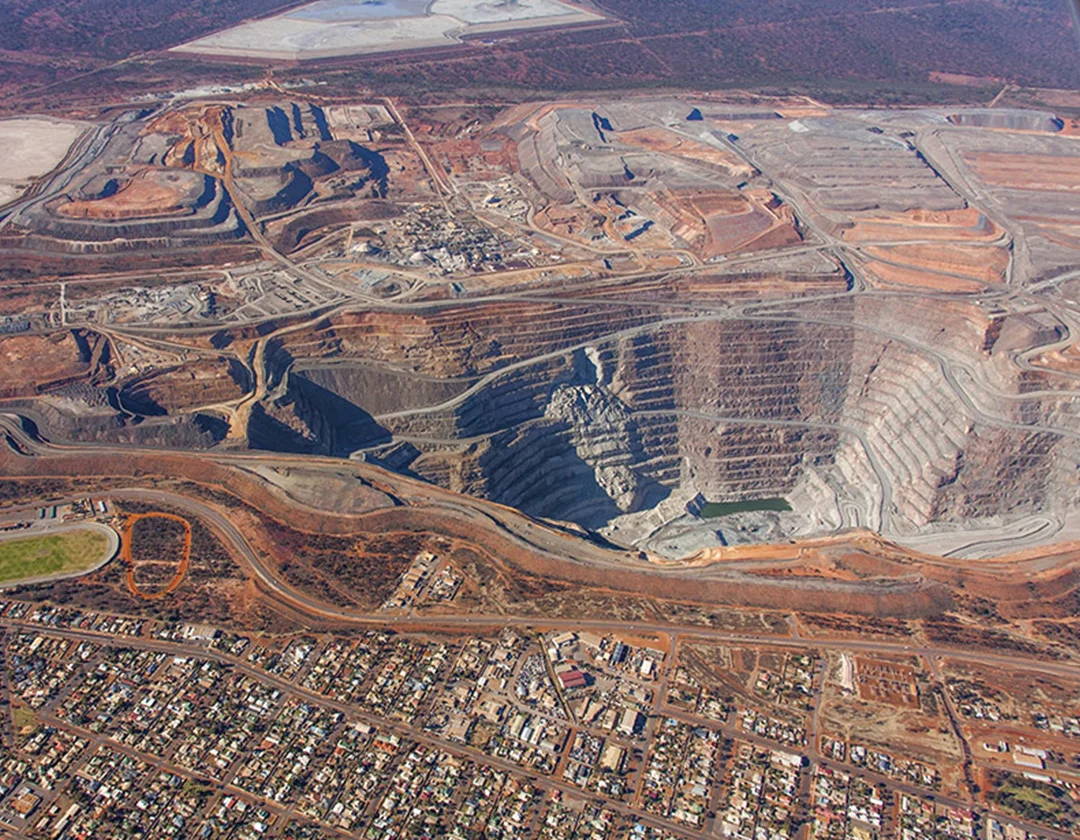
Mines located in remote regions—from the copper belts of Africa to the sand mining fleets of the North Sea—face a relentless enemy: abrasion. Transporting slurry, tailings, and process water through traditional steel pipes often leads to rapid corrosion, heavy maintenance costs, and catastrophic leaks.
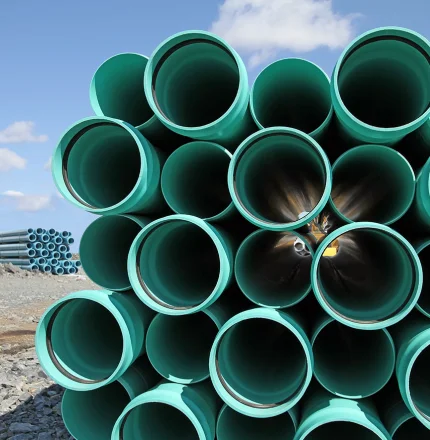
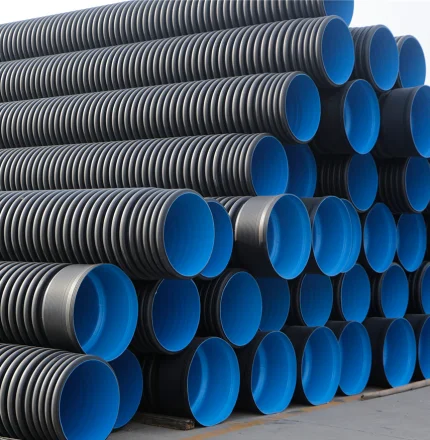
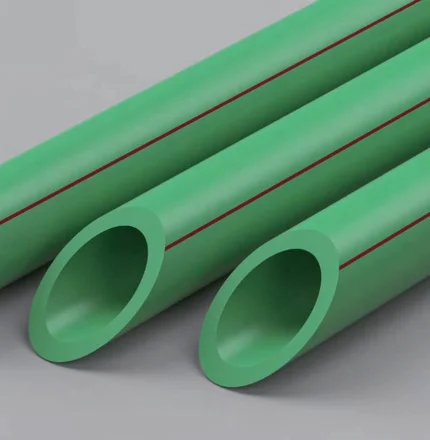
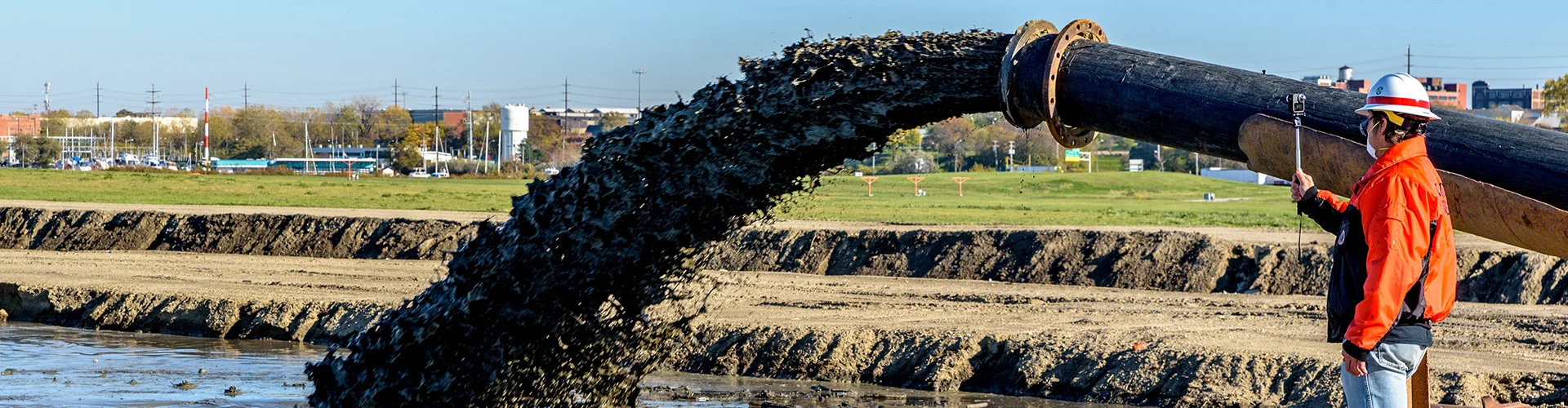
This is where HDPE Dredging Pipe has revolutionized the industry. As global mining depths increase and environmental regulations tighten, High-Density Polyethylene (HDPE) has emerged not just as an alternative, but as the gold standard for dredging and slurry transfer.
In this article, we explore why HDPE is solving the mining industry’s toughest pipeline problems, its future trends, and how Shandong SIFFO Plastic Technology Co., Ltd. is leading the charge in delivering these world-class solutions to international markets.
Part 1: The "Pain Points" of Traditional Mining Pipelines
For decades, mining operations relied heavily on steel and ductile iron pipes. However, these materials struggle to keep up with modern mining demands. Here are the three biggest challenges mine operators face:
1. The Abrasion Monster
When pumping sand, rock slurry, or tailings, the internal walls of steel pipes wear down rapidly. This leads to paper-thin walls, pinhole leaks, and eventual blowouts. The cost of replacing a steel pipeline in a remote location is astronomical when factoring in downtime and logistics.
2. Corrosion from Chemicals
Mining often involves aggressive chemicals for leaching (like sulfuric acid) or highly saline water. Steel is highly susceptible to rust and chemical degradation. HDPE, conversely, is chemically inert.
3. Logistical Nightmares
Steel pipes are heavy. Transporting them to a mine in the mountains or a dredging vessel at sea requires heavy machinery and significant fuel costs. Furthermore, connecting steel pipes requires heavy flanges and skilled welders, slowing project timelines.
Part 2: The HDPE Advantage—Why It Wins in Dredging & Mining
HDPE pipes are not just "plastic pipes"; they are engineered thermoplastics designed for extreme conditions. Here is why mining engineers globally are switching to HDPE dredging lines:
Superior Abrasion Resistance
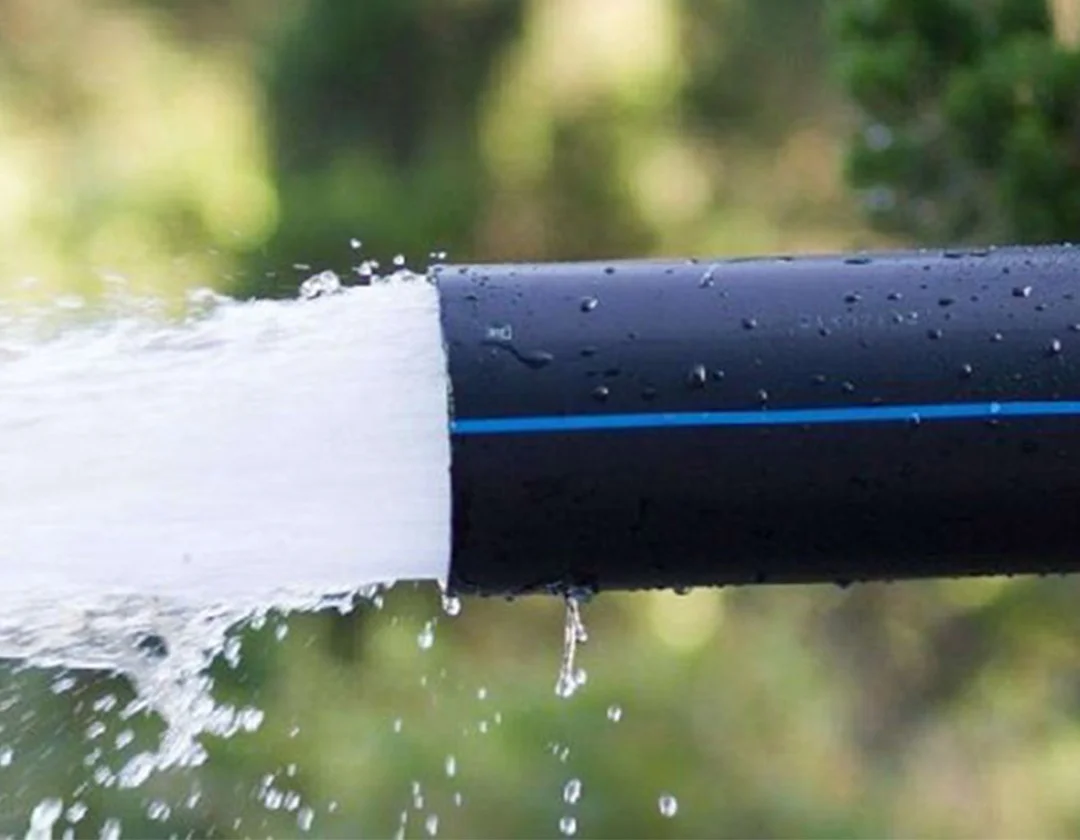
HDPE has a smoother interior surface (Hazen-Williams coefficient of C=150) and is inherently more resistant to sliding abrasion than steel. For sand and slurry transport, the service life of HDPE often exceeds that of steel by 4 to 8 times.
Lightweight & Flexible
The specific gravity of HDPE is about 1/8th that of steel. This makes it ideal for floating dredging pipelines (it floats!) and allows for coiling, which reduces the number of joints needed. Its flexibility allows it to absorb ground movement, seismic activity, and vessel wake without cracking.
Leak-Free Joints
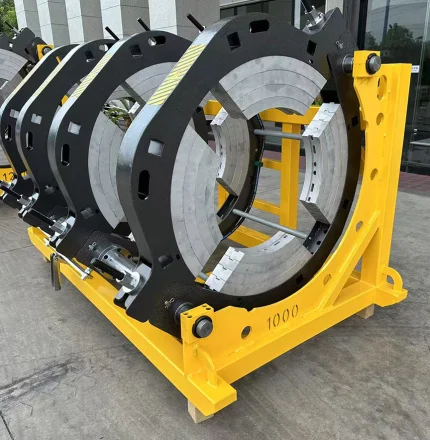
HDPE pipes are joined via butt fusion or electrofusion. This creates a monolithic, homogenous system stronger than the pipe itself. Unlike rubber gaskets or welded steel, these joints are leak-proof, preventing toxic tailings from seeping into the groundwater—a critical factor for environmental compliance.
Cost Efficiency
While the initial material cost may sometimes compete with steel, the Total Cost of Ownership (TCO) is much lower. You save on:
Transport: Lighter weight = lower freight costs.
Installation: Faster fusing and less heavy machinery.
Maintenance: No painting, no cathodic protection, no corrosion checks.
Part 3: International Applications (Case Studies)
HDPE dredging pipes have been battle-tested in mega-projects worldwide:
The New Suez Canal (Egypt): In one of the world's largest dredging projects, contractors chose HDPE pipes for the discharge lines due to their ability to handle the aggressive mixture of rock and sand while remaining buoyant and flexible in the canal's currents.
North Sea Sand Mining (Netherlands): Vessels like the MS Zeeburg utilize HDPE (PE100) pipes for jet lines. The pipes must resist constant saltwater corrosion and abrasion from sand. HDPE provides the necessary durability and service life of over 25 years in this harsh marine environment.
African Mining Hubs: In Africa, HDPE is the specified material for slurry transfer. The South African Plastic Pipe Manufacturers Association (SAPPMA) notes that HDPE’s ability to handle sharp particles, extreme temperatures, and high pressures makes it indispensable for the continent's resource extraction.
Part 4: The Future—Smart & Sustainable Piping
The global mining pipe market is projected to grow at a CAGR of 4.4% through 2031. The future trends include:
Eco-Friendly Materials: A push for fully recyclable HDPE pipes and the use of virgin materials that meet ISO and WRAS standards to prevent contamination.
Higher Pressure Ratings: As mines go deeper, the demand for high-pressure HDPE (PN16-PN25) for dewatering and tailings disposal is increasing.
Part 5: Shandong SIFFO—Your Strategic Partner for HDPE Exports
Sourcing HDPE pipes for international mining projects requires a supplier who understands global standards, logistics, and quality control. Shandong SIFFO Plastic Technology Co., Ltd. is positioned as a leading force in the industry.
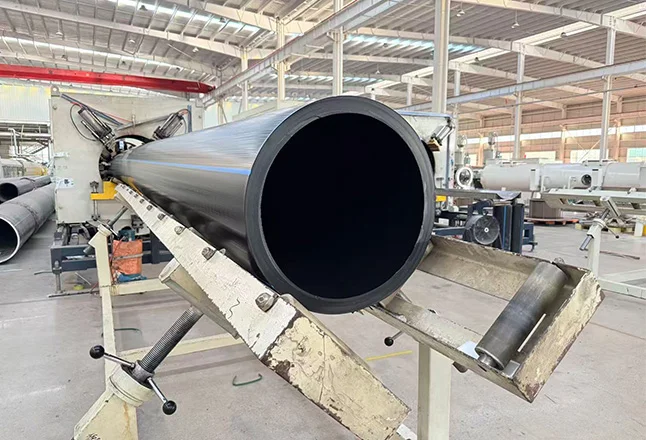
Located in Linyi City, Shandong Province—a major logistics hub in China—SIFFO leverages "first-class production equipment and advanced detection equipment" to manufacture pipes that meet rigorous international demands.
Here is why global buyers choose SIFFO for their dredging and mining projects:
1. Certifications You Can Trust
Compliance is non-negotiable in mining. SIFFO has passed ISO, WRAS, and SGS certifications. This ensures that our HDPE pipes are safe for potable water transport (where needed) and durable enough for chemical slurry.
2. Massive Production Capacity
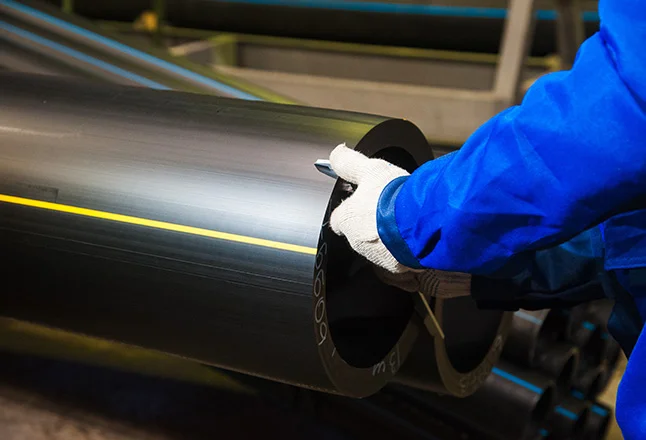
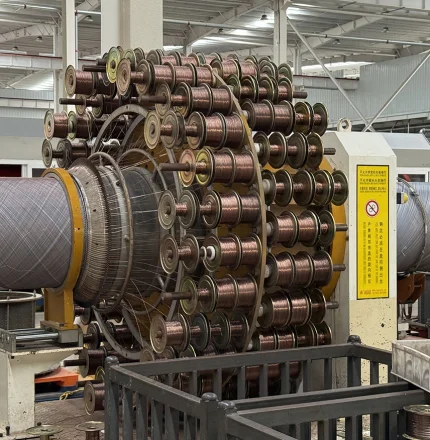
With an annual production capacity of 100,000 tons, SIFFO can handle large-scale infrastructure projects without delays. We utilize high-tech production lines to ensure wall thickness consistency (SDR11 to SDR41) required for high-pressure dredging.
3. Logistics & Speed
As evidenced by recent export bills of lading (e.g., shipments to the Philippines), SIFFO has a proven track record of efficient export logistics. We provide fast delivery times, ensuring your mine site or dredging vessel stays on schedule.
4. Comprehensive Range
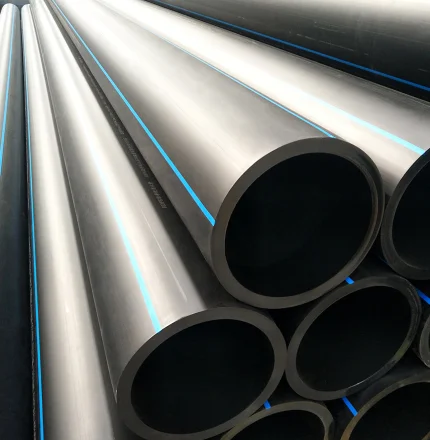
We don't just sell pipes; we provide systems. SIFFO manufactures HDPE pipes, fittings, and custom solutions for:
Conclusion
From the depths of the North Sea to the deserts of Egypt, HDPE Dredging Pipe is solving the mining industry’s toughest challenges. Its combination of abrasion resistance, flexibility, and leak-free joints offers a superior return on investment compared to traditional steel.
As the mining industry moves toward deeper, more efficient, and environmentally responsible operations, the demand for high-quality HDPE will only grow.
Shandong SIFFO Plastic Technology Co., Ltd. is ready to be your partner in this journey. With our certifications, capacity, and commitment to quality, we deliver the durability your mine requires.